







Photos and text by René Ligon
During the June 26-28 weekend, an unprecedented heat wave gripped Germany as the Dornier Do 27’s 70th-anniversary celebration took place in Bad Gandersheim. Temperatures soared high enough to buckle roads and railway tracks from thermal expansion, while countless public events were canceled over concerns about heat-related illnesses. None of this deterred the dedicated owners and pilots of this remarkable aircraft, who gathered to celebrate one of Europe’s most distinctive postwar utility airplanes. The Dornier Do 27 is a unique aircraft worthy of such recognition. After serving tirelessly with numerous European and African military forces, the type gained international fame through the work of renowned veterinarian and conservationist Bernhard Grzimek and his son Michael, eventually becoming a star of the silver screen.
(Image credit: René Ligon)
The Dornier Do 27
Tracing its lineage to the legendary Fieseler Fi 156 Storch, the pioneering STOL aircraft of the Second World War, the Dornier Do 27 made aviation history as Germany’s first production aircraft built after the war. It was designed to fulfill many of the same missions as its famous predecessor, including liaison, observation, light transport, and medical evacuation. Restrictions placed on German aircraft development and manufacturing in the years immediately following the war forced companies such as Dornier to continue their work abroad. In Dornier’s case, production initially moved to Spain, where the Do 25 prototype first flew at CASA’s facility near Seville 72 years ago. With only minor modifications, the design entered production in Germany as the Do 27.
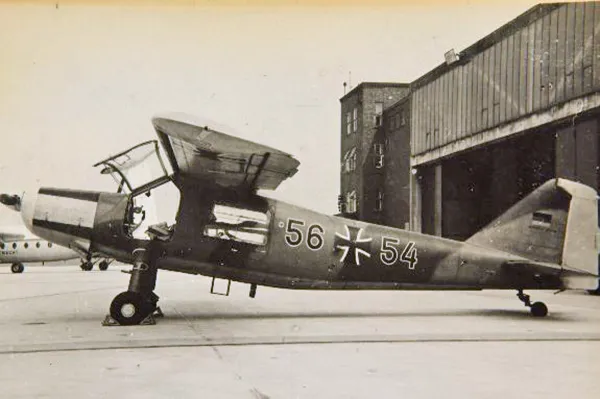
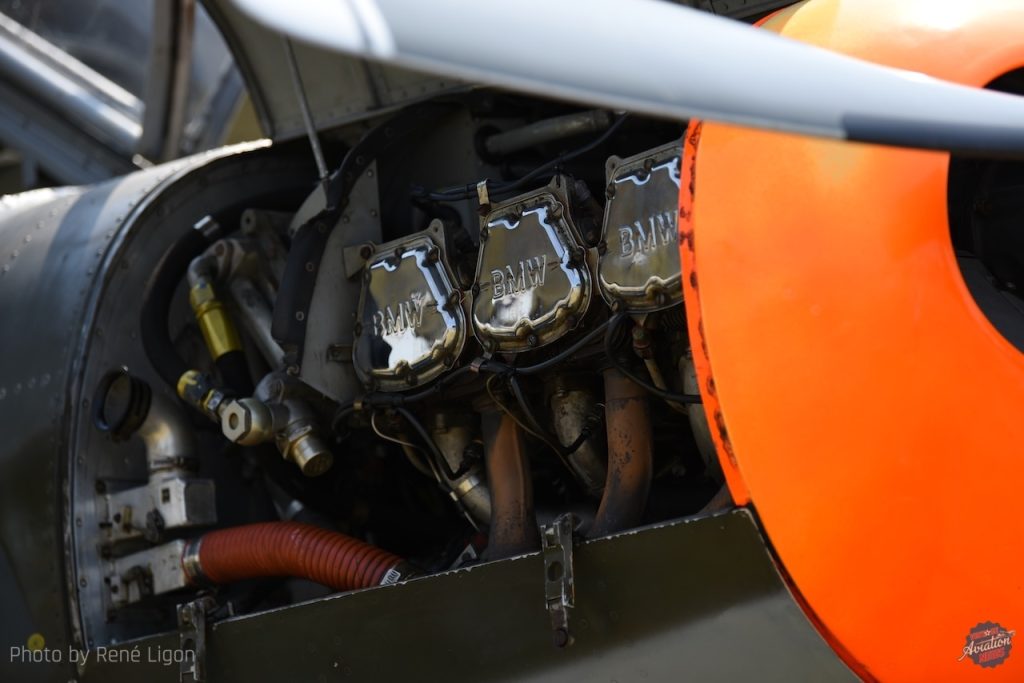
Over a nine-year production run, approximately 627 aircraft were built. The Do 27 remained in Luftwaffe service until 1980, after which many aircraft found second careers in civilian hands as glider tugs, skydiving aircraft, and recreational airplanes. Other military operators retained the type much longer. Switzerland did not retire its final Do 27 until 2008, while Spain continued operating the aircraft until 2014. Today, fewer than 200 Do 27s are believed to survive, with fewer than 50 remaining airworthy worldwide. Like many historic aircraft, however, the Do 27 faces an uncertain future. The principal challenge is engine availability. The aircraft uses the rare Lycoming GO-480-B1A6, an engine that was installed in only three aircraft types. Although alternative engines could be adapted to the airframe relatively easily, German certification regulations prohibit such modifications. Since the majority of surviving Do 27s remain registered in Germany, this has become a significant obstacle to keeping the type flying.
(Image credit: René Ligon)
The Event at Bad Gandersheim (EDVA)
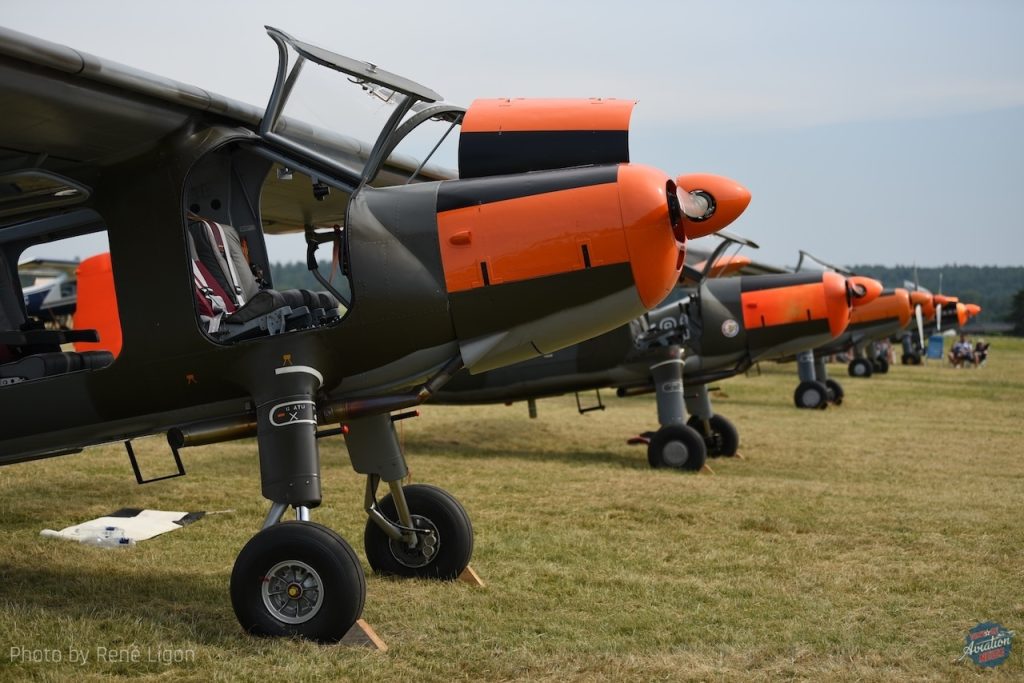
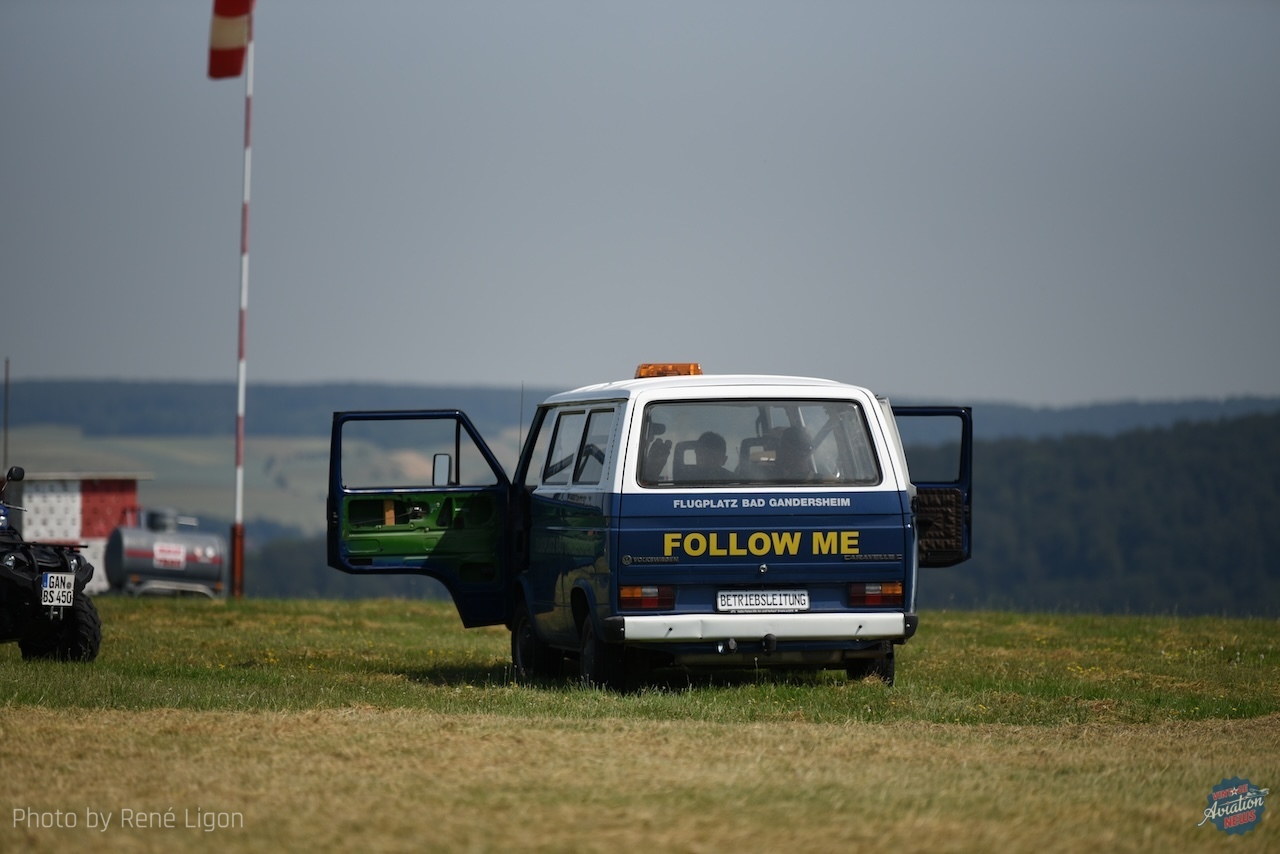
The anniversary gathering therefore carried added significance. The event was organized by Markus Rheinländer and his “Save a Dornier” initiative. Rheinländer is well known within the Do 27 community for flying, maintaining, and restoring the type, as well as for authoring books, articles, and organizing numerous events dedicated to its preservation. Although his own aircraft, painted in Spanish Air Force markings, was unable to attend while awaiting a replacement engine, Rheinländer and the Do27-Gandersheim team assembled 23 Dornier Do 27s for the anniversary—nearly half of the world’s airworthy fleet.
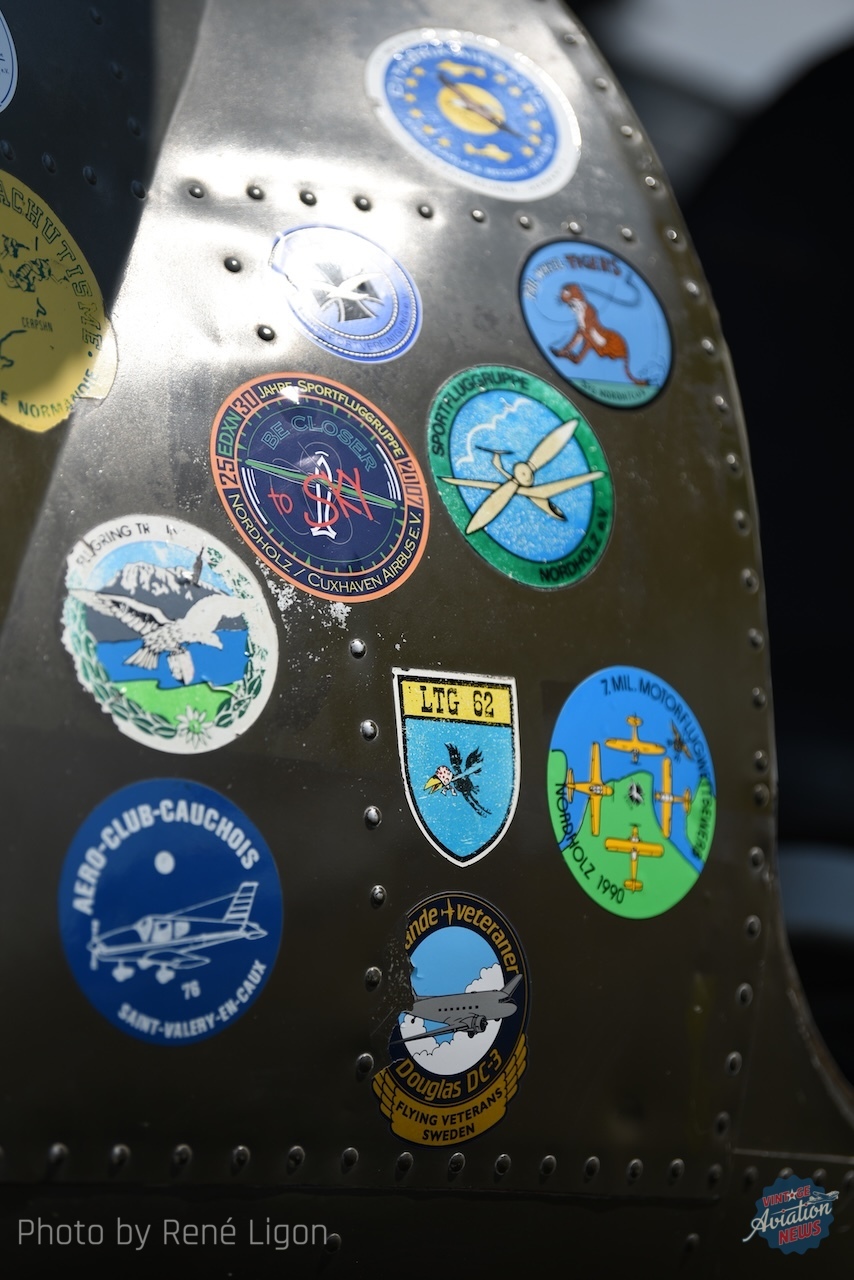
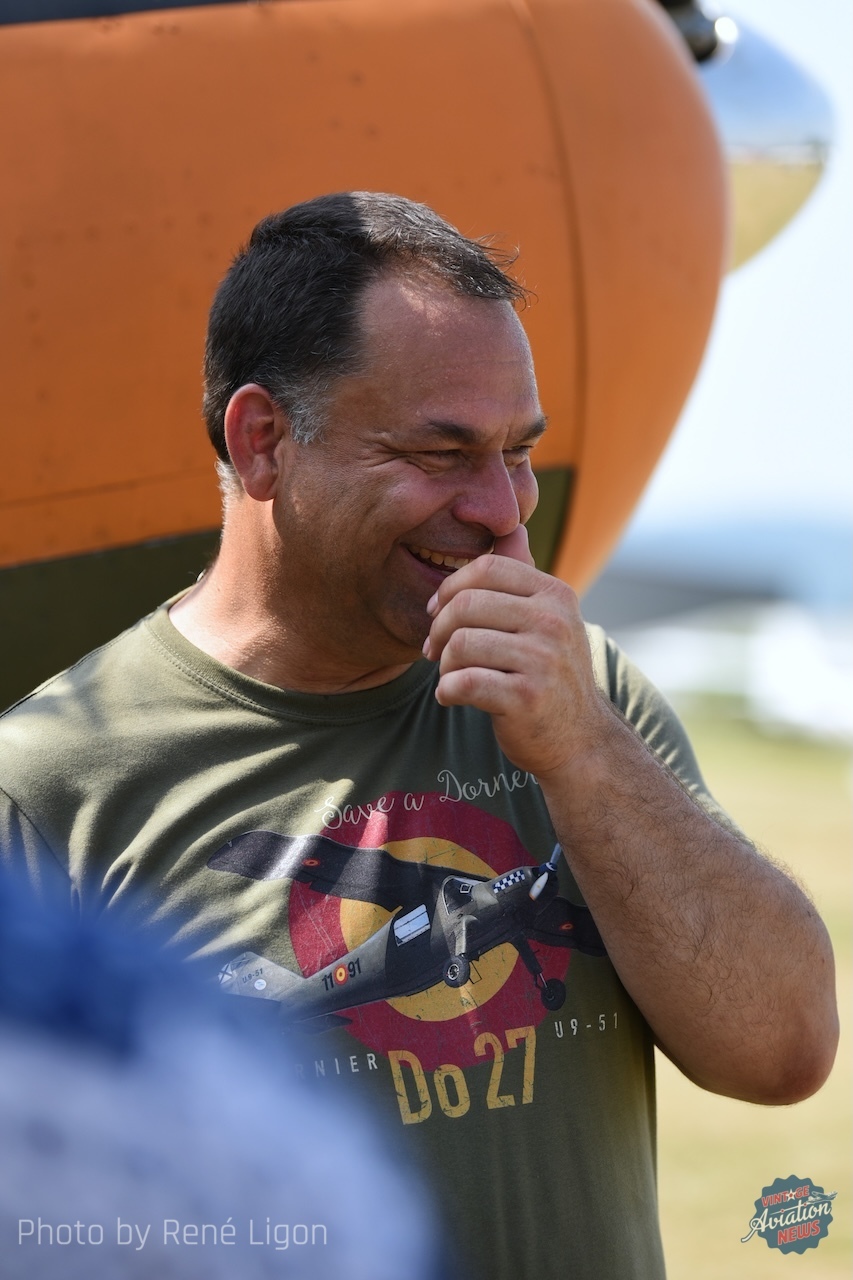
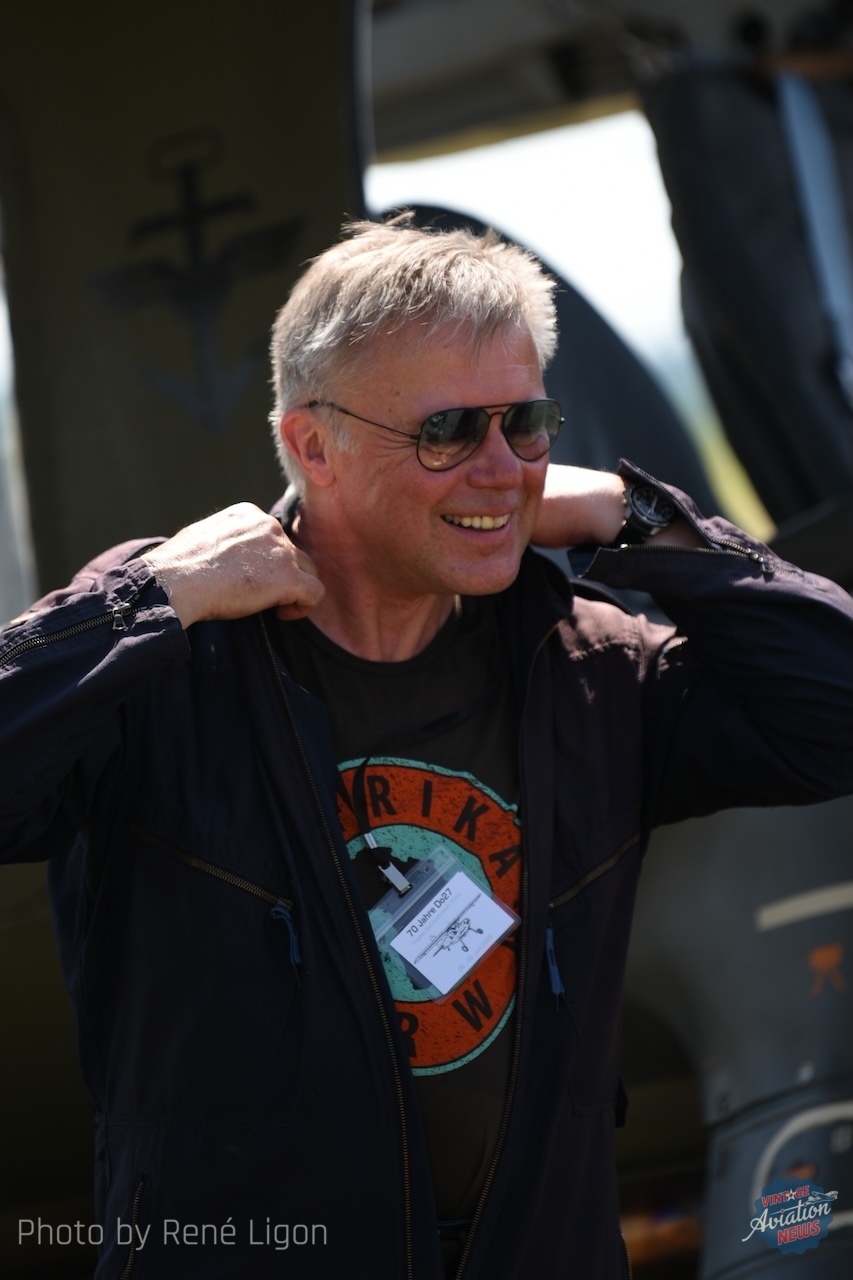
Aircraft were carefully arranged in separate civilian and military display lines, creating a striking reminder of the days when the Do 27 served actively across Europe. Joining the gathering was a remarkably original Fieseler Fi 156 Storch, the only non-Do 27 permitted on the field that day in recognition of the aircraft that inspired Dornier’s STOL design. The attention to detail extended well beyond the aircraft themselves. After sunset, every airplane was individually illuminated with spotlights, creating a colorful nighttime display once the intense summer heat subsided.
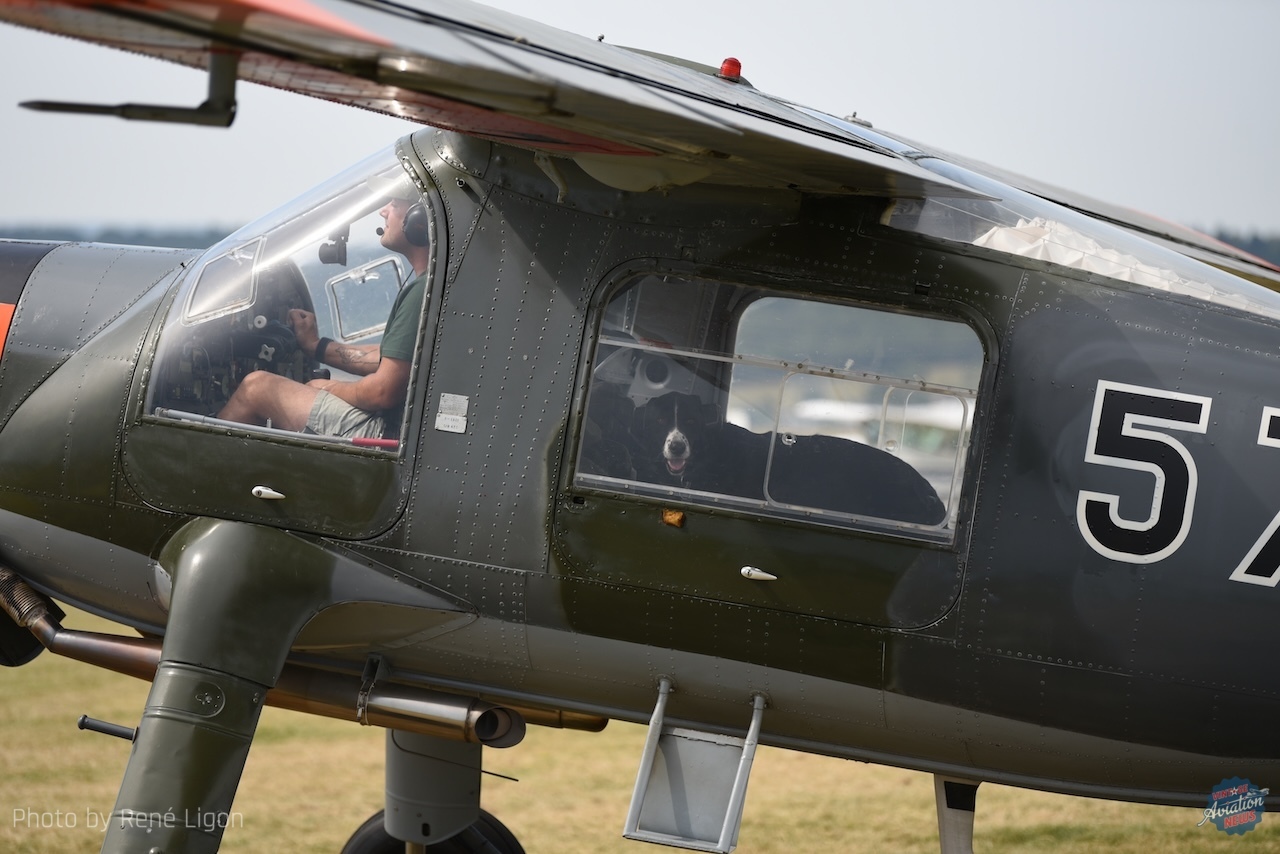
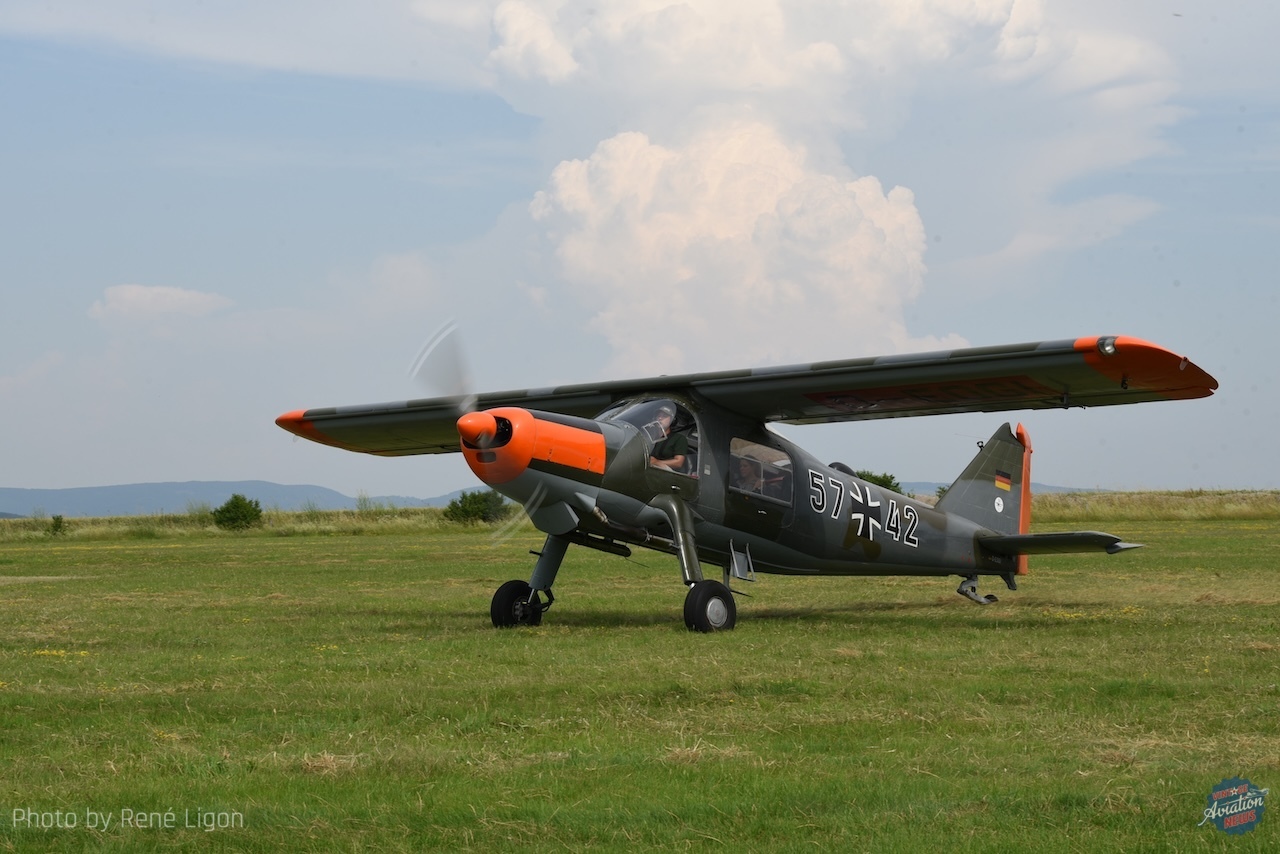
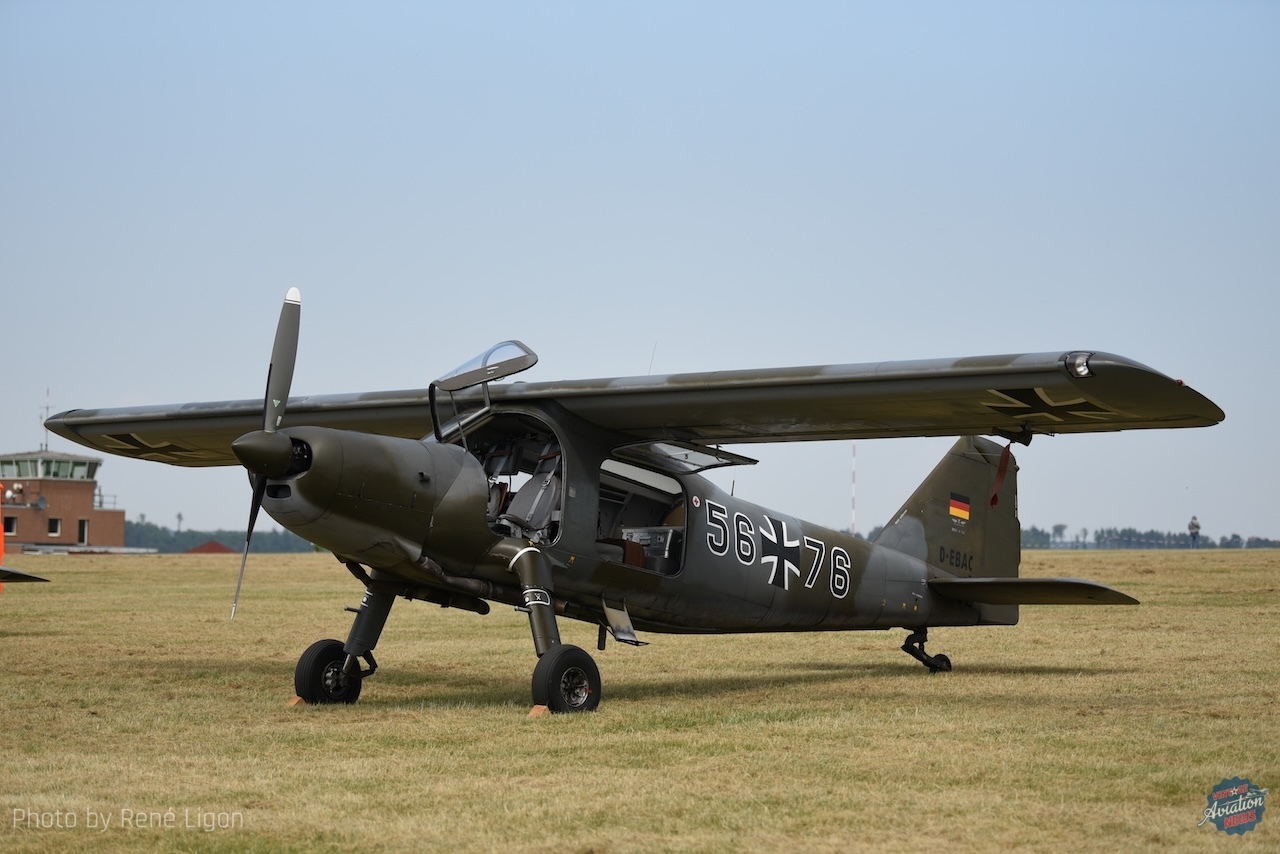
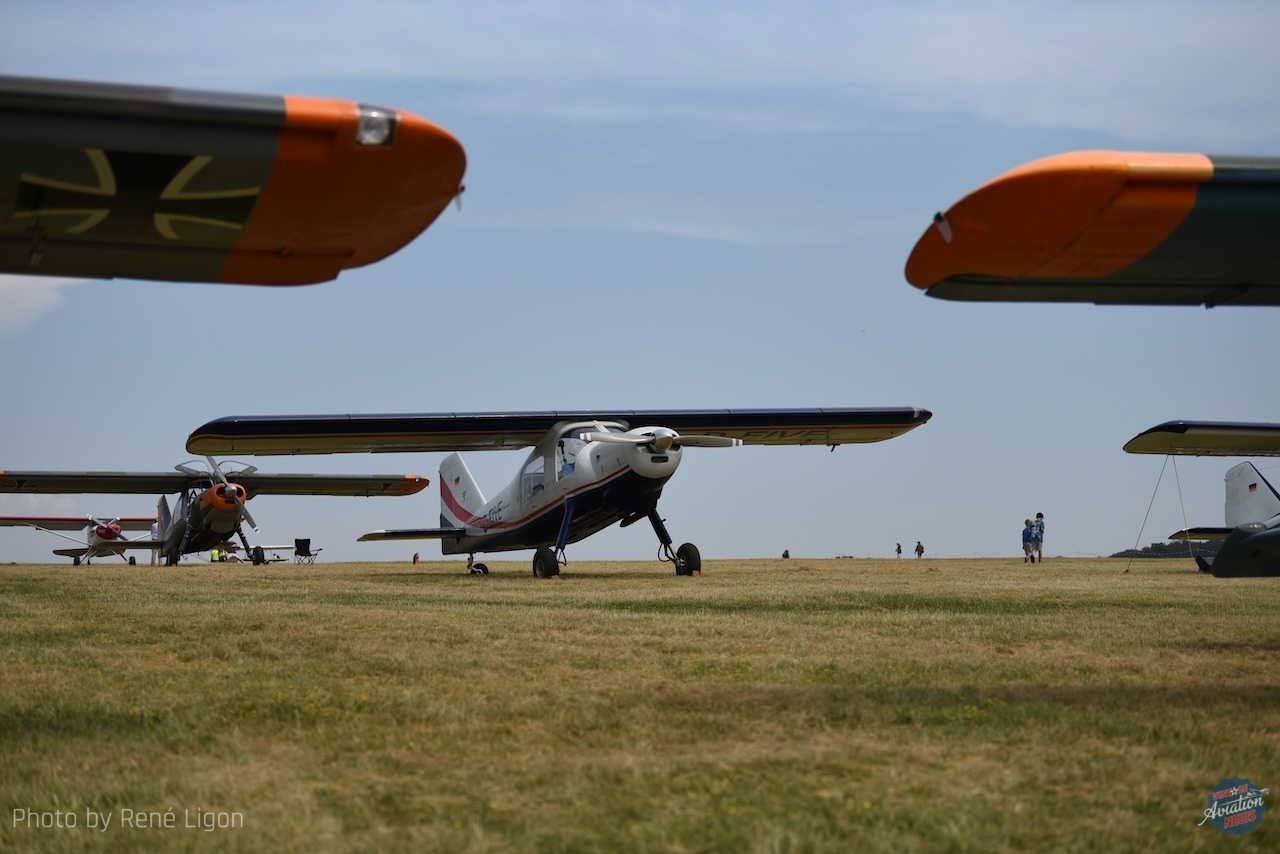
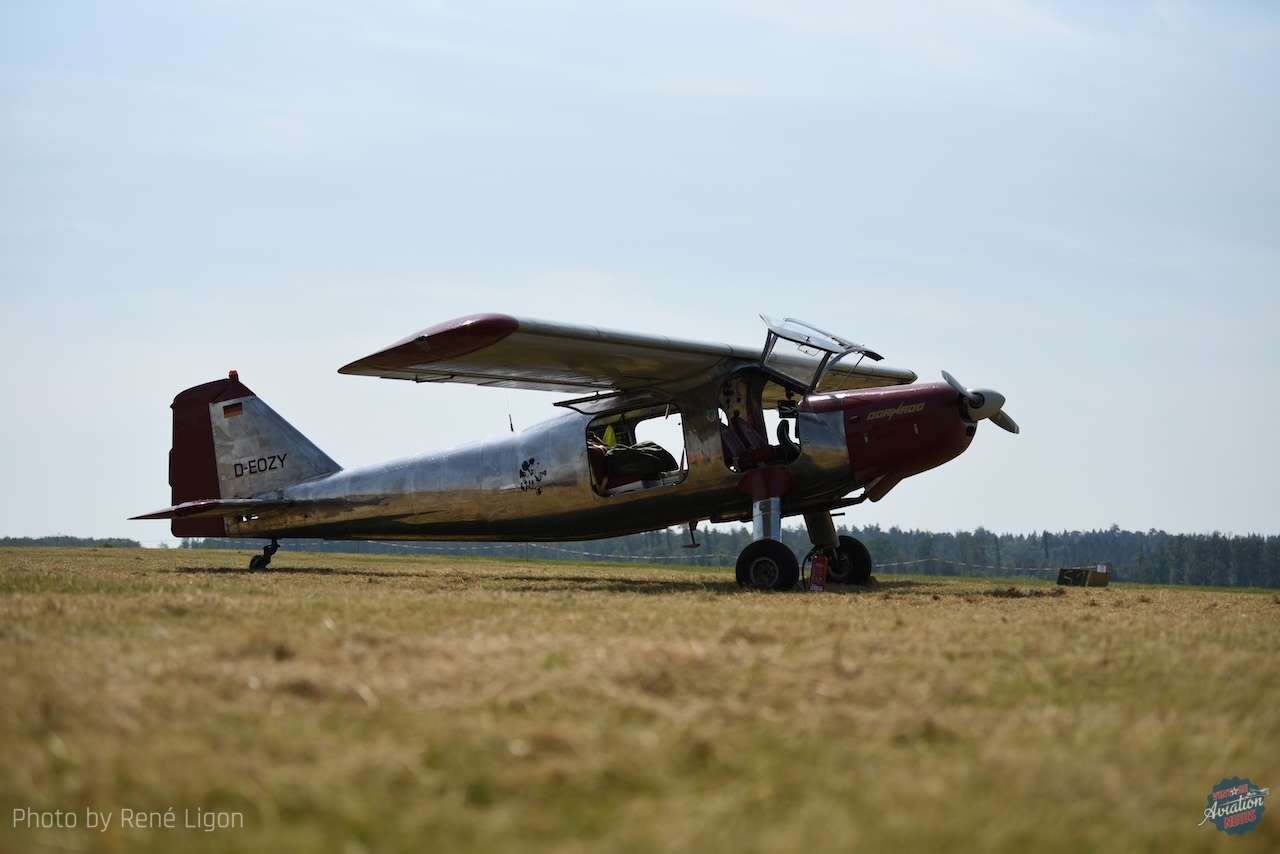
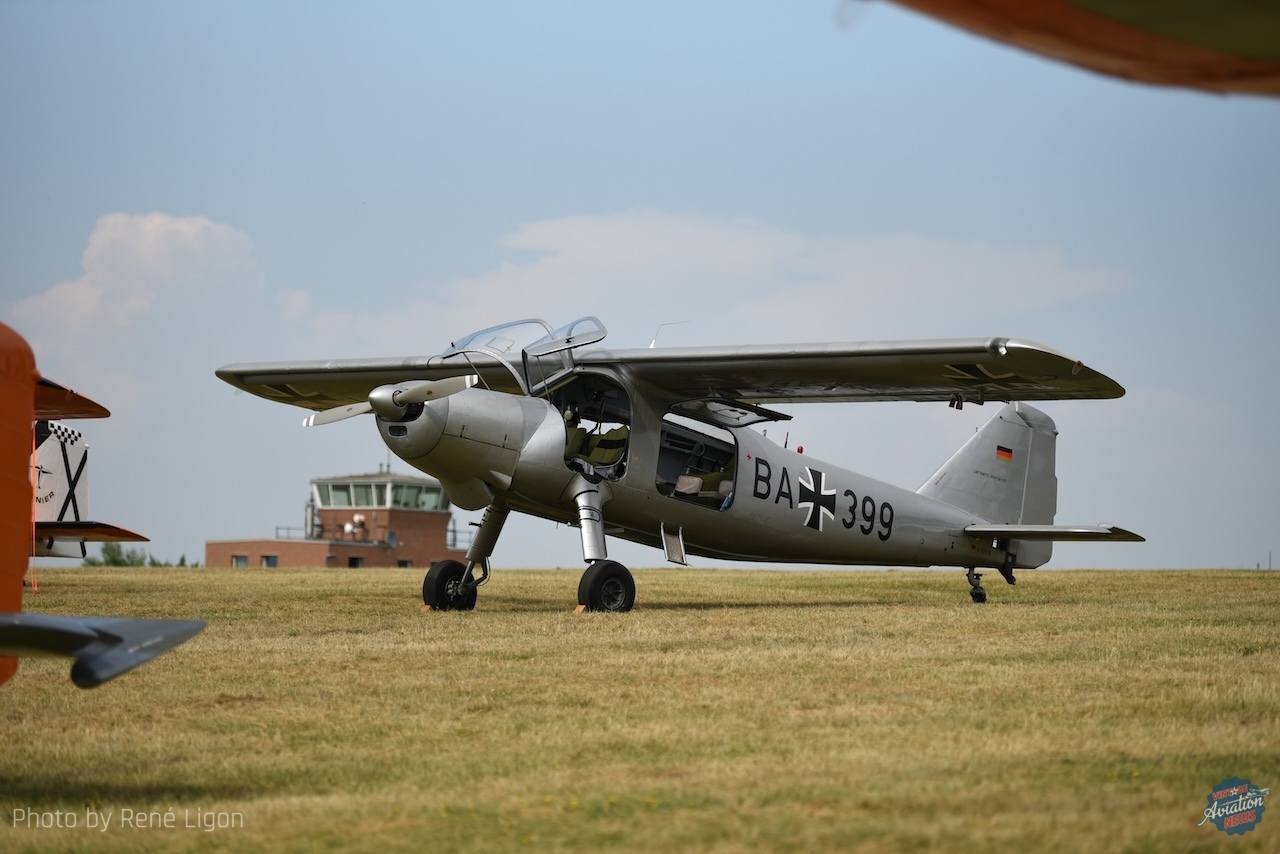
Guests enjoyed local bratwurst, regional craft beer, and homemade cakes throughout the event. In a pleasant surprise for many attendees, a merchandise stand offered mugs, stickers, patches, books, shirts, and other memorabilia, much of it generously provided by Markus Rheinländer and the organizing team. As one concession to the weather, the planned photo flights had to be canceled. Ambient temperatures approaching 40°C (104°F) would have pushed engine oil temperatures beyond the limits many operators considered prudent for these increasingly rare aircraft.
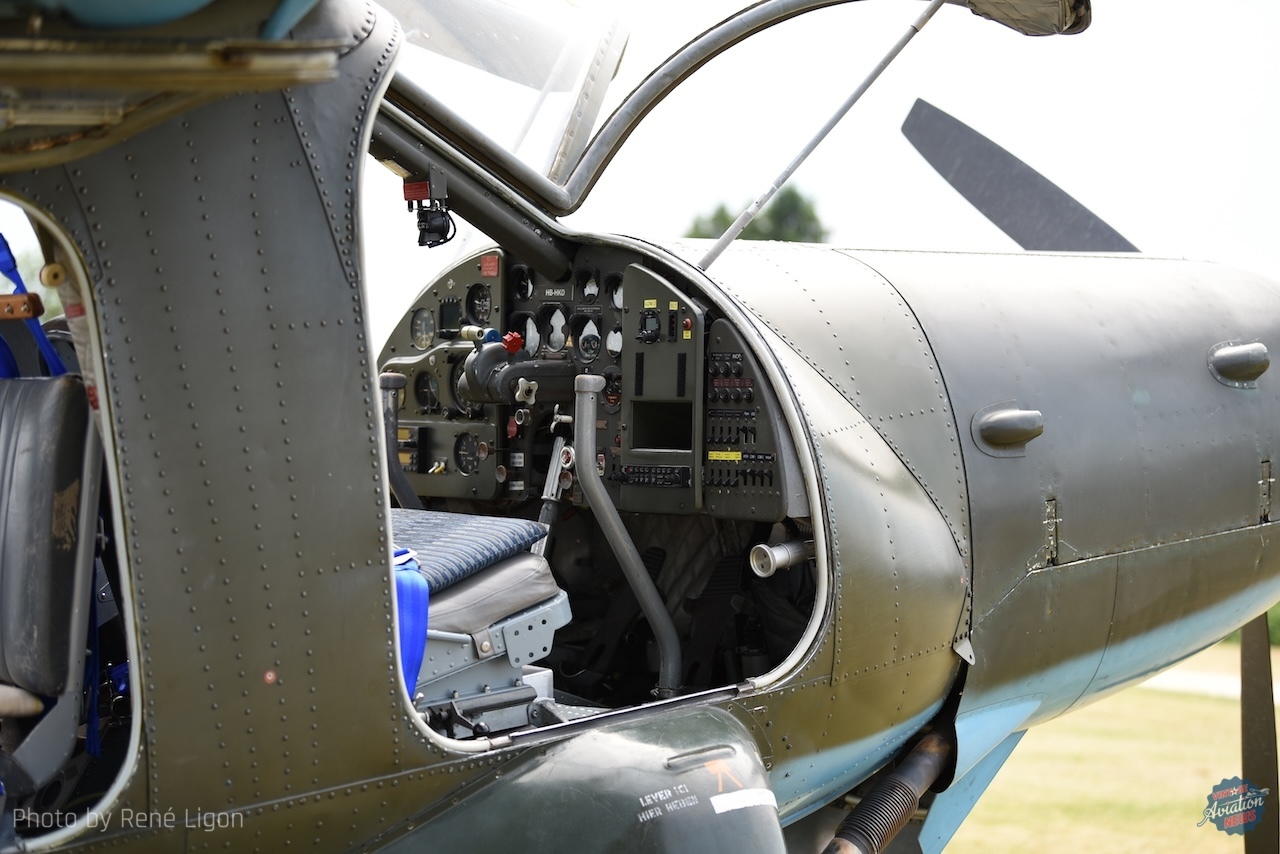
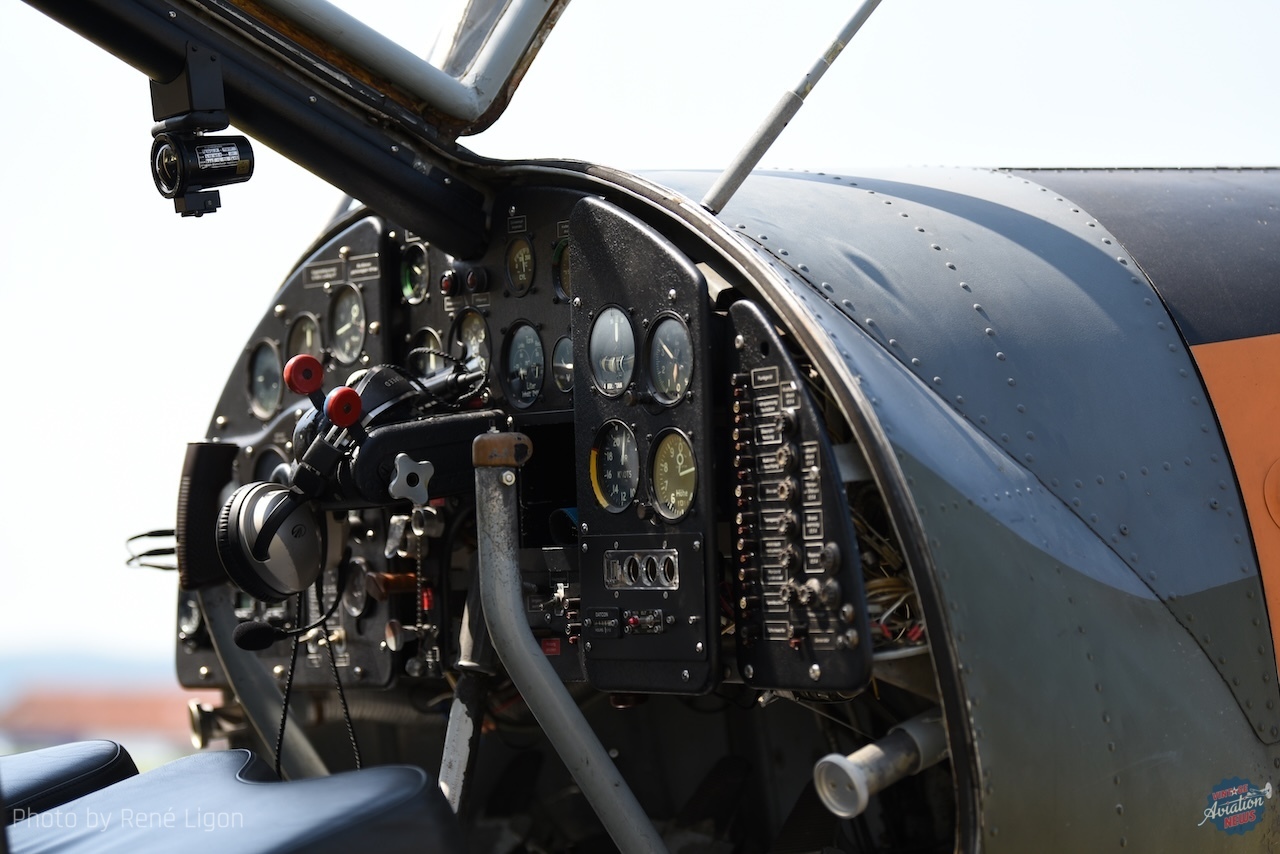
Noteworthy Aircraft
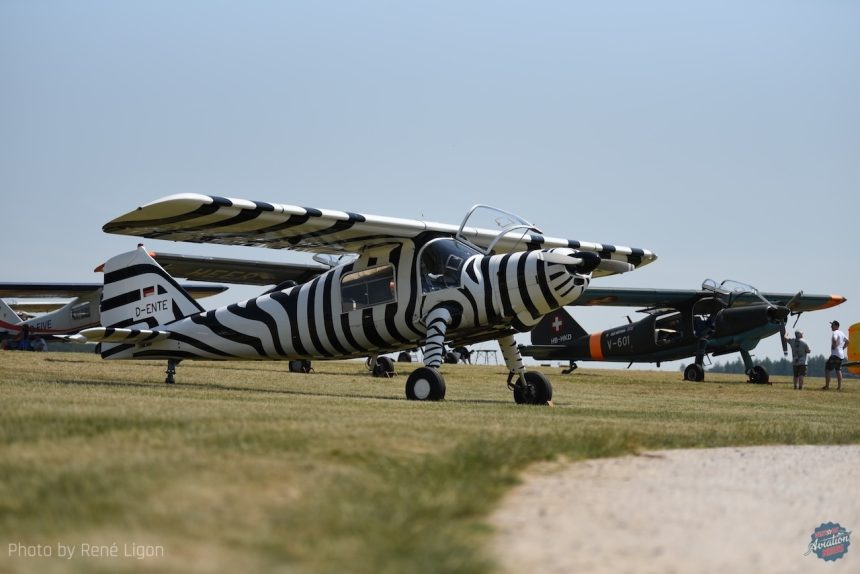
D-ENTE
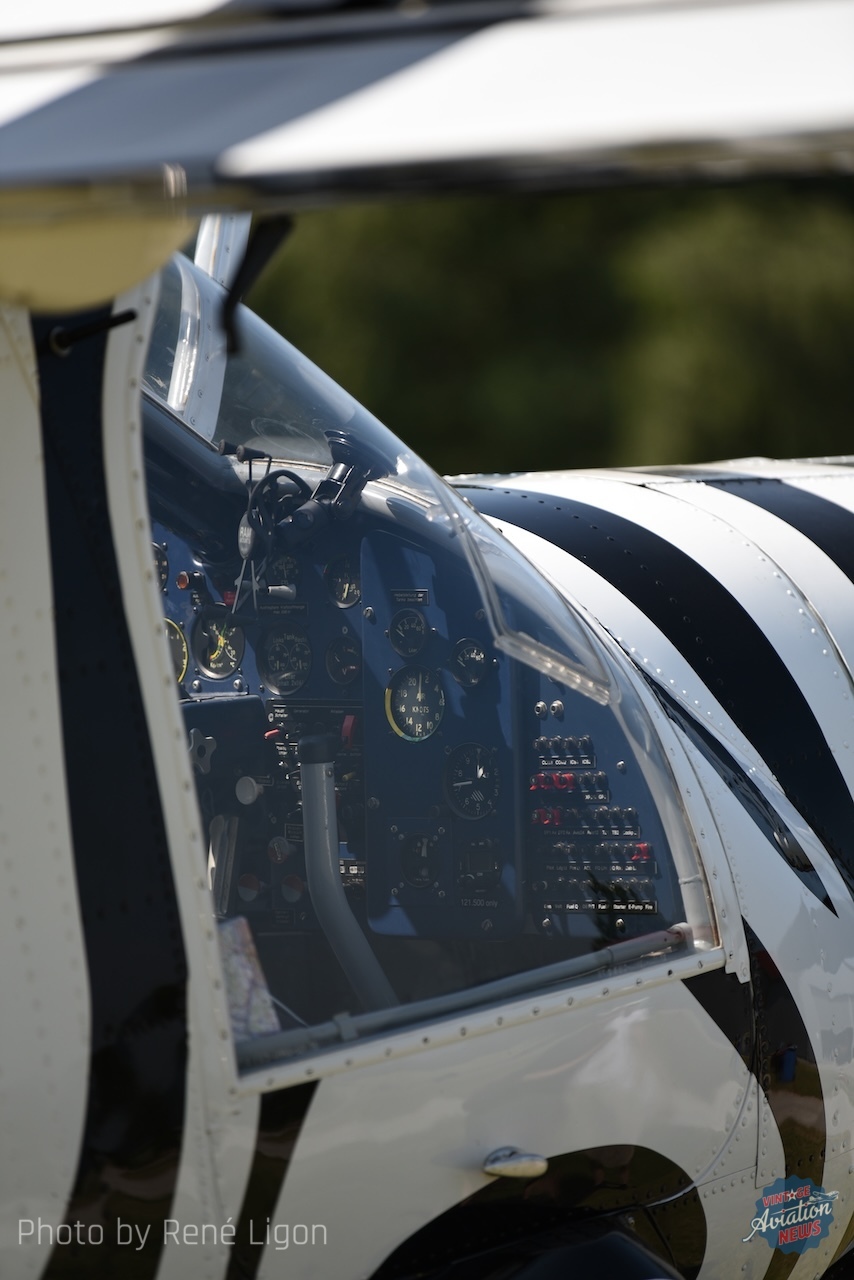
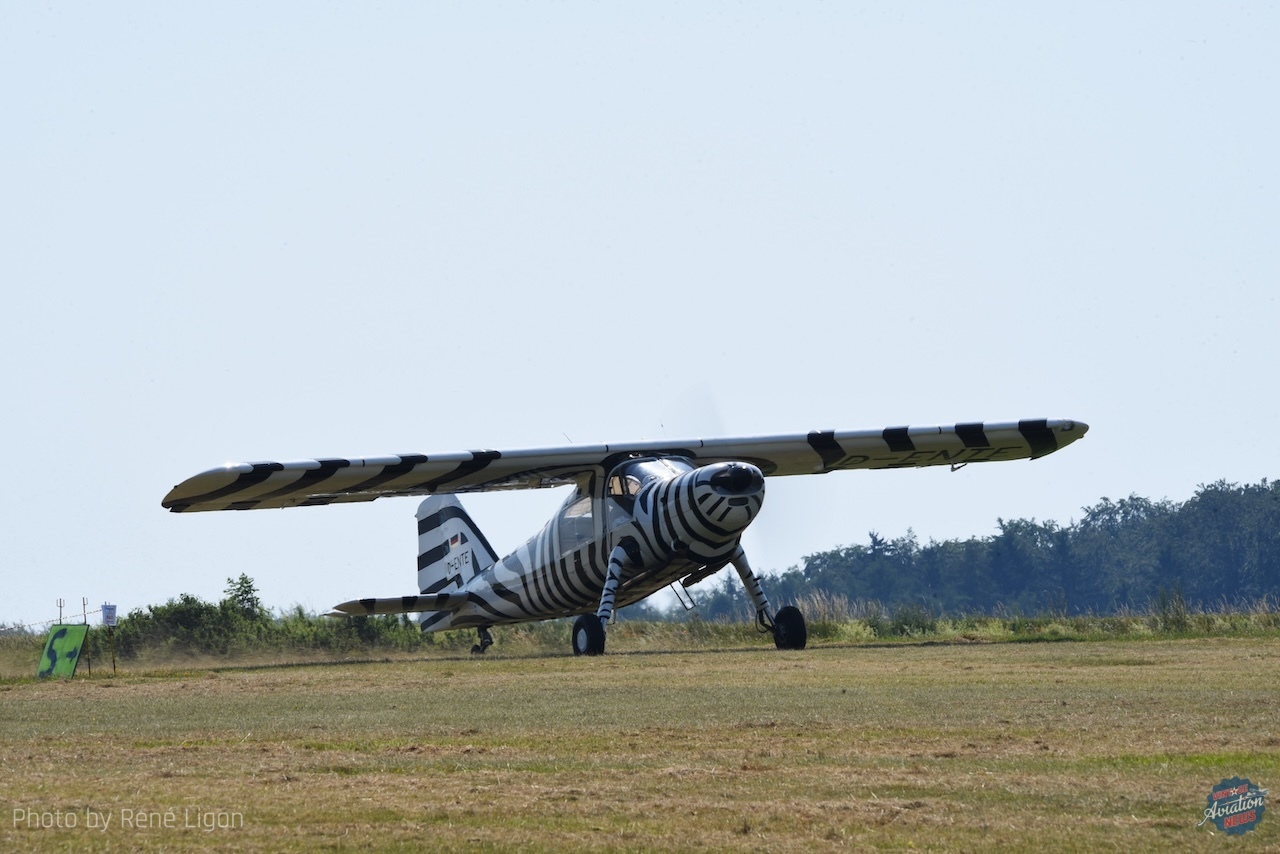
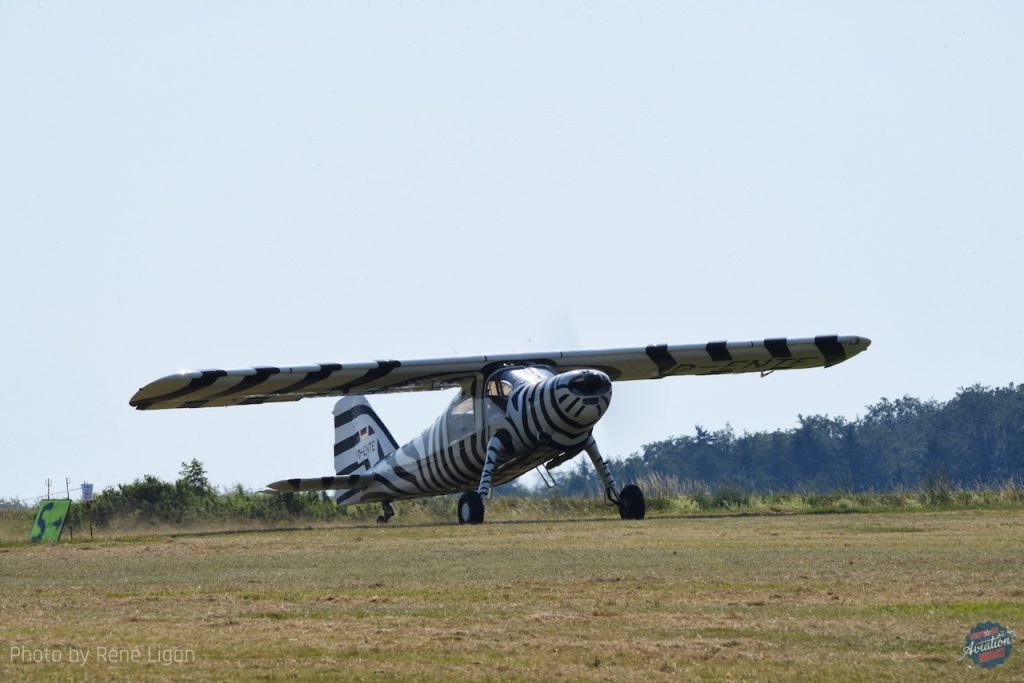
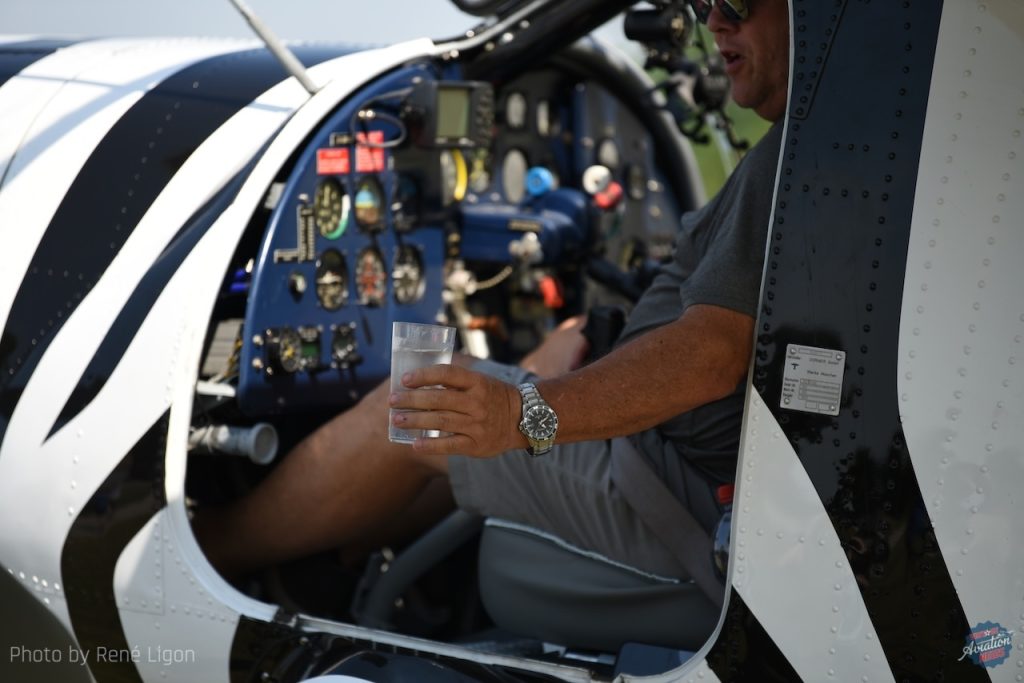
Despite its German registration, D-ENTE (“Ente” meaning “duck” in German), this aircraft is far better known for resembling a zebra. Painted in the distinctive black-and-white stripes made famous by the Grzimek family’s conservation work in Africa, it is a faithful replica of the aircraft featured in the film documenting their pioneering wildlife research in the Serengeti. The original aircraft was selected because of the Do 27’s exceptional STOL performance, slow-flight characteristics, and rugged ability to operate from primitive landing sites. Tragically, the original D-ENTE’s career ended in 1959 when Michael Grzimek was killed following a midair collision with a vulture.
(Image credit: René Ligon)
The aircraft present at Bad Gandersheim represents the third incarnation of D-ENTE. The first replica was lost in a landing accident while returning from filming in Africa. Its arrival over the airfield generated considerable excitement, as its attendance had remained largely unconfirmed beforehand. The aircraft had been based at Bad Gandersheim for approximately 40 years before undergoing restoration and is now owned by Martin Rulffs, who founded the Do 27 fly-ins in 1992.
(Image credit: René Ligon)
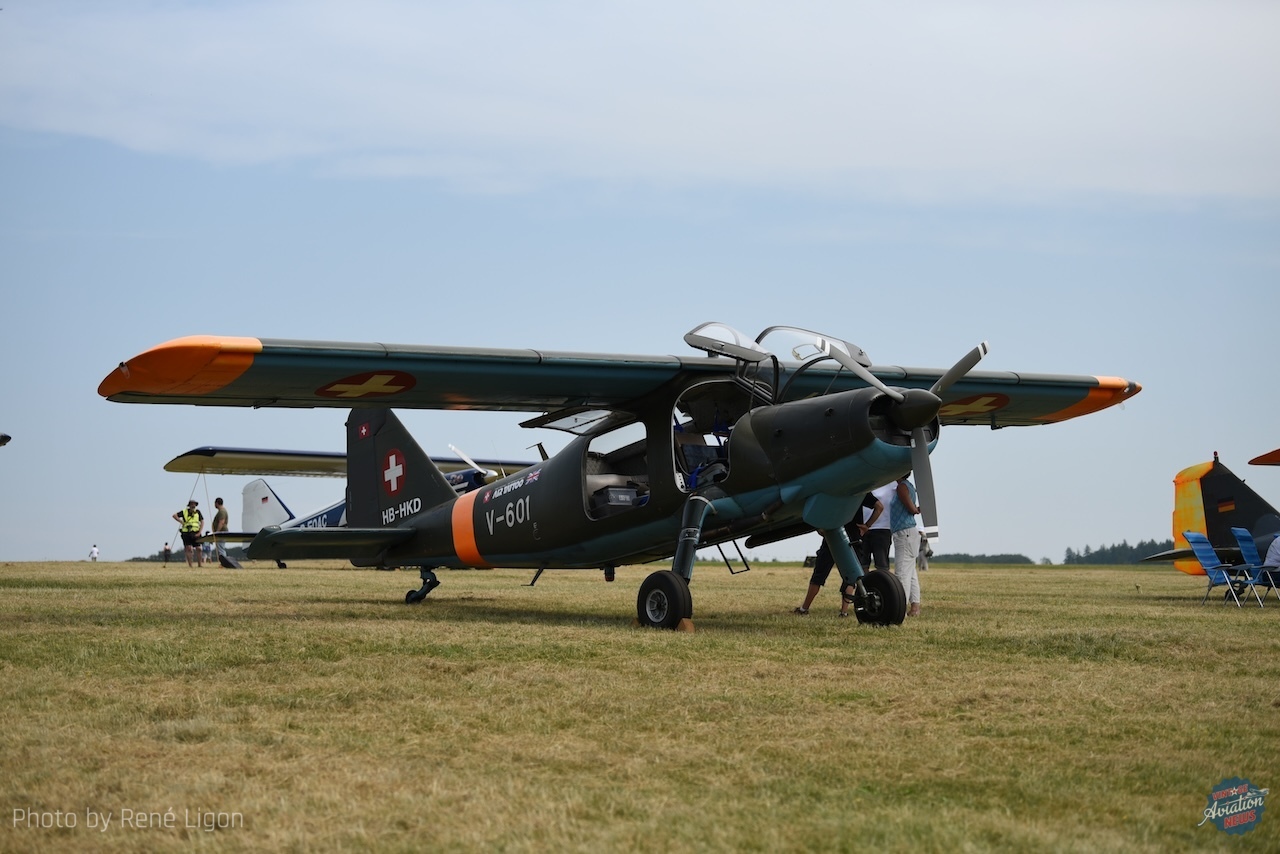
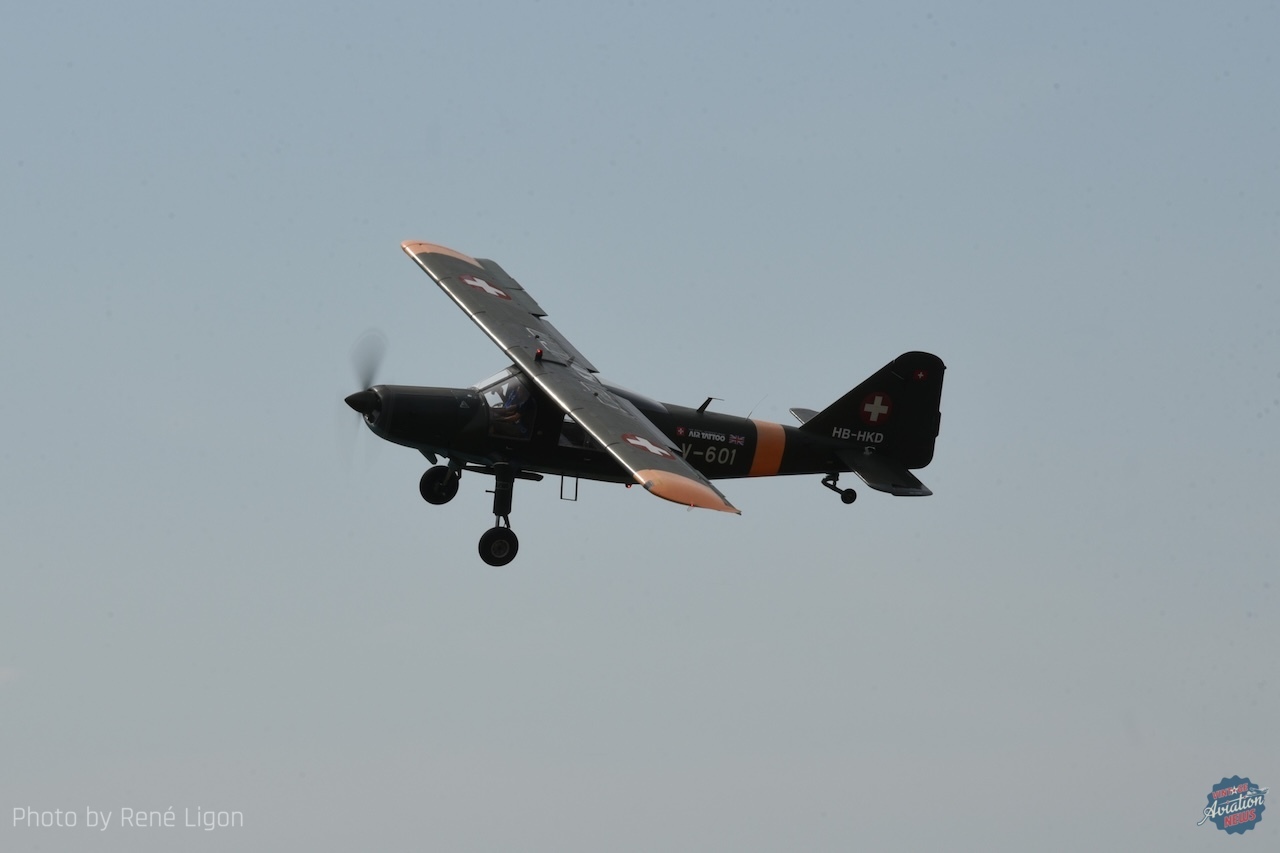
HB-HKD
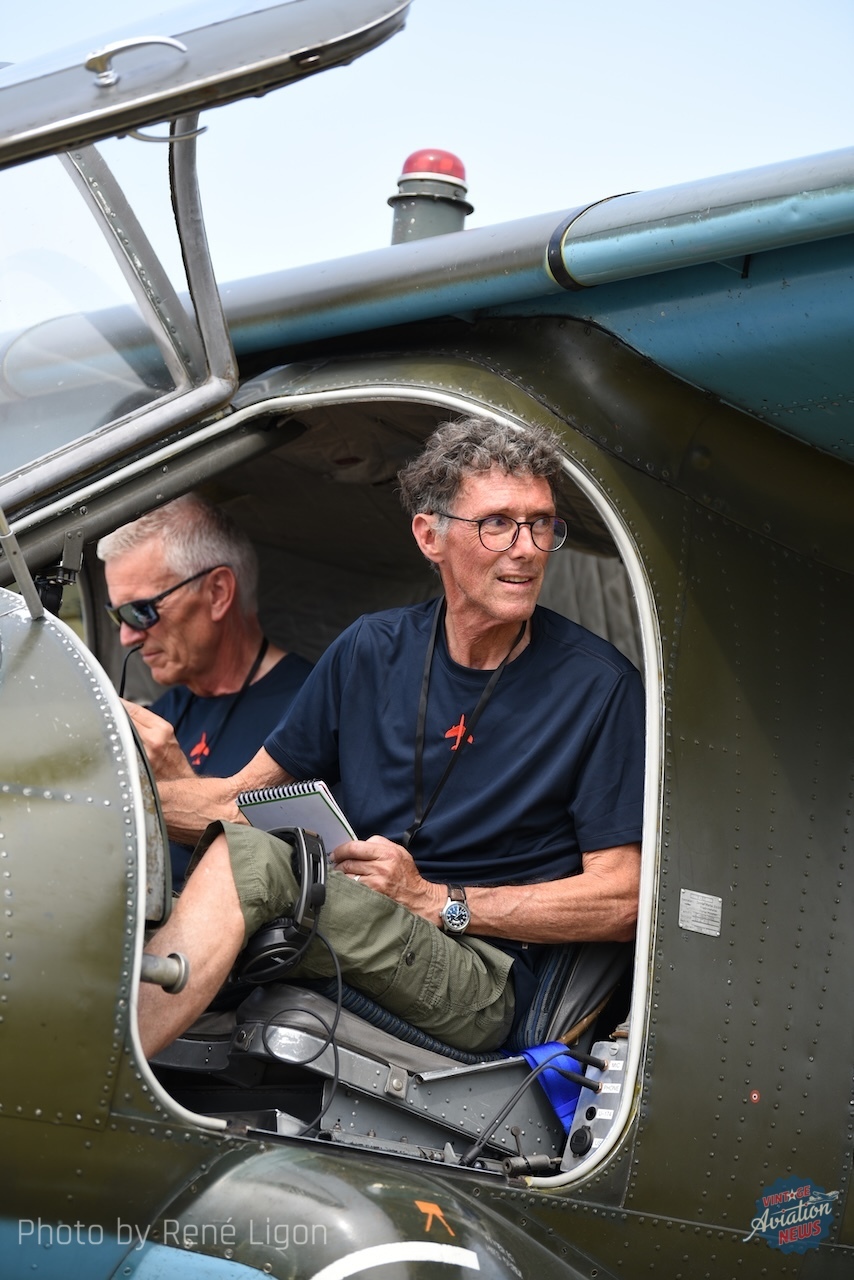
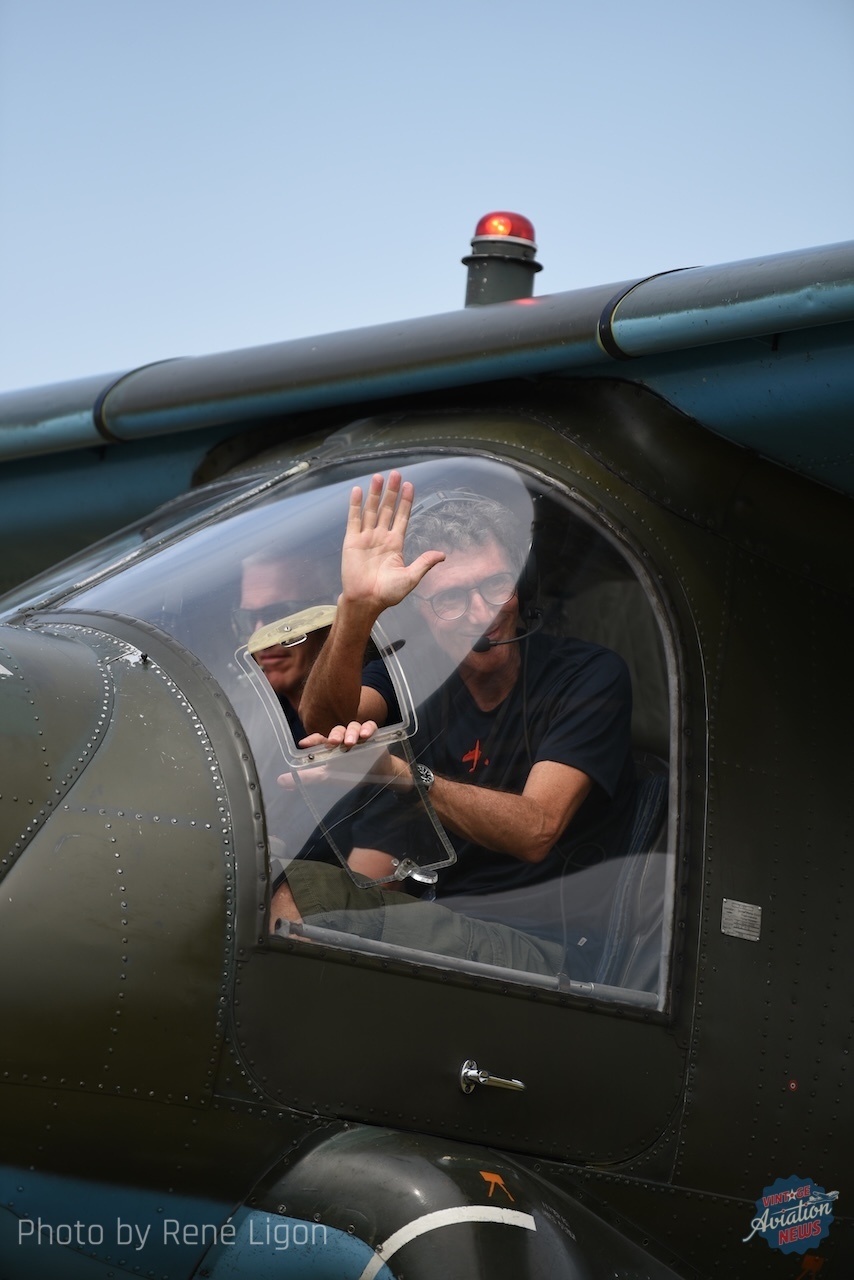
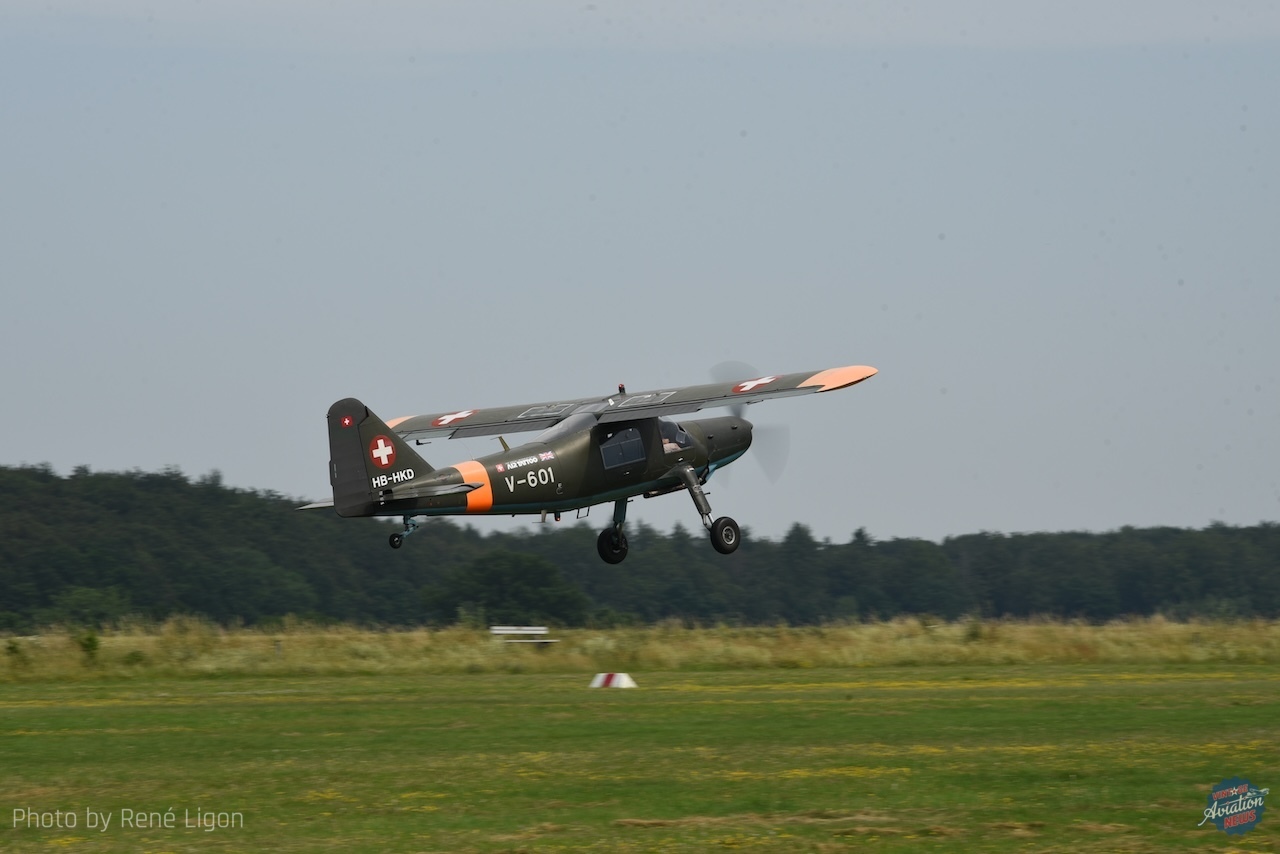
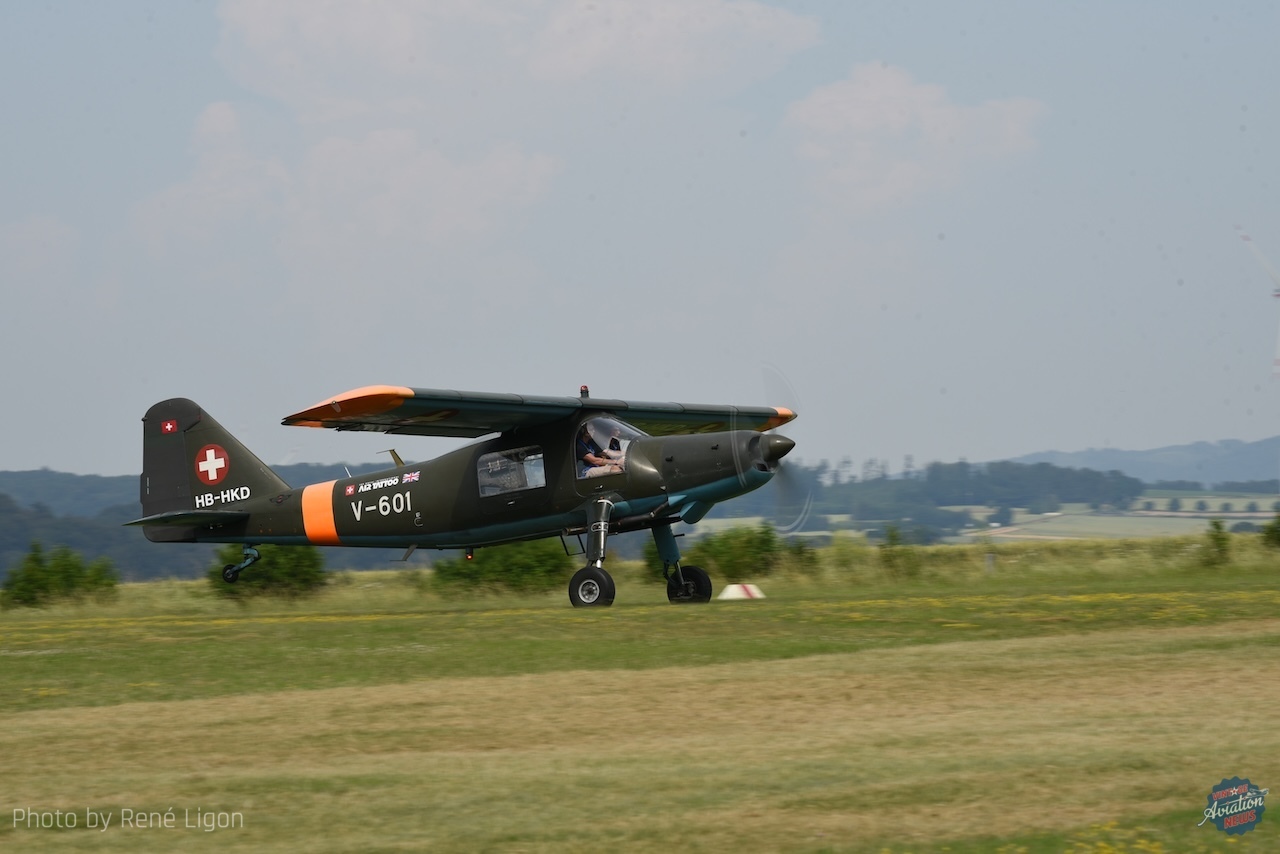
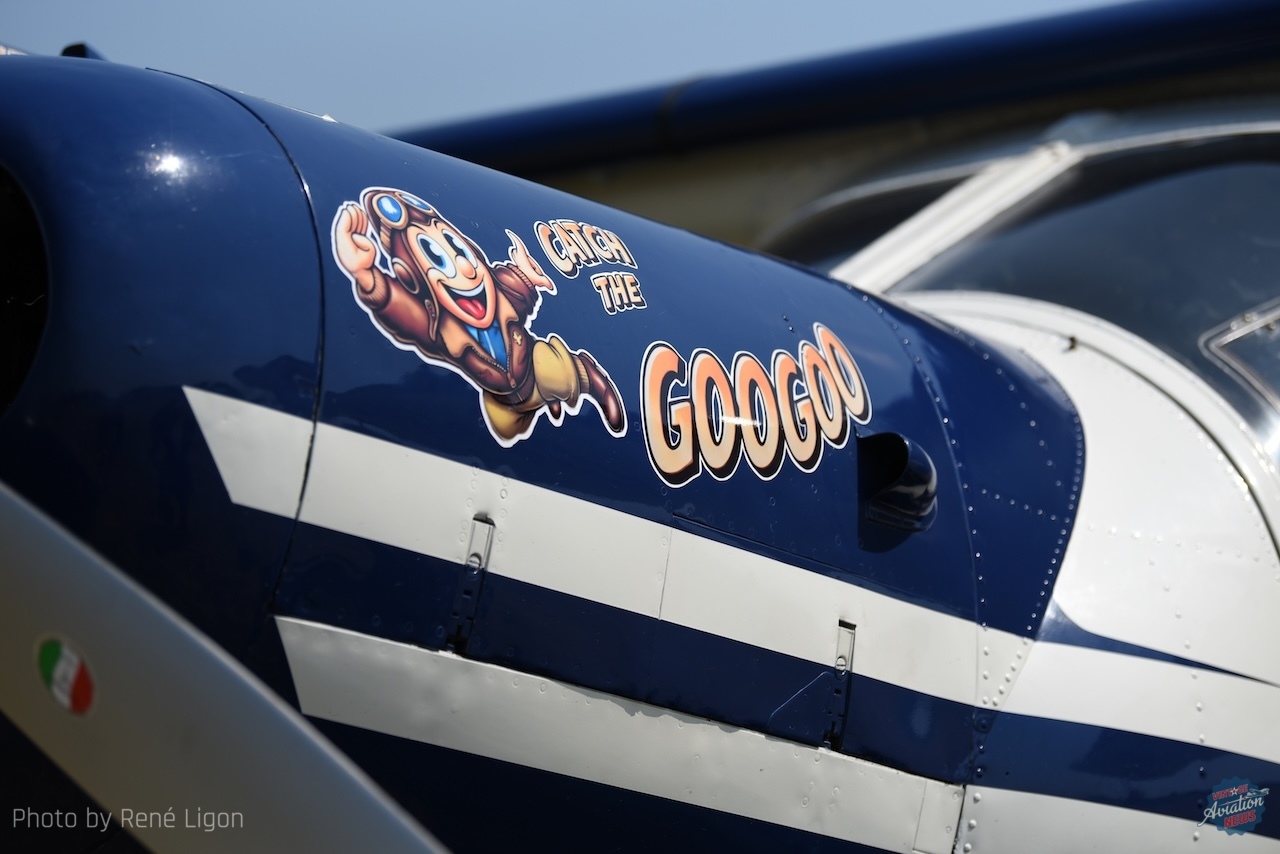
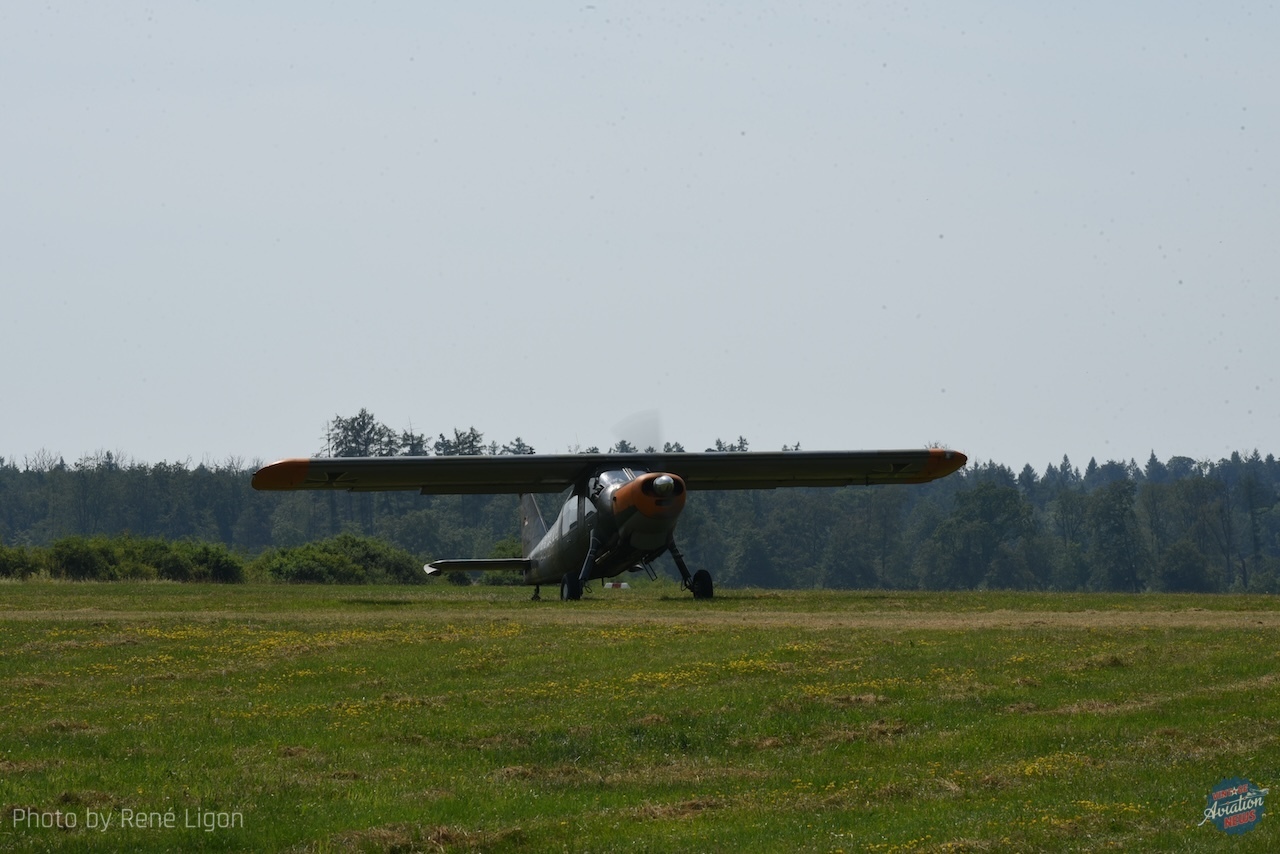
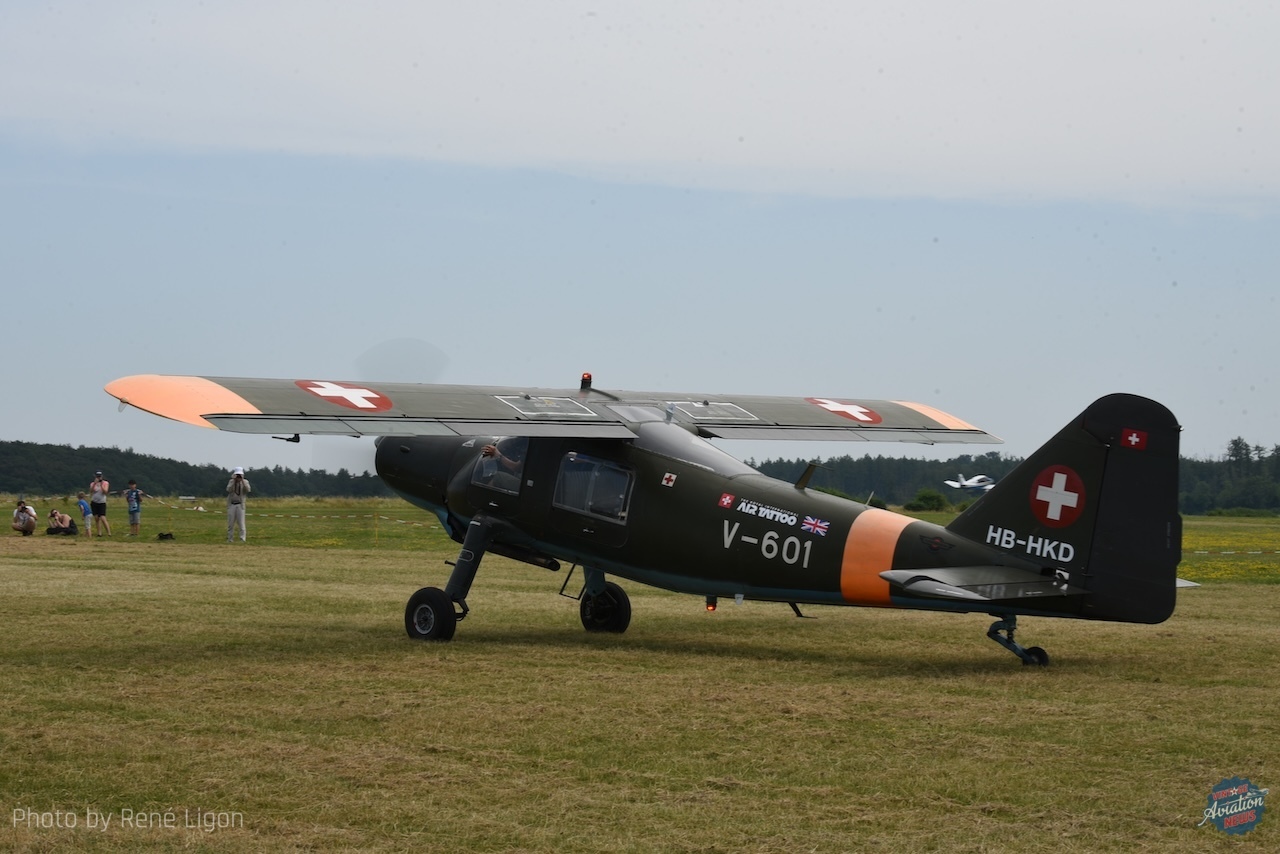
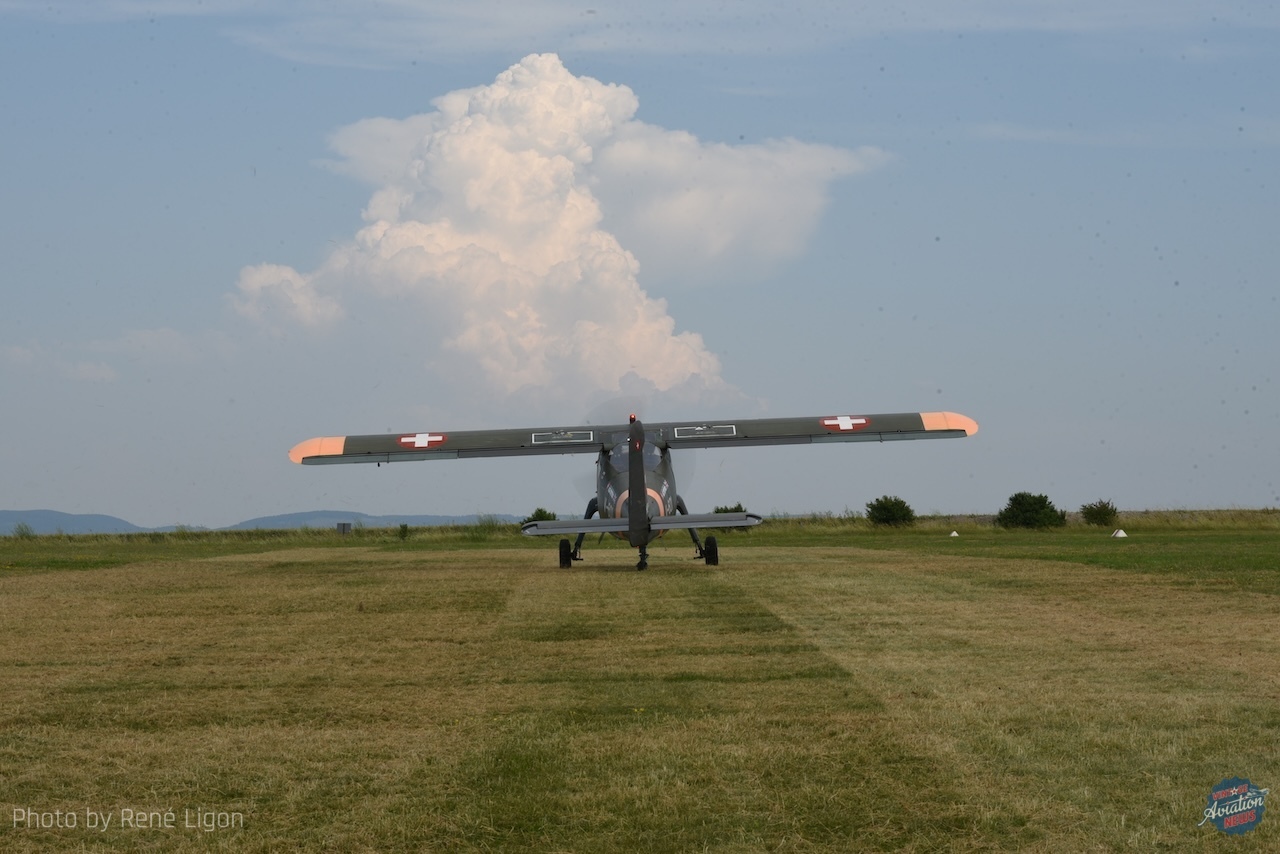
The aircraft that traveled the greatest distance to attend was also among the most technically distinctive. Its three-bladed propeller immediately identified it as one of only two flying Do 27s equipped with the supercharged Lycoming GO-480 engine. Producing 275 horsepower—65 more than the standard naturally aspirated version—the supercharged engine offers a noticeable improvement in performance. Equally remarkable was its crew. The two pilots had both flown HB-HKD during their service with the Swiss Air Force and were reunited with the aircraft for the first time in many years. Between them, their logbooks also include extensive experience flying many of Europe’s Douglas DC-3s as well as the Lockheed Super Constellation.
Looking Ahead
The future of the flying Dornier Do 27 fleet remains uncertain. Rheinländer questions whether enough airworthy examples will survive to justify similar large-scale anniversary gatherings in the future. To help preserve Dornier’s aviation heritage, he is considering expanding future events beyond the Do 27 to include other Dornier aircraft, such as the Do 28, the license-built Bell UH-1D, and even the Fiat G.91, which Dornier also manufactured under license. Only time will tell whether these plans come to fruition, but they offer hope that Dornier enthusiasts will continue finding new ways to celebrate this important chapter of European aviation history.





Its Model Numbered Predecessor The Dornier 26 was among MANY German aircraft of WW2…..one of the most beautifully designed seaplanes.
Not many built, but a treat to look at.
while writting my last book about firefighter airplanes (Donde pongo el ojo, ¡Mojo! —an old motto of Spanish Air Force 43rd Group), I found at least a Do-27 was converted for this role in Spain, with a Do-24 tank.