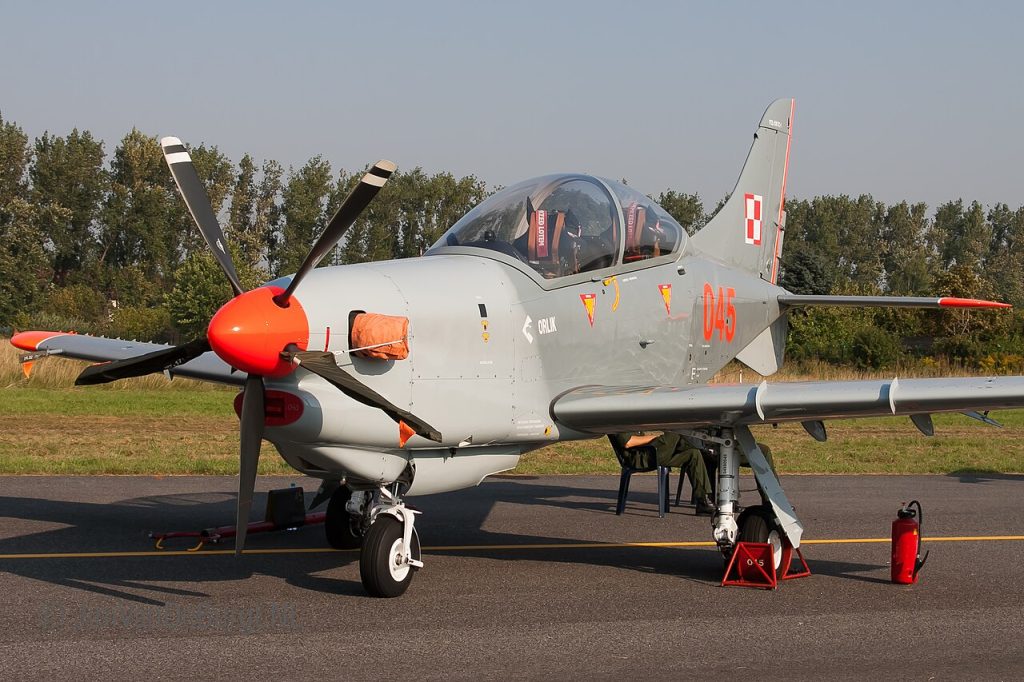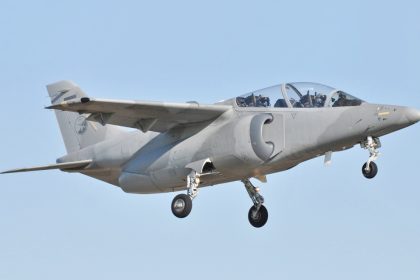
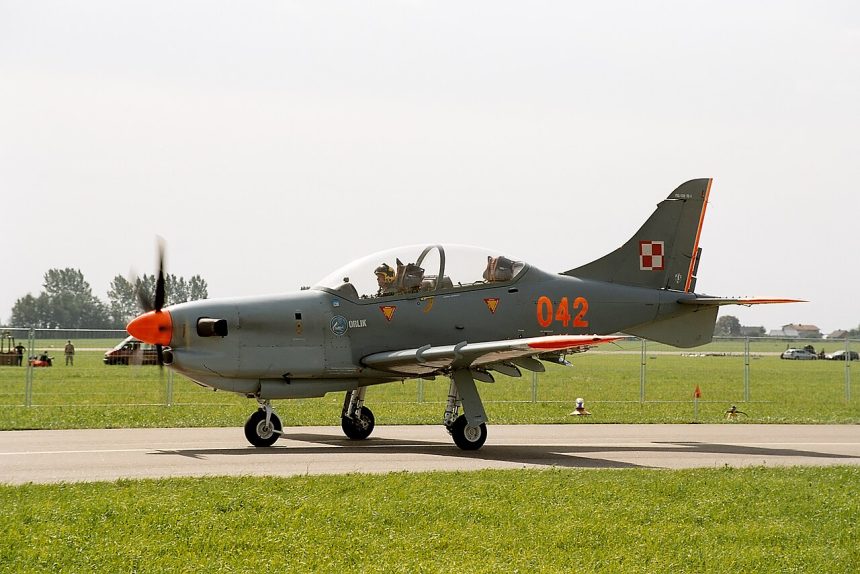


On this day in aviation history, 40 years ago (July 13, 1986), the PZL-130T Turbo Orlik took flight for the first time. Of Polish origin, the Orlik was originally designed and flown in 1984 as a piston-engined military trainer by PZL Warszawa-Okecie (since acquired by Airbus Poland SA). PZL developed the Model 130 as a replacement for the PZL-110 Koliber, under the guidance of head engineer Andrzej Frydrychewicz. The trainer was designed around a low-aspect ratio wing, to better replicate the flight characteristics of fighter to military student pilots.
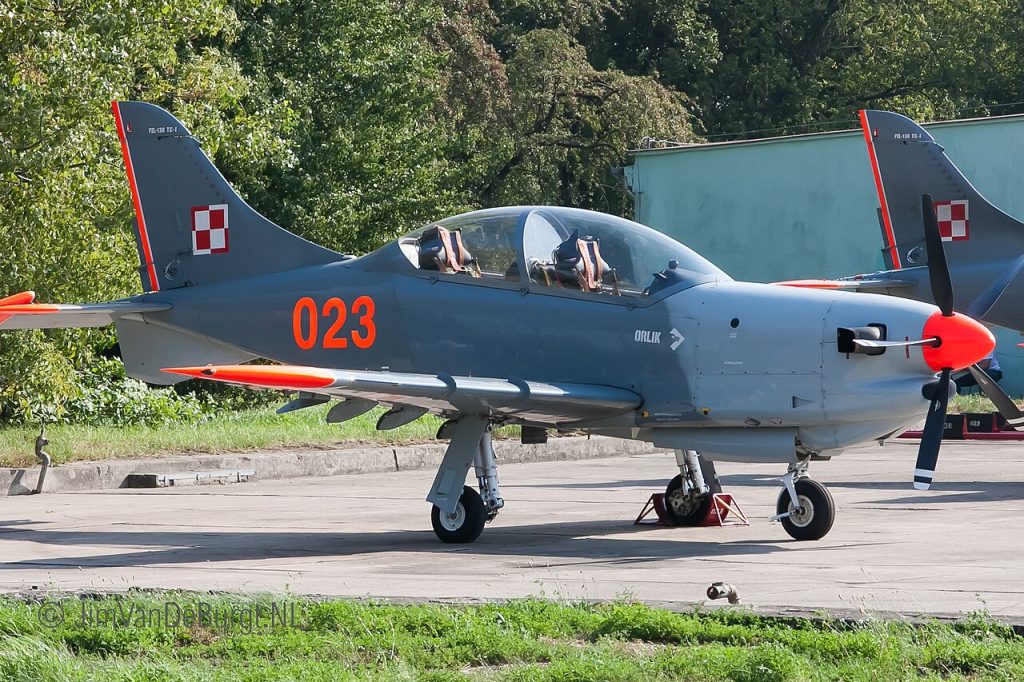
The original PZL-130 prototype was fitted with a Russian Vedeneyev M14Pm radial engine. PZL intended to replace this M14Pm with a modified native-built Ivchenko AI-14 engine in the production variants. The first prototype flew on October 12, 1984. The turbo-powered PZL-130T variant was planned by PZL as an export variant. The Turbo Orlik was first fitted with a 550-shp Pratt & Whitney PT6A-25P turboprop engine. First flying on 7/13/86, this aircraft was destroyed in 1987 while being demonstrated in Colombia. Two more PZL-130T prototypes were built – the PZL-130TB (powered by a 750-shp Walter M-601E), and the PZL-130TP (with a PT6A-25).
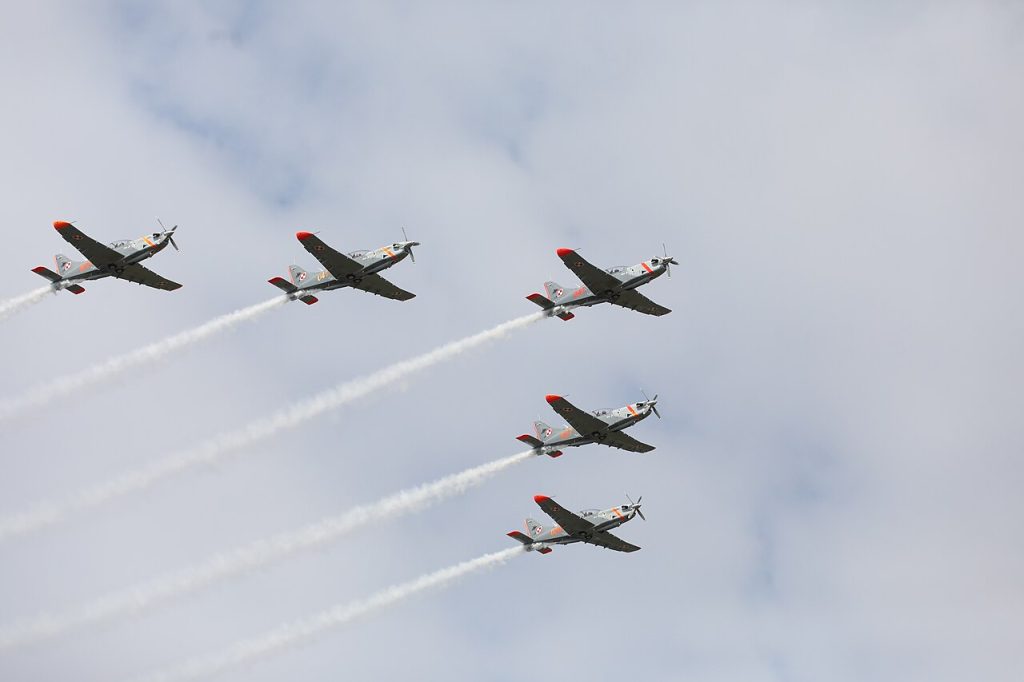
Development of the piston Orlik was halted in 1990, as the Polish radial engine could not produce enough power. Further PZL-130TC IIs were built with a 750-shp Pratt & Whitney Canada PT6A-25C turboprop engine. This Turbo Orlik variant can reach a maximum airspeed of 340 mph and climb at 2,830 fpm. The PZL-130TC II has a range of 1,200 nmi and a service ceiling of 33,000 ft. Six under-wing hardpoints were installed on the aircraft to allow for 1,500 lbs worth of armament. PZL built a total of 50 production Orliks, plus 9 prototypes. The Polish Air Force continues to fly them today.