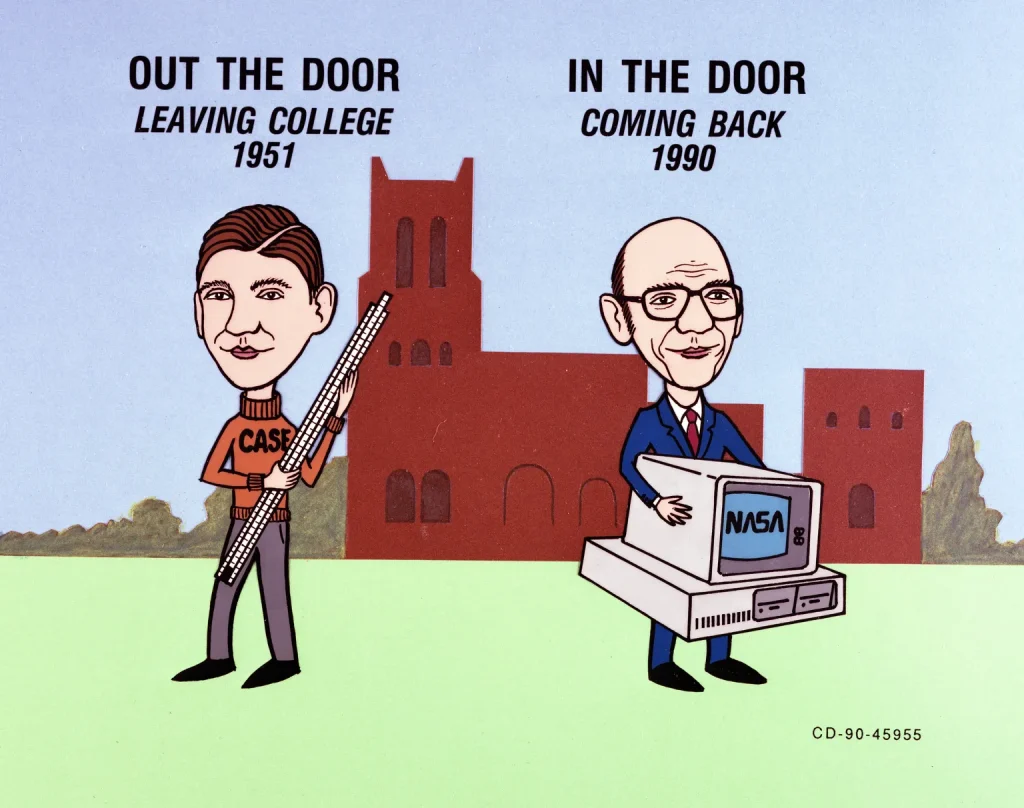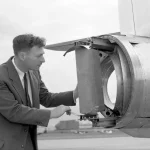
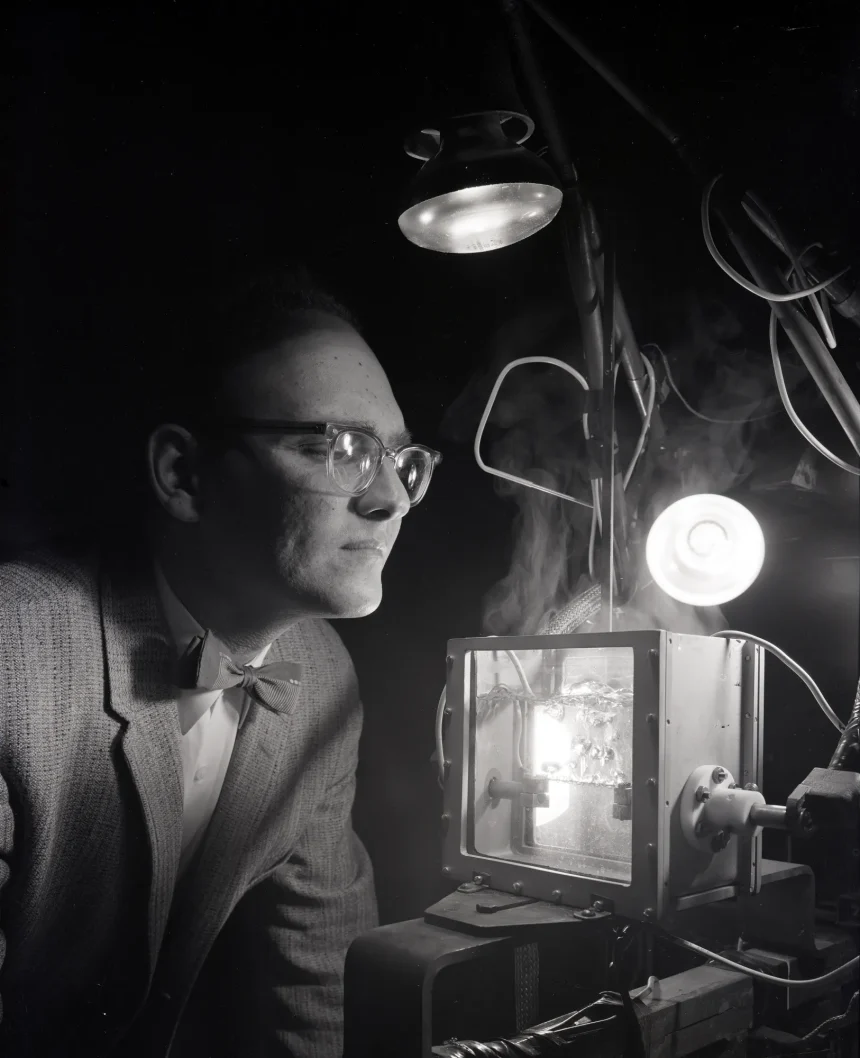

NASA’s Glenn Research Center became known for its heat transfer expertise early in its history, and a small team focused on basic research to develop new theories that changed existing knowledge. One of the team’s important heat transfer researchers was Robert Siegel. Born on July 10, 1927, Siegel earned his Bachelor of Science degree in 1950 and his Master of Science degree in 1951 from Case Western Reserve University (then Case Institute of Technology). In 1953, he received his Doctor of Science degree from the Massachusetts Institute of Technology, all in mechanical engineering. Before joining NASA, he also worked as a Heat Transfer Engineer and Analyst at General Electric. He has been researching heat transfer since 1950. Robert Siegel started working at the NASA John H. Glenn Research Center at Lewis Field in 1955.
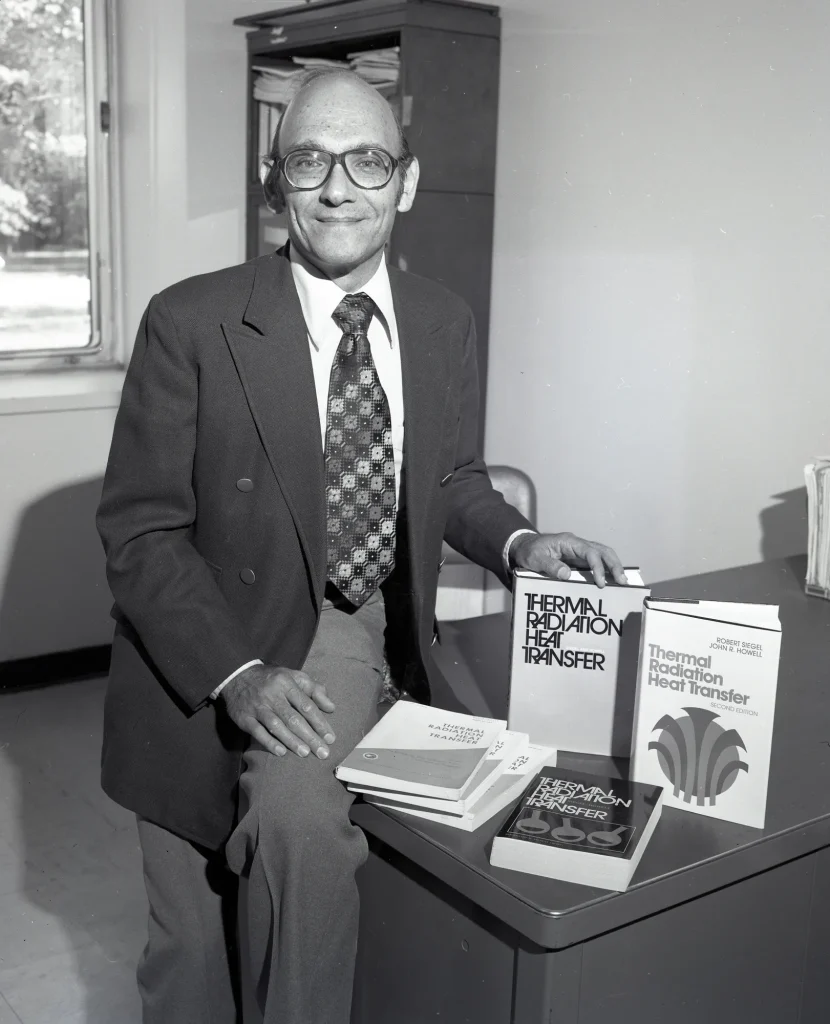
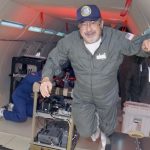
Robert Siegel first focused on heat transfer issues with nuclear aircraft propulsion. Later, he led the Analytical Heat Transfer Section. Siegel then studied heat transfer in space, which led him to create the world’s first drop tower in 1957. Siegel is recognized worldwide as an expert in heat transfer for his textbook, “Thermal Radiation Heat Transfer,” coauthored with J Howell. When Robert Siegel designed a heat transfer course for his center, he could not find a suitable textbook. The course notes he created later became this textbook, published in 1972. There were five editions of the book, and it was also translated into several languages. It is still widely used as a textbook for graduate-level courses. In 1970, Siegel received the American Society of Mechanical Engineers (ASME) Heat Transfer Memorial Award for his important work in heat transfer, which included boiling, radiation, convection, and conduction. Robert Siegel was one of the first to conduct experiments in zero-gravity conditions.
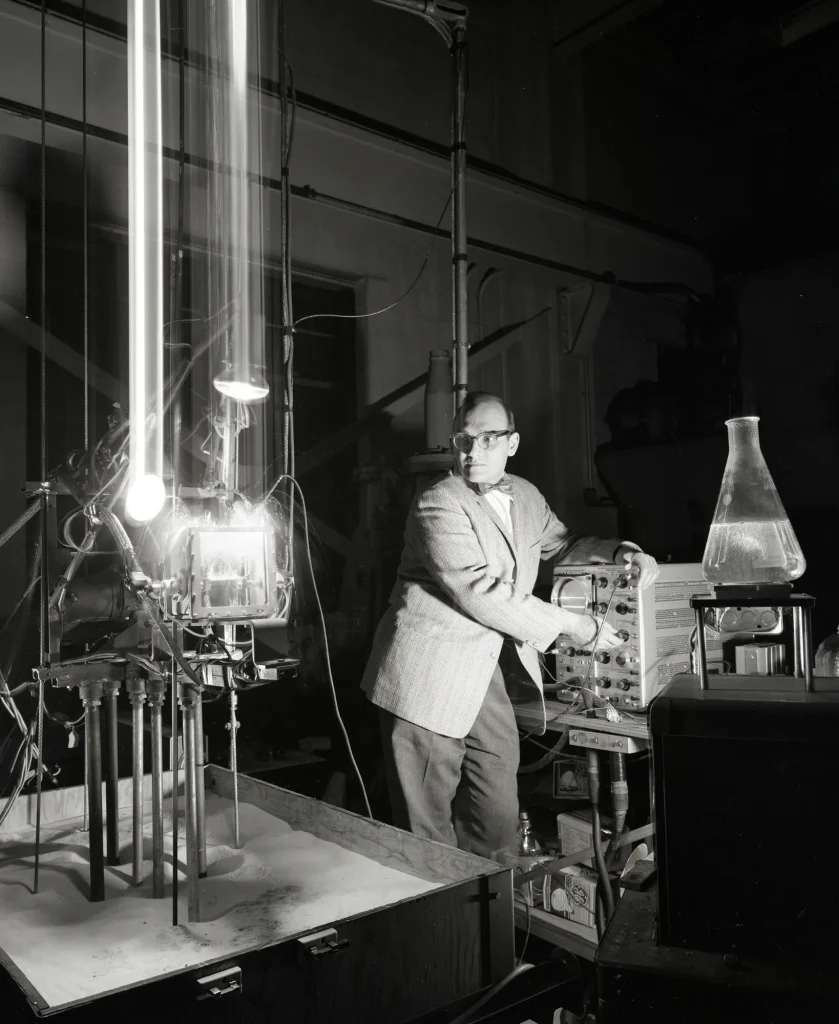
In 1977, Robert Siegel became an ASME fellow, and in 1991, an AIAA fellow. In 1986, NASA honored him with the Exceptional Scientific Achievement Medal for his significant contributions to heat transfer, including his early work on zero-gravity boiling, radiation heat transfer in porous materials, and natural convection. In 1996, he won the Max Jakob Award for his outstanding work in heat transfer. Robert Siegel also worked as an Associate Technical Editor for the Journal of Heat Transfer from 1973 to 1983. He was also an Associate Editor for the Journal of Thermophysics and Heat Transfer from 1986 to 1998. He received a Space Act Award in 1993 and the AIAA Thermophysics Award in the same year. Additionally, he was a member of the Honorary Advisory Boards for the International Journal of Heat and Mass Transfer and International Communications in Heat and Mass Transfer. Robert Siegel retired from NASA in 1999 and passed away in September 2017.
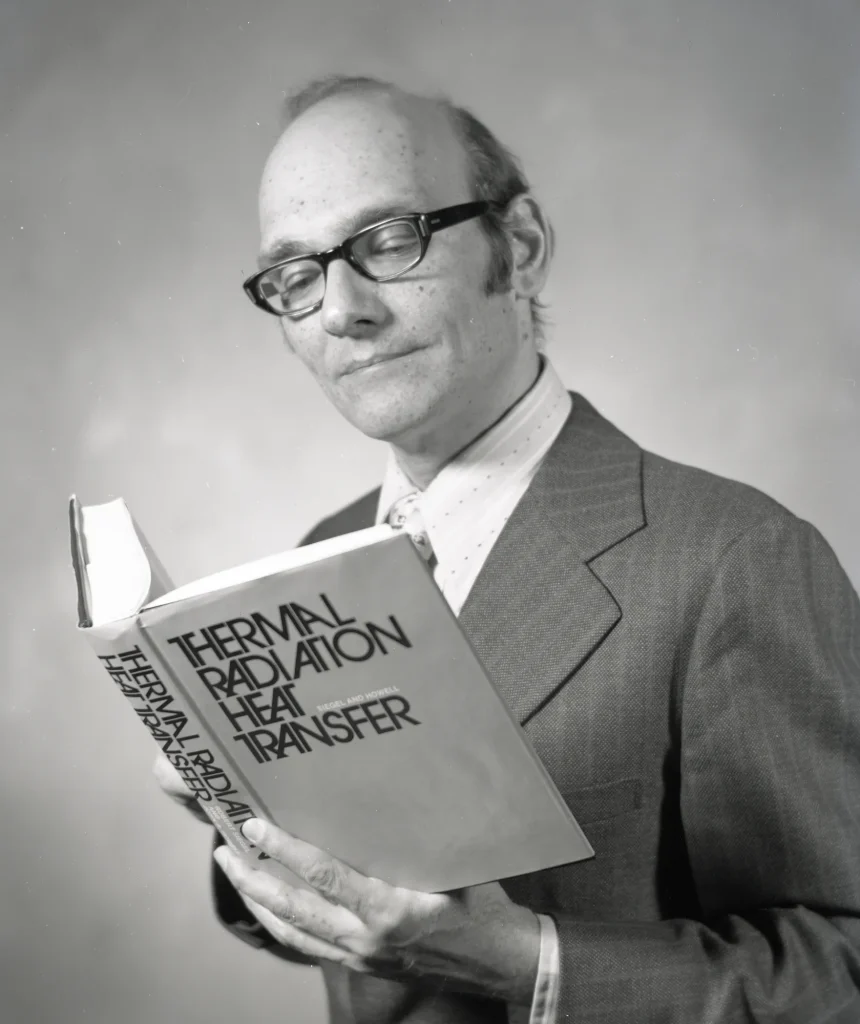
In 2016, Robert Siegel was inducted into the Glenn Research Center Hall of Fame. In a citation, which named Robert Deissler, Simon Ostrach, and Robert Siegel as “three of the most influential heat transfer researchers in center history”, the center said, “Their theoretical skills made them world-renown in their own right, and it was the application of their theories that would help the center expand and excel in emerging fields such as jet engines, nuclear propulsion, and space exploration.” As one of the Pioneers of Aeronautical Engineering, Robert Siegel’s theories changed the modern understanding of heat transfer in aviation. Read more such stories HERE.