
By Randy Malmstrom
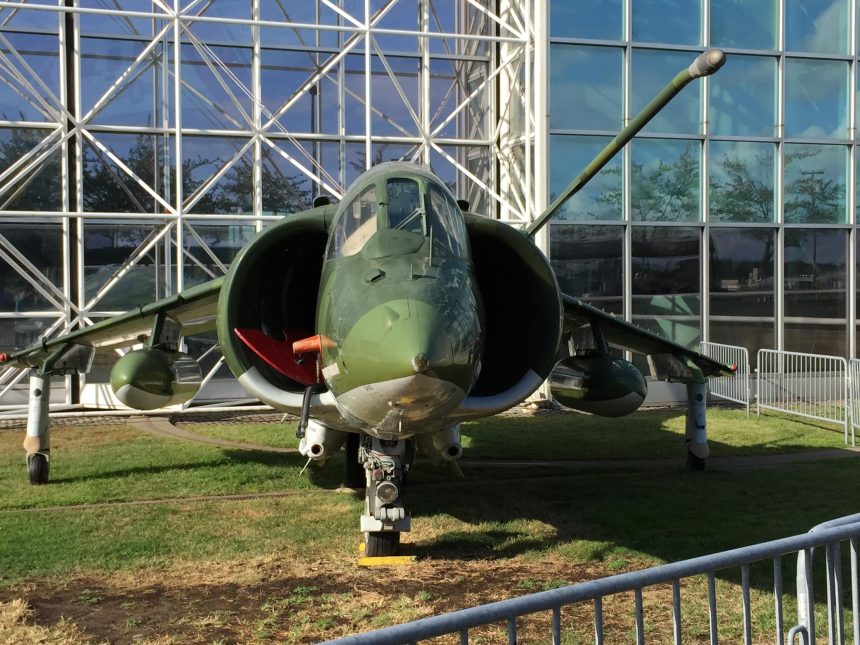
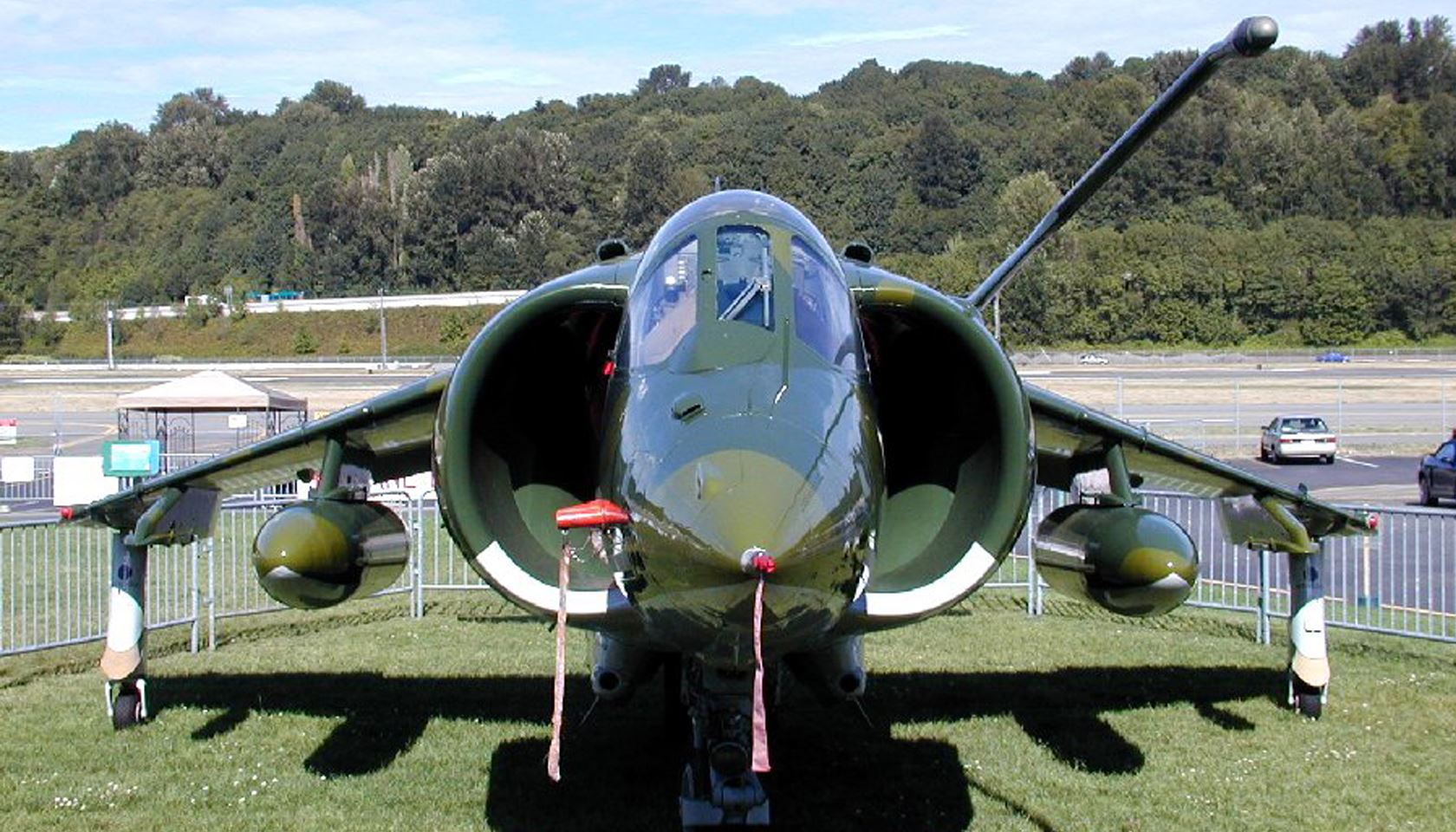
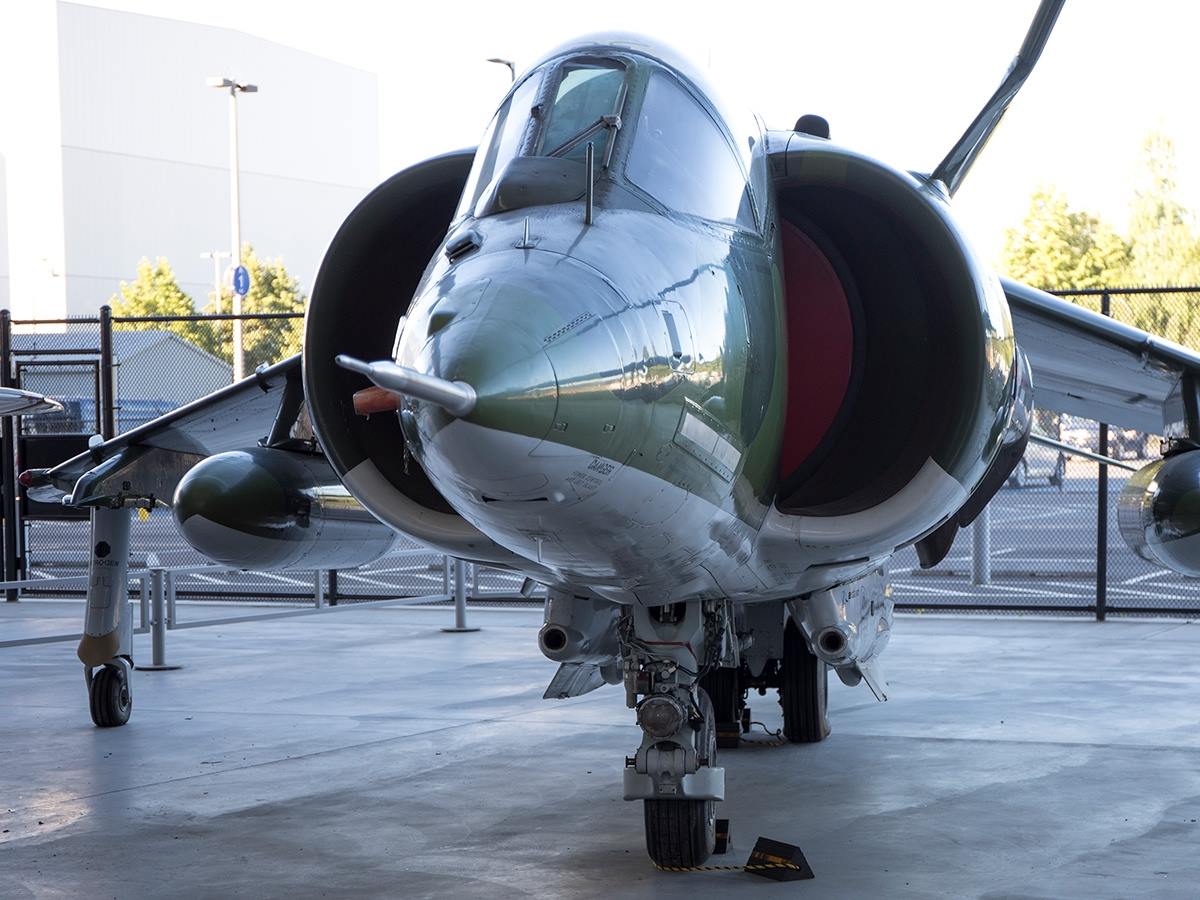
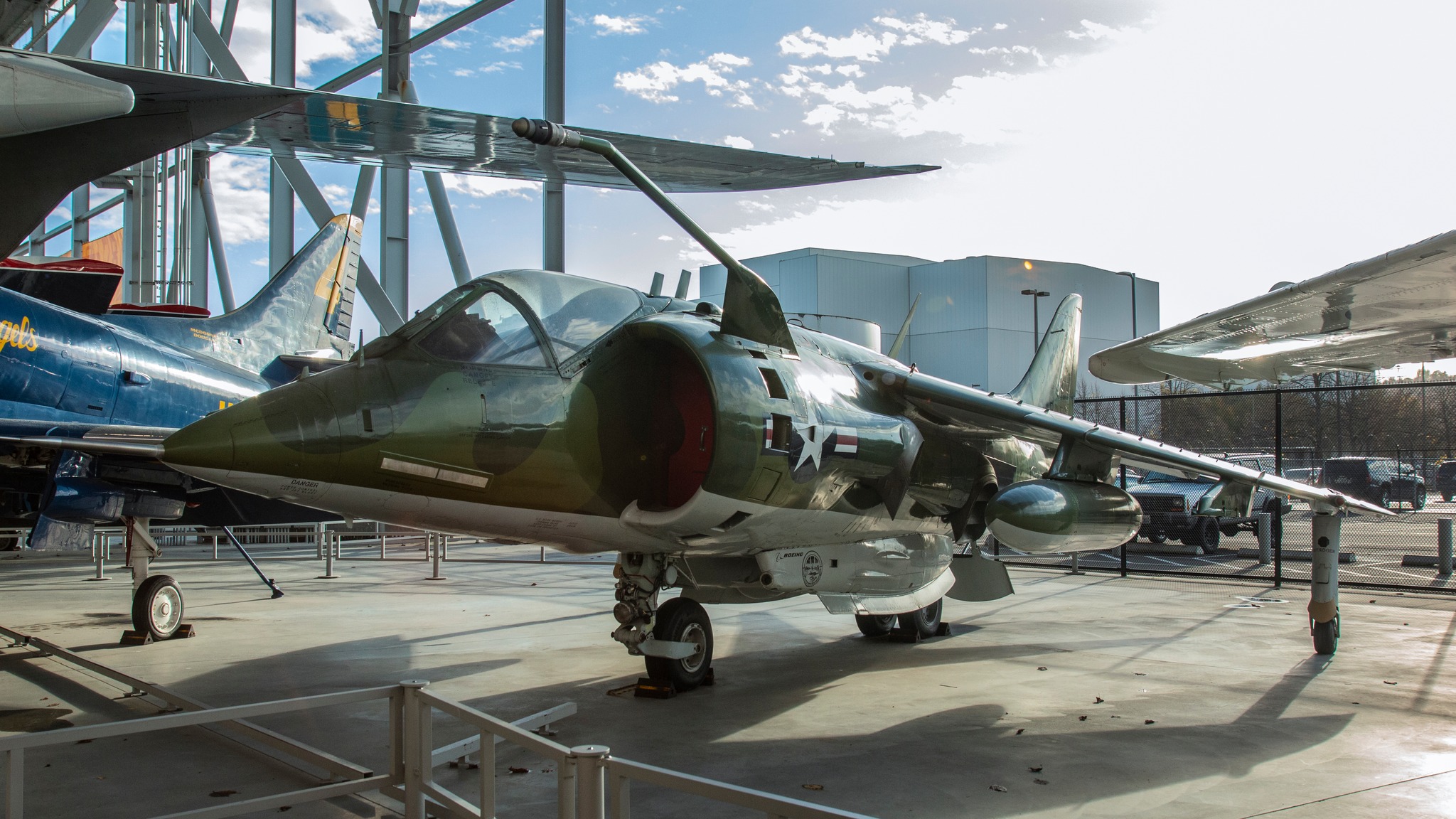
McDonnell Douglas/British Aerospace AV-8C Harrier “Jump Jet” at Museum of Flight in Seattle (MOF). This particular aircraft flew with Marine Attack Squadron VMA-542 before being retired and put on loan to MOF. My photos.
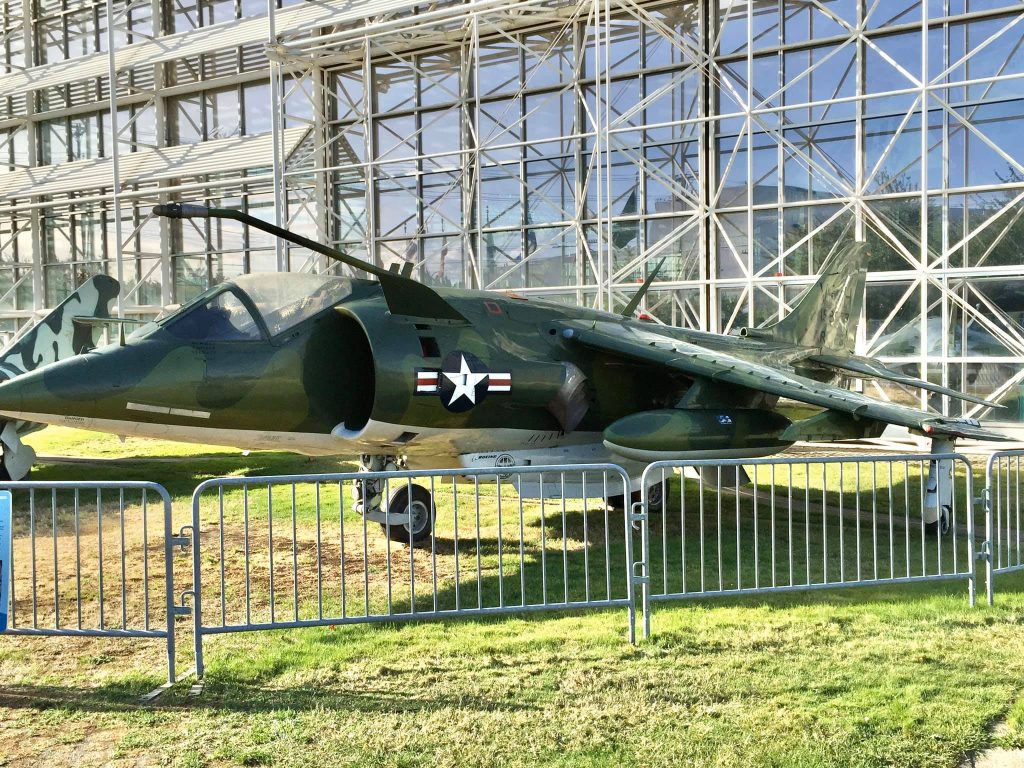
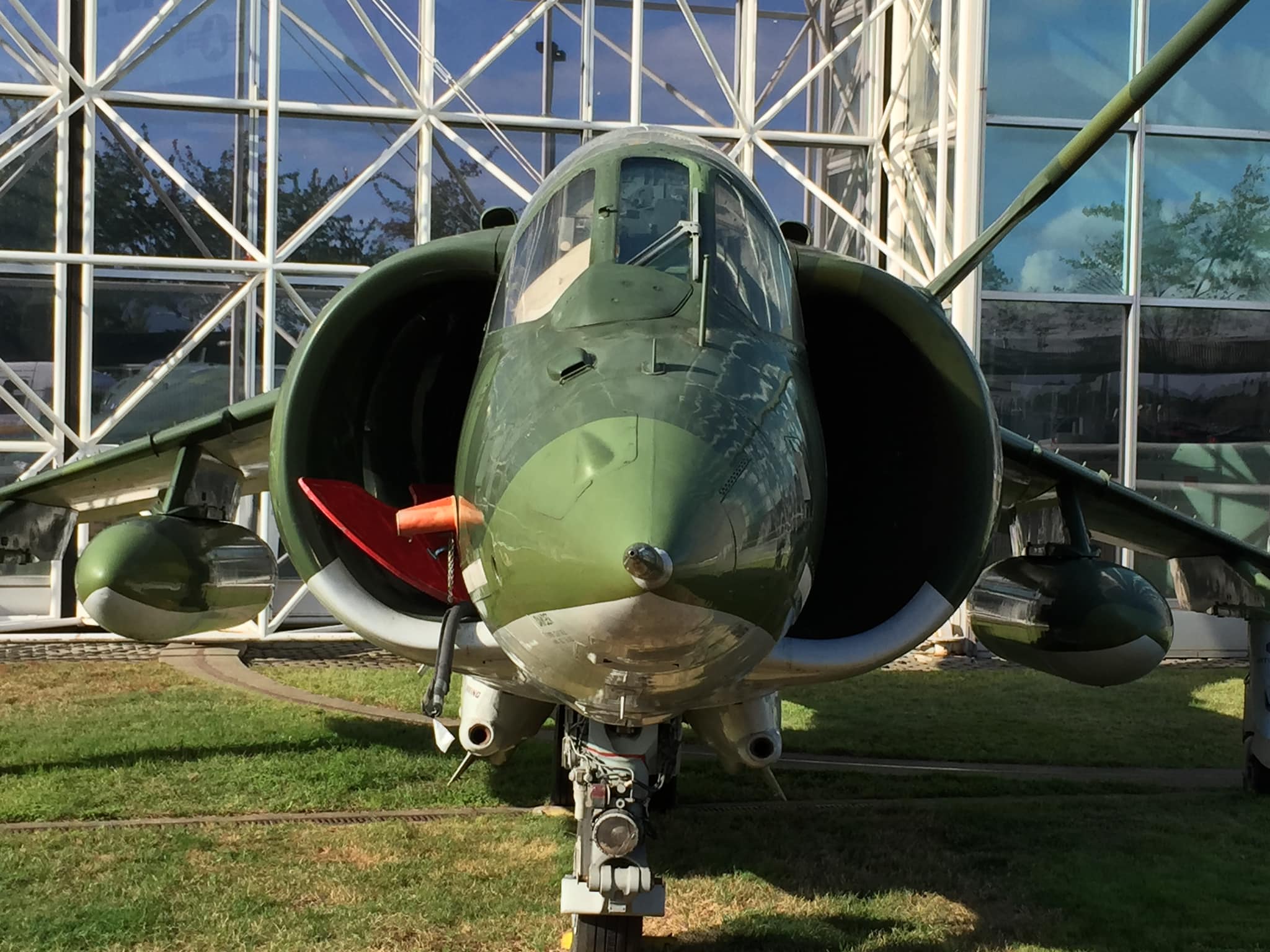
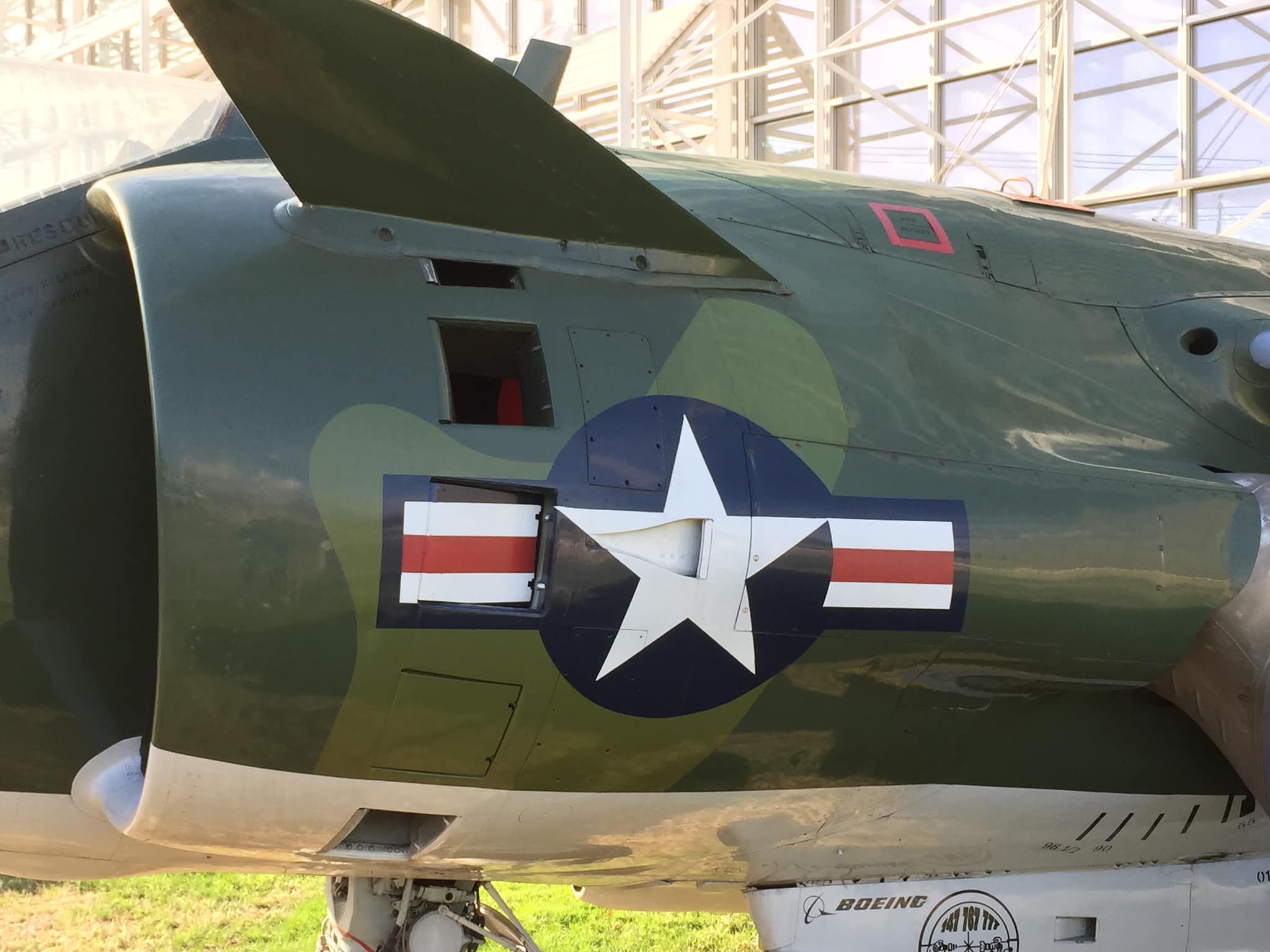
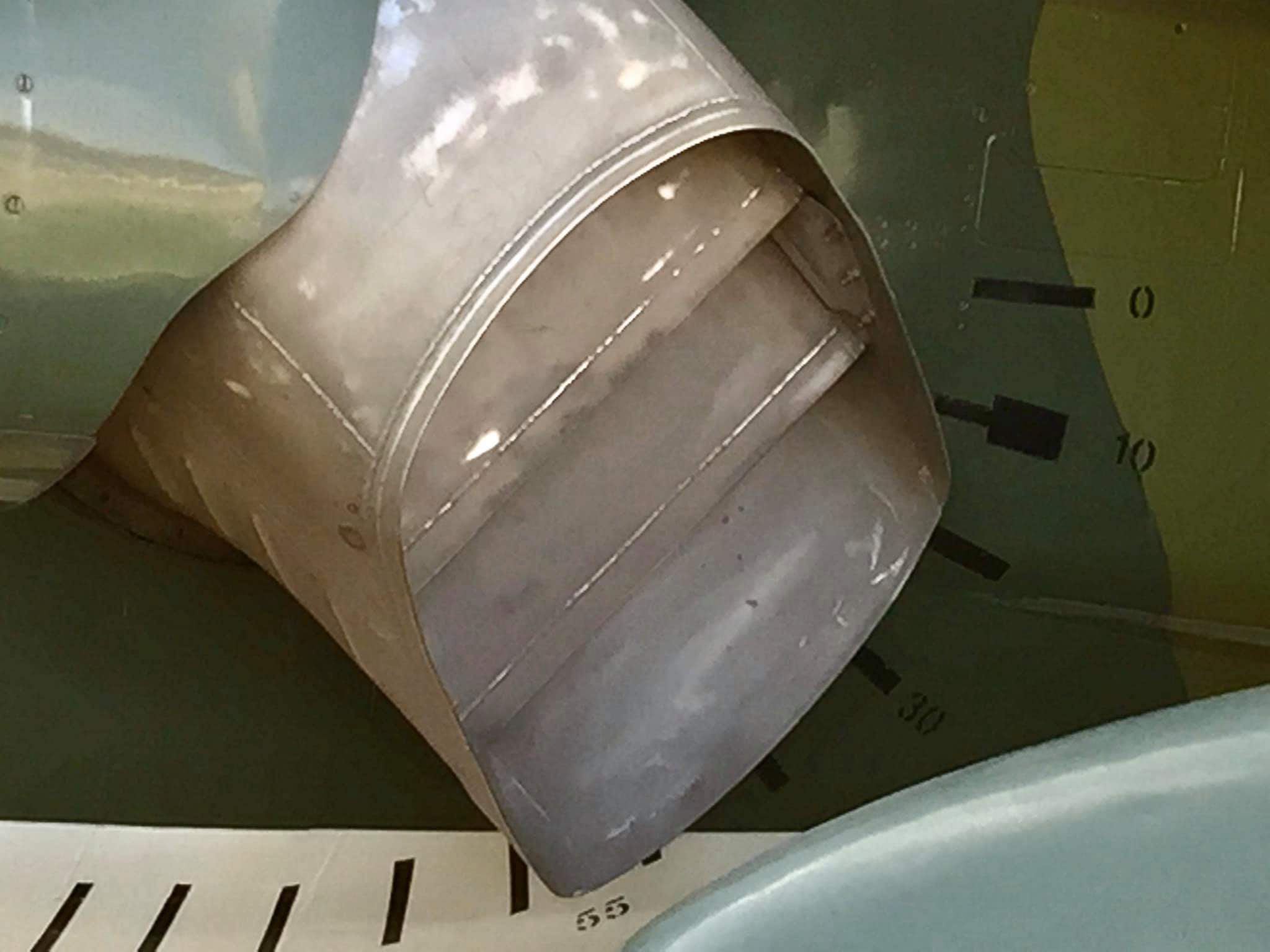
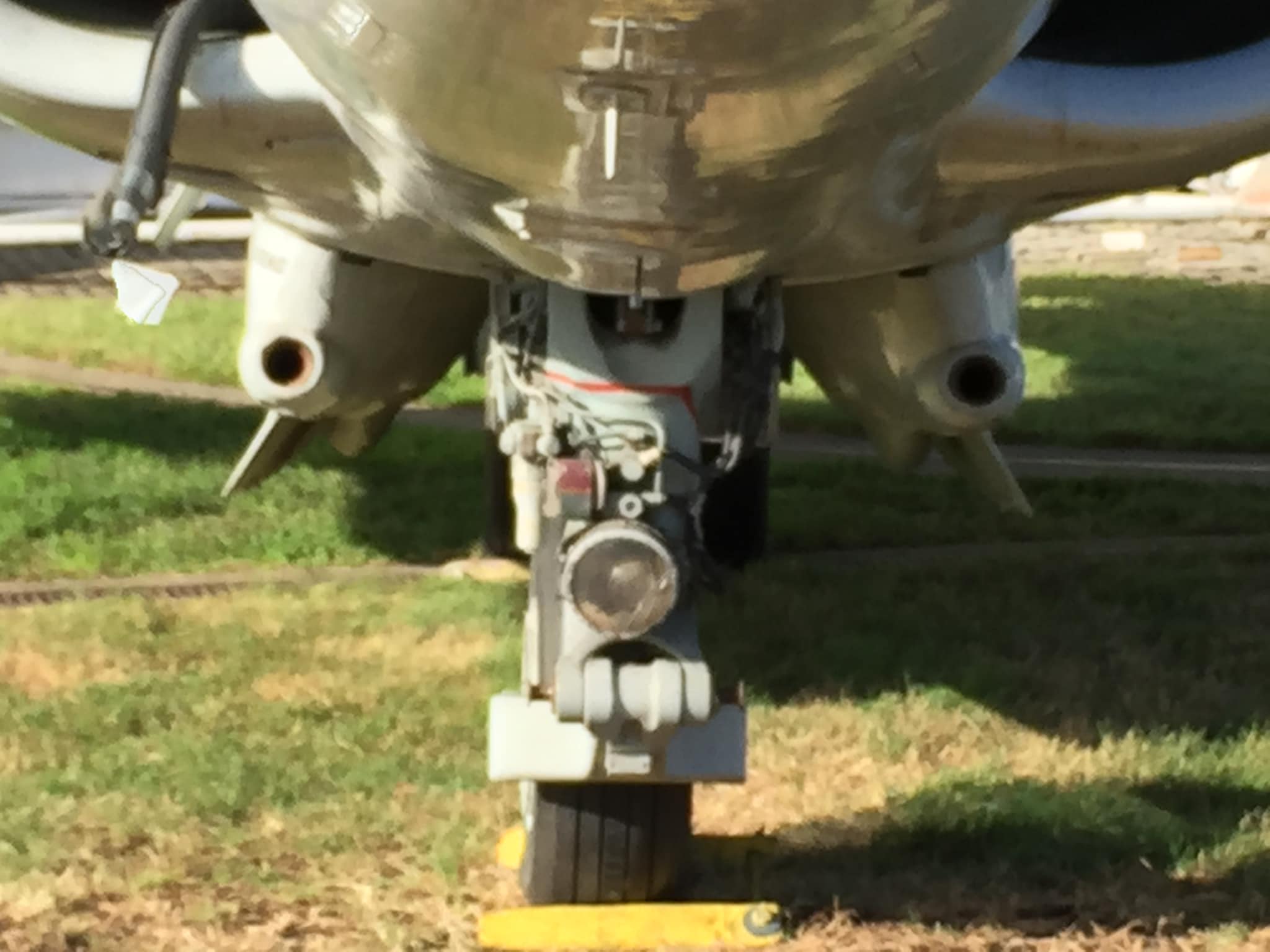
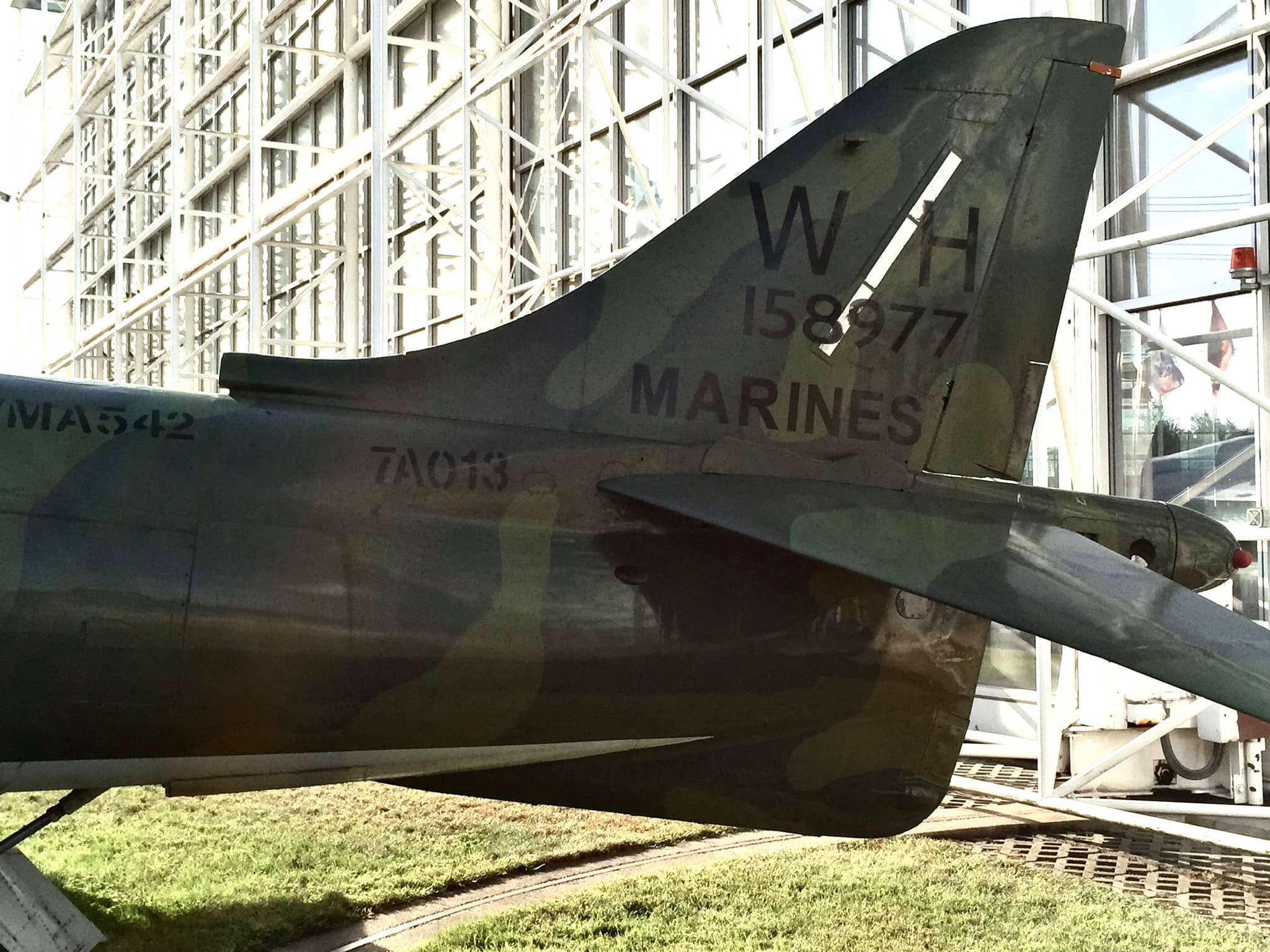
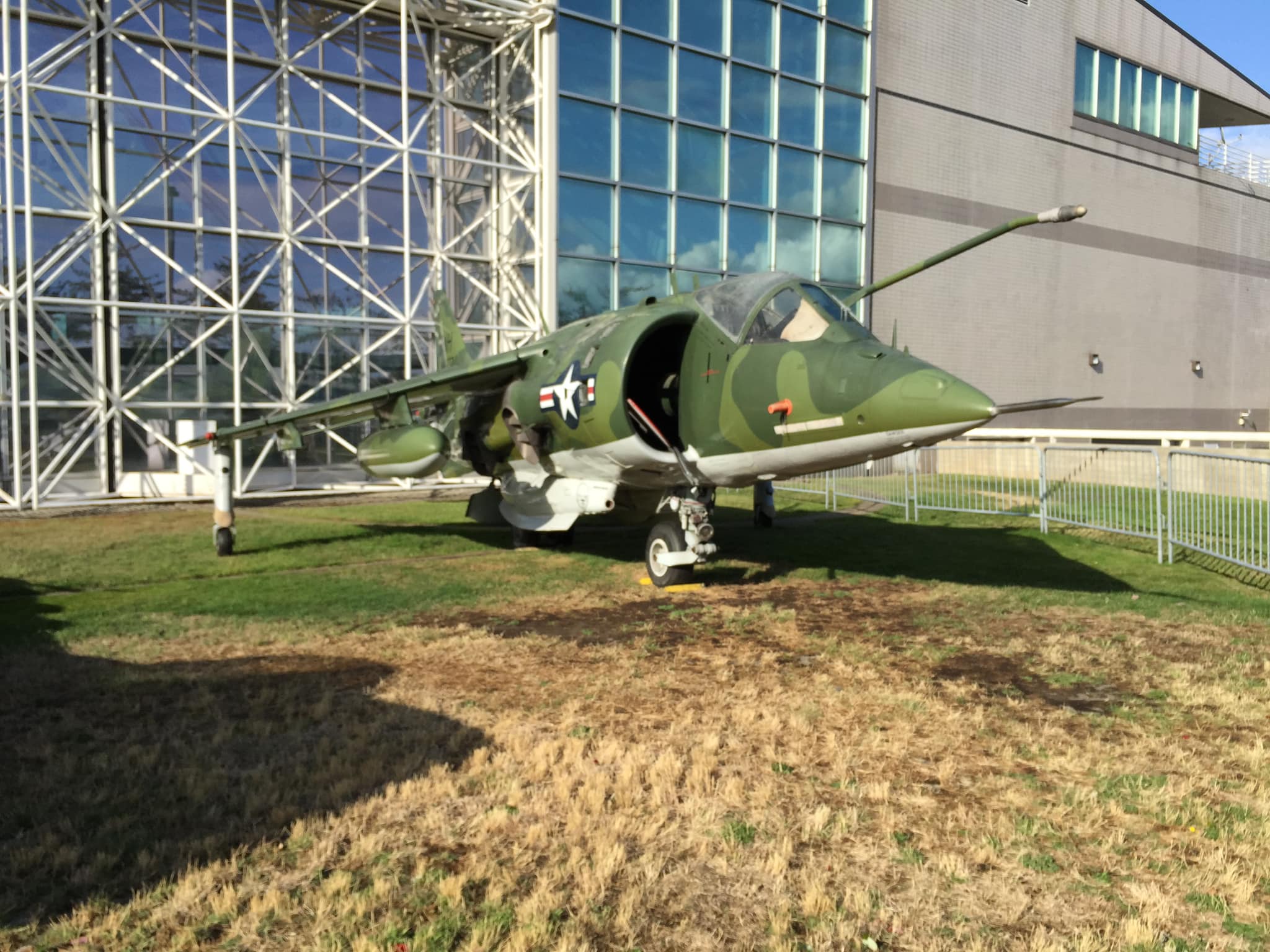
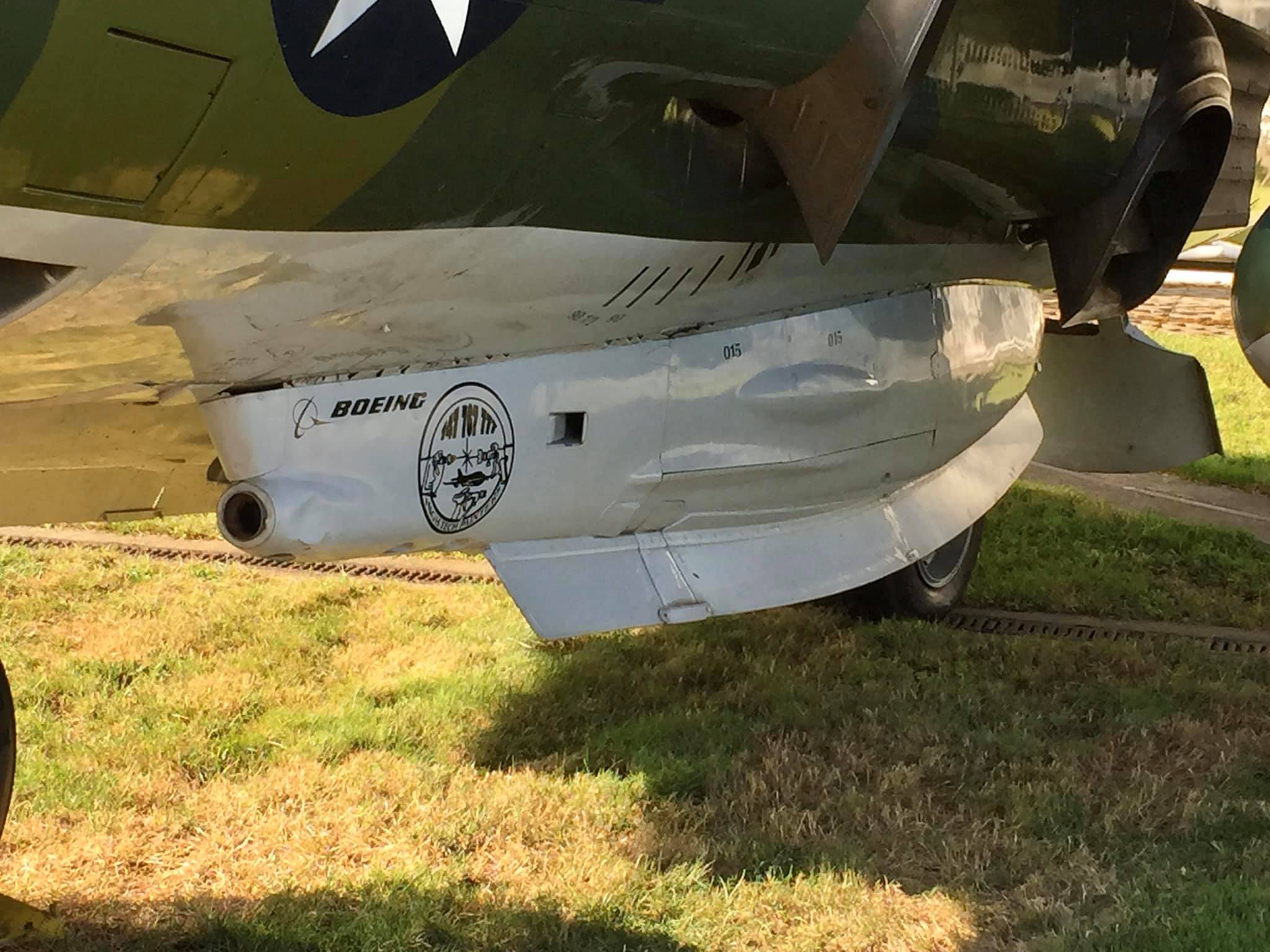
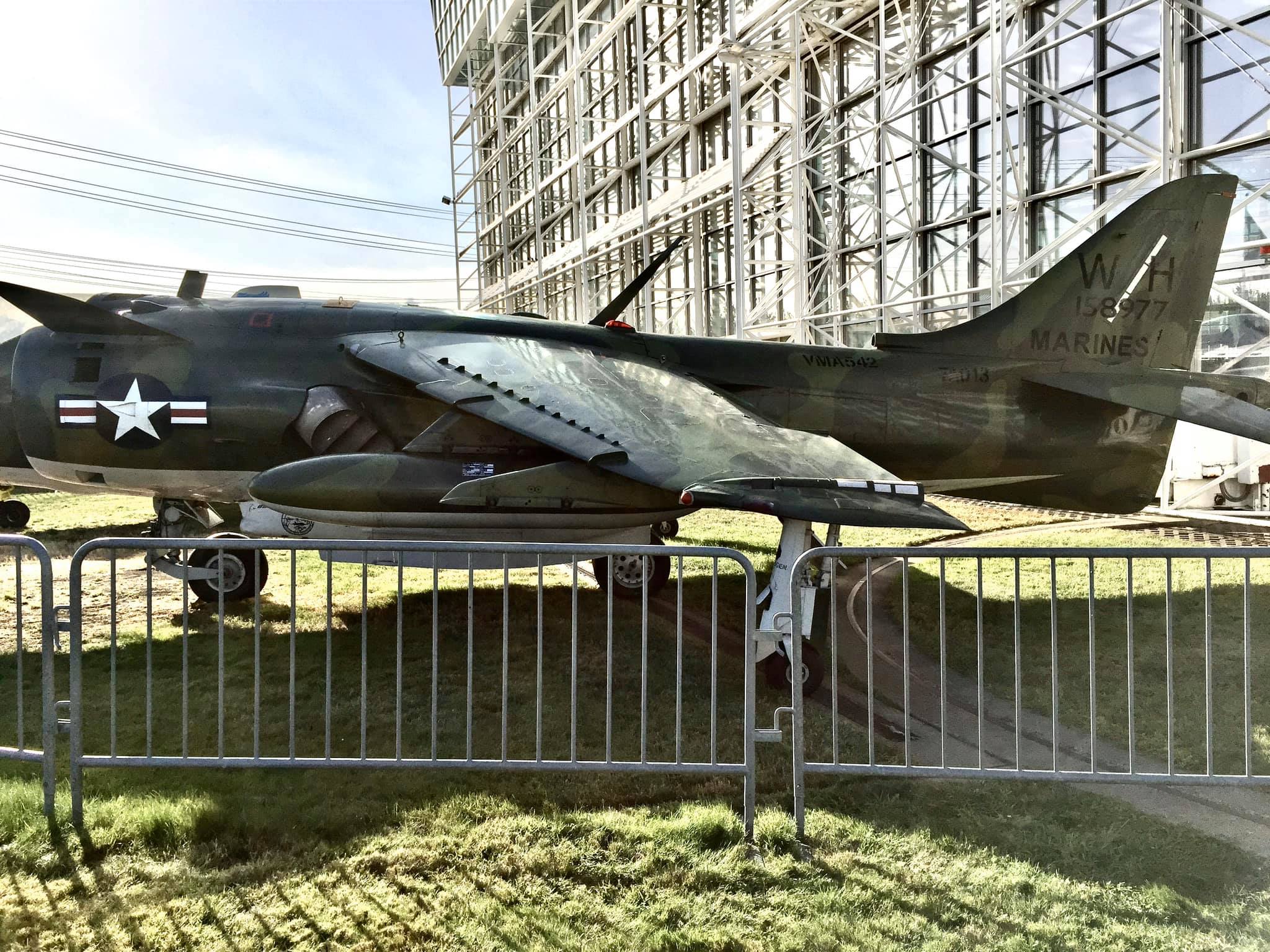
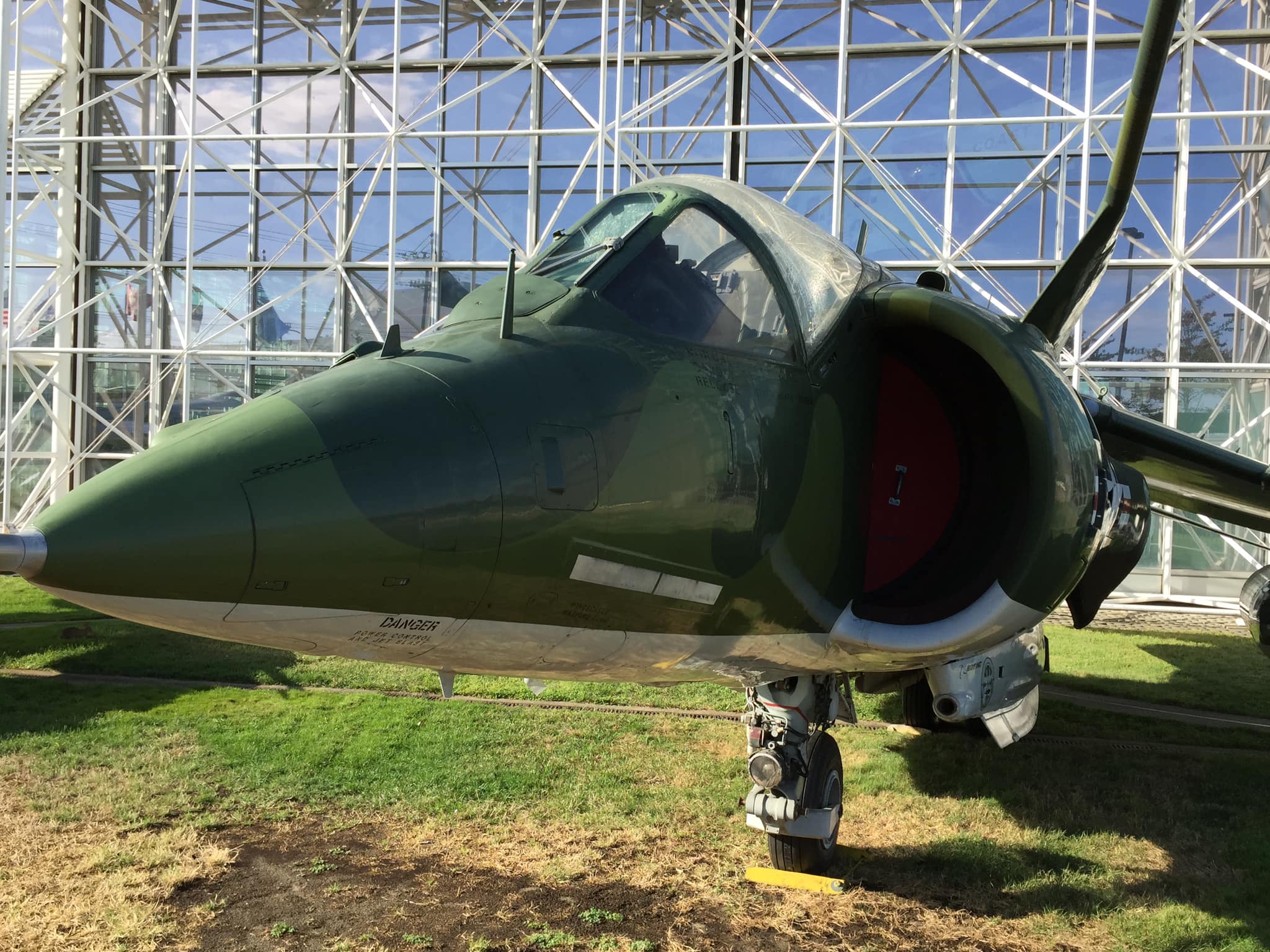
Editor’s notes: This Harrier was built in 1973 by Hawker-Siddeley in England on contract for the United States Marine Corps with the construction number 712138. Given the company designation Harrier Mk.50, it was originally designated as AV-8A Bureau Number 158977 and delivered to the USMC in 1974. Later, the aircraft was sent to McDonnell Douglas and modified as an AV-8C (company designation Model 258AP). For much of its service life, it was flown by Marine Attack Squadron 542 (VMA-542) at Marine Corps Air Station (MCAS) Cherry Point, North Carolina, with the unit code WH-19. On April 3, 1986, the aircraft was placed into outdoor storage with the 309th Aerospace Maintenance and Regeneration Center (AMARC) at Davis-Monthan Air Force Base, Tucson, Arizona, and issued the Process Control Number (PCN) AN7A0013.
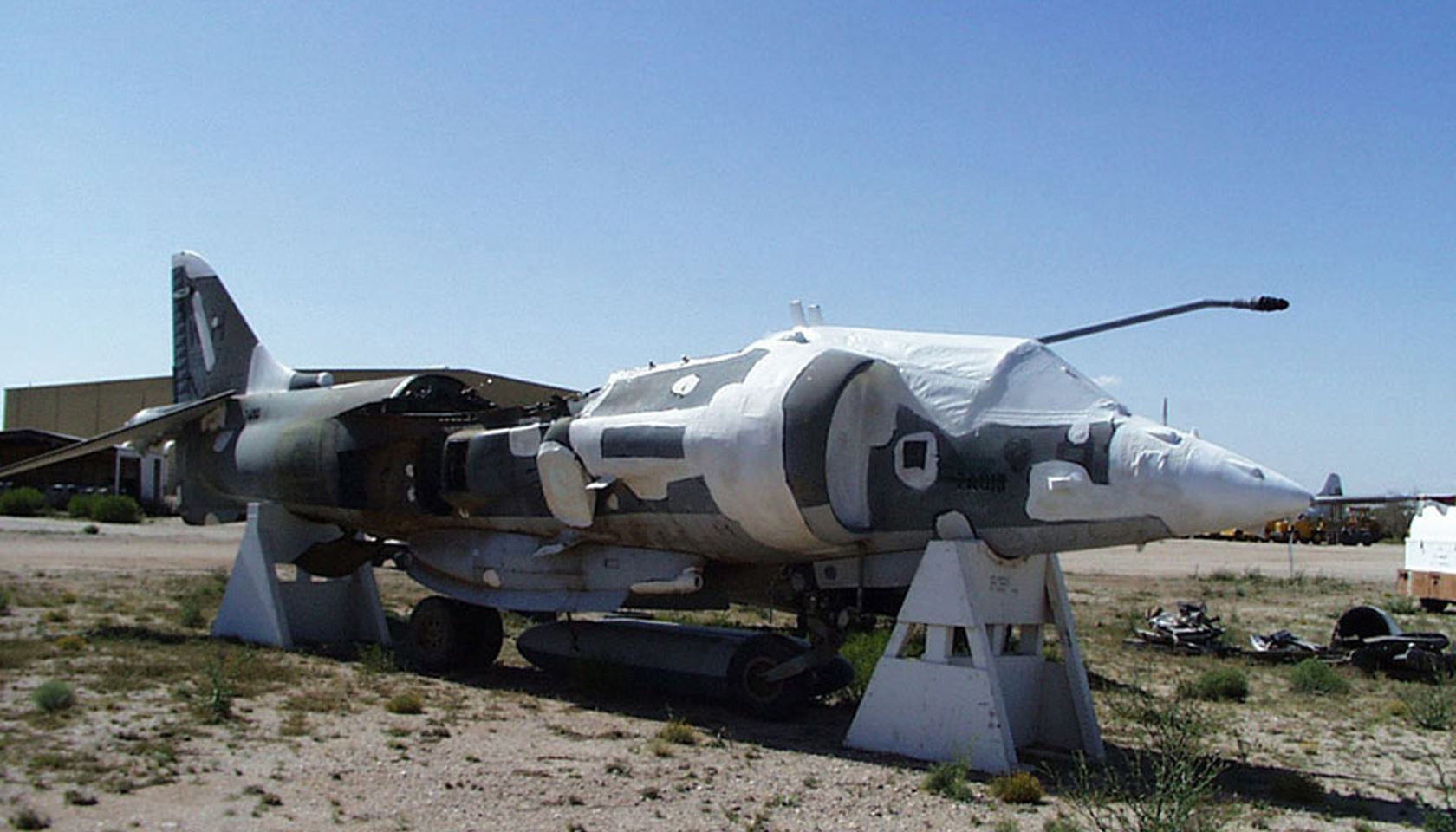
On April 10, 2001, AV-8C BuNo 158977 was brought to the Pima Air and Space Museum, sitting adjacent to Davis-Monthan AFB. The aircraft was made available to be loaned out by the National Naval Aviation Museum at Pensacola, Florida, and the Museum of Flight in Seattle, Washington, accepted the agreement. In 2002, the Harrier was transported by road from the Pima Air and Space Museum to the Museum of Flight’s Restoration Center & Reserve Collection at Paine Field in Everett, Washington, restored to the markings it wore with VMA-542, and placed on display at the main museum at Boeing Field/King County International Airport in Seattle. Since these photos were taken by Randy Malmstrom, AV-8C Harrier BuNo 158977 has been placed on display at the museum’s Aviation Pavilion.
About the author 
Randy Malmstrom grew up in a family steeped in aviation culture. His father, Bob, was still a cadet in training with the USAAF at the end of WWII but did serve in Germany during the U.S. occupation in the immediate post-war period, where he had the opportunity to fly in a wide variety of types that flew in WWII. After returning to the States, Bob became a multi-engine aircraft sales manager and, as such, flew a wide variety of aircraft; Randy frequently accompanied him on these flights. Furthermore, Randy’s cousin, Einar Axel Malmstrom, flew P-47 Thunderbolts with the 356th FG from RAF Martlesham Heath. He was commanding this unit at the time he was shot down over France on April 24th, 1944, spending the rest of the war as a prisoner of war. Following his repatriation at war’s end, Einar continued his military service, attaining the rank of Colonel. He was serving as Deputy Wing Commander of the 407th Strategic Fighter Wing at Great Falls AFB, MT at the time of his death in a T-33 training accident on August 21, 1954. The base was renamed in his honor in October 1955 and continues to serve in the present USAF as home to the 341st Missile Wing. Randy’s innate interest in history in general, and aviation history in particular, plus his educational background and passion for WWII warbirds, led him down his current path of capturing detailed aircraft walk-around photos and in-depth airframe histories, recording a precise description of a particular aircraft in all aspects.