





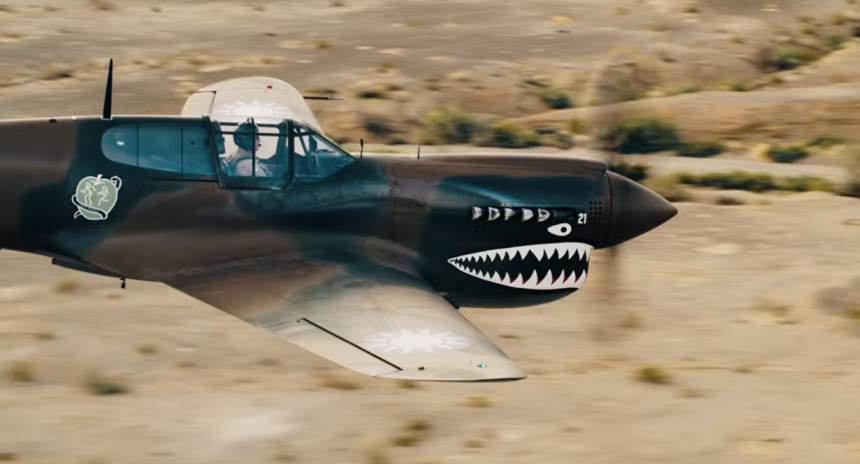

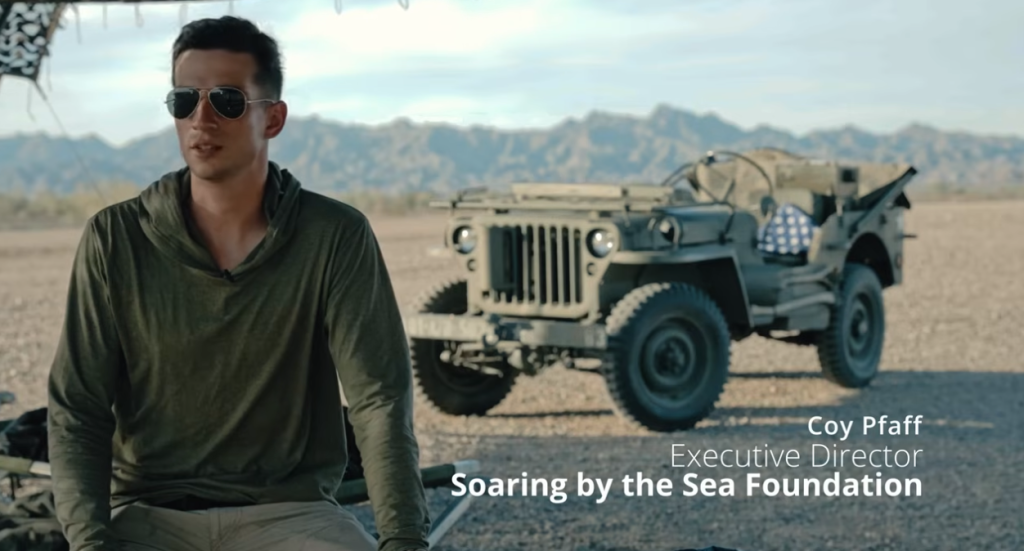
For most aviation enthusiasts, seeing a Curtiss P-40 Warhawk in flight is a thrilling reminder of WWII aviation history. But for the team at the Soaring by the Sea Foundation, simply flying their historic fighter was not enough. They wanted to recreate one of the aircraft’s original missions—and in the process capture a piece of history that has not been seen in decades. After nearly two years of planning, approvals, engineering, and testing, the foundation successfully returned operational wing guns to its Curtiss P-40N Warhawk and conducted a series of live-fire strafing runs, documenting the entire effort in a mini-documentary released on July 4th. According to Executive Director Coy Pfaff, the project was driven by a desire to show people what these aircraft were actually built to do.
“We thought it would be cool to do since really nobody has fired real guns it since World War II in a P-40,” Pfaff explained. “It reminds people what these aircraft were actually intended to do and keeps that part of the history alive.” Today, surviving warbirds are primarily seen performing aerobatics and flybys at airshows. While spectacular, those displays rarely demonstrate the combat role for which aircraft such as the P-40 were designed. The Soaring by the Sea Foundation set out to change that.
(Image credit: Soaring by the Sea Foundation)
Two Years of Preparation
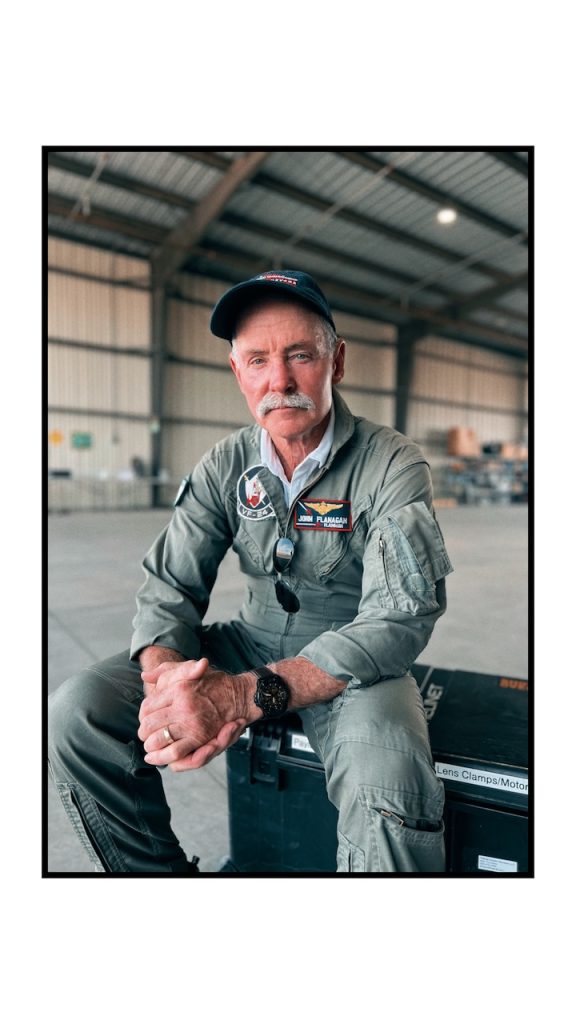
The project was far more complicated than simply installing guns and loading ammunition. Pfaff said that obtaining the necessary approvals and permits consumed a significant portion of the two-year effort, while the design and construction of the guns proceeded simultaneously. Government shutdowns during the process further delayed approvals and extended the timeline. The guns themselves were built in-house by foundation gunsmith Eric McCluskey, owner of McCluskey Arms Company. Although McCluskey had never previously worked on aircraft armament systems, Pfaff described him as someone capable of tackling virtually any challenge. Using original 1940s armament manuals and technical references, McCluskey and the team recreated the gun installation while ensuring it functioned safely and reliably in a modern operating environment. The foundation’s Federal Firearms License (FFL) and Special Occupational Taxpayer (SOT) status allowed it to legally manufacture and possess the machine guns used in the project.
(Image credit: Soaring by the Sea Foundation)
Back to a Wartime Mission
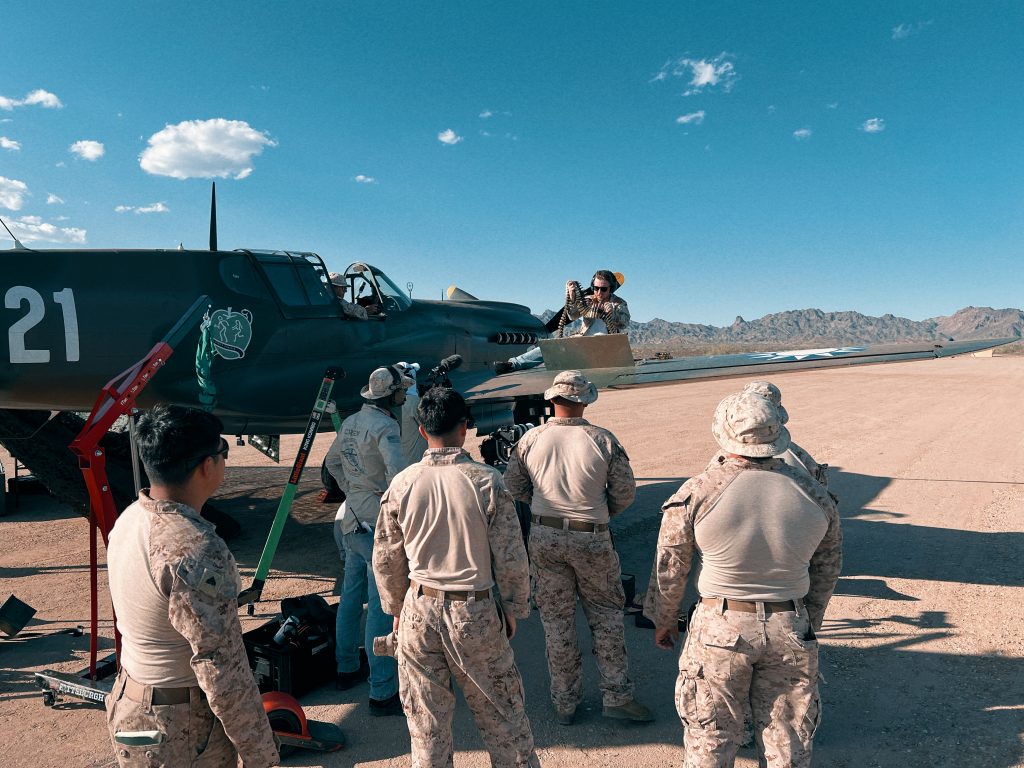
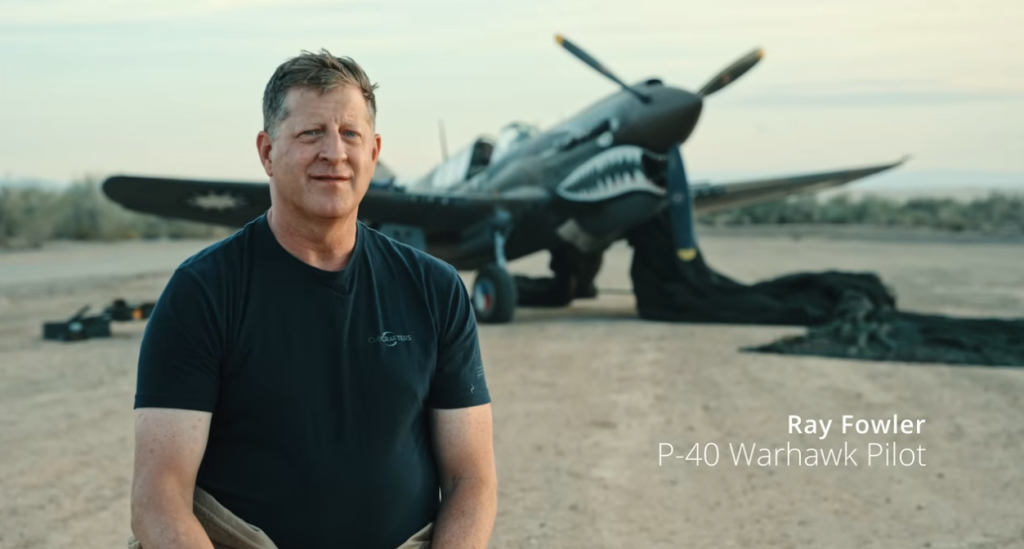
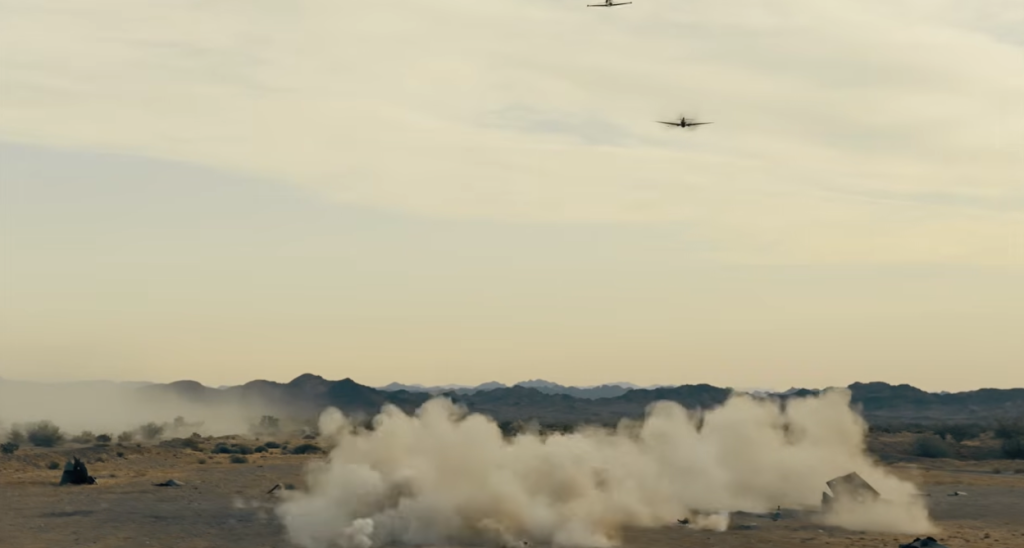
Once the aircraft and armament system were ready, the team conducted a series of live-fire missions. Details regarding the location remain undisclosed, but Pfaff described the operation as involving multiple strafing runs over two days. The P-40 was armed, flown by warbird pilot Ray Fowler to an undisclosed target area, and flown through a series of attack passes until its ammunition supply was exhausted. The aircraft was then rearmed and prepared for another round of operations the following day. The schedule was grueling, with crew members working into the early morning hours before returning to the aircraft shortly before sunrise. The early start times were chosen to protect the aircraft’s Allison engine from excessive temperatures during the hottest part of the day. Throughout the entire development, testing, and flight program, the team expended approximately 7,000 rounds of ammunition, including ground testing and airborne firing.

A Moment Worth the Effort
For Pfaff, one of the most memorable moments came during the first successful firing pass. “So much work had gone into it,” he said. “You don’t know if you’re going to have an issue with the guns jamming or a mechanical issue with the airplane. There are so many things that could have happened.” When the guns fired successfully, and the aircraft completed its first pass, the months of planning and preparation suddenly paid off. “I was extremely excited when I heard those guns fire and watched it do a pass the first time,” Pfaff recalled. “At that point it’s like, okay, everything worked.” Despite the success of the project, Pfaff noted that the foundation has no plans to repeat the live-fire demonstration with this aircraft, citing the considerable expense involved. The guns, however, remain operational and continue to be used with blank ammunition during airshow appearances and special events.
(Image credit: Soaring by the Sea Foundation)
A Storied Aircraft
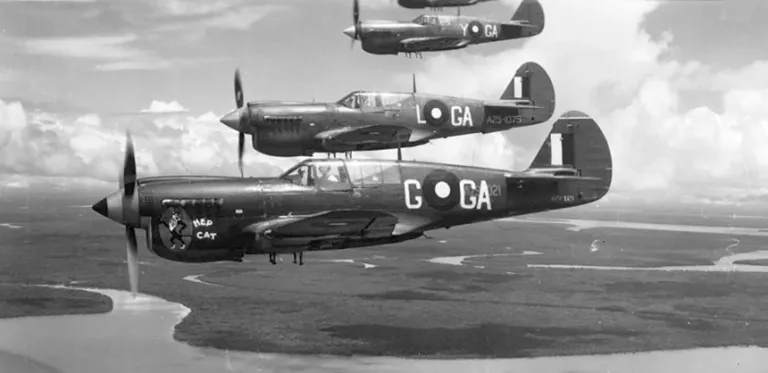
The aircraft at the center of the project has a remarkable history of its own. Built by Curtiss in Buffalo, New York, as P-40N-1 Warhawk serial number 42-104730, it was shipped to Australia during WWII and transferred to the Royal Australian Air Force as Kittyhawk A29-448. Assigned to No. 75 Squadron, the fighter operated from Milne Bay and was flown by several Australian pilots during combat operations in the Southwest Pacific. Following a series of landing accidents in 1944, the aircraft was declared beyond repair and abandoned at Tadji Airfield in New Guinea.
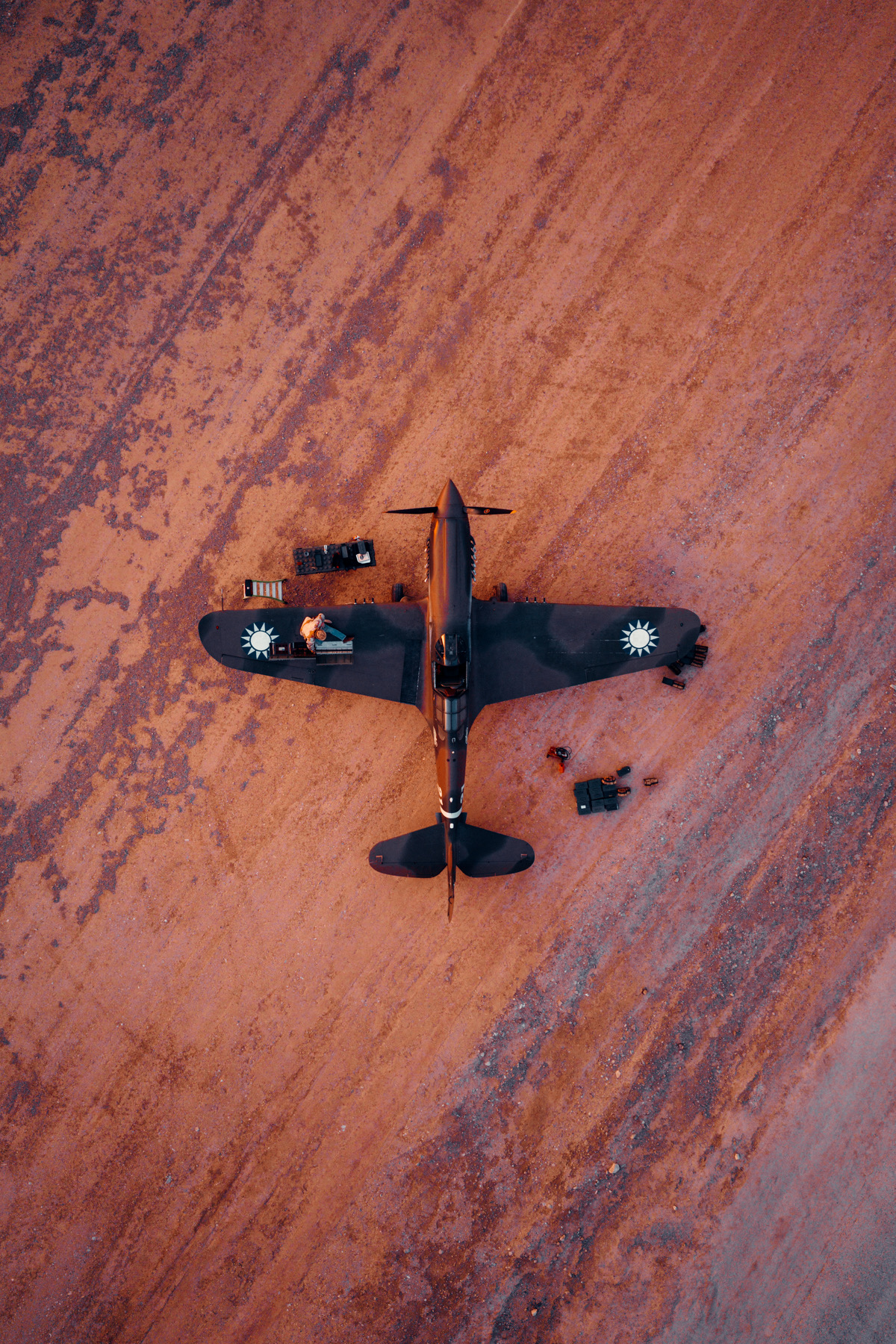
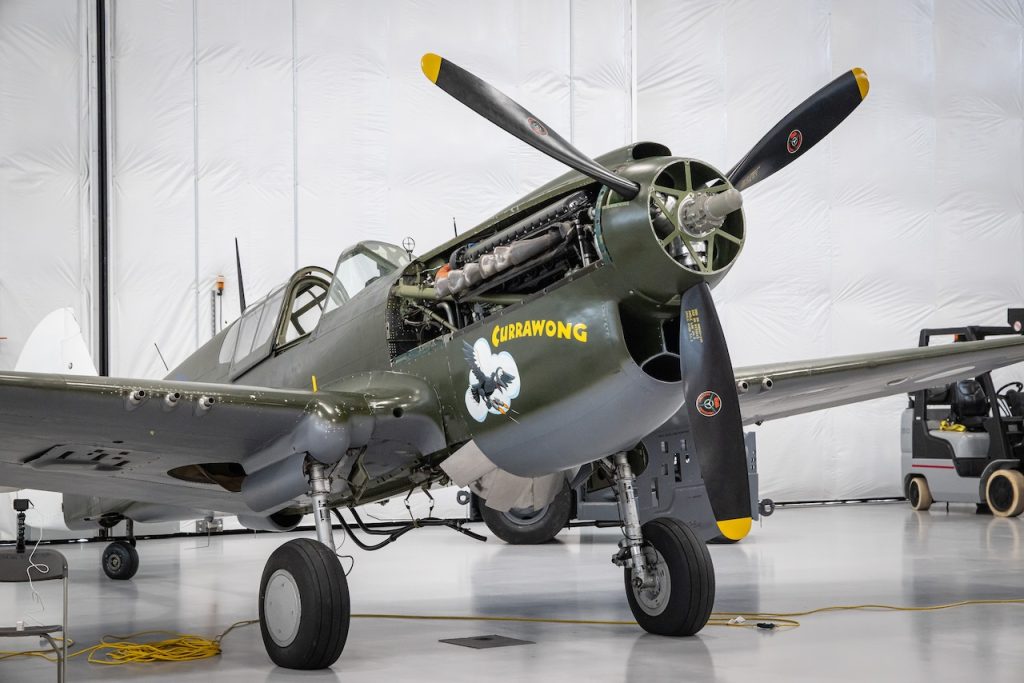
Recovered in 1974 through the efforts of Charles Darby and financed by David Tallichet’s Yesterday’s Air Force organization, the aircraft eventually made its way to New Zealand. There it underwent an extensive restoration by Pioneer Aero Restorations during the 1990s before returning to flight in 2000 wearing its historic No. 75 Squadron markings as Currawong. The aircraft’s whole history is available HERE. In September 2025, the foundation hired artist Chad Hill again to change the airplane scheme, in honor of Pappy Boyington. All of the paint used is temporary ‘movie paint’ that will then be washed off, and the aircraft will eventually be back in its original World War II RAAF ‘Currawong’ paint scheme. The repaint honors Boyington’s service with the American Volunteer Group (AVG)—the famed “Flying Tigers”—during 1941–1942.
(Image credit: Soaring by the Sea Foundation)
More than two decades later, the veteran fighter has once again demonstrated the role for which it was originally built—giving modern audiences a rare glimpse of what a WWII fighter attack may have looked and sounded like over eighty years ago. The full documentary will be released on July 10, 2026; a shorter teaser can be watched below. For more information about the Soaring by the Sea Foundation, visit www.soaringbythesea.com










I am speechless!!!!
What HUGE waste of money! The LAST thing anyone needs is a rare warbird prancing around firing weapons! Just stupid waste.
All I can say is WOW!
What a Great War Plane the P40 was, and Still Is.
Never quite achieving the Cult Status of Spitfires, Mustangs or Me109’s and Zero’s; but still a Good, Solid, Workhorse.
Which, in the hands of a good Pilot, could ‘Out-Best the Best’ in Combat.
To my mind the P40b’s & ‘C’s are things of Beauty; ‘Sharklike’ and deadly; the later variants, up to the ‘N’, may have gained in Power – but at the expense of Looks!
Almost brought tears to my eyes. The best looking fighter plane ever! Too bad they couldn’t collect the brass. I’d pay $20 for just one in a heartbeat. Great job to the team!!
I’m pretty sure it fired its guns in NZ a few times
They did fire blanks.
Was gonna leave nothing in box cause was like gentlemen before me speechless. My cousin John is a big time pilot he’s flown all kind of airplanes and jets I’m going to have to tell him to watch this thank you so much my father flew in the Air Force during world war II told me some great stories! Thank you so much 🇺🇲!!!!!!!
Absolutely amazing, beautiful, and impressive to see. The teams skills definitely are all over this one! A perfect, fully functional, and all functions used restoration…. this team is definitely Standard Setters!! I admit my love has always been the P-38 but the P-40 has been that 2nd that always caught my attention. It would be fulfilling a dream to be in the cockpit of either one! But I’m not a pilot so never happen-thats the problem with loving 2 single seater aircraft and not knowing how to fly. Excellent job to all involved!!
To restore a warbird to FULL operational status..
It would be nice to see several companions from that era restored to full operational status!
PRICELESS:))
Remarkable achievement Soaring by the Sea group. Looking forward to future projects.
My wifes grandfather was an engine fitter for the American Volunteer Group, and after that, spent WWII flying around the pacific fixing American aircraft engines. He retired as OC Taiwans principal military training establishment. The stories didnt start until we took him to Cavanaugh flight museum in Texas. My wife didn’t even know what he did