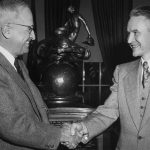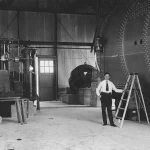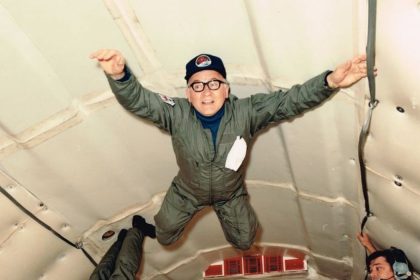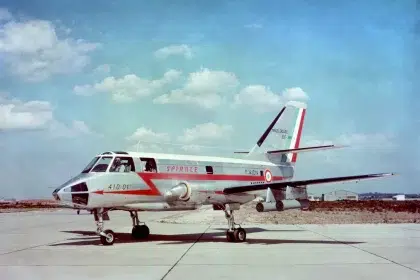
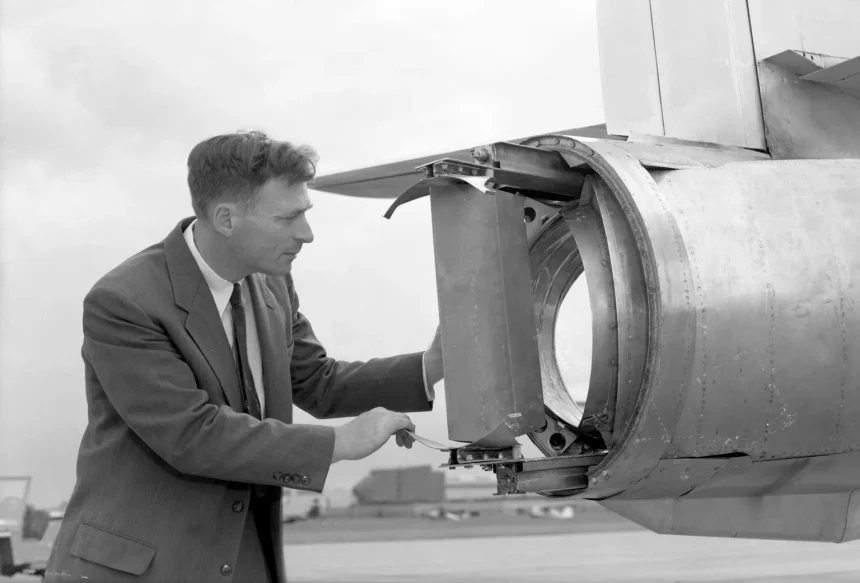

In the early years of the NASA Glenn Research Center, then known as the NACA Aircraft Engine Research Laboratory, an individual made an impact on aircraft safety that is still remembered today. Irving Pinkel was born in Gloversville, New York, and graduated in physics from the University of Pennsylvania in 1934. In 1940, he joined NACA at the Langley Memorial Aeronautical Laboratory. His older brother, Benjamin, worked there as a power plant engineer. Irving Pinkel spent two years studying how flutter affects wings, and in 1942, both Pinkel brothers moved to Cleveland, Ohio, when NACA opened the Aircraft Engine Research Laboratory. During WWII, Irving Pinkel focused on lubrication and oil systems for high-altitude aircraft. He developed a mechanism that used electric condenser plates to stop oil from aerating. In 1945, he became the group leader for the Wind Tunnel Analysis Panel. After the war, Pinkel worked on turbojet engines and supersonic flight, focusing on airflow through compressors. Even as his responsibilities grew, Irving Pinkel continued his research on supersonic flight and nozzle design. He found that burning fuel beneath the wing could generate lift and thrust. However, his later work on flight safety would be better recognized than this research.
In the mid-1940s, Irving Pinkel began working on the icing research program. He helped change the program’s engineering focus to scientific analysis. The team not only evaluated deicing systems but also spent several years studying the makeup of ice-producing clouds. In 1949, Pinkel became the associate chief of the Physics Division. In this role, he looked into slippery runways, lightning strikes on aircraft, and fuel jettisoning during flight. During this time, Pinkel served on NACA subcommittees focused on fire prevention, icing issues, flight meteorology, and operational challenges. He was also a member of the FAA’s Committee on Lightning Hazards to Aircraft. His most important work came in aircraft safety. After WWII, more people started flying, but by 1947, a rise in plane crashes began to threaten the airline industry. President Eisenhower asked the Civil Aeronautics Authority (CAA), the FAA’s predecessor, to investigate airline safety immediately. NACA’s lab in Cleveland developed a plan to study postcrash fires by intentionally crashing extra transport aircraft to understand how these fires behaved and find effective ways to respond to them. In 1949, Irving Pinkel was asked to oversee the Crash Fire Test program.
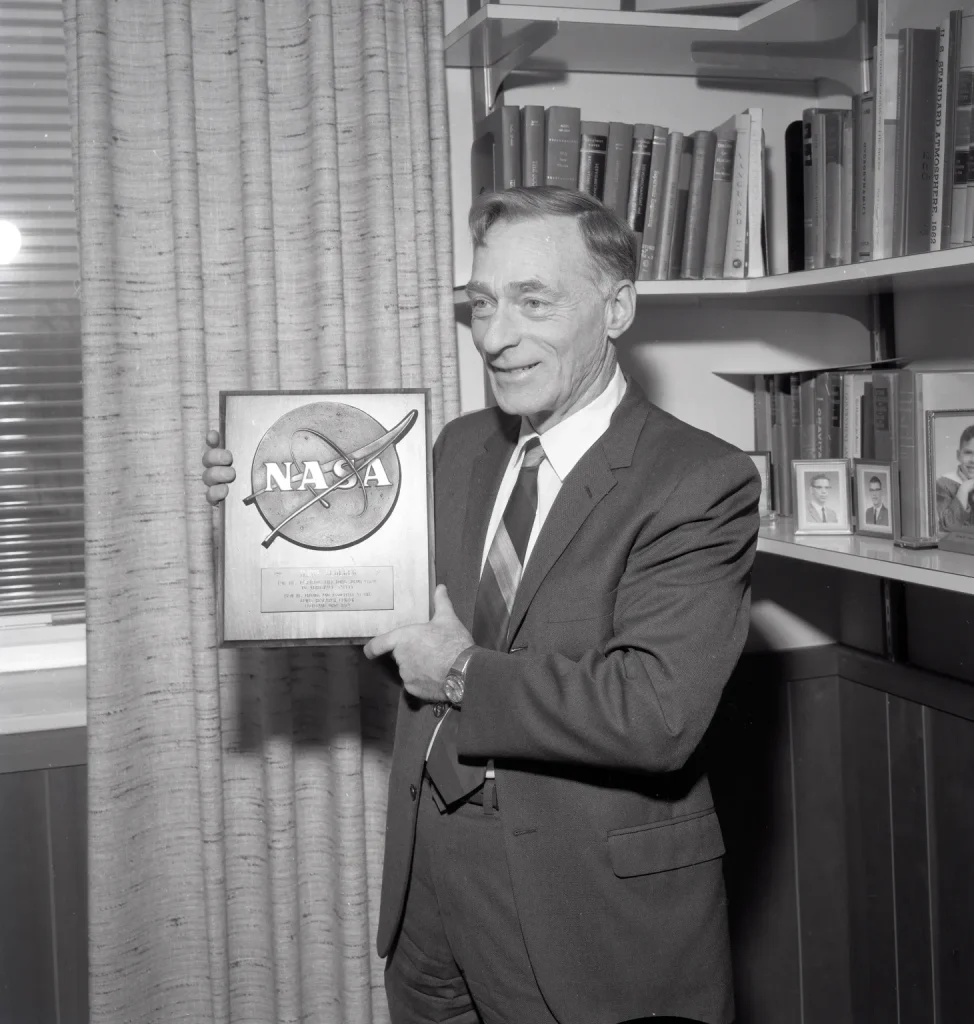
In the first phase, Irving Pinkel and his team identified ignition sources, fuel disbursement, and combustible materials in the aircraft. The group developed a system that “cools ignition points and extinguishes fires within the engine upon impact,” according to NASA. The next phase studied the forces “on both the aircraft and its passengers during a crash.” The team created guidelines to improve aircraft design and developed a flexible crash-resistant seat “that minimized the forces on the occupants.” The final phase of testing focused on jet aircraft, which had different causes and solutions compared to the earlier studied reciprocating engines. Irving Pinkel and his team received praise for their research on crash safety from both the agency and international organizations. Irving Pinkel won several awards, including the Flight Safety Foundation Award in 1953, the Laura Tabor Barbour Air Safety Award in 1956, the NACA Distinguished Service Medal in 1957, and the NASA Sustained Superior Performance Award in 1963. Most of the other key members of the Crash Fire Test team also played important roles in Project Mercury and the Apollo program. Pinkel’s group worked on several challenging problems in aviation, including lubrication, wear, noise reduction, and the use of liquid hydrogen as fuel for a B-57 Canberra. In 1960, Irving Pinkel joined investigations into accidents involving the B-58 Hustler, which was the first supersonic bomber.
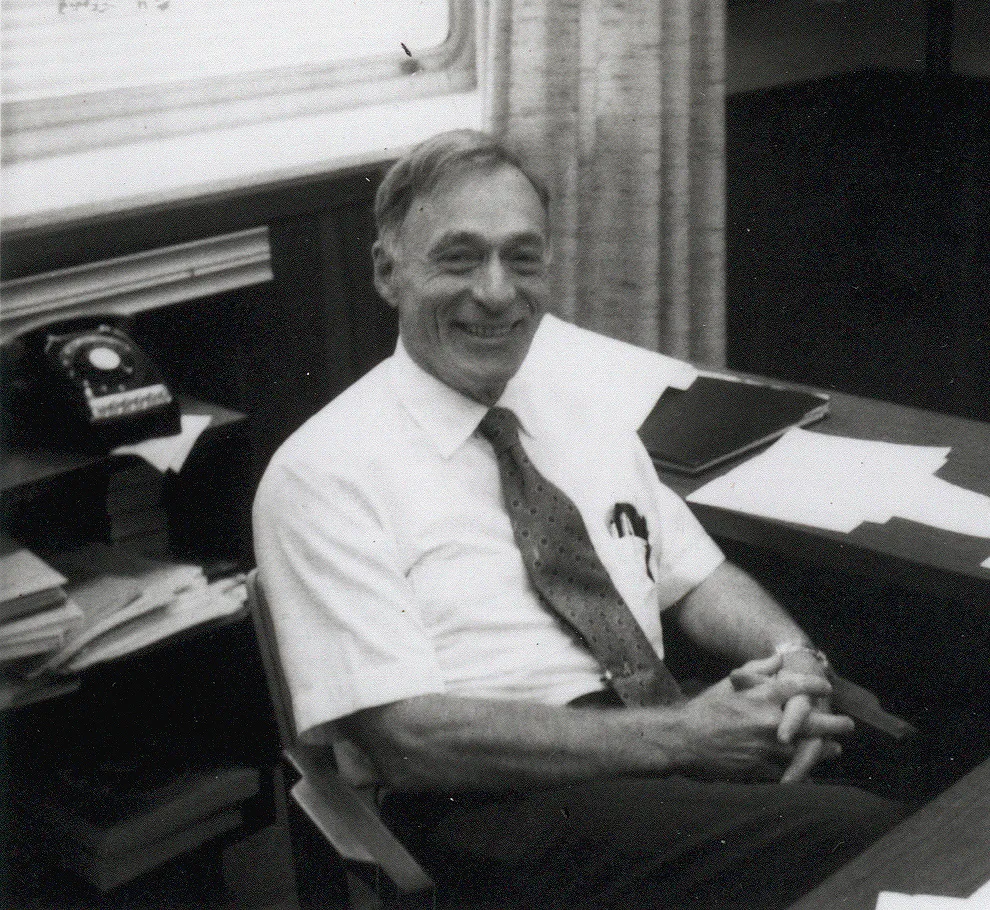
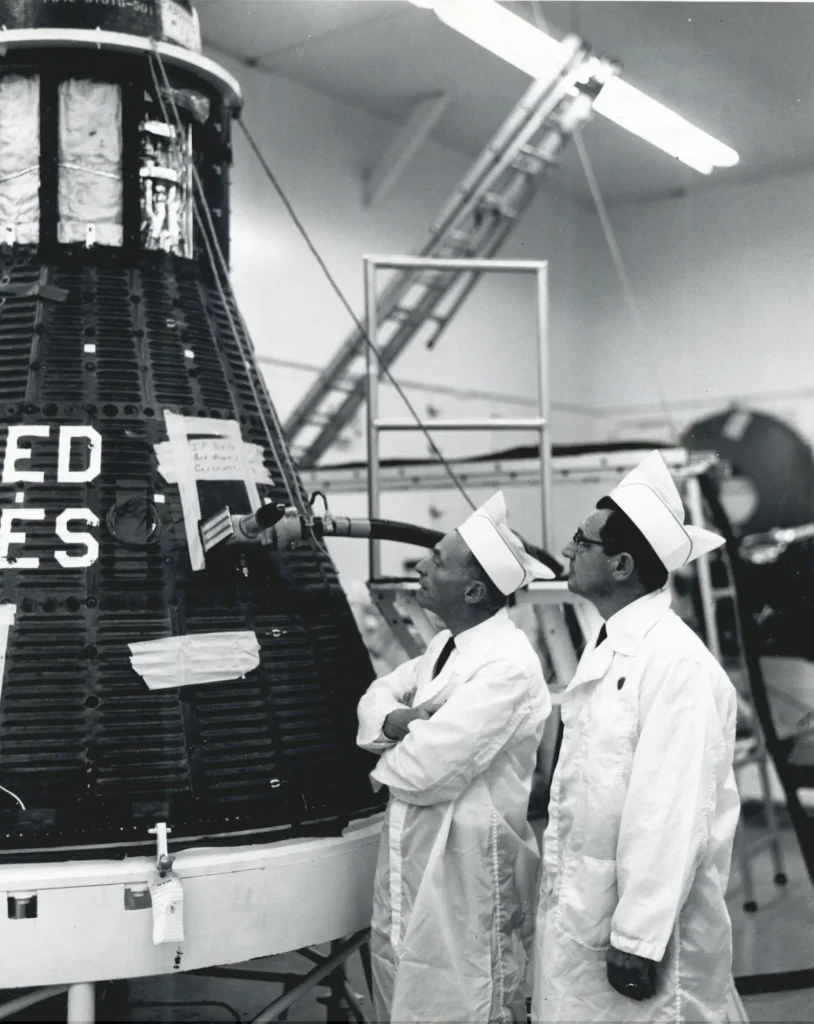
In 1958, Irving Pinkel became the head of the Fluids Systems Components Division at NASA. The division was important in developing cryogenic fuel systems for rockets such as the Saturn and Centaur. In 1960, he evaluated the Centaur rocket. In 1963, he worked on the design of the Kiwi-B-2A reactor for the NERVA program. After the Apollo 1 fire in January 1967, Pinkel went to the Kennedy Space Center to inspect the damaged capsule and determine what caused the fire. Irving Pinkel spent over a year redesigning the Apollo capsule and the spacesuits. After this, NASA Administrator James Webb appointed Pinkel as the director of the Aerospace Safety Research and Data Institute (ASRDI) at the NASA Lewis Research Center in Cleveland. ASRDI built a complete database for NASA’s safety concerns. Pinkel also wrote papers on safety for shuttle design and led the investigation into the crash of the F–8 Crusader in July 1969. Irving Pinkel also served as an official observer on the Apollo 13 review board in April 1970, where Chairman Edgar Cortright praised his active involvement in the investigation. Irving Pinkel retired in 1972 after working for 32 years with NACA and NASA. Even after retirement, Irving Pinkel remained active as a consultant to national laboratories and the aerospace industry, and also participated in airline crash investigations. Irving Pinkel passed away at the age of 95 on March 13, 2008. As one of the Pioneers of Aeronautical Engineering, Pinkel’s leadership and vision laid the foundation for aircraft safety, which brought aviation to what it is today. Read more such stories HERE.