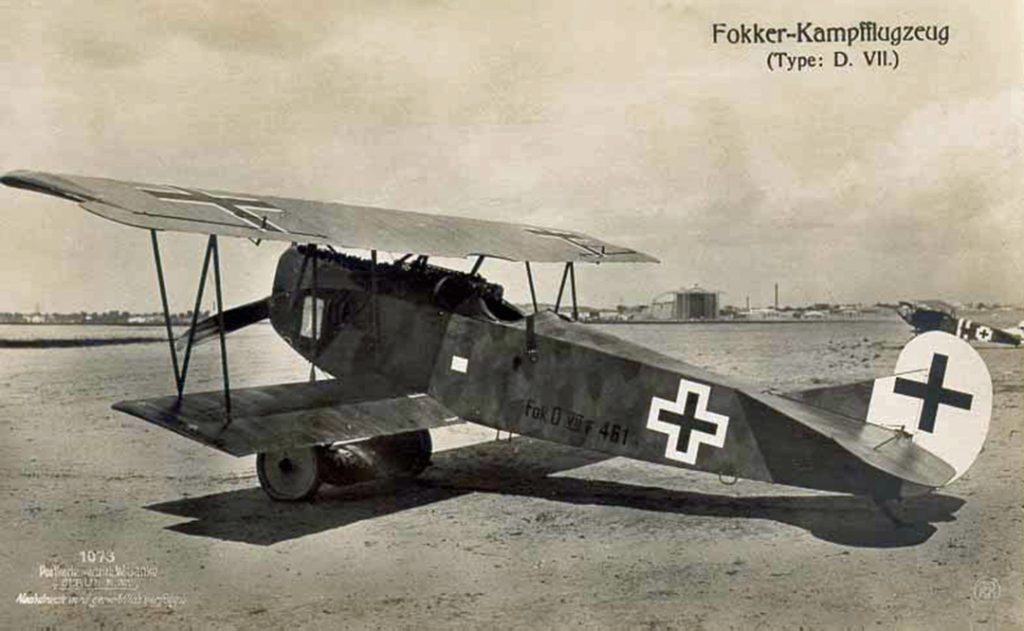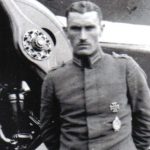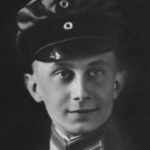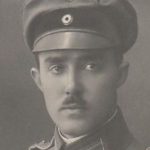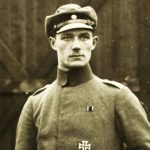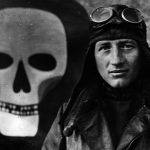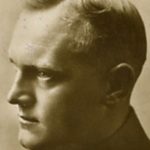
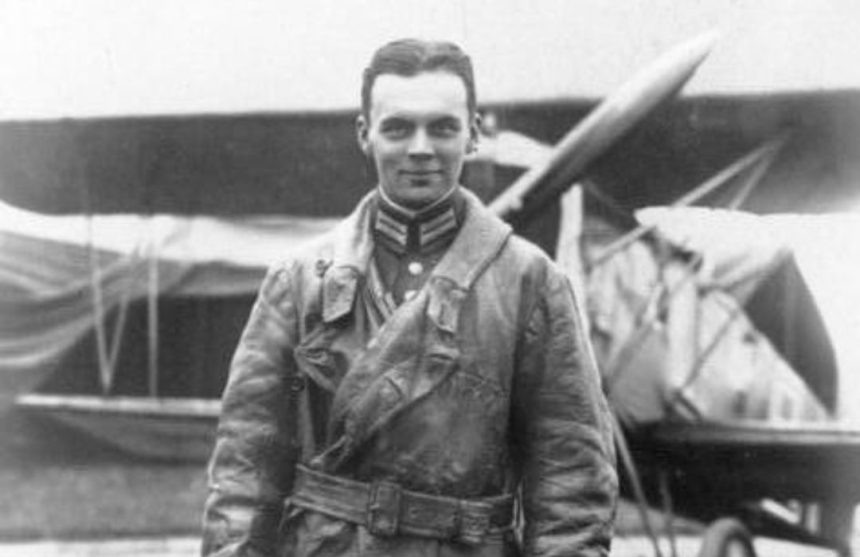

There was a German ace who was a pilot in WWI and became an aeronautical engineer after that to design airplanes. Born on January 10, 1896, in Silesia, Walter Blume started his military service in the 5th Silesian Jaeger Battalion in September 1914. After getting injured early in the war, he began pilot training on June 30, 1915. He flew a two-seater Aviatik aircraft with Field Flier Detachment 65 until January 1917. During this time, he earned an Iron Cross Second Class. In January 1917, Walter Blume requested a transfer to fly single-seat fighters with Jagdstaffel 26.
Ace Journey of Walter Blume
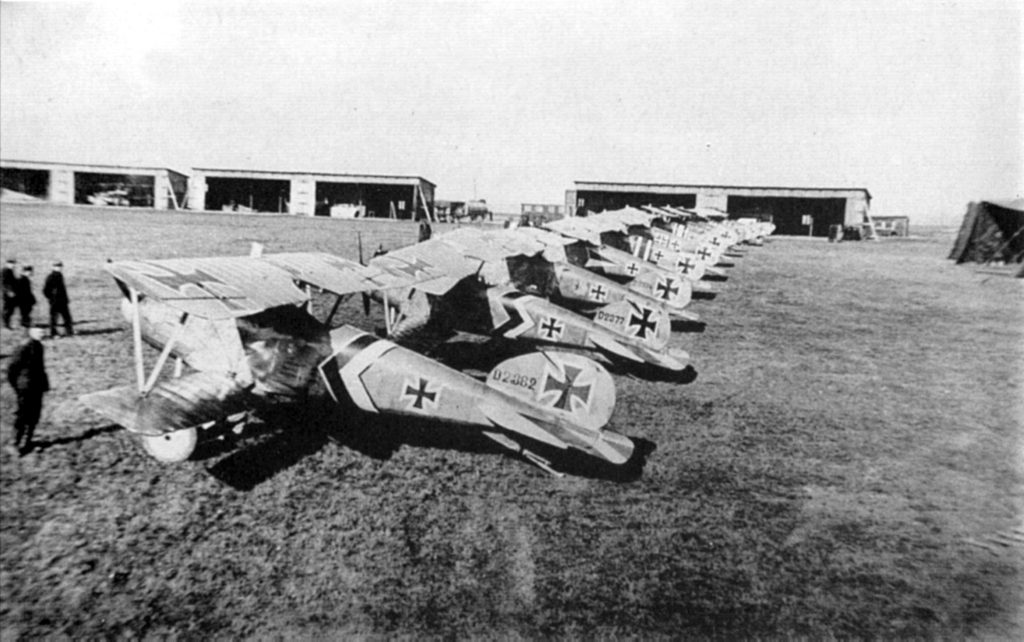
His first victory came on May 10, 1917, when Walter Blume shot down a D.H.4 aircraft, followed by one more victory in the month. After scoring one victory in each July and August, he became an ace on October 24, when he destroyed a Sopwith Triplane. He scored his sixth victory on November 5 and received a severe chest wound during combat with the Bristol F.2 Fighters of No. 48 Squadron RFC. He had to spend three months in the hospital to recover. Blume returned to active duty on March 5, 1918, and took command of Jagdstaffel 9. His next victory came on April 21, 1918, followed by two victories in May, two in June, six in July, and five in August, bringing his score to 22. Walter Blume was awarded the Knight’s Cross of the House Order of Hohenzollern on August 7, 1918. He destroyed four aircraft in September and two in October, to end WWI with a score of 28. On October 2, 1918, he was awarded the Pour le Mérite, the most prestigious medal of the German Empire. He flew in Albatros fighters and the Fokker D.VII to score his victories. He left military service on January 15, 1919.
Aircraft Designer Phase
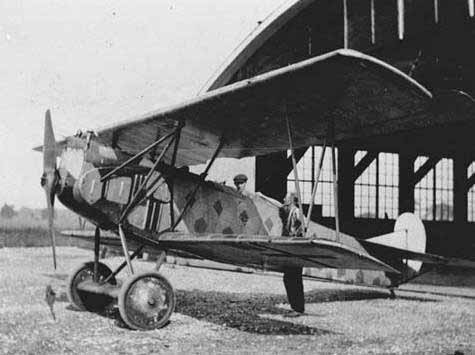
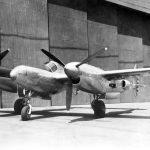
After WWI, Walter Blume continued working in aviation and trained as an aeronautical engineer at the Technical University in Hanover. In the mid-1920s, he joined the German company Arado Flugzeugwerke. There, Walter Blume helped design several aircraft, including the Ar 95, Arado Ar 96, and Ar 196. In early 1933, he became the Chief Design Engineer at Arado Flugzeugwerke. Over the next ten years, he worked on some of the first jet aircraft, like the Ar 234 twin-jet reconnaissance plane. He guided the Ar 234 through various prototypes and helped develop it into the twin-jet bomber known as the Ar 234 Blitz. Near the end of WWII, he led a team to upgrade the Ar 234 into a Four-Jet Bomber variant, but this version reached only the proof-of-concept stage. Walter Blume also tried to bring back one of his designs, the Blume Bl.502, as a light civil aircraft for Arado, but it did not find commercial success. After Germany surrendered, he was captured by the Soviet Army and taken to the Soviet Union, where he spent several years helping to develop their early jet aircraft program. Though much is unknown about his release from the Soviet Union, he died on May 27, 1964, in Duisburg, North Rhine-Westphalia, West Germany. In the Aces series, Walter Blume was a good pilot and an aeronautical engineer who helped his country build various airplanes. Read stories about more Aces HERE.