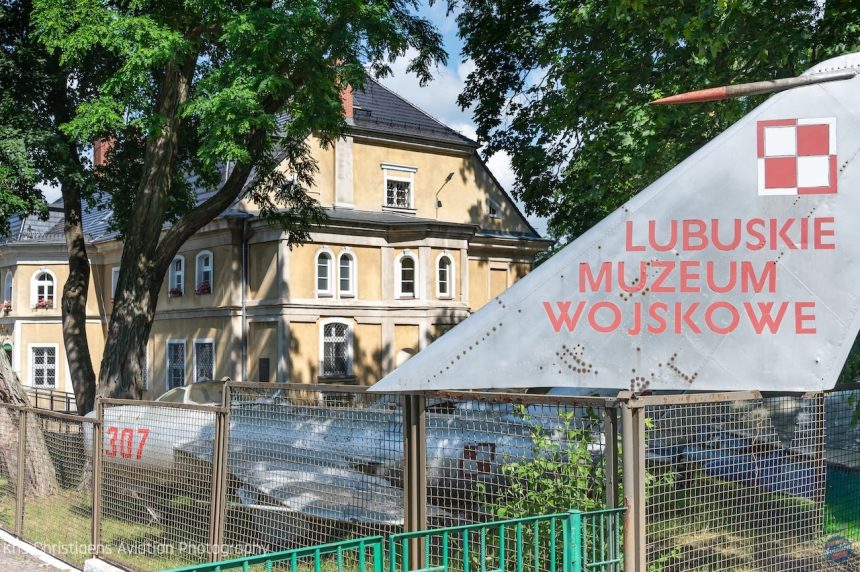

The Lubuskie Military Museum, located in the town of Drzonów in the western part of Zielona Góra, is definitely one of the best military museums in Poland, even though it is relatively unknown to many tourists and locals alike. However, it is worth visiting for anyone interested in military history and especially the history of Poland’s turbulent past, as it displays numerous artifacts showing how Poland’s history has been fought and survived. Approximately 25 000 people visit the museum each year. Established in 1985, the museum is an independent museum and is a result of Poland’s late communism when regional cultural institutions were being formed. What started out as a collection with a local focus has evolved into something much more significant and is now a cultural institution of the City of Zielona Góra and the second most important military museum in Poland, next to the Museum of the Polish Army located in Warsaw.
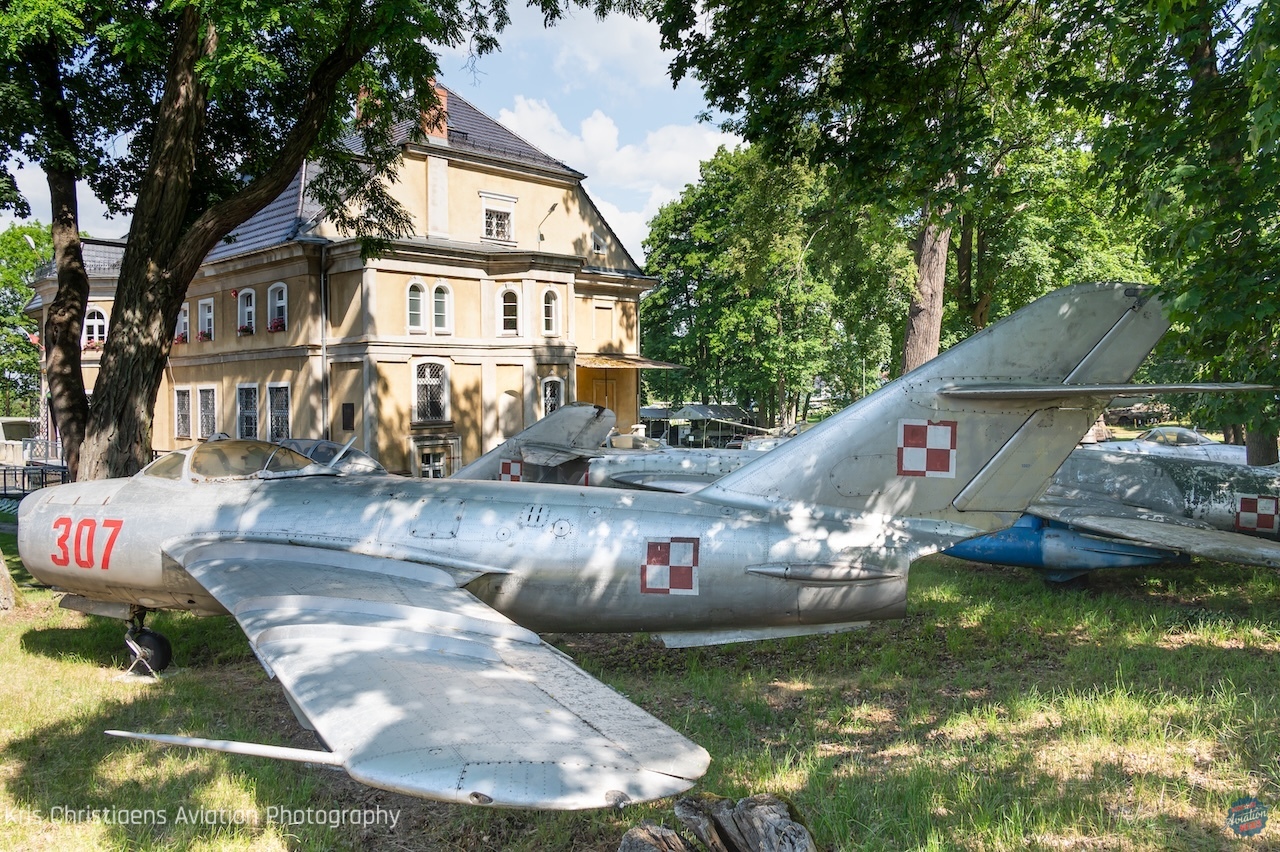
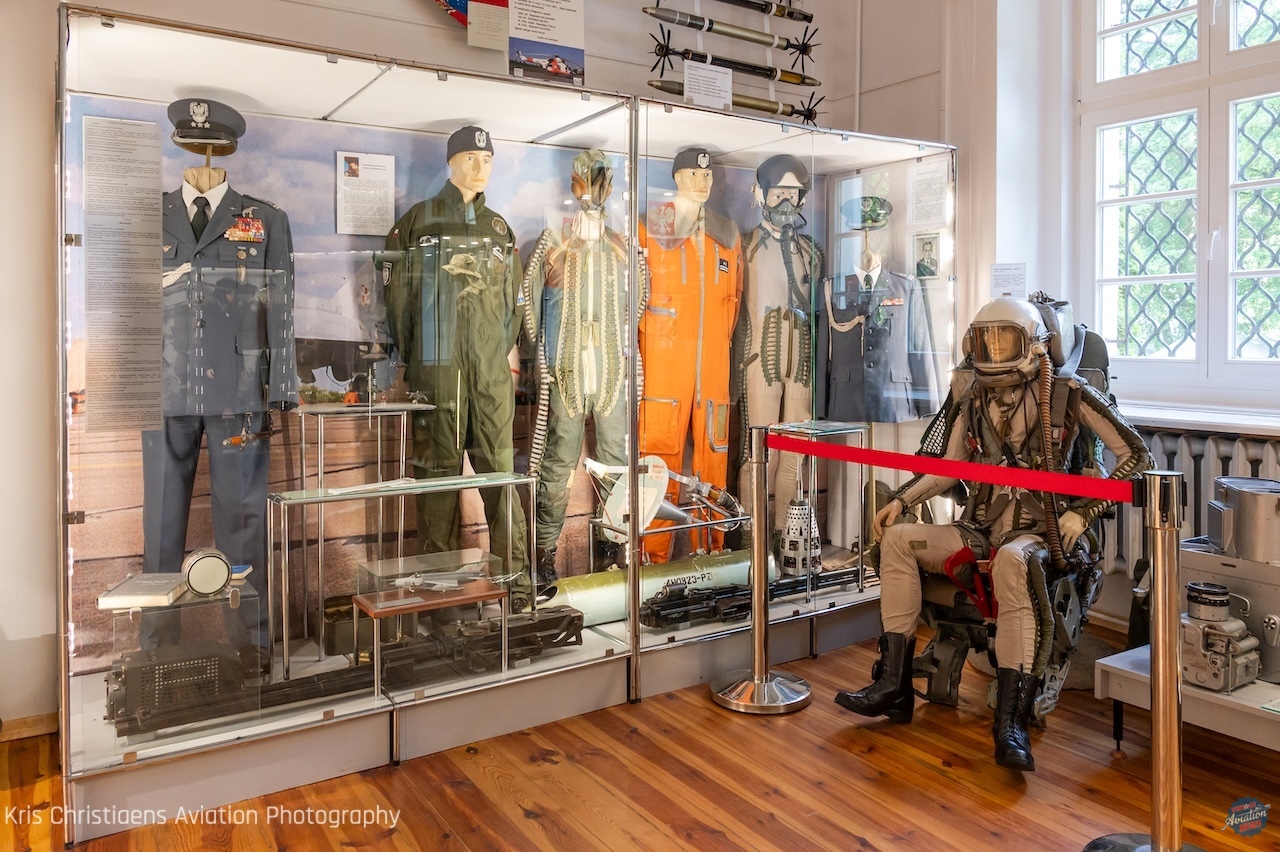
Notable for its unusual location and exhibits, the museum is situated in a historic park around a beautiful classical-style building erected in the early nineteenth century, initially serving as a private manor house. The building has four rooms housing permanent exhibitions dedicated to various periods of Polish military history. The oldest exhibits date back to medieval times and include beautifully made edged weapons and the earliest examples of firearms from the seventeenth century. Visitors of the museum can see how military tactics, weapons, and technology of Poland’s soldiers have changed through time. Some of the exhibits included in the exhibitions are: “Dawna Broń” (Old Weapons) – a room with impressive collection of historical weaponry such as swords, sabers, muskets and pistols from several centuries ago; Permanent exhibition “Polish Female Soldiers (Polskie Kobiety-Żołnierze)” – a collection rarely found in other Polish museums; Polish Army (1914–1945); post-war era of the Polish Army after 1945.
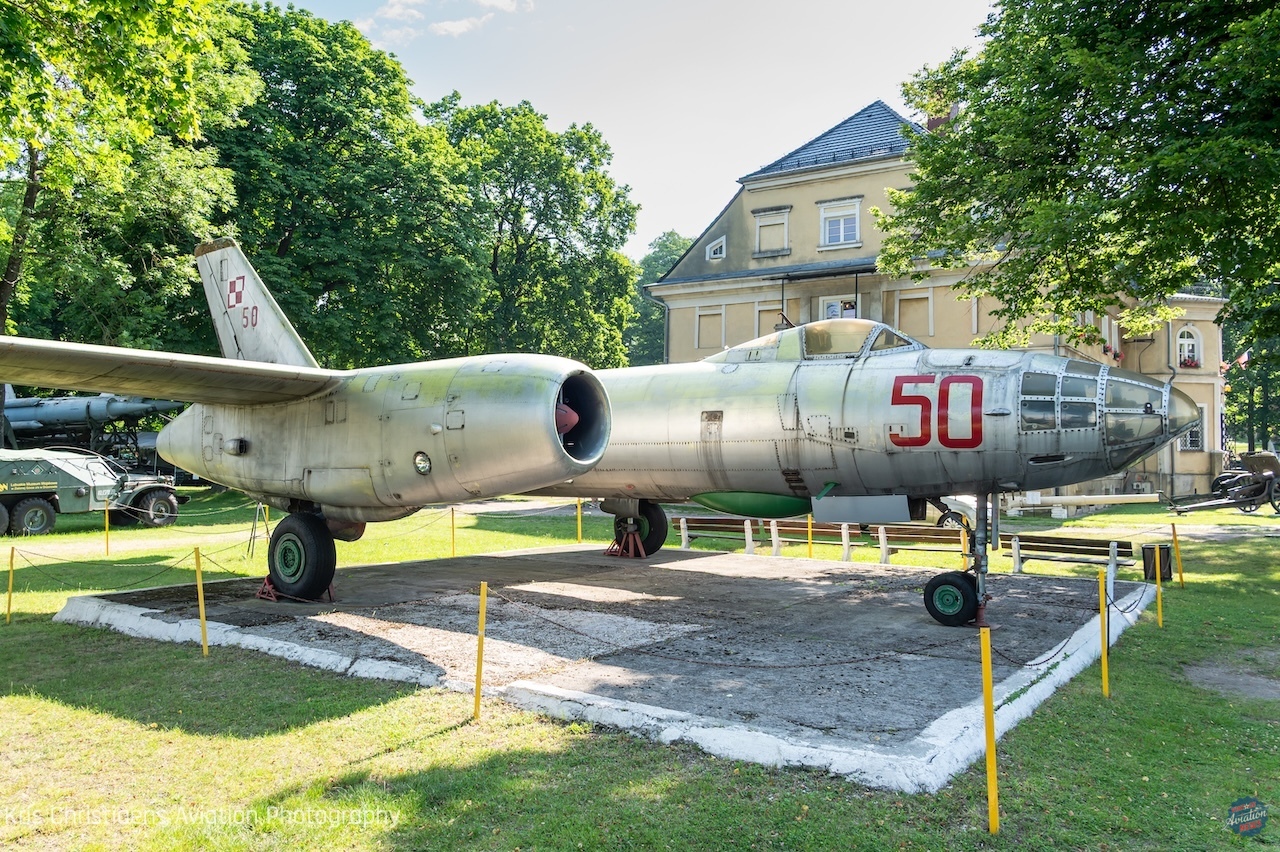
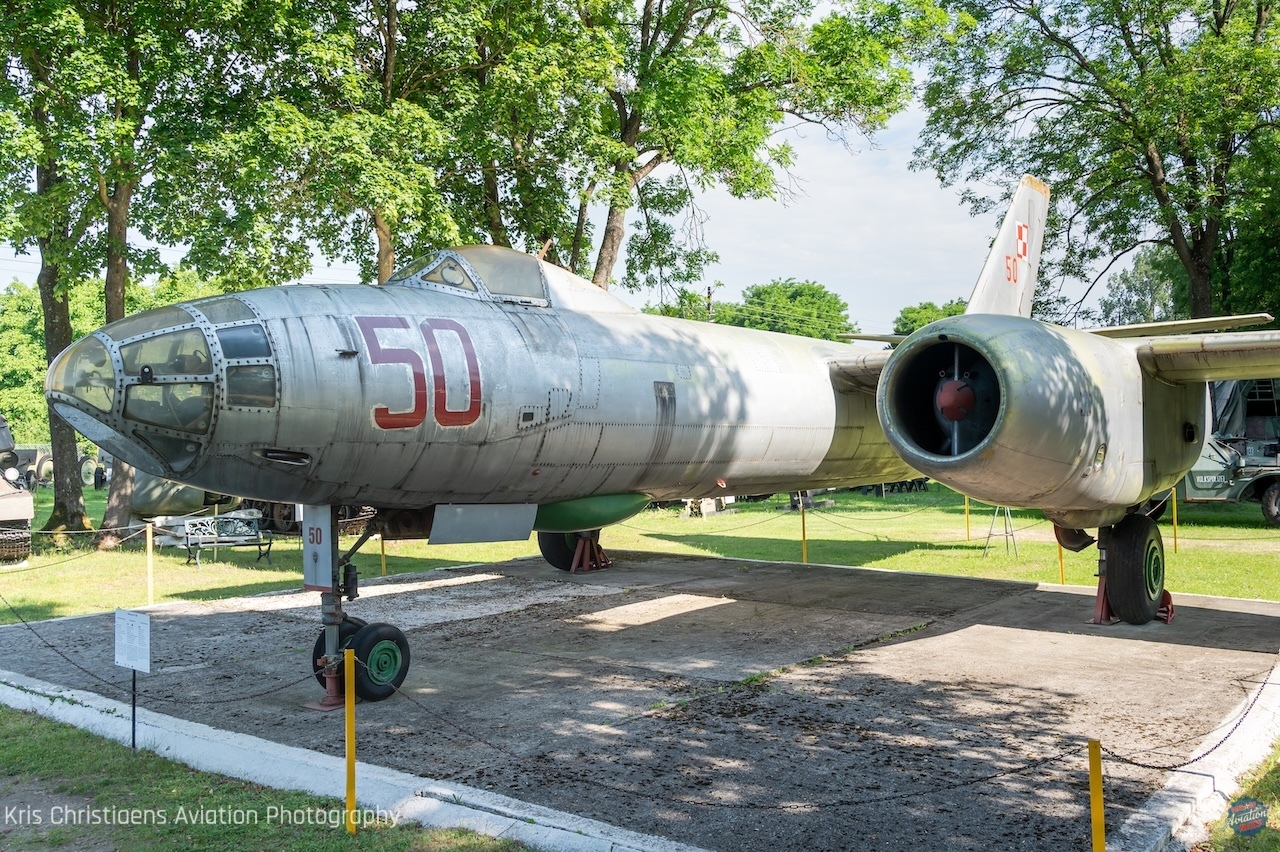
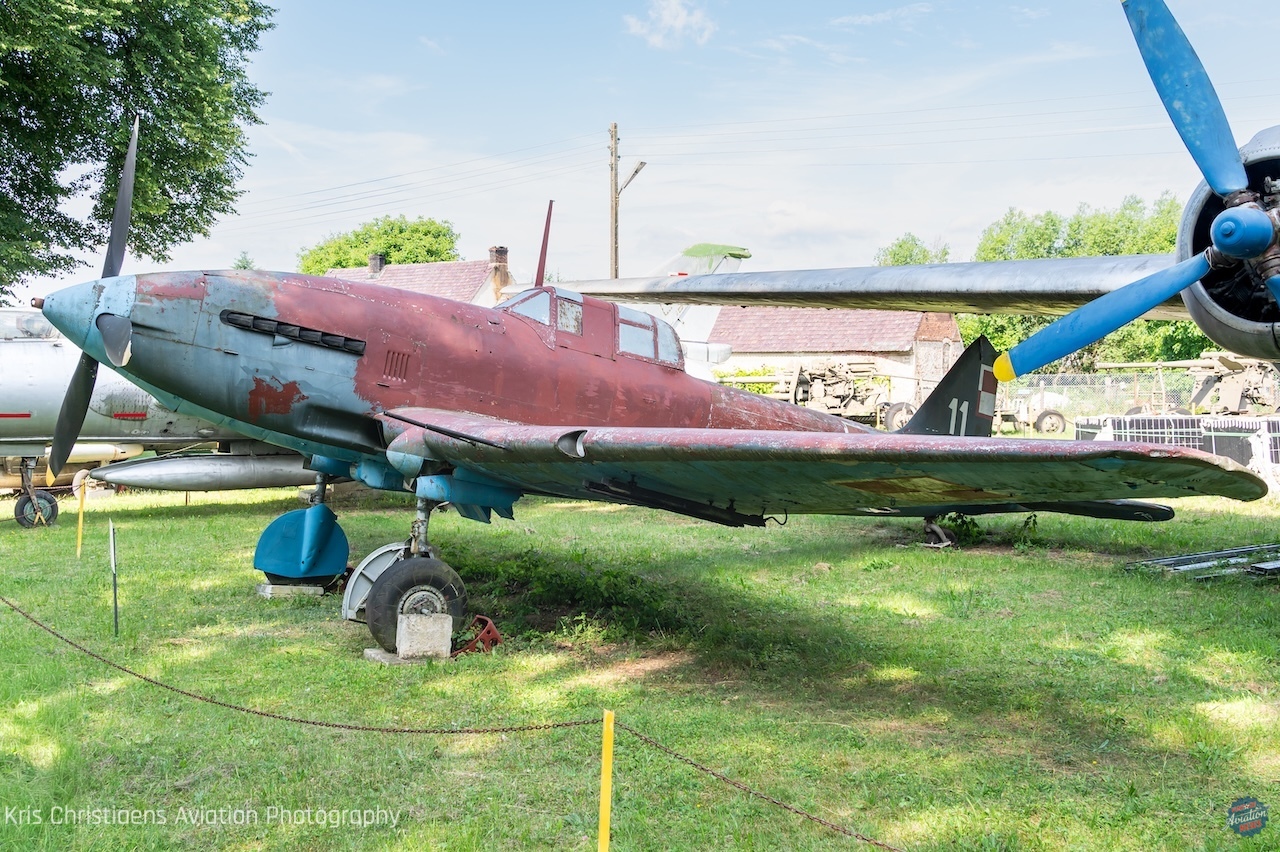
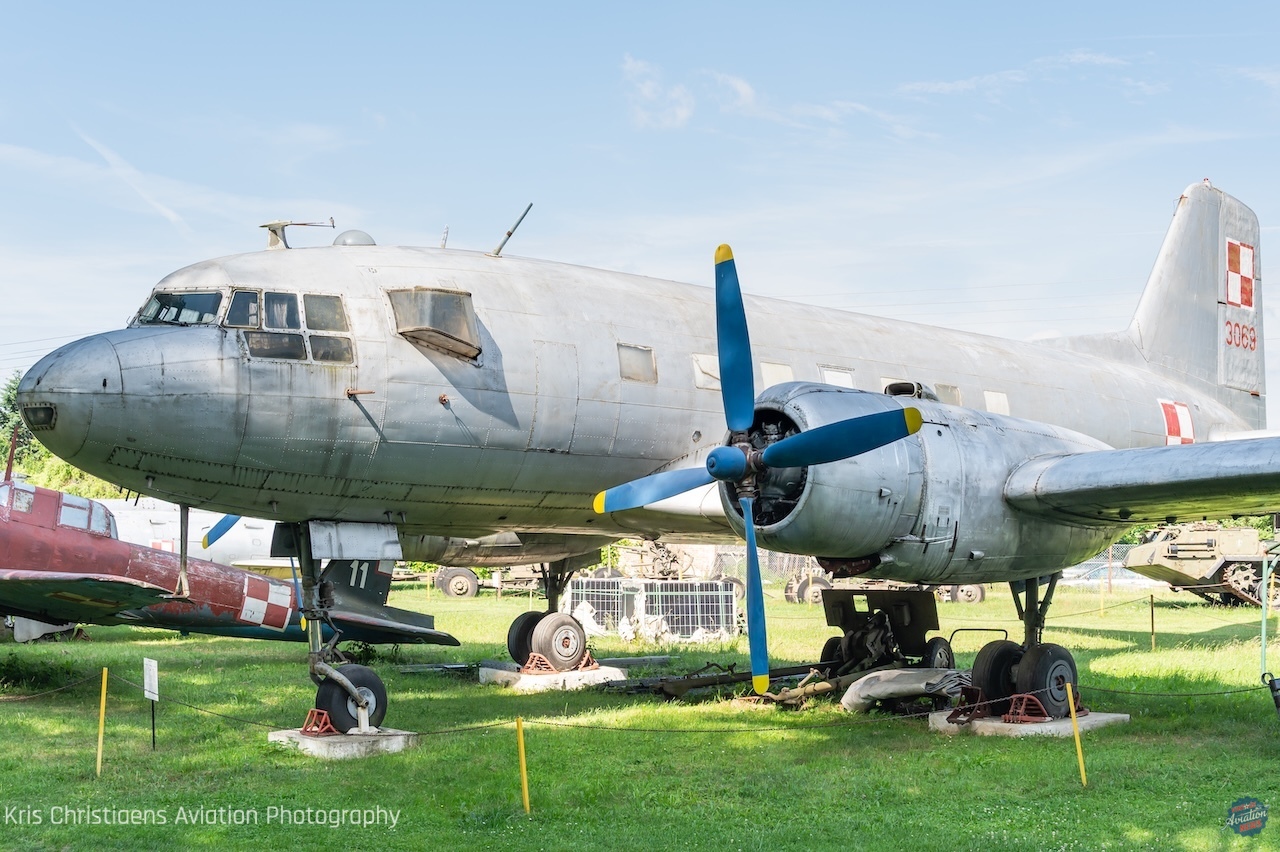
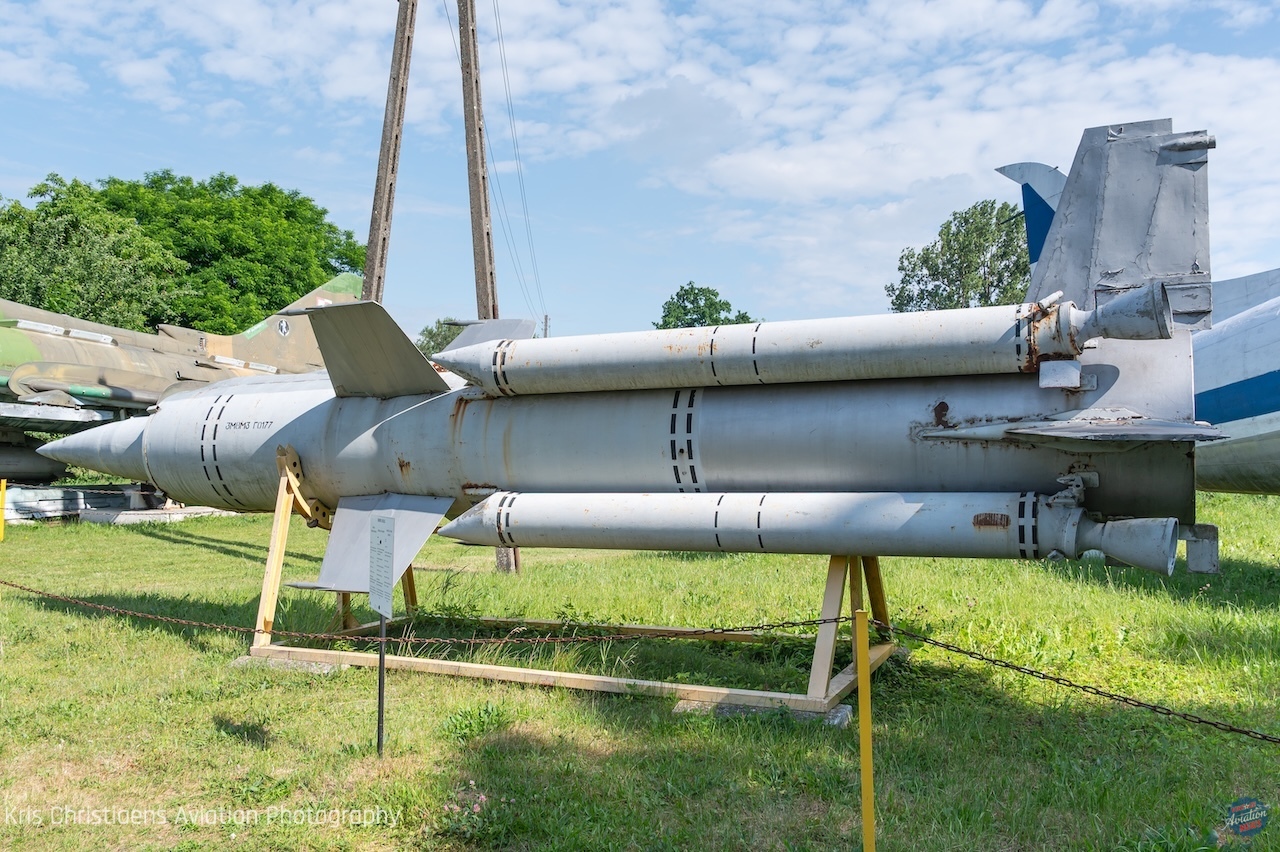
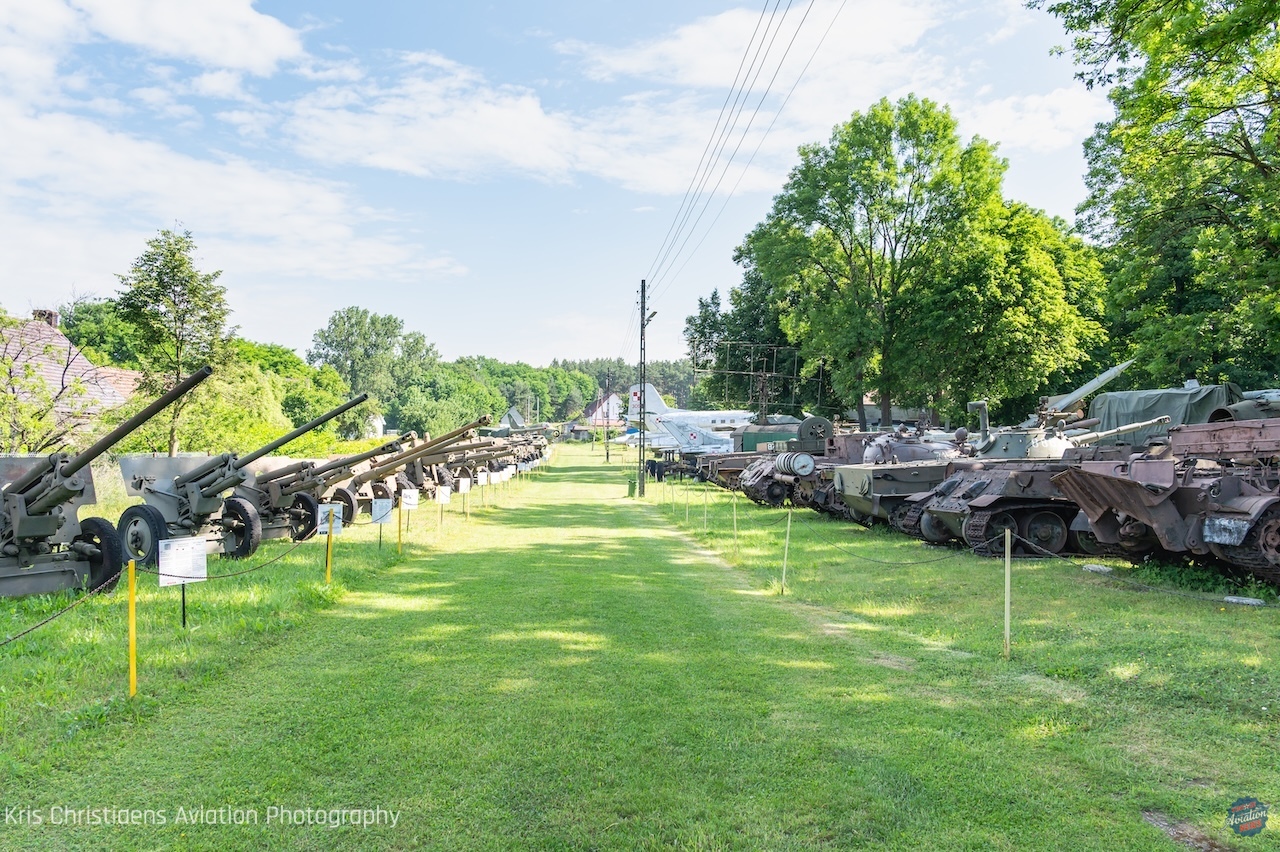
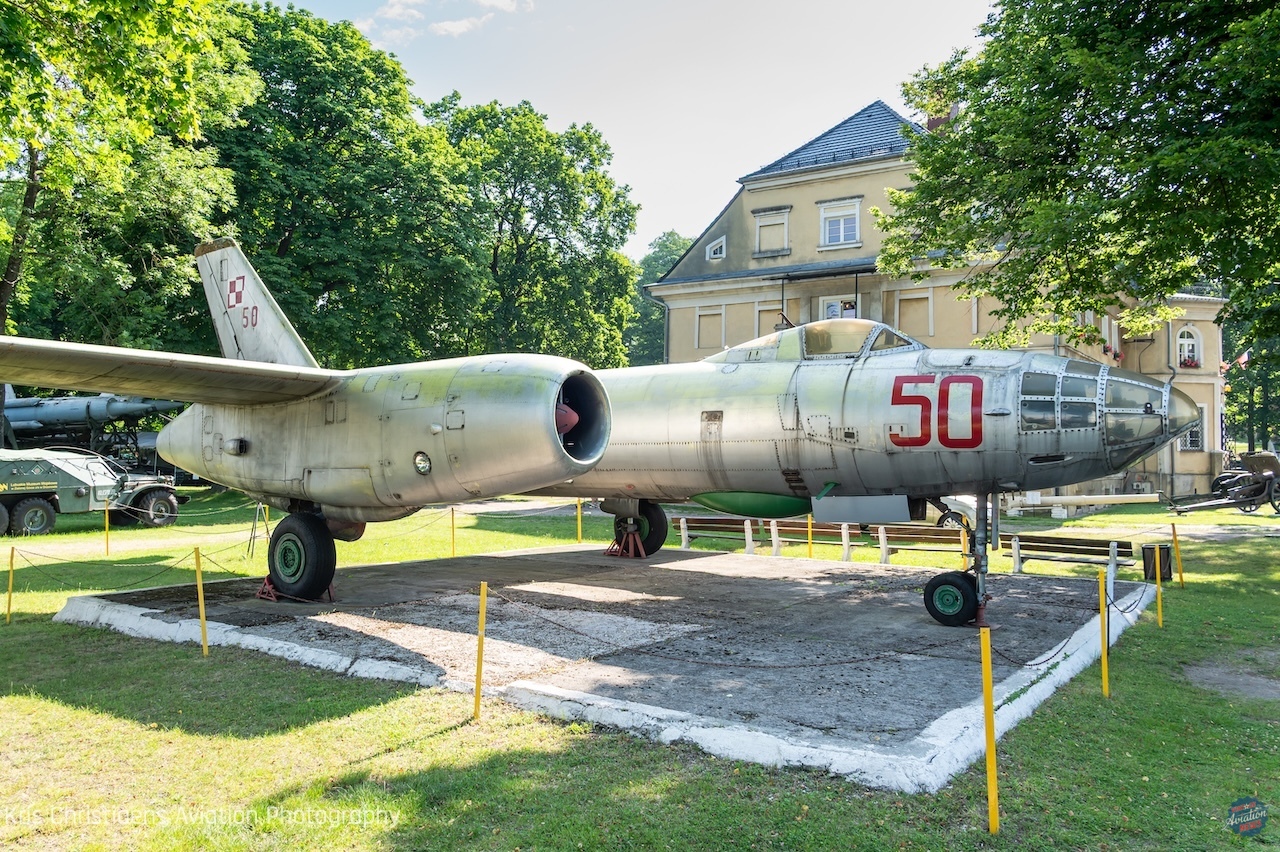
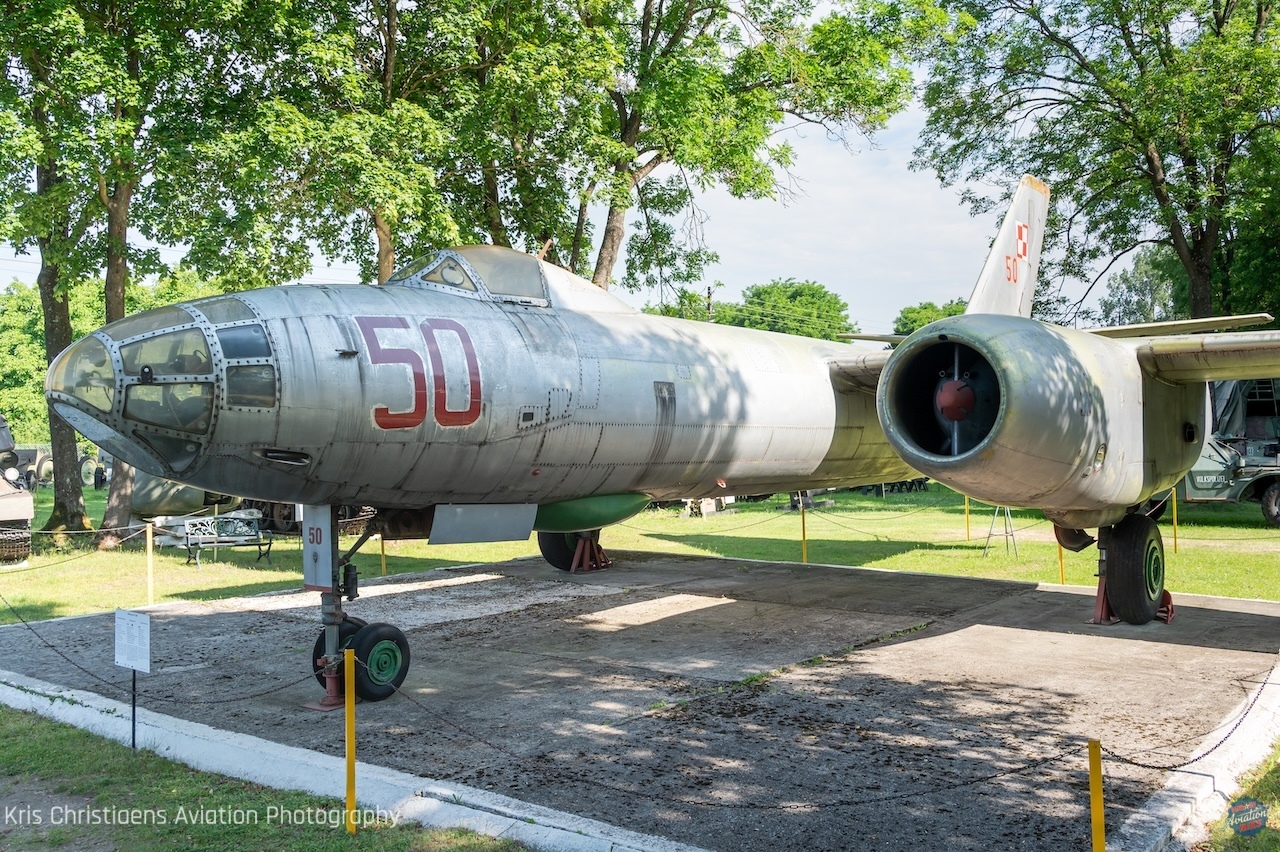
But it’s the outdoor exposition that makes this museum special. Occupying 3.5 hectares of land in a historic park, this exposition includes more than 150 specimens of heavy military hardware, the second biggest collection of military hardware after the one displayed at the Warsaw Military Museum. Tanks, armored personnel carriers, self-propelled guns, artillery pieces, helicopters, and aircraft are displayed in the museum and require a lot of time to see everything properly. At Drzonów, there is one of Poland’s biggest aviation collections with aircraft and helicopters displayed in the open-air park as well as 600 square meters large exhibition pavilion. The oldest aircraft present here belong to the post-war era. Some highlights of the aviation collection include Lisunov Li-2P dated 1945. It is a Soviet-built aircraft derived from the American Douglas DC-3 aircraft and used as a transport and passenger aircraft extensively in both military and civilian roles. This aircraft is presented in the colors of LOT Polish Airlines and thus serves as a reminder of both military and civil aviation. Other aircrafts on display are Ilyushin Il-14T – a larger and newer twin-engine transport aircraft designed in the fifties and replacing Lisunov Li-2; Ilyushin Il-10 (AVIA B-33) – a ground attack aircraft designed at the end of the Second World War and used in Polish service in the fifties. It is a very important aircraft as it serves as a transition between old propeller-driven attack aircraft and jet age aircraft. This transition is represented perfectly by the impressive Ilyushin Il-28. It is the first Soviet jet bomber built in mass production. It is a rather small but very fast and powerful aircraft that served in the Polish Air Force in the fifties and remained in limited use for some time afterwards. Very few complete specimens of this aircraft exist in the world.
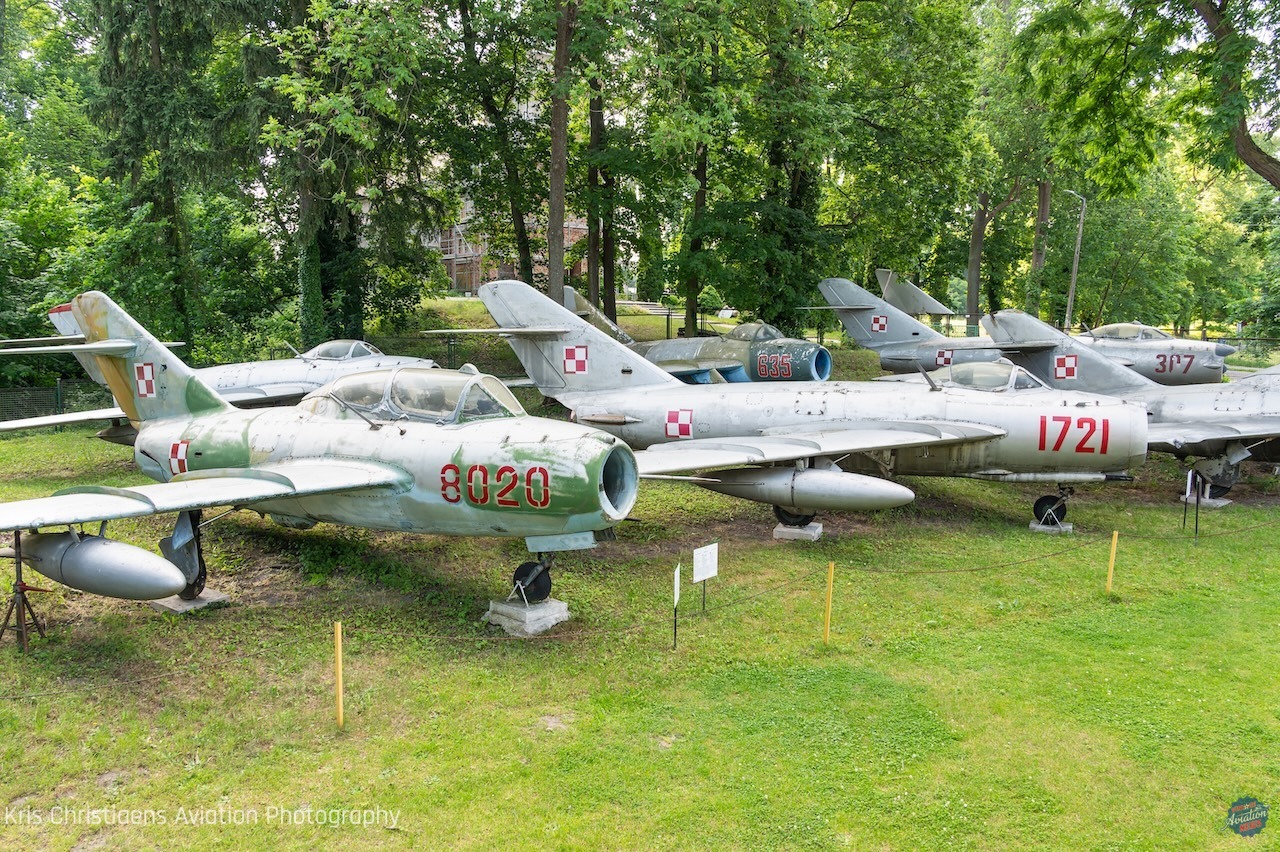
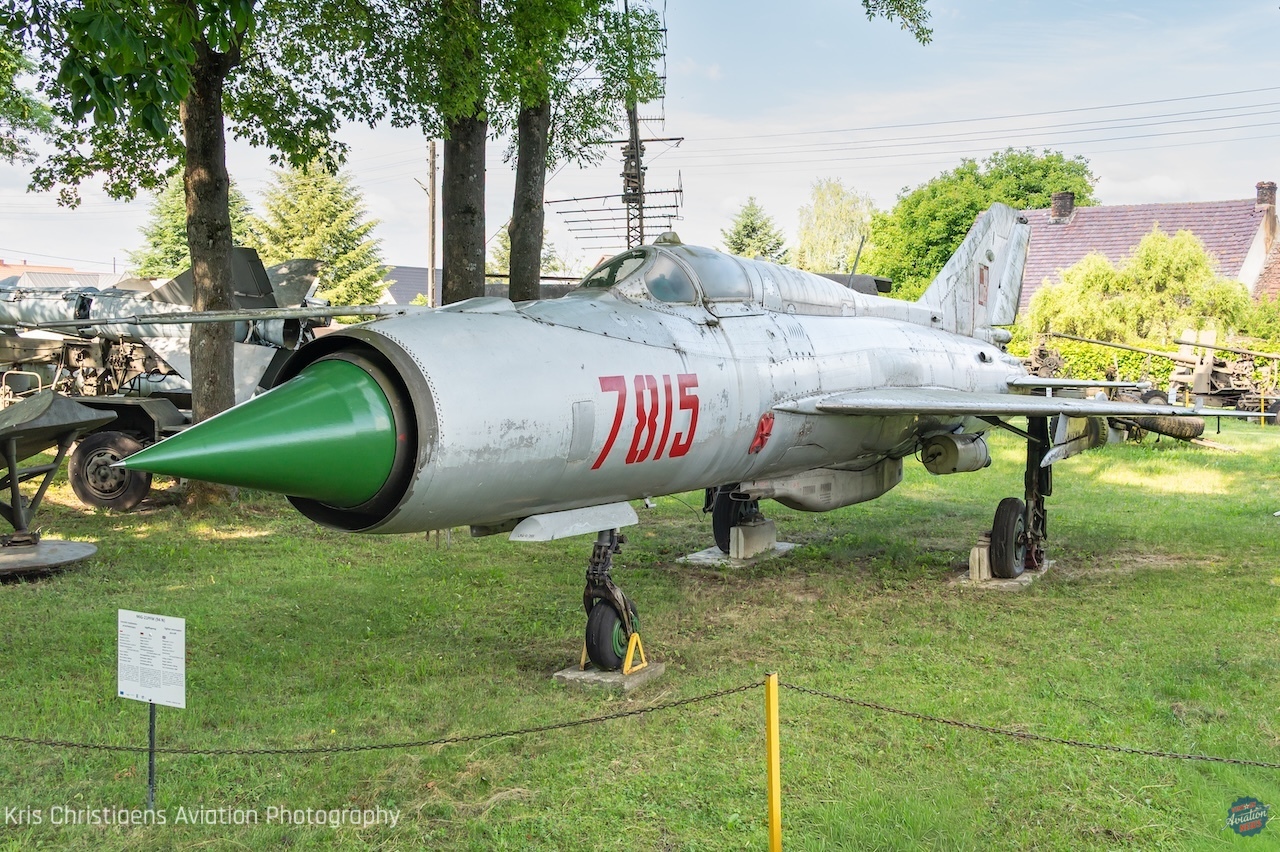
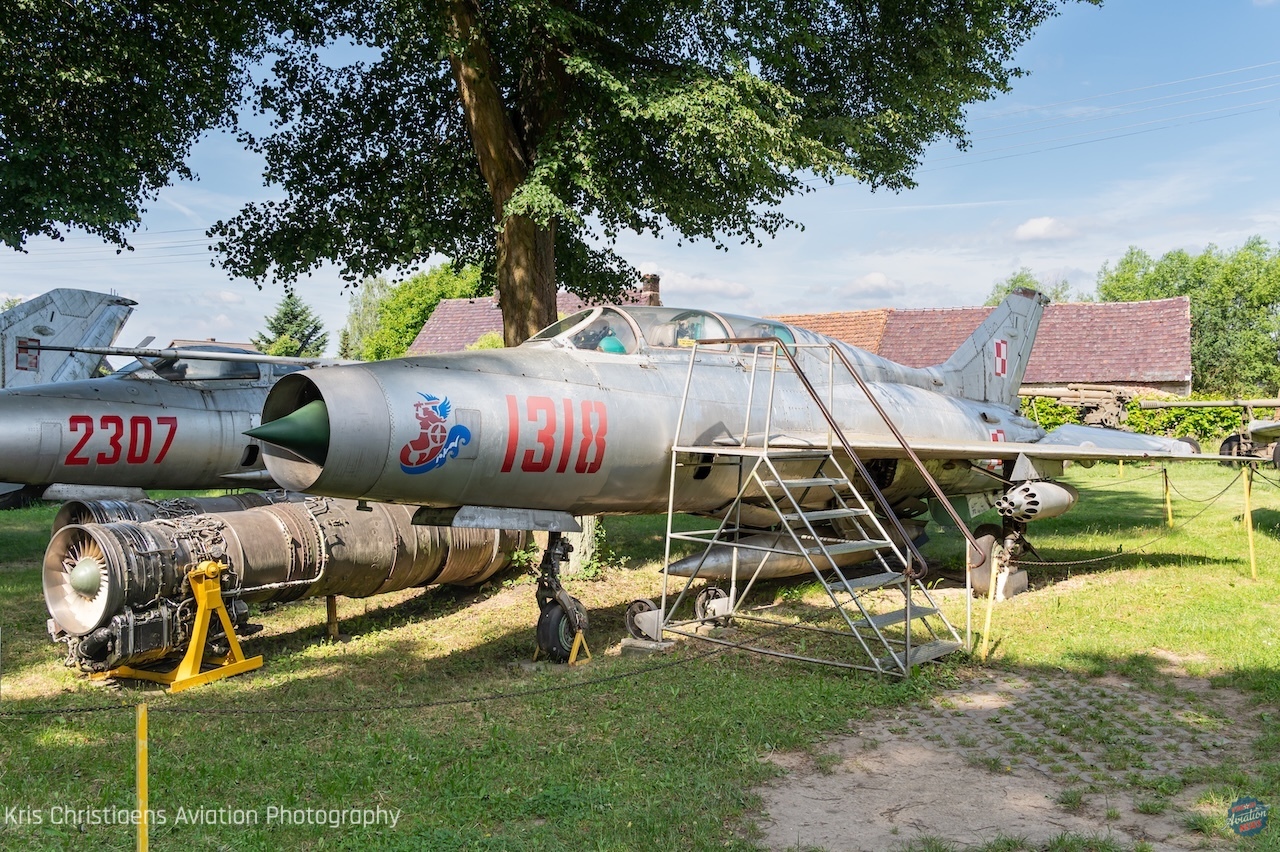
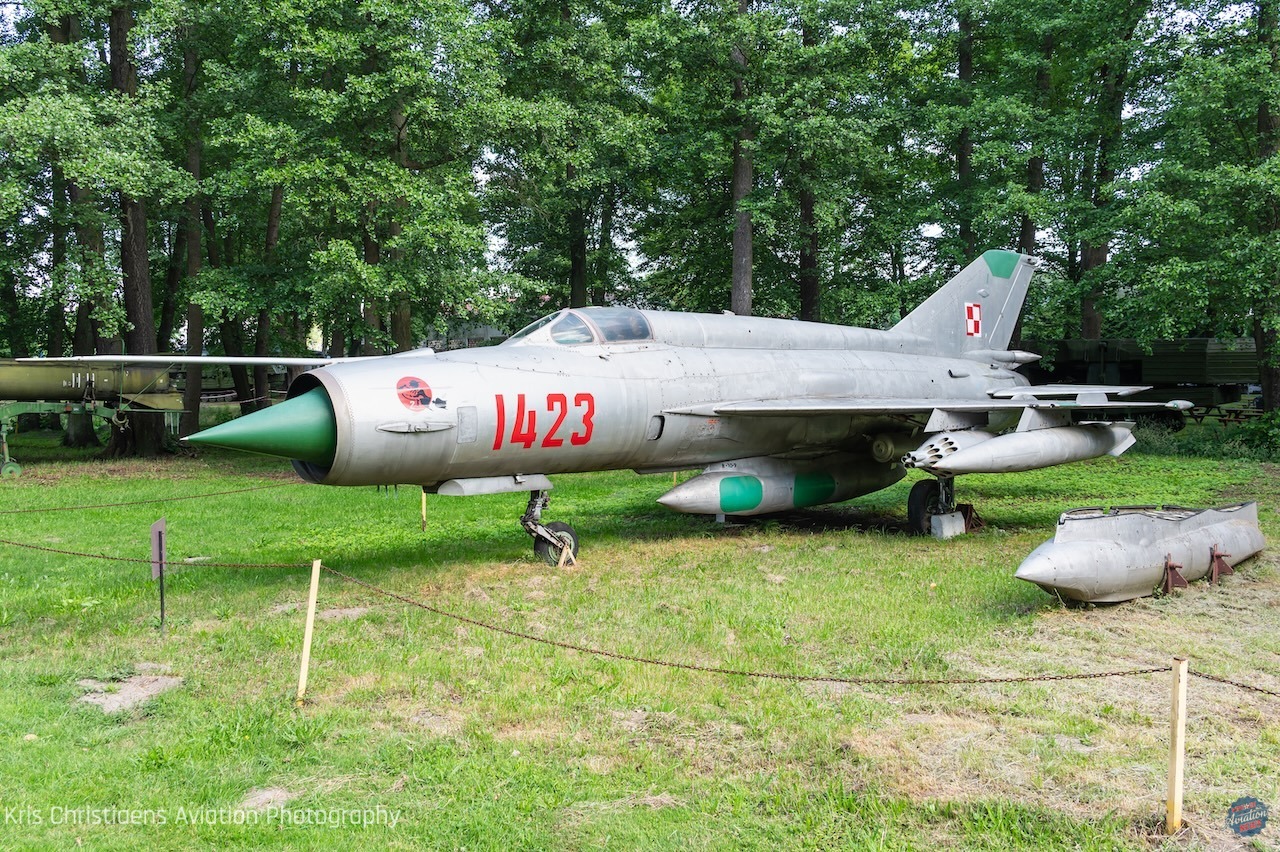
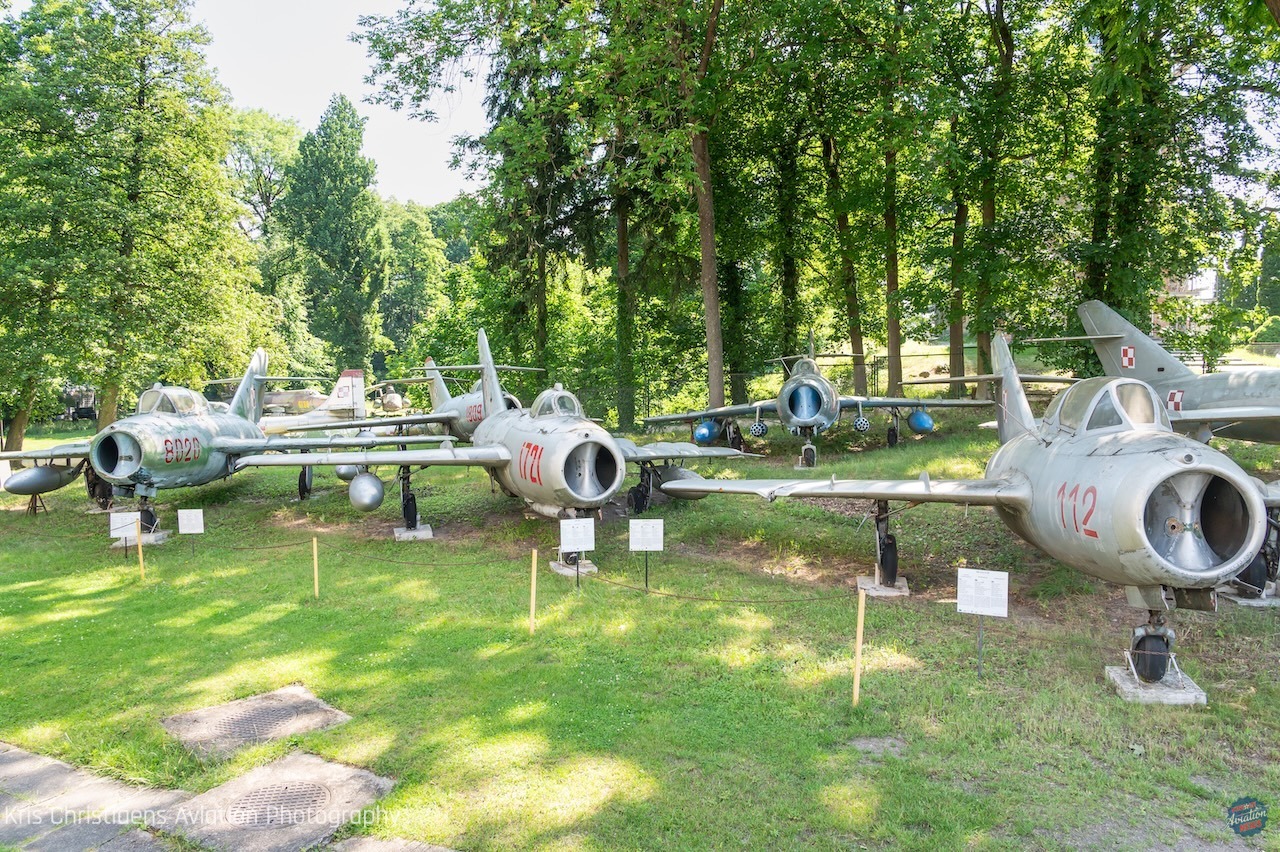
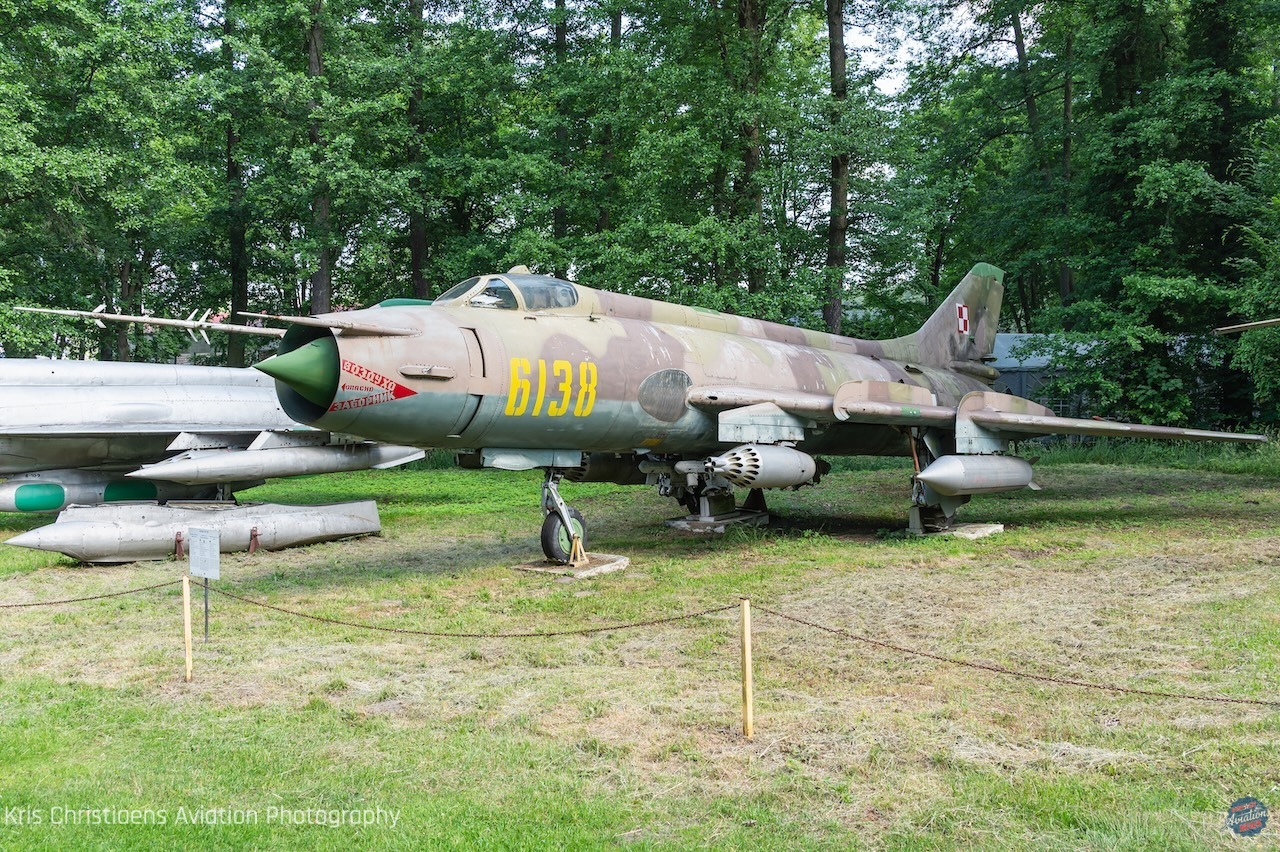
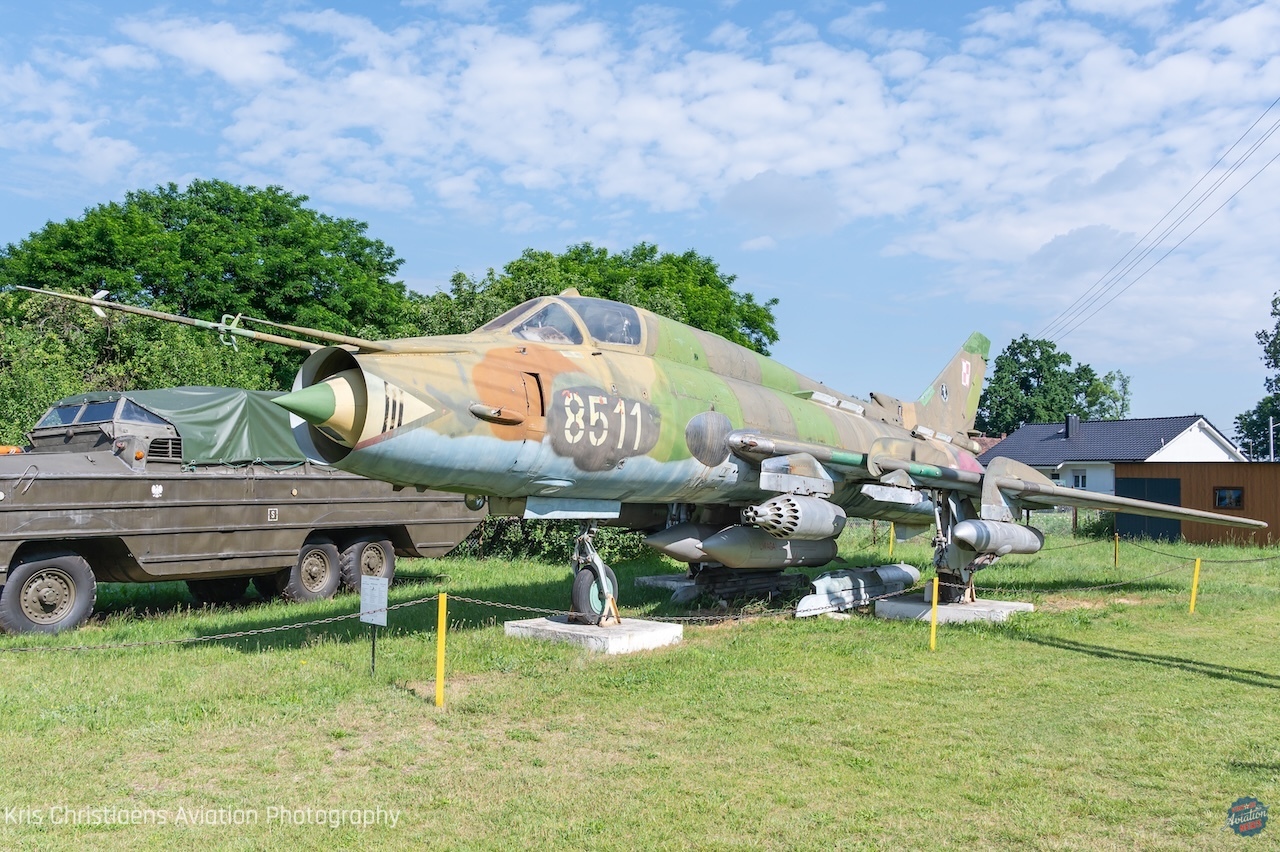
The fighter part of the collection is dedicated to MiGs and their Polish-built versions that were used in the Polish Air Force through the Cold War period. There are many aircraft belonging to the “Lim” series; license-built versions of MiG-15 and MiG-17 built at WSK Mielec in Poland. They include Lim-6 bis R, a fighter-attack version of MiG-17, as well as several older Lim versions that show the development process of this type of aircraft. There are several MiG-21 aircraft on display. MiG-21 is a legendary Soviet delta-wing aircraft that formed the basis for Warsaw Pact air forces. On display, there is a MiG-21R, a reconnaissance version of this aircraft equipped with a camera pod under the fuselage, and a MiG-21U, two seat trainer variant of this aircraft. All these MiGs show how the Polish Air Force adopted this aircraft. Also there is MiG-17PF, a variant of MiG-17 fitted with radar equipment and used as an all-weather interceptor aircraft. For their dramatic presence, Sukhoi aircraft deserve special mention. The collection includes Su-7U – a two-seat combat trainer version of this aircraft, and Su-20, an export variant of Su-17 – variable geometry swing wing strike aircraft that brought a whole new level of capabilities to the Polish Air Force in the seventies. Su-20 is a very impressive machine, and the sheer size of it is a surprise for visitors who think that it should be smaller.
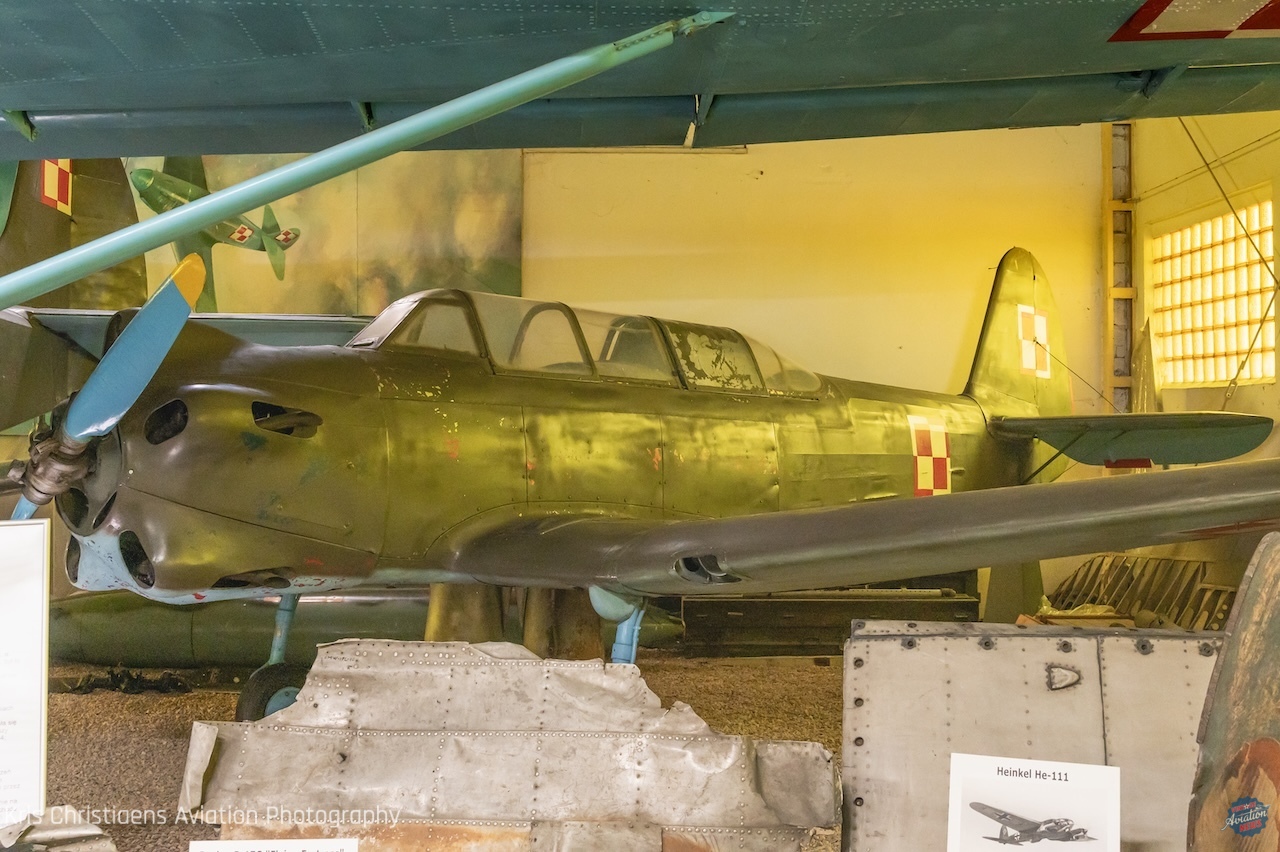
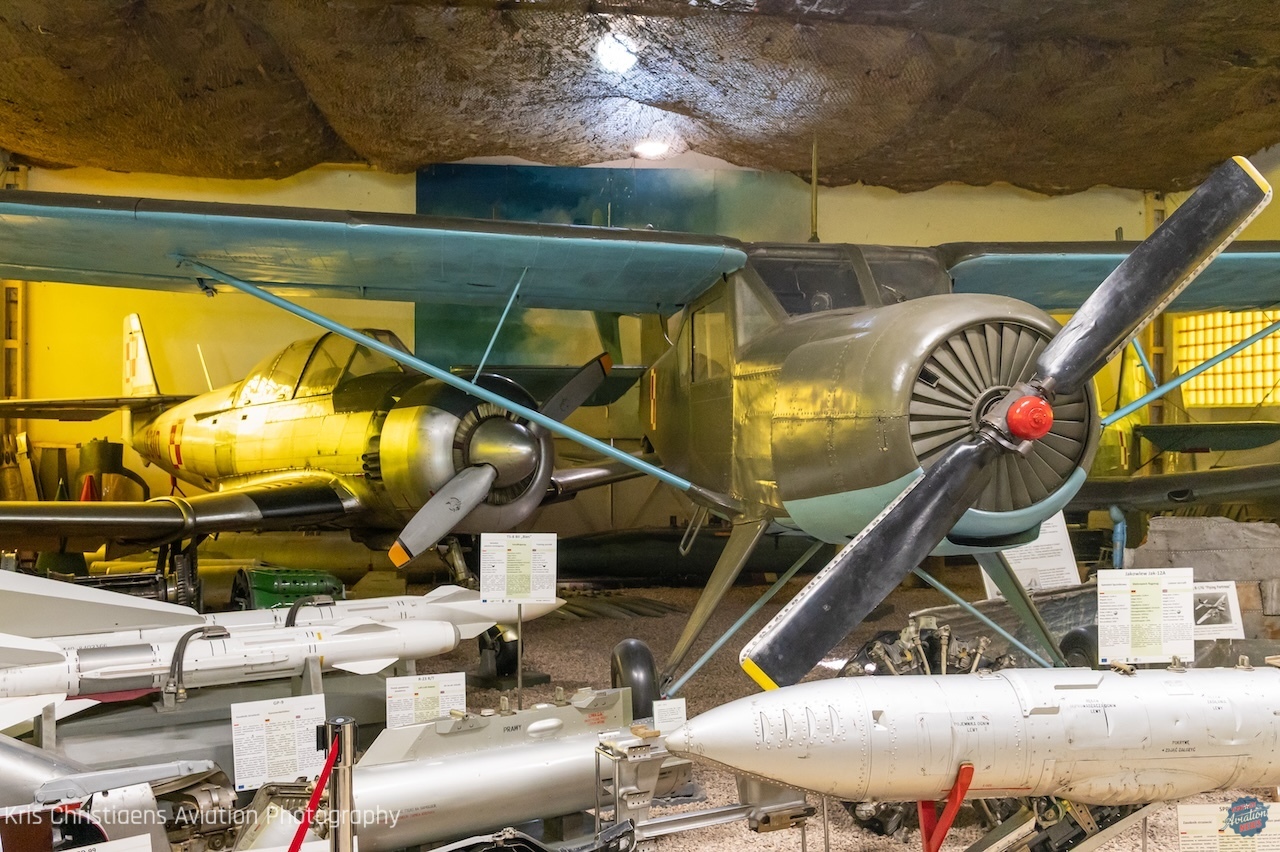
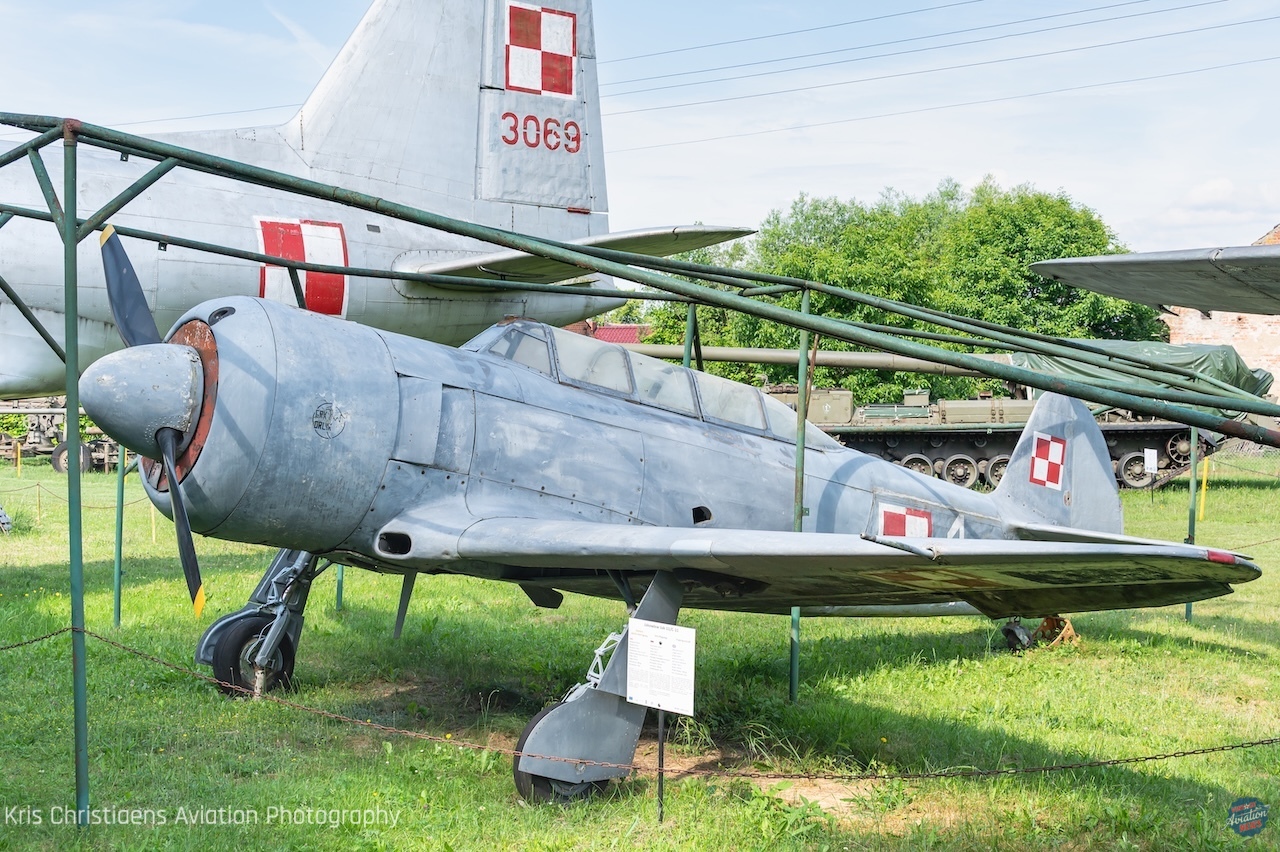
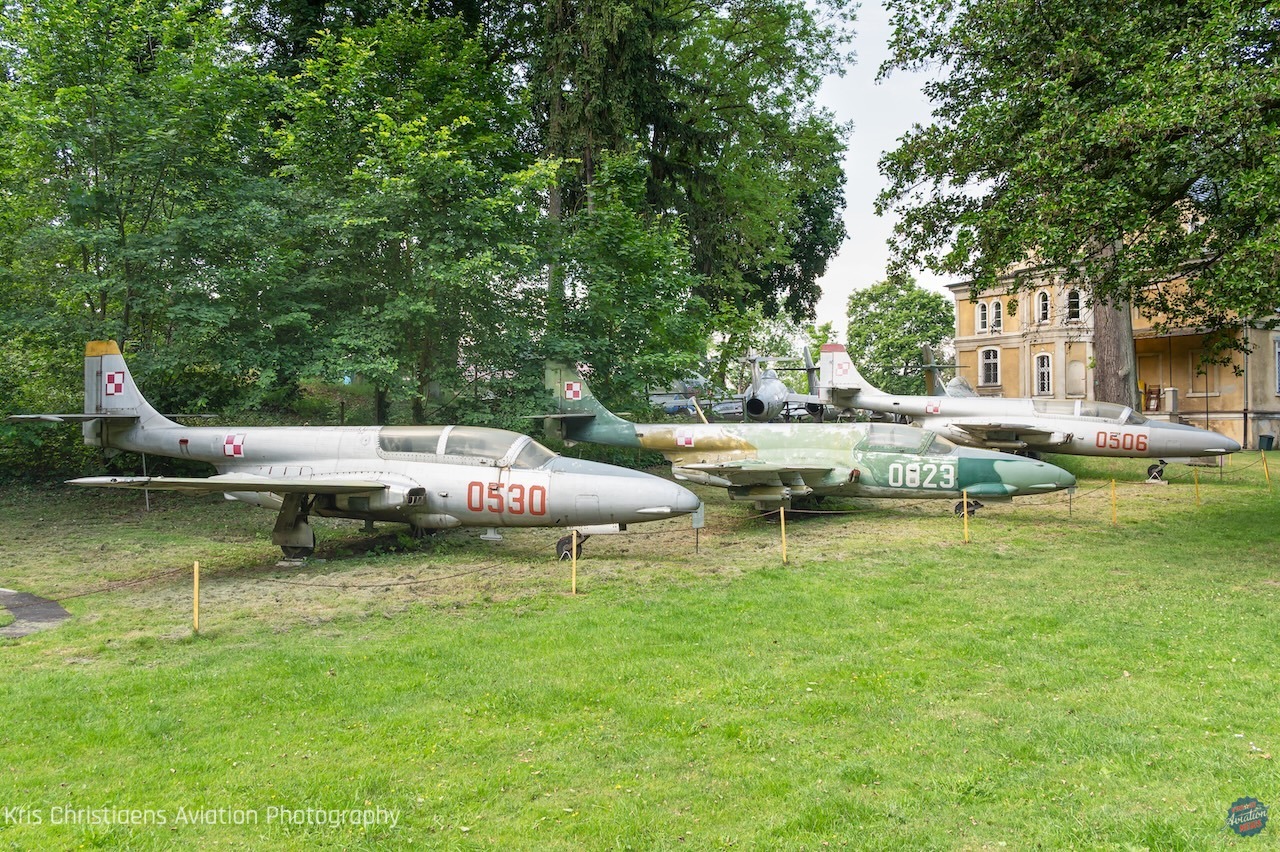
The most unique aircraft in the collection is the TS-11 Iskra, a jet trainer that was designed and built entirely in Poland. The museum has a rare single-seat prototype called the TS-11 Iskra 200 BR, which was meant for reconnaissance and attack. Only a few of these were ever made. This particular plane first flew in June 1972 and served with an experimental squadron in Modlin. It only had about 190 flight hours when it was retired in 1985. After being kept at a technical school in Zamość, it eventually came to Drzonów. There are also other versions of the Iskra here, like the Bis B and the Bis C, so you can compare them side by side. The Bis C is especially interesting because only five were ever built, and it actually took better photos than the MiG-21R reconnaissance planes during military exercises. This one came from the Aviation Institute in Warsaw in 1988 and has been carefully looked after by the museum staff. You can also see a TS-8 Bies, which is the propeller-driven trainer that the Iskra replaced. Seeing them together shows how Polish training aircraft evolved between these two generations.
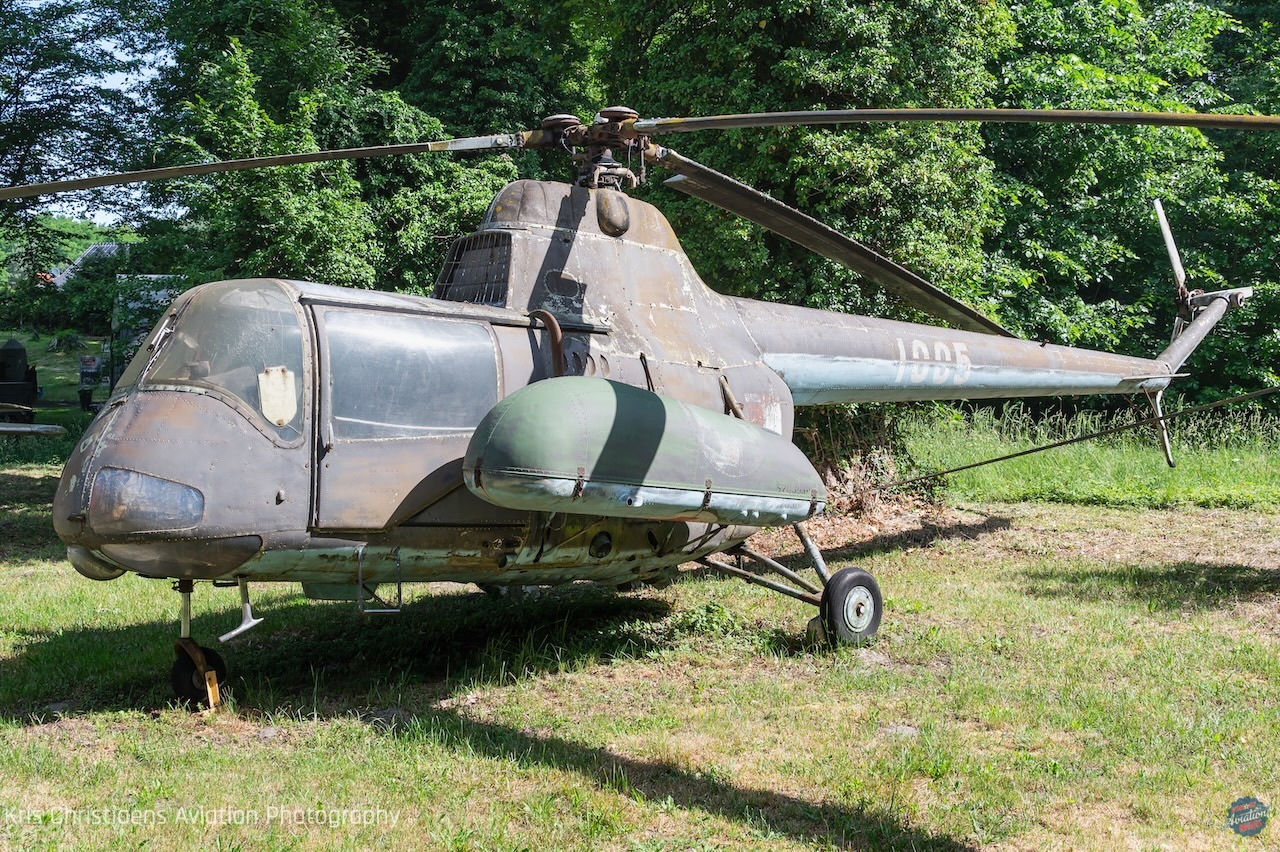
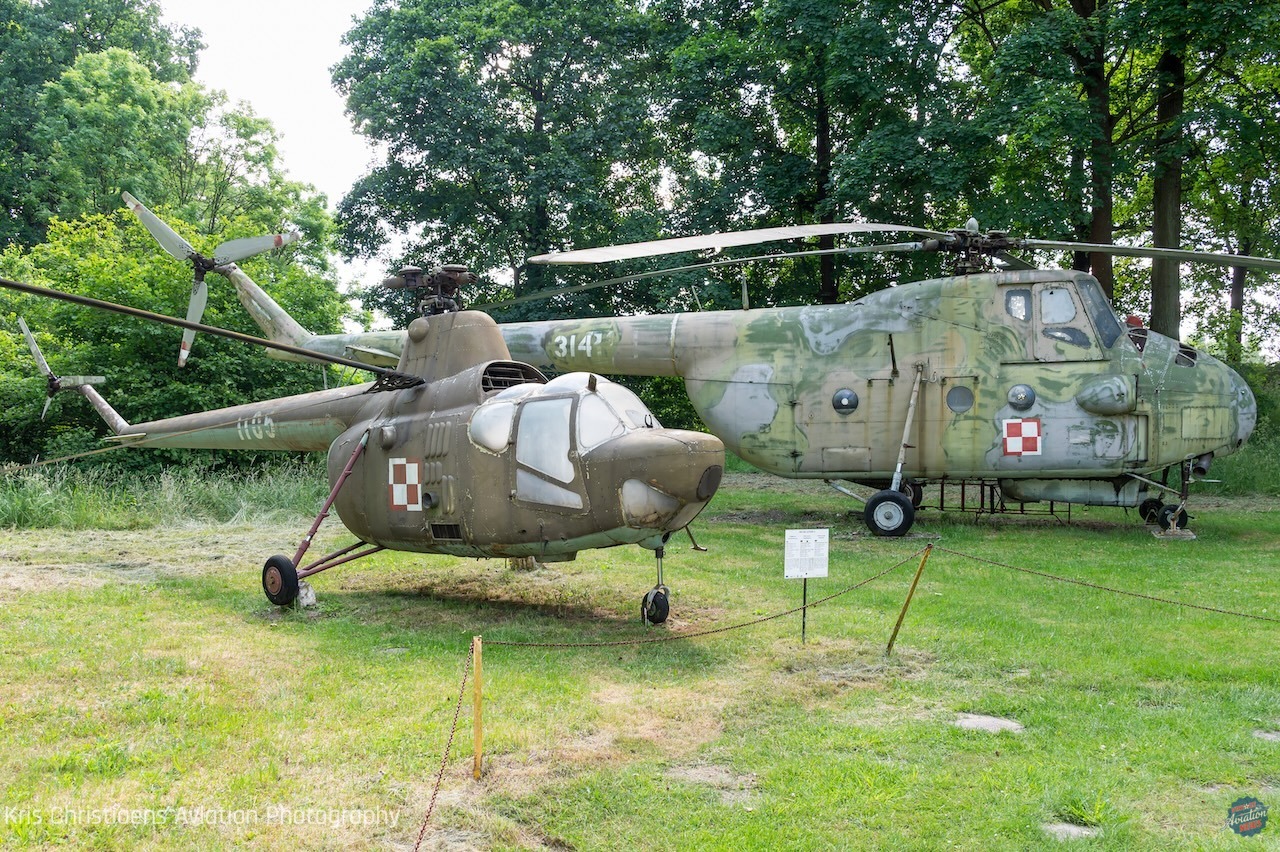
Distinct from the development line of the fixed-wing airplanes, there is the line of helicopter development. Among them stands out a prototype of the Mi-2 M2 helicopter, which is an experimental model of the Mi-2, the light utility helicopter, the popularity of which in Eastern Europe can hardly be overstated, while being manufactured on license in Poland in PZL Świdnik. The prototype of the helicopter is indeed a rare exhibit since it shows unique qualities of the machine. In addition to that, there are Mi-4A, the bigger helicopter, a predecessor of the Mi-2, and the SM-2, which is the Polish modification of the Mi-1: the first helicopter mass-produced in the Soviet Union.
While some of the best military museums can seem too perfect in their polished, refined displays, the Lubuskie Military Museum in Drzonów provides an experience with machinery and history that was actually relevant to the nation that used it in a way that other museums cannot offer. To put it simply, if military history or Cold War-era airplanes are at all interesting to you, Drzonów will be the museum for you in Central Europe. For more information and to support the Lubuskie Military Museum, click on this link: muzeum.drzonow.eu/en.