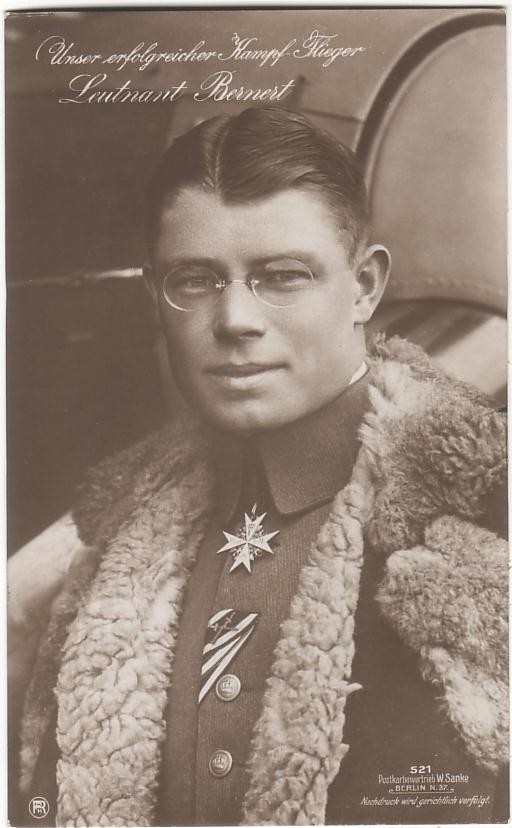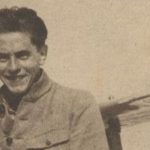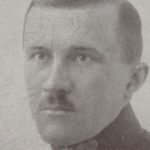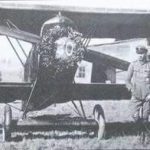
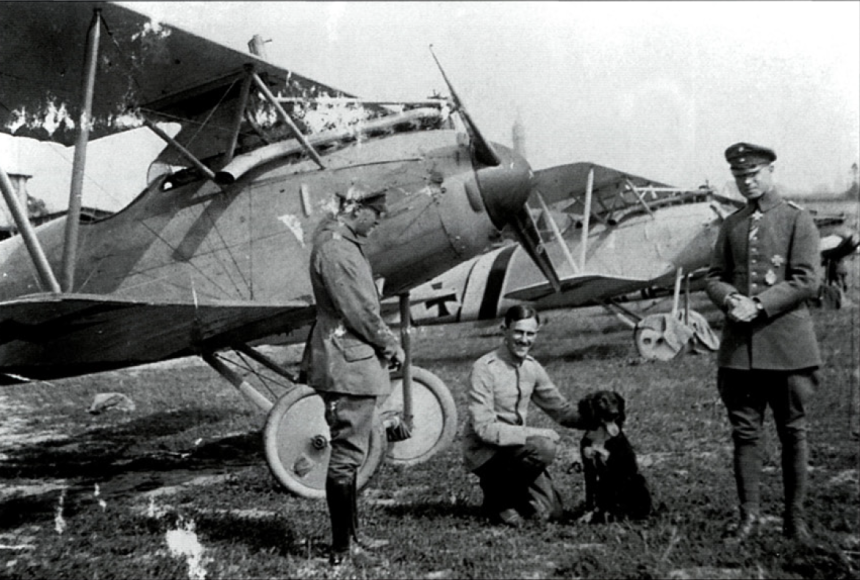

There are many stories of bravery from WWI. But there was a German ace who, despite a bayonet wound that left his left arm useless, set a record by shooting down five British aircraft in less than 30 minutes. He was Fritz Otto Bernert, who was born on March 6, 1893. Bernert was serving in the infantry when WWI began. He was injured in combat in both November and December 1914. His fourth injury, caused by a bayonet, damaged a major nerve in his left arm. After healing, it was clear that his left arm was mostly unusable, and he was removed from the infantry. Fritz Otto Bernert then applied to the German Air Service and trained as an aerial observer. After graduating, he flew reconnaissance missions for Feldflieger Abteilung 27. He then transferred to Feldflieger Abteilung 71, where he worked until November 1915. Bernert applied for pilot training and managed to hide his disability, which allowed him to be accepted. By March 1916, Fritz Otto Bernert obtained his pilot’s license and was assigned to Kampfeinsitzerkommando Vaux.
Ace Journey of Fritz Otto Bernert
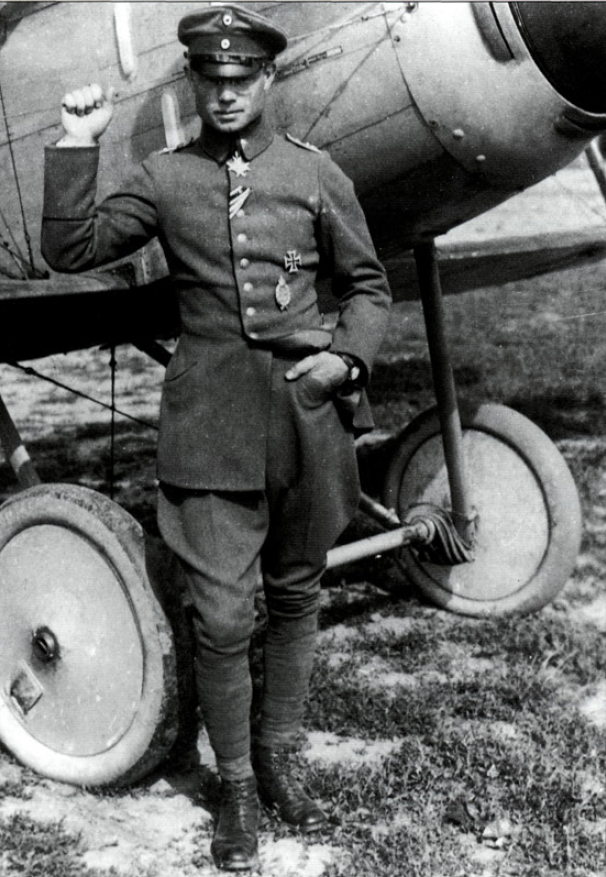
On April 17, 1916, Fritz Otto Bernert scored his first victory while flying a Fokker Eindecker against a Nieuport fighter. His unit was later formed into a permanent Prussian fighter squadron, Jagdstaffel 4, on August 25, 1916. On September 6, Bernert achieved the squadron’s first victory. Following one more victory in September and one in October, he downed three aircraft on November 9, bringing his score to seven and officially becoming an ace. On March 1, 1917, Fritz Otto Bernert was transferred to Jagdstaffel 2 and scored two victories in that month. In April 1917, known as Bloody April, he shot down 15 aircraft, bringing his score to 24. On April 24, Bernert performed a memorable aerial feat during the war. During a morning patrol at 8:30 am, he shot down a Sopwith 1½ Strutter, killing the pilot and destroying the aircraft. After that, Fritz Otto Bernert encountered a group of Royal Aircraft Factory B.E.2es. The three bombers were flying without rear gunners because they had left them behind to carry more bombs.
Legacy and Death
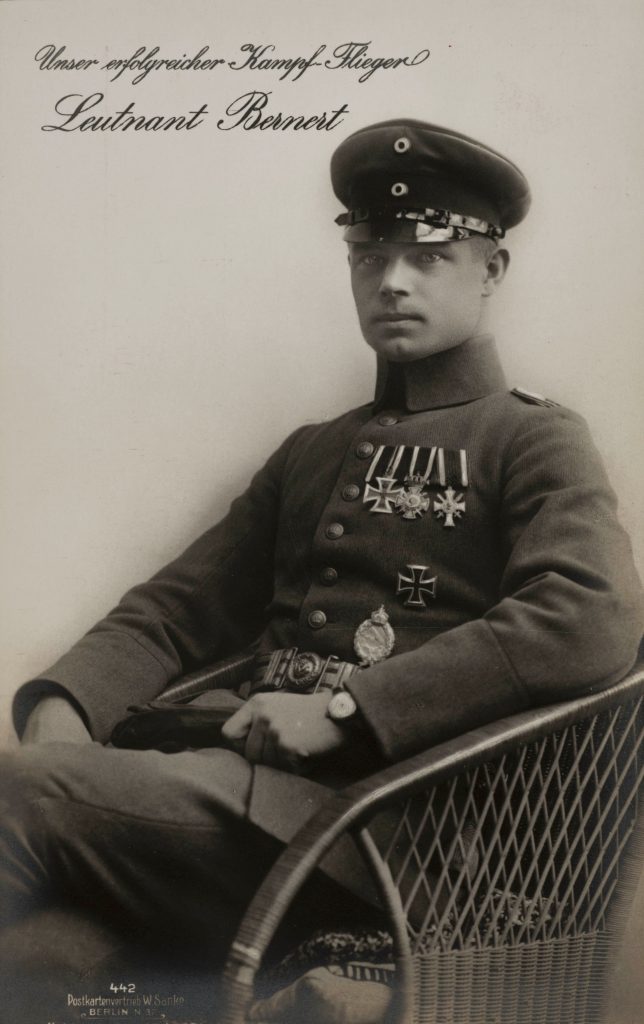
Since the bombers were slower than Bernert’s fighter and had no rear defense, they were easy targets. Bernert shot them down between 8:40 and 8:45 am, killing two British pilots and capturing a third after his crash. With still some fuel and ammunition left, Fritz Otto Bernert then found an Airco DH.4, which he shot down at 8:50 am, killing the observer and wounding the pilot. He shot down five British aircraft in just 20 minutes. He continued scoring and shot down three aircraft in May, bringing his score to 27. In June, Bernert became the leader of Jasta 2, also known as Jasta Boelcke. However, on August 18, 1917, he was wounded again, ending his career as a fighting pilot. On August 28, he was transferred to help the Inspector of the Flying Service. However, Fritz Otto Bernert spent three months in the hospital because he was seriously ill in addition to his wounds. He was diagnosed with war weariness. After his release from the hospital, he was promoted to senior lieutenant. In May 1918, he returned to the hospital, likely due to lung problems. During the Spanish flu outbreak in Germany, Fritz Otto Bernert caught the illness, and he died from influenza in the hospital in his hometown on October 18, 1918. In the Aces series, Fritz Otto Bernert was a brave ace who didn’t let his injuries and weaknesses overpower him and became an ace. Read stories about more Aces HERE.