






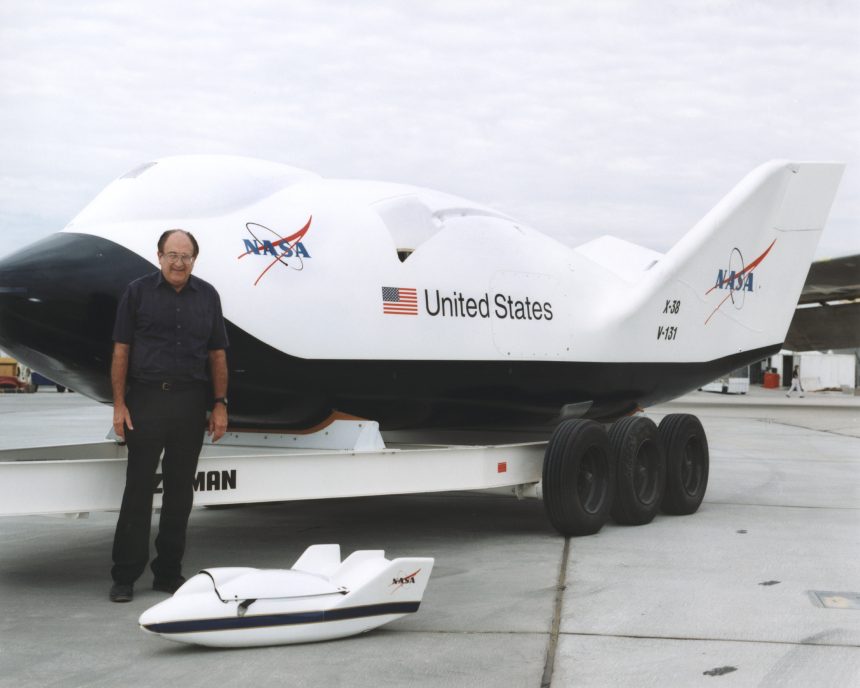

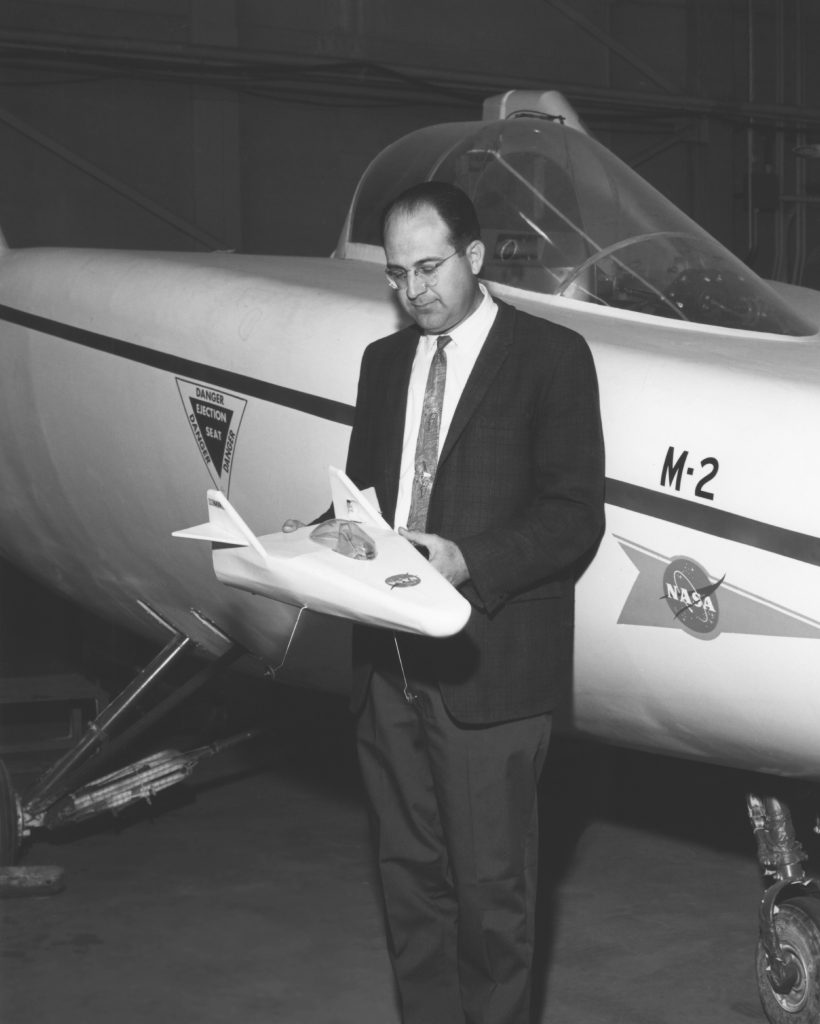
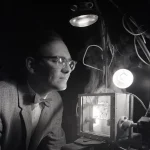
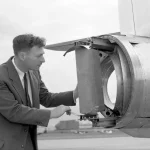
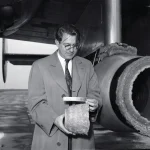
Over his 52-year career at NASA Dryden Flight Research Center, an individual made important contributions to aeronautical research and helped develop the Lifting Body and Remotely Piloted Research Vehicle (RPRV) programs. The individual was Dale Reed. After graduating from the University of Idaho with a degree in mechanical engineering, Reed joined Dryden, then known as the NACA High Speed Flight Research Station, in 1953. He worked at NASA during his long career, first as a civil servant and then as a contract engineer. The Lifting Body program began with Reed’s idea that a space vehicle without wings could safely return to Earth and land. In this design, the entire vehicle functions like a controllable airfoil, so it doesn’t require wings. Although Apollo program officials considered the lifting body too risky and decided to use a capsule instead, Dale Reed still believed in its potential. With support from Paul Bikle, director of the Flight Research Center, Reed played an important role in developing the lightweight M2-F1 Lifting Body, which successfully flew in 1963. The success of the unpowered M2-F1 led to the creation of rocket-powered lifting bodies like the M2-F2, M2-F3, HL-10, and the X-24A and X-24B from the Air Force. Reed’s research on lifting bodies helped guide the design of the Space Shuttle.
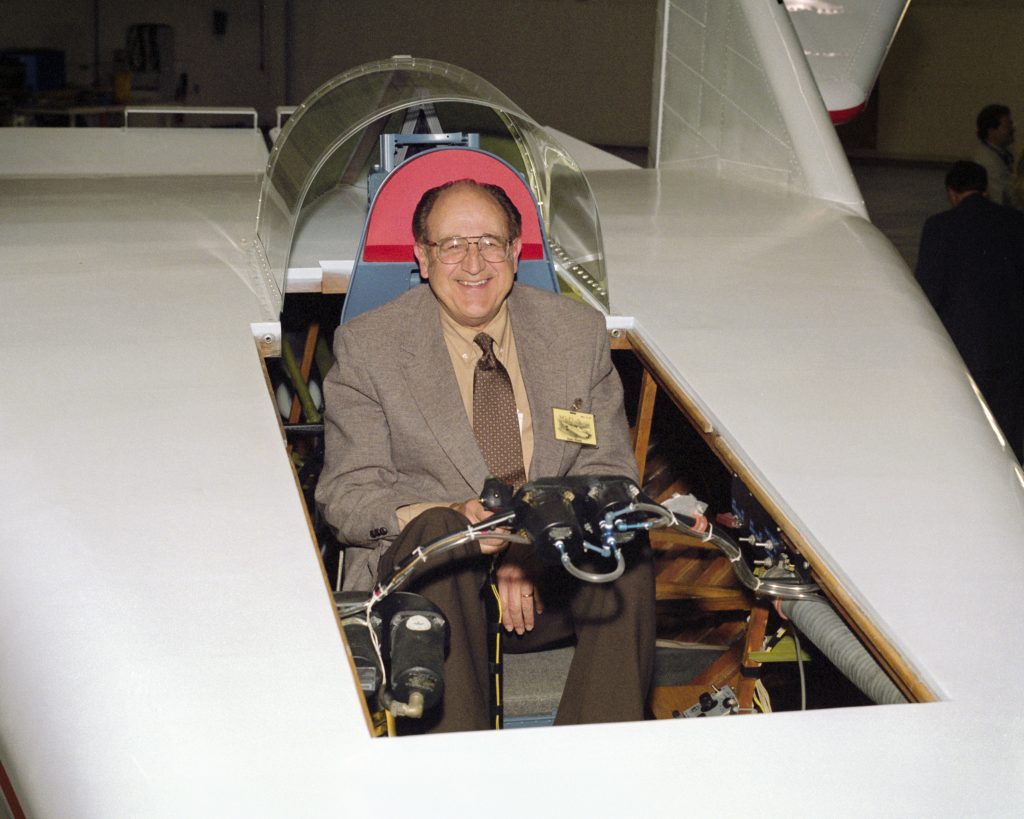
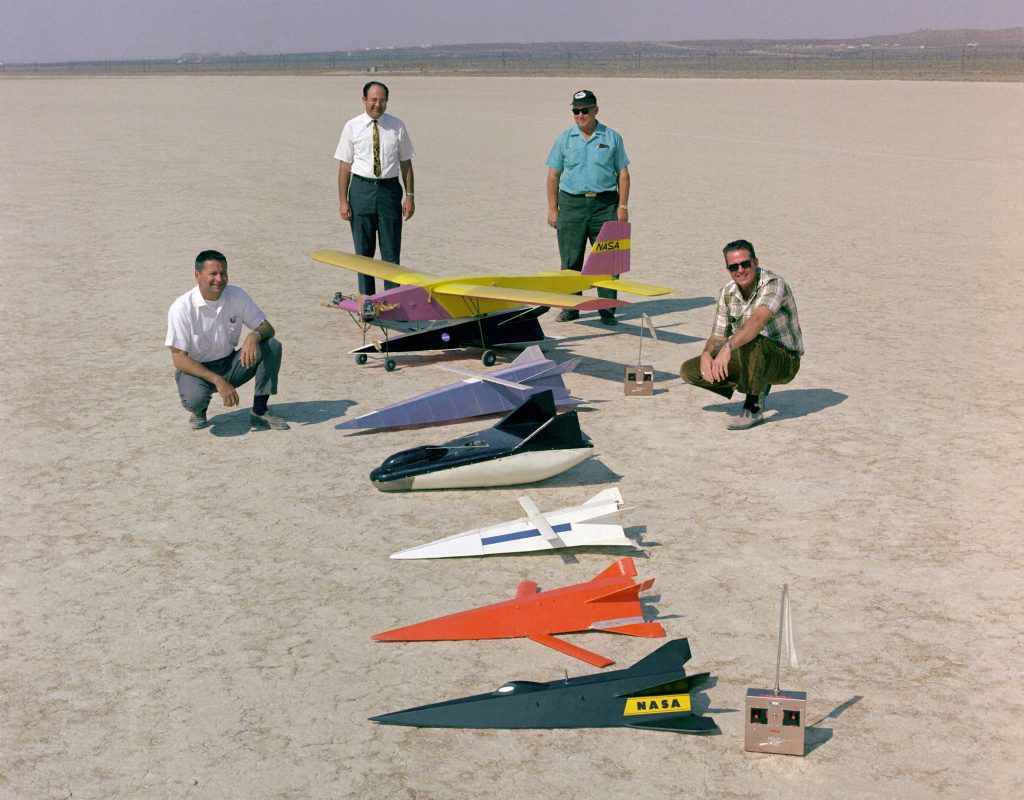
As the manager of innovative programs, Dale Reed was interested in using model drones for flight research, which led to the creation of the RPRV Program. Instead of using a simple hand-operated switch console, Reed designed a full cockpit on the ground with all the instruments and sensors found in a regular airplane. He tested this idea with the Hyper III, the first RPRV to have a test pilot connected via a radio link. Reed continued to develop this concept with the PA-30 and a 3/8 scale F-15, both of which included a computer control system along with the ground cockpit. Early in his career, Dale Reed measured aerodynamic loads on the first X-series research aircraft and tested aerodynamic heating on the X-15 rocket plane. He also invented a solar guidance system that steers an airplane using the sun as a reference point. Later, he worked on gyroless autopilots, deep-stall flight tests, and free-flight airfoils. Reed invented the Mini-Sniffer in 1977 and held a patent for it. It was a foldable airplane designed to explore Mars. It had a hydrazine-fueled engine and could be carried aboard a Viking spacecraft. The plan was to drop it from the spacecraft to explore the planet from low altitudes. If all went as Dale Reed hoped, the Mini-Sniffer would gather data until its fuel ran out, then land in a suitable spot and continue to send data back to the Viking Orbiter, like the Mars rovers.
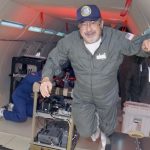
After retiring from NASA in 1985, Dale Reed worked at Lockheed Advanced Development Projects for four years. He managed the design, development, and flight testing of various hypersonic and high-altitude aircraft. Later, he returned to NASA Dryden as a contract aerospace engineer. There, he applied his engineering skills to projects such as HyFlex, Apex, and Spacecraft Autoland Flight Experiments. Later, Reed worked part-time for Analytical Services and Materials (AS&M) at NASA Dryden. He contributed to several projects, including the X-33, X-36, and X-38 research vehicles, as well as the Beamed Laser Power Flight Demonstration from 2002 to 2003. Throughout his career, Reed managed 19 projects and designed 12 aircraft. Reed was a member of the American Institute of Aeronautics and Astronautics. He wrote many technical reports and papers based on his work. Dale Reed was the author of the book “Wingless Flight,” which covers the Lifting Body Flight Research Program. This book was published by the NASA History Office in 1997 and later republished by the University Press of Kentucky. In 1967, Reed received the NASA Exceptional Service Medal for starting the Lifting Body research program. The Experimental Aircraft Association named him a Distinguished NASA Aeronautical Researcher. He won the AIAA Awards for Outstanding Technical Paper in 1968 and for Outstanding Technical Contributor in 1967. Later, the Society of Flight Test Engineers gave Reed the Kelly Johnson Award for his lifetime contributions to aeronautics. He died on March 18, 2005, in San Diego. As one of the Pioneers of Aeronautical Engineering, Dale Reed was really the “Father of the Lifting Bodies.” Read more articles like this HERE.









Didn’t Hans Multhropp and Professor Alexander Lippisch not pioneer this method of flight post war ?