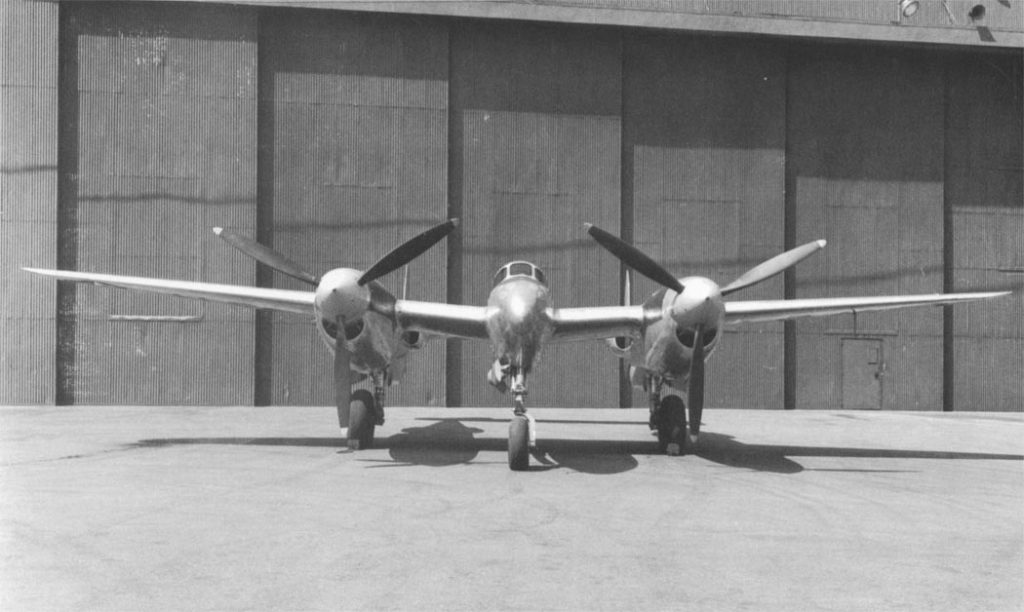
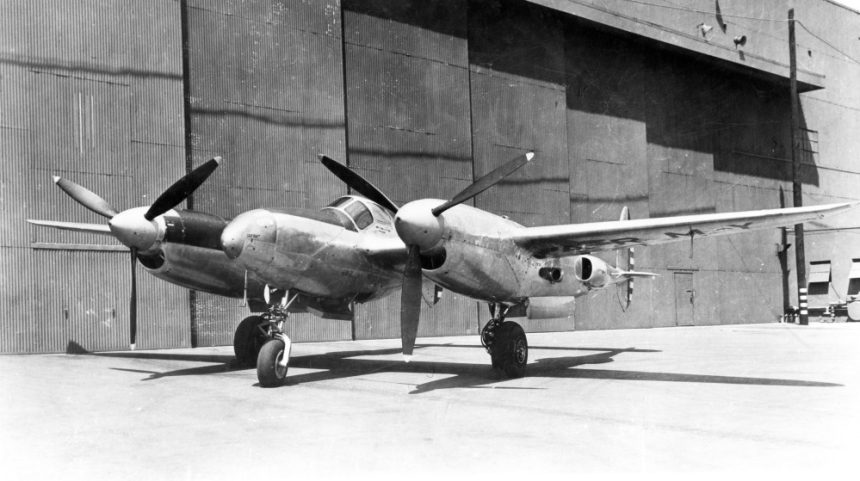


In 1939, the US Army Air Forces (USAAF) wanted an advanced fighter-interceptor aircraft. As a result, under US Army Air Corps Circular Proposal 39-775, the service requested that industry submit its proposals. Several companies, such as Lockheed, Grumman, Curtiss, and Vultee, participated in the competition. Lockheed won the competition with an advanced version of the P-38 Lightning, which was designated the Lockheed XP-49. The competing Grumman Model G-46 placed second and was named XP-50.
Design of Lockheed XP-49
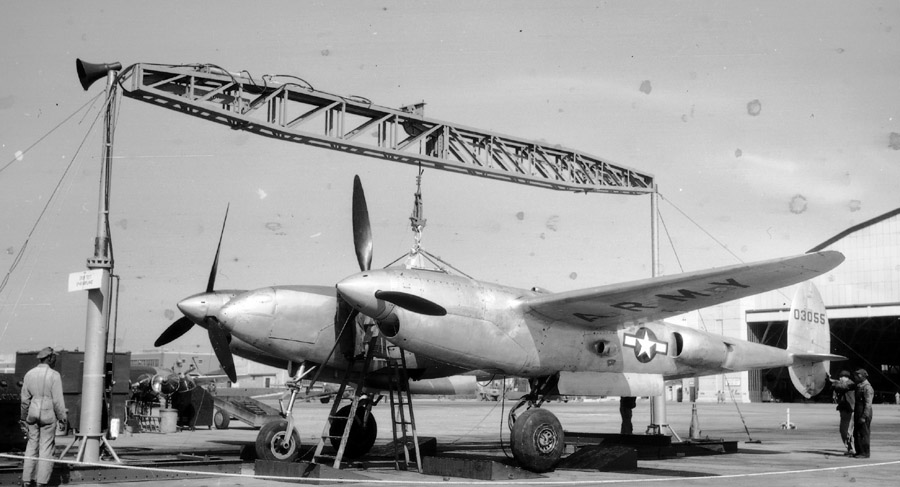
The USAAF ordered a single prototype of the Lockheed XP-49 in October 1939. Initially, the new aircraft was to be powered by the new 24-cylinder Pratt & Whitney X-1800 engine. However, two months into the contract, the company decided to replace the X-1800 with two Continental XI-1430-1 inverted V-12s, each producing 1,600 horsepower. The Lockheed XP-49 prototype flew for the first time on November 11, 1942. The single-seat aircraft was 40.1 feet long, 9.10 feet high, with a wingspan of 52 feet and a wing area of 327 square feet. The empty weight of the aircraft was 15,410 pounds, and the gross weight was 18,750 pounds. The maximum speed of the aircraft was envisioned at 406 mph at 15,000 feet, with a range of 679 miles and a rate of climb of 3,300 feet per minute. It could be armed with two 20 mm cannons and four 12.7 mm machine guns. On January 1, 1943, the prototype XP-49 force-landed because the landing gear did not lock properly. It happened due to failures in both the hydraulic and electrical systems. After repairs, Lockheed XP-49 flew again on February 16, 1943.
The Cancellation
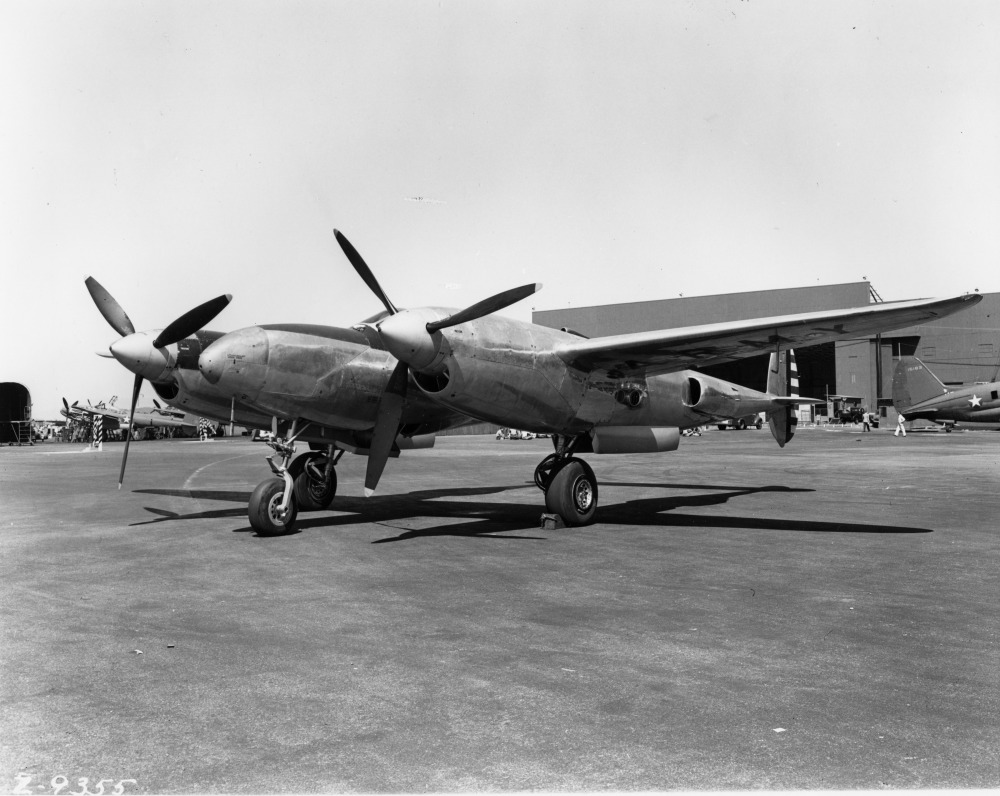
The early flight tests showed that its performance was not much better than that of the regular P-38. Given the uncertain future of the XI-1430 engine, it was decided not to disrupt the production line to introduce a new plane. As a result, plans for mass production were canceled. The aircraft was later flown to Wright Field, and work on improving the Lockheed XP-49 was stopped. Lockheed then decided to focus on improving the P-38 instead. Along with the aircraft, both the Pratt & Whitney and the Continental engines under development for it were canceled. In its final testing phase, the XP-49 airframe was dropped from various heights onto a concrete floor to assess how much damage it could withstand from G-forces. The damaged remains were displayed for a time before being taken apart and finally scrapped. In the Grounded Dreams series, the Lockheed XP-49 couldn’t provide a significantly better performance than the P-38 Lightning due to issues with the engine and was canceled. Read more Grounded Dreams articles HERE.