
By Randy Malmstrom
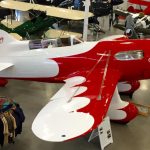
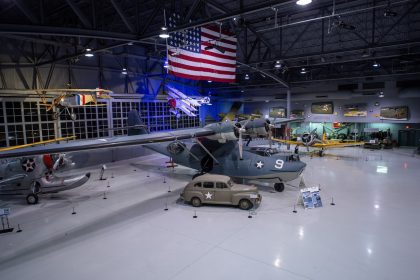
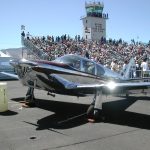
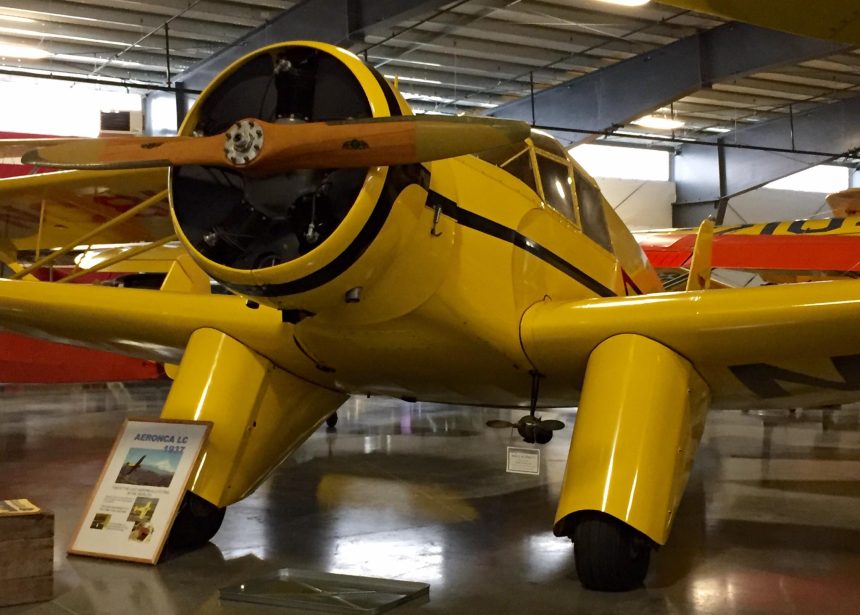
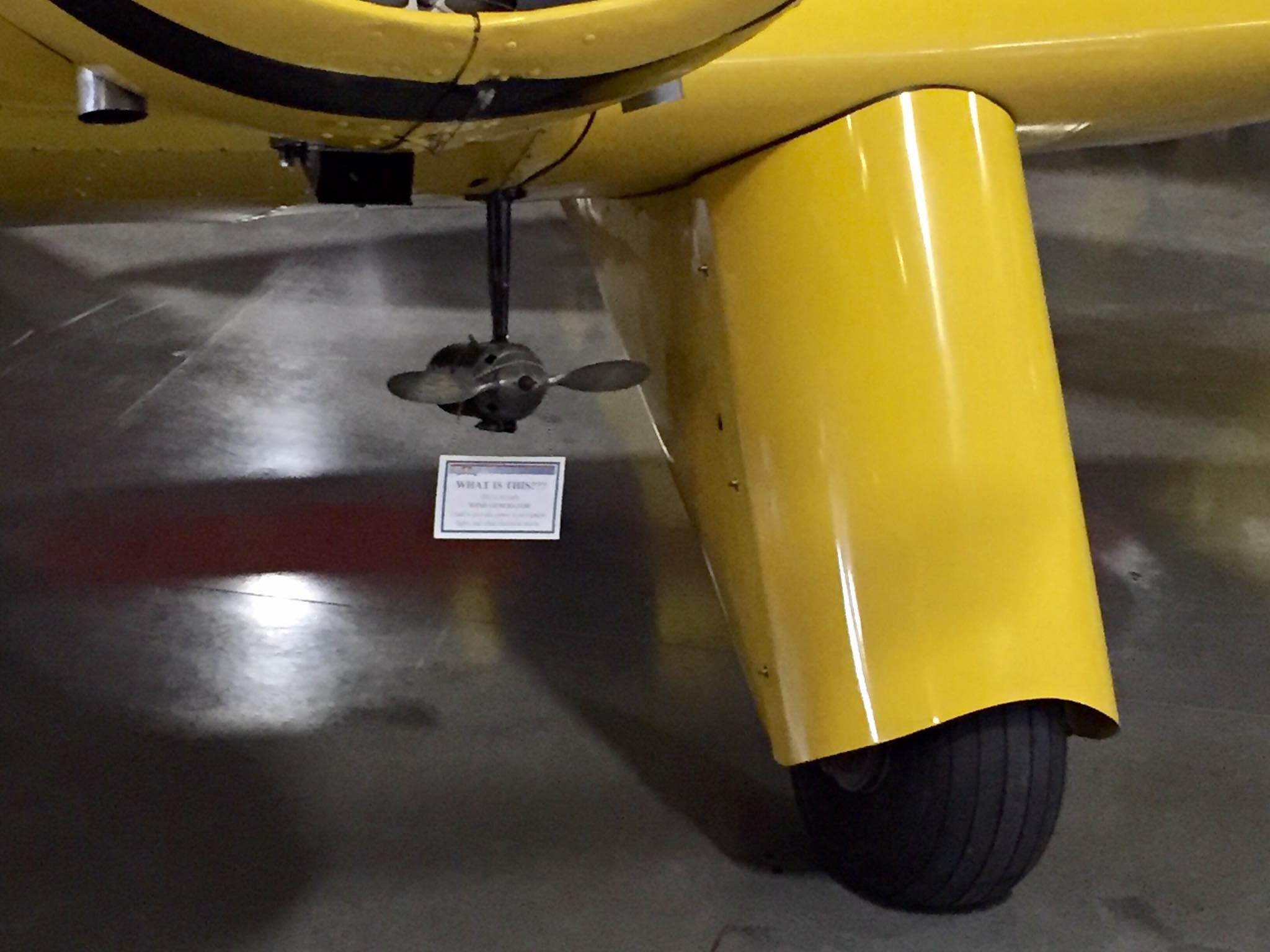
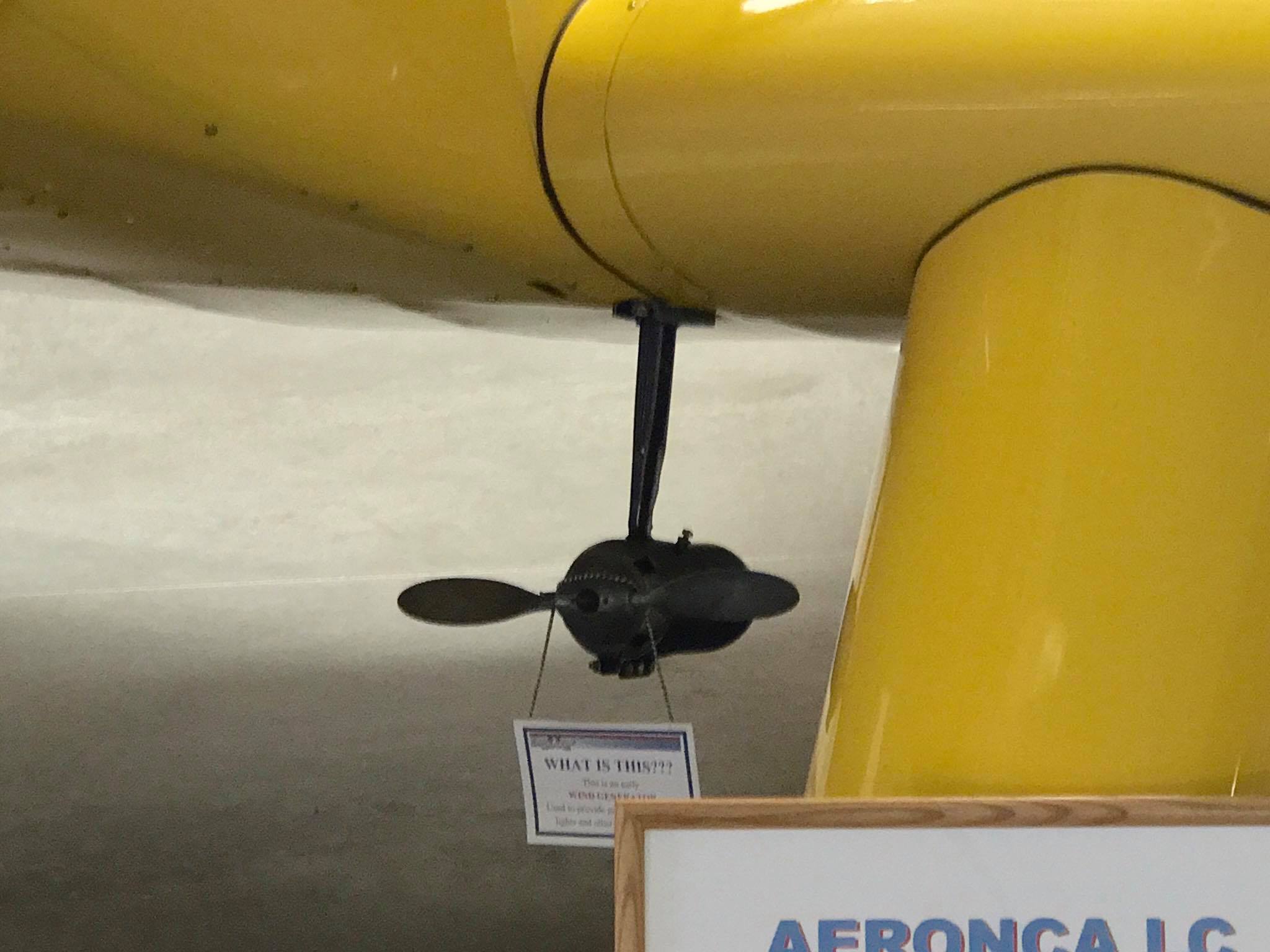
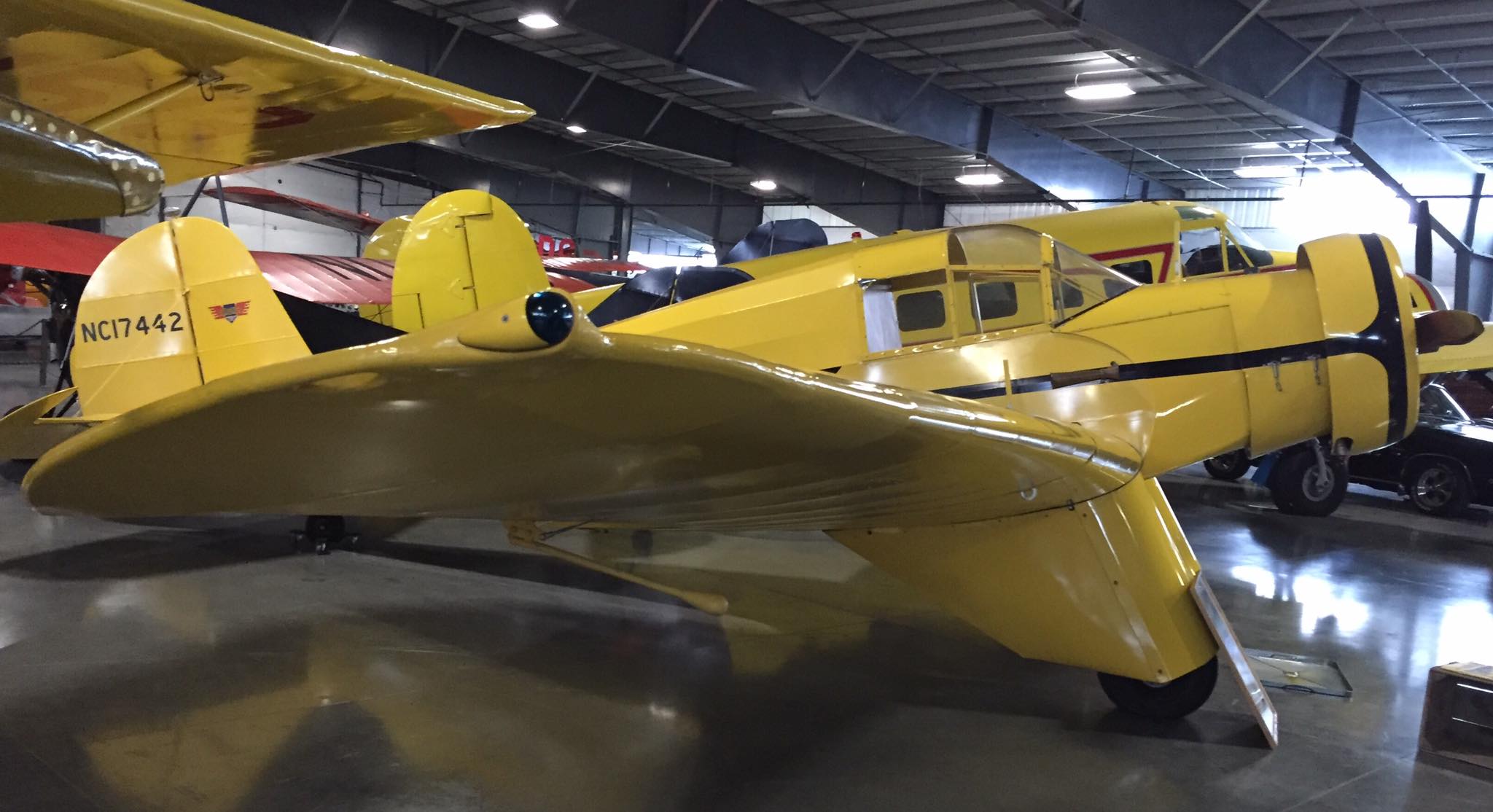
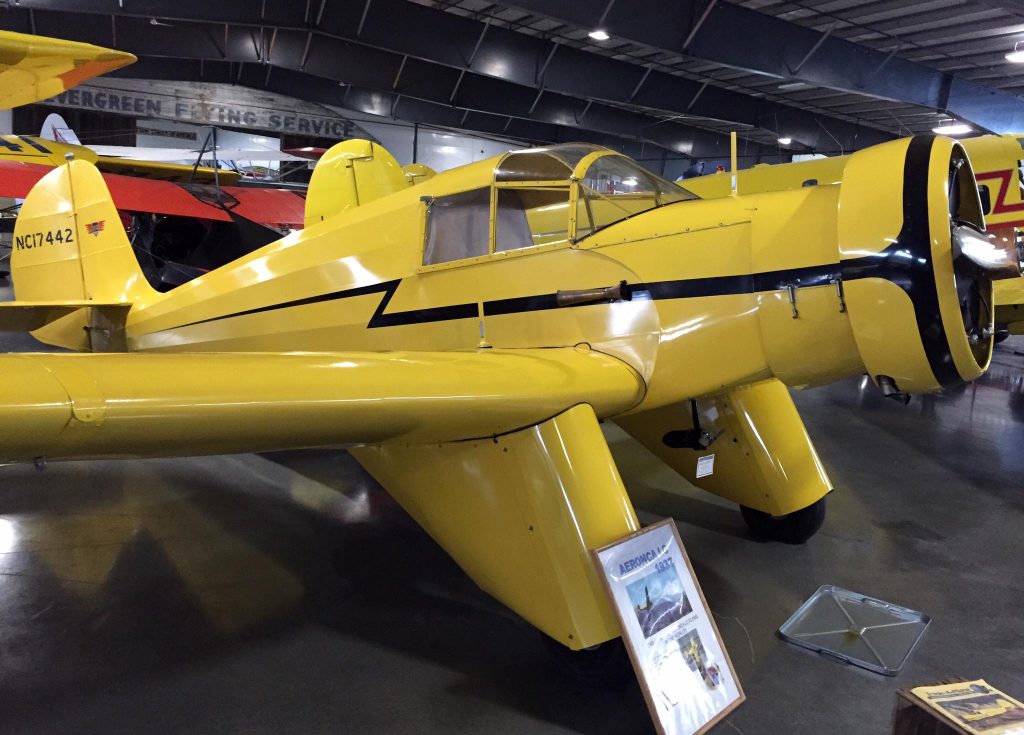
Aeronca LC, s/n 2056. This aircraft was manufactured by Aeronca Aircraft in 1937. It is fitted with a 90-hp Warner Scarab Jr. engine, wheel spats, and a wind generator under the fuselage to power the electrical components. Only 15 of this variant were built, and this one is airworthy. My photos at Western Antique Aeroplane & Automobile Museum on the Columbia River in Hood River, Oregon.
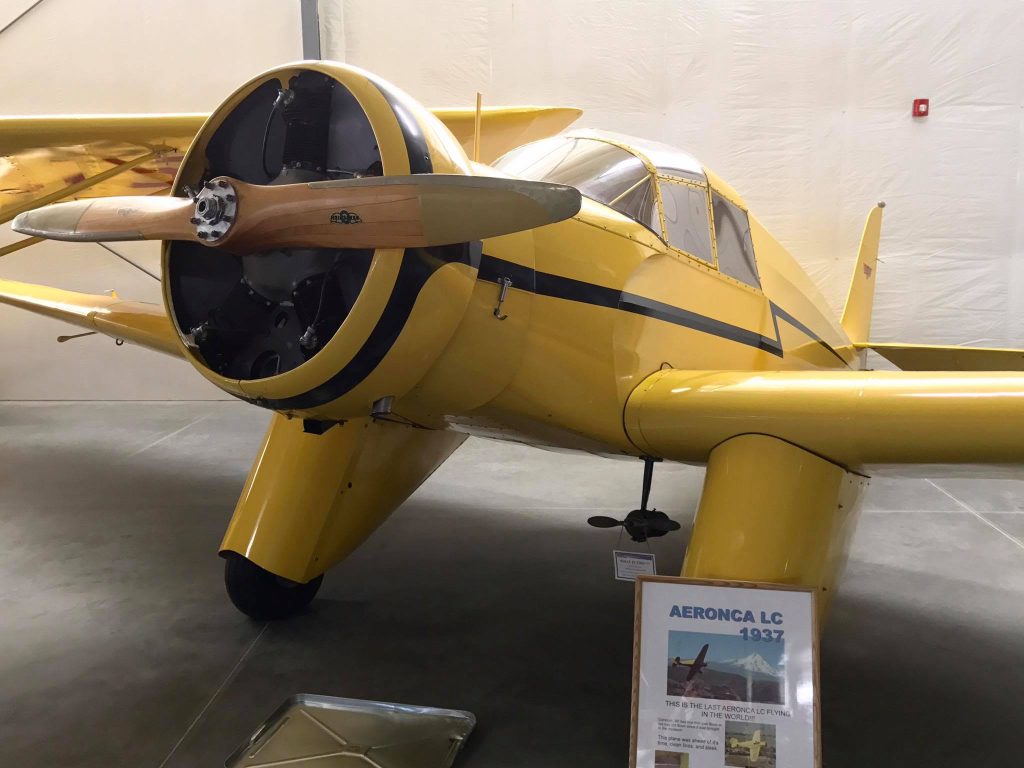
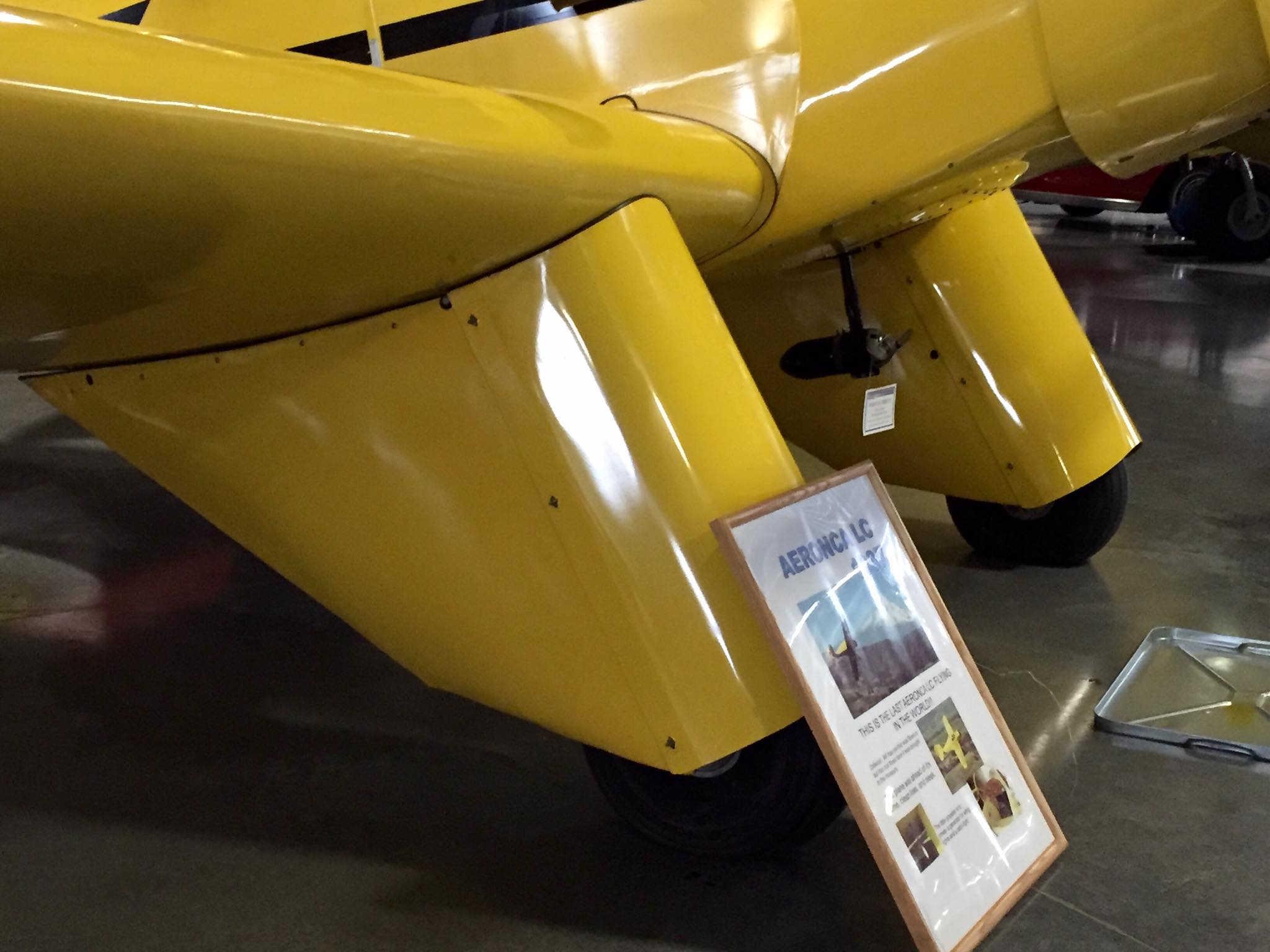
Editor’s notes: The Aeronca LC was one of four variants of the Aeronca L, a cabin monoplane built in 1935 by the Aeronca Aircraft Corporation in Cincinnati, Ohio, with its factory located at Lunken Airport. Unlike other aircraft built by Aeronca, which were high-wing monoplanes with external struts and/or bracing wires and powered by inline engines, the Aeronca L was a low-wing, cantilever monoplane with a radial engine. The enclosed cockpit had seating for a single pilot and passenger to sit side-by-side, the fixed landing gear was housed in streamlined fairings, and a Townsend ring cowling was installed around the engine. The fuselage was of a welded steel framework, while the spars and ribs of the wings were made of spruce, and the framework of the fuselage and the wings was all covered in doped fabric.
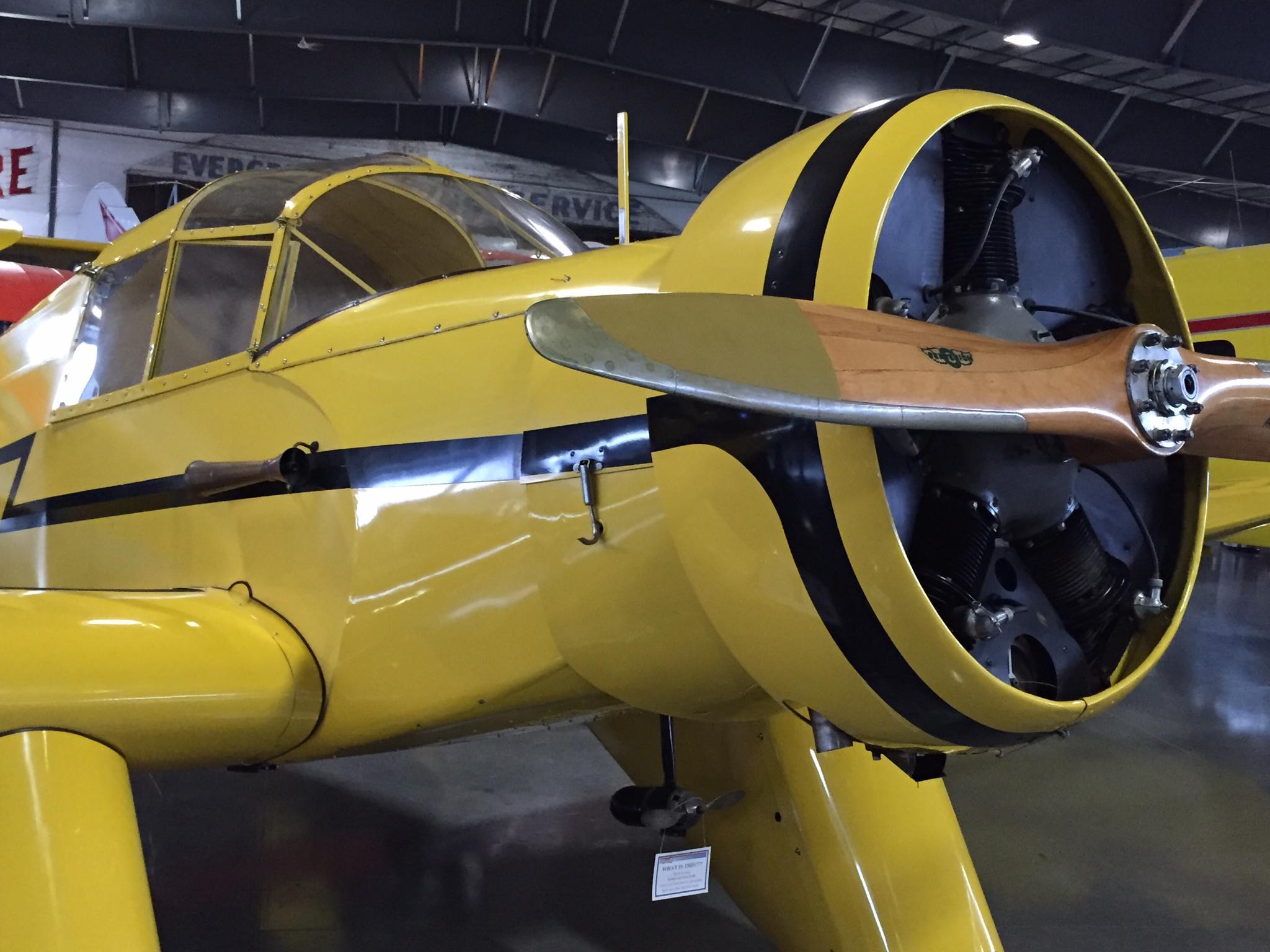
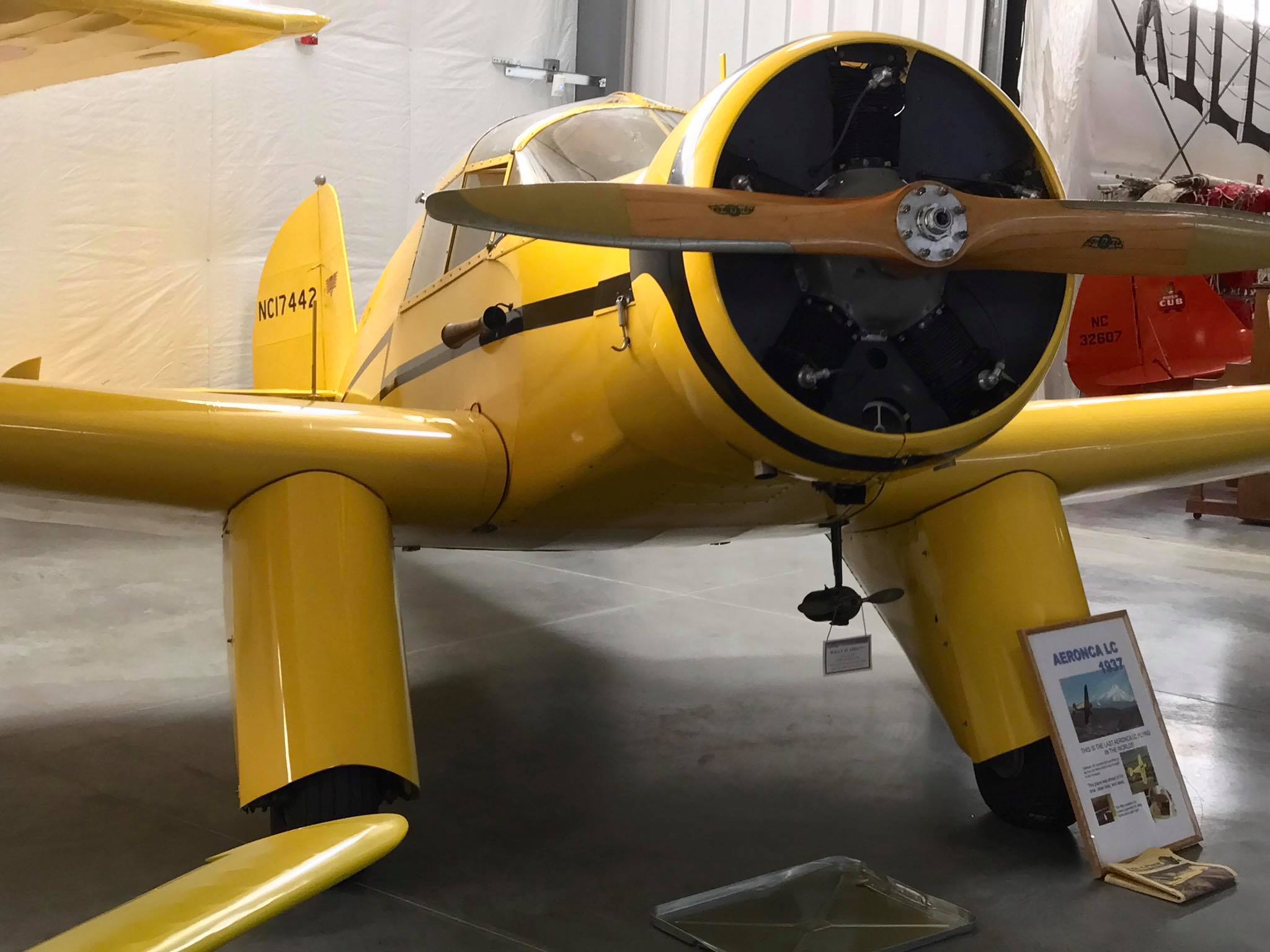
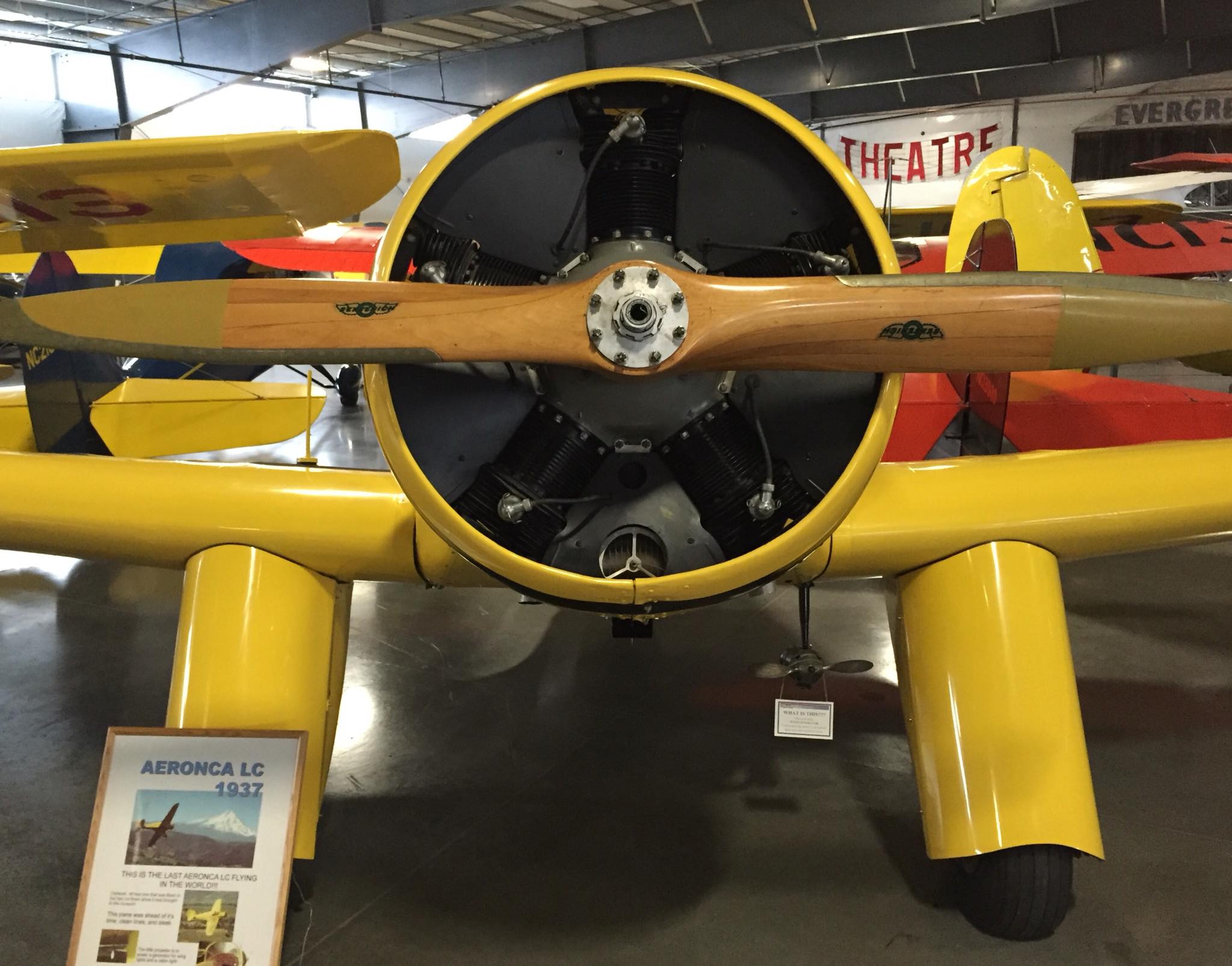
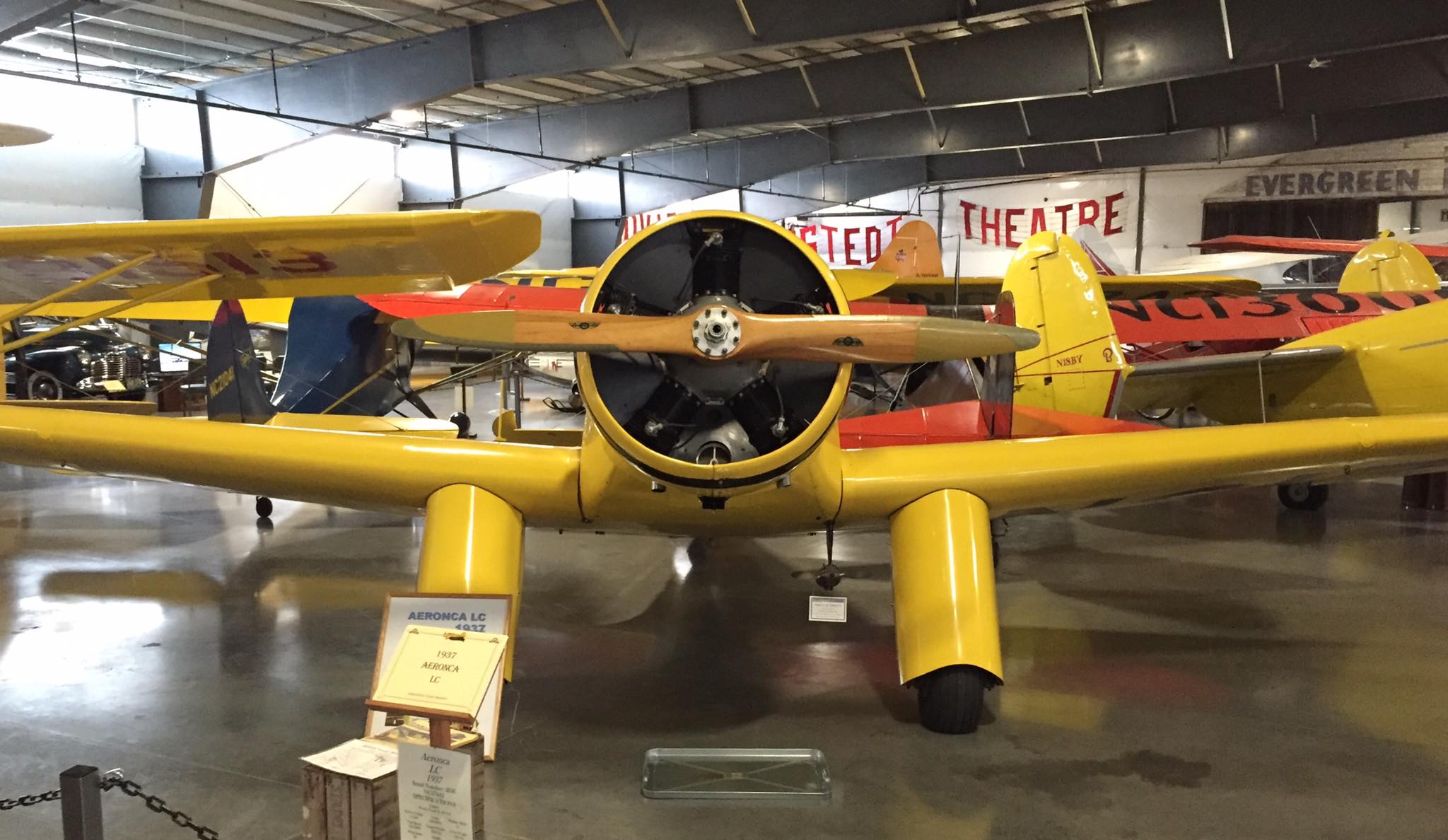
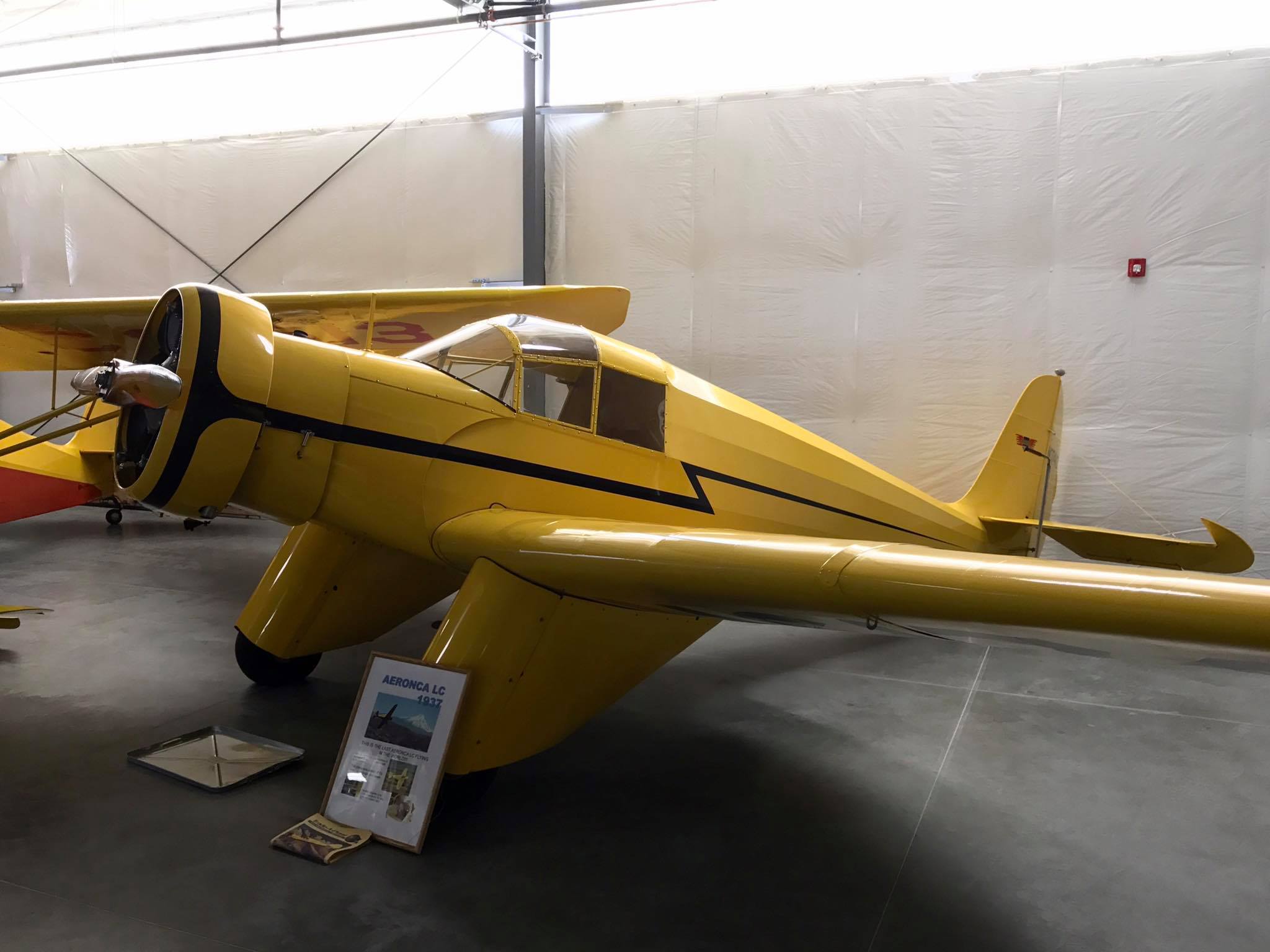
The Aeronca L was developed in four separate variants depending on which engine they had. The Aeronca LA was powered by a 70-hp LeBlond 5DE five-cylinder engine, while the LB model was powered by an upgraded variant of this engine, the 85-hp LeBlond 5DF. The Aeronca LC was powered by a 90-hp Warner Scarab Jr, and the LD model was powered by the 90-hp Lambert R-266 radial engine. The prototype was originally powered by the Aeronca E-113 flat-twin engine, but its inadequate output of around 40 hp led to the adoption of the Le Blond, Warner, and Lambert engines as replacements. A single Aeronca LC, NC16289, was equipped with twin pontoon floats and was redesignated the LCS.
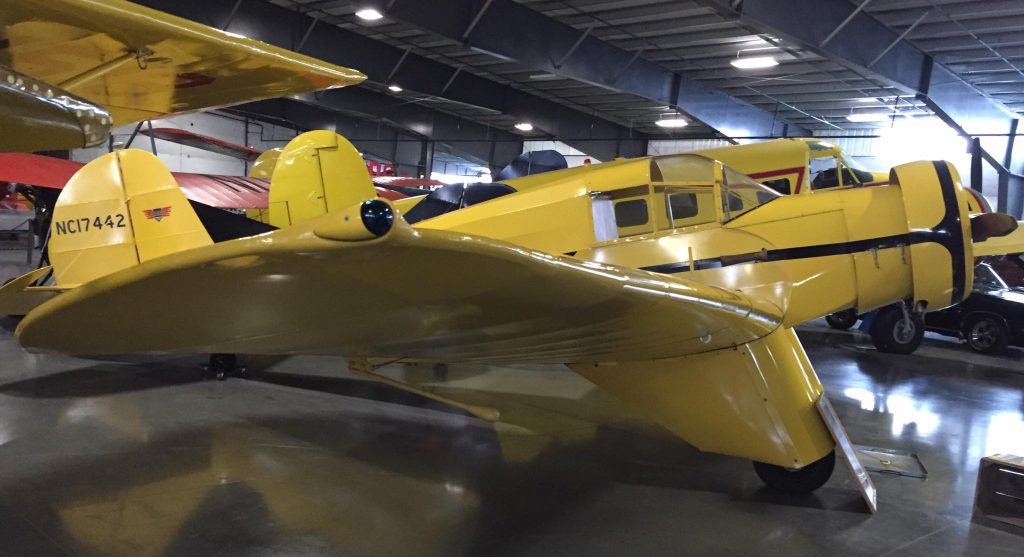
Due to the effects of the Great Depression, sales for the Aeronca Ls were limited, and in January and February of 1937, the Ohio River flooded Cincinnati, and the entirety of Lunken Airport was submerged by the flood waters, including the Aeronca factory. The flood washed away the factory drawings, blueprints, and tooling for Aeronca’s operations, which led to the company’s move 30 miles north to Hook Field in Middletown. The 1937 flood also marked the end of the production run of the Aeronca L-model, with only 65 examples being produced (9 LAs, 29 LBs, 15 LCs, and 12 LDs). After settling into Middletown, Aeronca focused on building high-wing monoplanes, such as the Chief, Champion “Champ“, and Sedan series of aircraft. Another contributing factor to the cessation of the Aeronca L’s production in 1937 was when the LeBlond Aircraft Engine Corporation, which built the engines that powered half of the aircraft produced, was sold to one of Aeronca’s competitors, Rearwin Aircraft.
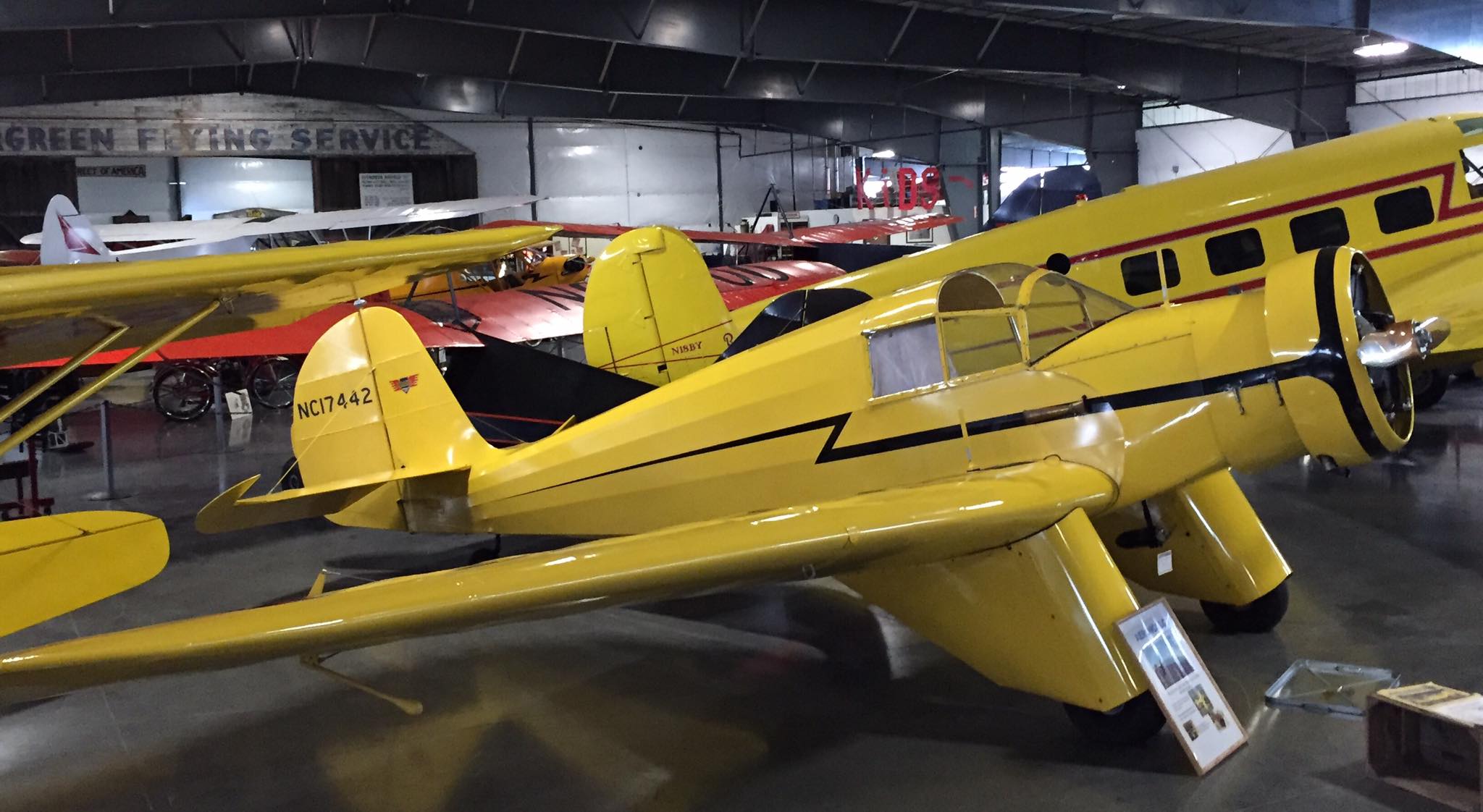
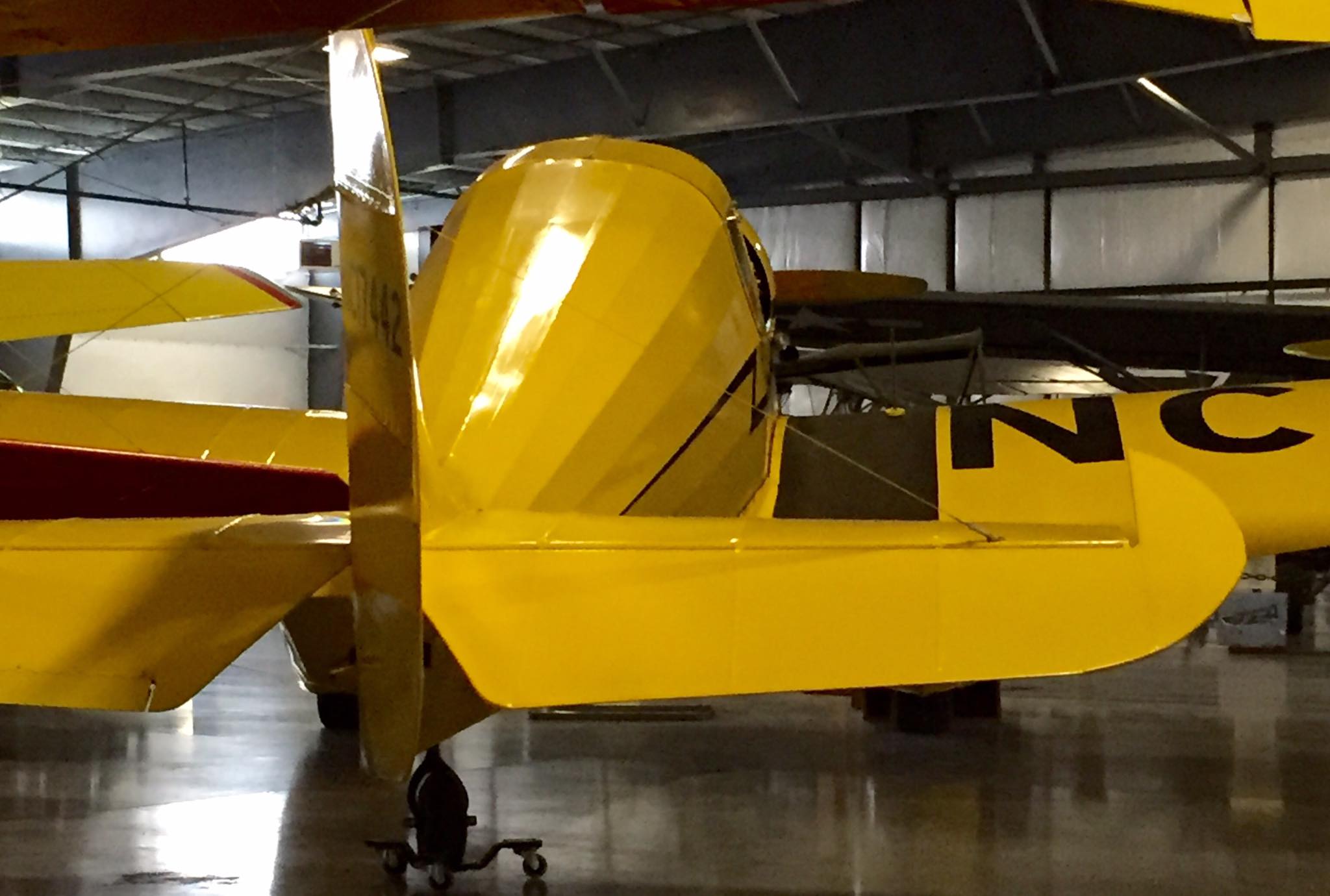
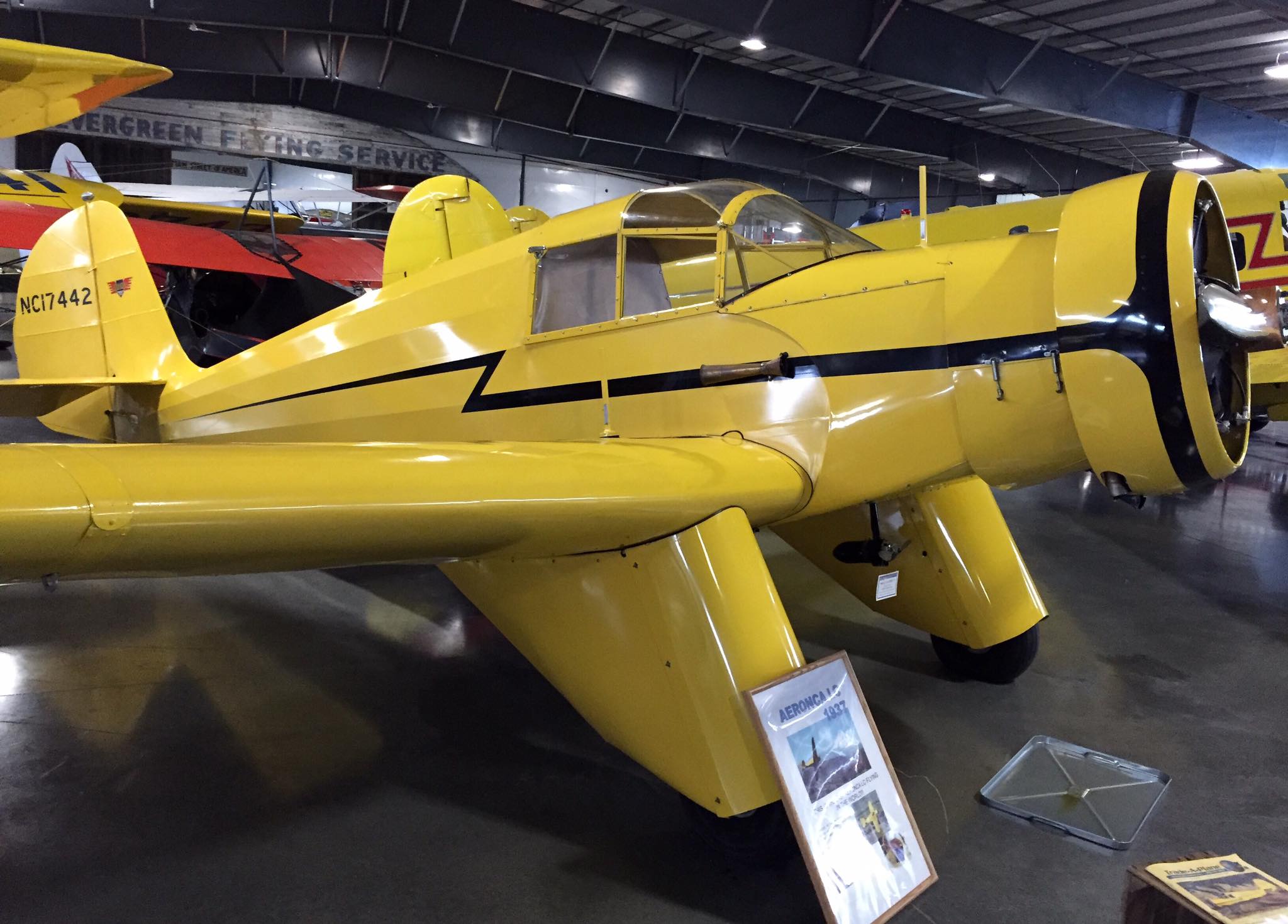
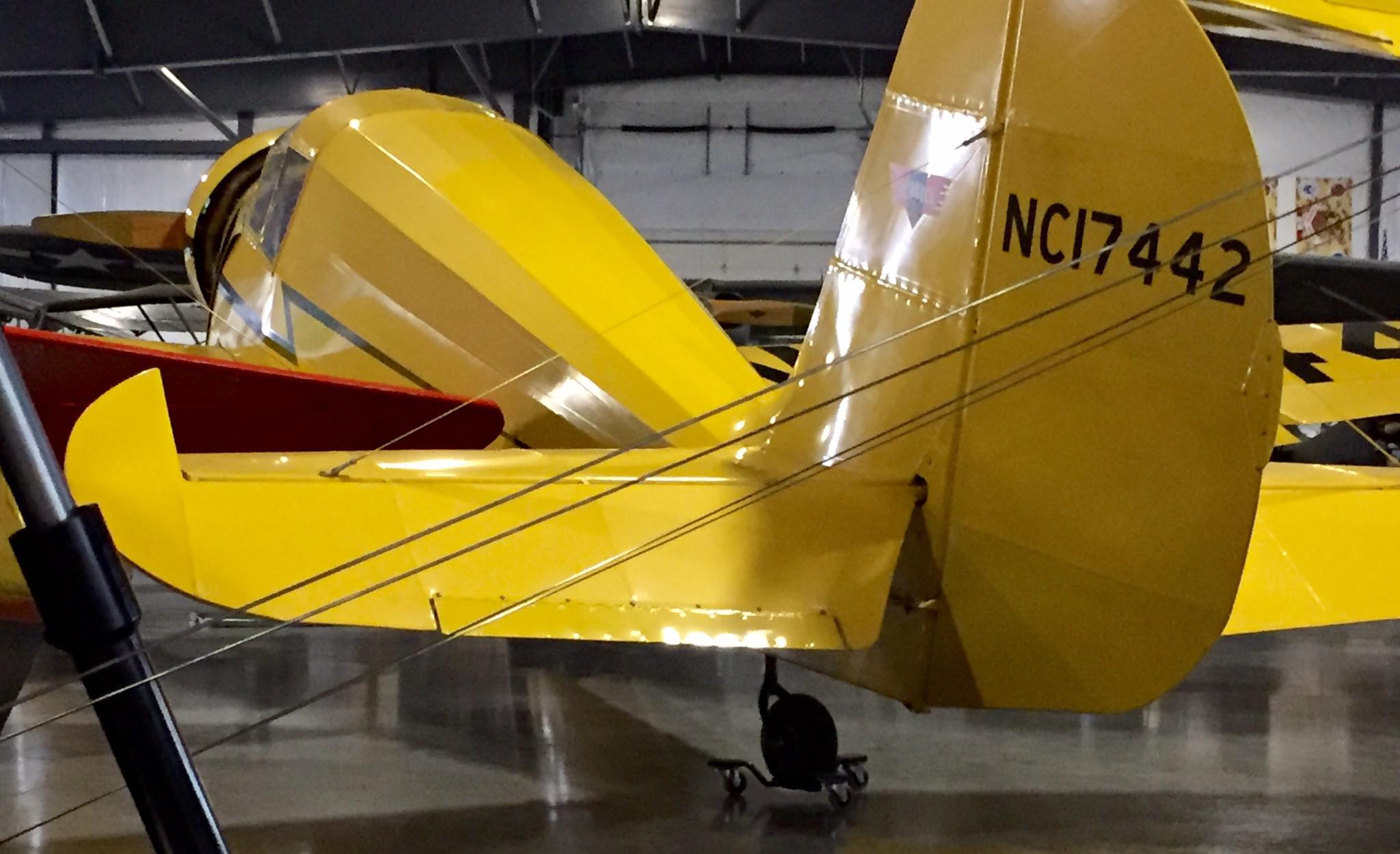
The Aeronca LC featured in this profile was built in 1937 as construction number 2056 and was issued the registration number NC17422. After passing through the hands of several owners, it was acquired by a California real estate developer named Marcian A. “Marc” Herman, who had served in the U.S. Army Air Forces in WWII, and kept the aircraft at Whiteman Airpark in Pacoima, California. Herman did some movie work as a pilot, and this airplane made a brief cameo in the 1999 movie Storm Catcher. Photos of this aircraft in Herman’s hangar at Whiteman Airpark in 2000 can be found HERE. In 2007, the aircraft was sold at auction to Terry Brandt, founder of the Western Antique Aeroplane & Automobile Museum in Hood River, Oregon, where it is maintained in airworthy condition. Besides this aircraft, there are several Aeronca LBs and LCs listed on the current FAA registry, while two LBs, NC15292 and NC16262, are preserved at the Florida Air Museum in Lakeland, Florida, and the Kelch Aviation Museum in Brodhead, Wisconsin, respectively. Another Aeronca LC is on display at the EAA’s Pioneer Airport in Oshkosh, Wisconsin.
About the author 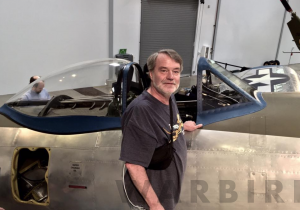
Randy Malmstrom grew up in a family steeped in aviation culture. His father, Bob, was still a cadet in training with the USAAF at the end of WWII but did serve in Germany during the U.S. occupation in the immediate post-war period, where he had the opportunity to fly in a wide variety of types that flew in WWII. After returning to the States, Bob became a multi-engine aircraft sales manager and, as such, flew a wide variety of aircraft; Randy frequently accompanied him on these flights. Furthermore, Randy’s cousin, Einar Axel Malmstrom, flew P-47 Thunderbolts with the 356th FG from RAF Martlesham Heath. He was commanding this unit at the time he was shot down over France on April 24th, 1944, spending the rest of the war as a prisoner of war. Following his repatriation at war’s end, Einar continued his military service, attaining the rank of Colonel. He was serving as Deputy Wing Commander of the 407th Strategic Fighter Wing at Great Falls AFB, MT, at the time of his death in a T-33 training accident on August 21, 1954. The base was renamed in his honor in October 1955 and continues to serve in the present USAF as home to the 341st Missile Wing. Randy’s innate interest in history in general, and aviation history in particular, plus his educational background and passion for WWII warbirds, led him down his current path of capturing detailed aircraft walk-around photos and in-depth airframe histories, recording a precise description of a particular aircraft in all aspects.