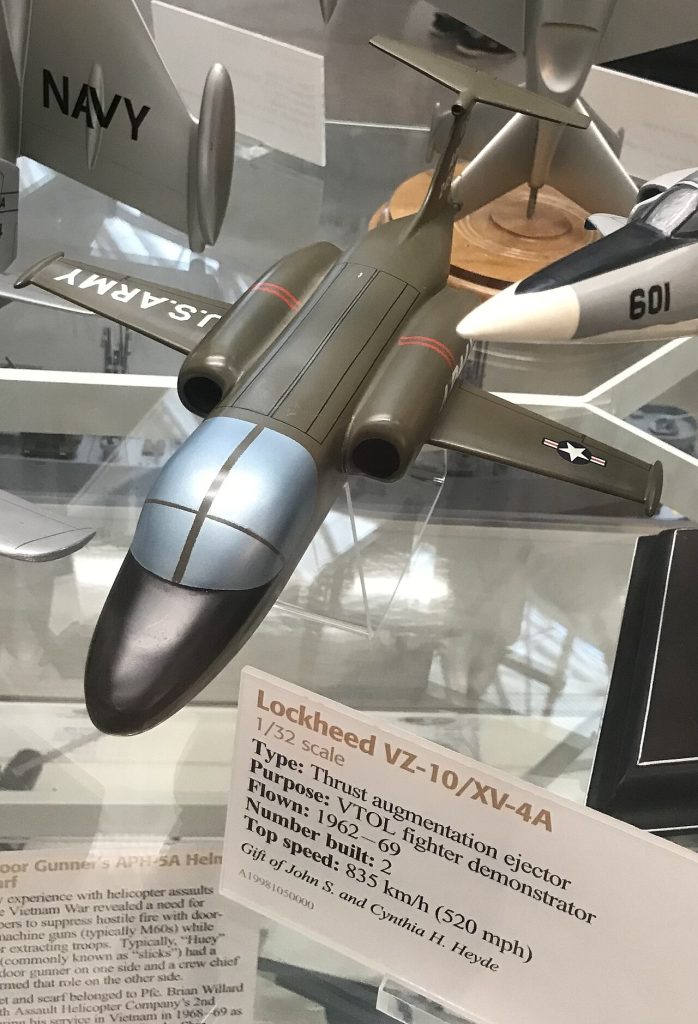
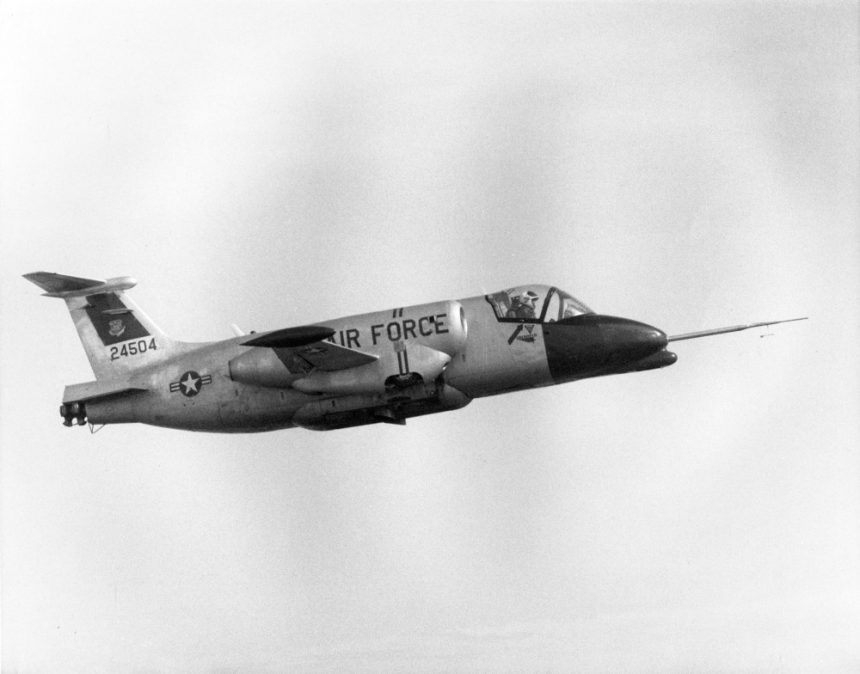


On this day in aviation history, 64 years ago (July 7, 1962), the first conventional flight of the Lockheed XV-4 Hummingbird took place. Originally designated as the VZ-10, the XV-4 was a prototype vertical takeoff and landing (VTOL) aircraft developed for the United States Army. The mission of the Hummingbird program was to practicality of using a VTOL aircraft to conduct surveillance missions, while also carrying target-acquisition and sensory gear.
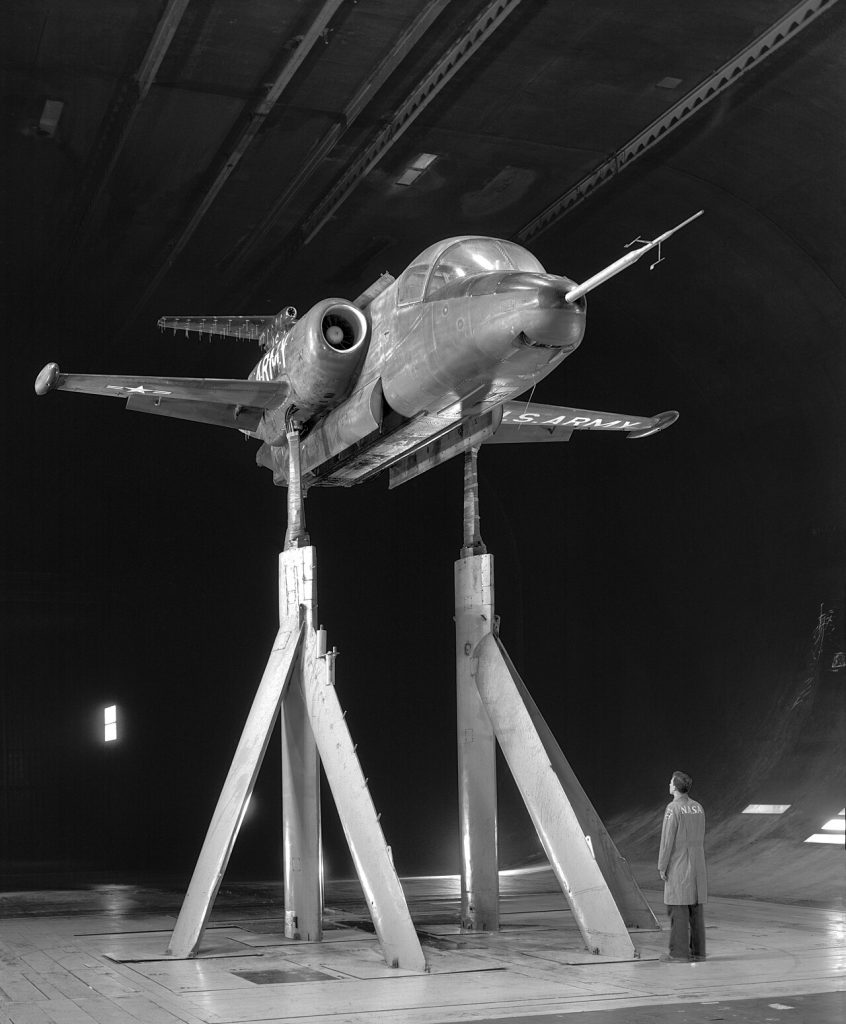
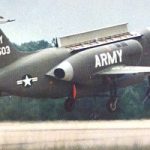
At the time of the conceptualization of the Hummingbird by the US Army, the Lockheed Corporation had been in the midst of experimenting with VTOL technology, particularly on jet aircraft. The first Hummingbird prototype, XV-4A 62–4503, took flight on 7/7/62 with a conventional takeoff and landing. The aircraft’s initial tethered flights, to test the XV-4A’s VTOL capabilities, commenced in November of 1962. The Hummingbird first took untethered VTOL flight in May of 1963. In November of 1963, the XV-4A made its first transition from hovering to forward flight.
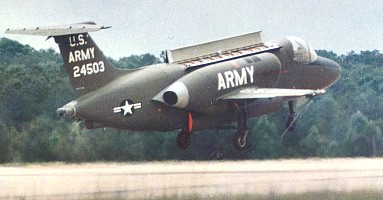
A second prototype built by Lockheed was modified as the XV-4B, which saw the original twin Pratt & Whitney JT12 engines replaced by six General Electric J85 turbojets. Four of the J85s served as the XV-4B’s lifting jets. The XV-4A, with its JT12 engines, could cruise at 390 mph and attain a max airspeed of 518 mph. A VTO range of 600 mi was possible for the aircraft, along with a 12,000 fpm rate of climb. The Hummingbird had a thrust-to-weight ratio of 1.176. Despite lofty goals, both Lockheed VTOL prototypes were lost in accidents; the first (fatal) in 1966 and the second in 1969. The XV-4 Hummingbird did not result in a production aircraft, although the data gathered from flight testing must have served a role in the development of today’s VTOL planes.