






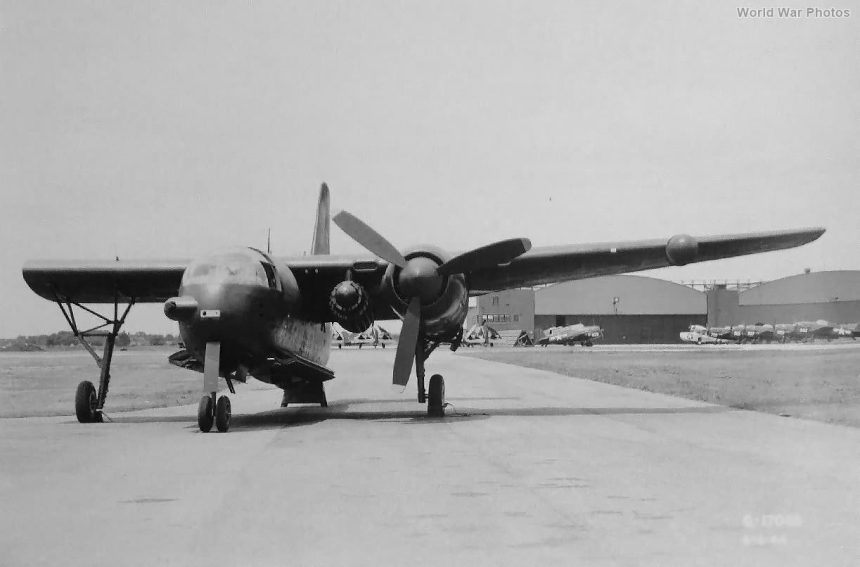

During WWII, the US Navy’s Bureau of Aeronautics wanted a new torpedo bomber to operate from its under-development Midway-class aircraft carriers. As a result, the bureau asked Grumman to submit its proposal for a carrier-based twin-engine aircraft. Grumman submitted a preliminary proposal and a detailed design for Design 55, later called Grumman XTB2F, on December 21, 1942, and March 19, 1943, respectively. On August 6, 1943, the Bureau of Aeronautics decided to buy two XTB2F prototypes. The bomber was intended to be a successor to the successful TBF Avenger.
Design of Grumman XTB2F
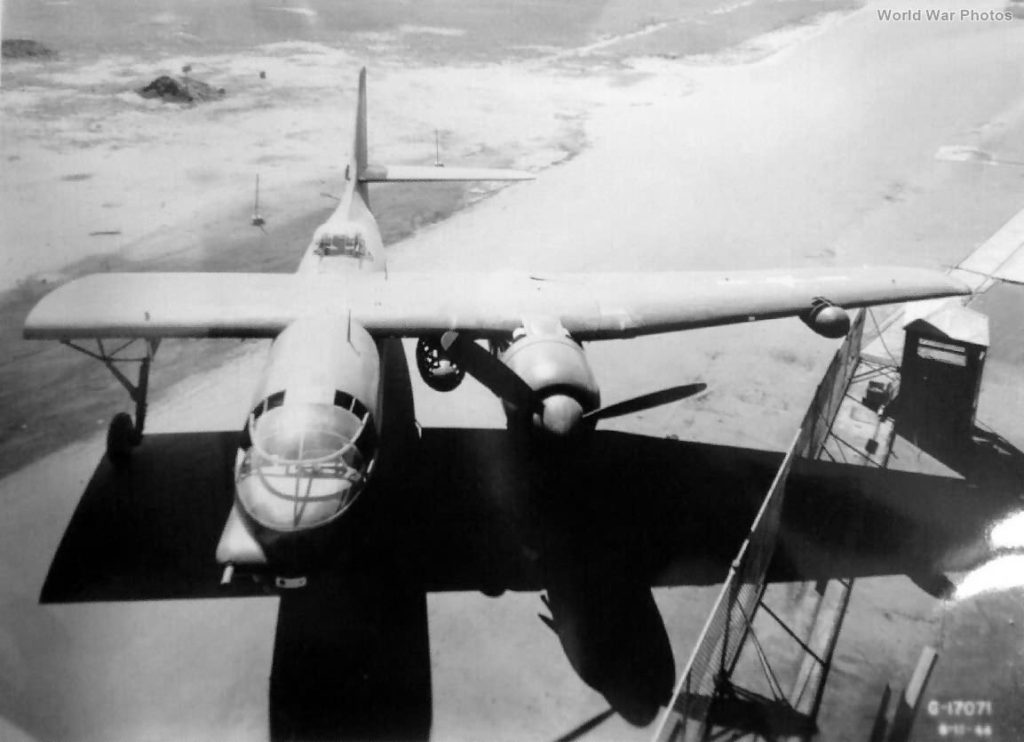
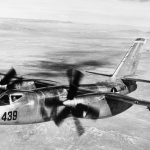
By 1944, Grumman had developed the three-crewed XTB2F mockup. It was 52 feet long, 17 feet high, with a wingspan of 74 feet and a folded span of 36 feet. The bomber’s maximum takeoff weight was 43,937 pounds, and its fuel capacity of 1,960 US gallons was intended to provide it with a ferry range of 2,707 miles. The Grumman XTB2F was powered by two Pratt & Whitney R-2800-22 Double Wasp radial engines, each producing 2,100 horsepower. The maximum speed of the bomber was estimated at 312 mph, with a stall speed of 71 mph and a service ceiling of 31,600 feet. It could be armed with a 75 mm cannon, eight 12.7 mm machine guns, six forward-firing, one in the dorsal, and one in the ball turrets. It could carry a Mark 13 torpedo or 3,500 pounds of bombs/mines. To help the pilot see clearly during takeoff and landing, the cockpit was placed at the front of the aircraft, which also has a nosewheel landing gear. In May 1944, Grumman completed the mockup of their new aircraft for inspection by the US Navy.
The Cancellation
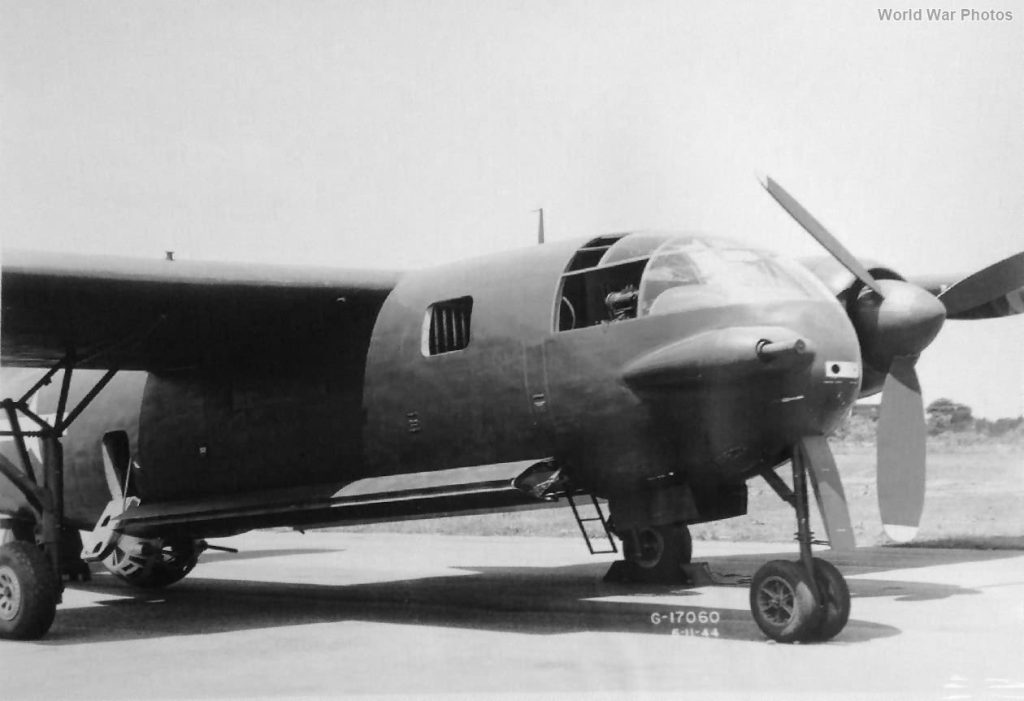
Within a month, the Navy realized that the Grumman XTB2F did not meet its needs and canceled the request on June 14, 1944. The aircraft was canceled because the mockup committee found it too heavy and large to operate from Midway-class aircraft carriers. However, after the Grumman XTB2F was canceled, the company used lessons from the XTB2F to develop the single-engine XTB3F, which later became the AF Guardian, which was the first purpose-built anti-submarine warfare carrier-based aircraft to enter service with the US Navy. In addition, the aerodynamic shape and twin engines of the Grumman XTB2F influenced the development of the Grumman S-2 Tracker, which became the US Navy’s first aircraft specifically designed for anti-submarine warfare. It was also modified for use in aerial firefighting. The cancellation of XTB2F also provided important information about the limits of flight decks and catapults, which helped engineers set the maximum size and weight limits for future carrier aircraft. In the Grounded Dreams series, the Grumman XTB2F was itself canceled, but it paved the way for many other aircraft. Read more Grounded Dreams articles HERE.
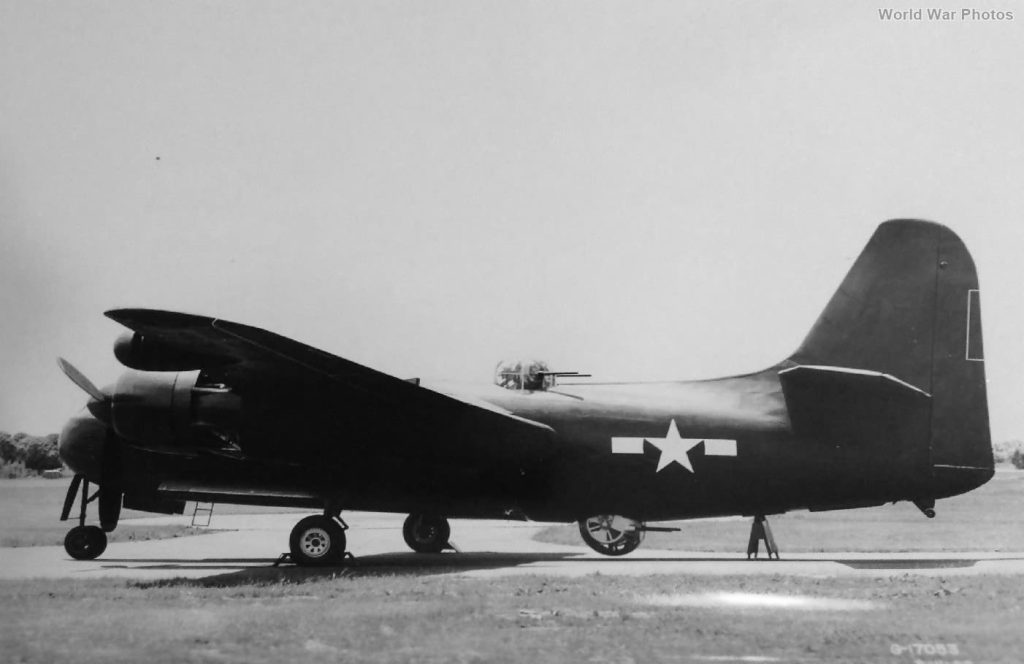









This aircraft; had it gone into production, would’ve been a bear to handle on the carrier, inspite of how large the Midway boats were, and this aircraft was a victim of the Navy wanting larger bomber than the existing Avenger,which resulted in an aircraft that, in some ways was more of a medium bomber, rather than a carrier based torpedo bomber. Also, this was the only carrier based bomber with a ball turret in the belly, along with twin gun dorsal turret, plus the nosed mounted 75mm gun, and the unusual flight deck placement, made for an unusual, but, unique looking bomber.