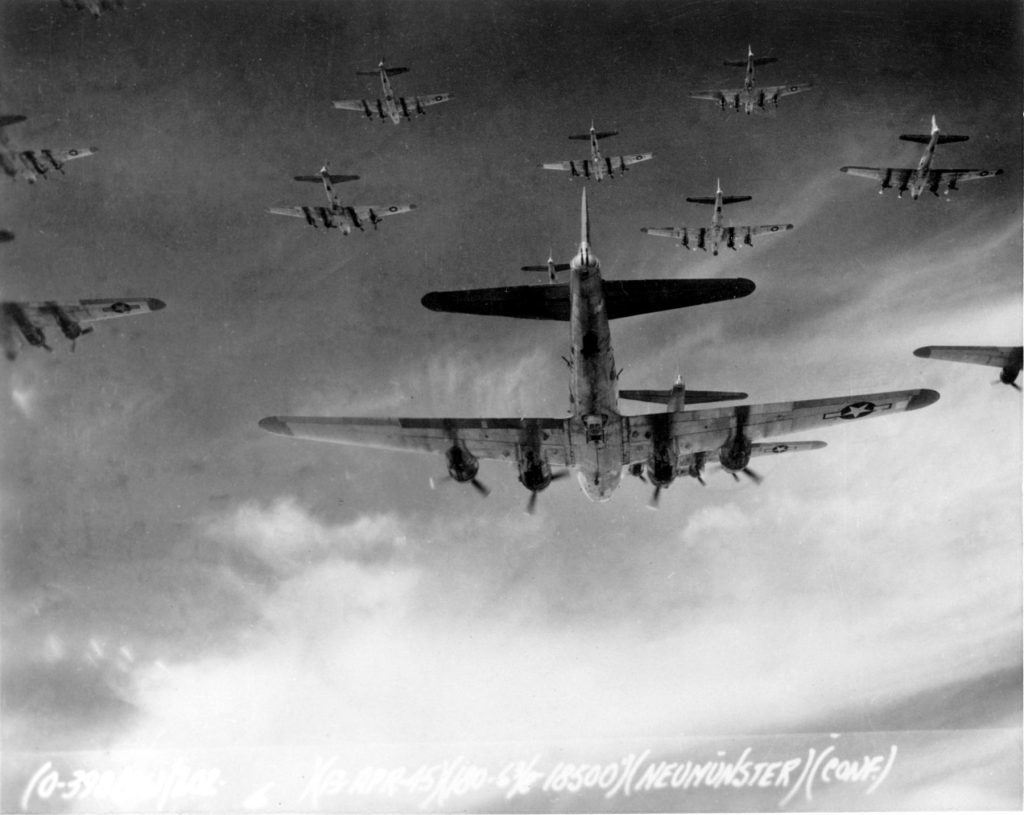
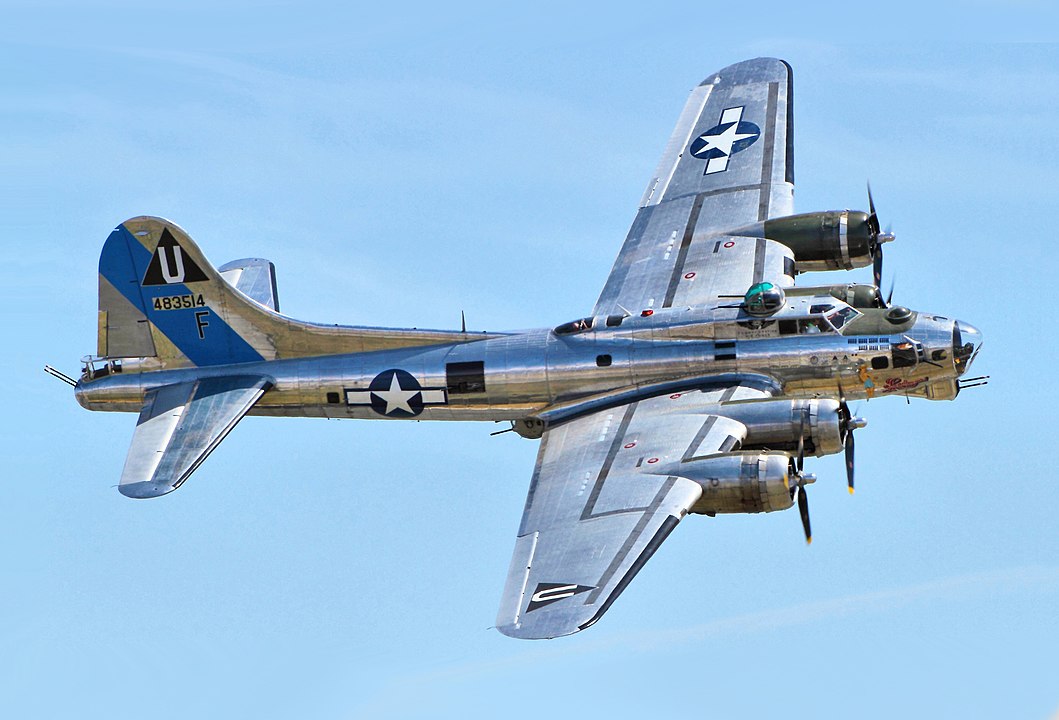

On this day in aviation history, 85 years ago (July 8, 1941), the Boeing B-17 Flying Fortress completed its first combat mission. Three B-17 Mk.1s of the Royal Air Force took off from their base at RAF Watton with sights set on Wilhelmshaven, Germany. This first mission of the B-17 was a daylight raid, with the bombers flying at 30,000 feet. En route to the target, one of the Forts encountered engine issues and diverted to a secondary target. The other two B-17s continued to the primary target. At 30,000 feet of altitude, the crews of the B-17s reported that the defensive machine guns had jammed due to the below-freezing temperatures of -49 degrees Fahrenheit. Upon conclusion of the bombing raid, all three B-17 Mk.1s safely returned home. The mission itself was ineffective but showed “proof of concept” for future missions with the Flying Fortress.
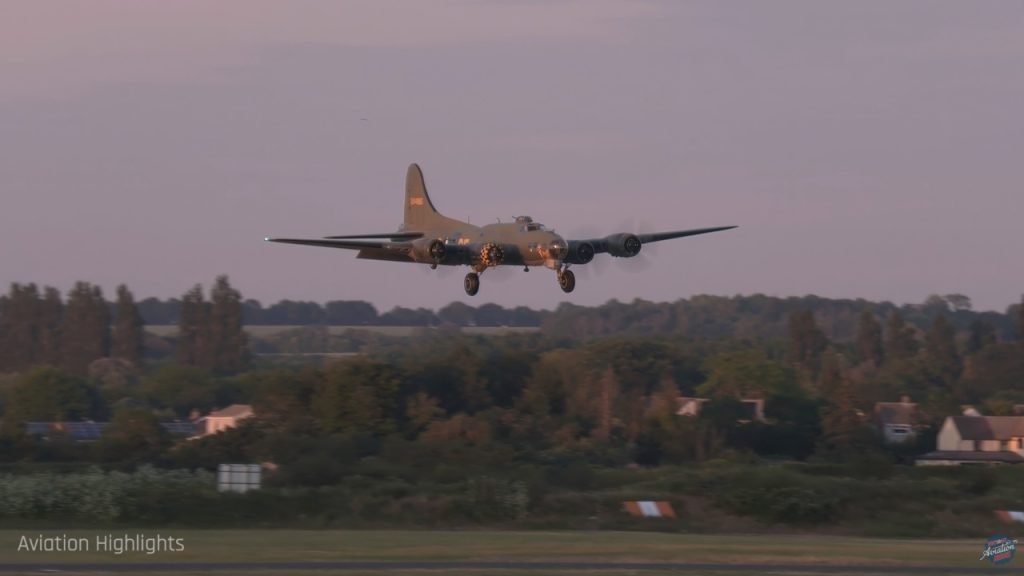
The Royal Air Force’s Fortress Mk.1 was equivalent to the Boeing Model 299H, the same as the USAAC B-17C. Boeing re-designated the airframe as the 299T after transfer to the RAF. A total of 38 299H/Ts were manufactured by Boeing, with 20 being transferred to the RAF. The RAF lost 8 Fortress Mk.1s to either combat or accidents. Four 1,380-horsepower Wright Cyclone R-1820-65 nine-cylinder radial engines powered the Fortress Mk.1, which had a maximum airspeed of 323 miles per hour. The Mk.1’s service ceiling was 37,000 feet, and its range was 3,400 miles. Armament on the Fortress consisted of 4,800 pounds of bombs, a 0.30-caliber Browning machine gun in the nose, and four Browning AN-M2 0.50-caliber machine guns in the dorsal, ventral, and waist positions.