
While the Boeing 747 is still flying and is not yet considered a vintage aircraft, at Vintage Aviation News we make exceptions for a select few airframes that are so iconic and historically significant they warrant special attention. The Boeing 747, in any variant, certainly qualifies—and so do aircraft that have played a critical role in advancing aviation technology. We have previously celebrated these machines in several features across our website, and the following article is no exception.
By Dan Rivera
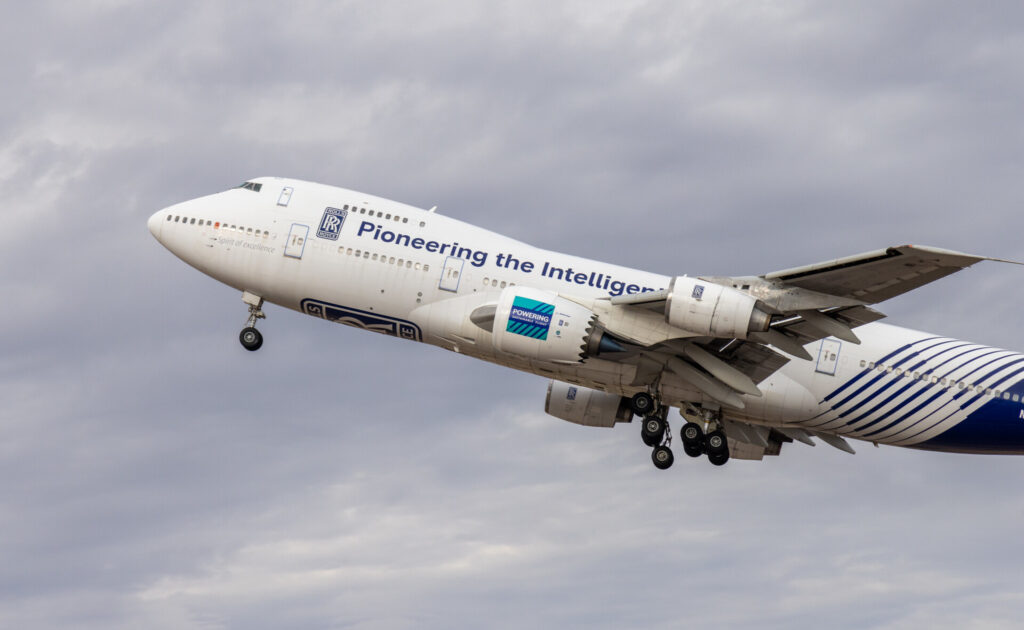
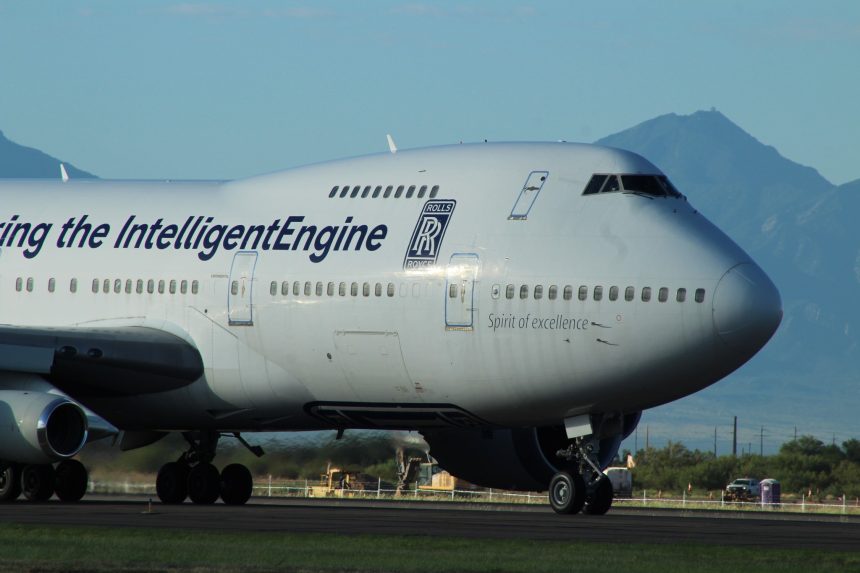
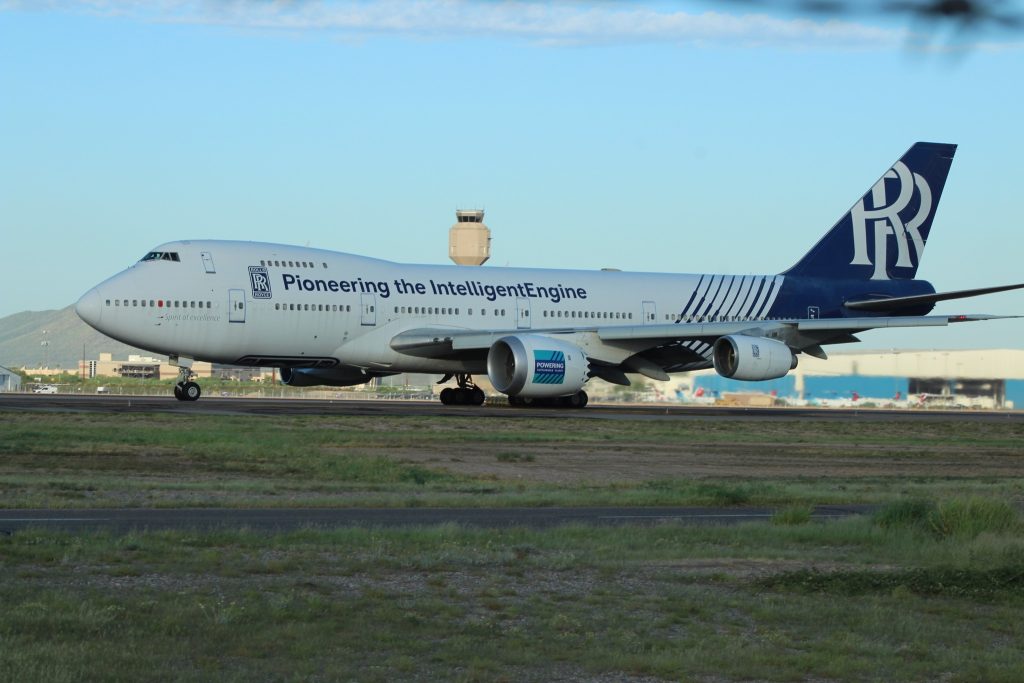
On July 9, 2025, Rolls-Royce officially retired its much-loved Boeing 747-200 flying testbed, registered N787RR, concluding nearly two decades of in-flight engine development and evaluation. Nestled at its base at Tucson International Airport, this aerial laboratory played a pivotal role in shaping the next generation of jet propulsion, and its legacy will endure.
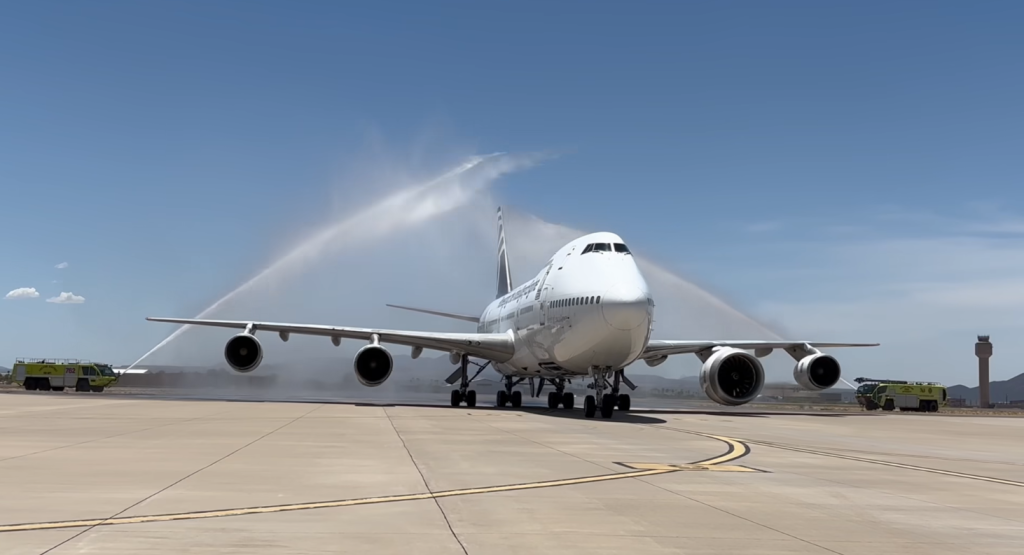
Built in 1980 for Cathay Pacific, the aircraft began its life as VR-HIA before passing through Air Atlanta Icelandic and ultimately being acquired by Rolls Royce in June 2005. Re-registered as N787RR, it was refashioned into an engine testbed—stripped of passenger fittings and equipped with instrumentation, recording stations, and a custom mounting configuration to support up to five engines simultaneously. Choosing the four-engine 747-200 allowed Rolls Royce to safely mount experimental powerplants—such as the Trent 1000 or Pearl 10X—under one wing while maintaining redundancy with the remaining three certified engines. Over its operational lifespan, N787RR became synonymous with test flight innovation. In October 2023, the testbed flew a Trent 1000 engine powered by 100% sustainable aviation fuel (SAF), covering nearly four hours, reaching 43,000 ft, and completing a figure-eight flight path over Arizona and Texas. This demonstrated both long-duration reliability and the viability of SAF in real flight conditions. Beginning March 29, 2024, Rolls Royce used N787RR to conduct flight testing of the Pearl 10X, developed for the Dassault Falcon 10X business jet. Multiple test flights—including high-altitude trials up to 45,000 ft—validated engine performance, handling, anti-icing systems, in-flight relight capabilities, and fan vibration characteristics. By mid-2024, the engine had completed at least ten flights aboard the testbed.
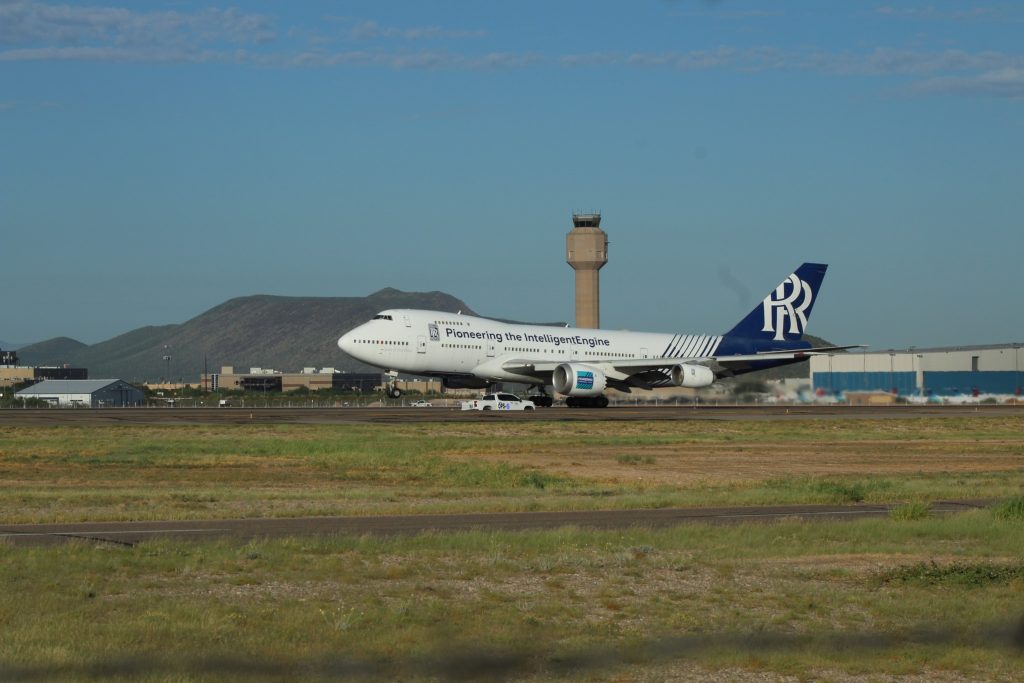
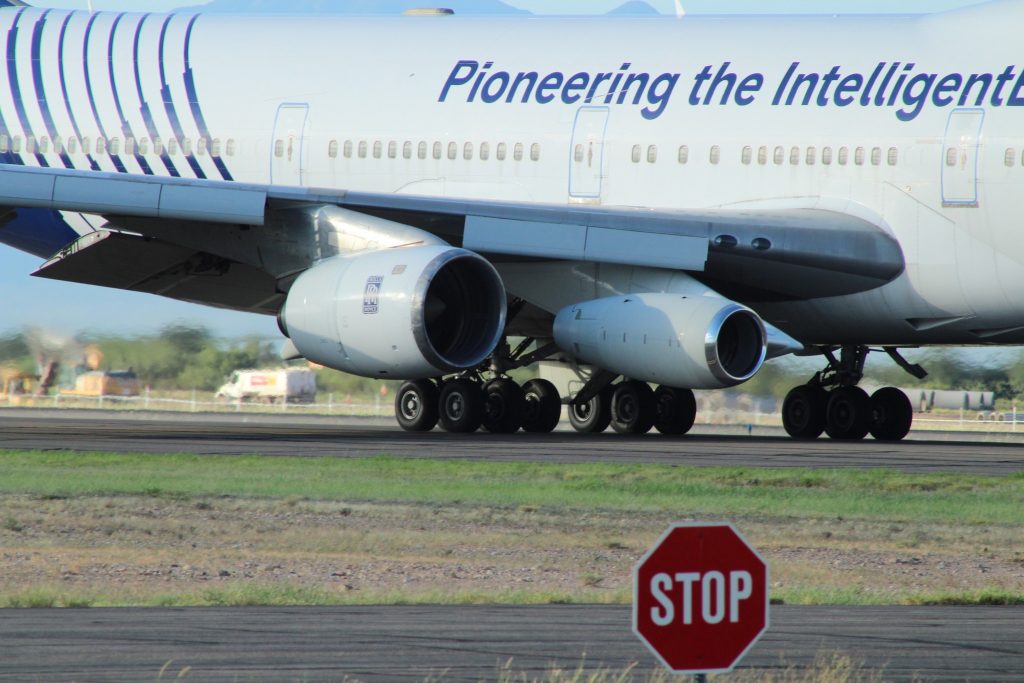
Over more than 20 years in service, the airframe successfully accommodated a variety of engine types. Its unique five-engine configuration provided unparalleled flexibility for testing both commercial widebody engines and smaller business jet powerplants. Inside aviation circles, the aircraft earned affection for its mission, often spotted at Tucson International. Hobbyists noted the unique registration “N787RR” and the unusual configuration with three certified engines on one wing to counter the thrust of the test engine.
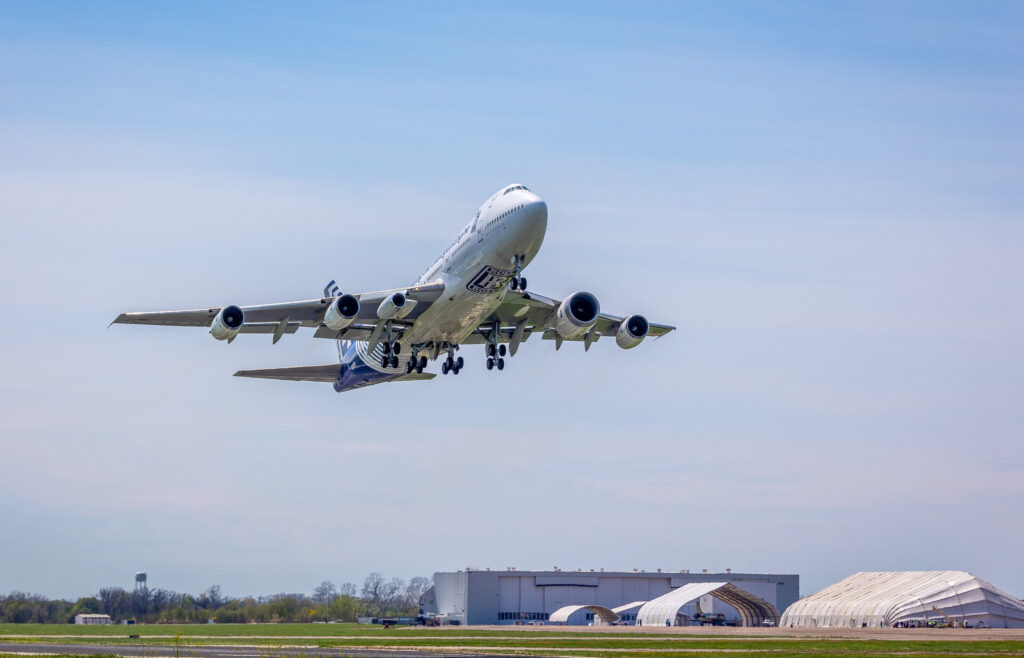
As Rolls Royce accelerates development of future engines—such as UltraFan, ALECSys, and potential hydrogen compatibility platforms—the aging 747-200 airframe has reached its operational limits. While it has flown an average of about 25 flights per year, each sortie incurs high support and maintenance costs associated with an almost 45-year-old airframe. Moreover, the company’s plan to convert a newer 747-400 (registered N747RR) into a modern flying digital testbed was shelved in 2022 due to the impact of the COVID-19 pandemic, which curtailed engine development scheduling and reduced demand for an expanded flight testing fleet. With those plans canceled, Rolls Royce made the strategic decision to decommission N787RR and refocus flight testing on alternative platforms or ground-based facilities where feasible.
N787RR leaves behind a legacy of critical achievements. It pioneered real-world SAF usage, proving sustainable fuels are flight-worthy for modern turbofans. It enabled early validation of the Pearl 10X, accelerating a class-leading engine destined for the Falcon 10X. It also provided unmatched flexibility in testing multiple engine types, from Trent widebody models to business jet engines—all on one adaptable platform. Most importantly, it served as a workhorse for decades, bridging generations of Rolls Royce engine programs and elevating the company’s global test capabilities.
While N747RR—the Boeing 747-400 acquired from Qantas in late 2019—is no longer being converted and will be scrapped, Rolls Royce continues to explore its remaining testbed operations on other platforms. The company’s focus now shifts to preparing for UltraFan’s entry into flight testing once demand arises, as well as potential hydrogen fuel engine trials. In the future, data-intensive ground test rigs and flight simulators may take on larger roles. However, for the era it served, N787RR embodied the art of faithfully reproducing flight conditions in real time—and its absence will be felt in the test hall and the skies alike.
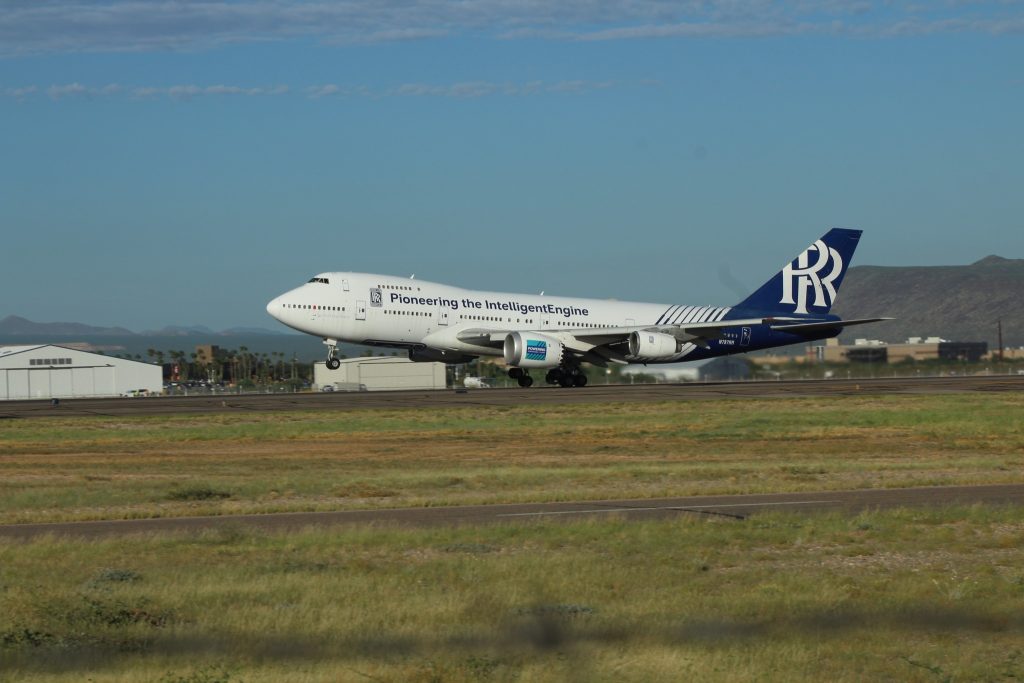
Over an operational span exceeding 18 years, metering thousands of flight hours, N787RR proved indispensable to Rolls Royce’s journey from Trent to Pearl—and toward UltraFan and beyond. Its retirement marks the end of a venerable chapter in aviation testing, but the data, engineering lessons, and innovations it delivered continue to power the future of more sustainable, efficient jet engines. As the curtains close on the Boeing 747-200 flying testbed, its contribution to modern aerospace stands as a testament to what an adaptable mid-life transformation can achieve—and what in-flight testing still offers in an ever-changing aeronautical landscape.