

(Image credit: VAN)
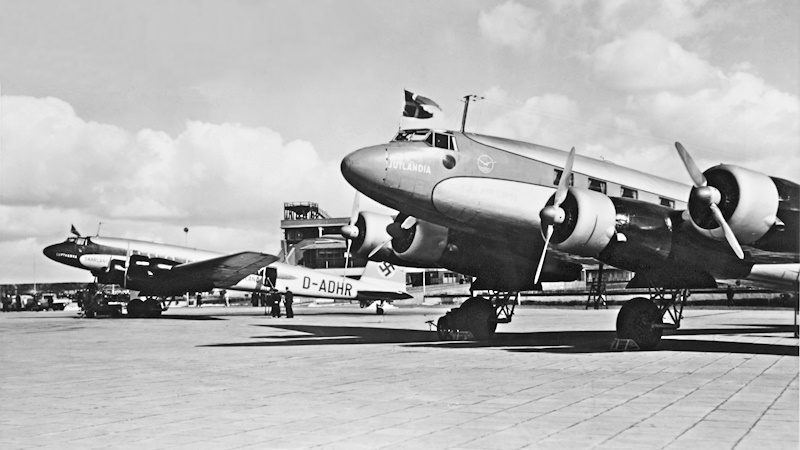
On July 27, 1937—88 years ago today—the Focke-Wulf Fw 200 Condor took to the skies for the first time. Known as the Kurier (“Courier”), the Fw 200 was a large, four-engine, all-metal monoplane originally designed as a civilian airliner for Deutsche Luft Hansa and Brazil’s Syndicato Condor. The Fw 200 achieved a notable milestone early in its career, becoming the first heavier-than-air aircraft to complete a non-stop flight from Berlin to New York City—covering over 4,000 miles.
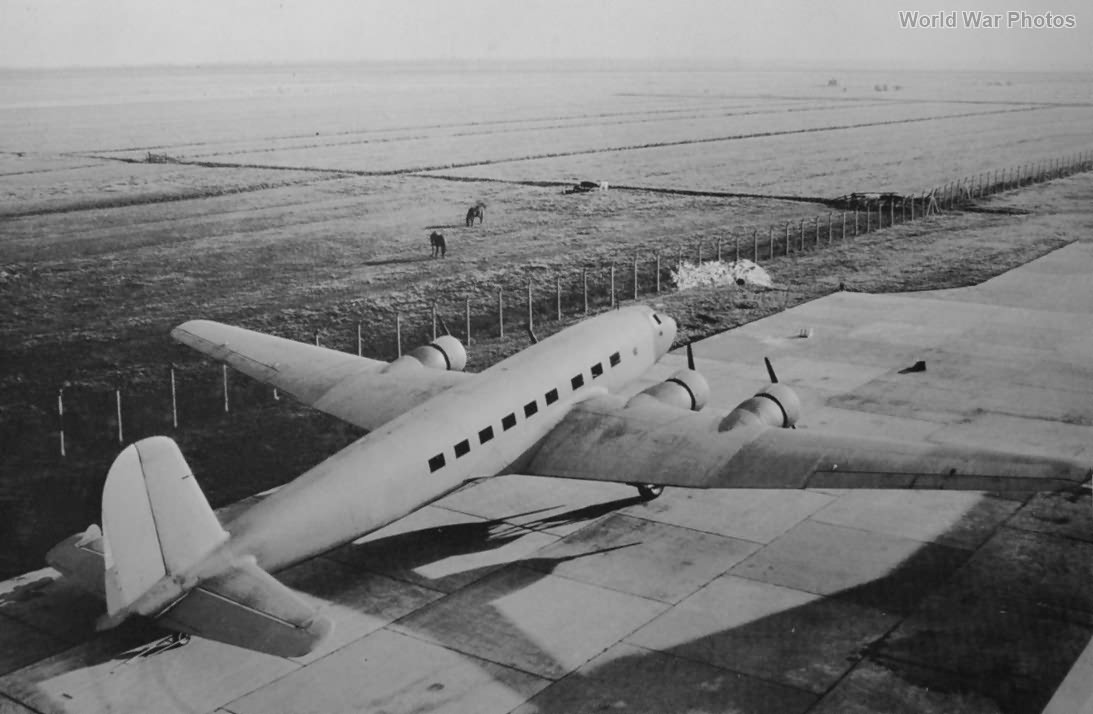
As tensions escalated leading into World War II, the Fw 200 was quickly adapted for military service. Initially modified at the request of the Imperial Japanese Navy as a long-range maritime patrol aircraft, the new variant was soon adopted by the Luftwaffe. It proved a versatile asset in roles such as long-range reconnaissance, anti-shipping missions, and maritime patrol. Several were also configured as personal transport aircraft for Adolf Hitler and other high-ranking German officials.
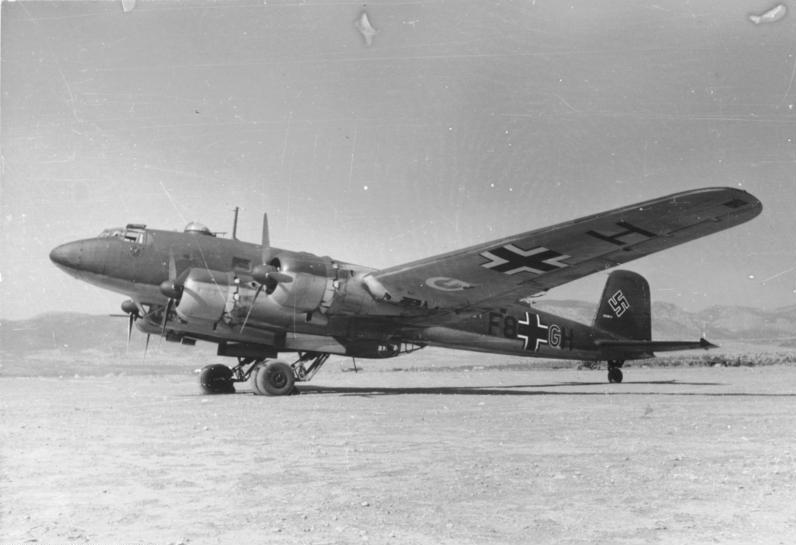
One of the most recognized variants, the Fw 200 C-3/U4, was powered by four 1,085-horsepower Bramo 323R-2 nine-cylinder radial engines. It cruised at 208 mph with a top speed of 240 mph, a service ceiling of 20,000 feet, and a range of 1,920 nautical miles. The Condor typically carried a crew of five and could transport up to 30 fully armed troops. The bomber version could carry 2,200 pounds of bombs internally or up to 11,900 pounds externally on four underwing racks. Defensive armament included multiple MG 15 and MG 131 machine guns mounted in various positions.
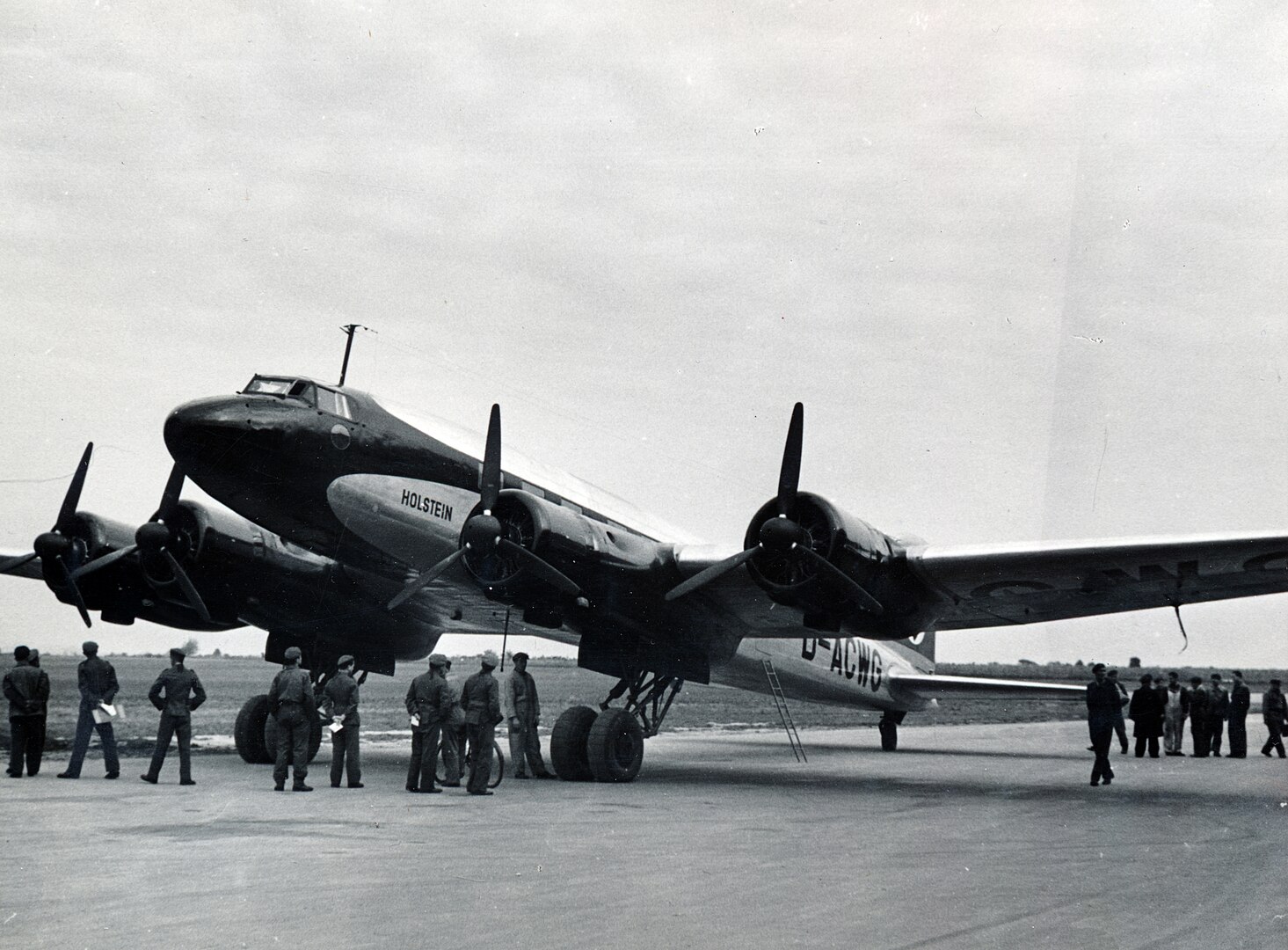
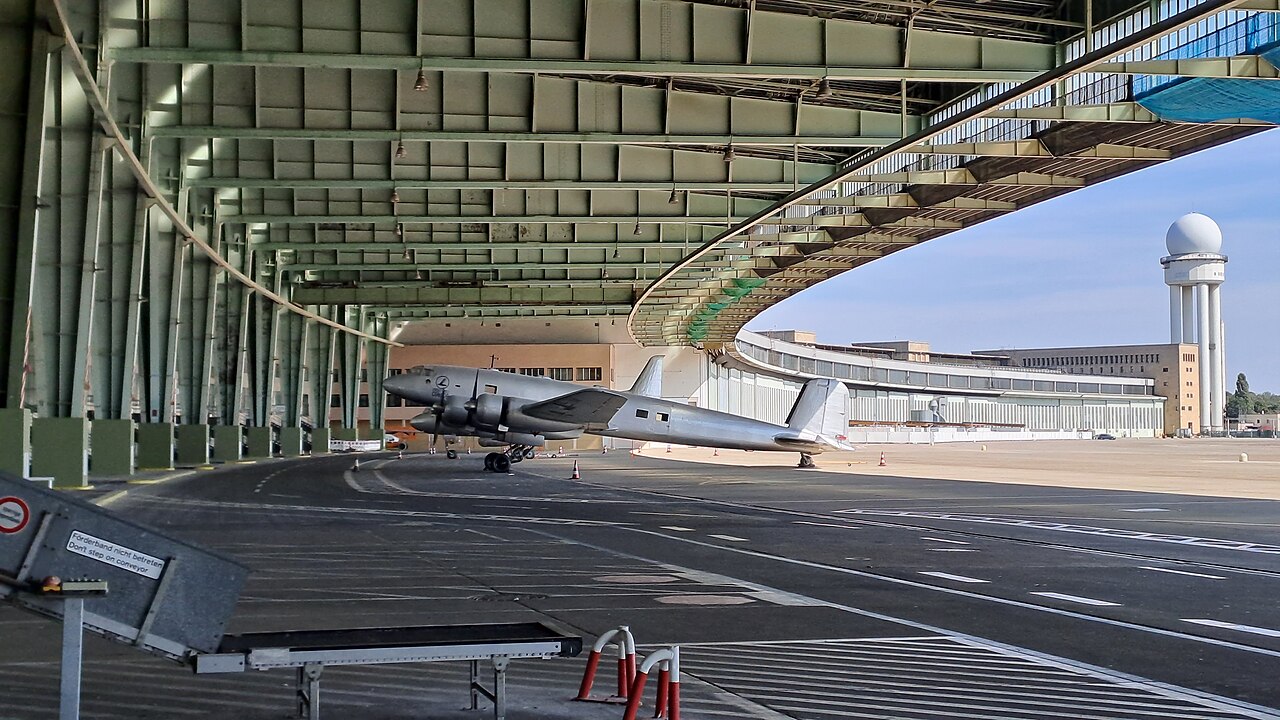
Between 1937 and 1944, a total of 276 Fw 200s were built. Today, only one complete example survives. This particular aircraft crashed into Norway’s Trondheim Fjord in February 1942 and was recovered from the seabed on May 26, 1999. The heavily corroded remains were transported to Airbus in Bremen, Germany, where a painstaking 22-year restoration effort began. To complete the aircraft, wings from another Fw 200 wreck were recovered after negotiations with local Norwegians, who had preserved the wreckage as a war memorial.
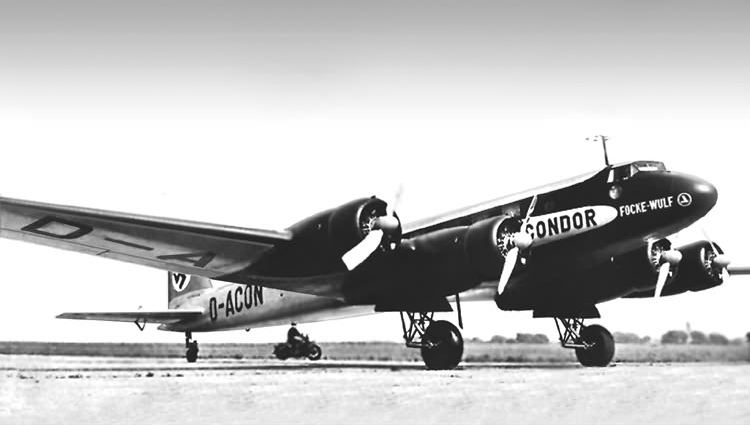
In June 2021, the fully restored Fw 200 Condor was unveiled to the public at Hangar 7, located at Berlin Tempelhof Airport—serving as a rare and evocative reminder of an aircraft that once ruled the skies in both civilian and military roles.