






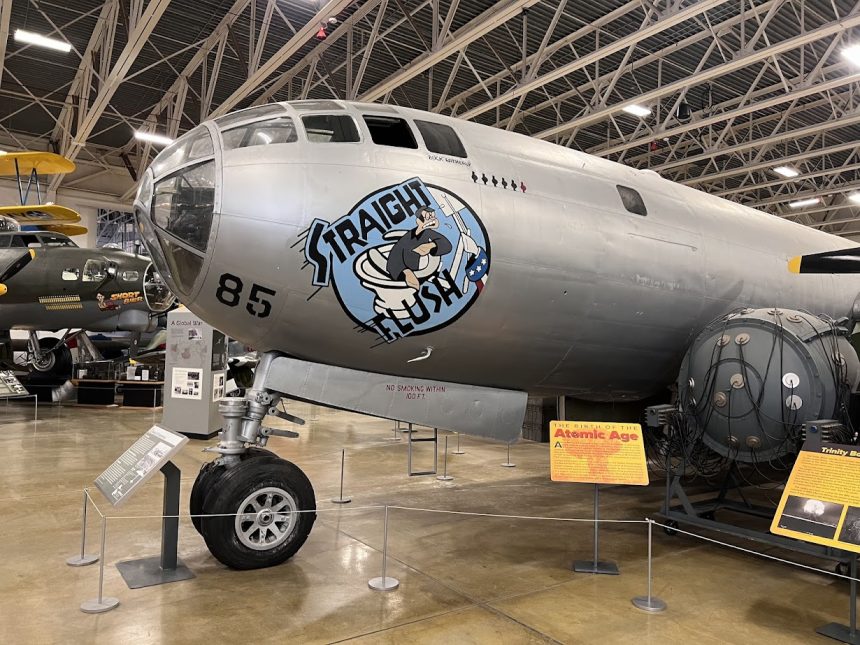

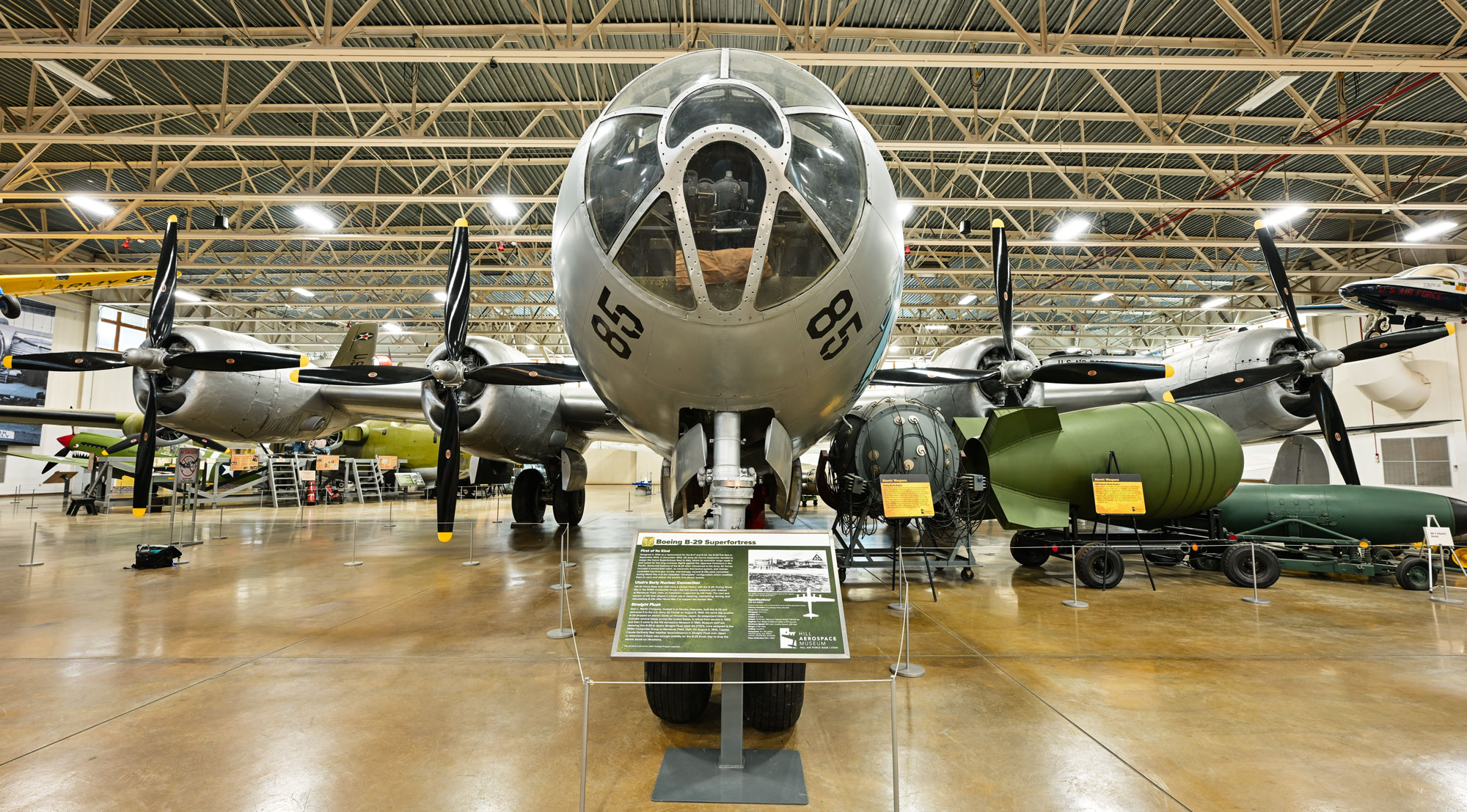
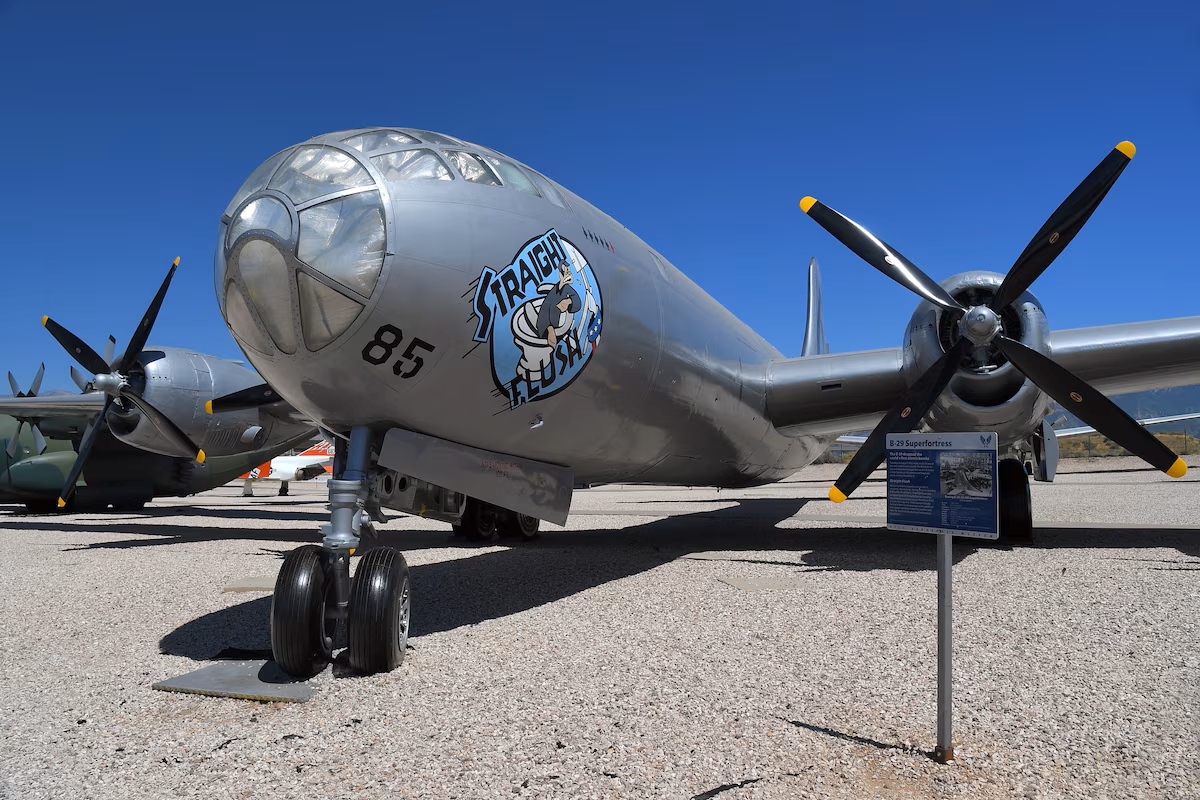
Inside the Major General Rex A. Hadley Gallery of the Hill Aerospace Museum in Ogden, Utah, museum volunteers have been hard at work on an aircraft at the center of the gallery: the museum’s Boeing B-29 Superfortress, displayed in the markings of “Straight Flush”, the B-29 that was flown as the weather reconnaissance aircraft for the atomic bombing of Hiroshima. The restoration not only gives visitors an up-close glimpse at the monumental undertaking required to restore a B-29 but also seeks to highlight the state of Utah’s contributions to both the development of the B-29 and the atomic bombing.
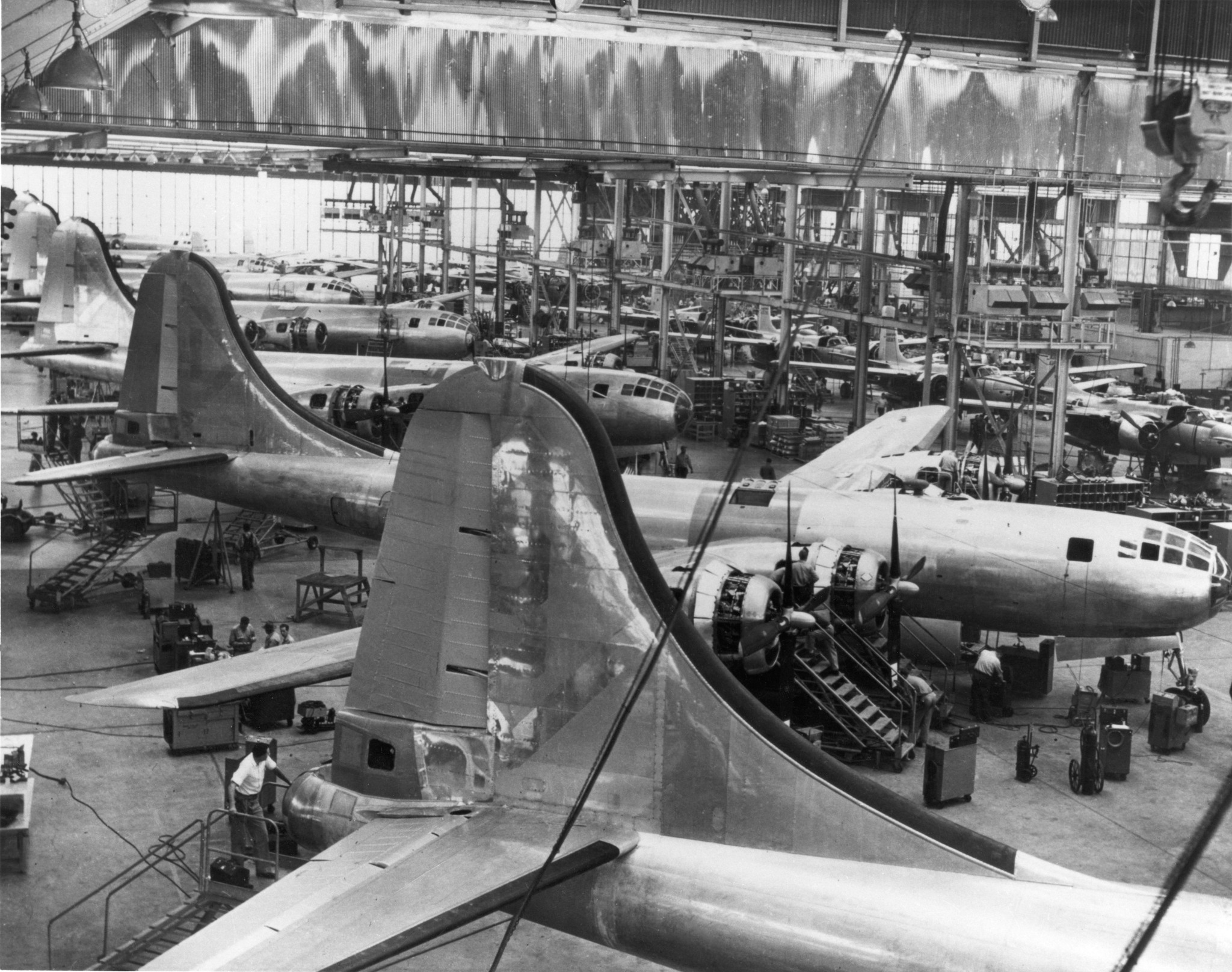
The aircraft on display at the Hill Aerospace Museum was manufactured under license from Boeing at the Glenn L. Martin plant in Bellevue, Nebraska, near Omaha, where it was delivered to the U.S. Army Air Force as serial number 44-86408 on August 6, 1945, the same day that another B-29 built at the Martin plant in Bellevue named Enola Gay dropped the atomic bomb “Little Boy” on Hiroshima. By this late point in the war, 44-86408 was assigned to the 4141st Army Air Force Base Unit (AAFBU) at Pyote Army Air Force Base, Texas. One month later, the aircraft was reassigned to the 4121st AAFBU at Kelly Field in San Antonio, Texas.
44-86408 remained with this unit until June 1948, when it was delivered to the 97th Bomb Group at Biggs Air Force Base, Texas. By 1949, 44-86408 was briefly assigned to the 4002nd Base Services Squadron at Campbell Field, Kentucky before going to the 43rd Bomb Group at Davis-Monthan Air Force Base, Tucson, Arizona from August 1949 until its transfer to the 9th Bomb Wing at Fairchild-Suisun AFB (now Travis AFB), California in August 1950. While other B-29s were flown across the Pacific to Japan at the onset of the Korean War, 44-86408 was one of many other B-29s that remained stateside, spending the war at Travis.
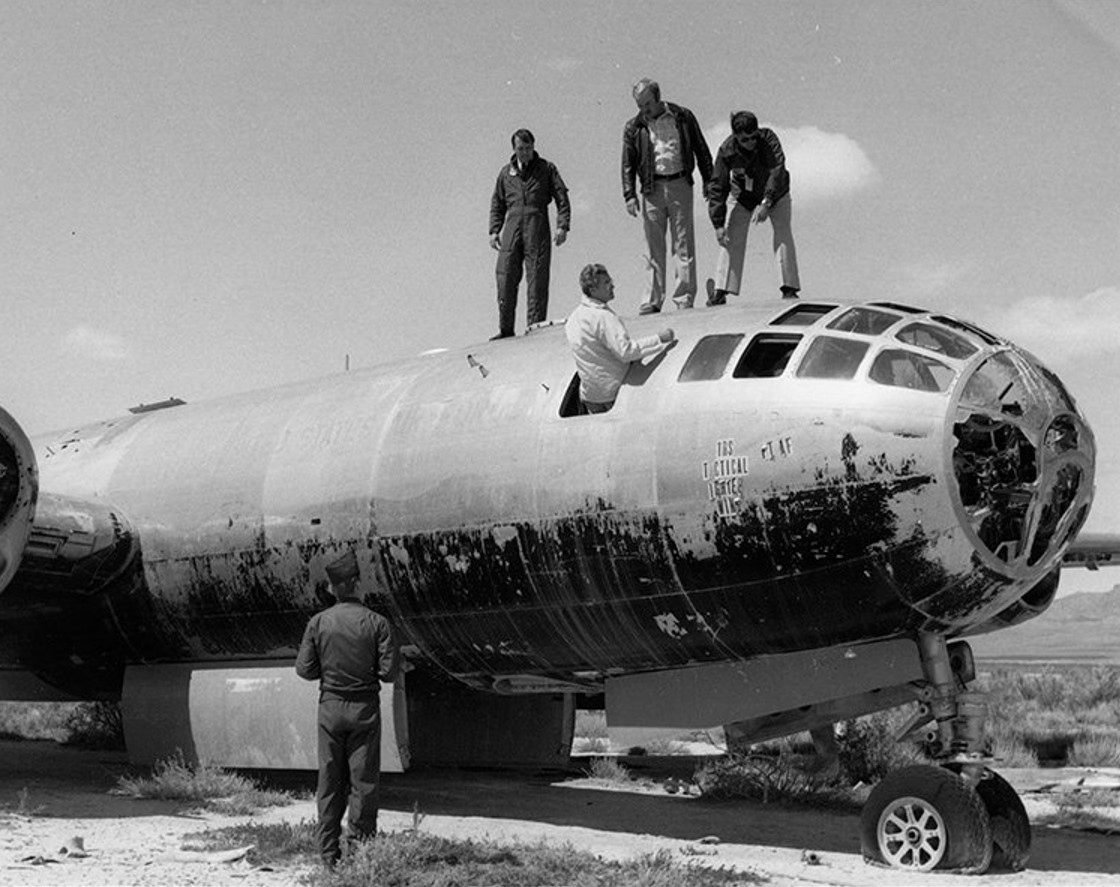
By the end of the Korean War, many of the remaining B-29s in the USAF were relegated to being ground targets for weapons systems. In the case of 44-86408, it was briefly re-assigned to the Wright Development Center at Wright-Patterson AFB, Ohio in May 1953 before being sent to the 6750th Chemical and Ordnance Test Group of the Air Research and Development Command at Hill AFB, Utah. Subsequently, the aircraft was stricken from the U.S. Air Force’s inventory on November 16, 1953, and transferred to Dugway Proving Ground via Michael Army Airfield to be used as a target for chemical weapons testing. For the next 30 years, 44-86408 sat under the desert sun and was further subjected to a wide array of chemical agents, with specialists recording the effects of these agents on the airframe.
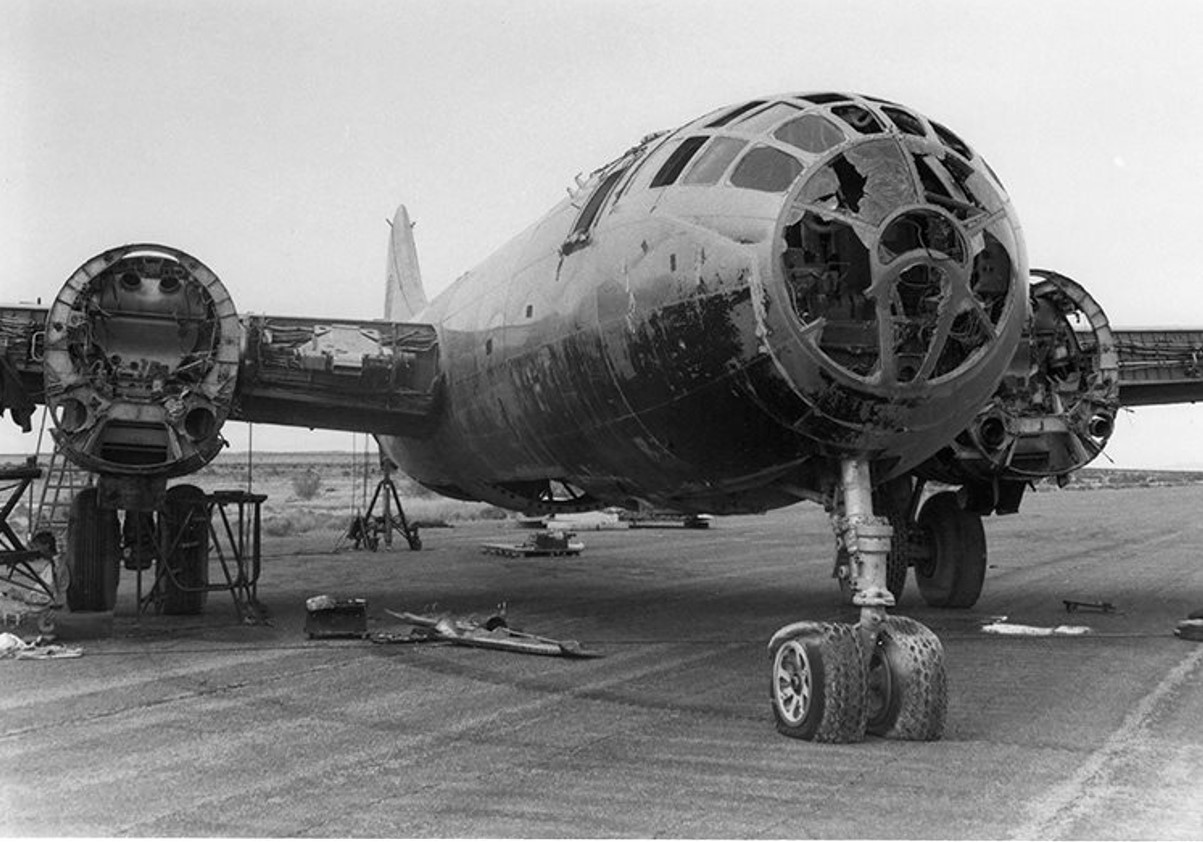
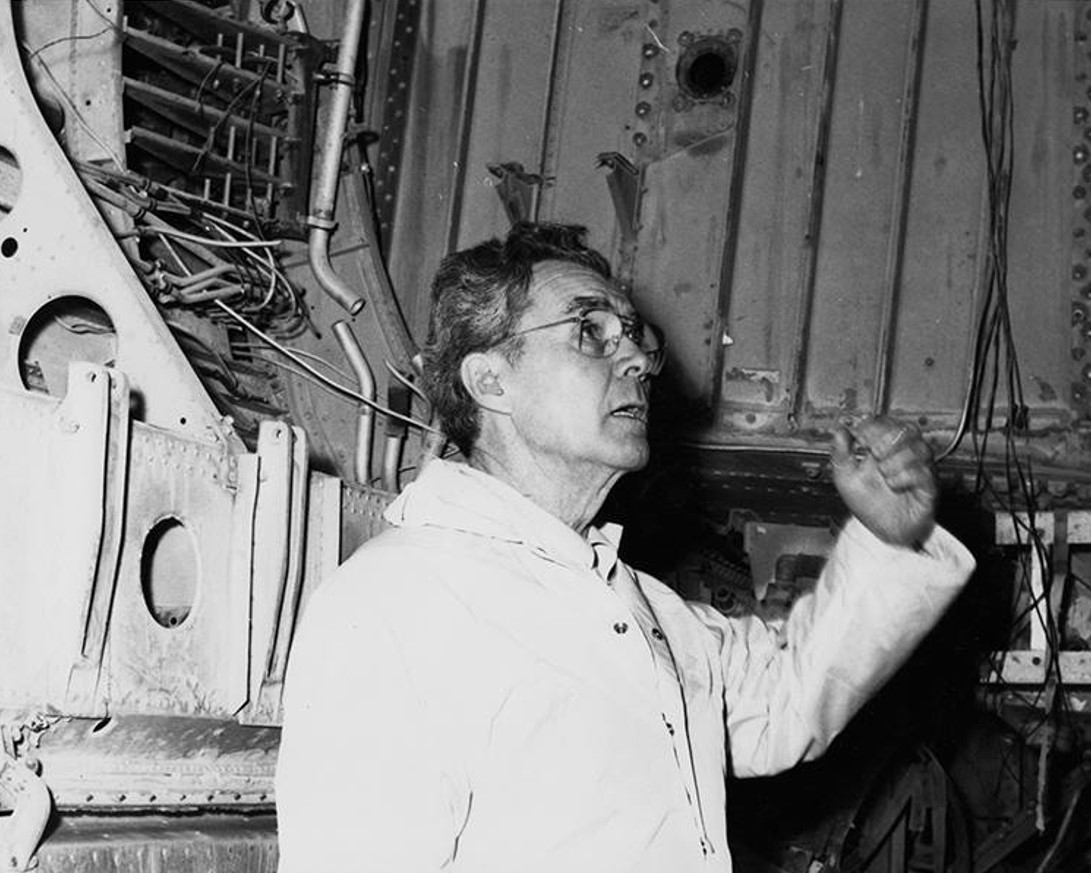
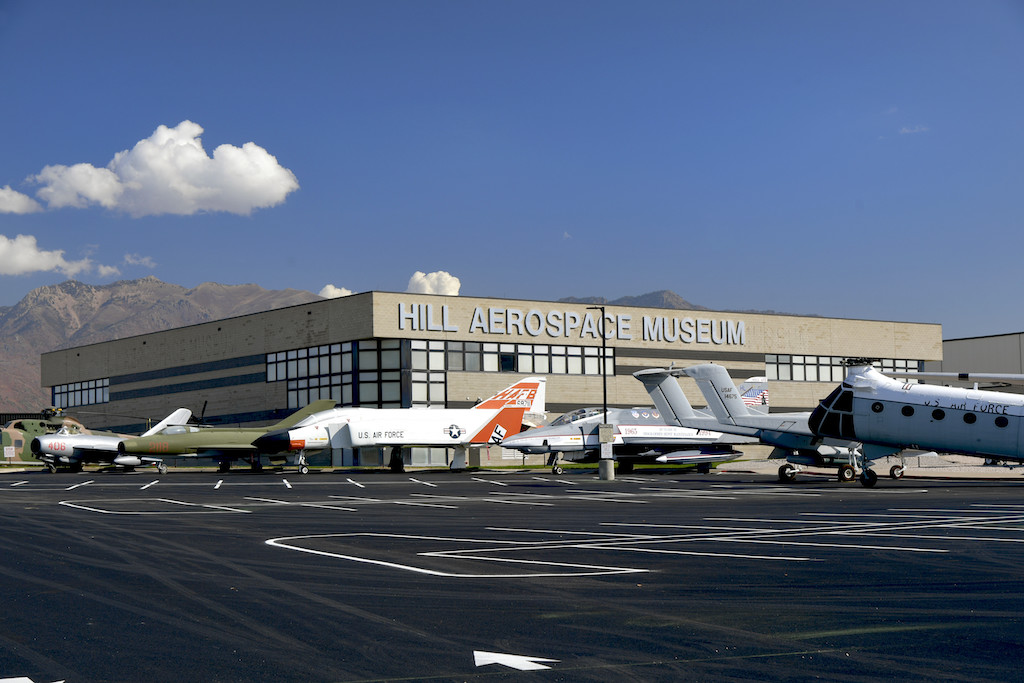
With the efforts to save B-29s from other weapons ranges such as the Aberdeen Proving Ground or Naval Air Weapons Center China Lake, 44-86408 soon came to prominence to the-then nascent Hill Aerospace Museum. In the fall of 1983, the aircraft was decontaminated and was subsequently disassembled by members of the 2952nd Combat Logistics Support Squadron for transport by truck to Hill Air Force Base. After it was reassembled, the aircraft was placed on outdoor display in 1986 with the name Haggarty’s Hag placed on the aircraft and was fitted with replica gun turrets for the fuselage. However, exposure to the elements, particularly the snow in the Utah winters, took their toll on B-29 44-86408, which would receive further restoration work when needed.
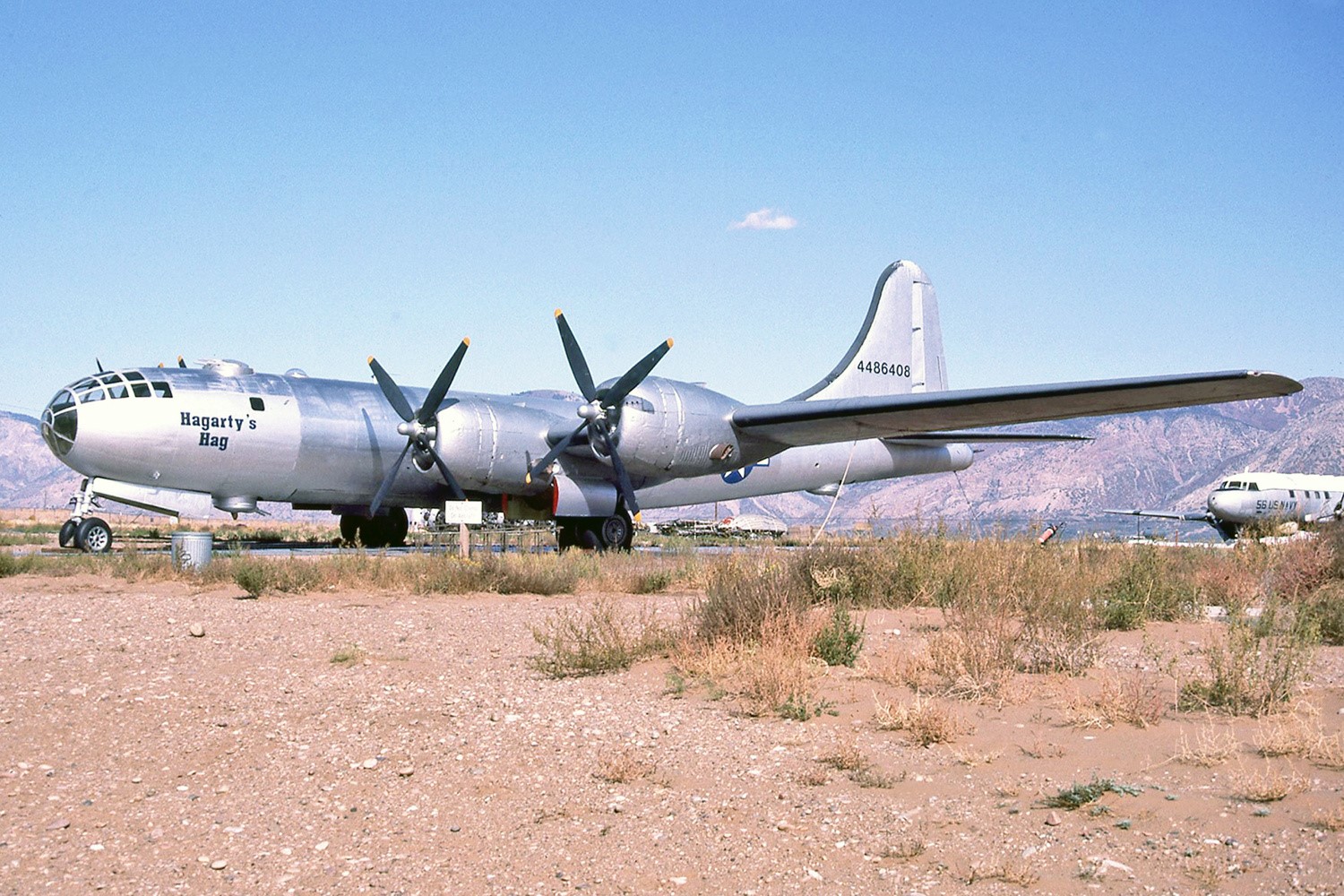
In 2015, the Hill Aerospace Museum decided to repaint Hagarty’s Hag in the colors of the weather reconnaissance aircraft used during the atomic bombing of Hiroshima on August 6, 1945: the B-29 Straight Flush. This decision was made in line with the museum’s recent efforts to highlight the Beehive State’s contribution to the Manhattan Project during WWII. Nearly 110 miles west of the Hill Aerospace Museum sits Wendover Airport on the Utah-Nevada Stateline, which was constructed as Wendover Army Airfield in 1940. After Pearl Harbor, Wendover became a primary training field for B-17 and B-24 crews to learn aerial bombing and gunnery.
On September 1, 1944, the 509th Composite Group arrived at Wendover with their specially-modified B-29s (codenamed Silverplate) and Douglas C-54 Skymaster transports, and the Silverplate B-29s of the 393rd Bomb Squadron used the base for training flights, which included bombing trials with pumpkin bombs, conventional high-explosive bombs similar in appearance to the Fat Man bomb eventually dropped on Nagasaki. The Silverplate B-29s were also flown from Wendover on long-range training missions to simulate the distances from Tinian to Japan and back, with flights to the Naval Ordnance Test Station at Inyokern, California (now Naval Air Weapons Station China Lake) and Naval Auxiliary Air Station Salton Sea.

Like B-29 44-86408, the original Straight Flush, B-29-36-MO 44-27301, was built at the Glenn L. Martin plant in Bellevue. While still on the production line, then Lt. Col. Paul W. Tibbetts, Jr. selected 44-27301 and 14 other B-29s for conversion to the Silverplate standards. This being accomplished, 44-27301 was flown to Wendover Field on April 2, 1945, and was used for flight training with Crew C-11 under the command of Captain Claude Eatherly. On June 8, 1945, 44-27301 departed from Wendover AAF and arrived at North Field, Tinian on June 13. There, the aircraft was assigned the Victor number 85 and painted with the triangle N of the 444th Bomb Group to deceive Japanese intelligence reports. The crew named their aircraft Straight Flush, purportedly because of Eatherly’s penchant for gambling. However, the famous nose on Straight Flush would not be applied until after the bombing of Nagasaki on August 9, 1945.
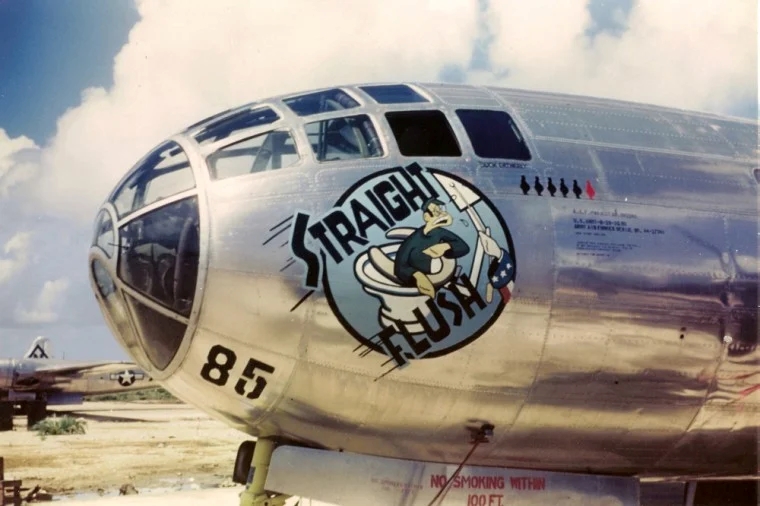
In July 1945, Straight Flush would fly four combat missions over Japan, dropping pumpkin bombs on industrial sites in Tokyo on July 20, Otsu on July 24, Tsugawa on July 26, and Maizuru on July 29, with the last mission being flown by Crew C-15, under the command of Charles D. Albury. Straight Flush’s most notable mission would take place on August 6, 1945, when Eatherly and his crew flew out well ahead of Colonel Paul Tibbetts in the Enola Gay, in order to provide a weather report over the 509th’s primary target: Hiroshima. If cloud cover or smoke from nearby bombing raids was too thick over Hiroshima, the crew of Straight Flush was to update the weapon delivery aircraft (Enola Gay) on the conditions over any secondary targets.
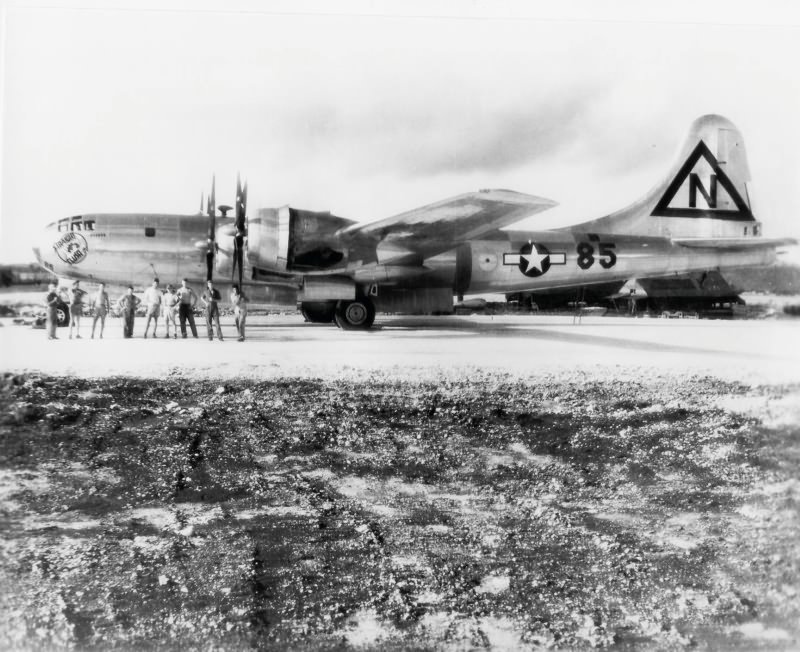
At just after 7am local time, Straight Flush was over Hiroshima, triggering the air-raid sirens across the city. With the Enola Gay still an hour from Hiroshima, they received a short message from Straight Flush, callsign Dimples 85: “Cloud cover less than 3/10th at all altitudes. Advice: bomb primary.” With that, Straight Flush turned for Tinian, and the all-clear signal in Hiroshima was given at 7:09am, with the Enola Gay less than one hour away.
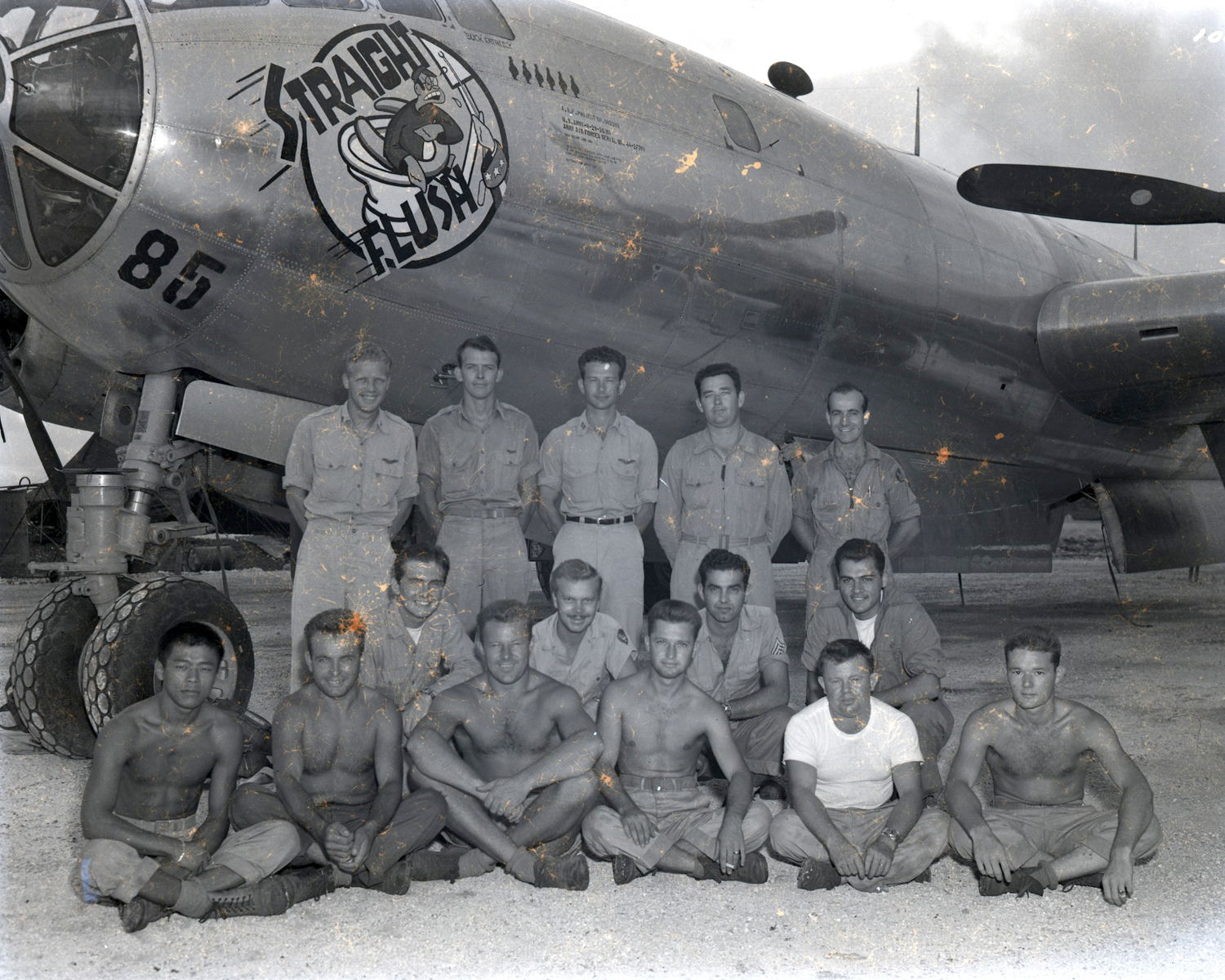
By the time of the Japanese surrender on August 15, 1945, Straight Flush flew 11 training missions and six combat missions, with its final pumpkin bombing mission taking place on August 14 against industrial sites in Koromo (now Toyota). In November 1945, Straight Flush returned to the continental United States, and remained with the 509th Composite Group for their new assignment at Roswell Army Air Field, New Mexico. From March to August 1946, it was sent to Kwajalein Atoll to participate in the Operation Crossroads nuclear tests before returning to Roswell.
Interestingly, Straight Flush would also serve with the 97th Bomb Group at Biggs Air Force Base, just as B-29 44-86408 displayed at the Hill Aerospace Museum had done, before 44-27301 was converted into a TB-29 trainer for radar evaluation by the Oklahoma City Air Materiel Area (OCAMA) at Tinker Air Force Base in April 1950. In 1953, the aircraft spent the remainder of its operational career at Elmendorf Air Force Base in Alaska, first with the 2nd Radar Calibration Squadron, then with the 5025th Maintenance Group. On February 16, 1953, the aircraft was flown from Elmendorf to 3040th Aircraft Storage Group at Davis-Monthan Air Force Base, Arizona, where Straight Flush was scrapped by July 14, 1954.
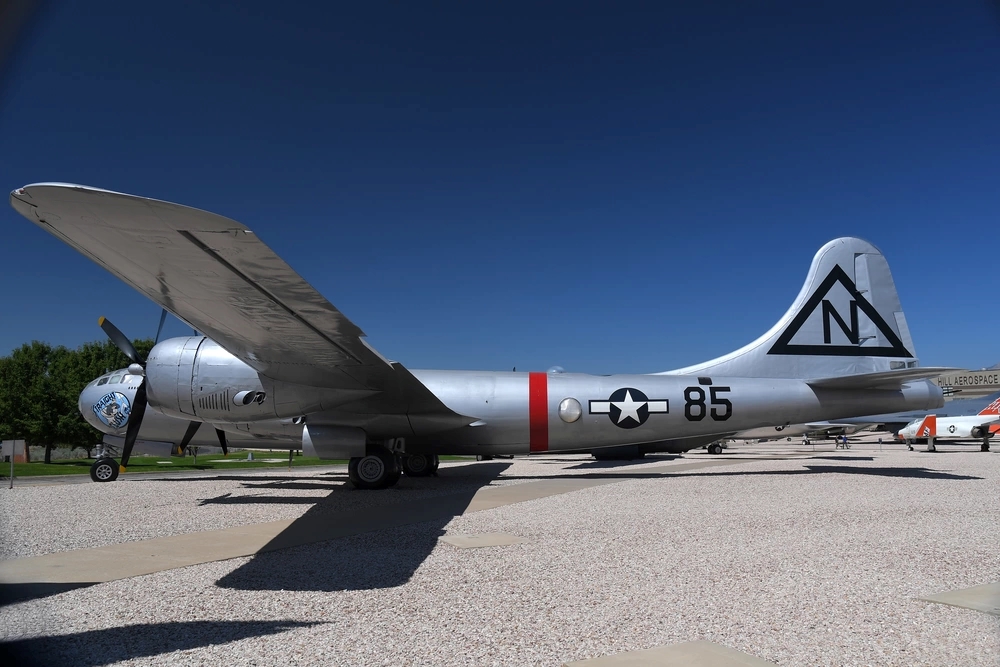
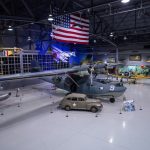
Turning back to B-29 44-86408 at the Hill Aerospace Museum, the aircraft has been inside the Hadley Gallery since 2023, and the aircraft’s move indoors has allowed for a more in-depth restoration that is taking place in a climate-controlled environment. Currently, the outboard sections of the wings have been removed, which helped the aircraft enter the hangar, but also provides an opportunity for these sections to be brought into the museum’s restoration facility, located behind the museum’s Lindquist Stewart Gallery.
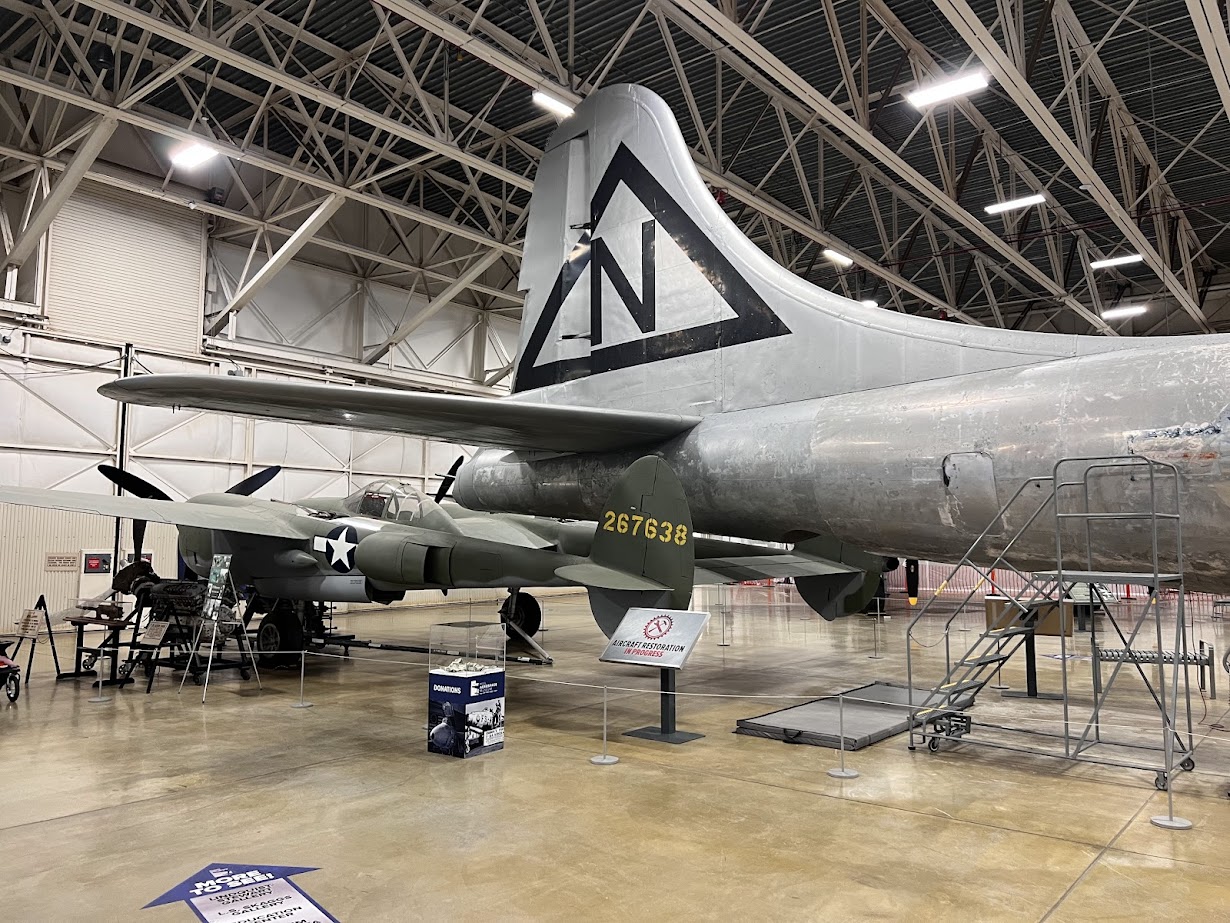
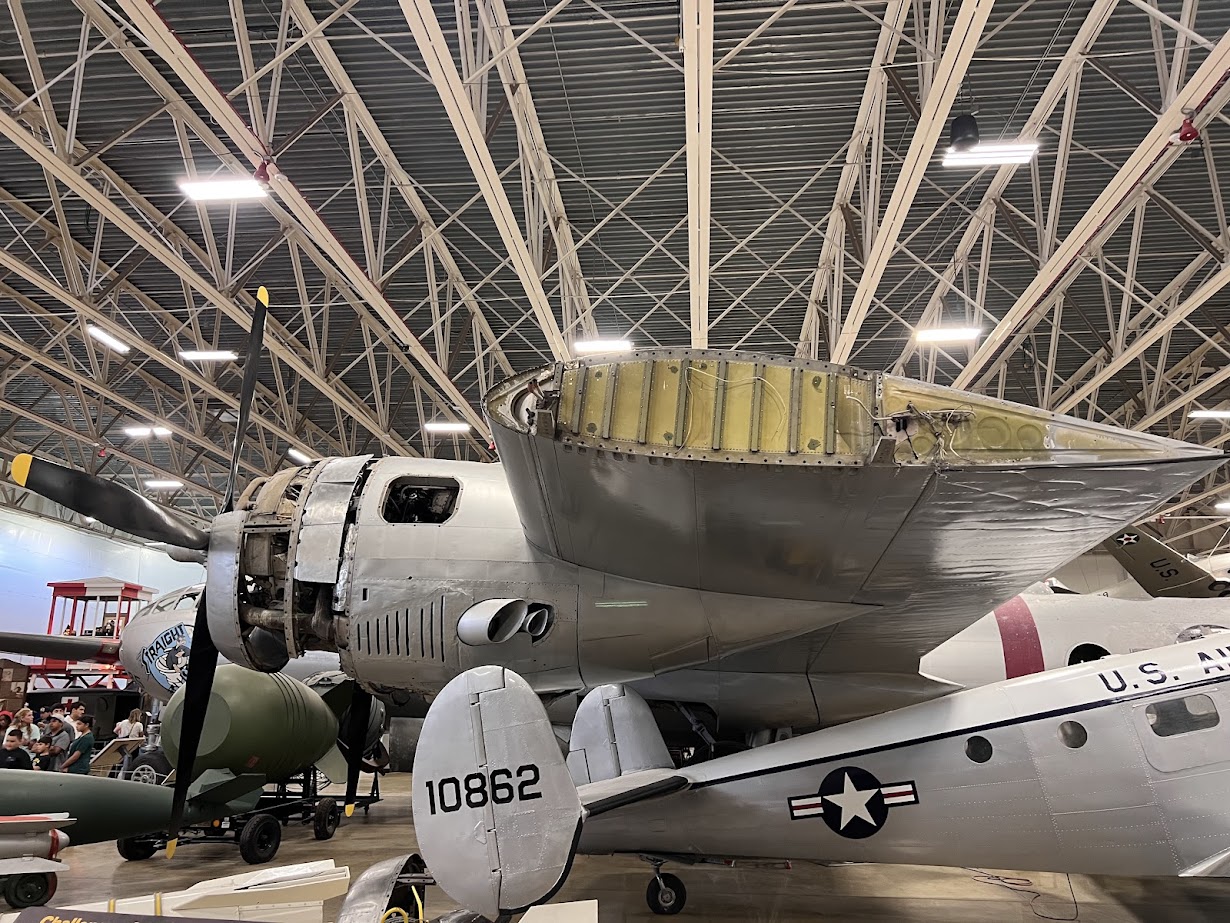
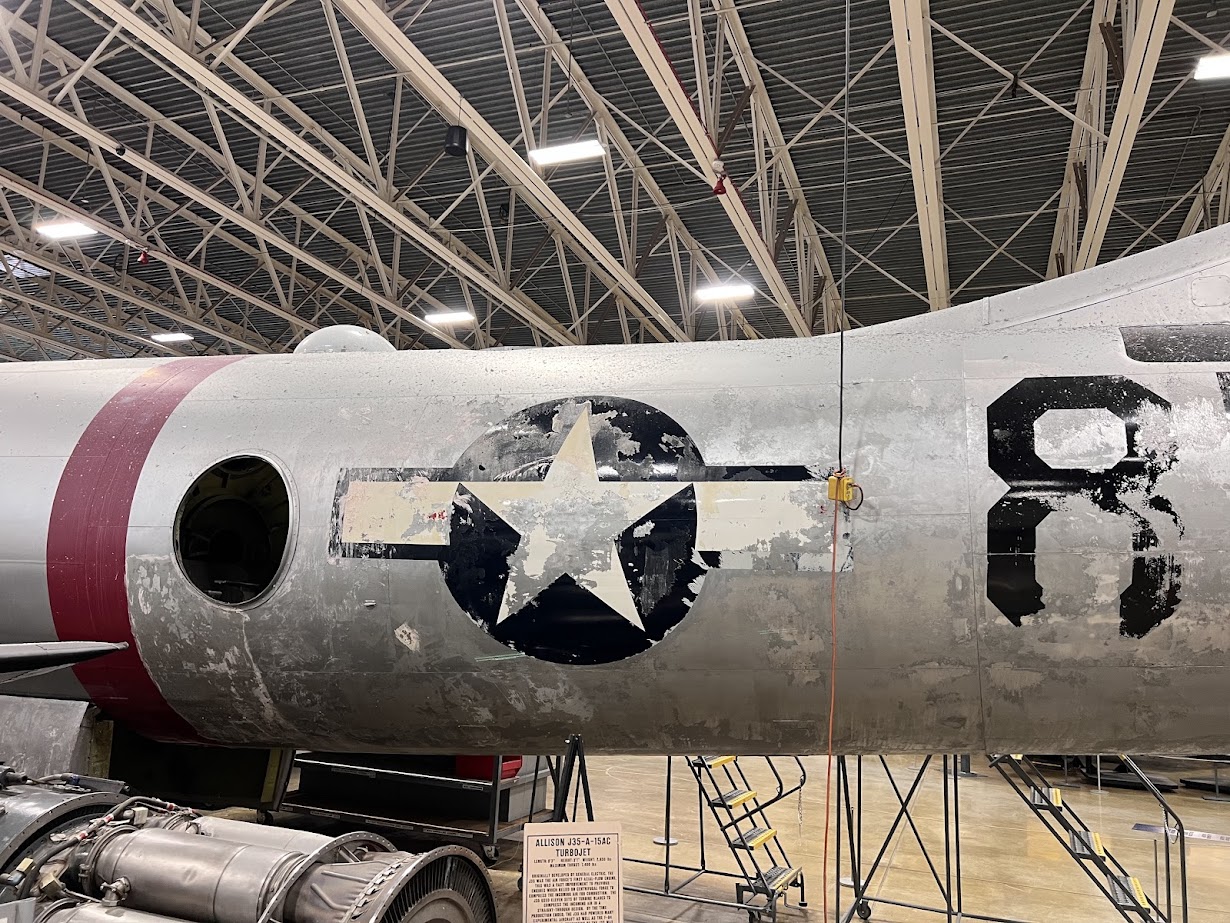
Though the main restoration facility at Hill is only open to authorized personnel, the public has been able to see some restoration work on the B-29 in the Hadley Gallery. The area of the gunner’s compartment of the aft fuselage is having its paint striped. Much of the engine cowling panels have also been removed to be sanded and polished. With the B-29 no longer out in the weather, the Hill Aerospace Museum is seeking to restore the B-29 back its historically accurate bare metal finish.
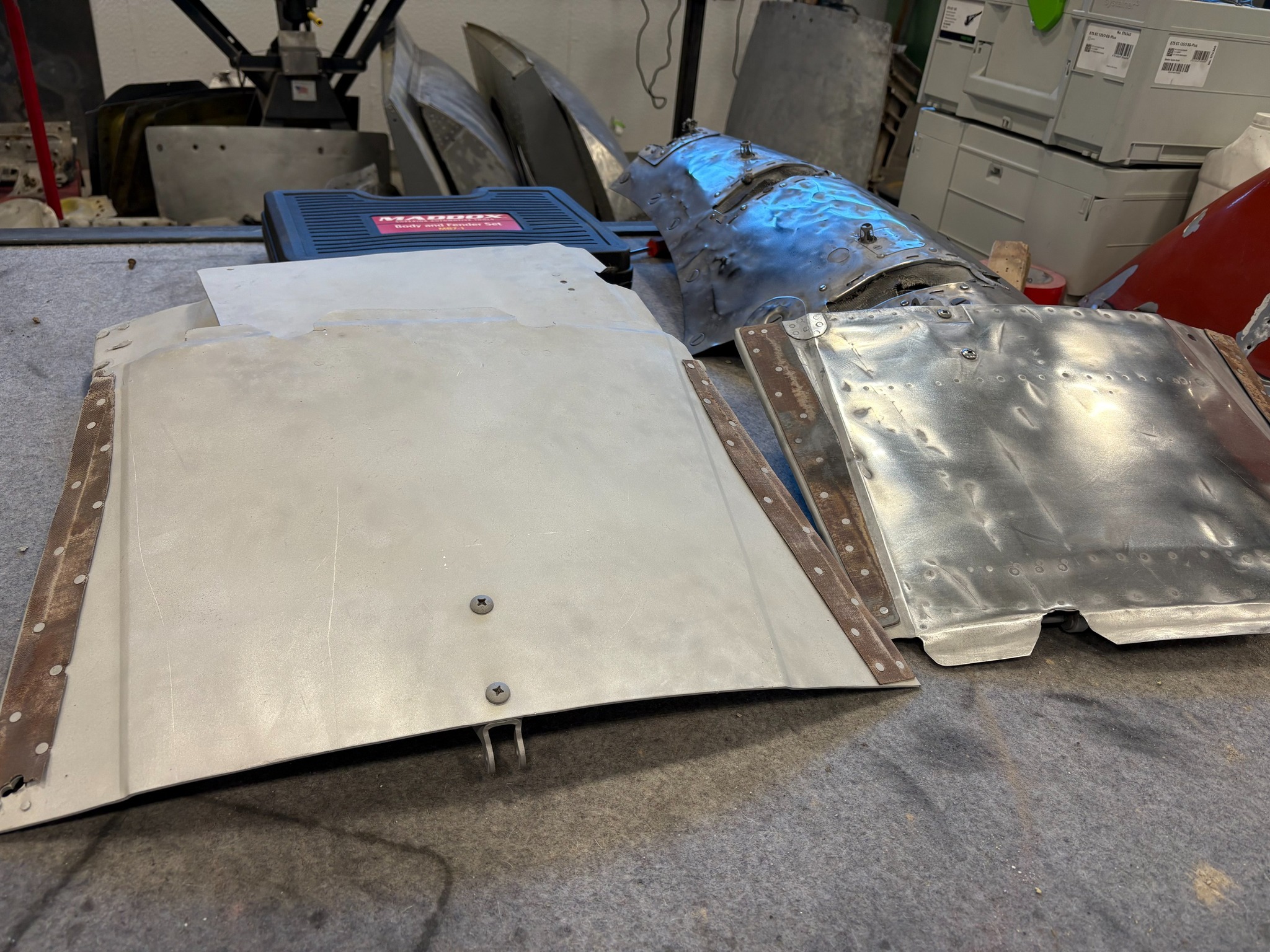
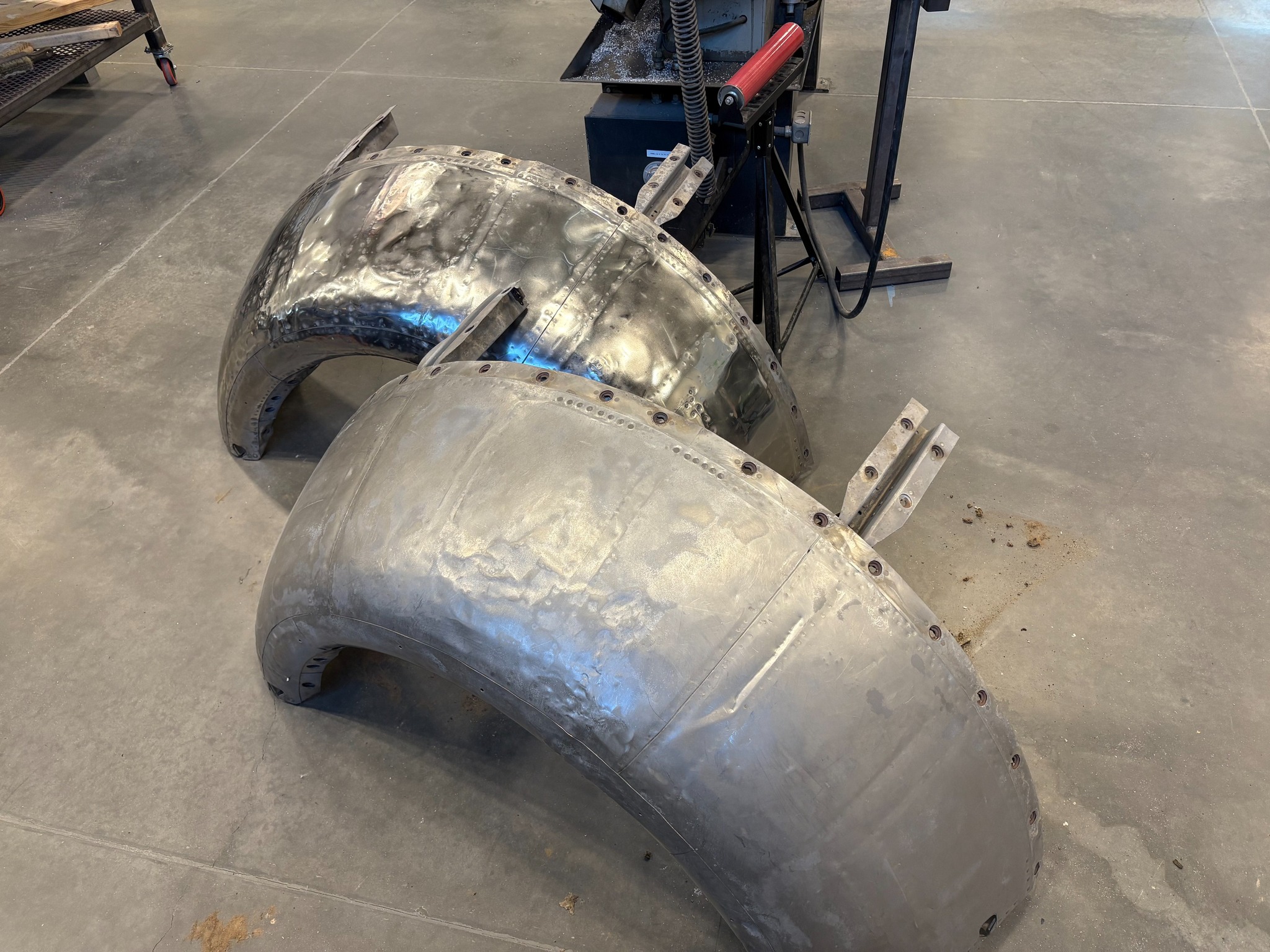
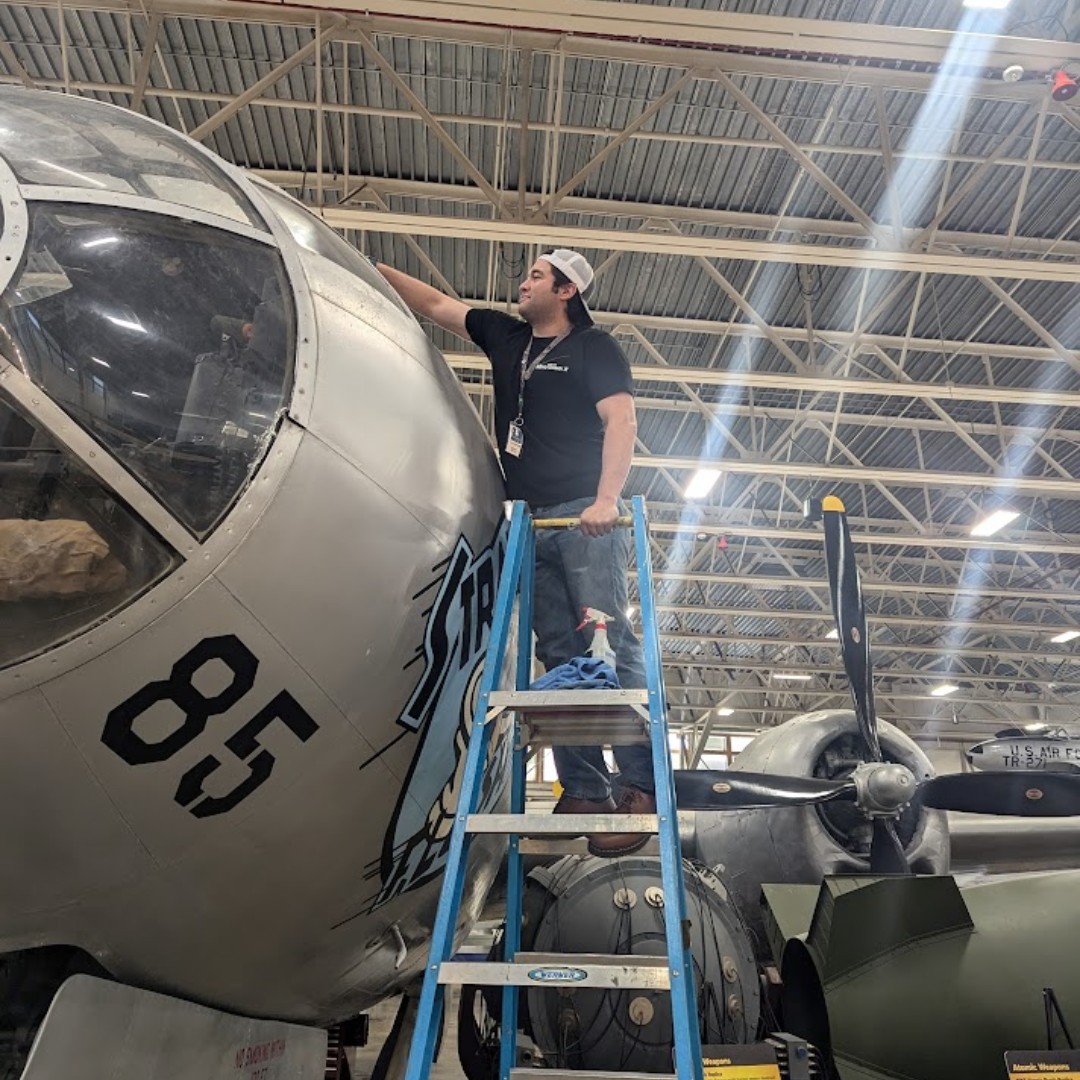
While much of the current restoration efforts are focused on the external condition of the B-29, the interior of the aircraft will likely become the subject of further intensive work. Having been stripped out before spending 30 years on the Dugway Proving Ground, the interior of B-29 44-86408 will have to be completely restored once the exterior metal skin has been completed.
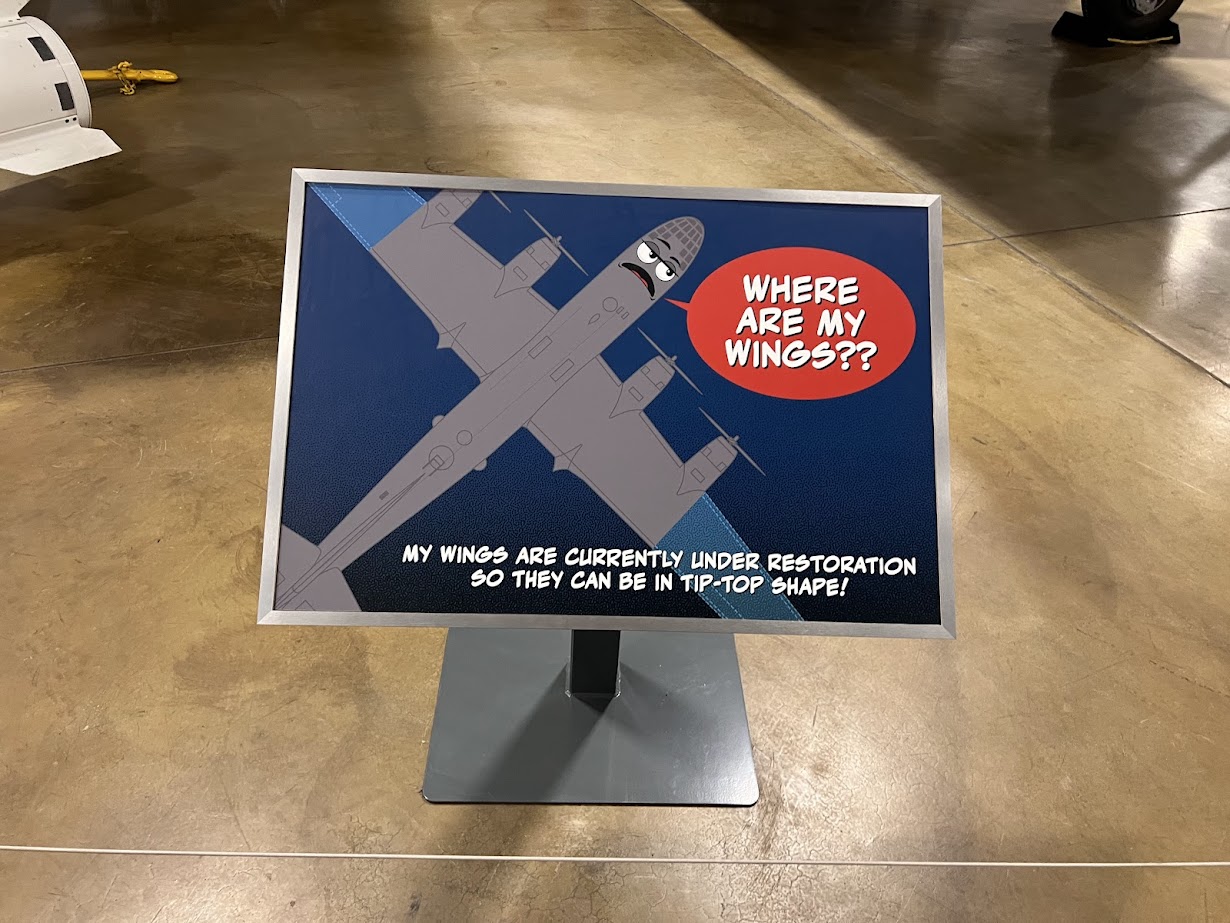
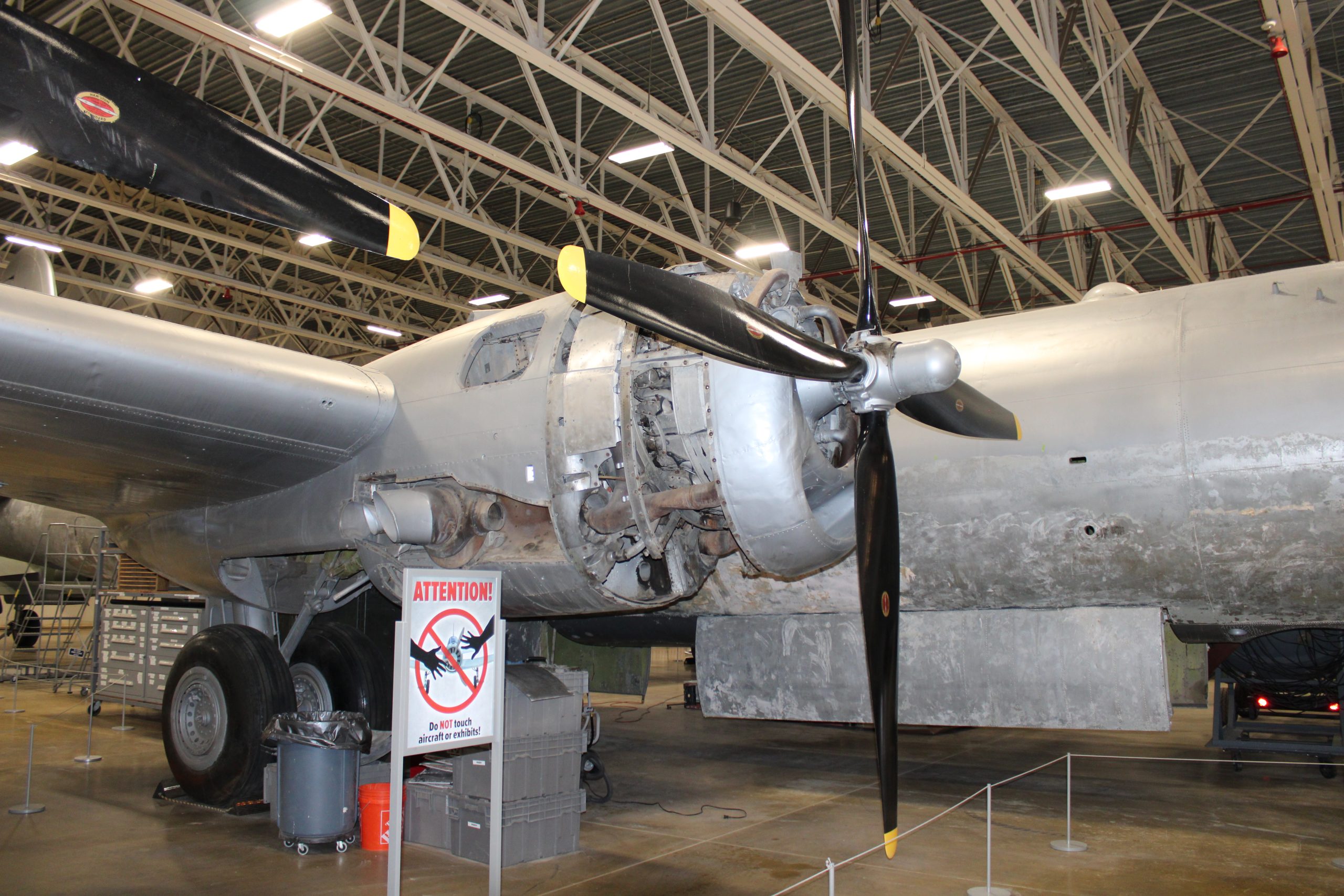
While much has been accomplished in the restoration of the B-29 Superfortress 44-86408, the project remains active, and we will continue to report on the aircraft’s progress as further details emerge. For more information, visit the Hill Aerospace Museum’s website: Hill Aerospace Museum, Hill AFB, Roy, Utah 84056



It’s displayed indoors, why did they paint it? B-29s were natural metal.
The aircraft was painted outdoors before it was brought inside. Now that it is indoors, though, the museum is working on returning it to natural metal.
Why not restore to flying condition b29 doc was in same condition or worse but is flying
ABSOLUTELY OUTSTANDING article, Well done! Having been in the FIRST F16 fighter sqdn.at Hill and worked w/Israelis b4 their nuke site boming run(practiced at Wendover w/6 their camouflage painted new f16s 1981) this story means ALOT to me …having been in “FIFI” 25yrs ago and “Doc”” last year and Wendover bombing range sorties w/Our A/c too…..AMAZINGLY in Dec 1989 at Tom Reilly avation in Kissimmee Fl i met 2 eldery gentleman who were there for WW1/ww2 a/c gathering,,we had a “Wendover” connection and he got into am old leather satchel he was carrying and they Both signed this old 8×10 blk n white photo to give to me…it was pix of Enola Gay taken just be their atomic take off signed by Gen.Paul Tibbets and Dutch van kirk to me!!! Yes I still have it