
By Randy Malmstrom
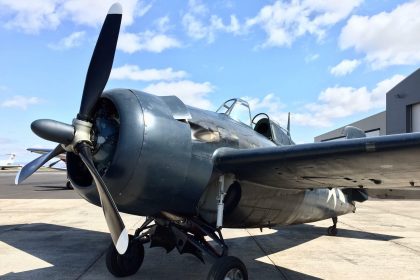
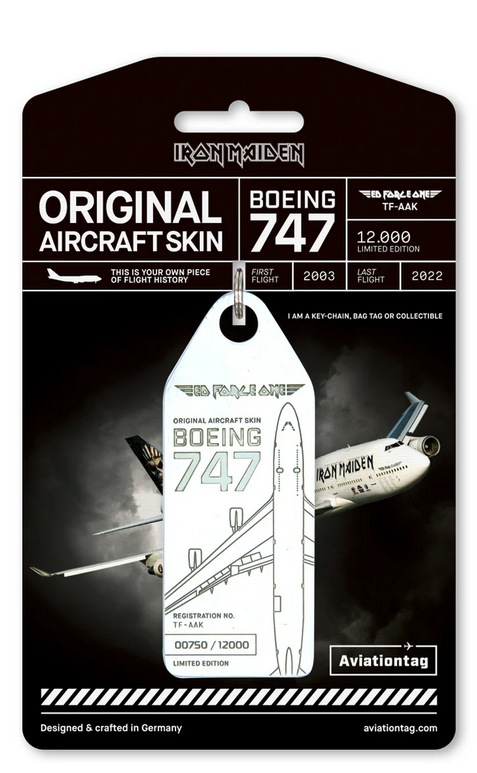
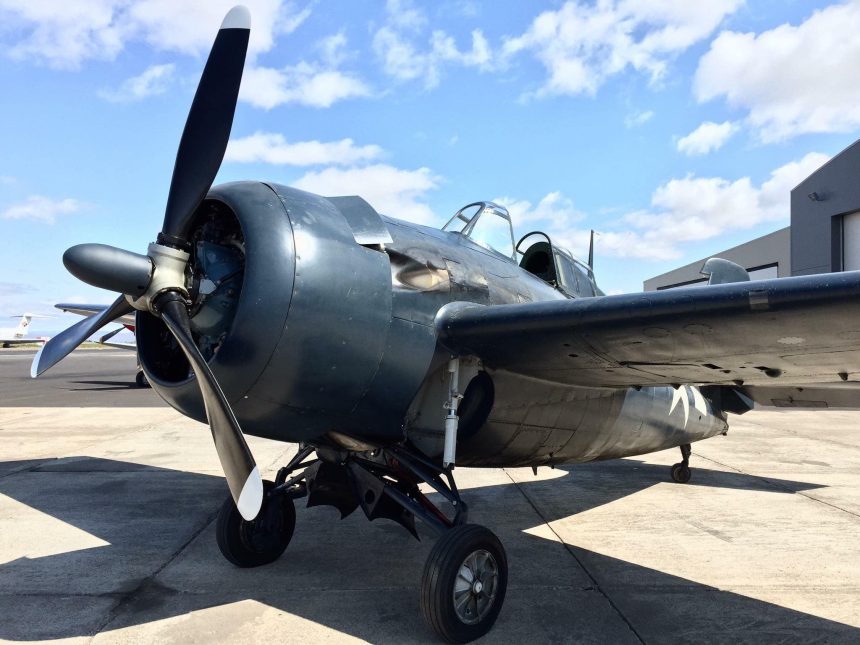
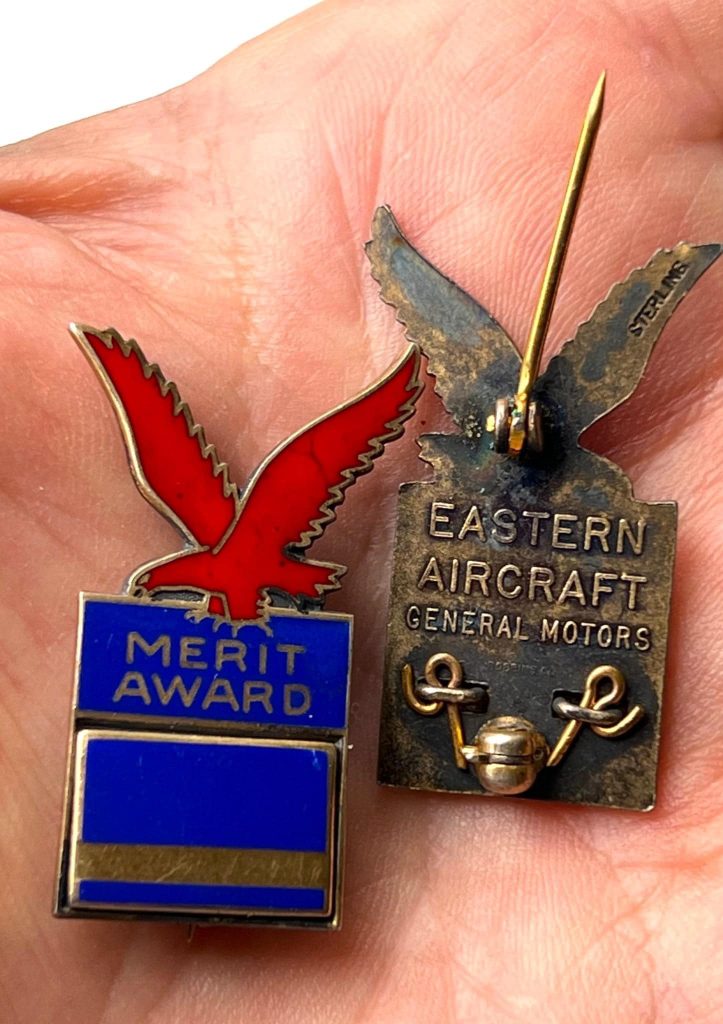
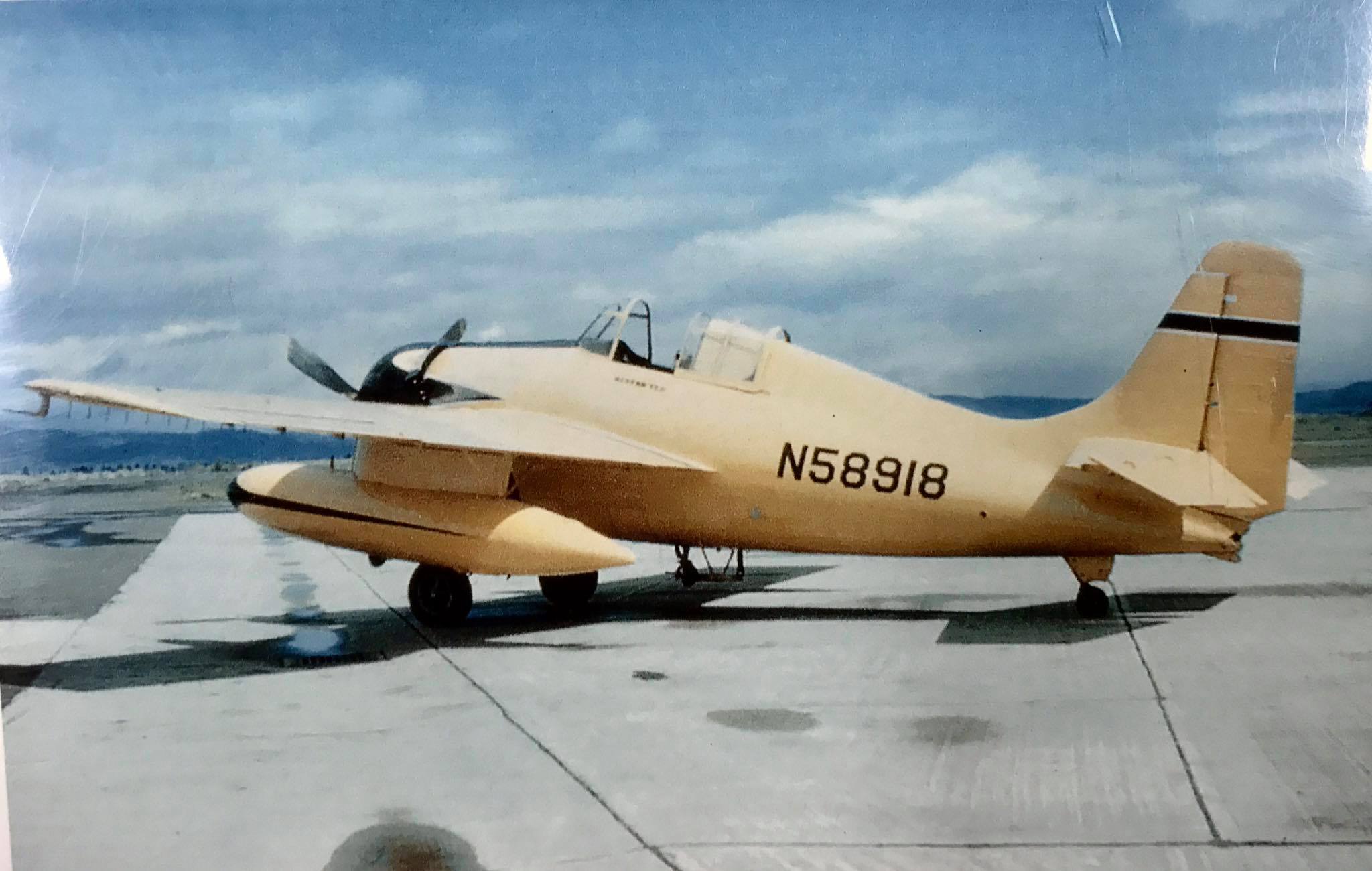
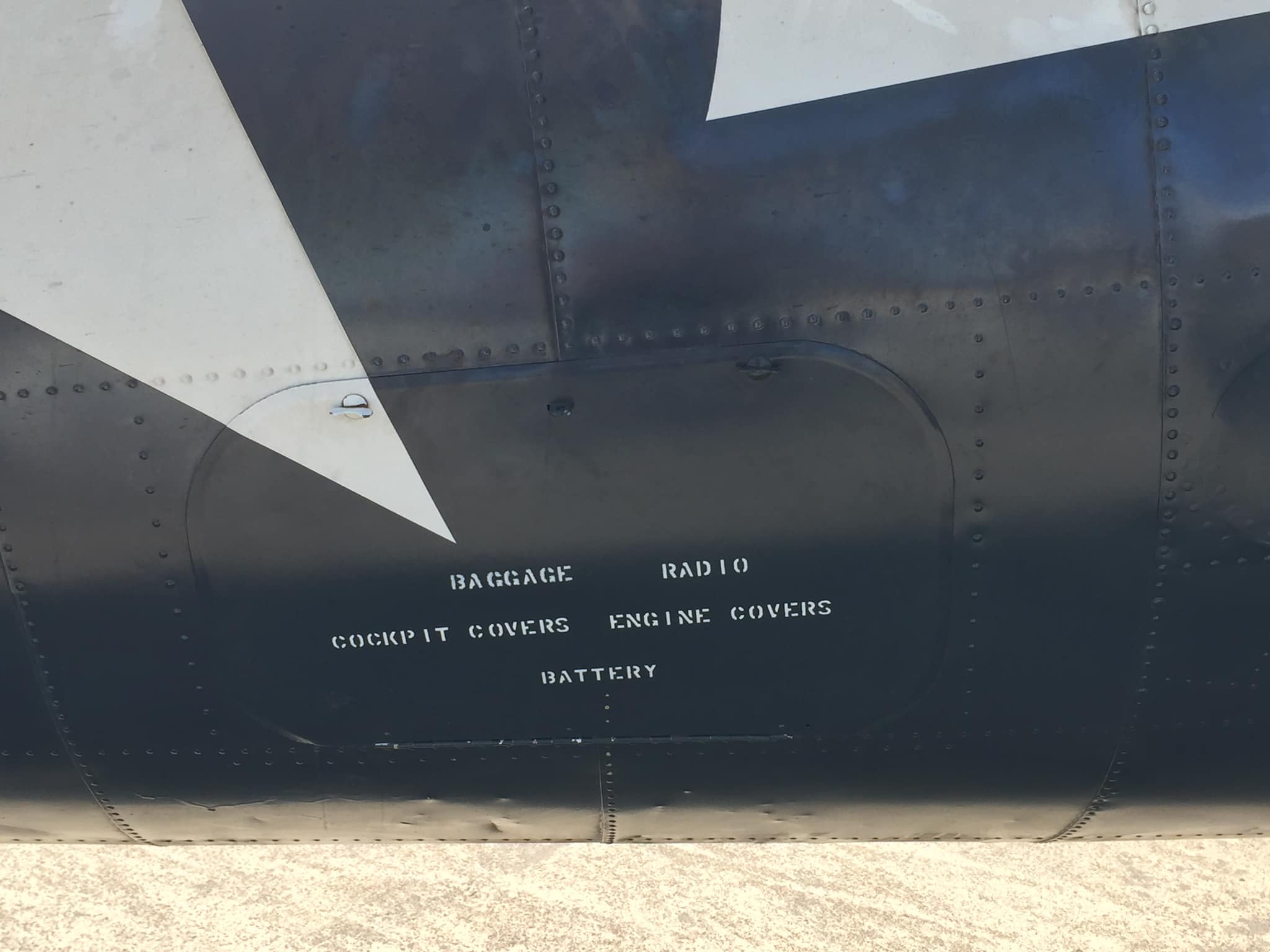
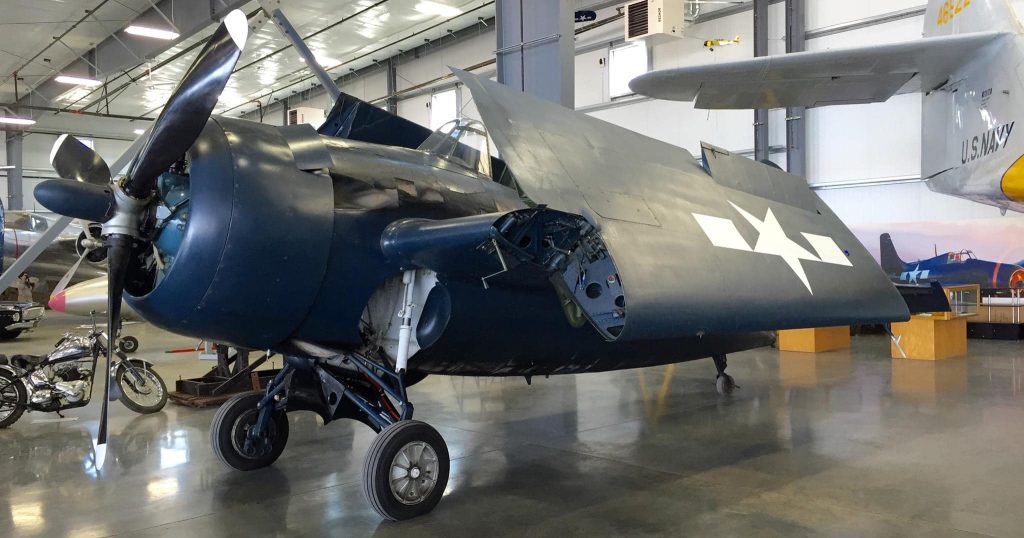
General Motors (Eastern Aircraft Division) FM-2 Wildcat, BuNo 86754, Constr. No. 5812, N58918. This particular aircraft was built by the Eastern Aircraft Division of General Motors Corporation (hence the “M” designation based on the U.S. Navy Aircraft Designation System) in Linden, New Jersey. A GM Suggestion Plan was introduced in 1942 and rewarded employees for ideas that helped improve manufacturing efficiency or safety. Suggestions that were adopted were rewarded (anywhere from $2.50 to $1,000 in War Savings Stamps or War Bonds) and a Merit Award pin was awarded (see attached photo courtesy of Stacey Kunch — thank you).
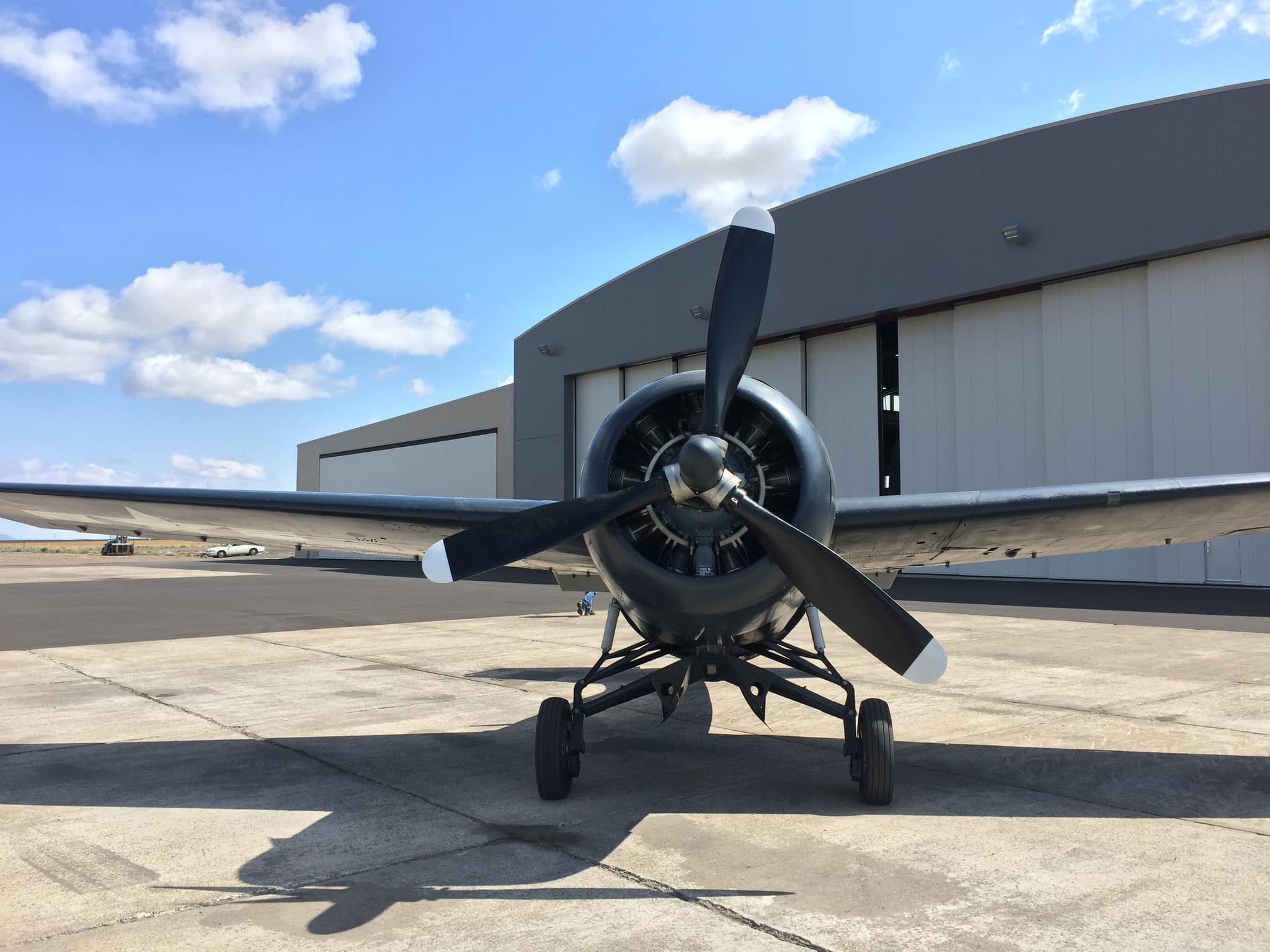
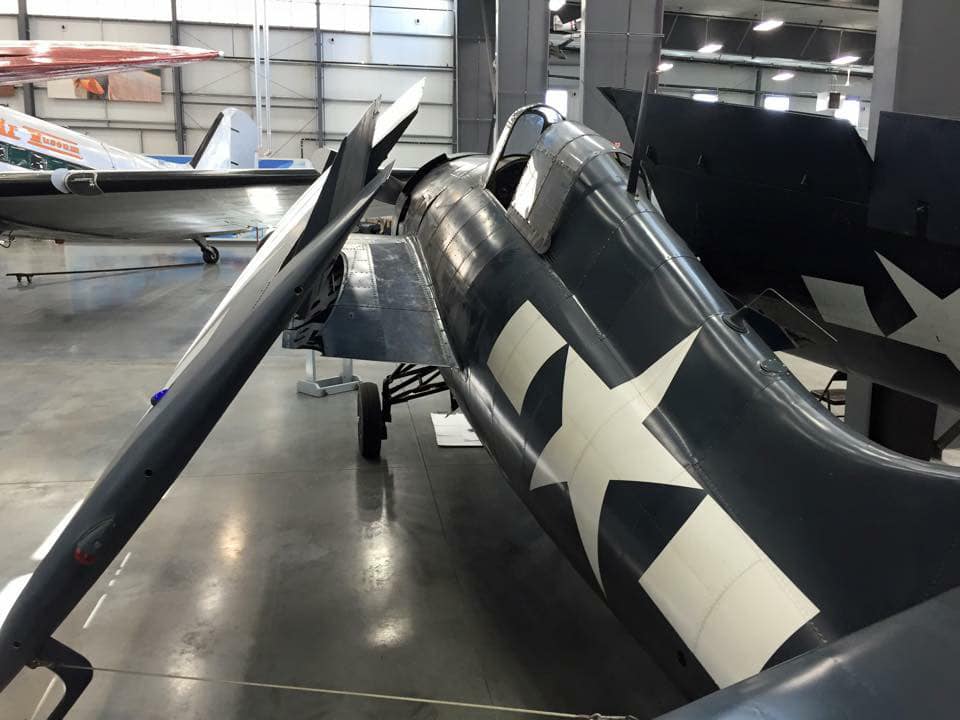
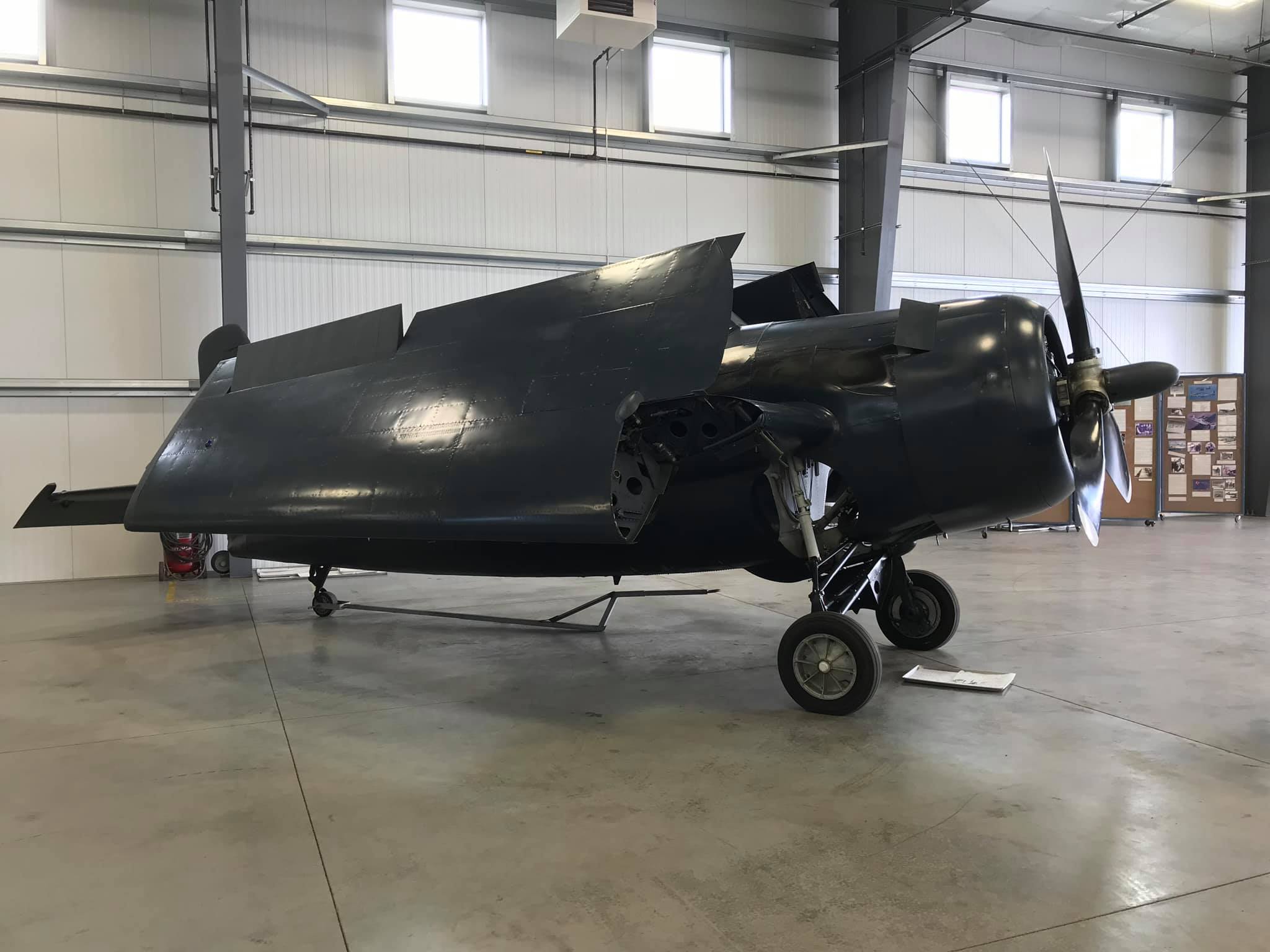
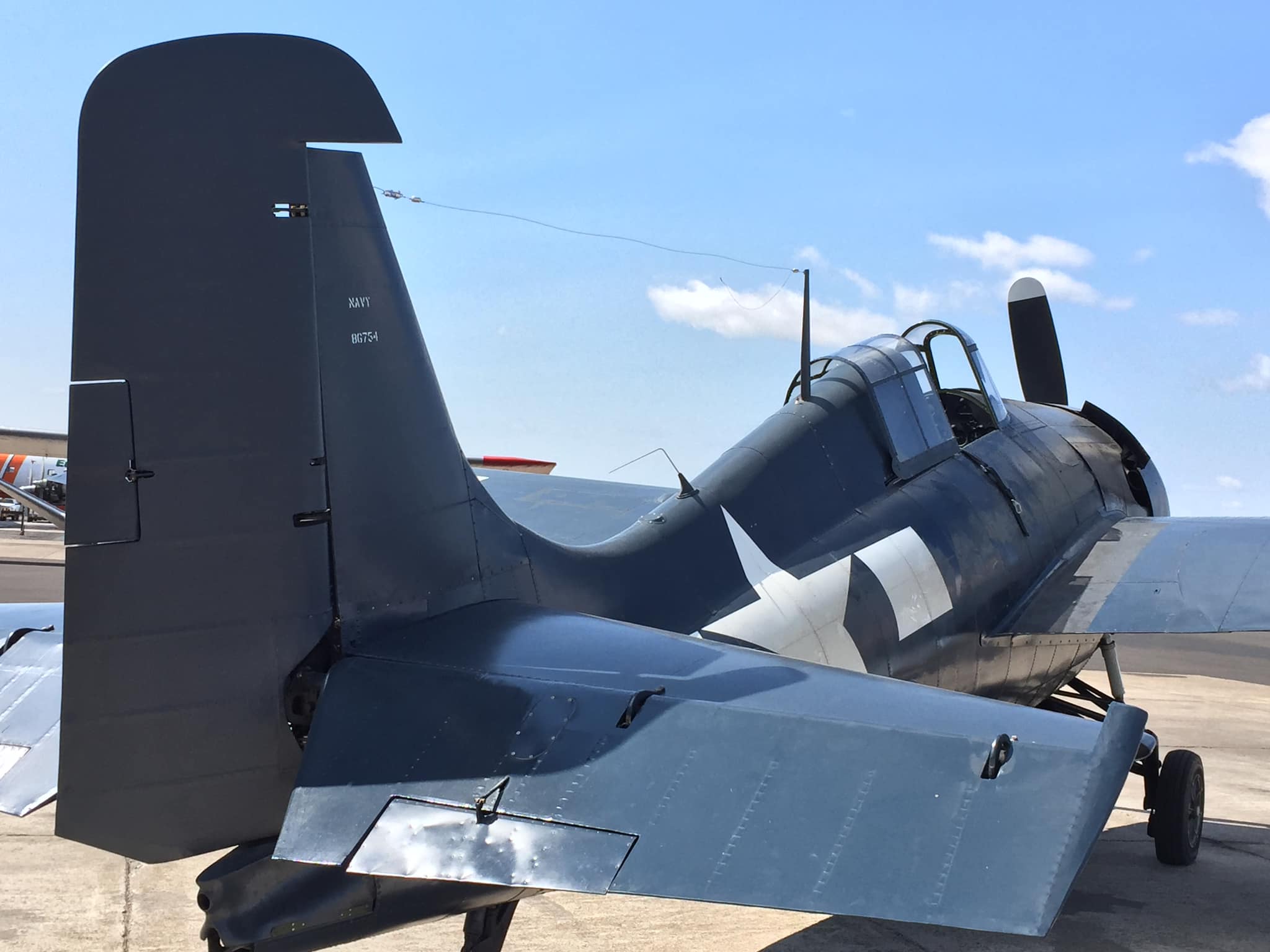
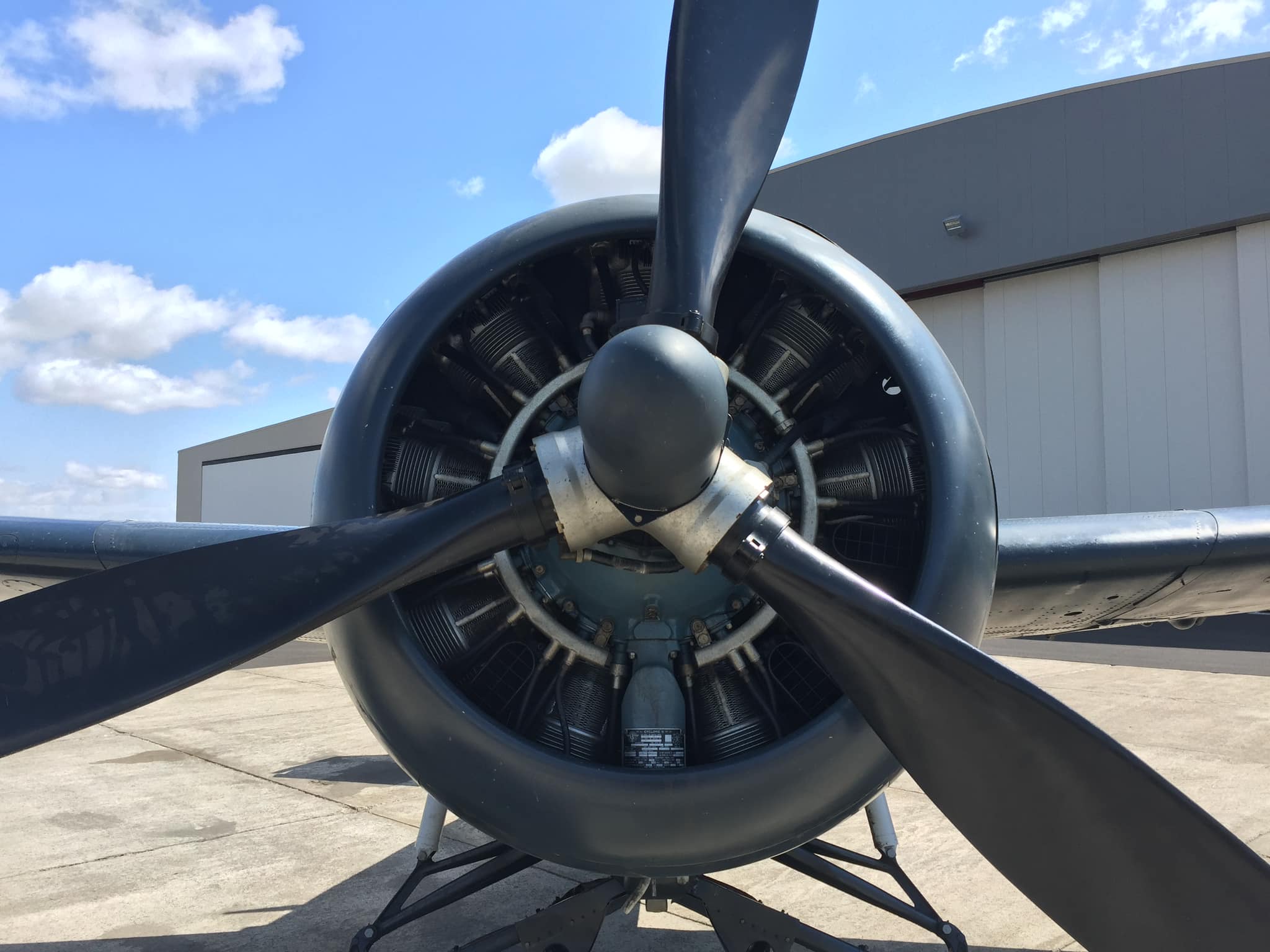
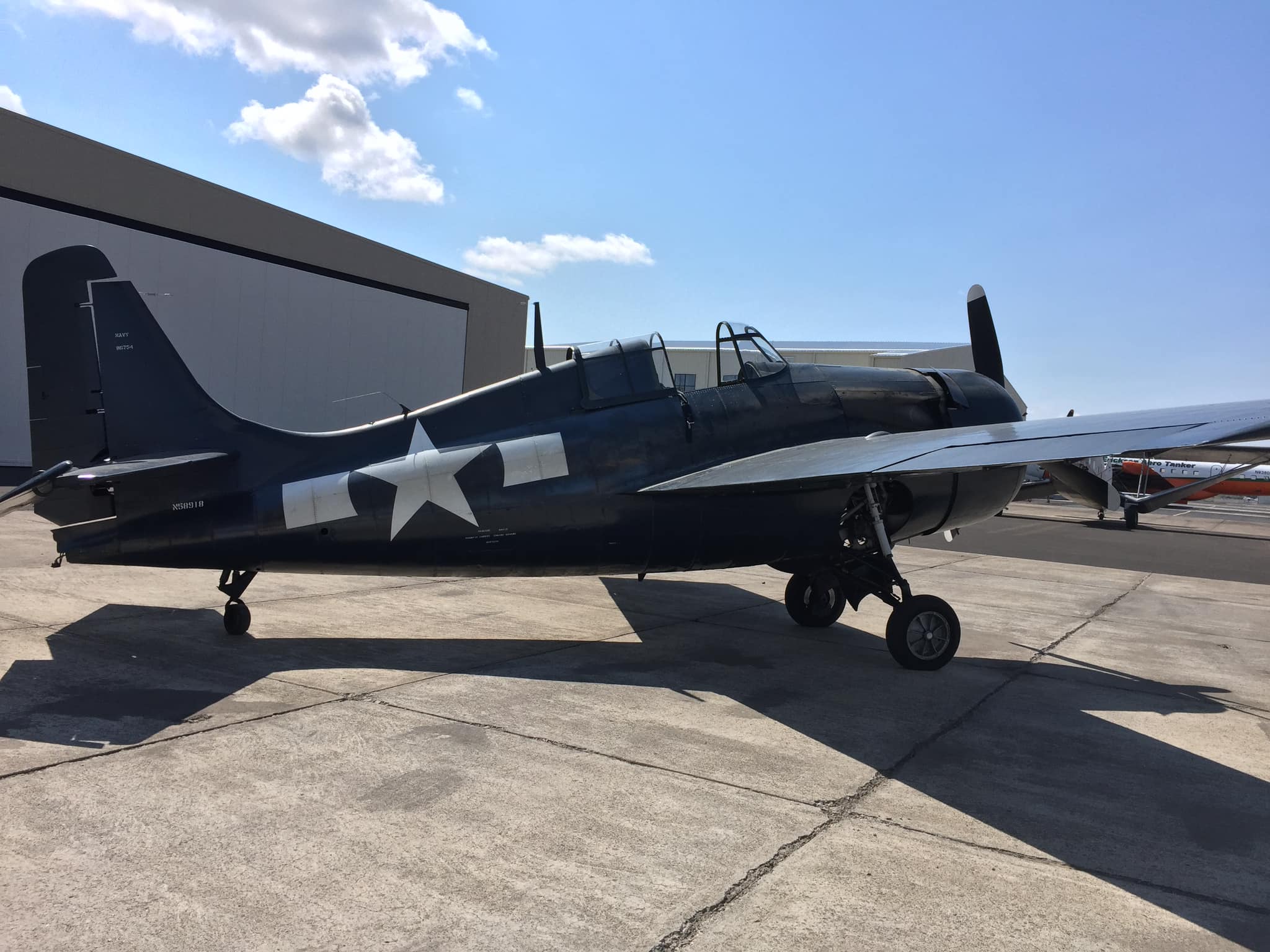
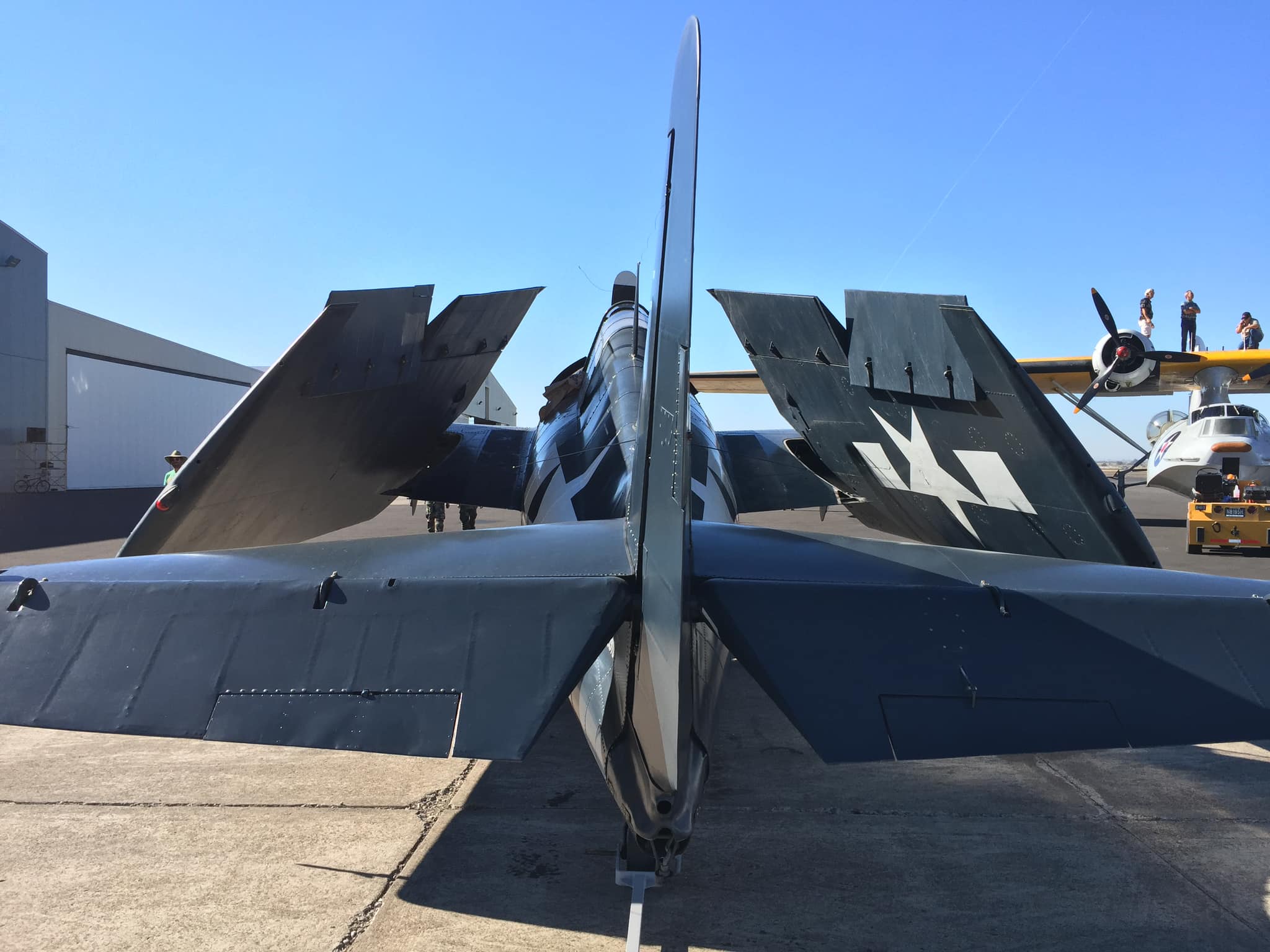
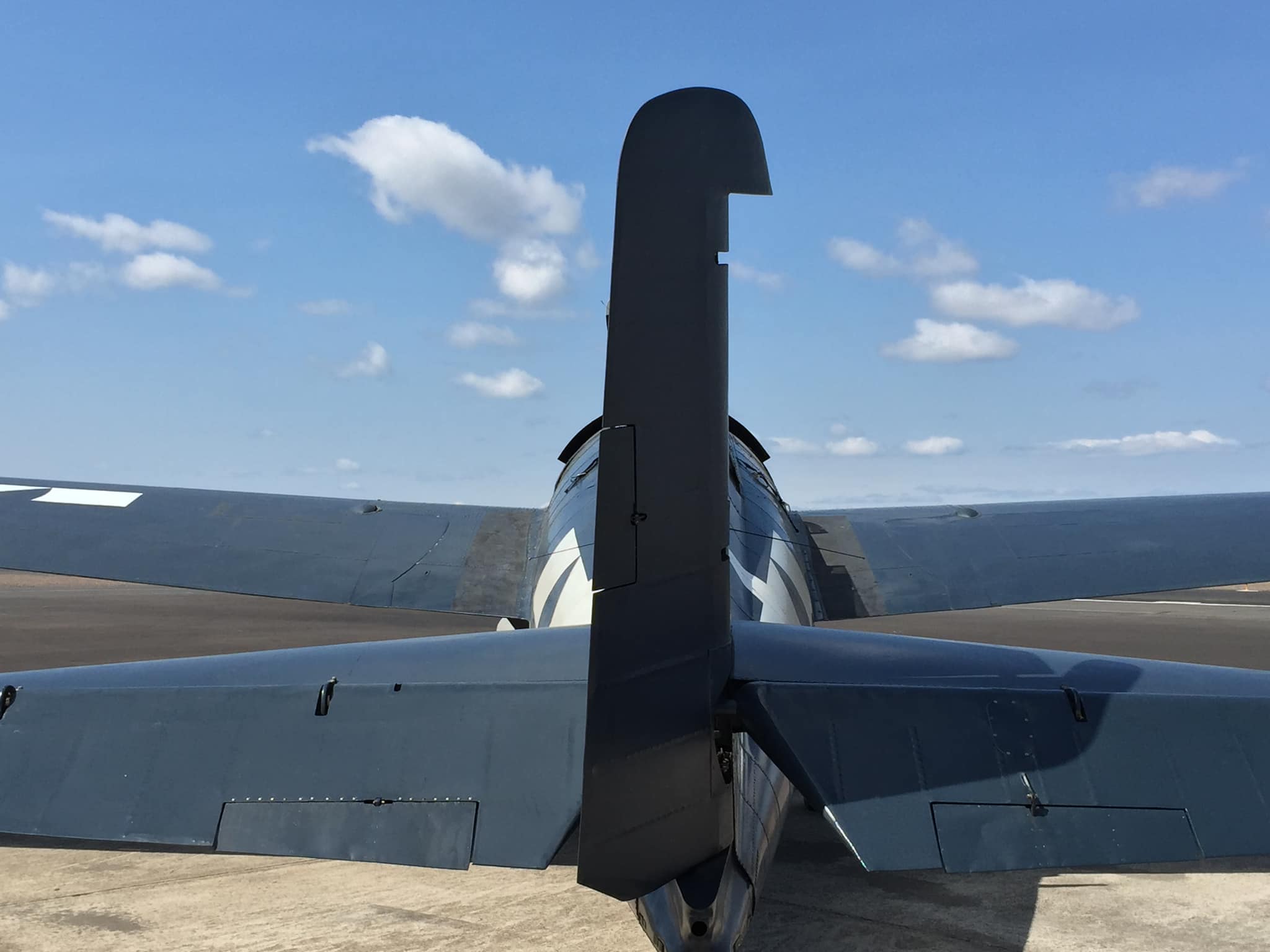
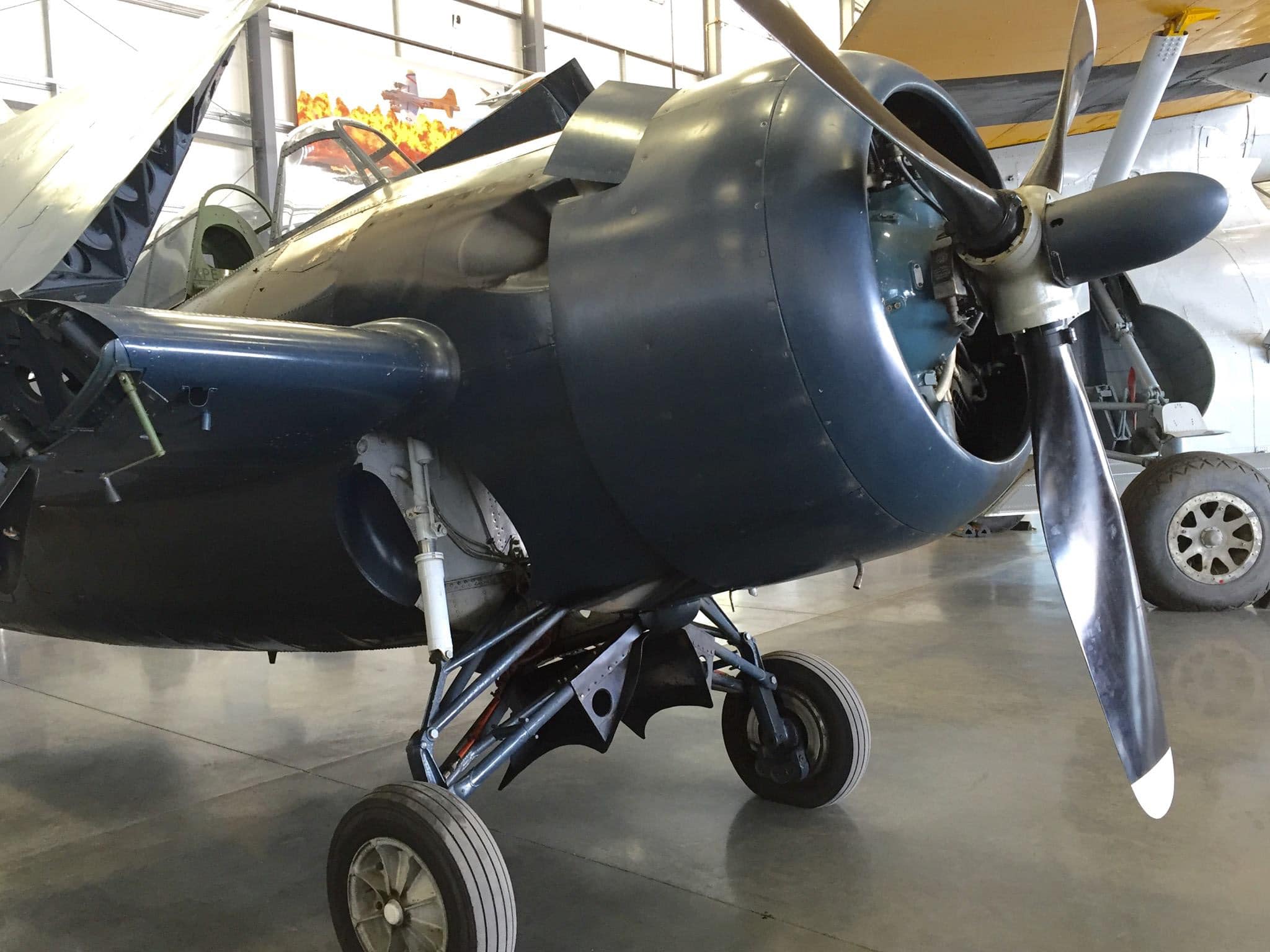
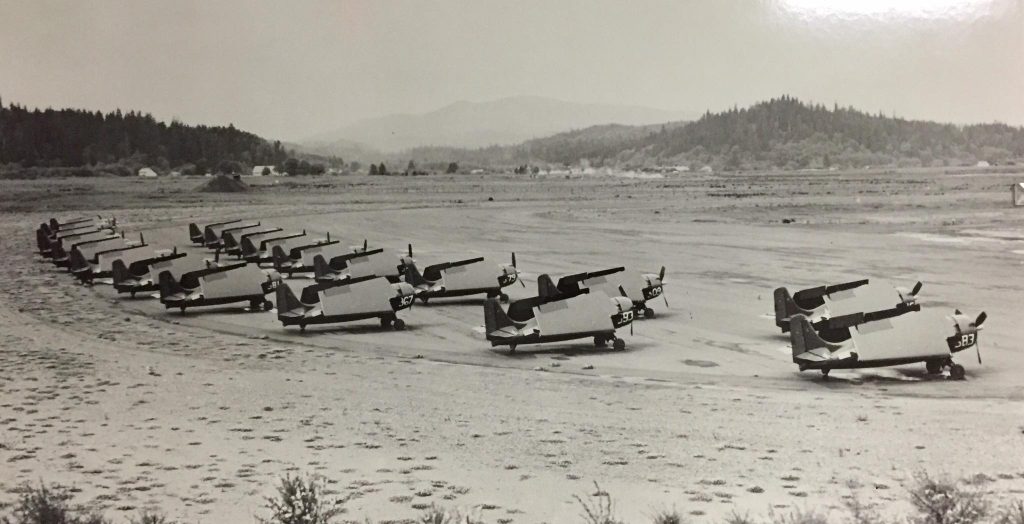
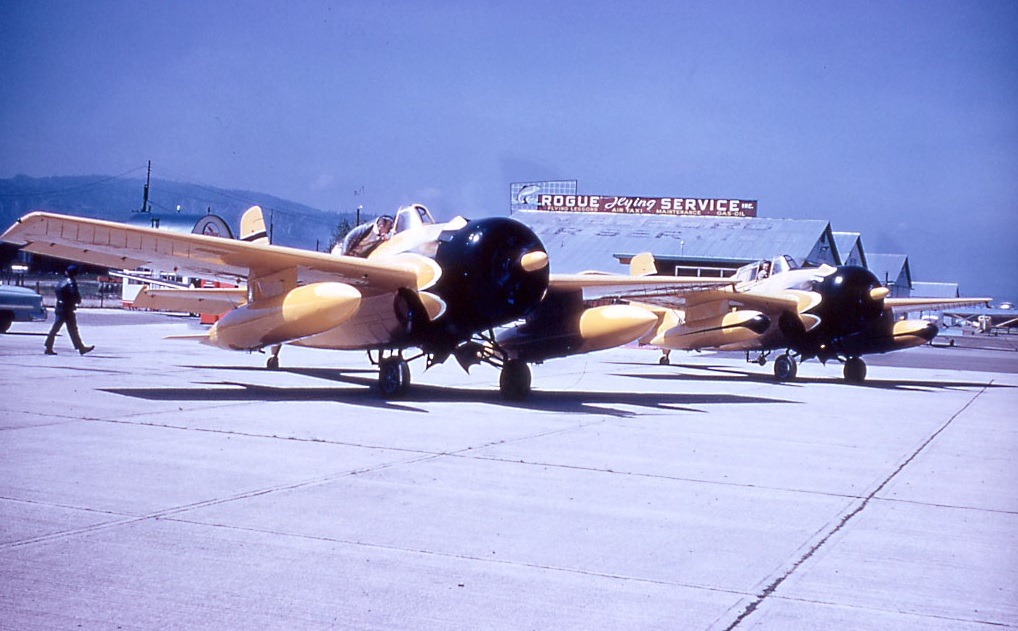
This airplane was delivered to the U.S. Navy on July 25, 1945. It was put into storage at Naval Air Station Tillamook, Oregon (NAS Tillamook, or NAST), which was a blimp base for anti-submarine patrols during WWII (I have an album dedicated to it). It was stricken from the Navy’s inventory in 1946. In 1955, it was sold to the Wolf Point, Montana School District for $38.20, and later sold to a private collector in Washington State for $208.60. This aircraft was later flown as an agricultural field sprayer in Oregon and Washington. In 1991, it was acquired to become part of the Erickson Aircraft Collection (previously at NAST) and is an airworthy part of the Erickson collection now located at the municipal airport in Madras, Oregon, and, as of this writing, is owned by Jack Erickson’s company called P51 Mustang LLC. My photos and YouTube clips of this airworthy aircraft:
Briefly, the Wildcat, which was introduced into service in December 1940, was one of the very few U.S. planes to enter production prior to the start of WWII and continue throughout the war. Note that Leroy (“Roy”) Grumman had a degree in mechanical engineering and, for a time, was Managing Director of Loening Engineering Corporation, but when Loening merged with Keystone Aircraft Corporation, he and two of his friends, Leon “Jake” Swirbul and William Schwendler, left Loening and started their own firm, Grumman Aircraft Engineering Corporation, on Jan. 2, 1930. First located in Baldwin, New York, the plant was moved to Valley Stream and Farmingdale before moving in 1937 to Bethpage. Beginning in April 1942, the Eastern Aircraft Division of General Motors Corporation began building Grumman-designed aircraft under contract (Grumman did not have the capacity at that time to maintain its existing aircraft and also meet the demand for new orders).
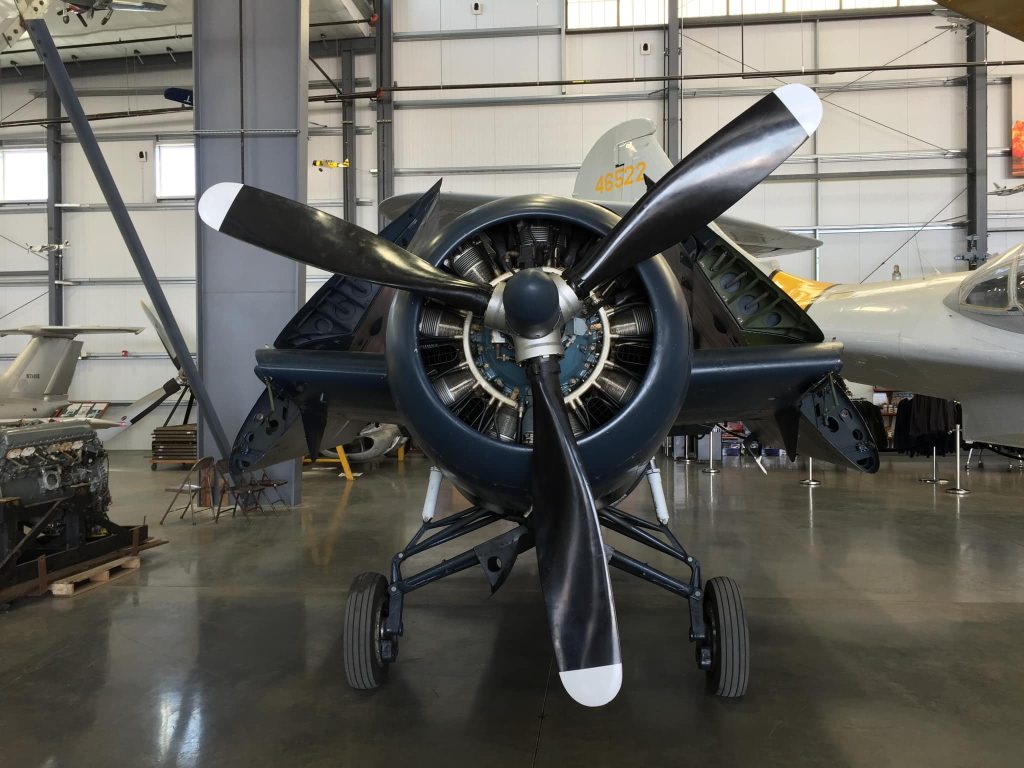
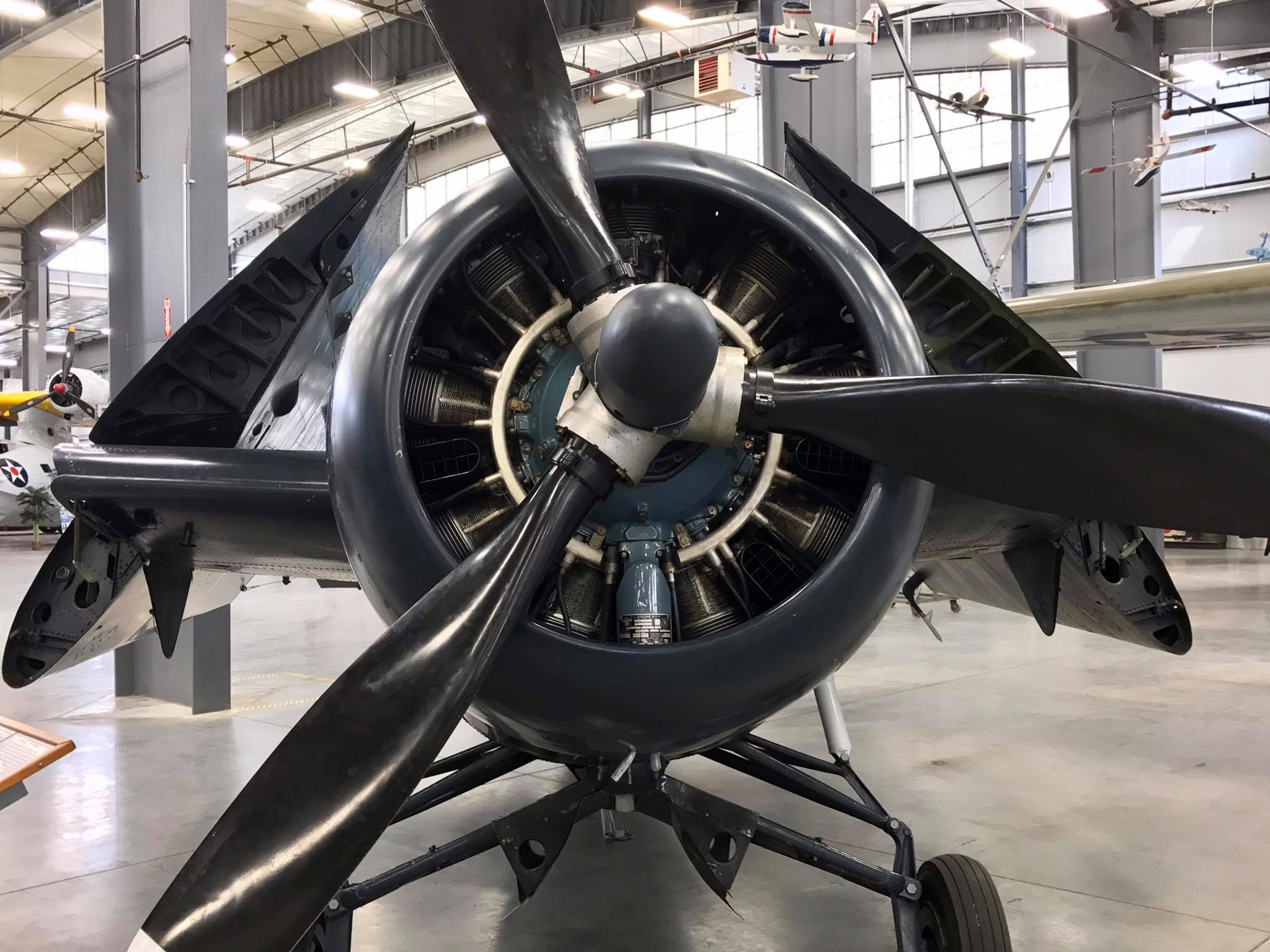
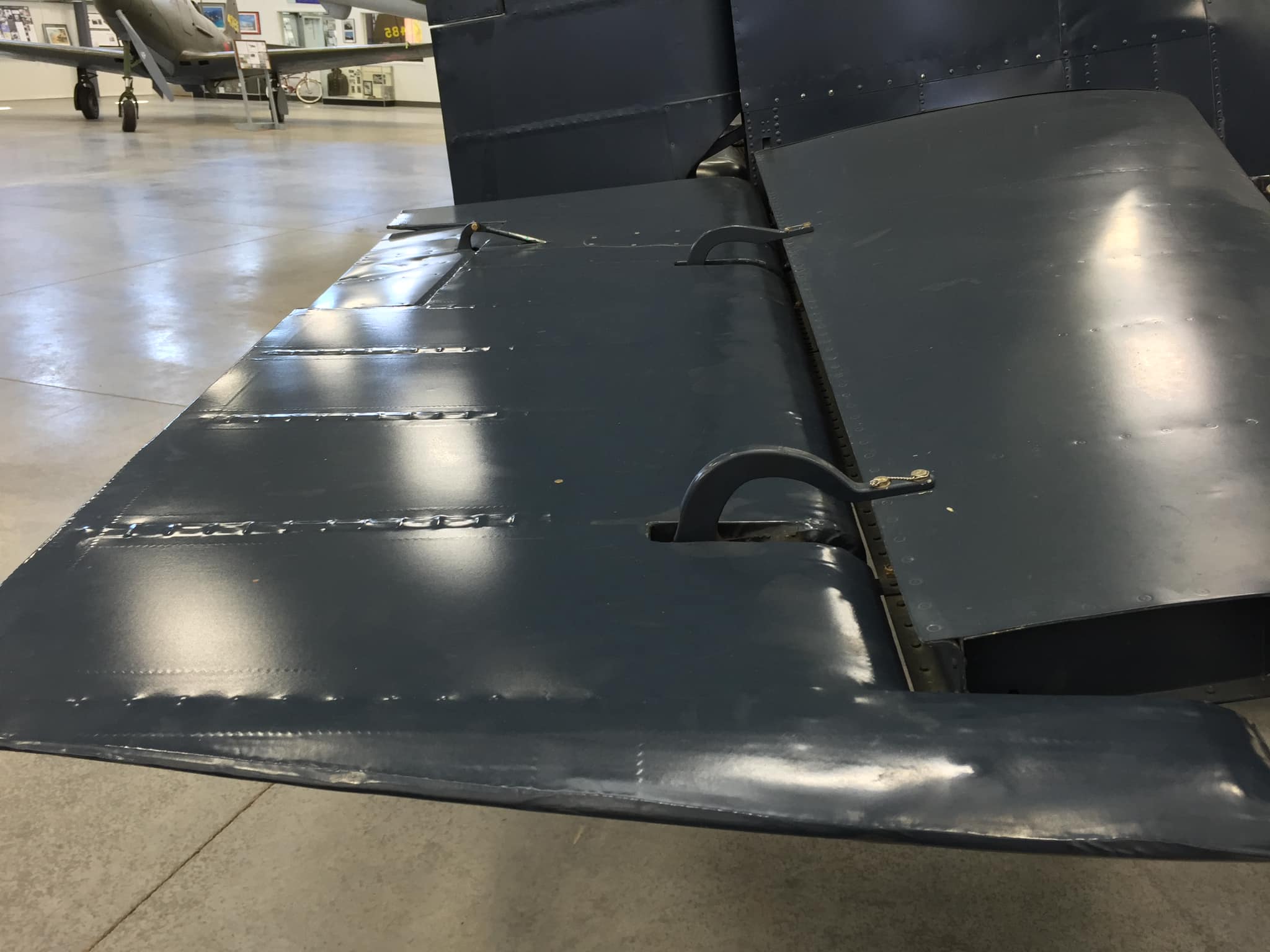
By 1941, Roy Grumman pondered, in the pre-computer age, how to make aircraft take up less space while on U.S. Navy vessels. Inspired by the look of a roosting bird, he took a soap eraser (such as he was accustomed to using in drafting) and used that to represent the fuselage of the plane. Then he took two paper clips for the wings and bent out the short end of each of the clips so that it was normal or perpendicular to the body of the clip. Then he began sticking these short ends into the eraser until he found the proper angle and position at which the clip, when twisted to a vertical position, would also fold back snugly against the eraser. Thus came the genesis of what became known as the “STO-Wing” design, and it was just up to the Grumman company’s team of engineers to make the mechanism a reality, which was applied to the Wildcat, Avenger and Hellcat. The STO-Wing design is an ASME Historic Mechanical Engineering Landmark (“ASME” being the American Society of Mechanical Engineers). The STO-Wing design was initially fitted with hydraulic cylinders to retract and deploy the wings, but the added weight reduced performance on the Wildcat, so this, like other Wildcats, has manually operated folding wings.
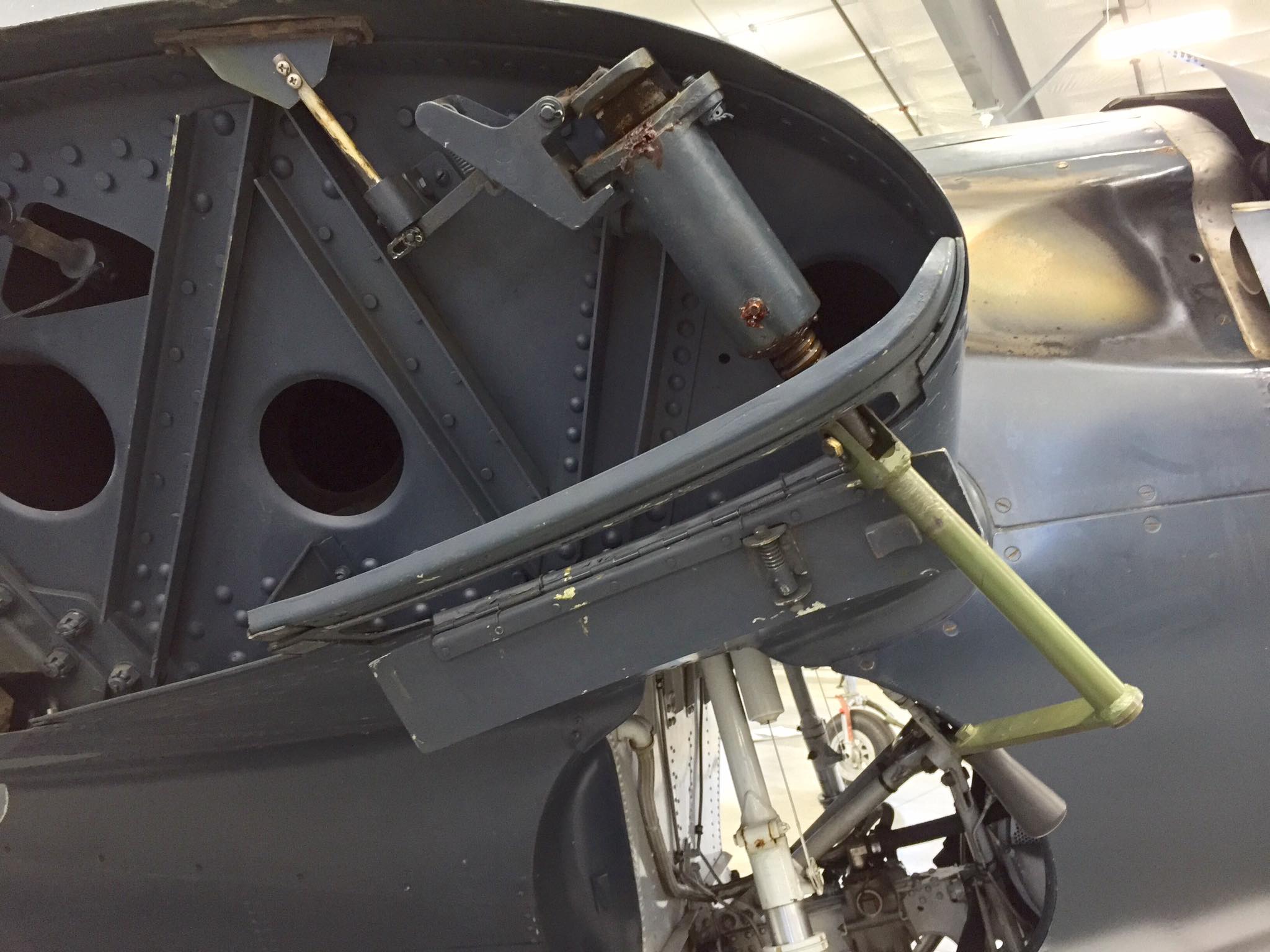
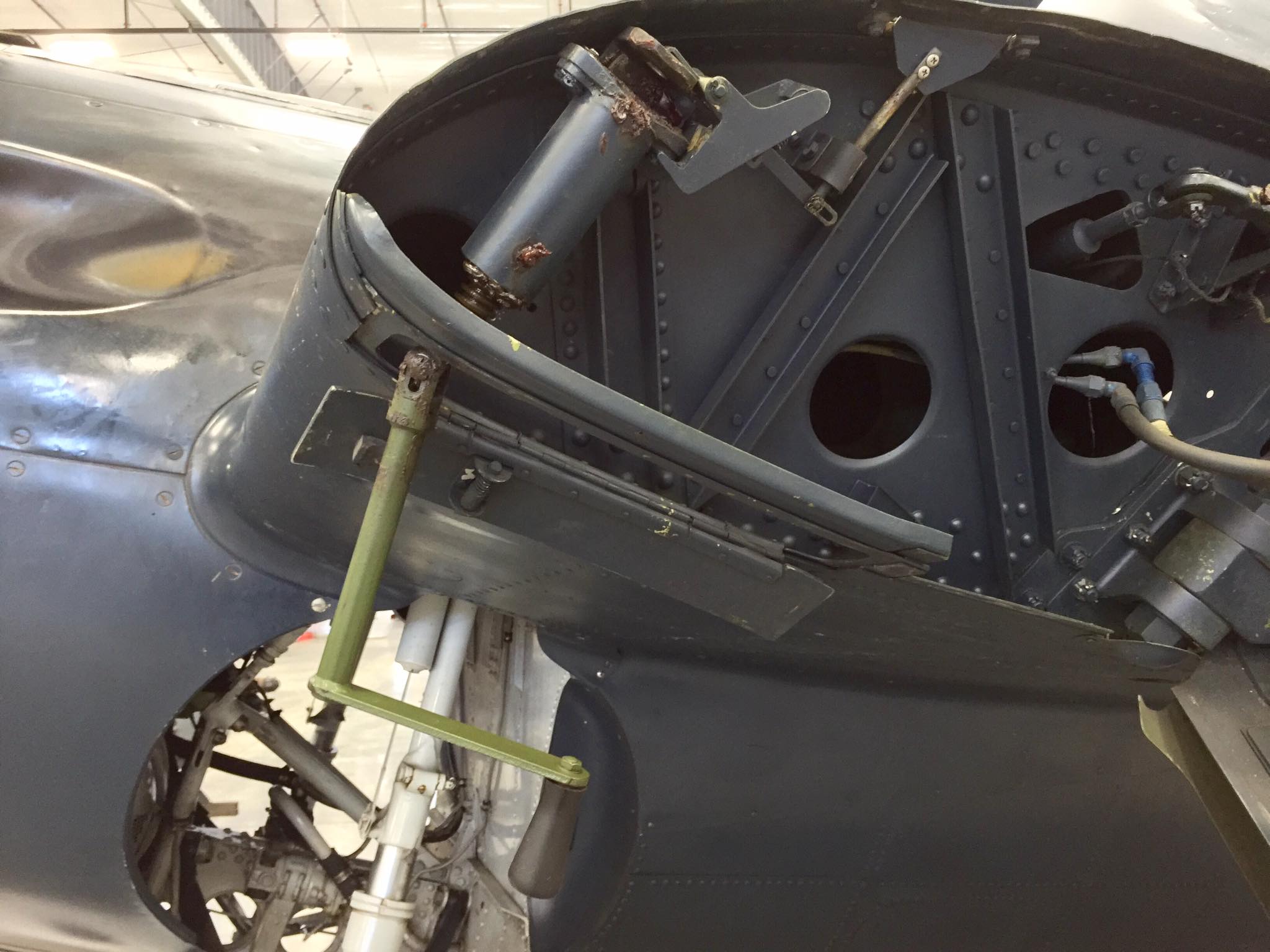
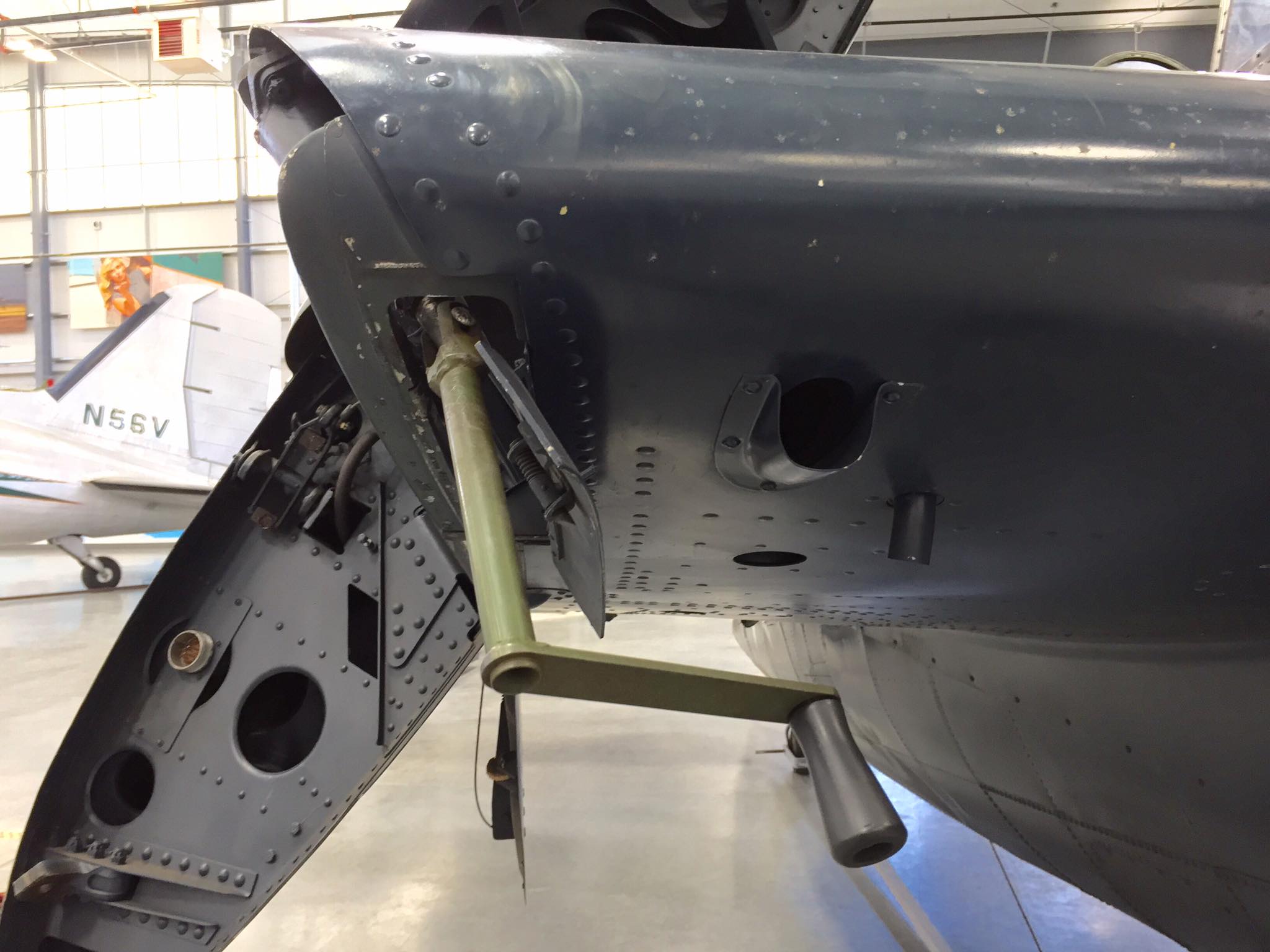
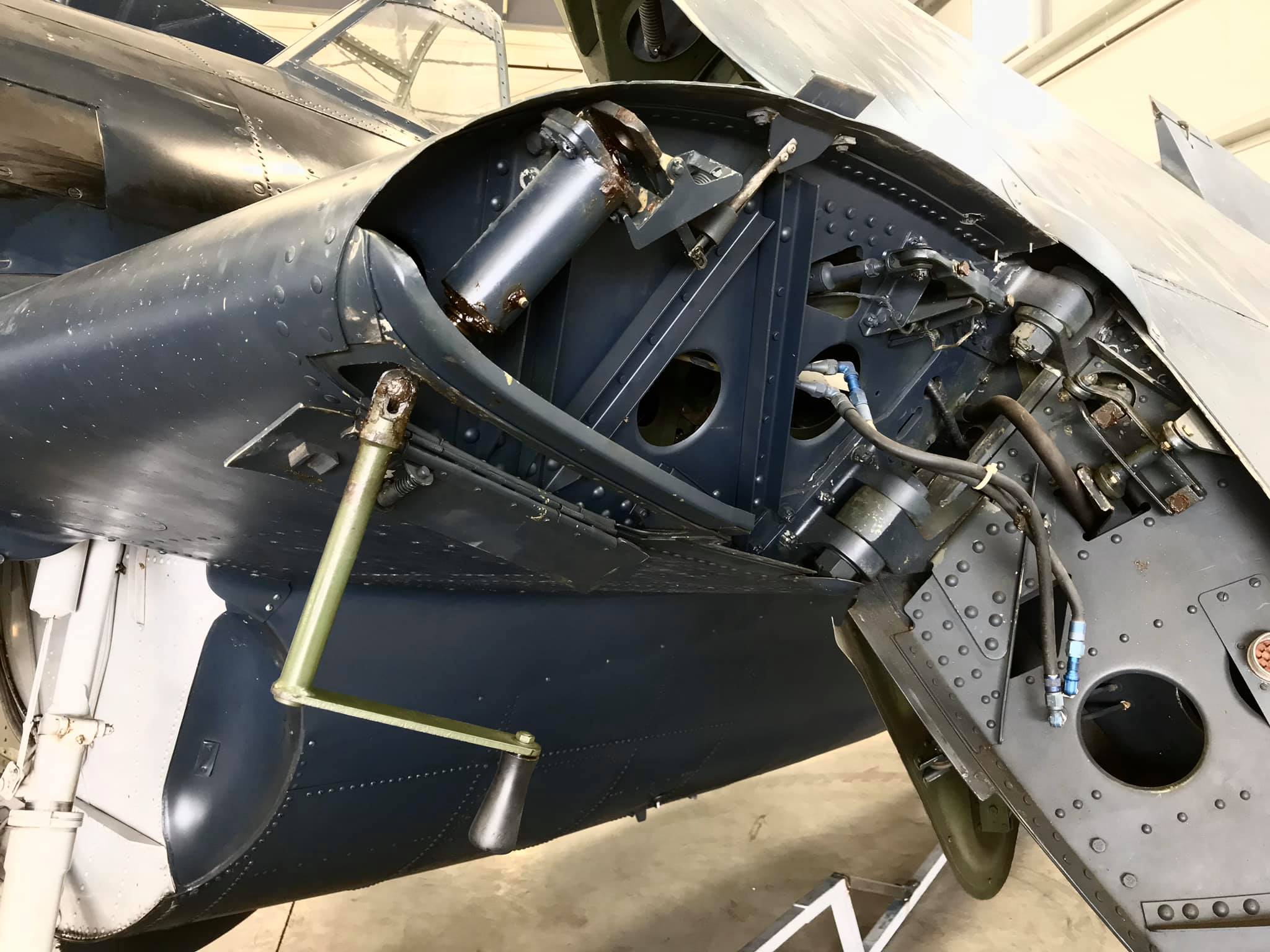
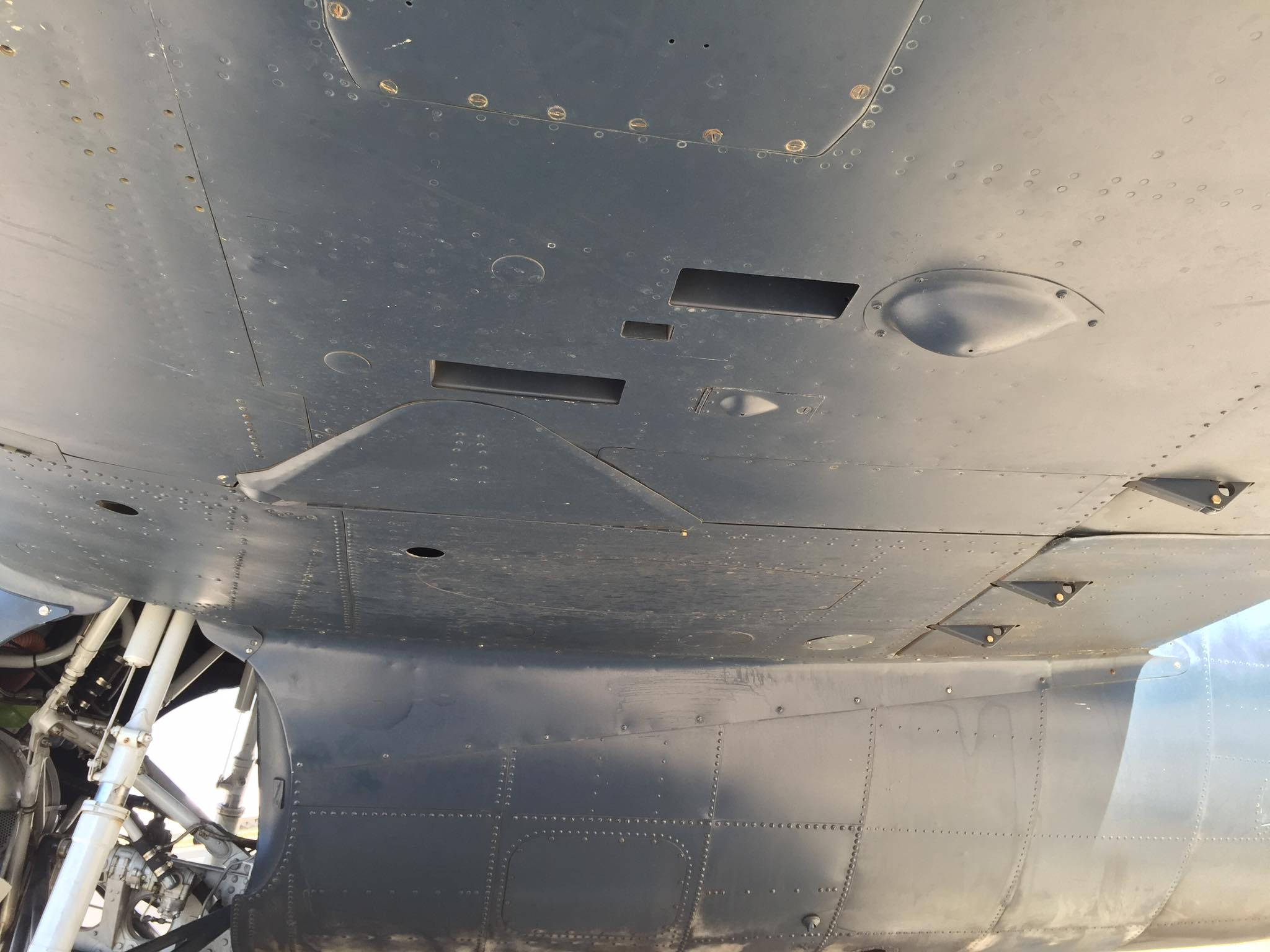
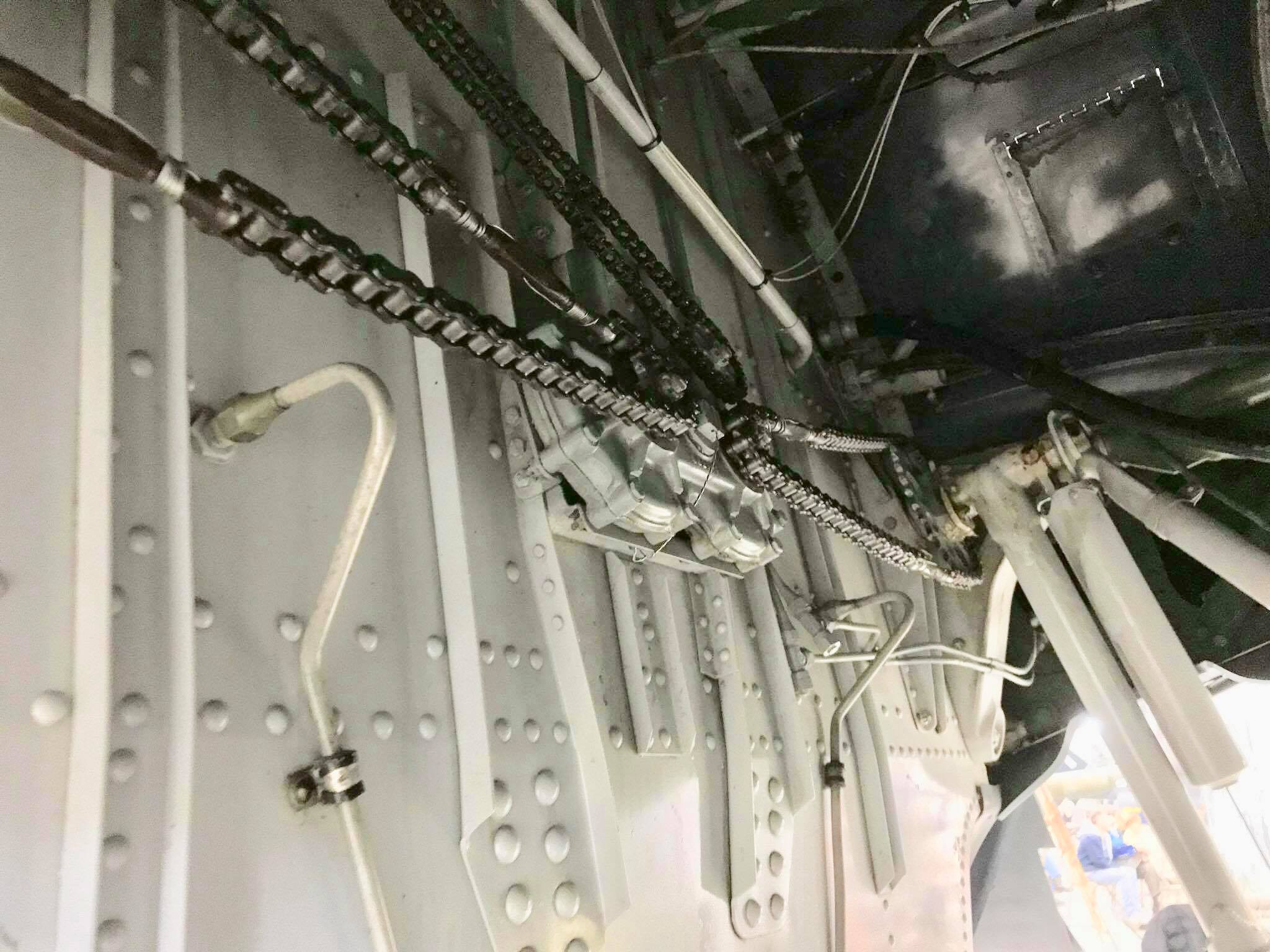
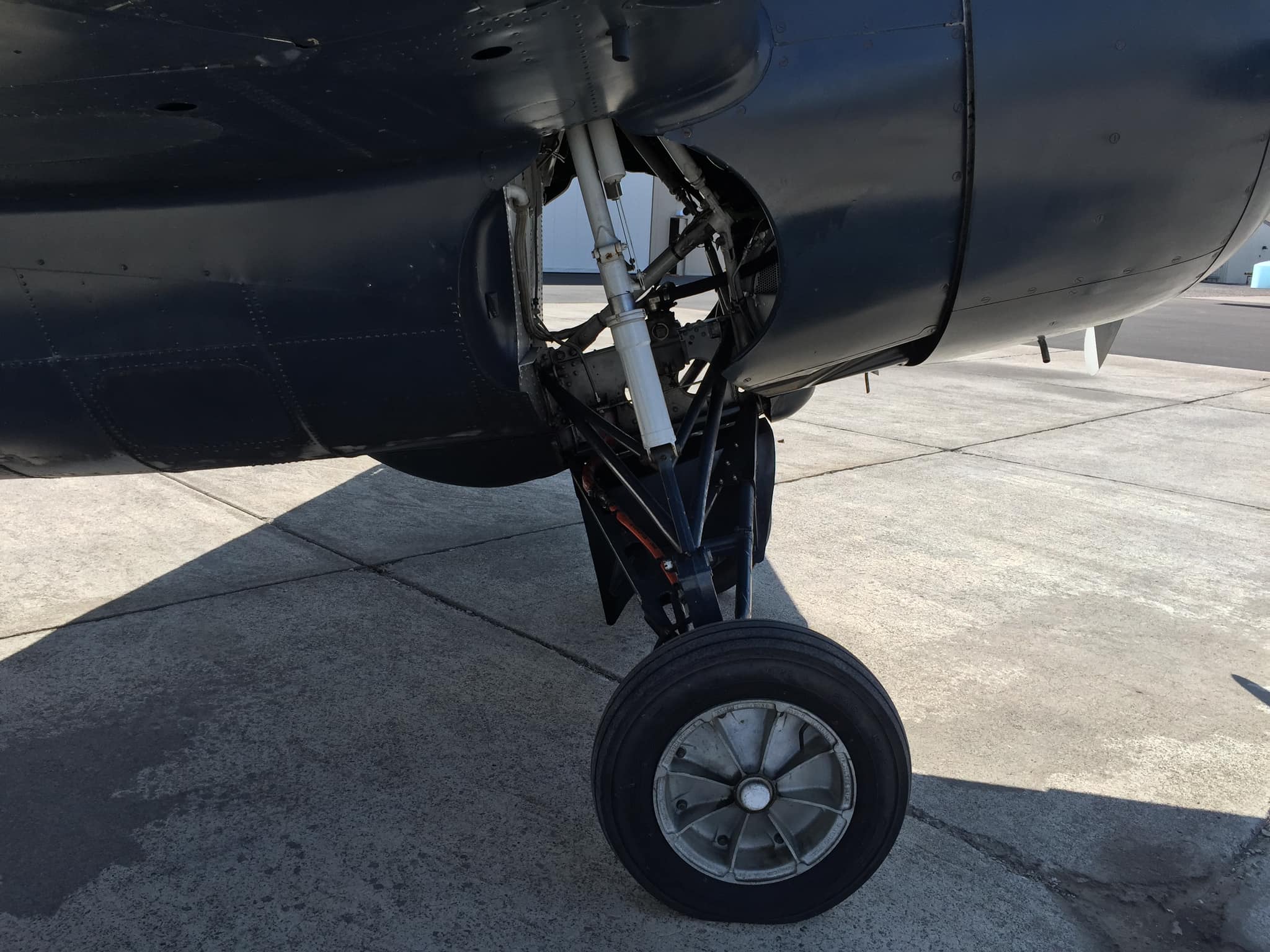
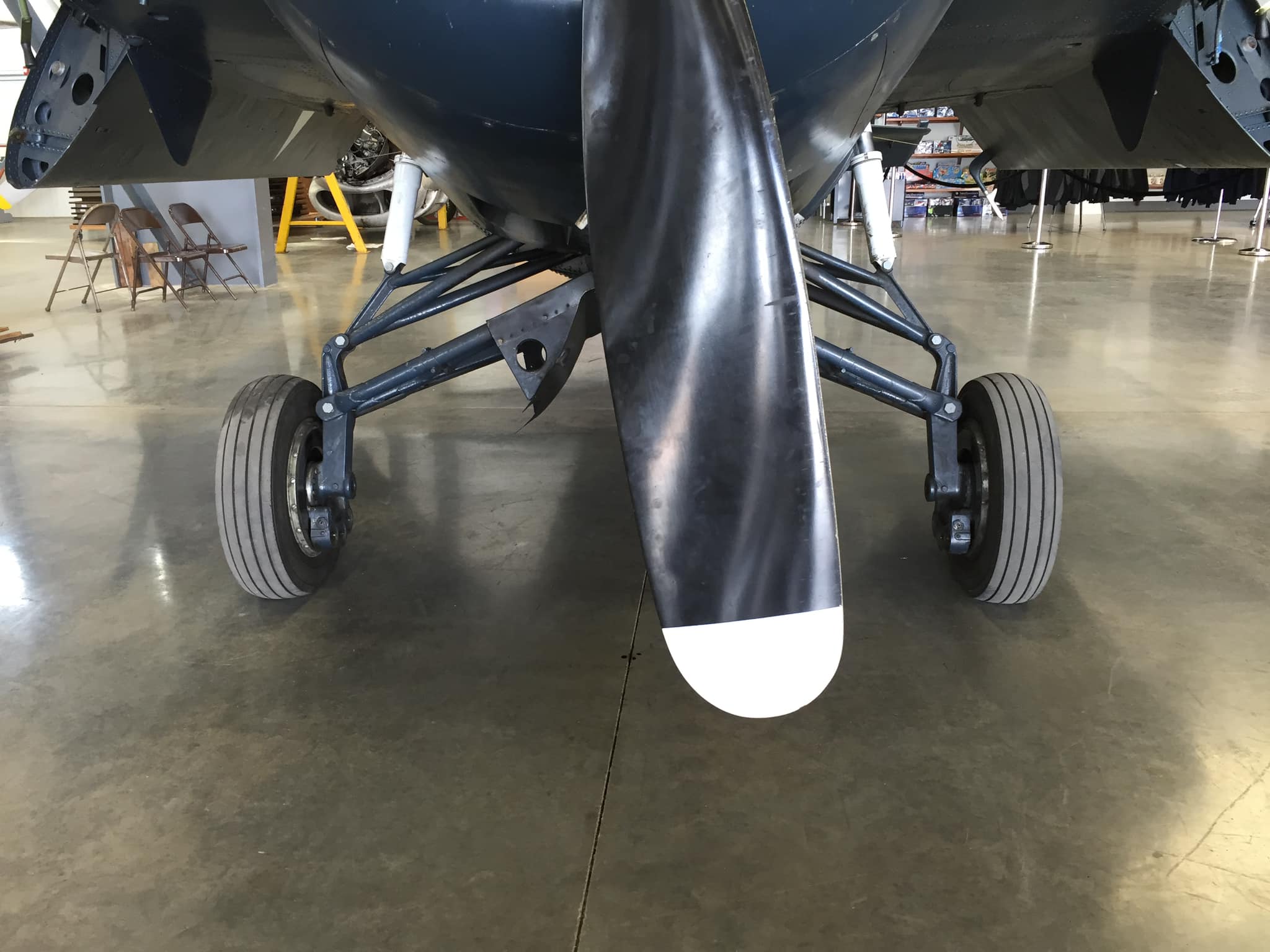
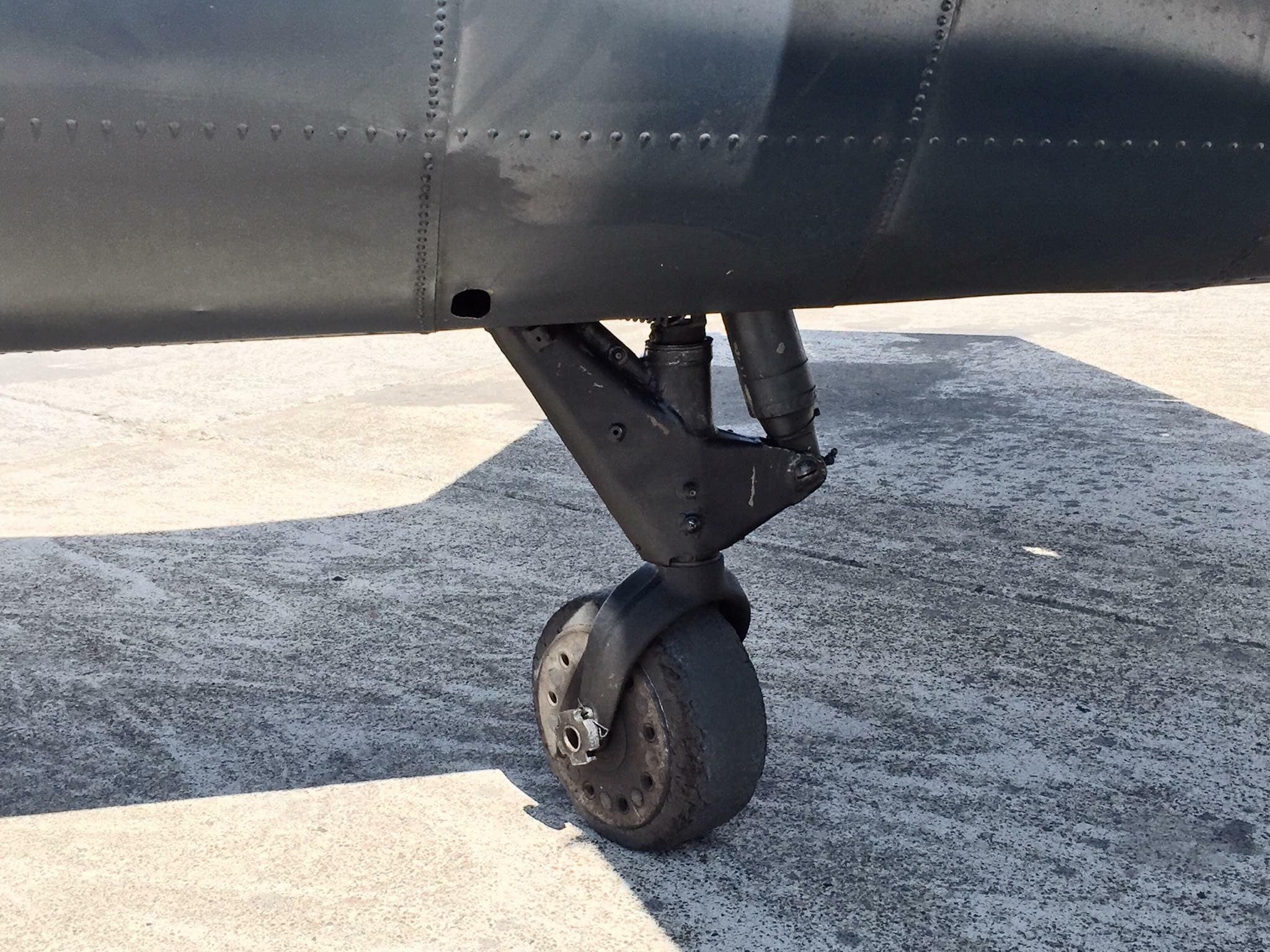
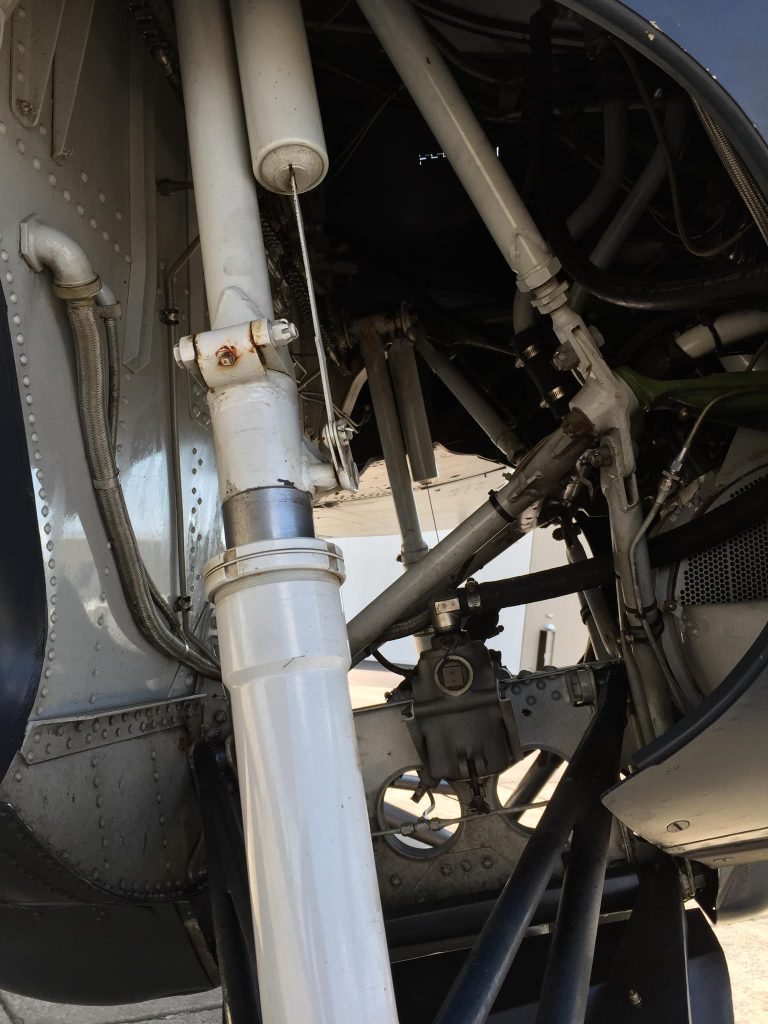
Hand cranks lock and unlock the wings by releasing locking pins. The Wildcat also has manually operated main landing gear that stows into sockets in the fuselage. To retract and drop the gear requires “approximately 28 cranks” (according to the manual, although I have seen and been told by pilots it’s more like 31 cranks) by the pilot’s right hand – after securing the friction lock on the throttle and letting go to fly the aircraft – and keeping his hand on the crank, or it will unwind. There are bicycle-type chains in the wheel wells that raise and lower the landing gear (see my photos). This accounts for the “wobble” sometimes seen on takeoff and landing, since it was sometimes difficult for the pilot to keep a steady hand on the stick with his left hand while cranking the gear up or down with his right. The narrow track “roller skate” track of the gear caused ground-looping when landing on airstrips; this was not such a problem on carriers since the arresting cable would catch the aircraft before it got far.
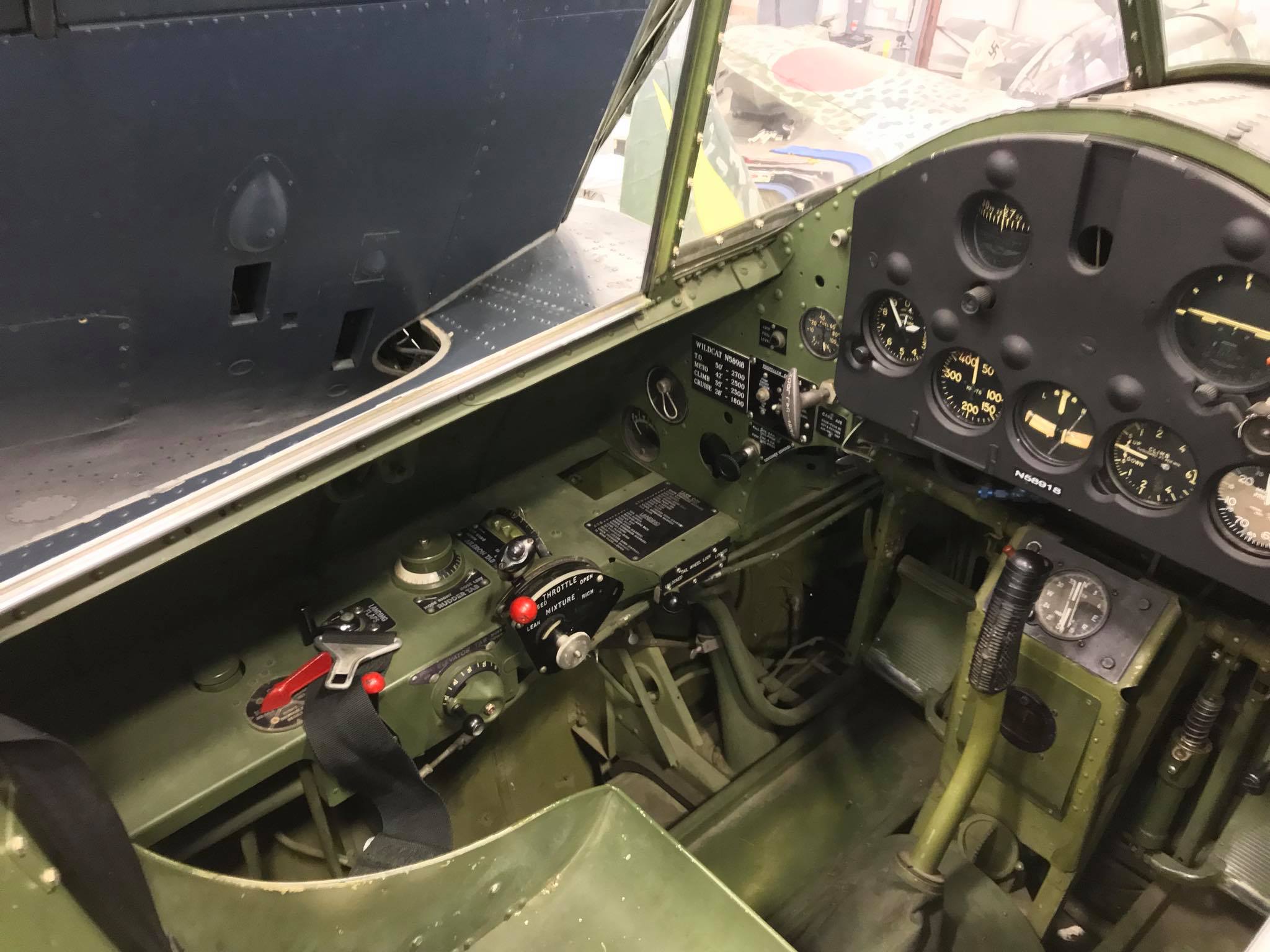
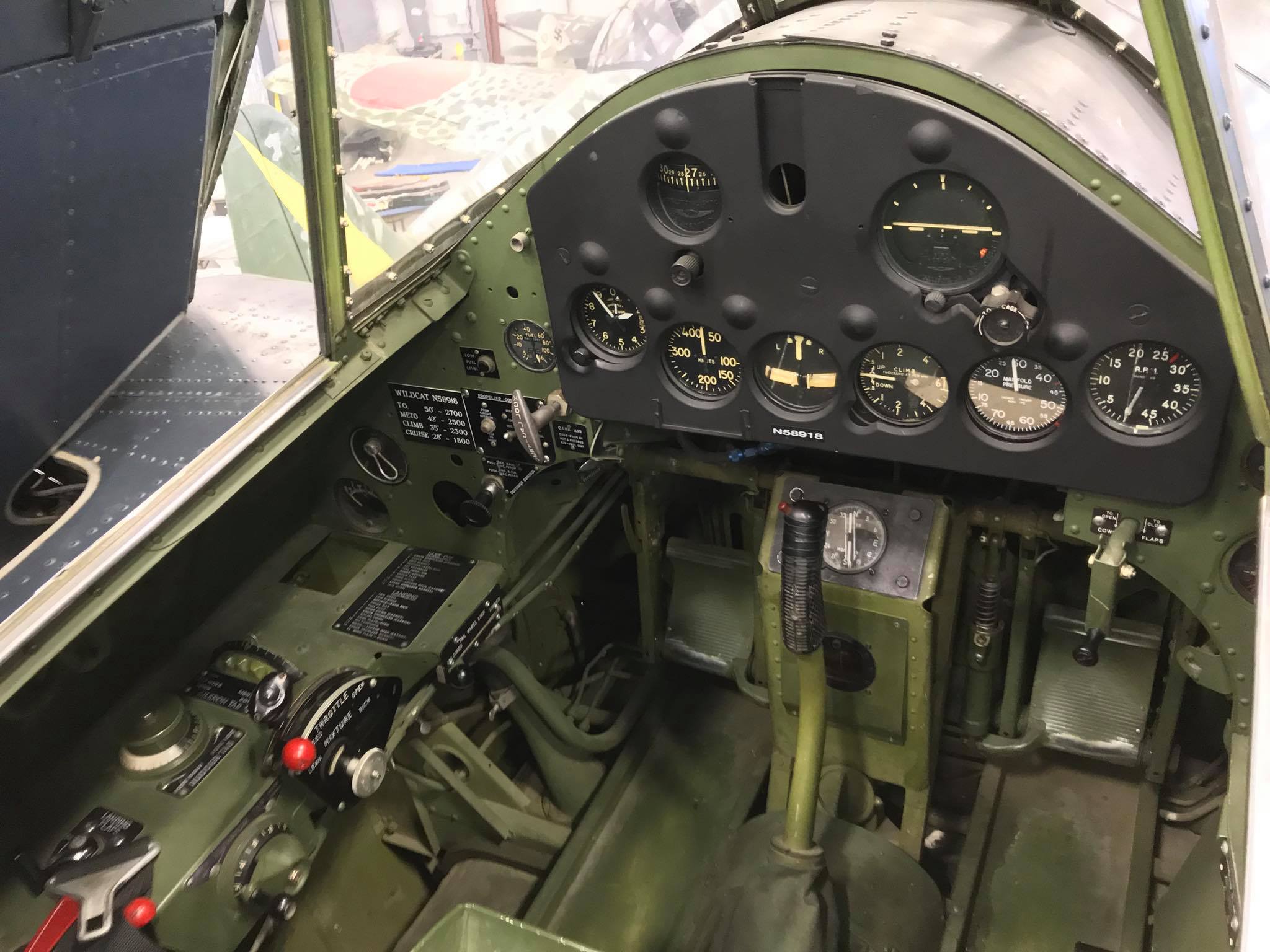
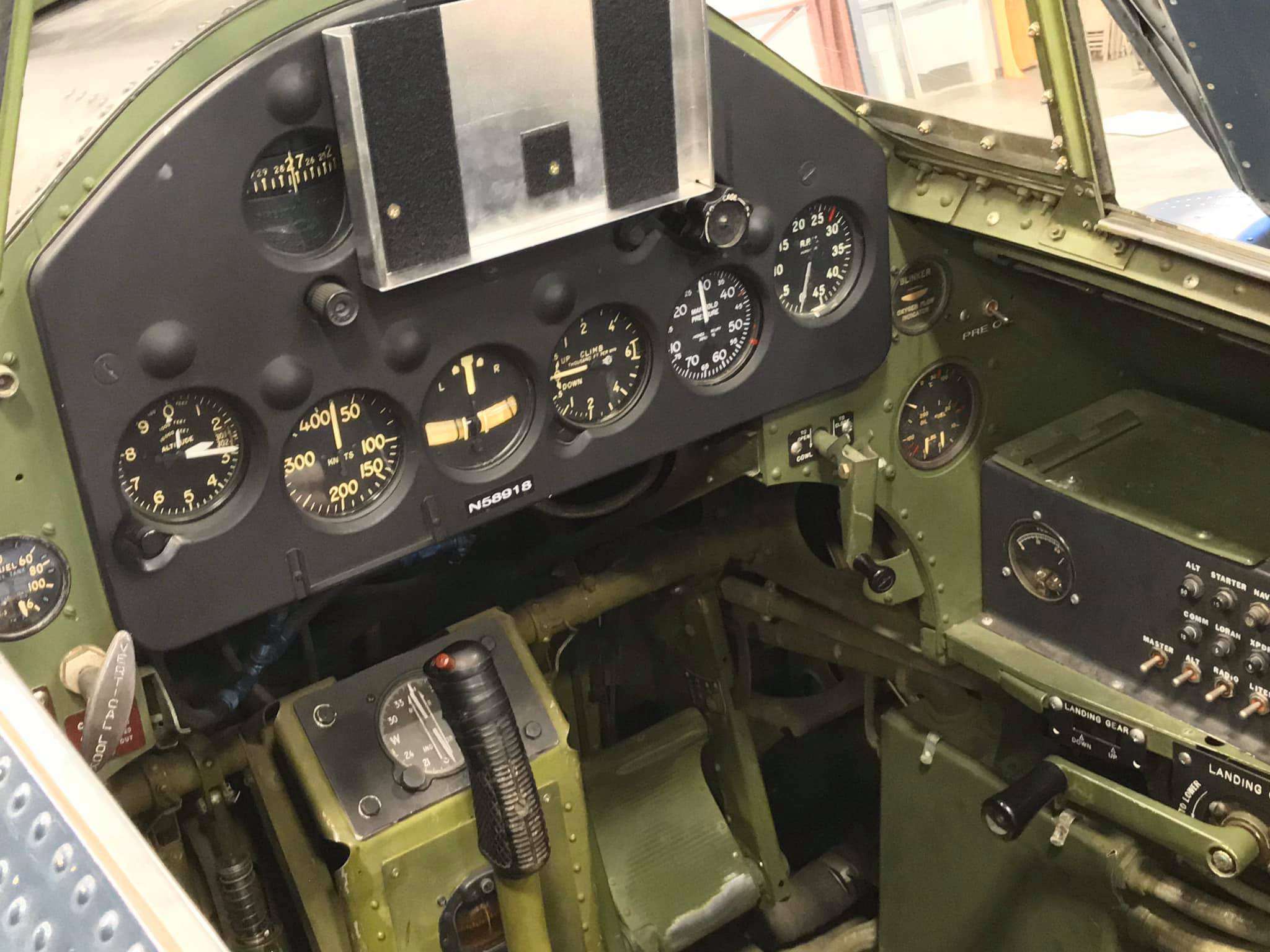
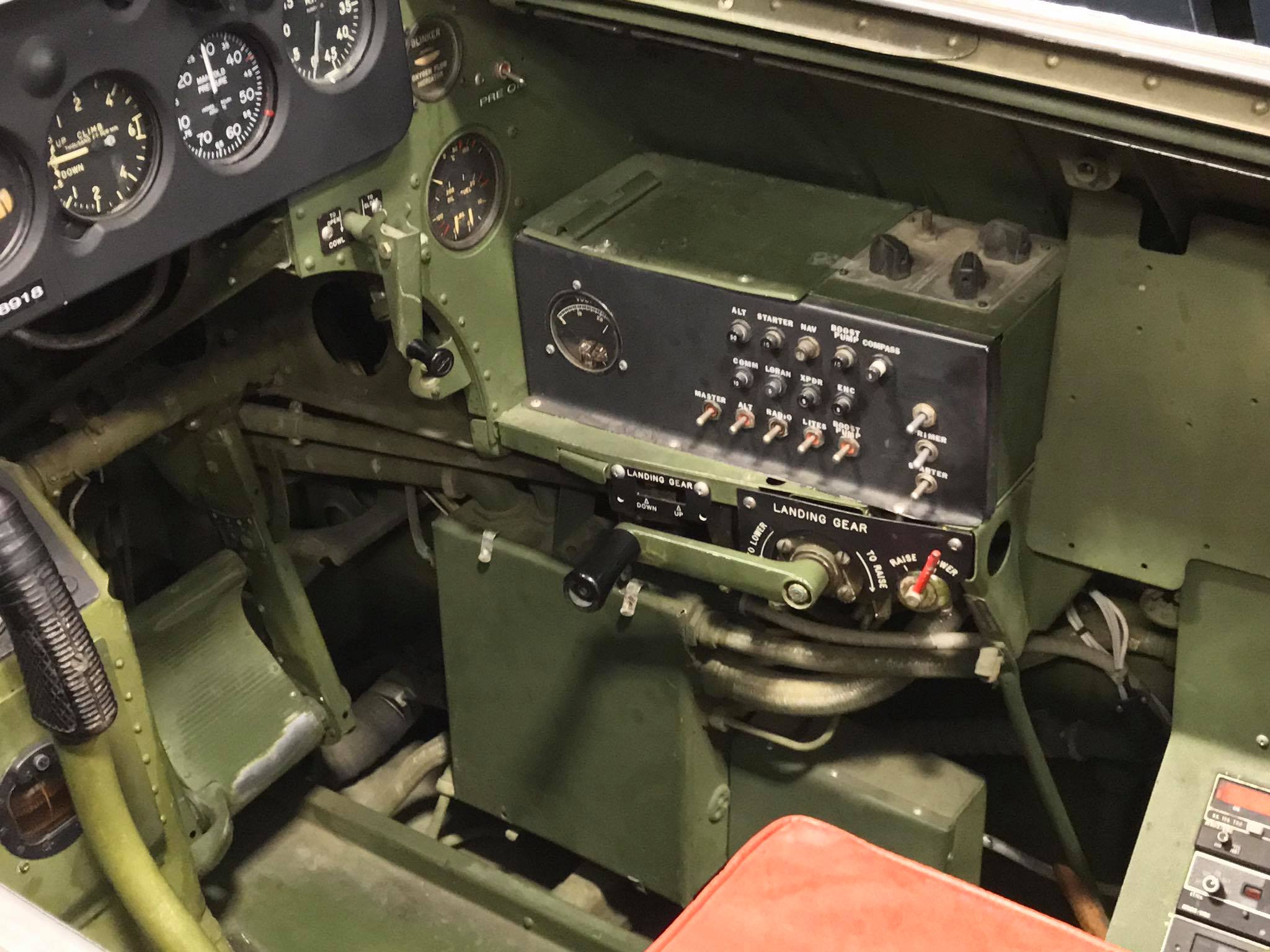
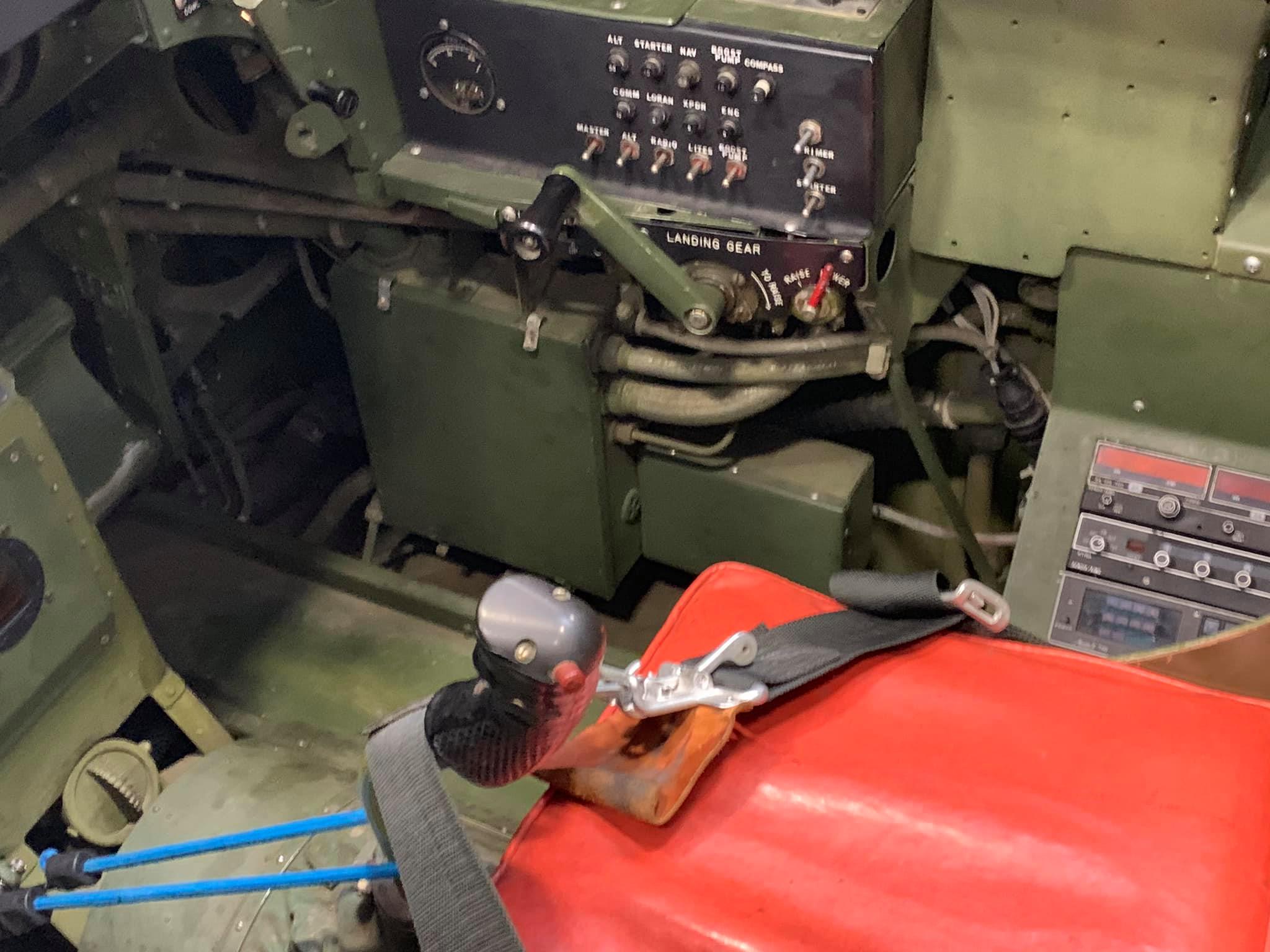
The FM-2 variant had the lighter but more powerful Wright R-1820-65 Cyclone 9 engine (rather than the Pratt & Whitney R-1830 Twin Wasp engine of prior variants), and later model FM-2s were given a water-injection system to help boost short-term engine output. Typical armament of the FM-2 included four Browning .50 cal. machine guns in the wings, and it could carry up to 250 lbs., consisting of two bombs mounted under the wings or six 5-in. HVAR rockets on launch rails; the FM-2 also had a taller tail fin and rudder to compensate for the increased torque.
 About the author
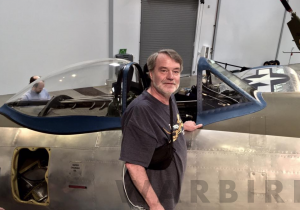
Randy Malmstrom grew up in a family steeped in aviation culture. His father, Bob, was still a cadet in training with the USAAF at the end of WWII but did serve in Germany during the U.S. occupation in the immediate post-war period, where he had the opportunity to fly in a wide variety of types that flew in WWII. After returning to the States, Bob became a multi-engine aircraft sales manager and, as such, flew a wide variety of aircraft; Randy frequently accompanied him on these flights. Furthermore, Randy’s cousin, Einar Axel Malmstrom, flew P-47 Thunderbolts with the 356th FG from RAF Martlesham Heath. He was commanding this unit at the time he was shot down over France on April 24th, 1944, and spent the rest of the war as a prisoner of war. Following his repatriation at war’s end, Einar continued his military service, attaining the rank of Colonel. He was serving as Deputy Wing Commander of the 407th Strategic Fighter Wing at Great Falls AFB, MT, at the time of his death in a T-33 training accident on August 21, 1954. The base was renamed in his honor in October 1955 and continues to serve in the present USAF as home to the 341st Missile Wing. Randy’s innate interest in history in general, and aviation history in particular, plus his educational background and passion for WWII warbirds, led him down his current path of capturing detailed aircraft walk-around photos and in-depth airframe histories, recording a precise description of a particular aircraft in all aspects.