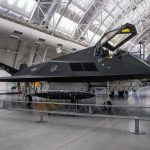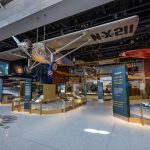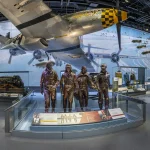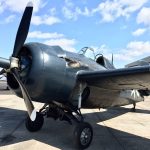
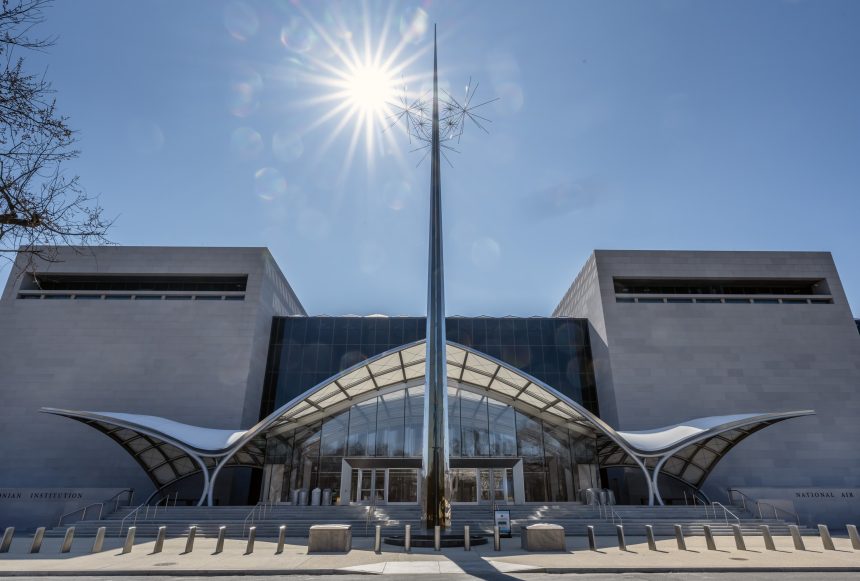

For ten years, the National Mall location of the Smithsonian Institution’s National Air and Space Museum has been under renovation, with a complete transformation of the galleries and the infrastructure of the building that has stood on the National Mall of downtown Washington, D.C. for 50 years. This Veterans Day, November 11, marked the end of this period of renovation with the opening of the museum’s Modern Military Aviation gallery, which covers post-WWII military aviation from the Korean and Vietnam Wars to the wars in Afghanistan and Iraq. But as the National Air and Space Museum celebrates the end of the largest era of transformation for the National Mall location since its opening in 1976, it also looks ahead to begin work on two new undertakings: the opening of the Bezos Learning Center adjacent to the National Air and Space Museum, and an expansion of the Steven F. Udvar-Hazy Center near Chantilly, Virginia.

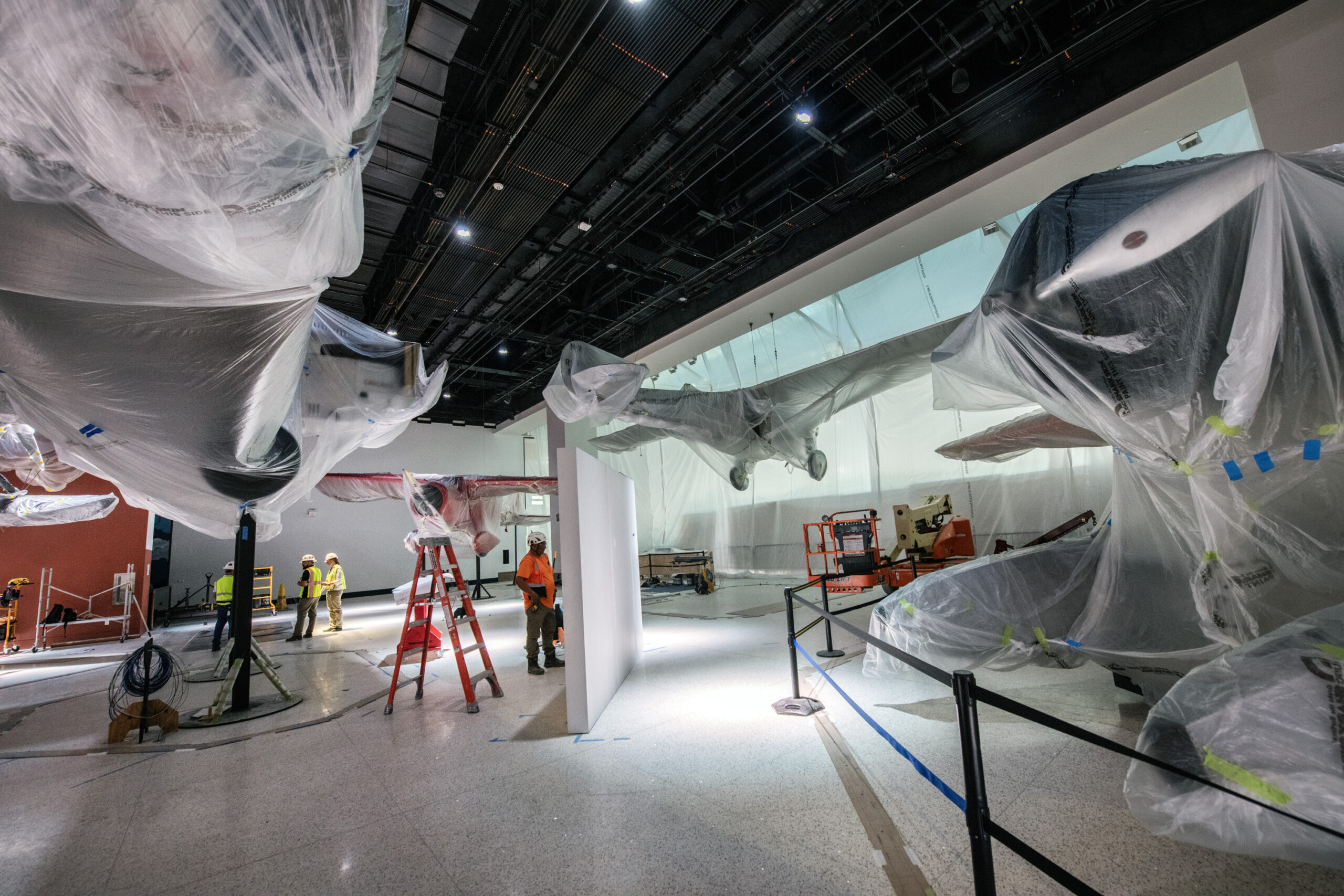
Over the course of the last decade, the National Air and Space Museum raised over $285 million in donations from a host of corporate and private sources, in addition to a commitment of public funds provided by Congress. The extensive renovations saw over 5,200 artifacts being moved and preserved to make way for the construction efforts, and many of the museum’s most cherished artifacts would leave the museum on the National Mall to be placed in storage or to undergo refurbishment at the Steven F. Udvar-Hazy Center before returning to Washington, D.C. Additionally, some 1,400 new objects of all sizes were placed on display at the National Mall location, with some being recent donations, while others were displayed for the first time after decades in the museum’s storage facilities.


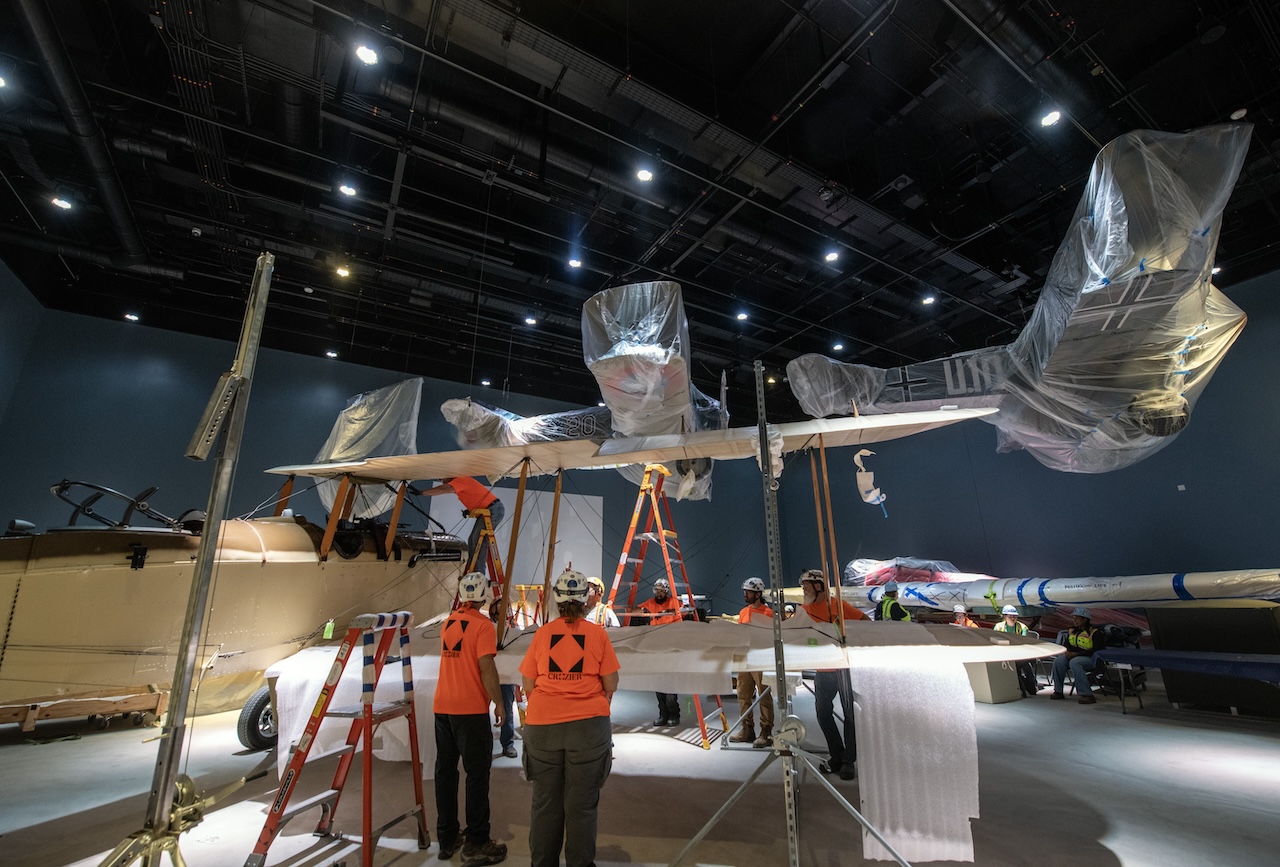


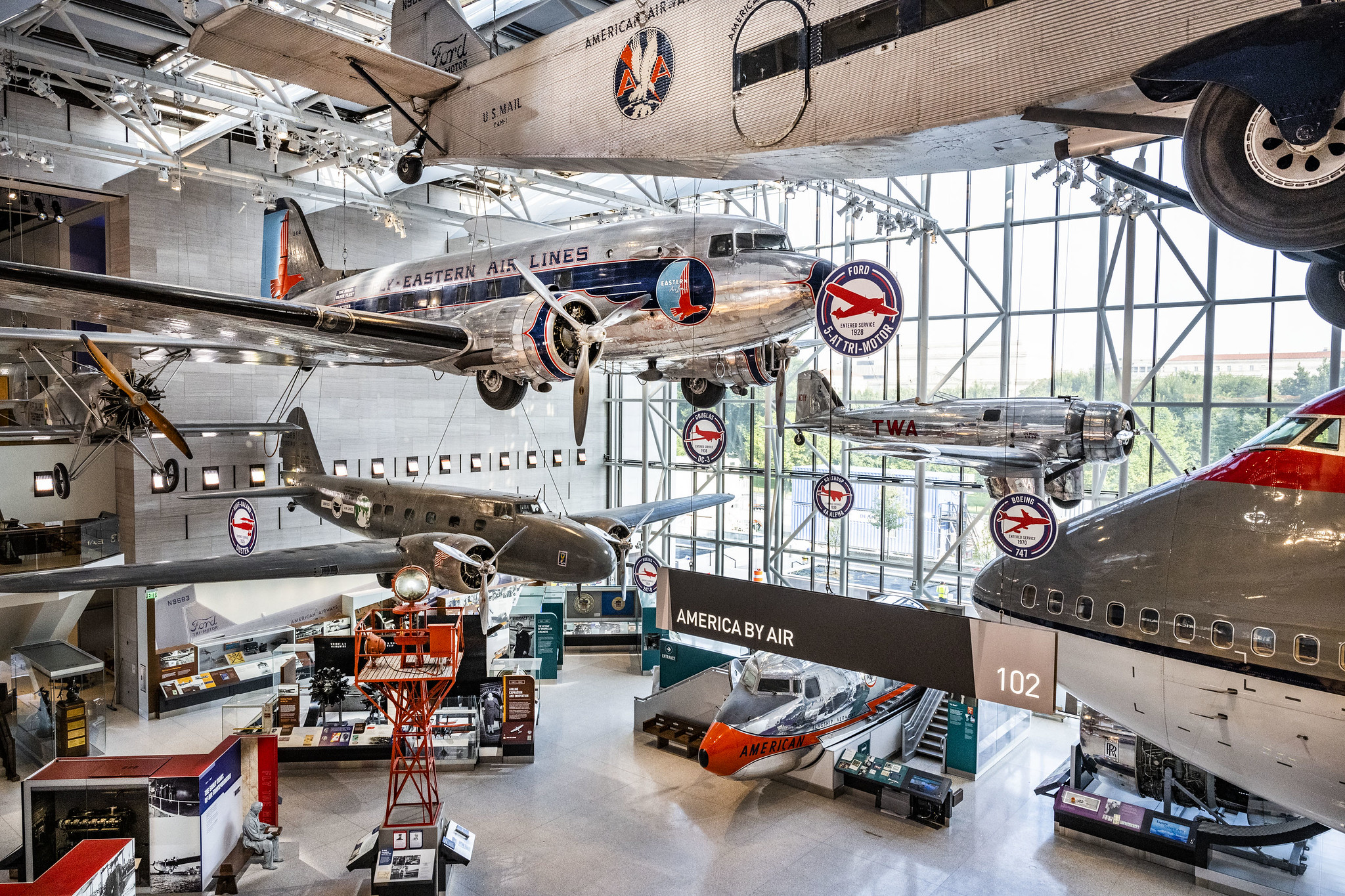
Today, all 20 galleries at the National Air and Space Museum are open and fitted with interactive exhibits for all ages. Some of these are new iterations of some of the museum’s longest-running and most popular exhibits, such as The Wright Brothers & The Invention of the Aerial Age, America by Air, Boeing Milestones of Flight, and the Barron Hilton Pioneers of Flight, while new exhibits such as the Thomas W. Haas We All Fly, Destination Moon, RTX Living in the Space Age Hall, and the Futures in Space also populate the halls of the most visited aerospace museum in the world.


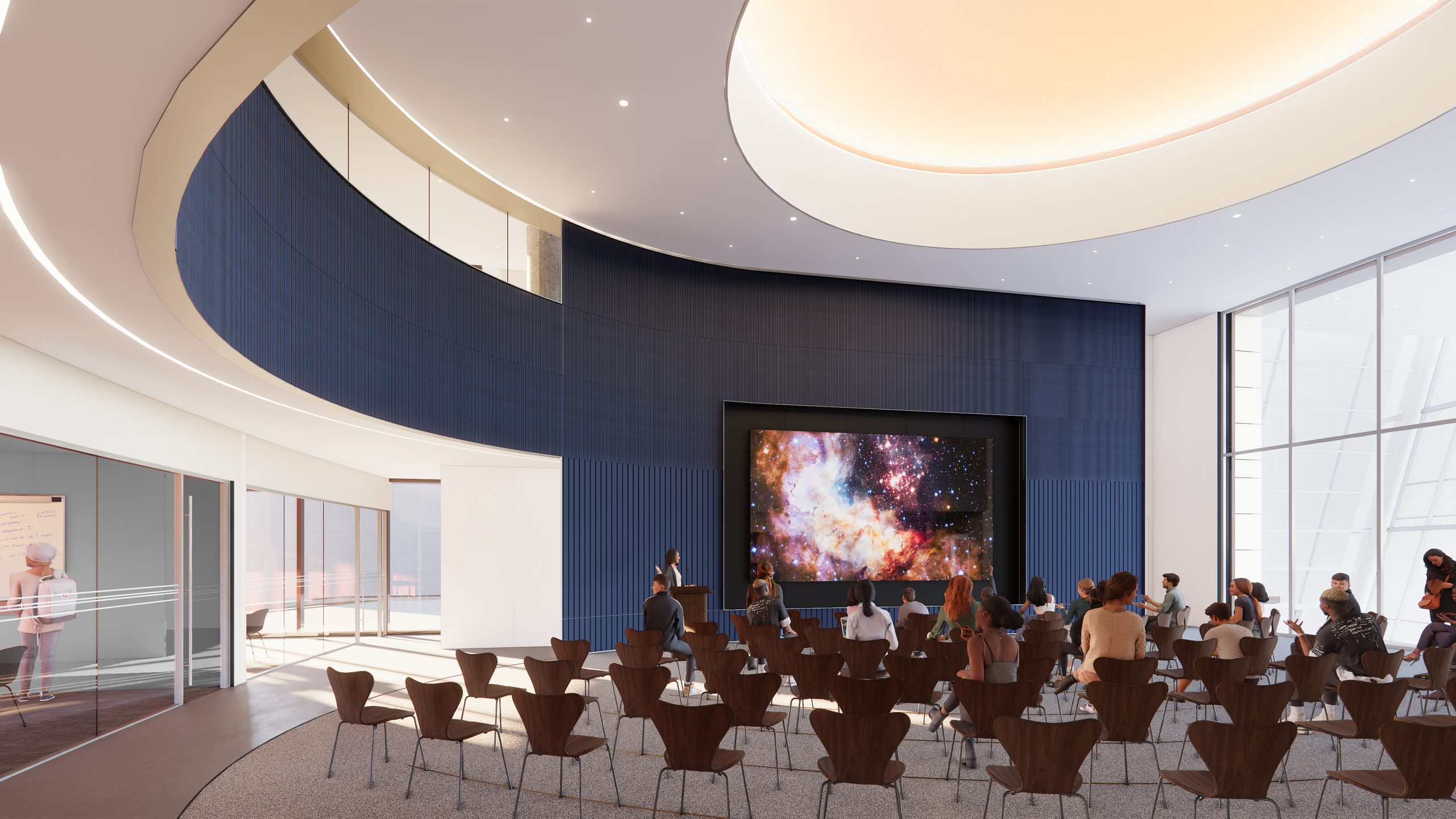
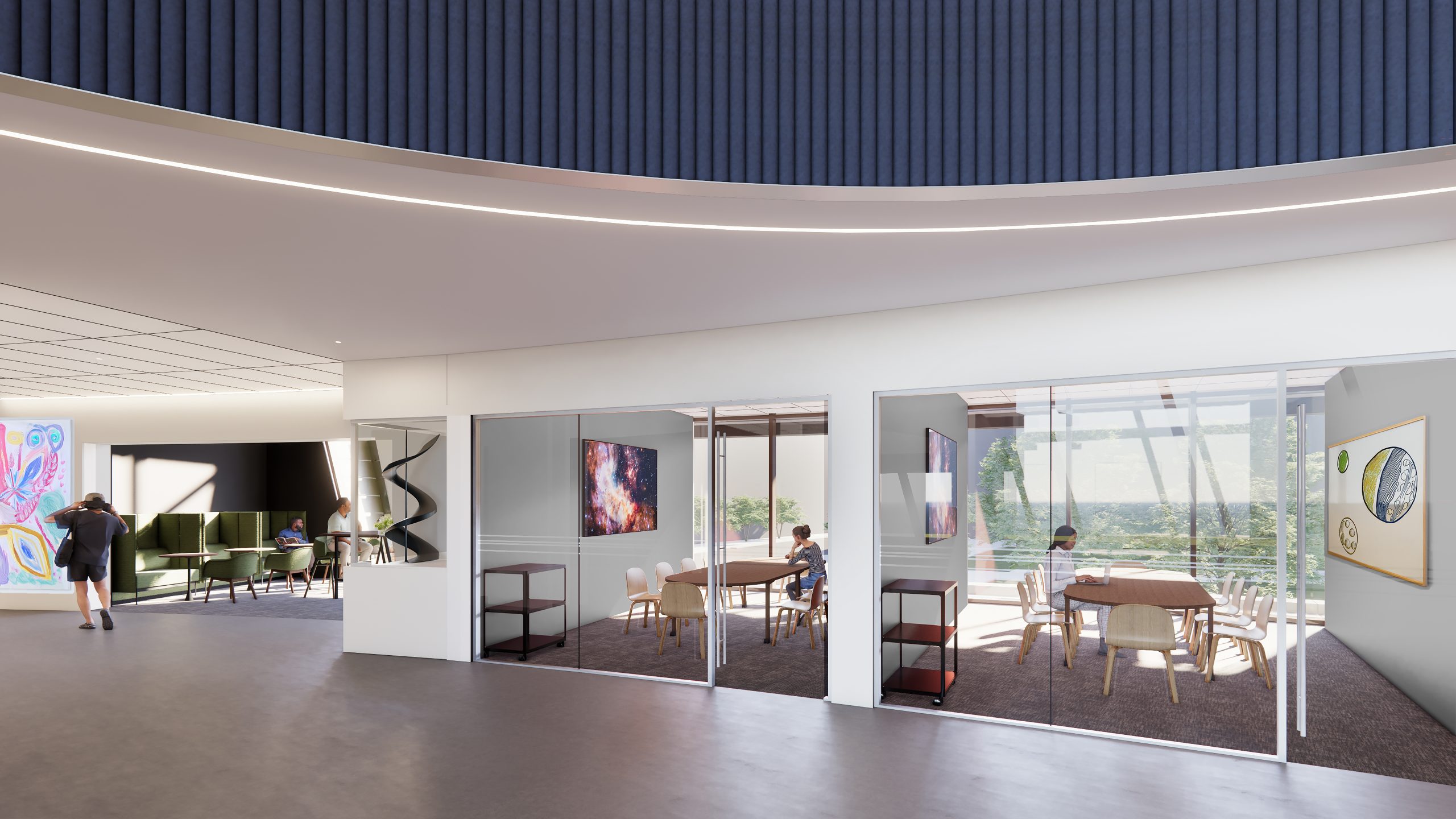
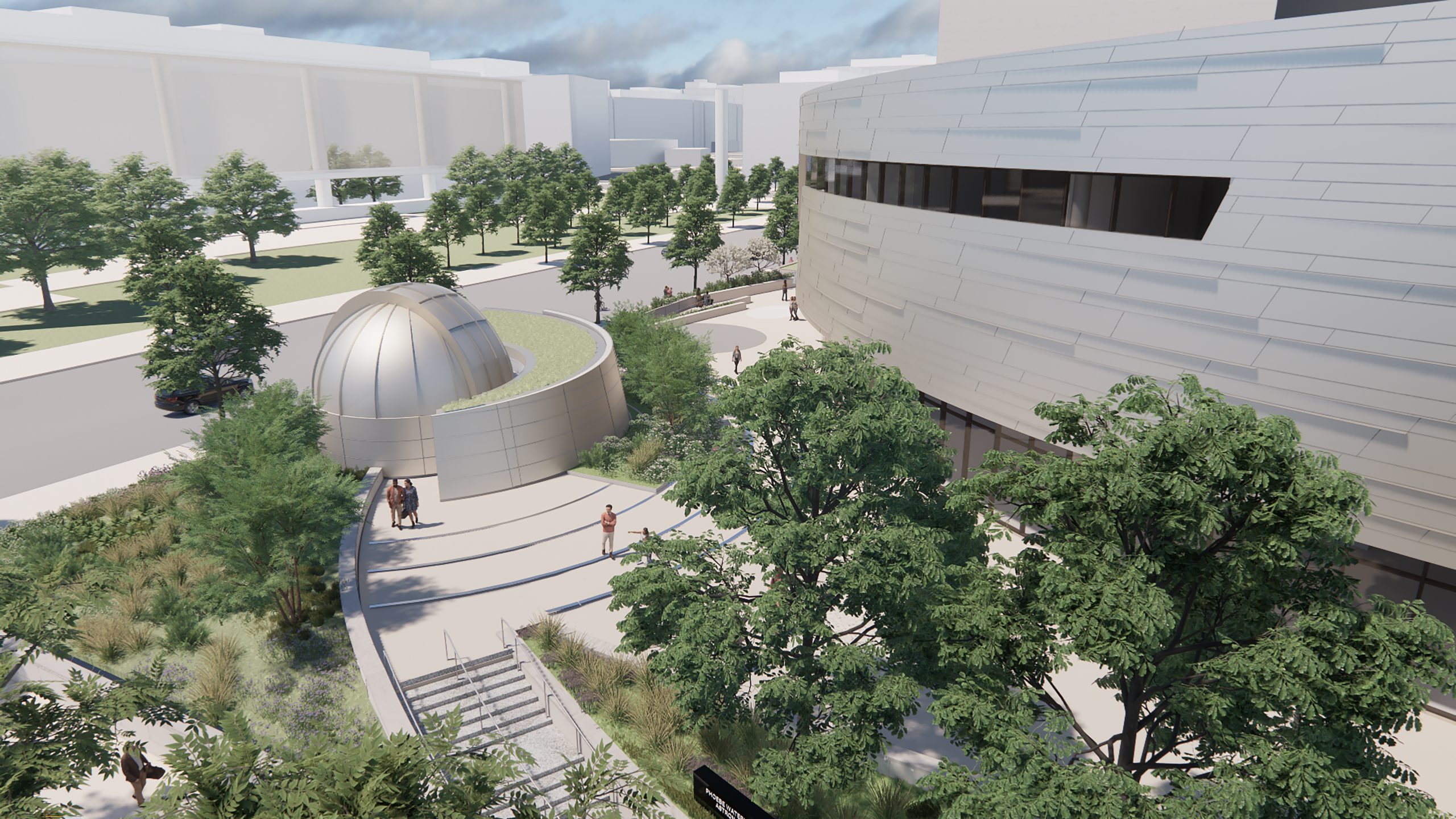
As the National Air and Space Museum celebrates the full reopening of its Washington, D.C. location four months after commemorating the 50th anniversary of its opening on July 1, 1976, the museum has already announced two major expansions that will immediately follow this momentous occasion. The first of these will be the new Bezos Learning Center, which is currently under construction on the east side of the National Air and Space Museum building. Designed by the architectural firm Perkins & Will, this new education facility is the result of a $200 million donation from billionaire Jeff Bezos, and represents the single largest donation to the Smithsonian Institution since the Smithsonian’s founding in 1846. The Bezos Learning Center will feature two floors of state-of-the-art facilities for both in-person and online learning programs, a 525-seat restaurant, and will see the permanent installation of the Phoebe Waterman Haas Public Observatory and Astronomy Park.


The next major project for the National Air and Space Museum is the expansion of the Steven F. Udvar-Hazy Center. As mentioned in a prior article, this expansion will see the Udvar-Hazy Center’s Boeing Aviation Hangar receive an additional 44,000 square feet of display space for both newly acquired artifacts and to display aircraft previously kept in storage up to this point. The National Air and Space Museum intends to raise $60 million in private donations to fund the expansion project, which is expected to be completed by the end of 2028, and will represent the biggest add-on to the Udvar-Hazy Center since the opening of the center’s archives, conservation and restoration facilities in 2011.
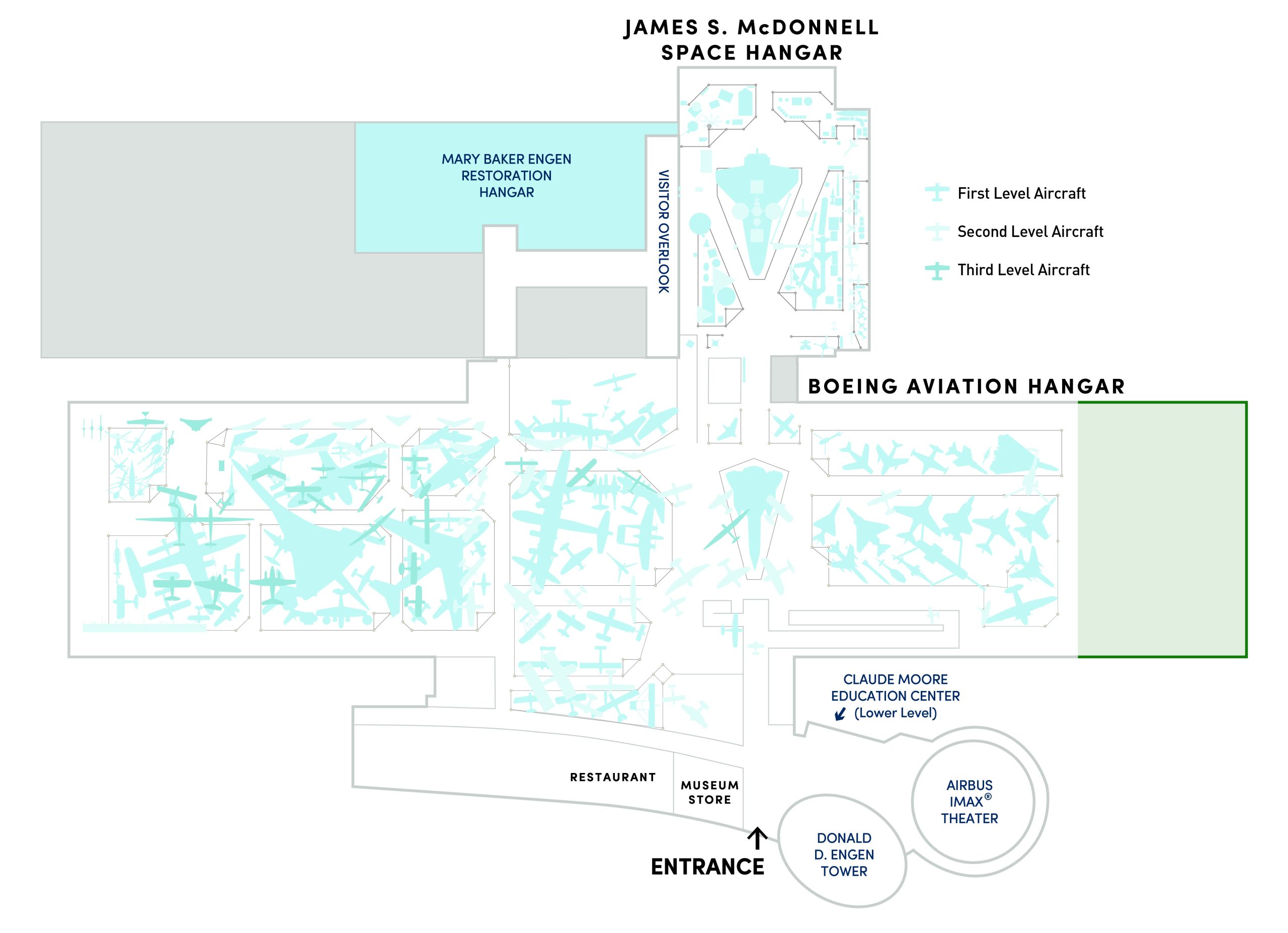
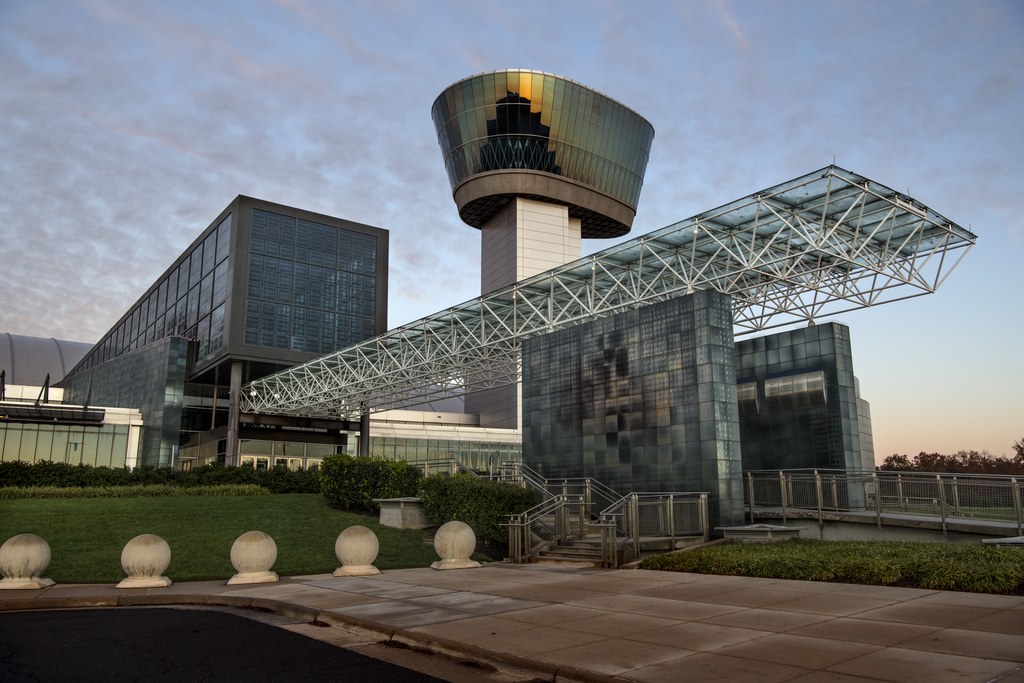
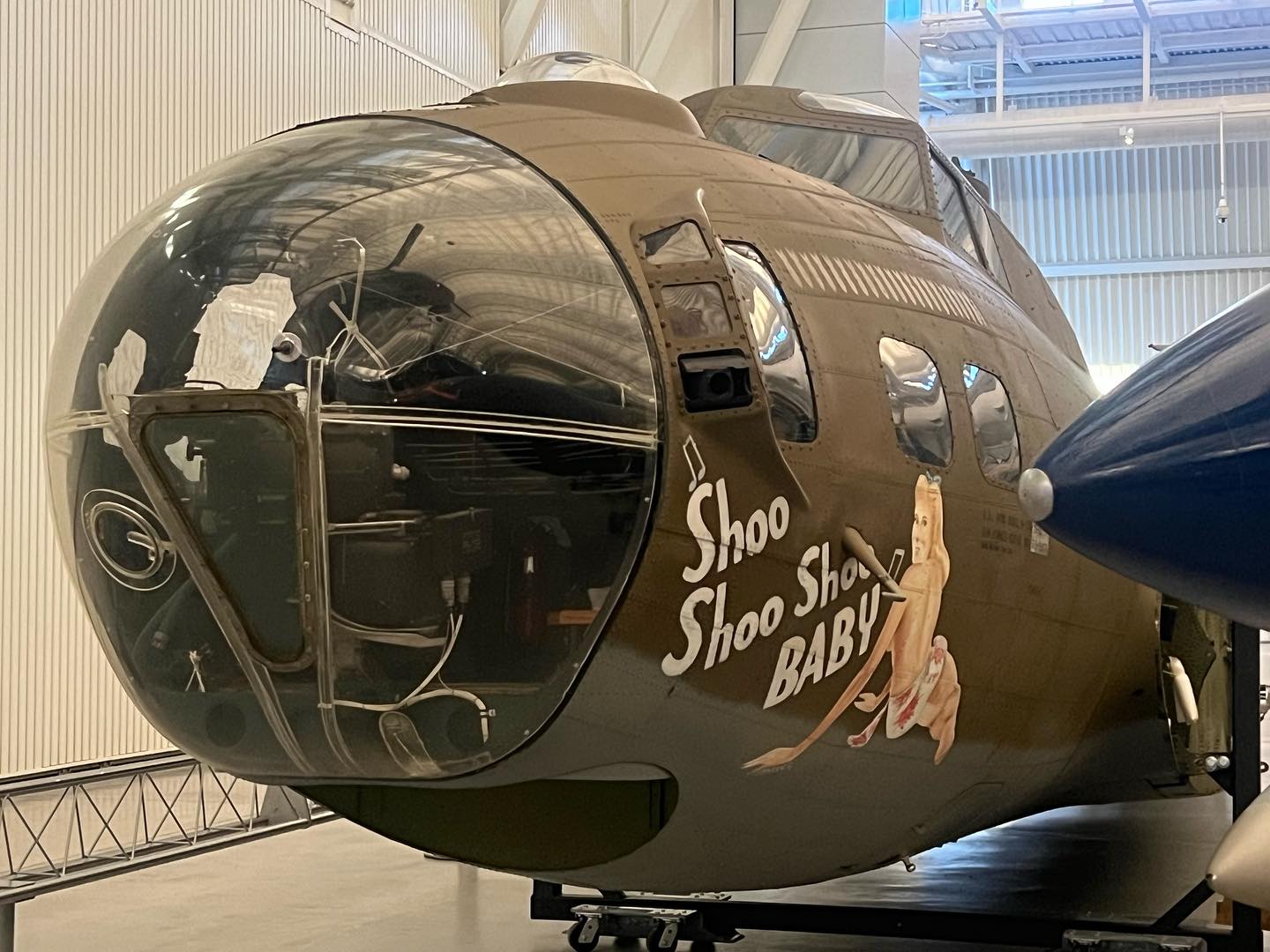
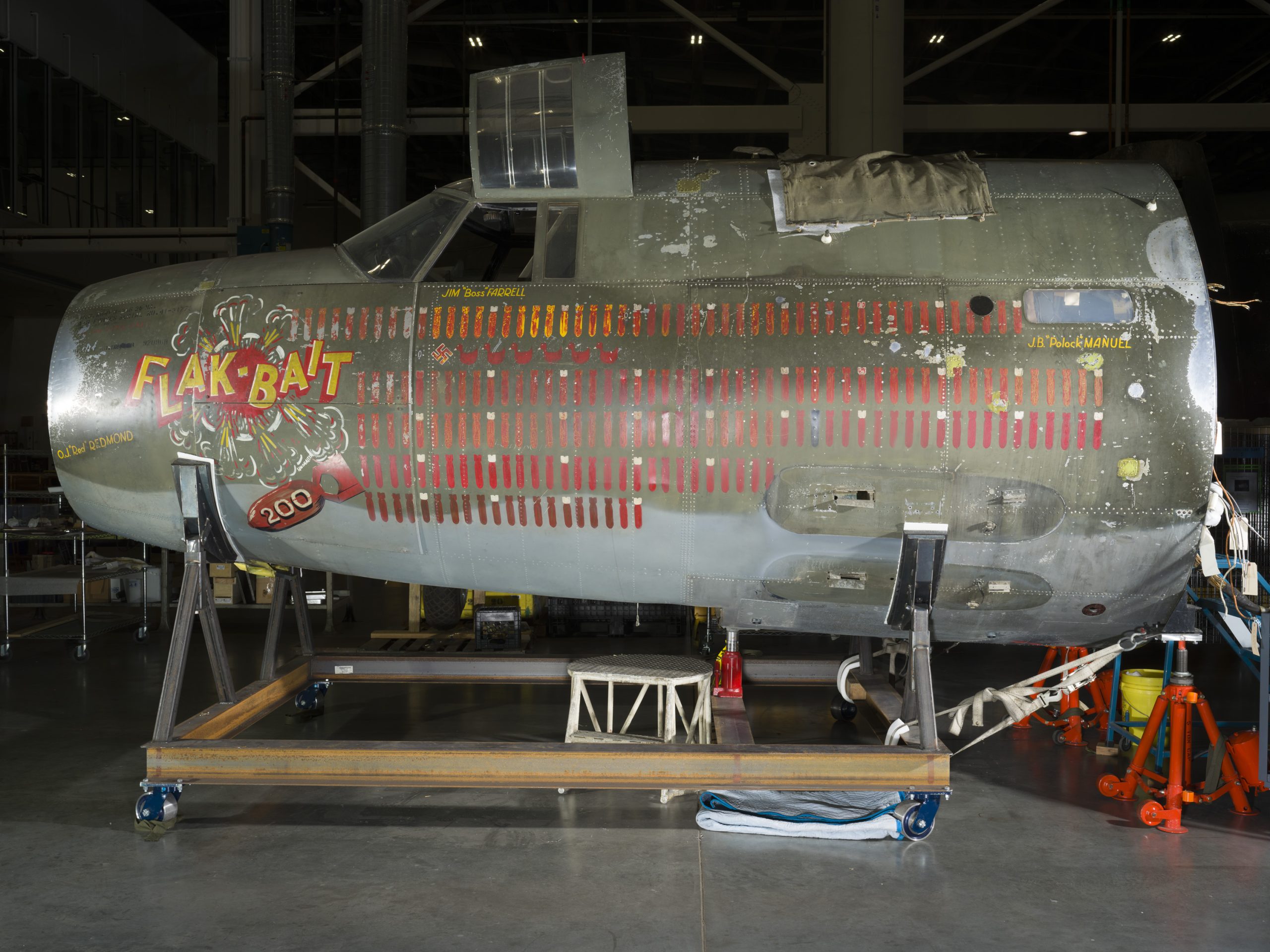
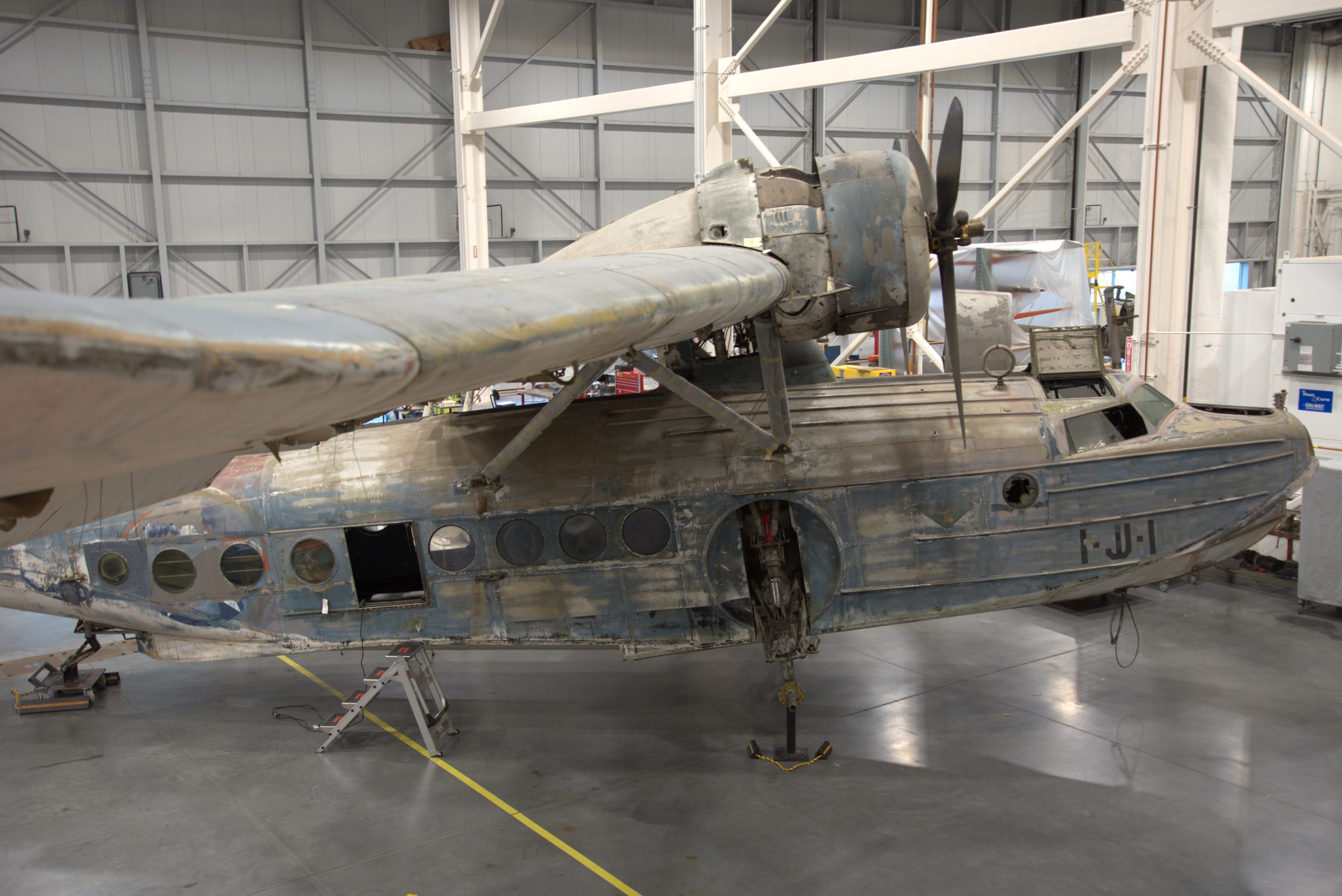
The National Air and Space Museum has also stated that the expansion of the Udvar-Hazy Center will allow for the new display of several large WWII aircraft at the Udvar-Hazy Center, from the Boeing B-17 Flying Fortress “Shoo Shoo Shoo Baby”, which was transferred from the National Museum of the United States Air Force and publicly on view while disassembled, to the Sikorsky JRS-1 flying boat that survived the attack on Pearl Harbor and the Martin B-26B Marauder “Flak-Bait” which flew more missions than any other American bomber of WWII, both of which are undergoing restoration/conservation efforts in the center’s Mary Baker Engen Restoration Hangar.
With the opening of all 20 galleries of the National Air and Space Museum’s Washington, D.C. location, it marks the closing of a chapter in the story of the National Air and Space Museum; new chapters in the Bezos Learning Center and the expansion of the Steven F. Udvar-Hazy Center are set to unfold. Regardless of the changes made, the museum’s mission of preserving aerospace history and inspiring future generations of aviators, astronauts, engineers, and scientists continues and will be further enhanced for new generations to discover. For more information, visit the National Air and Space Museum’s website HERE.