

By Ronan Thomas
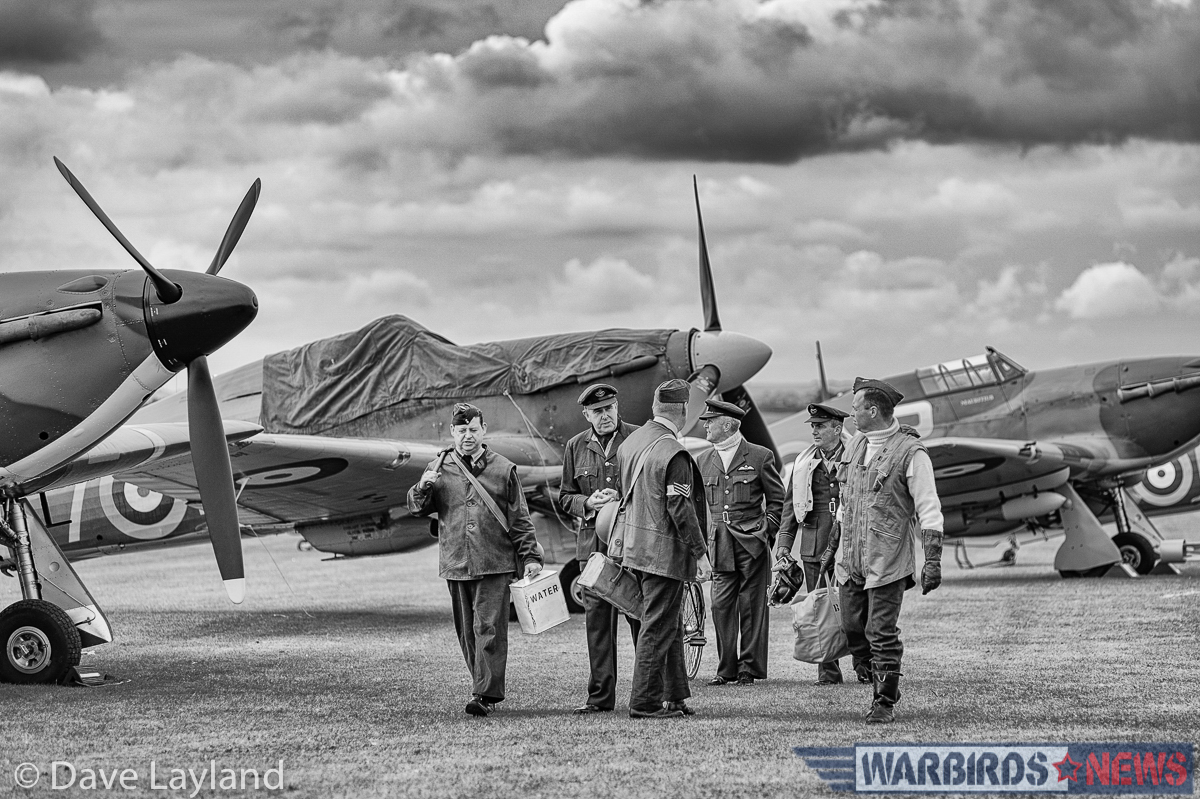
The Hawker Hurricane Mk I was, and is, one of Britain’s most iconic World War Two single-seat warbirds. This sturdy fighting legend — designed in 1934-1935 by Sydney Camm at the Hawker Siddeley Aircraft Factory, Kingston upon Thames, Surrey — was the scourge of Hitler’s Luftwaffe daylight bomber attacks, over Southern England and London during the Battle of Britain (10 July -31 October 1940). During the Battle, some 1,715 Hurricane Mk I’s from 32 RAF squadrons accounted for around 55% of all German aircraft shot down and destroyed. 2,945 British, Commonwealth and Allied aircrew from RAF Fighter Command fought in the Battle, with the critical support of thousands of RAF ground crews. Of these, 544 RAF fighter pilots were killed, along with 312 ground crew. 915 British aircraft were lost. Against this, the Luftwaffe lost 2,662 aircrew killed, with over 6,000 others wounded or taken prisoner. 1,773 German aircraft were destroyed.
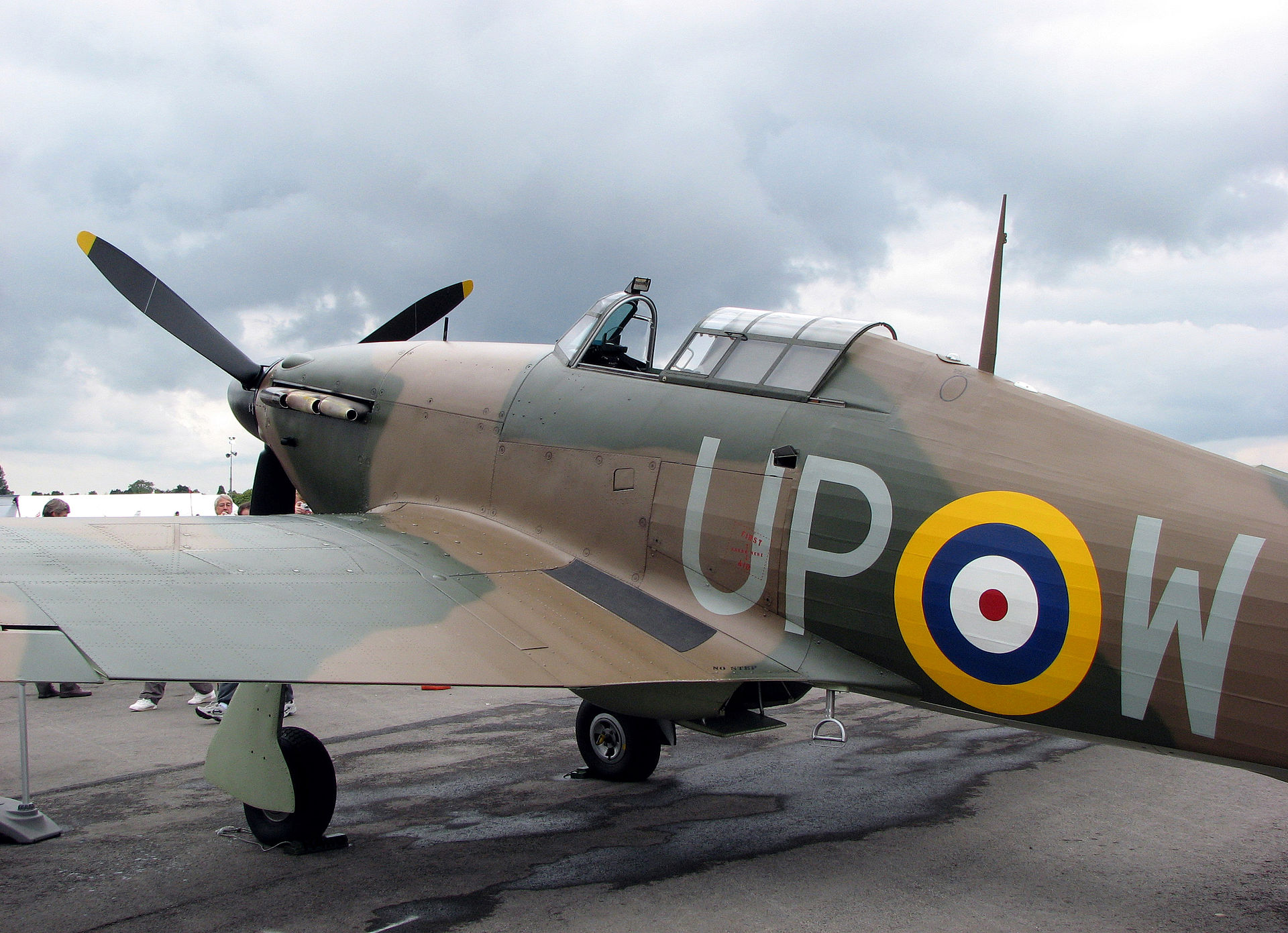
Just over 90 years on from its first take-off, on 6 November 1935, from Brooklands Aerodrome, Surrey, the Hawker Hurricane retains a revered and justified place in British historical memory. Not to mention among warbird enthusiasts. Its everlasting reputation was forged in wartime when Britain’s national survival lay in the balance.
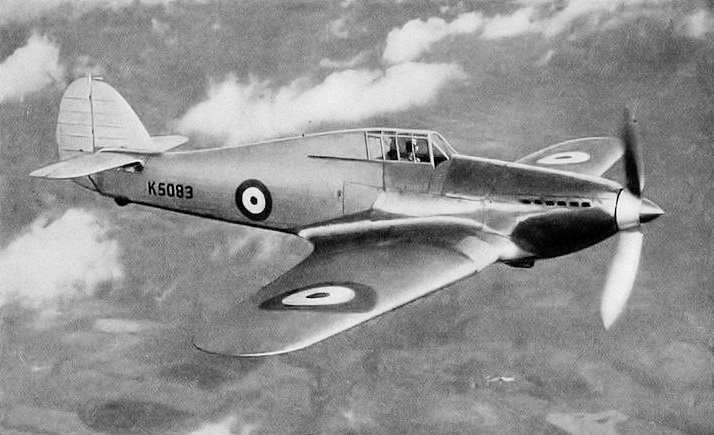
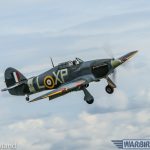
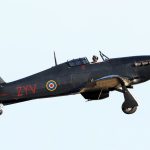
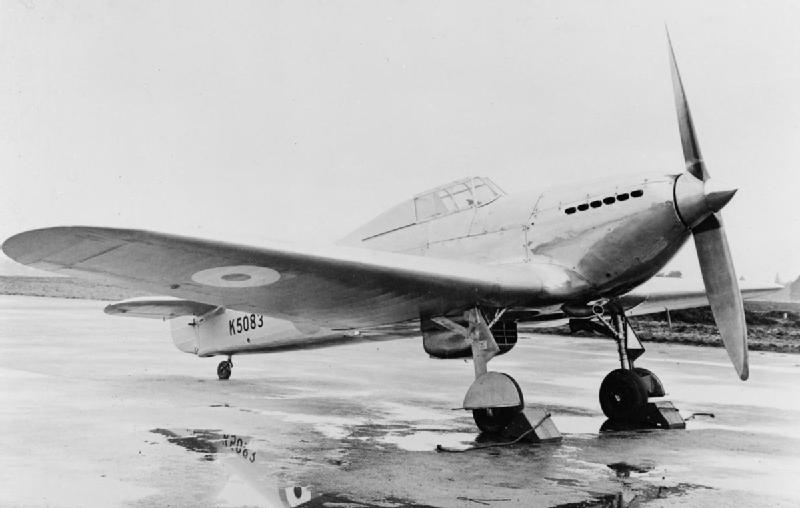
The Hurricane was the first mass-produced British monoplane fighter to achieve speeds of over 300mph. During the Second World War, 14,500 saw service across all theatres of the conflict. The direct descendant of 1930s RAF biplane stalwarts, the Hawker Fury, Demon, Hind, and Audax, the Hurricane shared design features with these worthy predecessors. These included a near identical steel tube fuselage, wood and doped fabric airframe and a similar tail section. The Hurricane was designed to be dependable, easily repairable and to take considerable punishment, in the form of enemy gunfire. But what set it apart in 1935 was its unprecedented engine power and armament. Like its slightly smaller, sleeker, all-metal sister, the Mk I Supermarine Spitfire (operational from 1936), Hawker Hurricane Mk I’s were powered by the same V-12, 27 litre, 1,030 hp Rolls-Royce Merlin II piston engine. The Hurricane Mk I was slower than the Mk I Spitfire, which could achieve a combat airspeed of around 362 mph. But the Hurricane’s own speed, of around 315-328 mph, was more than enough to take on the Luftwaffe’s bomber squadrons, whose potent threat was looming ever larger by the late 1930s. These comprised Heinkel HE-111, Dornier Do-15, Do-17 and Junkers JU 88 medium bombers, along with Messerschmitt Bf-110 fighter bombers and Junkers Ju-87 Stuka dive bombers. The Hurricane, like the Spitfire, also had formidable firepower. Under government design requirements formulated in 1934, both aircraft carried eight.303 Browning machine guns, four in each wing. The Hurricane’s robust, slab-sided 40 ft span wings provided a stable gun platform and a deadly effectiveness at around 200 yards.
In July 1940, when the Battle began, RAF strategists, based in North London at RAF Fighter Command Bentley Priory, Stanmore, and at Fighter Group No 11 HQ, RAF Uxbridge, selected the 32 Hurricane squadrons as prime interceptors of the intruding German bomber formations (the deadlier threat). At the same time, the 19 RAF Mk I Spitfire squadrons available during the Battle were scrambled against the Luftwaffe’s agile and heavily armed Messerschmitt BF 109E escort fighters. By October 1940, Spitfires had inflicted an estimated 42% of all German aircraft destroyed in the Battle of Britain.

Hendon Scramble
The sheer fighting power of the Hawker Hurricane MK I was illustrated by a singular incident during the most critical period of the Battle of Britain. It was witnessed by hundreds of people in London, staring upwards as the rival air forces vied for supremacy. On Sunday, 15 September 1940, an attacking force of some 250 Luftwaffe Dornier Do-17 and Heinkel HE-111 bombers, flying in two separate waves and escorted by Messerschmitt BF-109E fighters, was launched against London. At 11 am, the first wave — around 100 bombers approaching at altitudes of between 15,000 and 26,000 feet — flew in over Dungeness, Kent and headed up the Thames Estuary. The German intruders were tracked by radar from RAF Bentley Priory and by RAF No 11 (Fighter) Group Headquarters, RAF Uxbridge, under the command of Air Vice-Marshal Keith Park. That morning, Prime Minister Winston Churchill and his wife Clementine were observers in the Uxbridge underground Operations Room — the nerve centre of London’s air defence — watching events unfold from its curved glass gallery.
With intruder marker plots increasing on the map table below him, Park concluded that this force was the spearhead of a new major effort by the Luftwaffe against the capital. He ordered its immediate interception by fighters from No 10, 11 and 12 Groups, between Dungeness and Canterbury. Churchill reportedly turned to Park and asked where his reserves were. Park replied, “there are none”. Fifteen Hurricane and eight Spitfire squadrons (250 aircraft in all) had been scrambled. As Churchill watched, the lights on the Ops Room readiness indicator board all glowed red. Every available fighter was engaged, from all seven of No 11 Group’s sector airfields. The Hurricanes and Spitfires began to intercept the German bomber stream and its escorting fighters at around 11.30 am. By midday, the bomber formations had suffered damage and losses from the RAF fighter screen but had pushed through to arrive over central London.
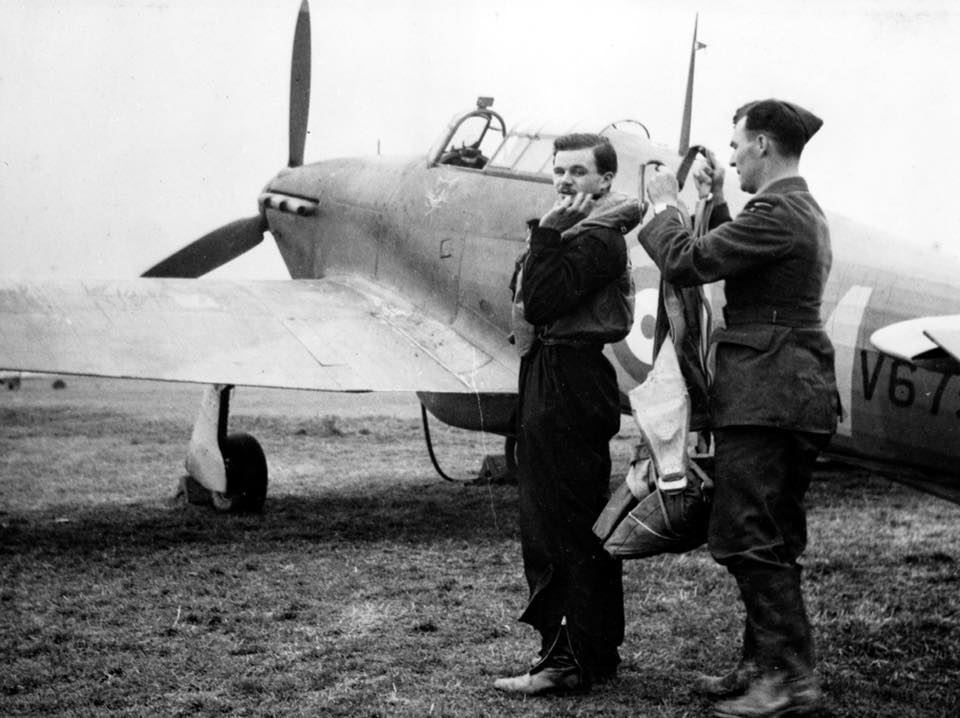
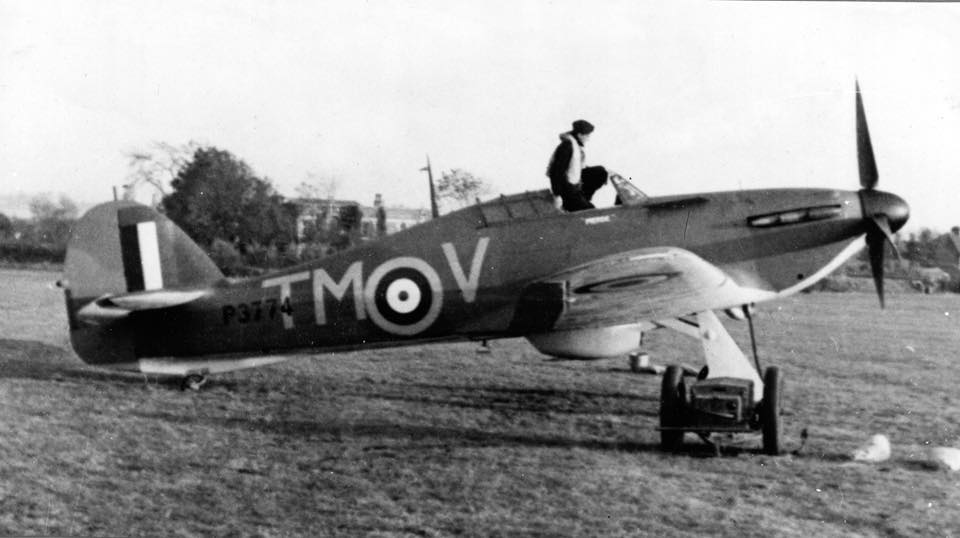
504 Squadron (Hurricanes based at RAF Hendon, North London) was vectored to intercept. Among 504’s Hurricane pilots that day was 26-year-old RAF Sergeant Ray ‘Arty’ Holmes. At noon, as the German aircraft flew over the streets of Westminster, Sgt Holmes — flying in Hurricane Mk I TM-B — identified three Dornier Do-17’s flying in a loose V-formation. One was damaged and appeared to be heading in a direct line toward Buckingham Palace.
Brownings Versus Dornier
The air action which then unfolded over Victoria was confused. There are several conflicting accounts. According to Sgt Holmes’ testimony, he fired his eight Browning machine guns on the first Dornier to enter his gunsight. “I made my attack on this bomber and he spurted out a lot of oil, just a great stream over my aeroplane, blotting out my windscreen. Then, as the windscreen cleared, I suddenly found myself going straight into his tail. So, I stuck my tail forward and went under him, practically grazing my head on his belly.” Holmes then reported engaging a second Dornier Do-17, from which an escaping crew member parachuted. Holmes described the airman’s parachute briefly tangling on his wingtip before sliding off. With his ammunition exhausted, Holmes stated that he went after a third aircraft, in the process making contact with its rear fuselage and distinctive twin tail section, which sheared off.
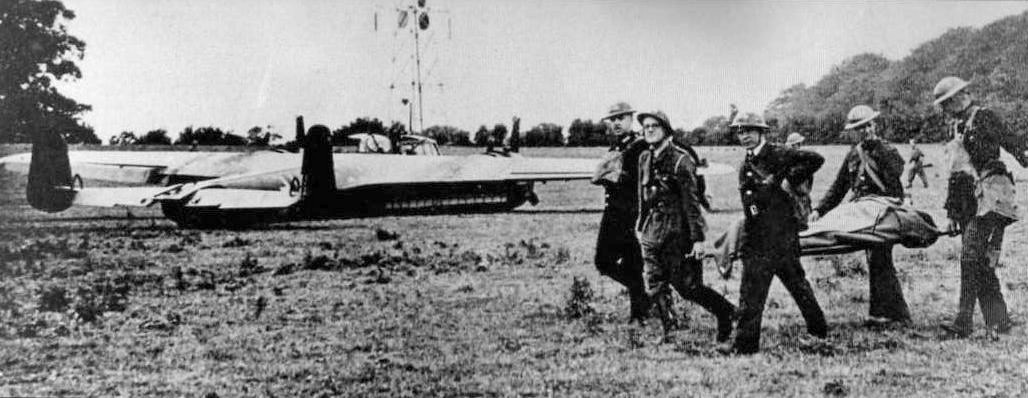
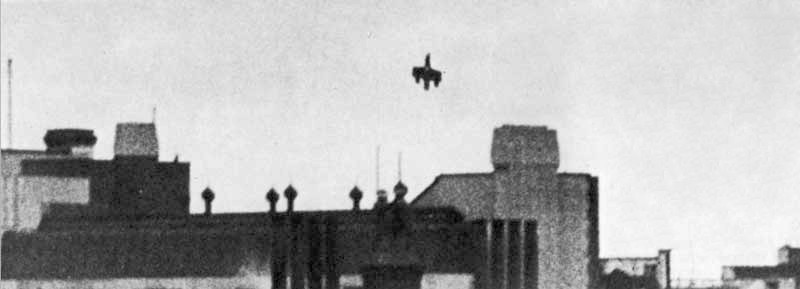
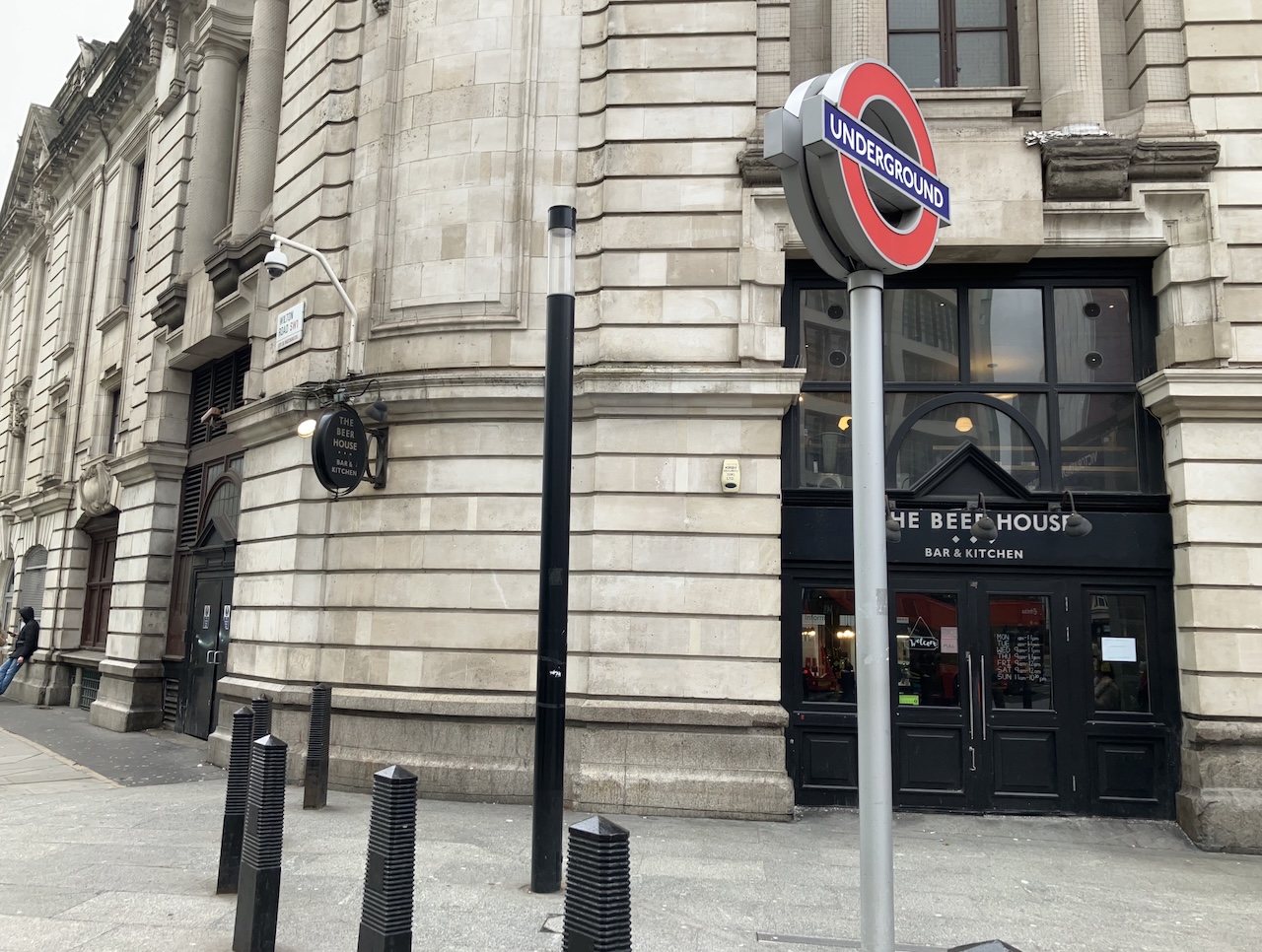
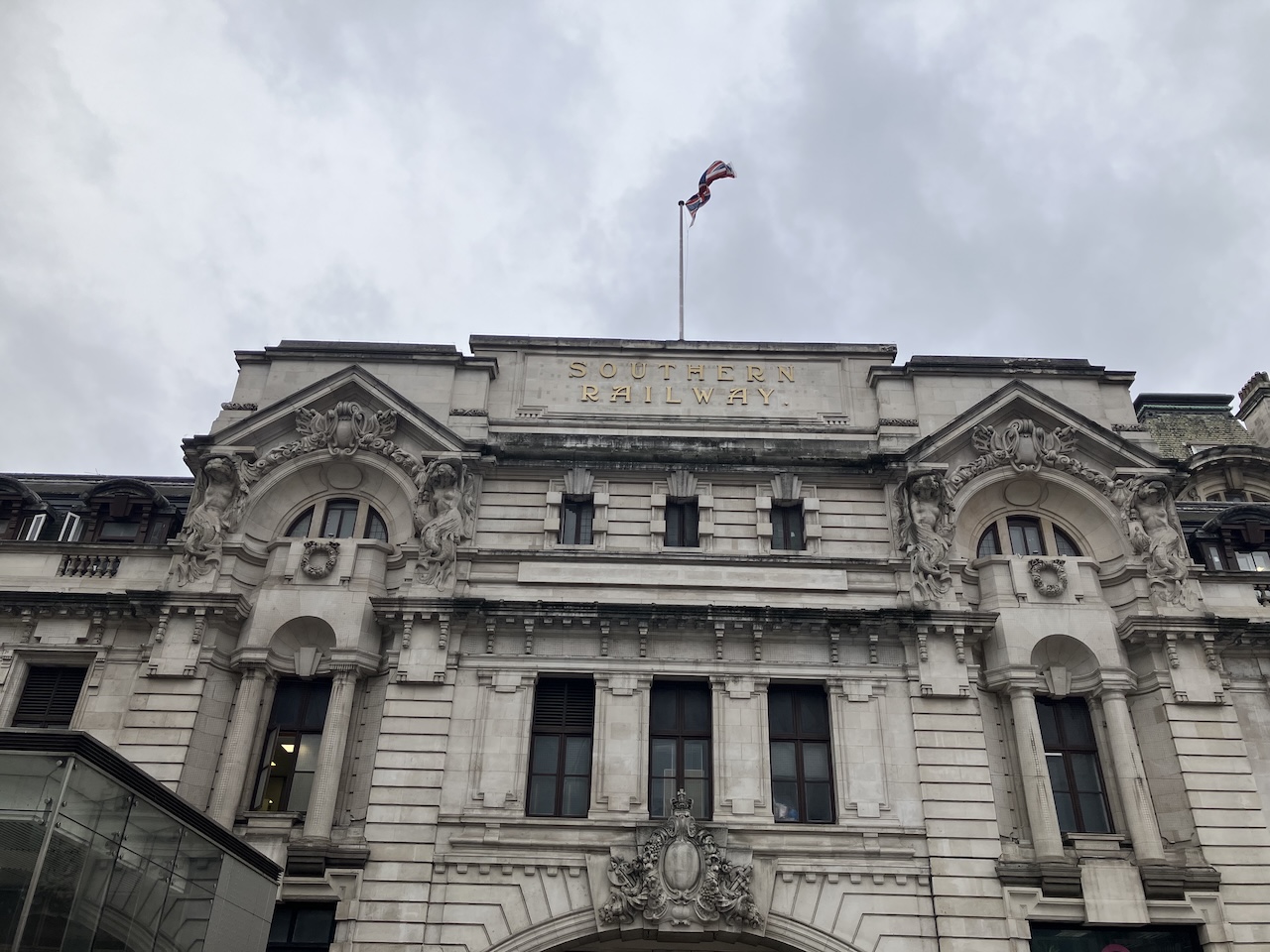
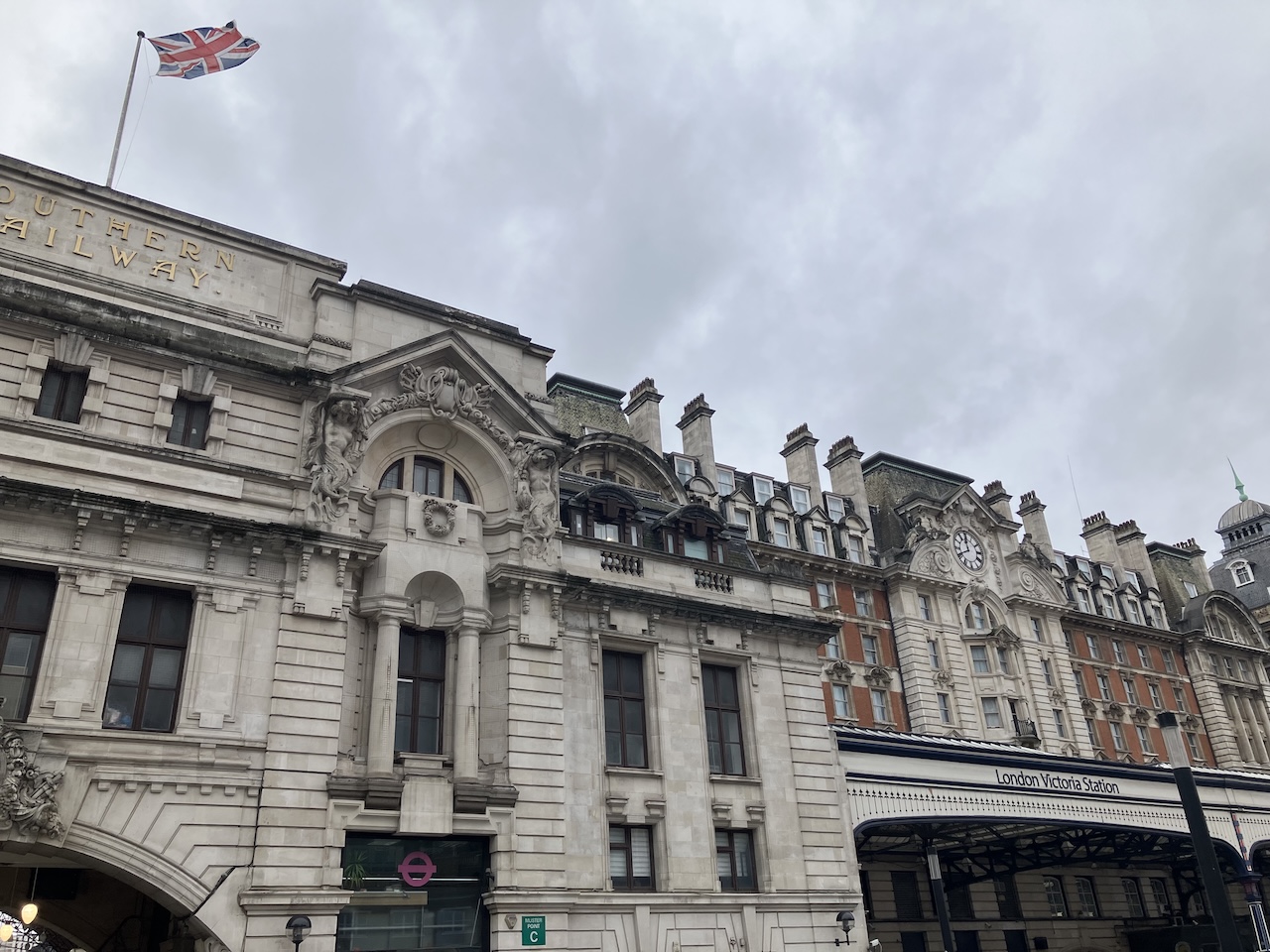
The Dornier went out of control, lost its wing tips, fell rapidly and crashed onto a tobacconist and jewellery shop at 142 Wilton Road, opposite the New Victoria Cinema and close to the forecourt of Victoria Railway Station. Its pilot had previously baled out and landed near Vauxhall Bridge in Kennington. Before he was arrested, the German pilot was set upon by a group of locals. He died of his injuries in Queen Alexandra’s Military Hospital, Millbank, the following day. The falling Dornier was filmed by a cameraman from the rooftops below. British Movietone News later took newsreel footage of firemen hosing the smouldering wreckage at the Wilton Road crash site. Holmes’s Hurricane TM-B was also severely damaged, and he, too, was forced to bale out. Watching his Hurricane crash at Ebury Bridge, on Buckingham Palace Road, Pimlico, Sgt Holmes floated down by parachute. He landed on the slanting slate roof of a house in Hugh Street, adjacent to the main electrified rail lines approaching Victoria Station, and slid down over the guttering into a garden below. His parachute caught on a drainpipe, and Holmes ended up dangling just above a dustbin. Two young girls watching from the neighbouring garden recalled witnessing Holmes’s descent. Unfastening his parachute harness and revealing his blue RAF uniform jacket and pilot’s wings, he was given a cheery reception by local residents. After brandies in the Orange Brewery on Pimlico Road, Holmes was taken to Chelsea Barracks and then back to his squadron in Hendon by taxi.
Overhead, the rest of the German aircraft dropped their bombs over central and south London, but their effort was scattered rather than concentrated. They were attacked unremittingly by British fighters over Kent and the Thames Estuary. Many of the aircraft which escaped were damaged by ruthlessly swooping Hurricanes and Spitfires before they landed back at their bases in occupied Belgium and France. At 1.30 pm, the second bomber wave — around 150 aircraft with a 400-strong Messerschmitt BF-109E fighter escort — approached London. A huge air battle developed over Kent as this force was engaged by 15 squadrons of No 11 Group and the Duxford Wing (including 303 (Polish) Squadron operating from RAF Northolt). One Polish pilot also reportedly rammed a German bomber on 15 September. Furious dogfights erupted. The interception did not prevent the German raiders from reaching their targets, but again their efforts were not concentrated, and their bombs fell over a wide area, including on Islington, Kilburn, Hammersmith, Croydon and Mitcham.
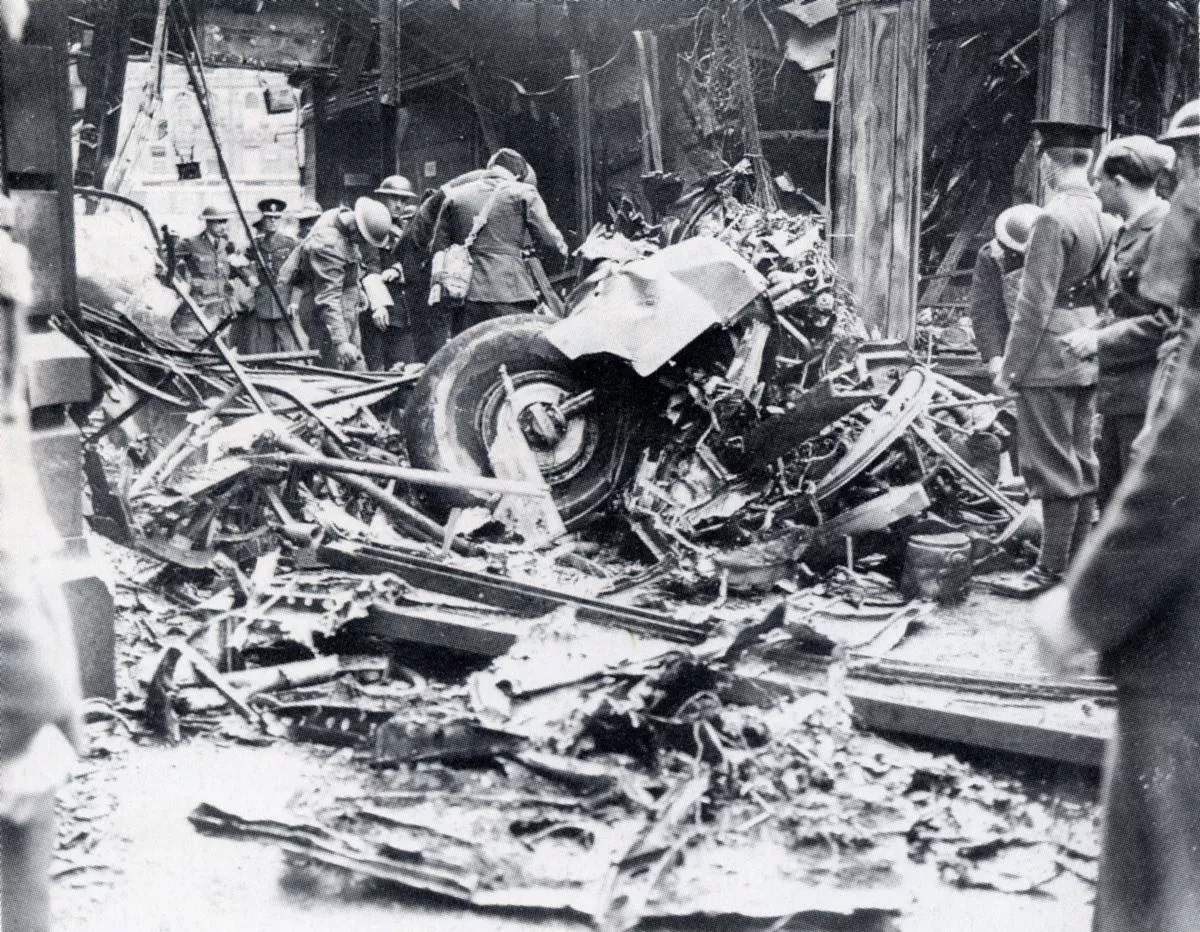
15 September 1940 arguably proved the turning point of the Battle of Britain. 56 German aircraft were shot down that day, versus 26 RAF Hurricanes and Spitfires destroyed (with 13 pilots killed). In little over an hour and a half, 28 RAF squadrons had seen action and had punched serious holes in the Luftwaffe attack. The Luftwaffe’s goal of daylight air superiority was dashed on 15 September. It had suffered its greatest casualties since 18 August (the so-called ‘Hardest Day’ of the Battle of Britain). The RAF showed that it could detect, intercept, and destroy enemy bombers in unprecedented numbers. For his part, Churchill pointed to the critical significance of the day’s events. He later wrote: ‘We must take 15 September as the culminating date’ (of the Battle of Britain).
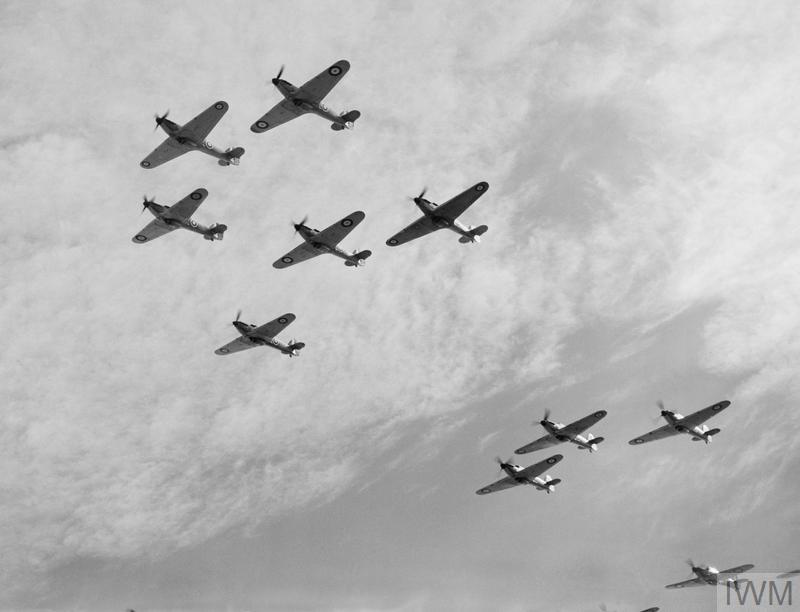
Sgt Ray Holmes continued to fly for the rest of the war, as a Hurricane pilot over France in 1941, as an instructor training Soviet aircrew on Hurricanes in Murmansk. He reluctantly exchanged his Hurricane for a Mk XIX Spitfire (serving as a photo reconnaissance pilot), was promoted to Flight Lieutenant, and later flew as a personal King’s Messenger pilot, delivering mail to Prime Minister Churchill. He wrote an account of his wartime flying experience in 1989 (‘Sky Spy’). Holmes’ actions in the aerial dogfights of 15 September 1940 were revisited by the British media in 2004. Archaeologists excavated the remains of his buried Hurricane, from under the road surface where it had impacted on Ebury Bridge, Buckingham Palace Road. They recovered the remains of Hurricane TM-B’s Merlin II engine. The engine, weighing over a ton, was exhibited in Leicester Square and subsequently donated to London’s Imperial War Museum. Flight Lieutenant Ray Holmes died in 2005, aged 90. As for the Hawker Hurricane, it’s a warbird that still turns heads. Today, 17 Hawker Hurricanes of all variants remain airworthy around the world. At the September 2025 Battle of Britain Airshow, at Duxford Airfield, Cambridgeshire, a record-breaking eight Hurricanes (Mk I, II, X, and XII) flew in a marvellous close formation as part of Duxford’s ‘Big Wing’ commemorations. The roar of their Merlin engines and the bright glint from their cockpits is eternal.