
(Image credit: VAN)
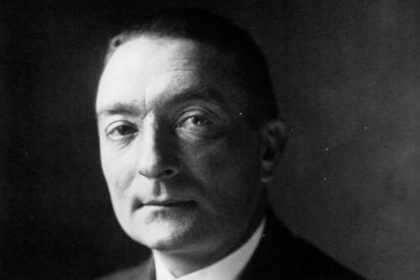
On this day in aviation history, 115 years ago (February 3, 1911), a Blériot XIII broke the world record for most passengers carried by an airplane. French pilot and aviation pioneer Léon Lemartin was at the controls for this historic flight, which managed to carry 8 passengers and a total of 960 pounds. Lemartin would eventually push the envelope of the XIII and manage to fly with as many as 12 people on board. At the time, flying with a “crowd” was a trend in France; the more passengers, the better. Eventually, the Aero Club de France made a rule for passenger record attempts, requiring each person to weigh at least 165 pounds.
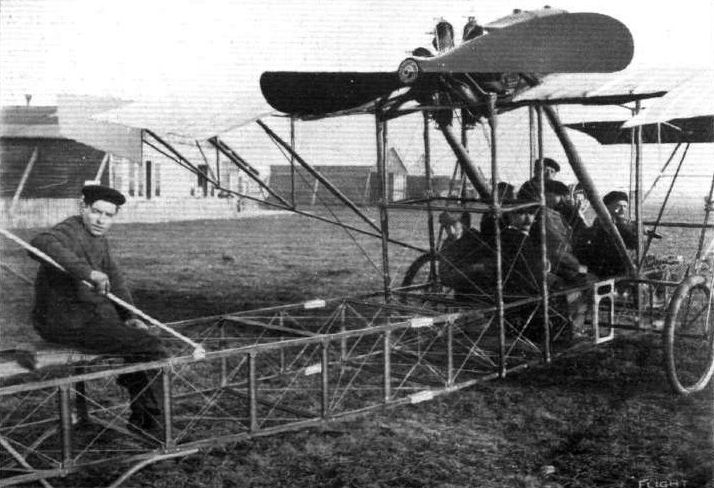
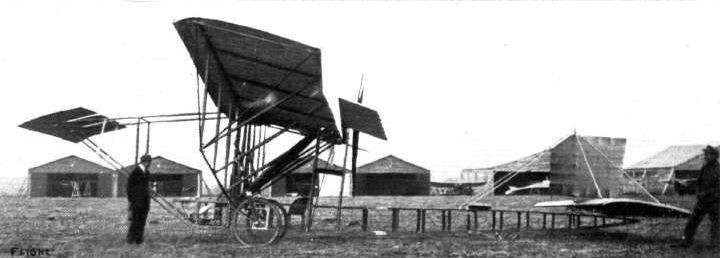
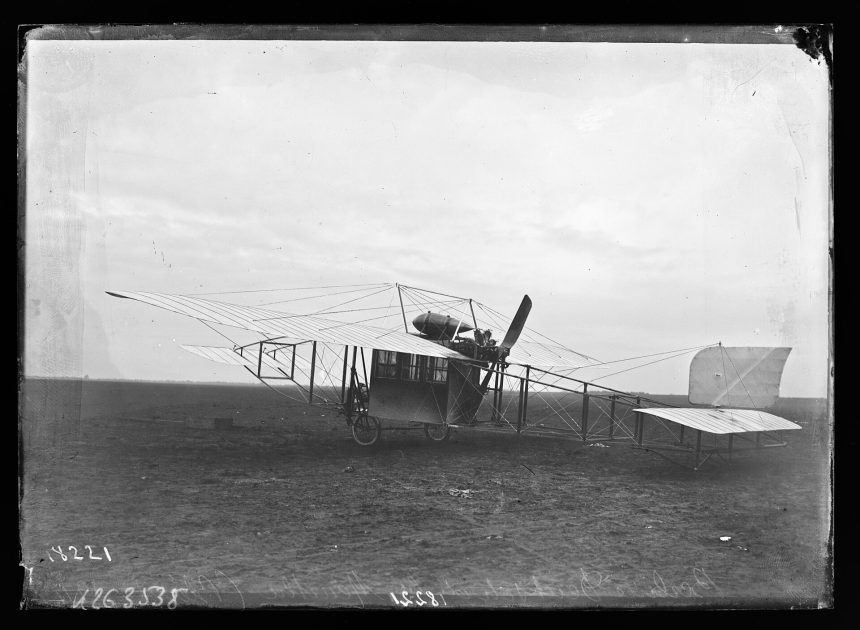
An experimental passenger-carrying aircraft, the Blériot XIII was a one-of-a-kind aircraft. Built in 1910 by Blériot Aéronautique, the XIII is thought to have been a developmental aircraft for the Blériot XXIV Limousine, which is an aircraft similar to the XIII, only with an enclosed cockpit and cabin. Blériot’s XIII differed vastly from the companies’ more traditional designs. The aircraft was a high-winger, arranged in a pusher configuration. The XIII’s 100-horsepower Gnome 14 Omega-Omega 14 cylinder rotary engine was installed in the trailing edge of the square-tipped wing. Much of the airframe and wings were wire-braced around wooden box girders. The pilot sat in front of the leading edge, with four passengers seated behind him in a two-by-two configuration. The XIII’s elevator was mounted in front, on two pairs of V-booms. The rudder was mounted atop the rear fuselage section. Wheels were mounted under the main fuselage cabin area, sprung with bungee cords. The Blériot XIII had a length of 39 feet 4 inches, a wingspan of 42 feet 8 inches, and a wing area of 430 square feet. Empty weight for the XIII was 1,323 pounds, a number greatly added to during the aircraft’s multiple passenger-carrying record attempts.