






(Image credit: VAN)
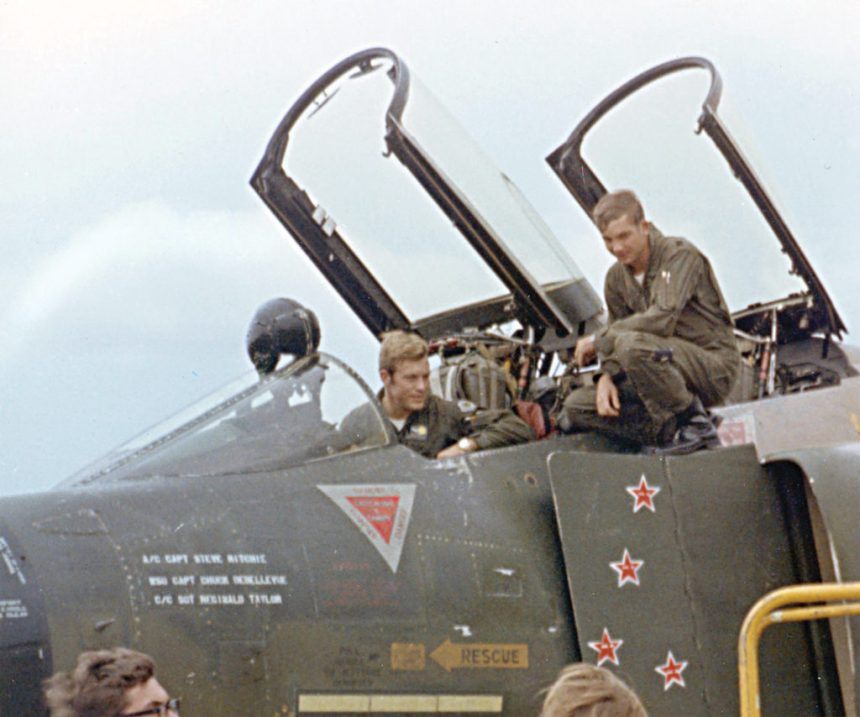
On September 9, 1972—53 years ago today—U.S. Air Force Captain Charles Barbin DeBellevue became the highest scoring American ace of the Vietnam War. Serving as a Weapons Systems Officer (WSO) on F-4D and F-4E Phantom II fighters, DeBellevue flew with the 555th Tactical Fighter Squadron, 432nd Tactical Reconnaissance Wing, based at Udorn Royal Thai Air Force Base. Paired with his pilot, Captain John A. Madden, Jr., DeBellevue achieved a distinction that few military aviators ever attain.

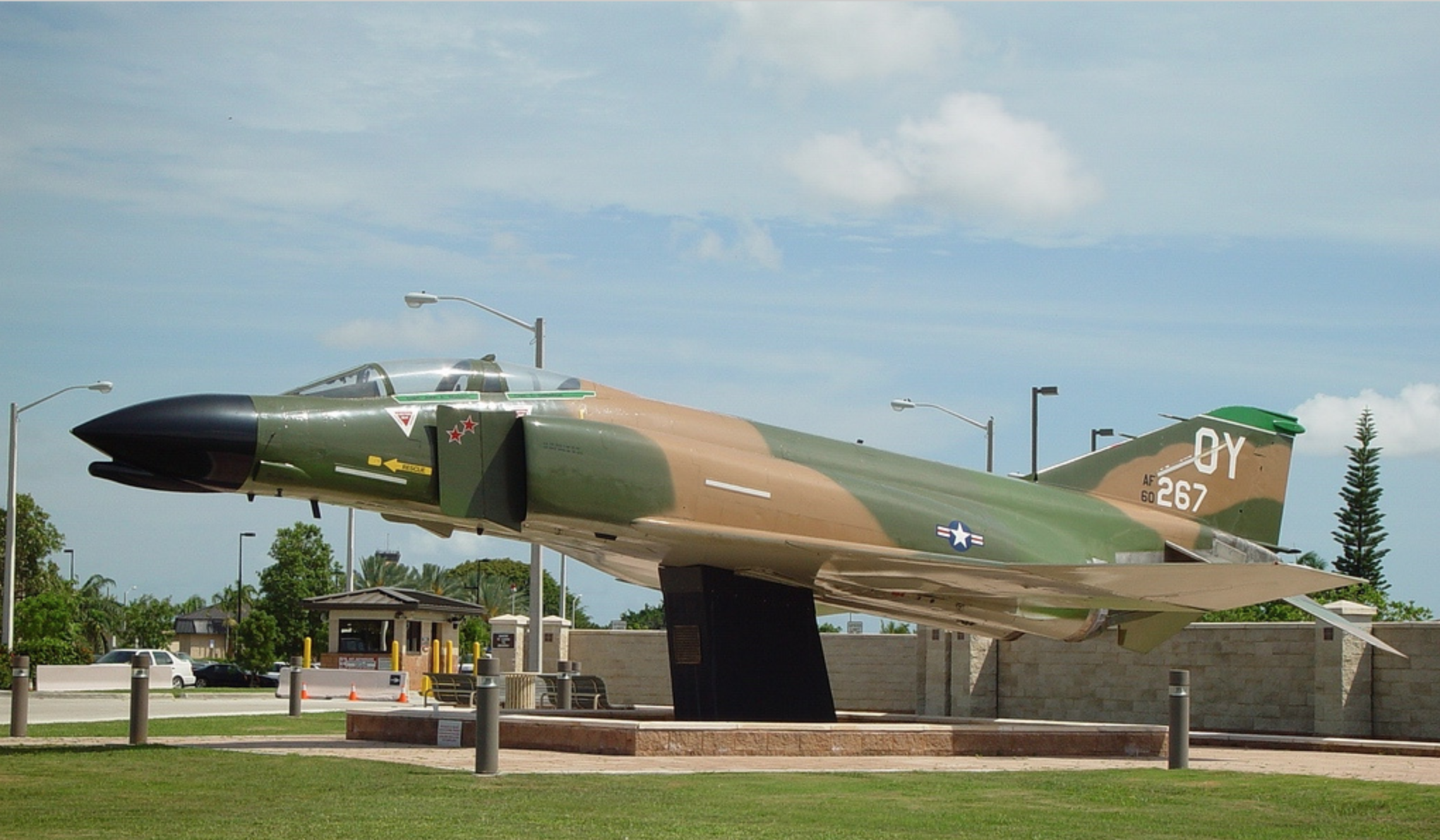
Before his fifth aerial victory, DeBellevue had downed four MiG-21 fighters using AIM-7 Sparrow radar-guided missiles. Flying in support of Operation Linebacker, he was presented with the opportunity to join the elite ranks of aces. On September 9, 1972, the crew was flying their F-4D-29-MC Phantom II (66-0267), under the call sign OLDS 01, when they attempted to intercept a MiG-21 approaching Phúc Yên Yen. The missile missed, but another F-4E in their formation destroyed the target with its guns.
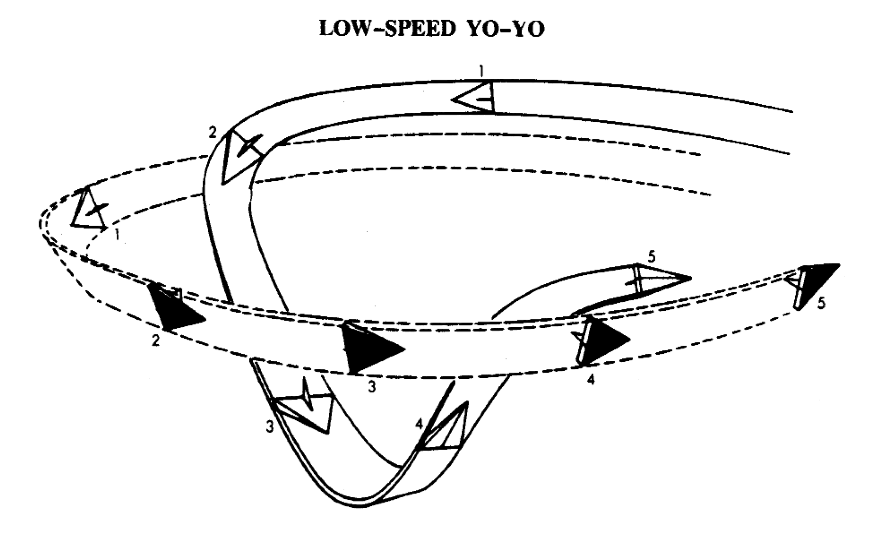
Soon afterward, two MiG-19s appeared on DeBellevue’s radar. He recalled the engagement: “We used a slicing low-speed yo-yo to position behind the MiG-19s and started turning hard with them. We fired one AIM-9 missile, which detonated 25 feet from one of the MiG-19s. We then switched the attack to the other MiG-19, and one turn later, we fired an AIM-9 at him. I observed the missile impact the tail of the MiG. The MiG continued normally for the next few seconds, then began a slow roll and spiraled downward, impacting the ground with a large fireball.” —Captain Charles Barbin DeBellevue
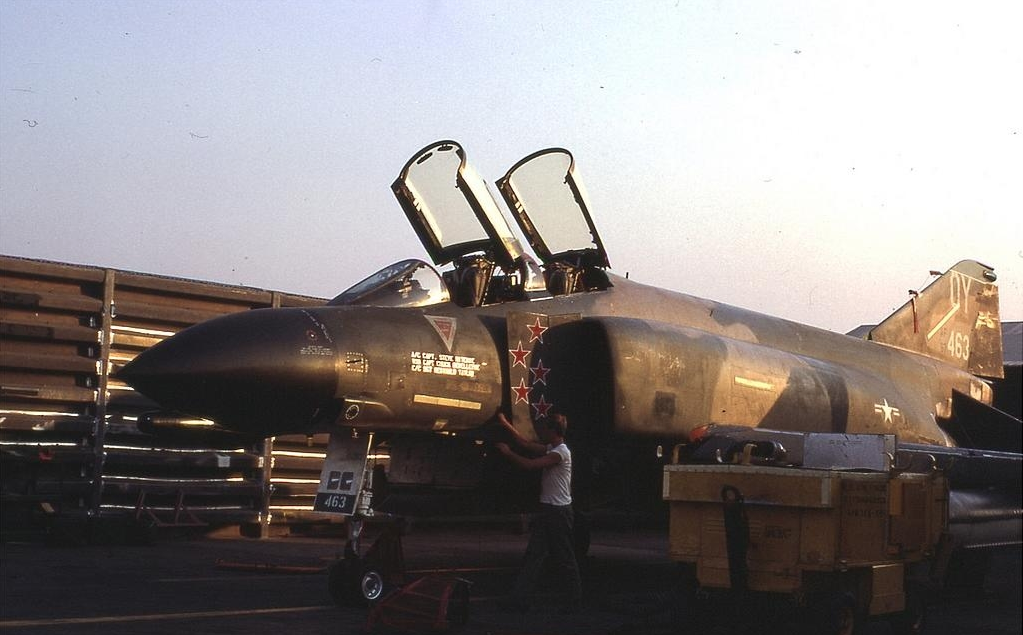
With both MiG-19s destroyed, DeBellevue officially became an ace plus one. Afterward, he was reassigned to pilot training at Williams Air Force Base in Arizona. He later commanded F-4E Phantom IIs and retired as a Colonel in 1988. The aircraft in which DeBellevue became an ace, F-4D-29-MC 66-0267, was destroyed by Hurricane Andrew in 1992. The remains were restored into a complete F-4D using parts from other Phantom IIs, and the airframe is now on display at Homestead Air Force Base, Florida. Another notable aircraft, F-4D-29-MC 66-7463, which DeBellevue flew for his first and fourth kills, is preserved at the United States Air Force Academy in Colorado.





Homestead Air Force Base was realigned to the reserves, after Hurricane Andrew, and was renamed as Homestead Air Reserve Base. Also, this feat that Col. De Bellevue achieved will never be surpassed anytime soon.