






(Image credit: VAN)
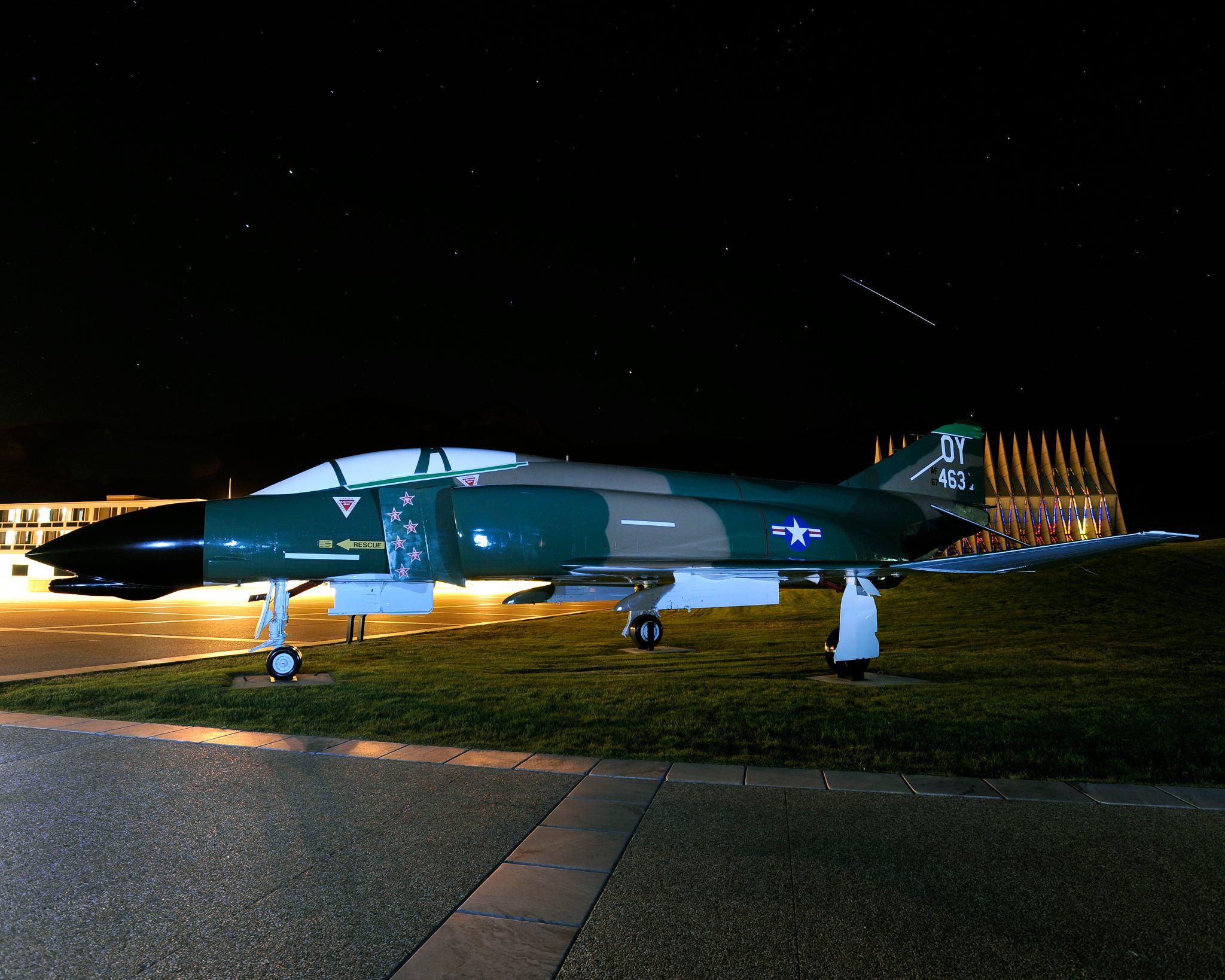
On this day in aviation history, 53 years ago (August 28, 1972), Captain Richard S. “Steve” Ritchie became the first United States Air Force pilot to achieve ace status during the Vietnam War. In total, five American airmen earned the distinction of ace during the conflict—two pilots and three Weapon Systems Officers (WSOs). Ritchie, along with U.S. Navy aviator Randall “Duke” Cunningham, were the only pilots to reach the milestone. Richard Stephen Ritchie was born in 1942 in Reidsville, North Carolina. He graduated from the U.S. Air Force Academy in 1964 and went on to complete pilot training, initially preparing to fly the Lockheed F-104 Starfighter. Instead, he transitioned to the McDonnell Douglas F-4 Phantom II—a fateful change that would define his combat career.
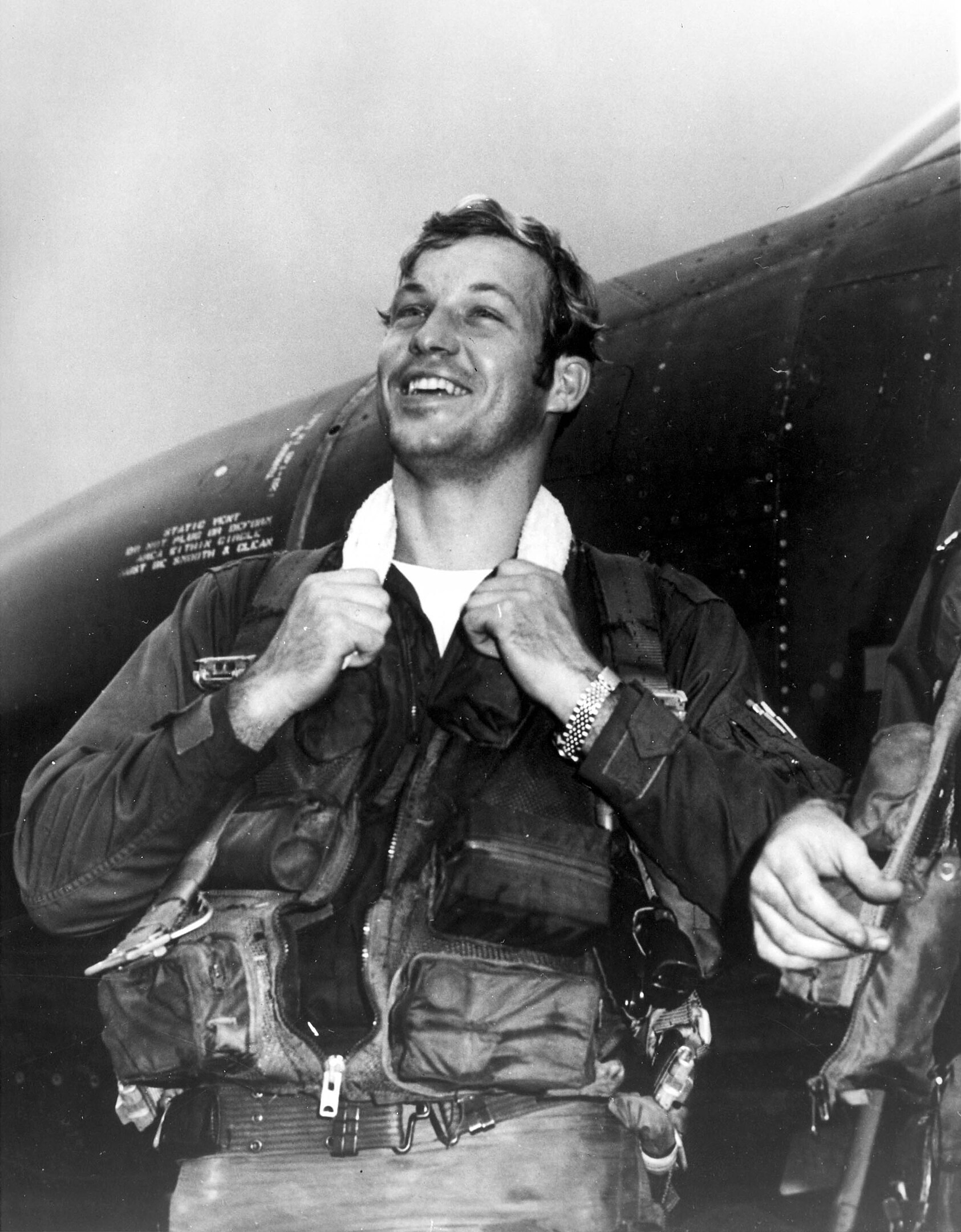
Ritchie arrived in Southeast Asia in 1968, flying nearly 200 combat sorties during his first tour without a scratch. Afterward, he returned stateside as an instructor at Nellis Air Force Base. Still eager for combat, he volunteered for a second tour in Vietnam and was assigned to the 432nd Tactical Reconnaissance Wing, flying with the famed 555th Tactical Fighter Squadron—the “Triple Nickels”—out of Udorn Royal Thai Air Force Base.

During this second tour, Ritchie and his WSO, Captain Charles DeBellevue, began racking up aerial victories. On May 10, 1972, they downed their first enemy aircraft, a Shenyang J-6 (the Chinese-built version of the MiG-19). A second MiG fell to them on May 31. On July 8, the pair shot down two MiG-21s in less than two minutes—a rare feat in modern jet combat. The defining moment came on August 28, 1972. Ritchie and DeBellevue engaged a pair of MiG-21s, one of which came in head-on. Maneuvering hard, Ritchie gained the advantage behind the enemy aircraft. His first two missiles missed, but after readjusting, he fired another pair. This time, one struck home, destroying the MiG and securing Ritchie’s fifth aerial victory—the threshold for ace status.
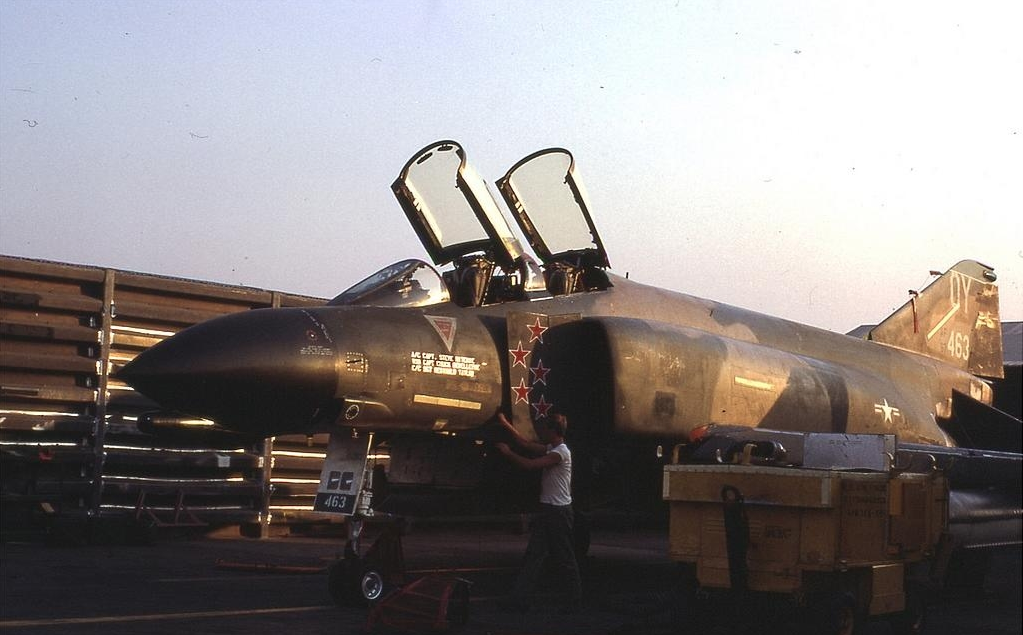
By war’s end, Ritchie would be credited with five confirmed kills, making him the only U.S. Air Force pilot ace of the Vietnam War. DeBellevue went on to become the war’s top-scoring American ace with six victories, all achieved while serving as a WSO. Though the Vietnam War remains one of America’s most divisive conflicts, Ritchie’s story endures as a testament to skill, courage, and determination in the skies.




I’ve meet this Ace at the ’99 Offutt Air Show, and I got his autograph, as well.
Although the phantom was known as the flying brick it was very fast and quite loud on takeoff, the flight line at Ramstein constantly smelled of JP-4 in 1978.
Now at Udon Thani airport before departure is I would guess a 50 yard by 25 yard concrete pad, does anyone know if this was some kind of arm/de arm pad. Any 462s out there? When taking off commercial to Don Muang BKK I think of those guys headed for shoot down or capture.
Closest I came was being assigned to Udorn air base about three years after Ritchie, right before the U.S. pulled out. Somewhere I have a photo of his Phantom that was floating around the base at the time.
I was a SP who guarded STEVE F4 at udorn