
(Image credit: VAN)
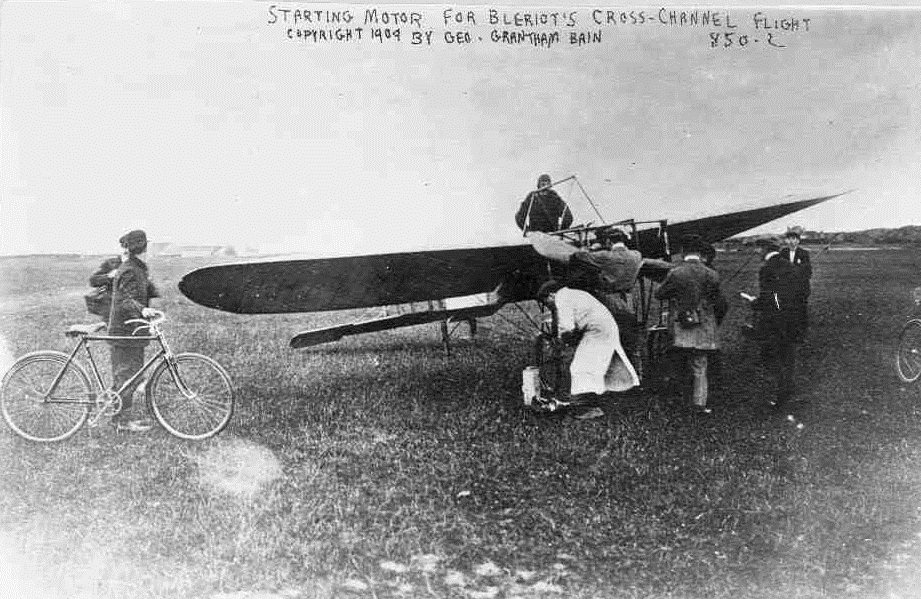
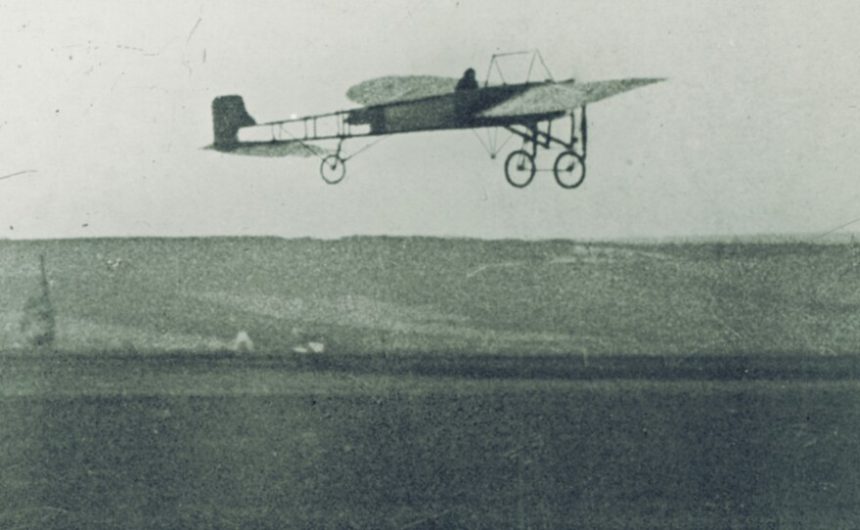
On this day in aviation history, 116 years ago (July 25, 1909), the first successful airplane flight across the English Channel took place. At the controls was Louis Charles Joseph Blériot, a French pilot and engineer who flew an aircraft of his own design—the Blériot Type XI monoplane. The historic flight began in the town of Les Baraques, near Pas-de-Calais, France. At 4:41 a.m., Blériot took off from the small airfield and set course for England, determined to make history.
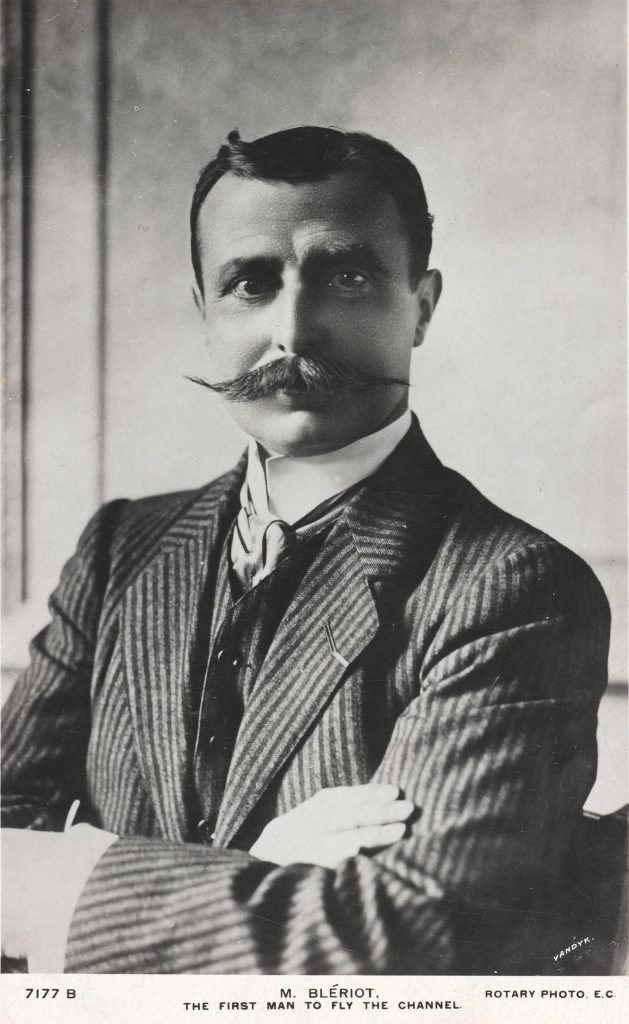
Louis Blériot was not only a skilled aviator but also a pioneering aeronautical engineer, credited with numerous aircraft designs that advanced early aviation. The Type XI, which he used for the Channel crossing, was a single-engine mid-wing monoplane built in both one- and two-seat configurations. It utilized wing warping for lateral control and was powered by a 25-horsepower Anzani three-cylinder air-cooled radial engine. The aircraft could reach a top speed of 47 miles per hour—impressive for its time. While primarily intended for civilian use, the Type XI later saw limited military service during World War I as a trainer and light bomber for Italy, France, and Britain.
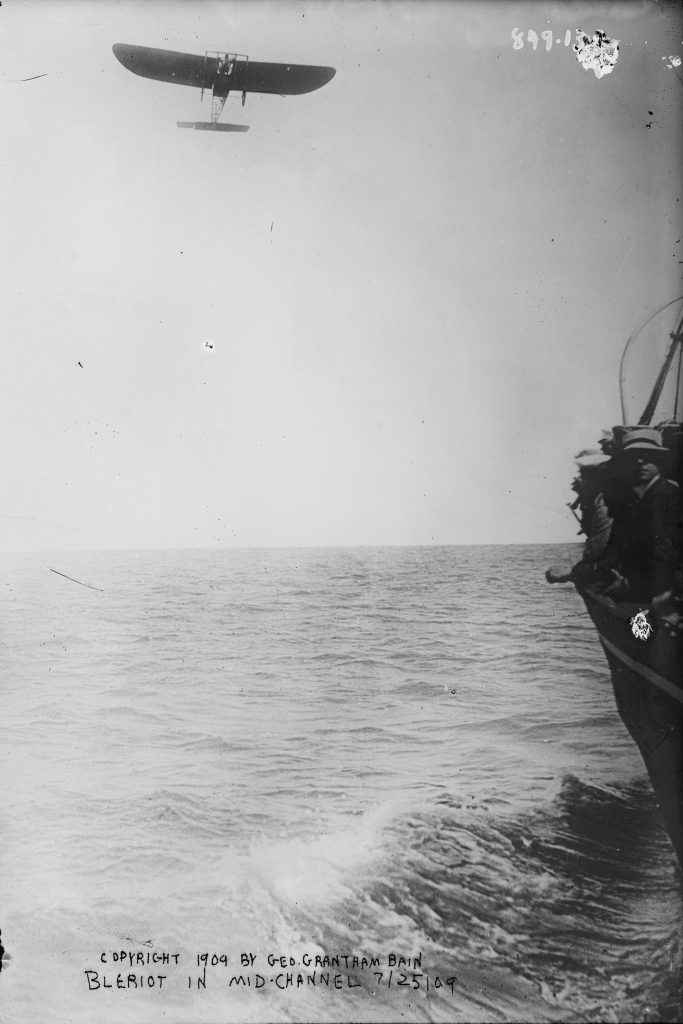
Blériot’s aircraft was not equipped with a compass, so the entire crossing relied on visual navigation. He initially followed Escopette, a French torpedo boat destroyer, which acted as a reference point during the early part of the flight. After passing over the ship, visibility deteriorated. With nothing but open water below and no horizon in sight, Blériot pressed on, carefully maintaining his heading. Roughly ten minutes later, the coastline of England came into view. Although the wind had blown him off course, he followed the shoreline until familiar landmarks confirmed he was near his intended destination.

At 5:17 a.m., after a gusty landing that damaged the undercarriage of his aircraft, Louis Blériot successfully touched down near Dover. His flight marked the first-ever crossing of the English Channel by airplane—a major milestone in aviation history. In recognition of his achievement, Blériot was awarded the title Chevalier de la Légion d’Honneur by the French government. His daring flight also sparked a surge in demand for the Type XI, with more than 900 examples sold internationally between 1909 and 1914. Blériot’s journey across the Channel was more than just a personal triumph—it was a defining moment in the story of flight and a lasting testament to the innovation and courage that shaped early aviation.