
(Image credit: VAN)
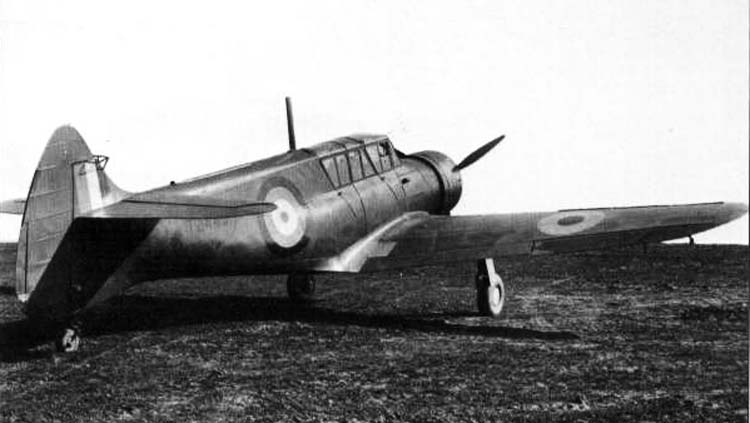
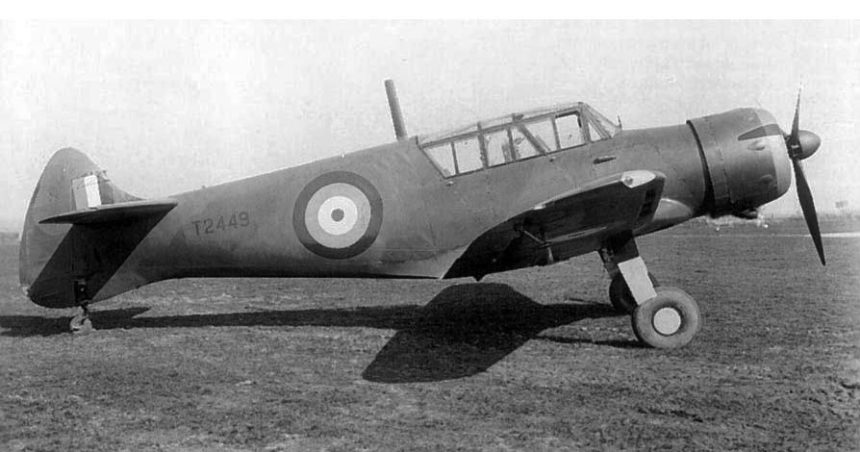
On this day in aviation history, 85 years ago (February 19, 1941), the Airspeed AS.45 Cambridge flew for the first time. The AS.45 was an advanced trainer prototype developed by British aircraft manufacturer Airspeed Limited. Airspeed intended the AS.45 to be flown by the Royal Air Force during the Second World War. Development of the AS.45 began after the issuance of Air Ministry Specification T.4/39. This spec called for a single-engined advanced trainer that could fill the gap, should shortages of the Miles Master or North American Harvard arise. Airspeed designed the Cambridge as a low-wing taildragging monoplane, similar to other advanced trainers of the period. The AS.45 featured retractable landing gear and composite construction, a steel tube fuselage, and wooden tail/wings. The tandem-seated cockpit featured doors on each side of the front and rear pilot positions: one for normal use, and the other for emergencies. After the initial flight of the AS.45, flight testing revealed that the advanced trainer lacked overall top-end speed and had poor low-speed flight characteristics.
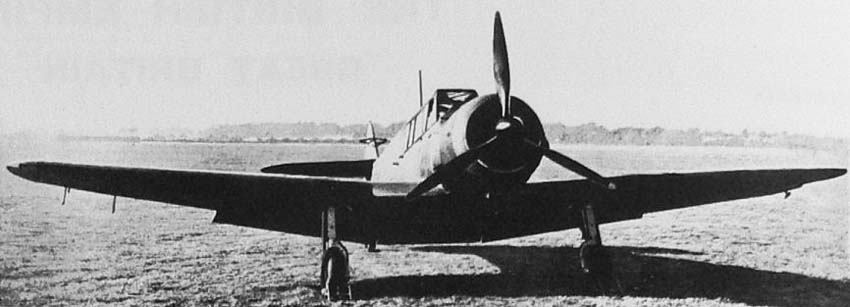
No efforts were made to remedy the Cambridge’s flaws, mostly due to the fact that no shortage of other advanced trailers was present. Airspeed also built the AS.51/58 Horsa glider and AS.10 Oxford bomber crew trainer. The RAF did not want to overburden Airspeed with the advanced trainer that would likely not be needed, allowing them to focus on what they were already producing. Only two AS.45 prototypes were built before the decision was made not to pursue the trainer any further. The Airspeed AS.45 was powered by a 730-horsepower Bristol Mercury VIII radial engine, which allowed the aircraft to attain a maximum airspeed of 237 mph. The AS.45 had a range of 590 nautical miles and a service ceiling of 24,800 feet. The Cambridge could climb at a rate of 1,200 feet per minute.