







There is a particular kind of silence that settles over old military airfields. It is not the silence of emptiness; it is the silence of things that have happened, of engines that once shook the ground, of men who climbed into cockpits and did not always come back. At Beauvechain, that silence is broken every second and fourth Sunday of the month, when the gates of the 1Wing Historical Centre swing open and the machines of Belgium’s aviation past come alive again, not in the air, but close enough. This is not a big-budget institution with climate-controlled galleries and slick interactive screens. It is something rarer and, in many ways, more valuable: a museum built by people who actually lived this history, tended by volunteers who still talk about these aircraft the way you talk about old friends. If you have not visited, you should fix that.
(Image credit: Kris Christiaens)
The Ground Beneath Your Feet: A Site with Layers
Before a single exhibit is considered, the physical location of the 1Wing Historical Centre deserves attention in its own right, because the ground you walk on at Beauvechain has absorbed more history than most people will encounter in a lifetime. The airfield was established in 1936 by the Belgian Air Force, then bearing the name “Le Culot Airfield.” It was conceived as part of Belgium’s rearmament effort during the interwar years, hosting early fighter units equipped with Gloster Gladiator biplanes and, later, Hawker Hurricanes. For a few years, it was an orderly, purposeful place, a young air force growing into itself. Then came May 10, 1940. The German Wehrmacht swept into Belgium with devastating speed, and Le Culot fell during the Battle of Belgium. Several Hurricanes and Gladiators were destroyed on the ground in those first chaotic hours. Within weeks, the Luftwaffe had taken over completely, and what had been a Belgian base was transformed into a major German air operations hub. Two bomber units, Kampfgeschwader 3 and Kampfgeschwader 30, flew their Junkers Ju 88s from these very runways during the Battle of France and the Battle of Britain. At peak strength, KG 3 alone had over a hundred Ju 88 bombers operating from the field, and Italian Air Force units also temporarily used the base during the air campaign against England in late 1940. The Allies knew the base’s value and targeted it accordingly. After years of bombing raids, the airfield was badly damaged. When the Germans finally withdrew in September 1944, they compounded the destruction deliberately. The Canadian No. 126 Wing RAF briefly used the field during Operation Market Garden, but it was American combat engineers of the 846th Engineer Aviation Regiment who spent the better part of six weeks patching the runways and taxiways just enough to make the base usable again. It reopened on 28 October 1944 as Advanced Landing Ground A-89, supporting the final Allied push into Germany. After the war, relief supply flights used the base. It was formally returned to Belgian control in December 1946 and had to be essentially rebuilt from the ground up; the war had gutted it. By 1948, enough of the reconstruction was complete that the Belgian Air Force could reform its fighter units here. On 1 February 1948, the 1st Fighter Wing was officially established at Beauvechain, built around Squadrons 349 and 350, Belgian units that had fought the war as part of the Royal Air Force, operating Spitfires over occupied Europe. The museum is physically housed in what was once the old De Waersegger farm, a building that itself carries the full weight of the site’s history. The Germans occupied and converted it in 1940. The Allies used it from October 1944. The Belgian Air Force inherited it in 1946. The museum has called it home since 1988.
(Image credit: Kris Christiaens)
The Origins of the 1WHC
The 1Wing Historical Centre did not emerge from a government directive or an institutional grant. It grew out of something more human than that. The driving force behind the museum was “The Golden Falcon”, known formally as the A.S.B.L. The Golden Falcon, an association of retired airmen and supporters who had served at Beauvechain and were determined not to let its story disappear. Volunteers, working under the leadership of Colonel Aviateur BEM Fontaine, who had been Commander of the 1st Fighter Wing, drew up plans for the historical centre in 1997. They were supported by the Belgian Air Force, and the result was opened to the public in February 1998. The purpose was clear from the start: to tell the story of Beauvechain from 1935 onward, with particular focus on the fighter squadrons that operated there between 1946 and 1996, five decades of Belgian military aviation history that would otherwise exist only in fading logbooks and the memories of aging pilots. The museum also extends its scope beyond Beauvechain itself, commemorating the histories of Brustem and Goetsenhoven air bases, both of which closed in the 1990s. When those bases shut down, pieces of their legacy found their way to Beauvechain, ensuring that at least something of their identity would survive. It is worth pausing to appreciate the name of the airbase itself. Beauvechain is officially known as “Base Charles Roman,” named for Wing Commander Charles Roman, who died in action while commanding six squadrons. His name on the gate is a quiet but constant reminder of what military aviation has cost.
Headliners: Starfighters
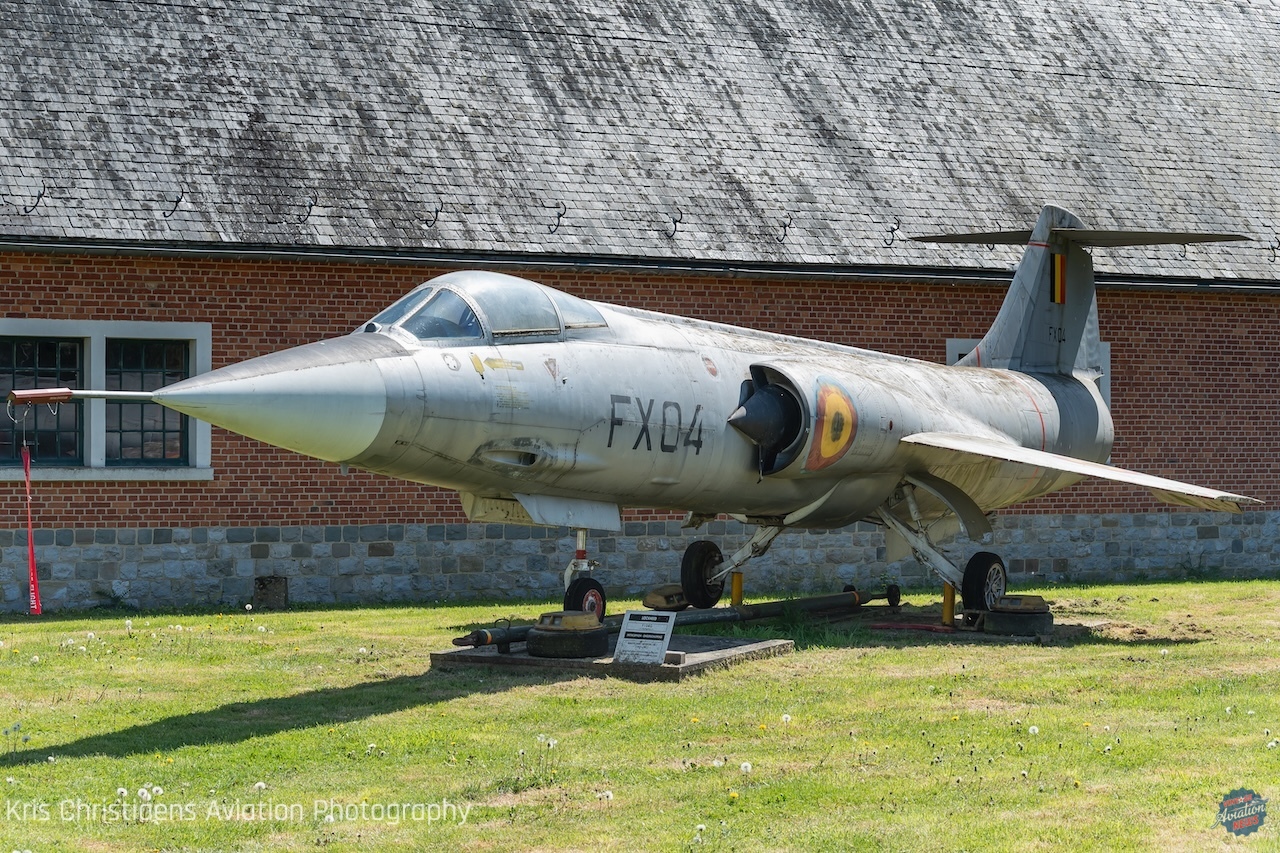
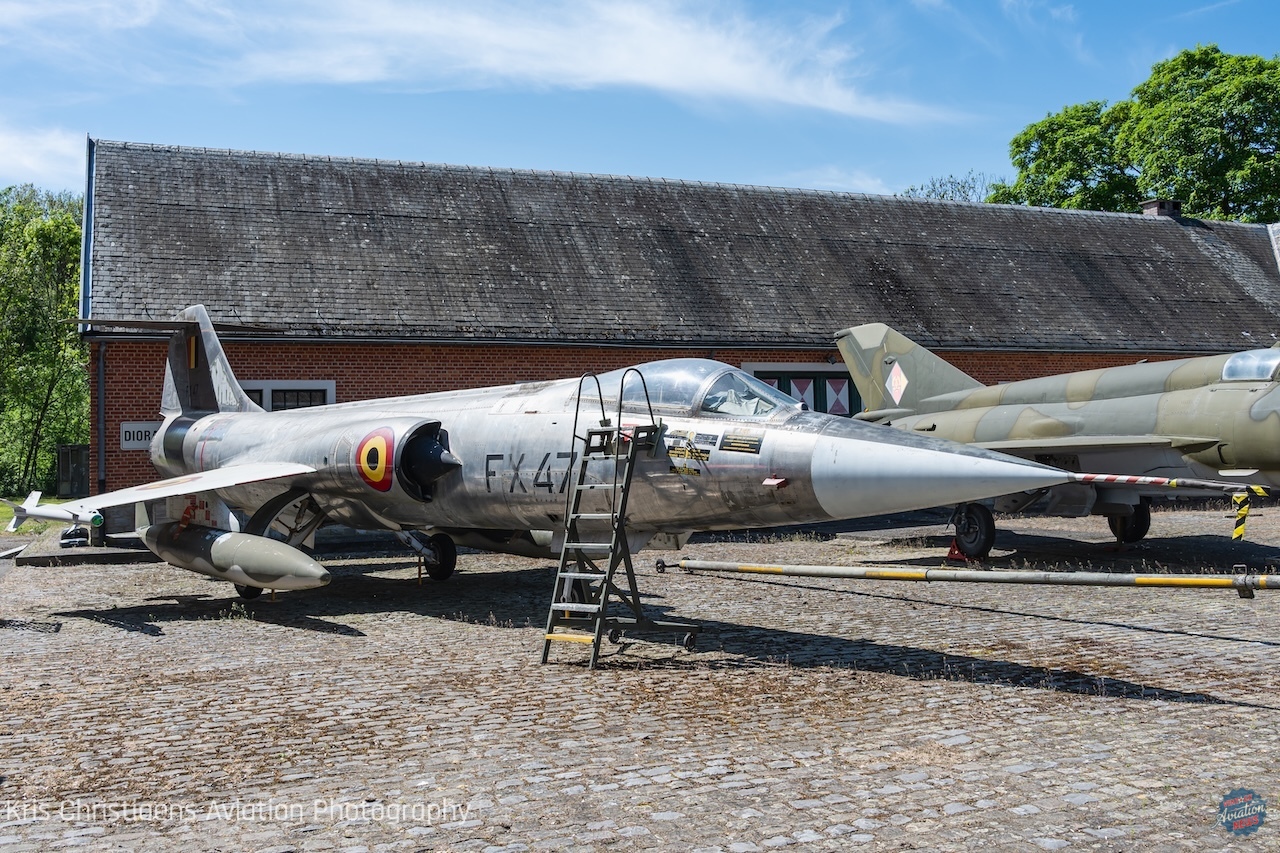
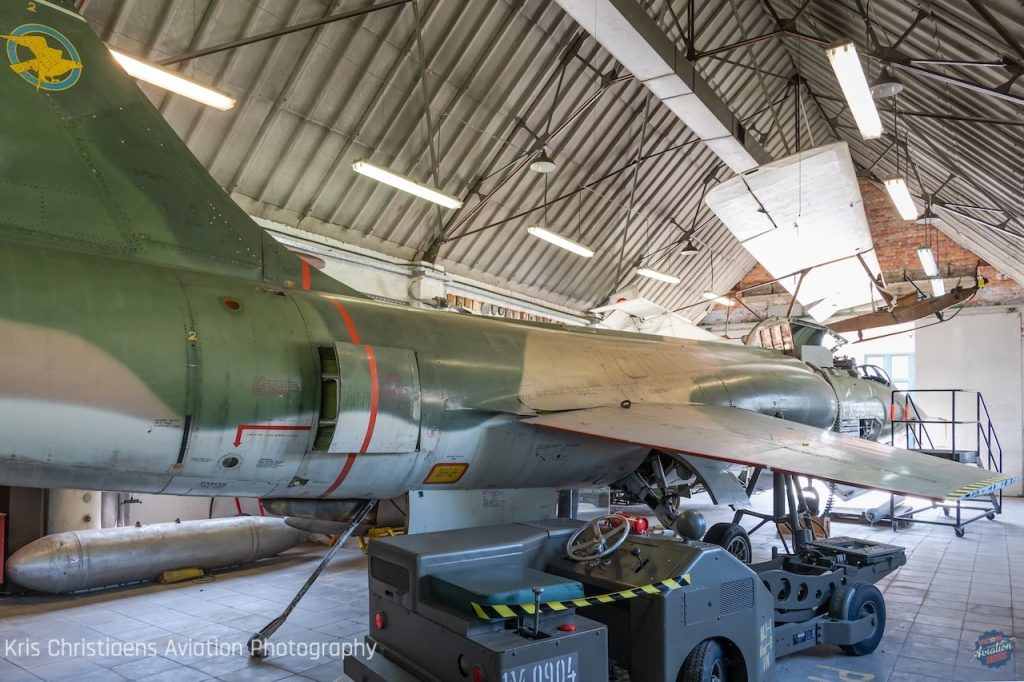
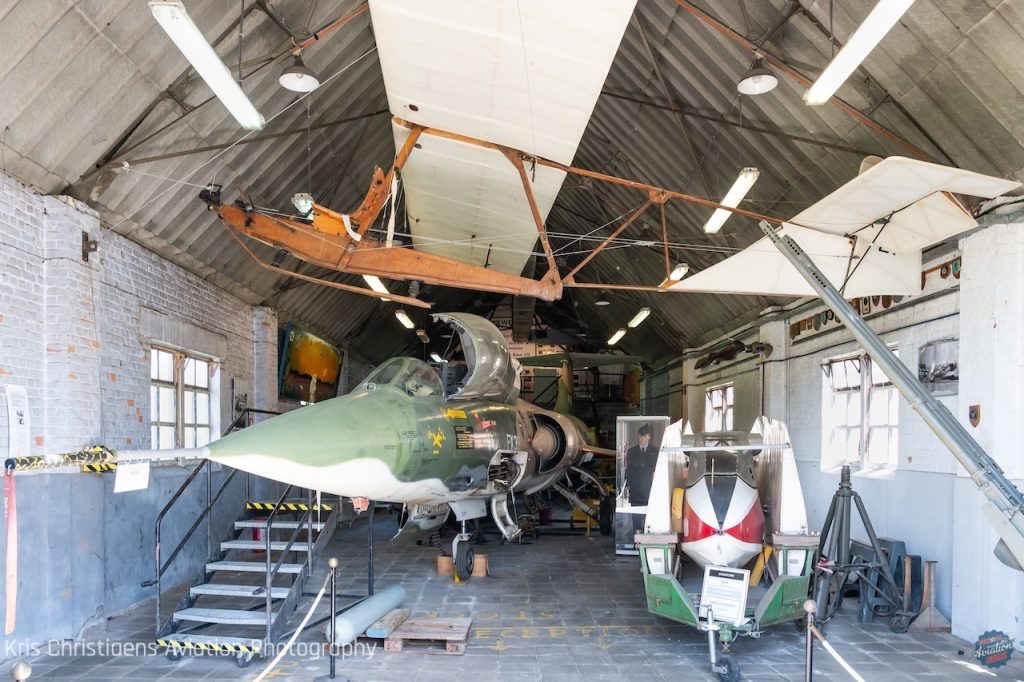
The Lockheed F-104 Starfighter is among the most striking aircraft in the collection, and one of the most significant to the history of Beauvechain. Belgium once had 112 Starfighters (F-104G and TF-104G variants) in service as fighter-bombers-interceptors and trainers, which were replaced in the late 1970s by the successful F-16 fighter jets. The Belgian Air Force operated the Starfighter as part of its NATO commitments, and several examples are on display at the museum. The F-104 was an aircraft of extremes, a razor-thin fuselage, tiny stub wings, and a General Electric J79 engine that pushed it past Mach 2. It earned a nickname almost immediately wherever it flew: “the missile with a man in it.” For the 1st Fighter Wing, the Starfighter represented the pinnacle of Cold War technology at the time of its introduction, and the Belgian examples here carry all of that connotation. Standing next to one, you notice how incredibly narrow the wings are; it almost looks unfinished, as if someone forgot to add the rest of them. This museum features four Starfighters in different versions, all beautifully displayed so you can admire and photograph them from every angle.
(Image credit: Kris Christiaens)
Trainer jets and reconnaissance aircraft
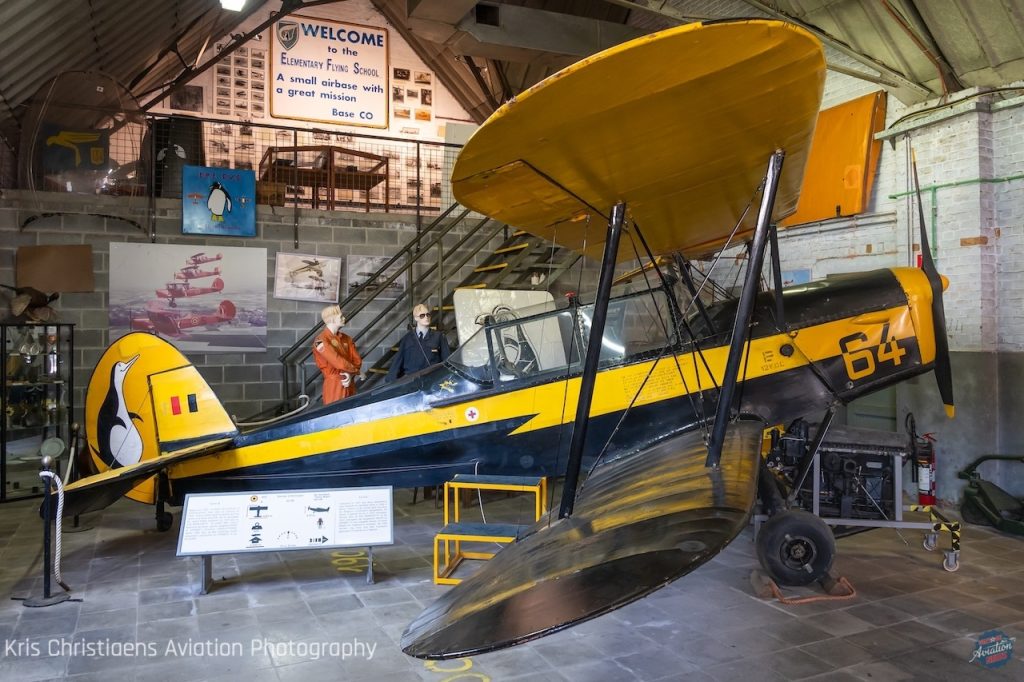
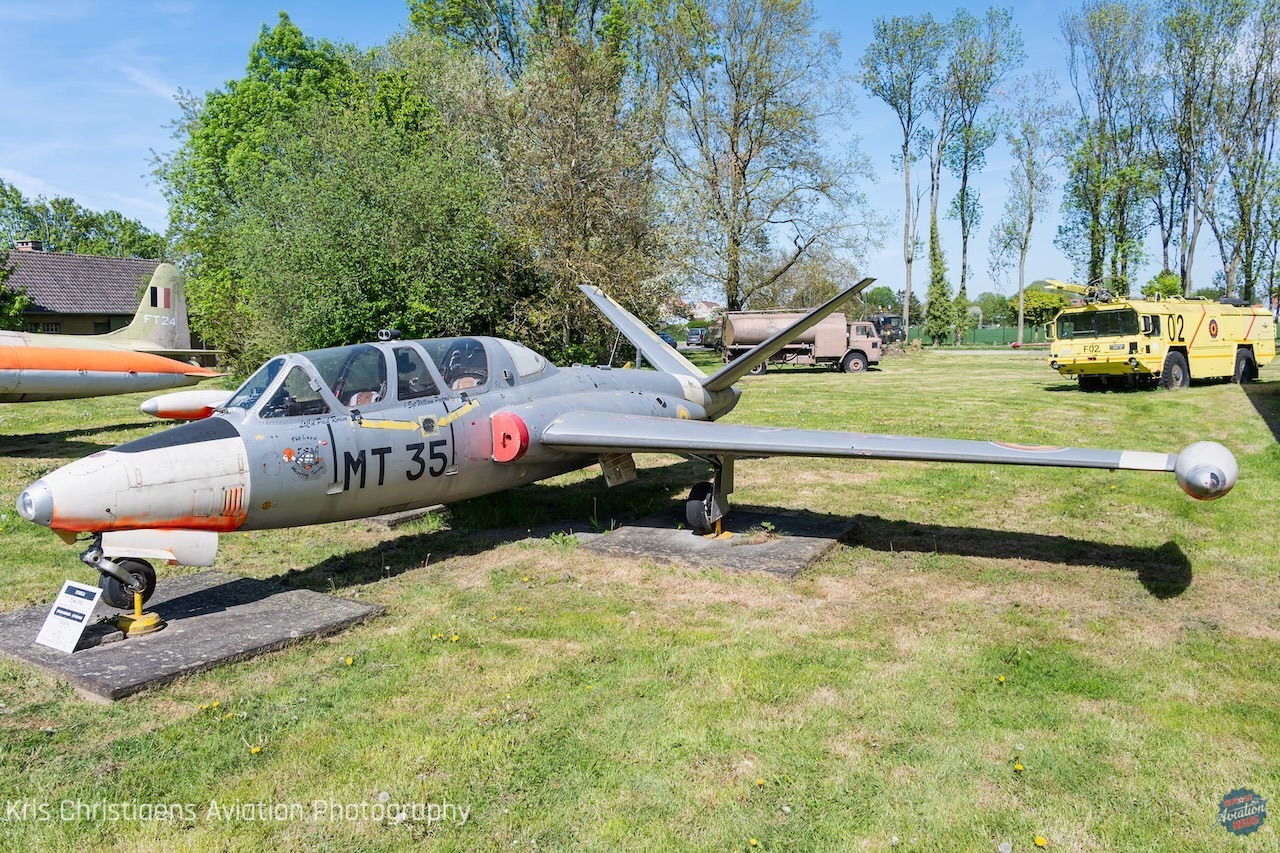
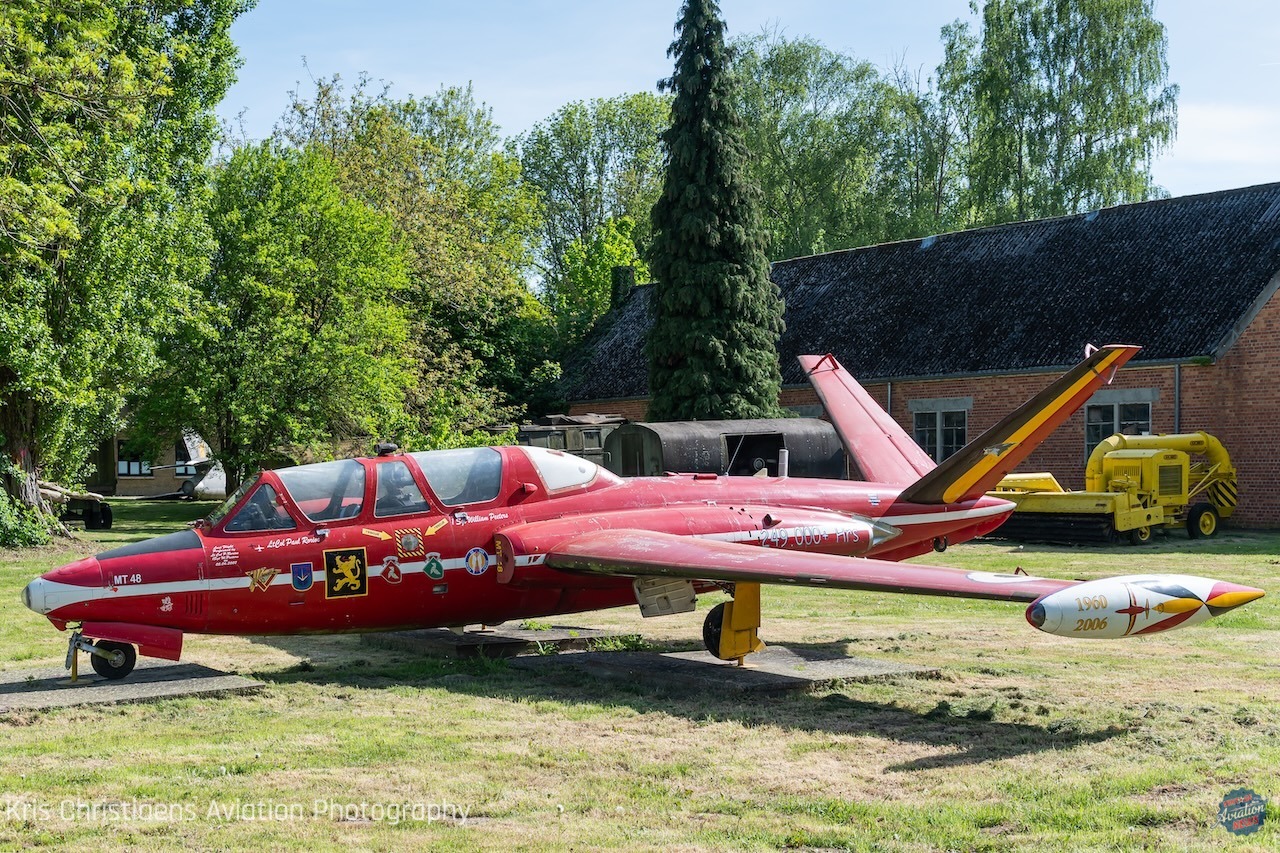
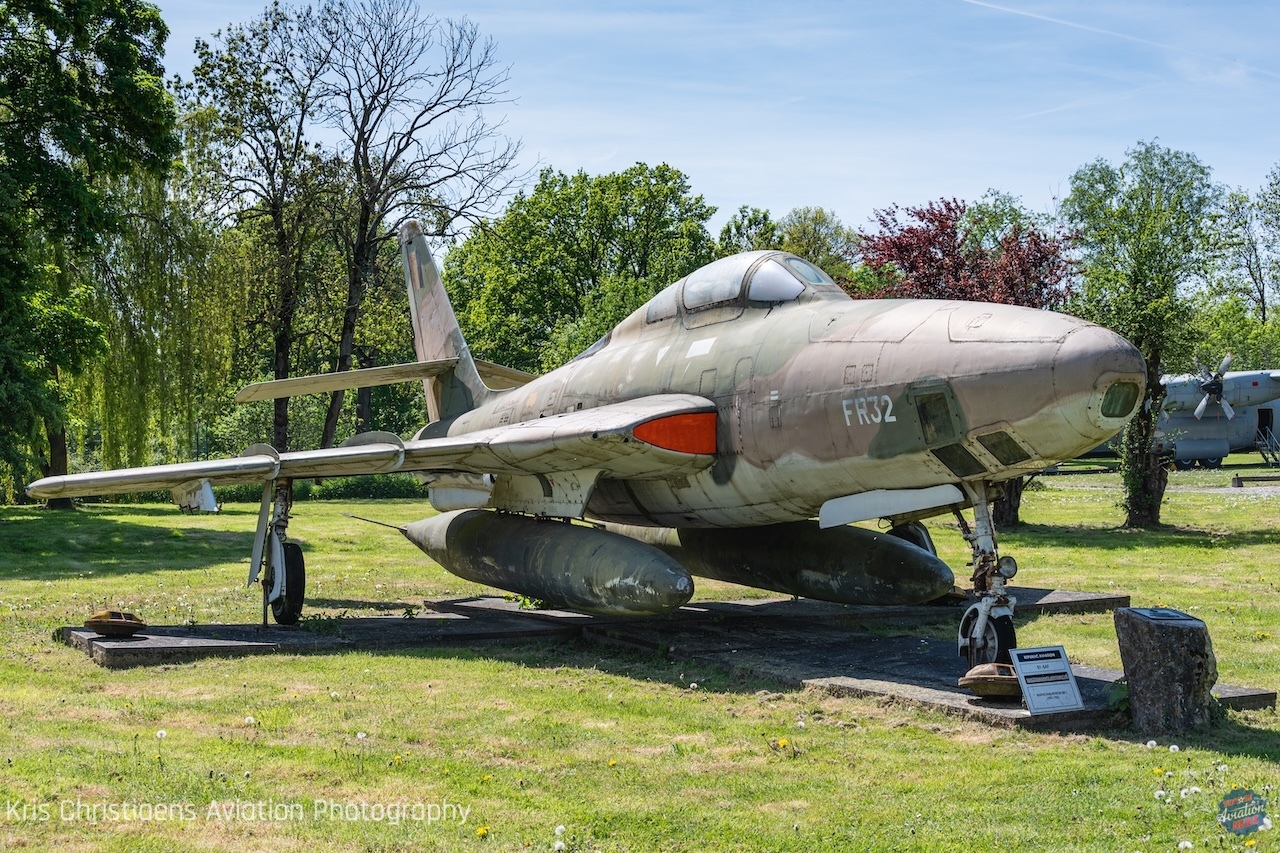
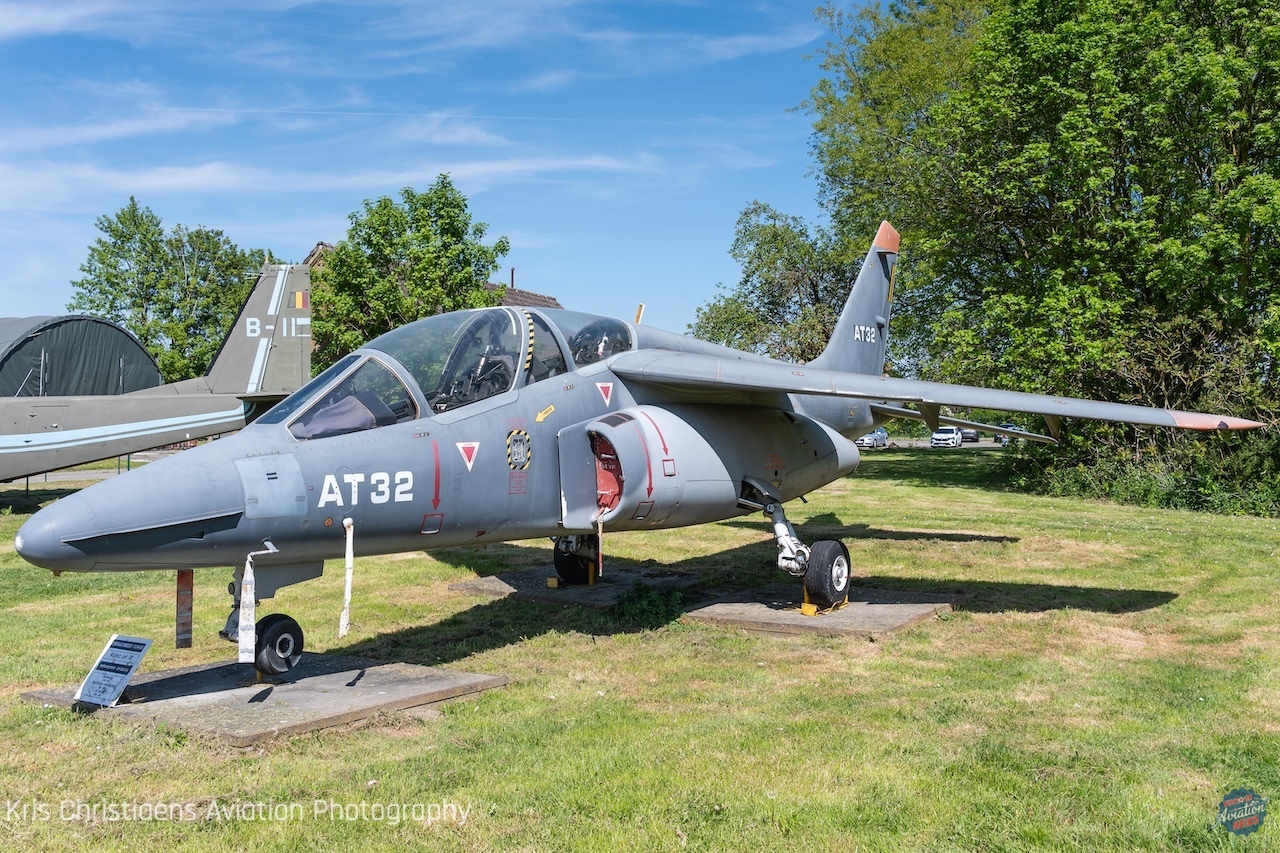
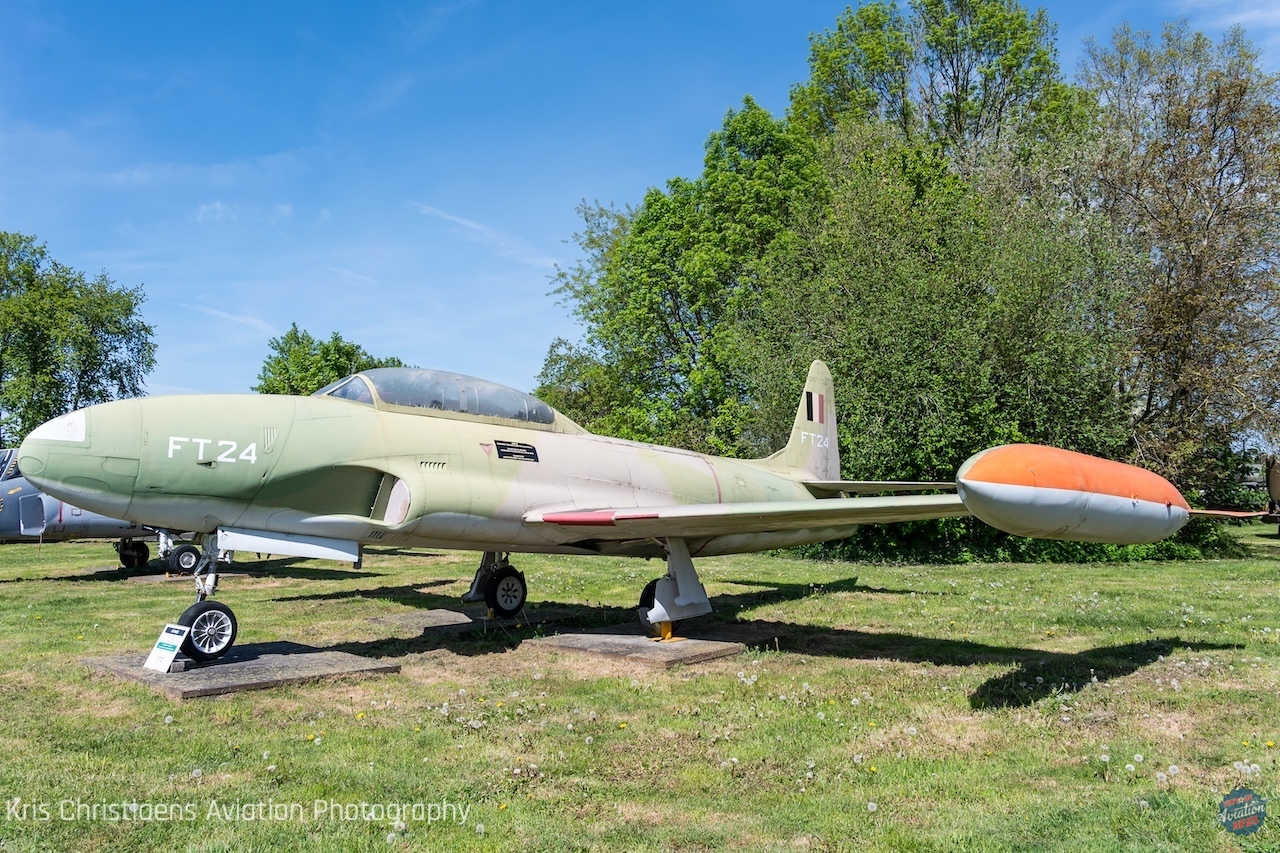
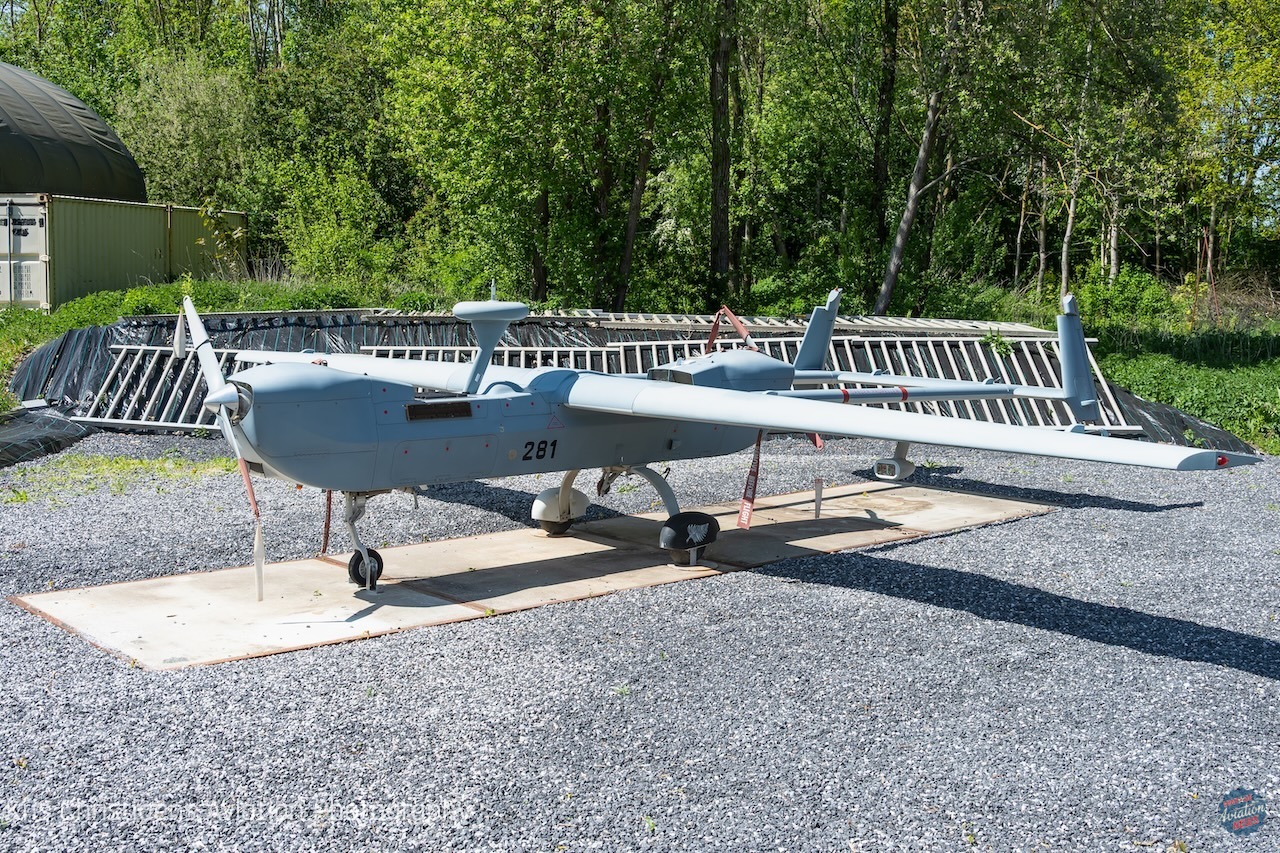
The museum’s greatest strength is that it features a wide variety of aircraft, many of which were used to train pilots. Here you can admire two Fouga CM.170 Magister jet trainers in their various colour schemes, as well as a Dassault/Dornier Alpha Jet and a Lockheed T-33, all of which were used by the Belgian Air Force to train pilots to fly fighter jets. The 1Wing Historical Centre in Beauvechain also features several reconnaissance aircraft that were once part of the Belgian Air Force, such as the Dassault Mirage 5 BR and the RF-84F Thunderflash. The IAI RQ-5 Hunter unmanned aerial vehicle (UAV) and its accompanying ground control station have also been on display at this museum for several years.
C-130
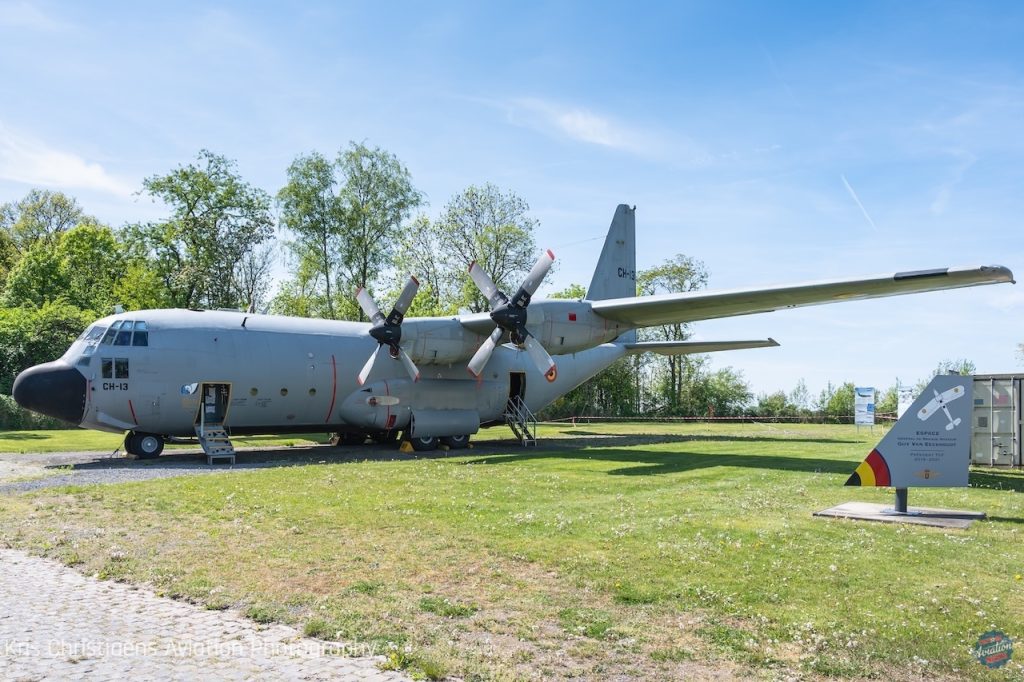
The Lockheed C-130 Hercules is, physically, the most dominating presence in the collection. Big, boxy, propeller-driven in an era of jets, the C-130 has been the workhorse of military transport for decades, and Belgium has operated it extensively. Visitors are actually able to board and explore the interior of the aircraft, a feature that draws particular delight from younger visitors and, if we are honest, from plenty of adults as well. Walking around inside a Hercules, with its enormous cargo bay and tight crew stations, gives you a visceral sense of what military logistics actually looks like from the inside of a military transport aircraft. Inside the C-130, you can also learn all about how paratroopers jumped from this aircraft and how food packages and other cargo were dropped from low altitudes during humanitarian missions.
(Image credit: Kris Christiaens)
MiG-21
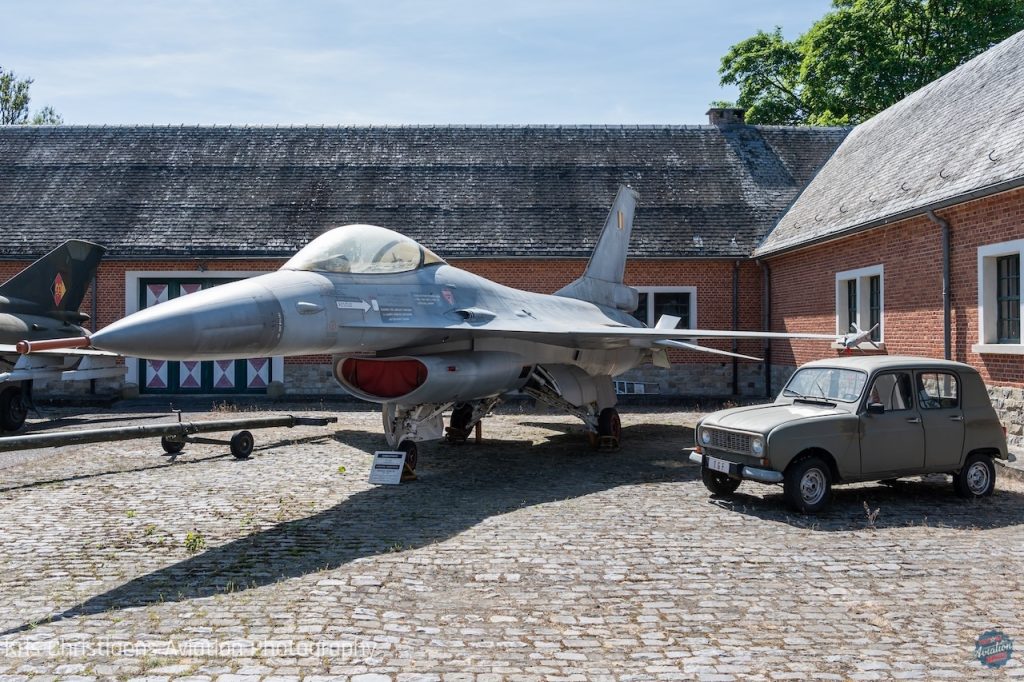
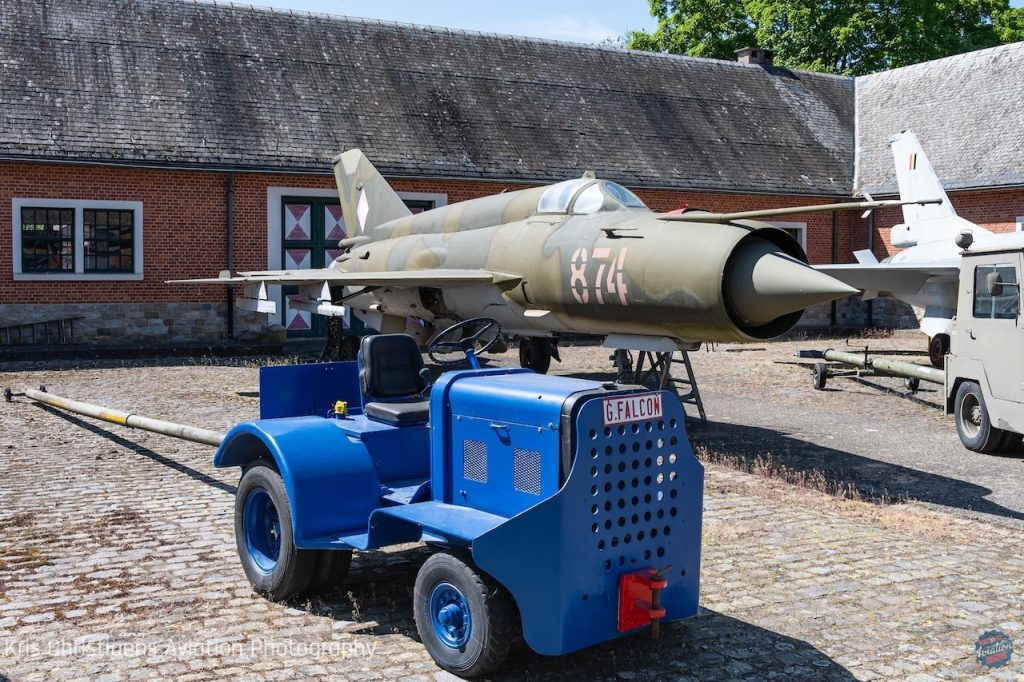
A striking aircraft in the courtyard of the 1Wing Historical Centre is a MiG-21bis Fishbed-N. Designed by the Soviet Union, this aircraft served as the counterpart to the F-104 Starfighter in the Warsaw Pact countries and the Soviet Union, and caused quite a few tense moments in the West during the Cold War. The MiG-21 on display in this museum had been in service with the East German Air Force since 1975. Following German reunification, this MiG-21 was donated to Belgium in 2003, after which it was fully restored in 2018 and is now part of the fantastic collection at the 1Wing Historical Centre.
(Image credit: Kris Christiaens)
Spitfire
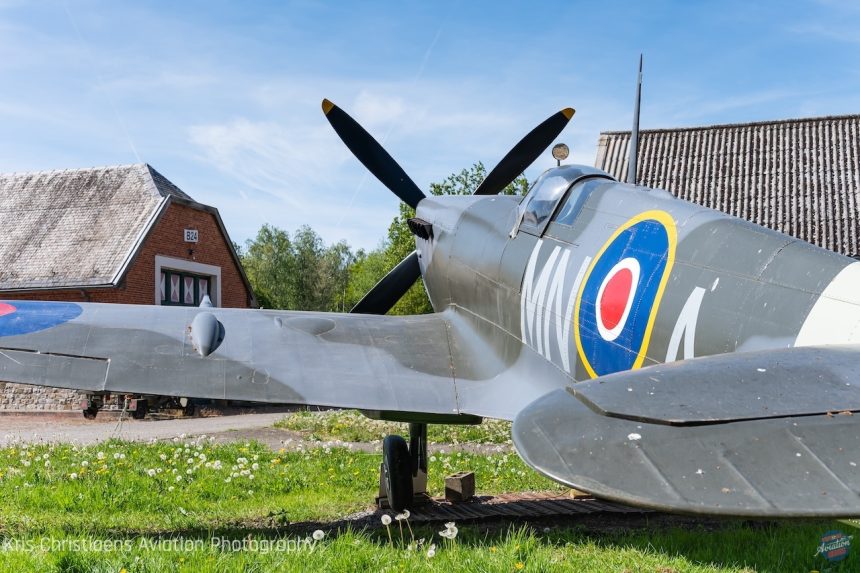
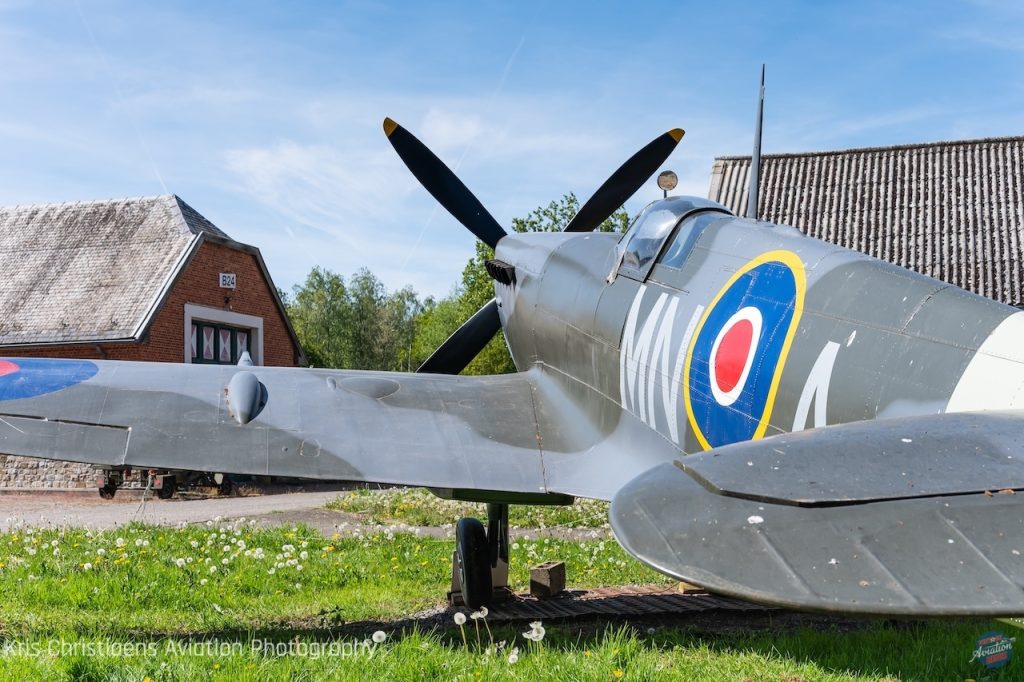
For years, the 1Wing Historical Centre had one glaring gap in its collection: no Spitfire, the very aircraft that put Beauvechain on the map in the first place. The problem was money: genuine flying Spitfires now sell for around two million euros, which is simply not a realistic figure for a volunteer-run museum operating on a shoestring. So, when a high-quality Spitfire Mk IX replica arrived at the museum on 11 December 2020, it was not a disappointment; it was a long-overdue homecoming. The Spitfire’s connection to Beauvechain goes back to the war itself, when Belgian pilots flew the type in RAF colours after escaping their German-occupied homeland. Squadrons 349 and 350, the two Belgian units within the RAF, flew Spitfires over France, covered the D-Day beaches in June 1944, and fought their way back across occupied Europe. When both squadrons were formally handed back to the newly rebuilt Belgian Air Force in October 1946, they brought their Spitfire heritage with them to Beauvechain. By 1949, the jets had arrived, and the Spitfires were gone, most of them scrapped, with only three retained as museum pieces across all of Belgium. One of those survivors had actually stood as a gate guardian at Beauvechain itself for decades, before being sold, restored, and flown away, leaving the base without a single Spitfire to its name. The replica the museum acquired fills that void and does it properly, painted in the wartime codes of Squadrons 349 and 350, telling the exact story that needs telling.
Beyond the Aircraft
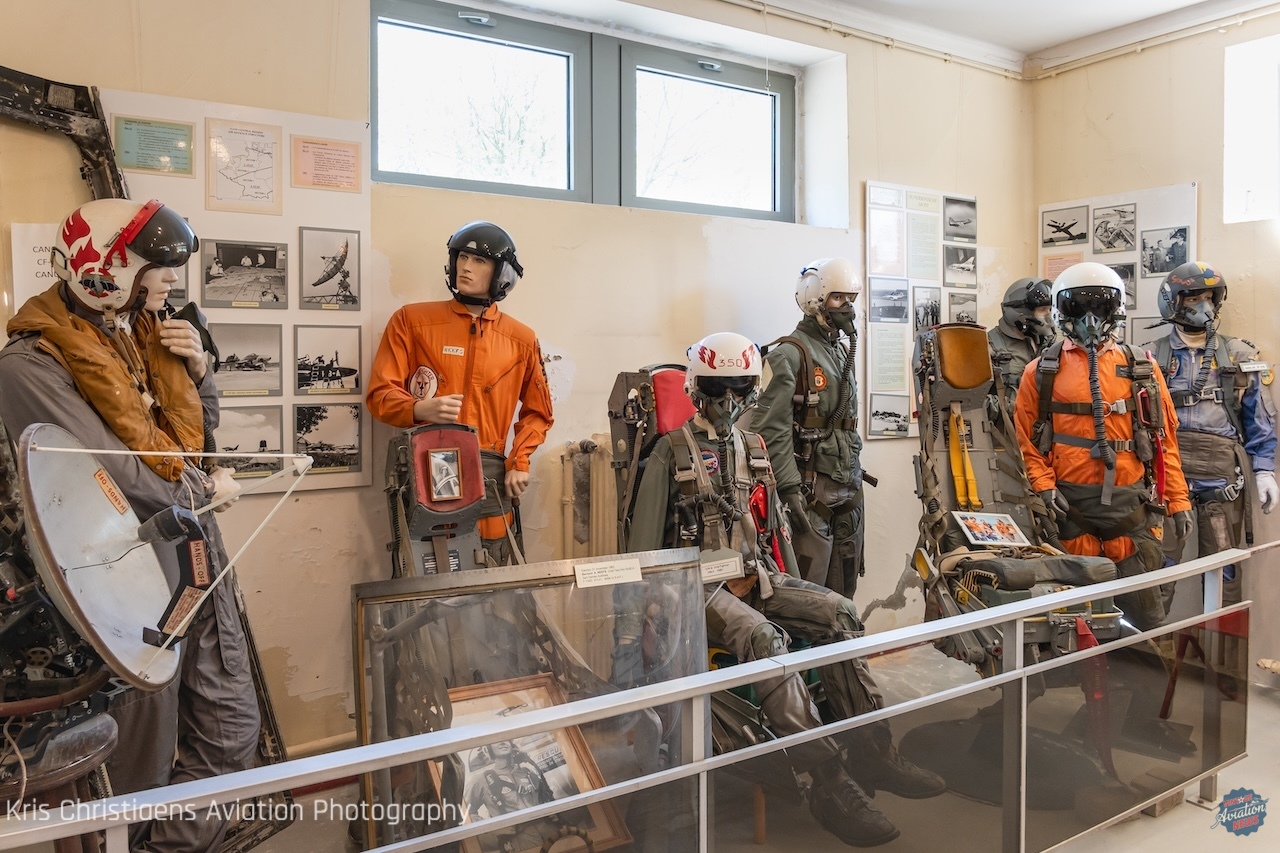
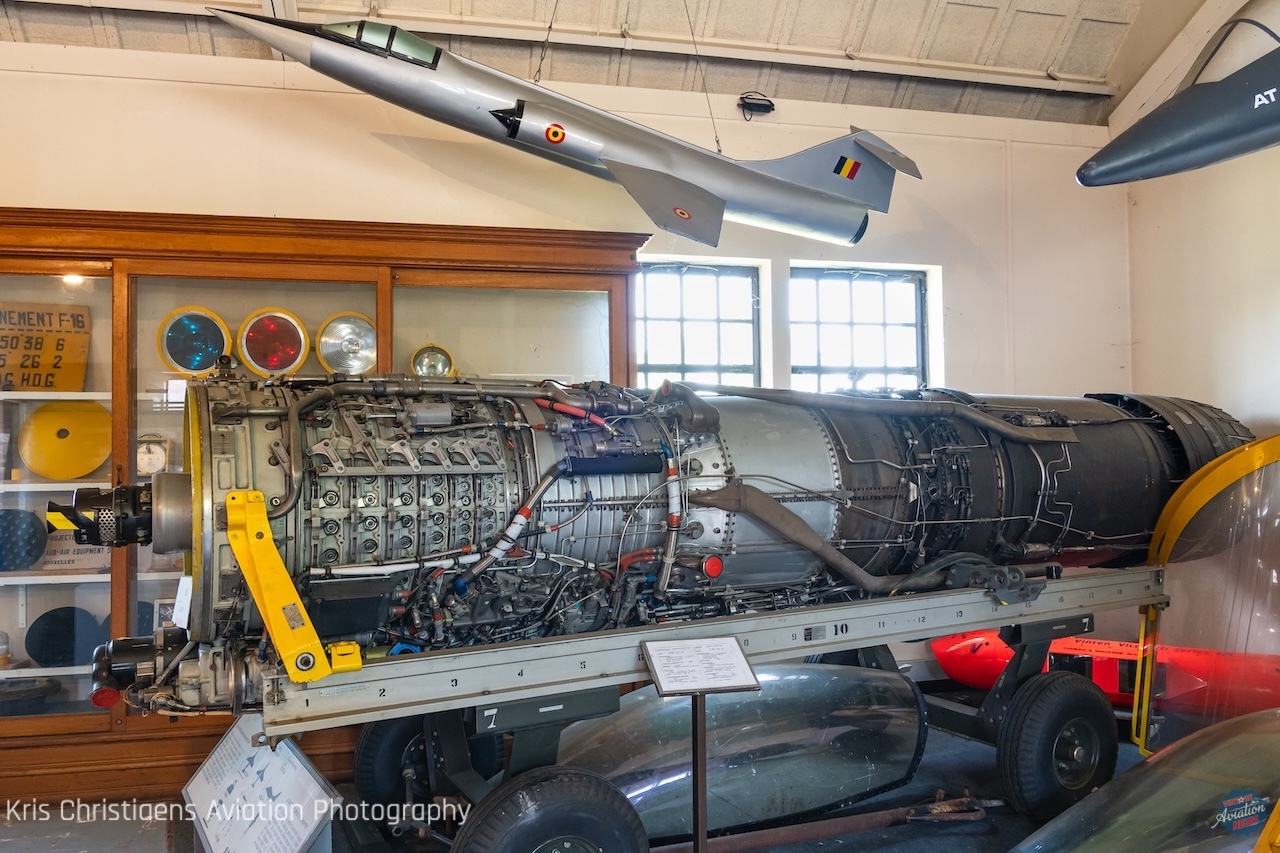
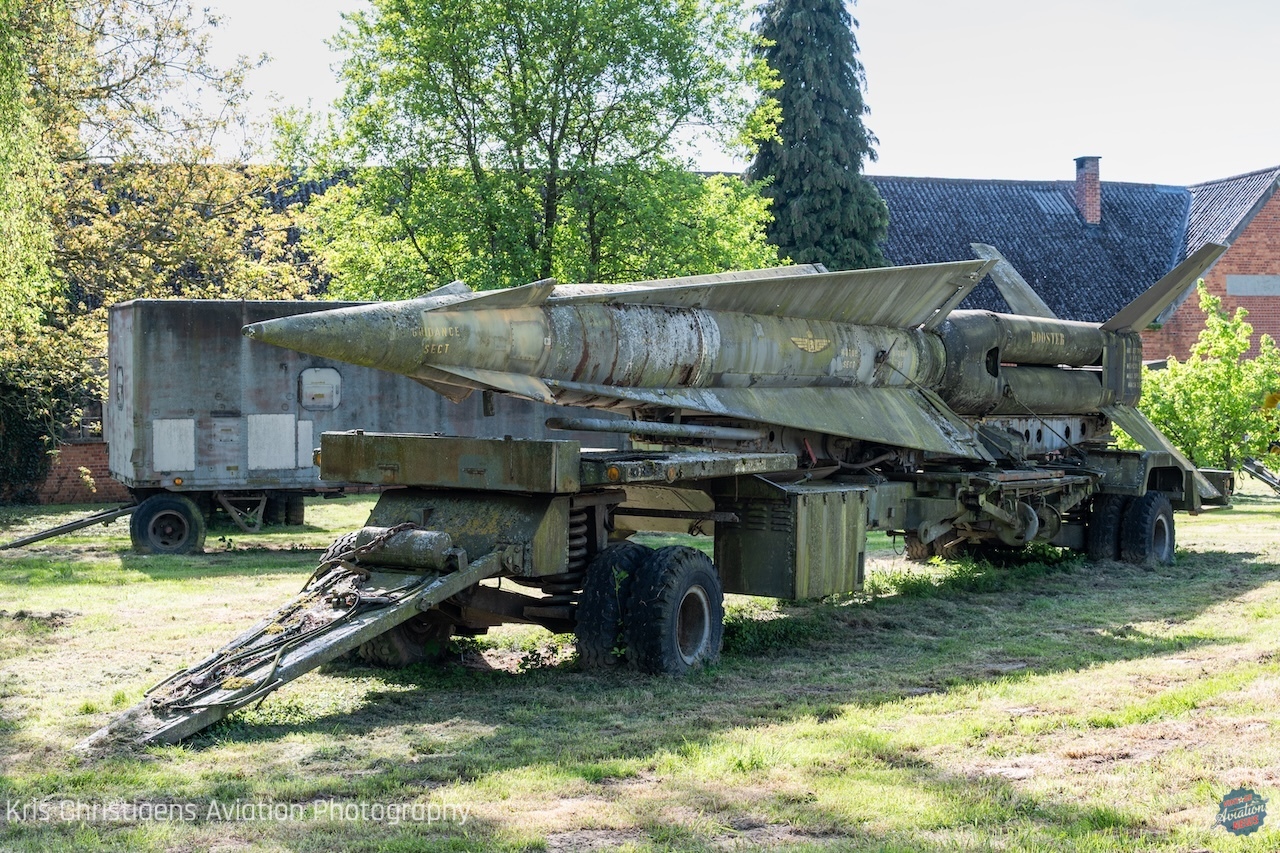
The aircraft get the attention, but the interior of the museum building is where the human story lives. Engines, some instructional, some simply preserved, give visitors an up-close look at the mechanical complexity that made these aircraft possible. Seeing a jet engine removed from its airframe and displayed so you can walk around it at eye level is genuinely illuminating; these were not simple machines. The vehicle collection adds another dimension, covering the ground support side of aviation that rarely gets its due in museums focused on the glamour of flight. Fuel trucks, service vehicles, specialist equipment, the things that kept aircraft flying and men alive, are represented here and worth more than a passing glance. The documentation centre deserves particular mention for visitors with a serious interest in Belgian aviation history. Photographs, logbooks, records, squadron badges, unit histories, the kind of primary material that is increasingly hard to find as the generation that lived it passes on. The museum’s collection of squadron insignia from all the units that operated from Beauvechain is comprehensive and visually striking, a gallery of heraldic identity that speaks to the pride these squadrons took in their distinctiveness. Uniforms, flying kit, pilot memorabilia, medals, and personal effects round out the human dimension of the collection. These items matter because they remind you that every aircraft in the collection was, at some point, someone’s daily workplace, someone who strapped themselves into it, flew it, worried about it, and perhaps loved it in the particular way that aviators tend to love their machines. The museum also honors the memory of Brustem and Goetsenhoven air bases, both of which closed as part of the post-Cold War Belgian defence restructuring. Incorporating their histories into the Beauvechain collection was a wise decision; it gives those bases a memorial of sorts, and it enriches the overall picture of Belgian military aviation that the 1WHC presents.
Why Visit this Museum?
Belgium is not short of museums. Brussels alone can keep a dedicated visitor busy for days. But the 1Wing Historical Centre occupies a category of its own, because it offers something that the major institutions cannot: specificity. This is not a survey of aviation history in the broad sense. It is the story of one place, one wing, and the people who served in it, told on the actual ground where it happened. The site itself, the old De Waersegger farm that became a German base, then an Allied one, then a Belgian one, and now a museum, is a piece of living European history in a way that transcends any individual exhibit. The aircraft are extraordinary, from the needle-nosed F-104 to the Communist-built MiG-21 to the lumbering, beloved C-130. The interior exhibits give depth and texture to what the aircraft alone cannot convey. And the volunteers provide a quality of human connection that is simply irreplaceable. There is a version of Belgian aviation history that exists in textbooks and Wikipedia articles. And then there is the version you get when you stand inside a C-130 at Beauvechain and an old crew chief tells you what it was actually like to keep those engines running through a Belgian winter. The 1Wing Historical Centre offers the second version. That alone is reason enough to make the trip. It would be a mistake to review this museum without spending time on the people who run it, because they are, genuinely, what makes the experience exceptional. The 1Wing Historical Centre is entirely volunteer-operated, and the volunteers, mostly former military personnel or aviation enthusiasts with deep personal connections to this history, bring a quality of engagement that no amount of professional museum management can replicate. These are not people reading from a prepared script. When a volunteer at Beauvechain explains what it was like to work on the F-104, or describes the day the last F-16 left the base, they are often speaking from personal experience. The knowledge is direct and specific in ways that enrich the visit enormously. Visitors consistently report that conversations with the guides are among the most memorable parts of the experience, not just informative, but genuinely moving.
(Image credit: Kris Christiaens)
Practical Tips
The museum is located on the northeast side of Beauvechain Air Base, approximately 30 kilometres (19 miles approx.) east-southeast of Brussels, just off the A3/E40 motorway at exit 24. The location within an active military base means that arriving by car is essentially mandatory; public transport options are extremely limited. The 1WHC opens on the second and fourth Sunday of each month, typically from 2 pm to 6 pm, and closes between Christmas and New Year. Larger groups can arrange visits on request outside normal opening hours. Parking is ample and free. Plan for a minimum of two hours, though aviation enthusiasts and history buffs will easily fill an entire afternoon. The combination of outdoor aircraft and indoor exhibits means the visit works in most weather conditions, though the outdoor portions are naturally more enjoyable in decent weather.









A very interesting Museum and Collection; a pity they haven’t more Money and Space available. Some Aircraft of WW1 – such as the Hanriot HD.1 – and WW2 would be a great attraction but, with finite resources, next to impossible.
But, What They Do Have, are the buildings. To walk through Old Buildings, Workshops and Hangers can be an experience in itself.
To smell that heady aroma: Wood, Leather and Engine Oil, is to invoke memories; some good and joyful, some tinged with sadness.
Taking my Mother to her Old Station, at Wing Village – R.A.F Wing – where, though the Runway was still extant, many of the Old Buildings and Quarters were dilapidated or used for farm storage.
To see the Empty Crew Quarters, with their Graffiti and ‘Art Works’, was sad; but you could almost imagine hearing the banter replayed; the talk of missions survived, the missions to come …..
You can still experience some of that today, and rub shoulders with the Ghosts of yesterday,
Definitely One More For My List!!!