






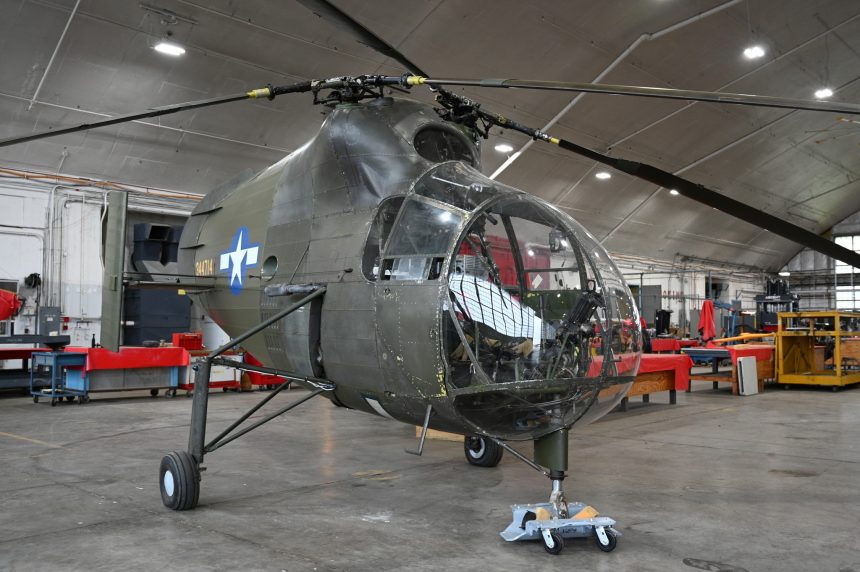

Inside the National Museum of the United States Air Force’s restoration hangar at Wright-Patterson Air Force Base, restoration specialists are in the final stages of the refurbishment of a unique helicopter design from WWII, the Kellett XR-8, which is now on course for being placed on public display for the first time ever.
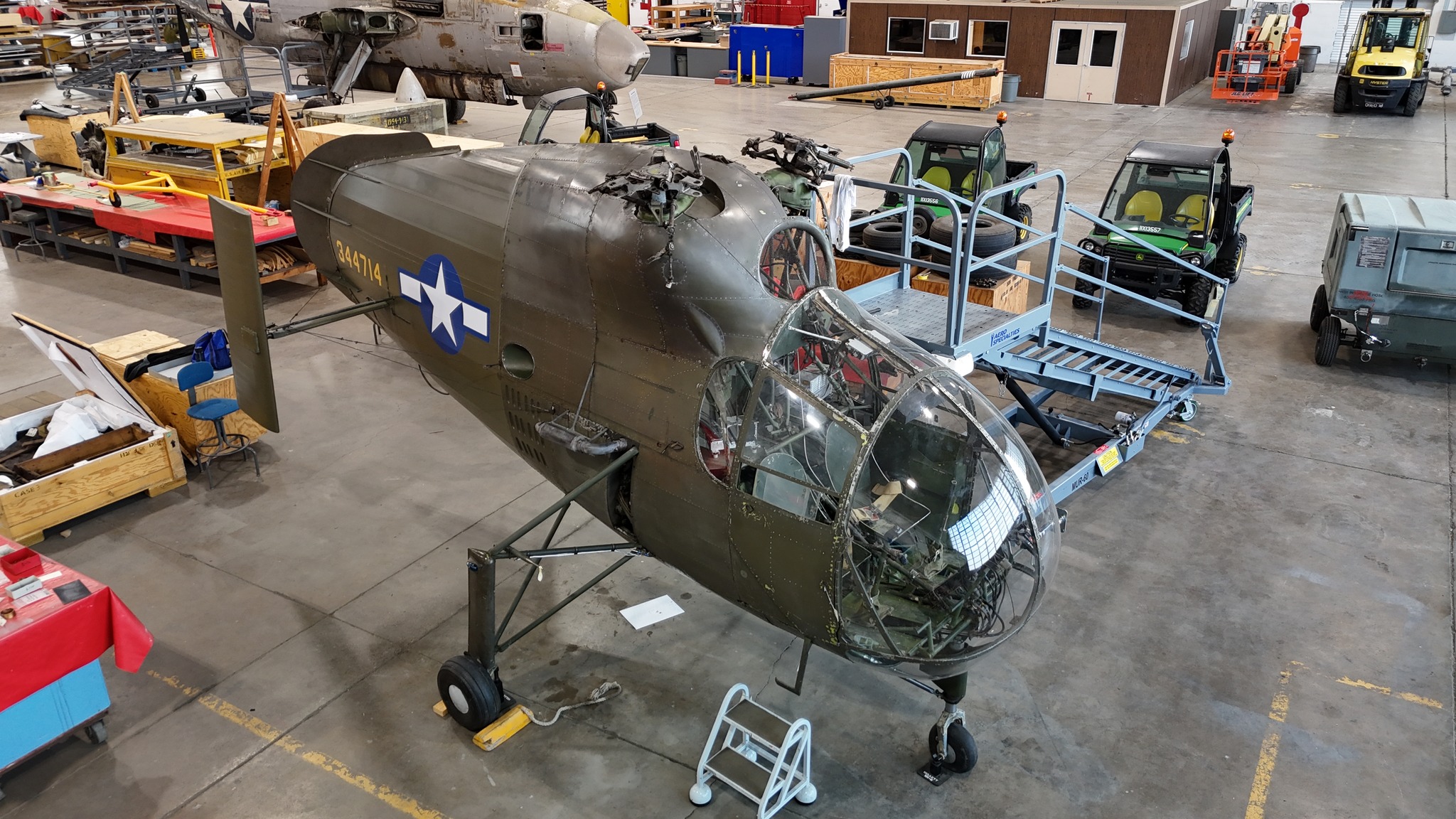
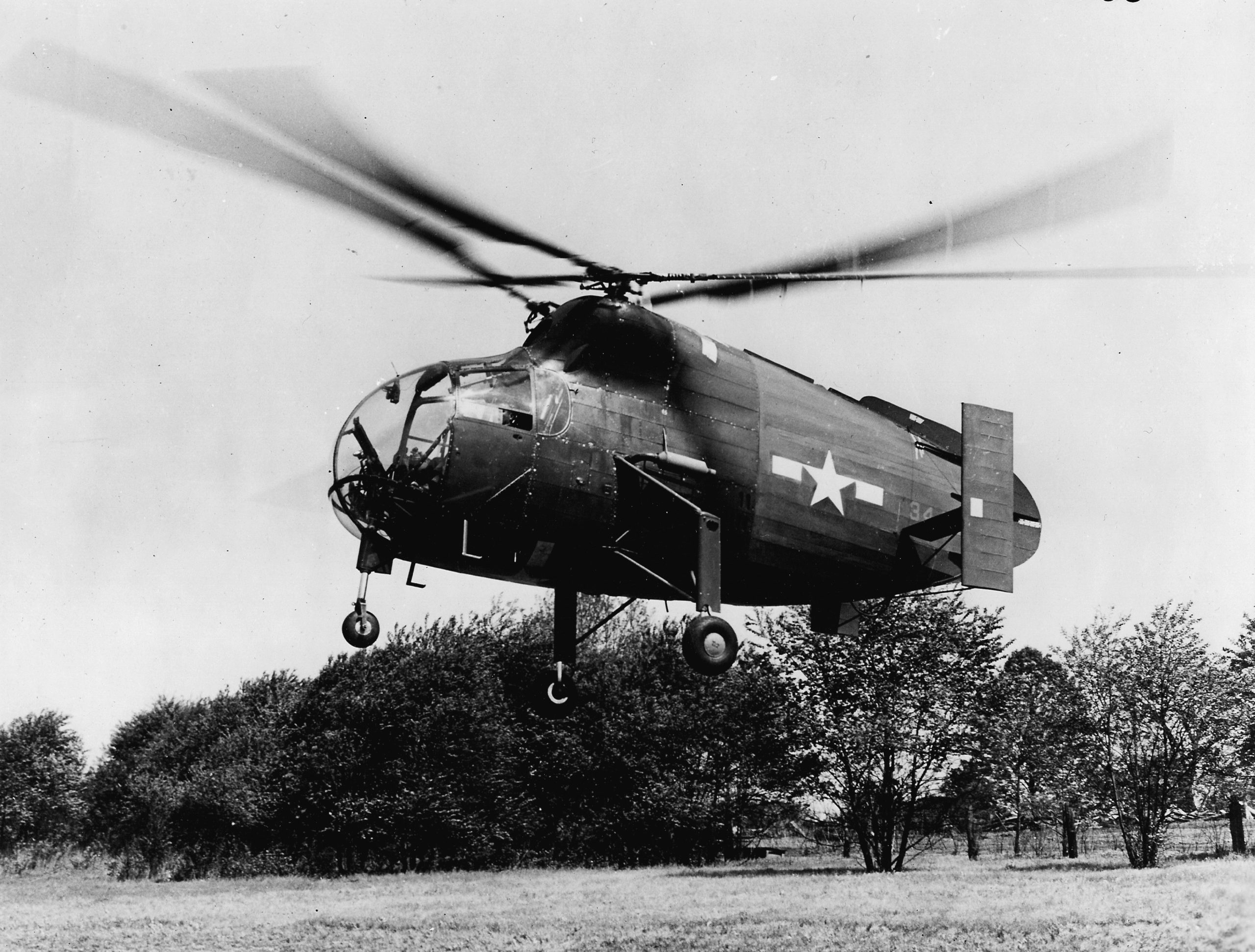
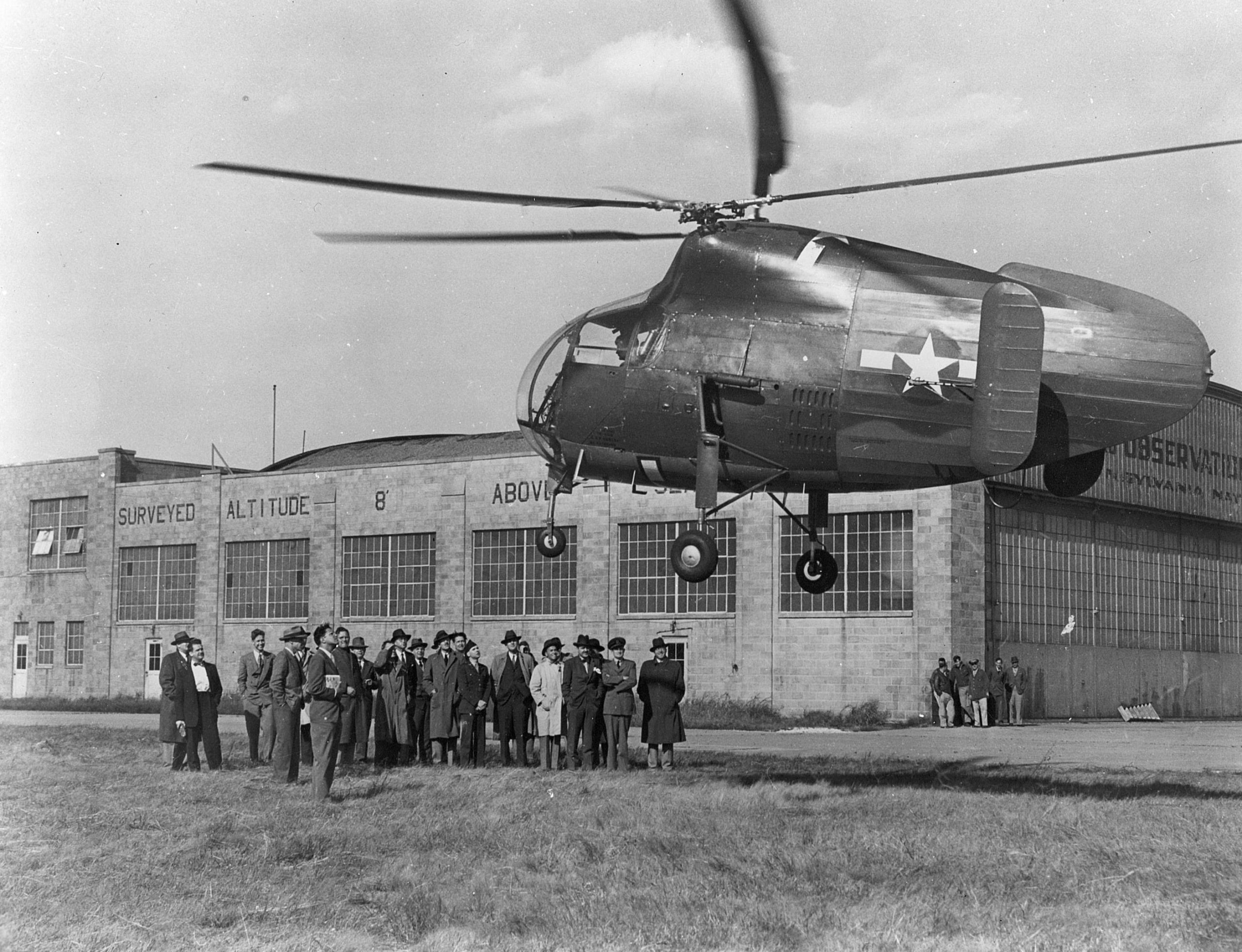
As mentioned in a previous article from 2023 (see HERE for more), the Kellett XR-8 was the first American helicopter with an intermeshing rotor design (also known as a synchropter), which made its first flight on August 7, 1944. Unofficially referred to as the “Eggbeater” for its rotor design, just two prototypes (serial numbers 43-44714 and 44-21908) of this design were built, but being a pioneering design, the XR-8 suffered from mechanical difficulties and instability that would result in the development of this helicopter being cancelled. Of the two prototypes, the first example built, 43-44714, was donated by the US Army Air Force to the Smithsonian Institution in 1946, and was part of the collection of the then-National Air Museum stored at Orchard Place Airport (now O’Hare International Airport) from 1946 to 1952 before being sent to the Silver Hill Storage Facility (now the Paul E. Garber Preservation, Restoration, and Storage Facility) in Suitland, Maryland, where it stayed in storage for another 70 years until being permanently transferred to the National Museum of the USAF at Wright-Patterson Air Force Base in Dayton, Ohio in the summer of 2022.
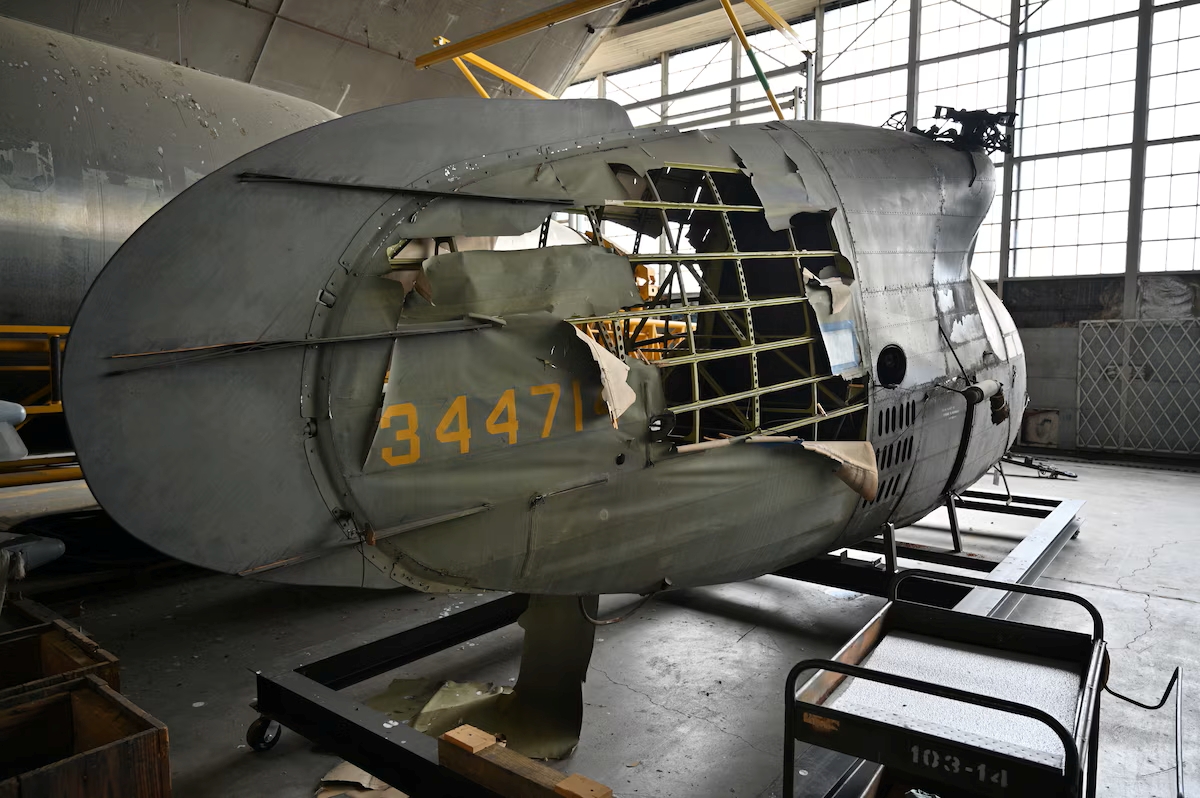
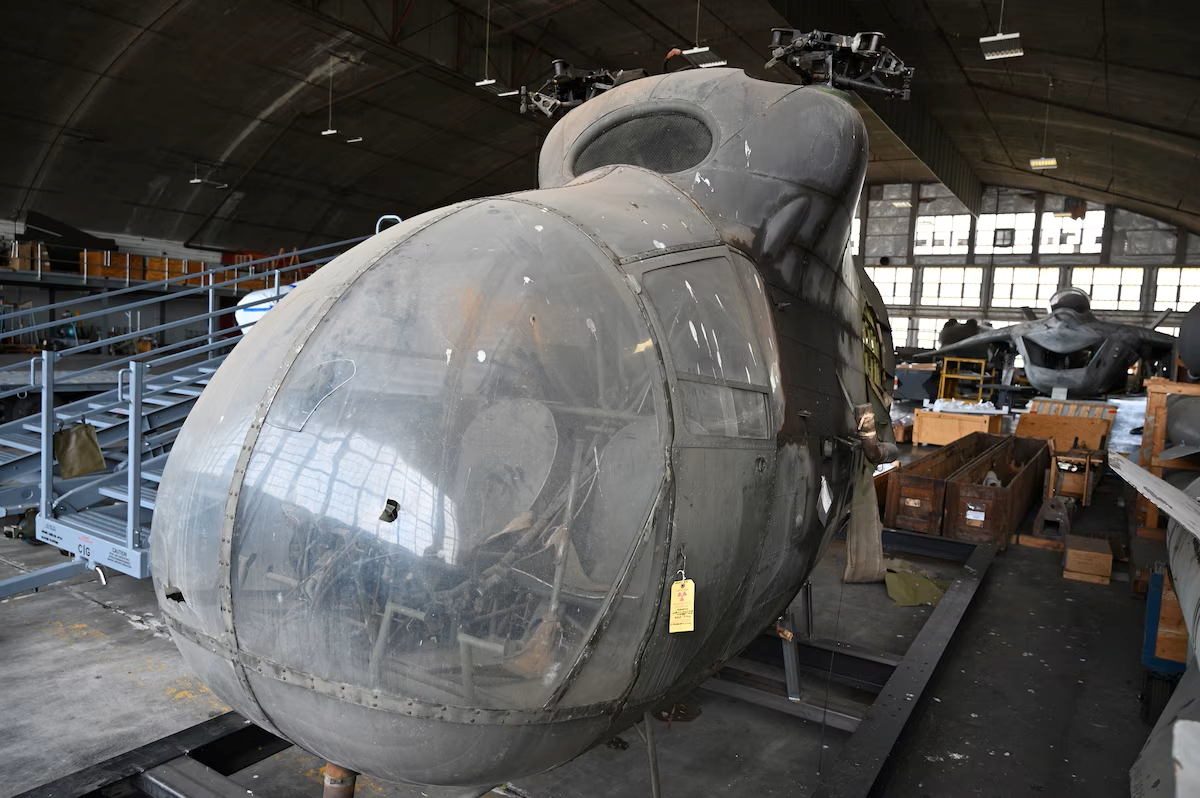
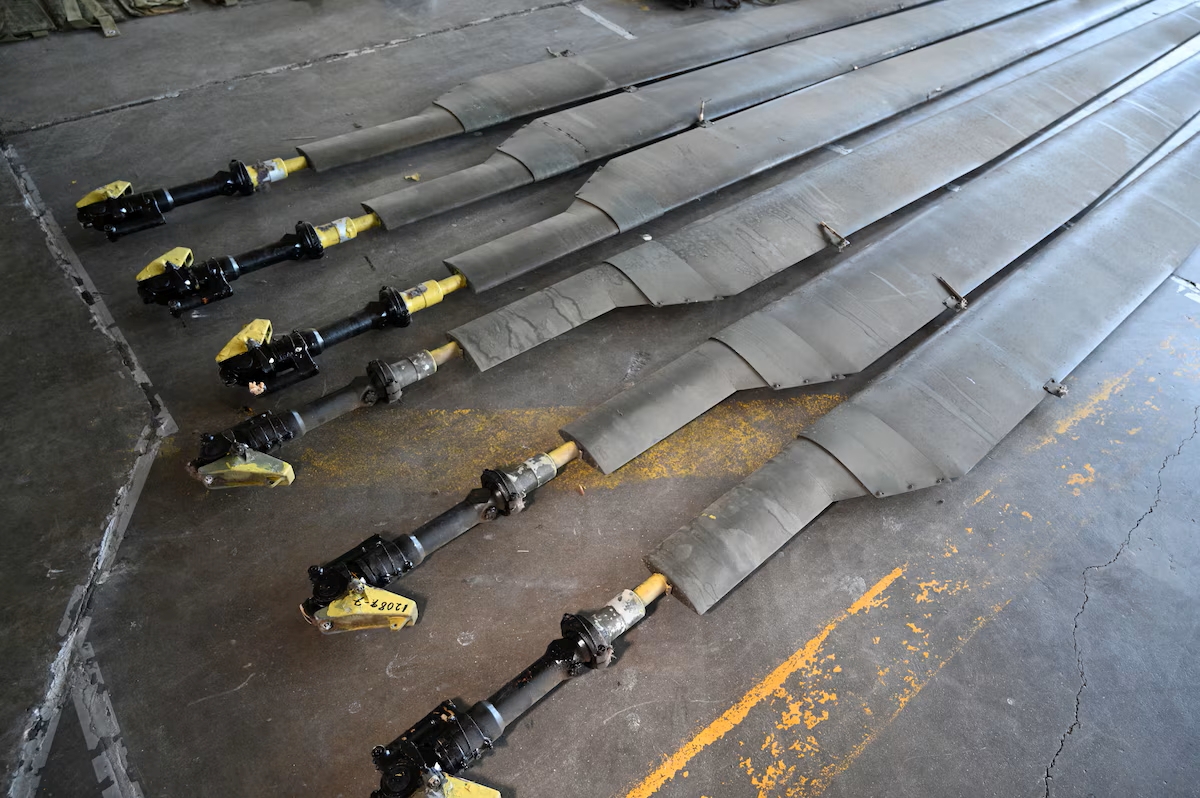
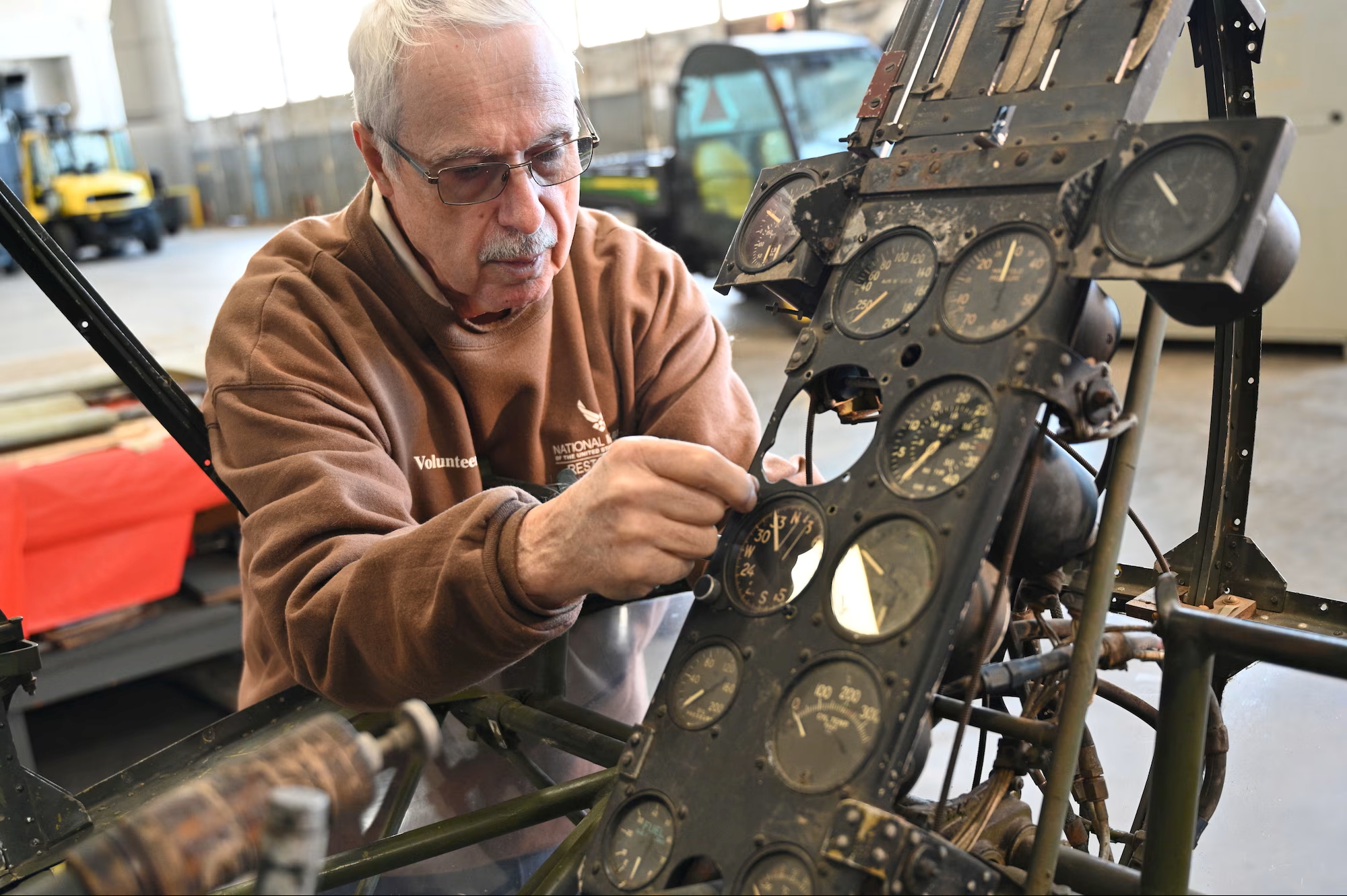
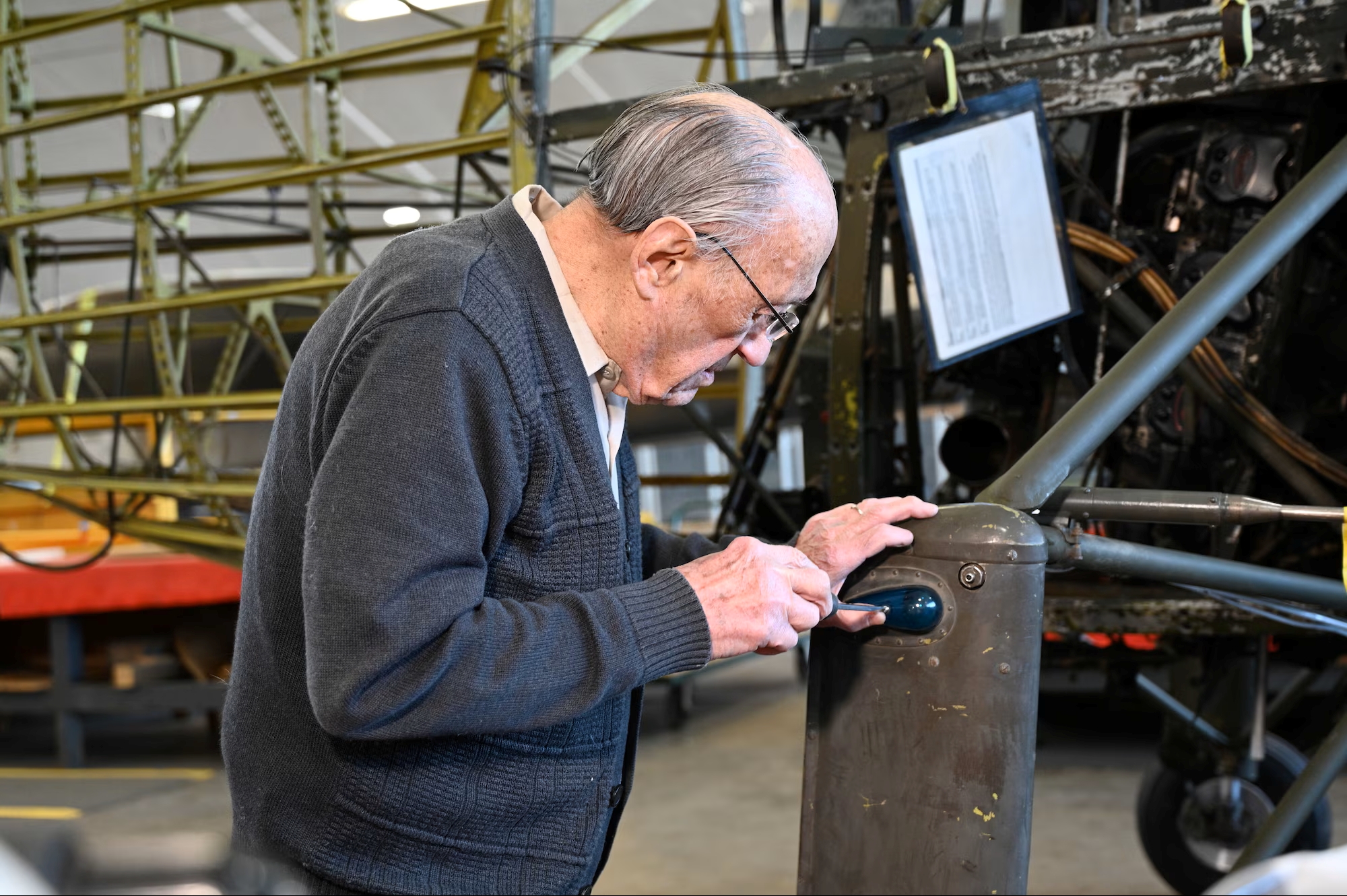
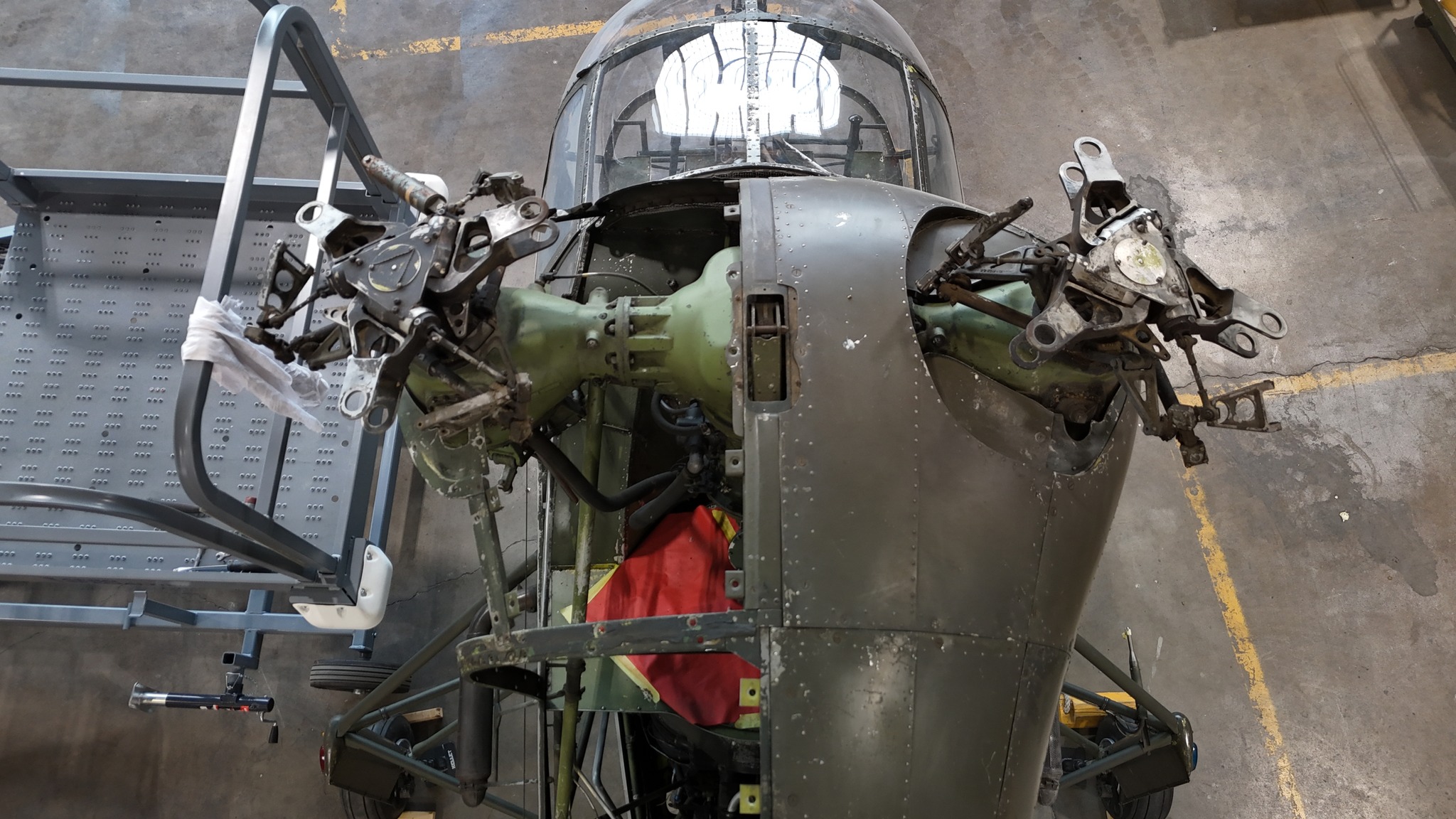
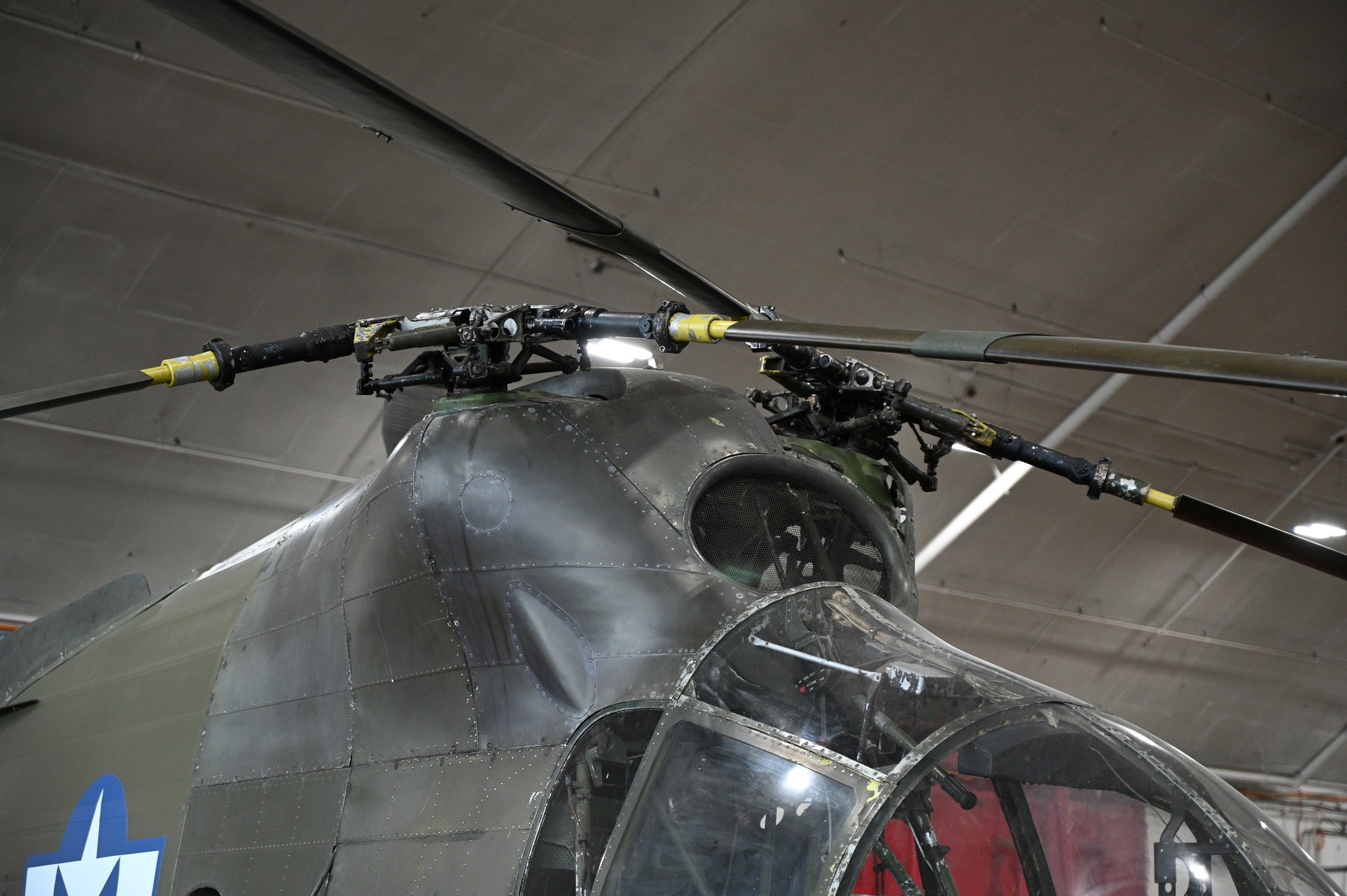
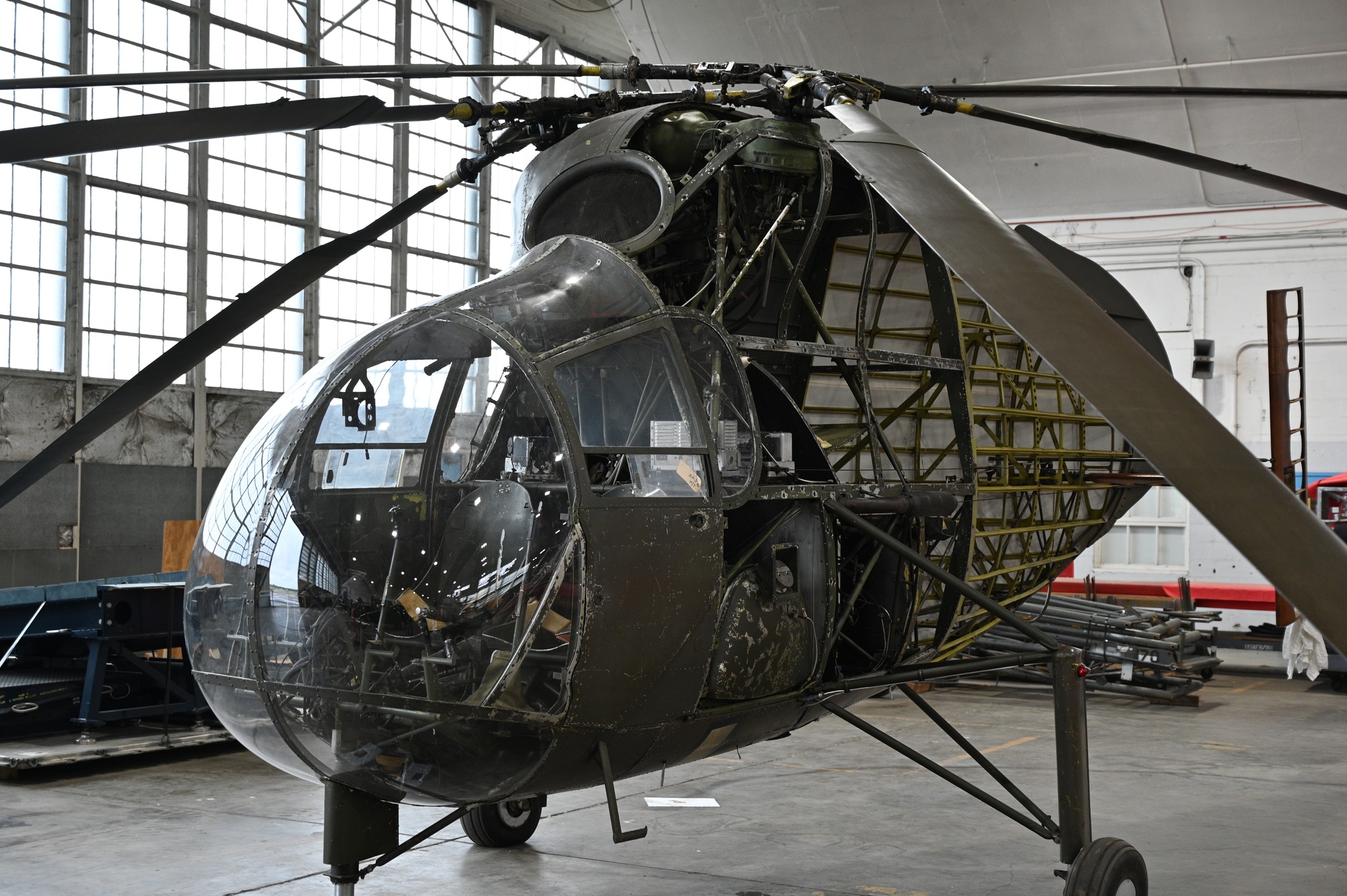
Since its arrival at Wright-Patt, the XR-8 has been undergoing more of a preservation effort than a traditional restoration. Although its original fabric has been replaced and numerous missing parts were either replaced or refabricated by the talented volunteers and staff working in the restoration hangar, there has also been a focus on preserving as much of the original material of the helicopter as possible. In a 2024 video on the NMUSAF’s YouTube channel, restoration volunteer Dale Burnside commented that “…we don’t have any manuals, blueprints, or anything…”, and goes on to say that a lot of the reassembly came down to “…trying which side worked where.” The XR-8 came to the museum on a jig with the landing gear removed, and the helicopter now sits on its original landing gear that has been reassembled. Interior parts such as the fuel tank were also removed from the frame and underwent a cleaning process before being refitted, with the fuel tank going back into its placement behind the pilot’s seats. Other parts that were cleaned up and reinstalled were the intermeshing set of three-bladed rotors, and the aluminum frame and engine cowling panels were also cleaned and refitted. The XR-8 also retained its original Franklin O-405 245hp, 6-cylinder horizontally opposed air-cooled engine mounted in a vertical position in the center of the helicopter.
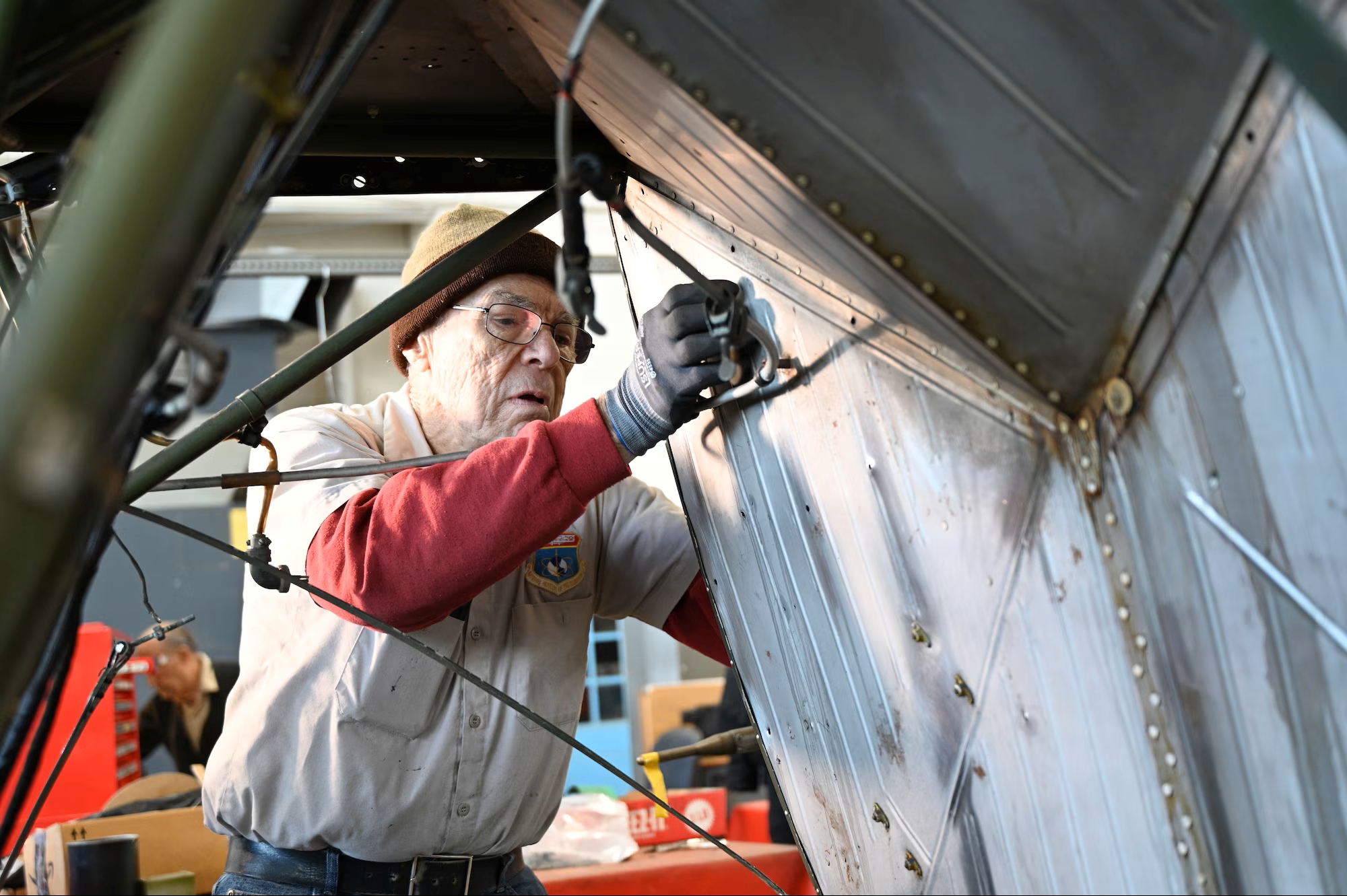
When the Kellett XR-8 goes on display, it will have new fabric doped onto the right side of the helicopter’s fuselage, but while the sheet metal panels that make up the right side of the engine cowling placed over the engine have been cleaned, the restoration volunteers have retained the original paint from WWII on the exterior. The left side of the XR-8, from the engine cowling to the tail of the helicopter, will be left exposed in order to show visitors the framework typically covered by sheet metal and doped fabric. Additionally, the left vertical and horizontal stabilizers are also to be left uncovered to show the wooden frame underneath the doped fabric seen on the right vertical and horizontal stabilizers. When the XR-8 was brought into the restoration hangar’s paint booth to have its new fabric painted, the helicopter’s rotor heads barely had enough clearance to get under the ceiling of the booth, even with the wheels on the landing gear temporarily replaced by dollies to move more easily.
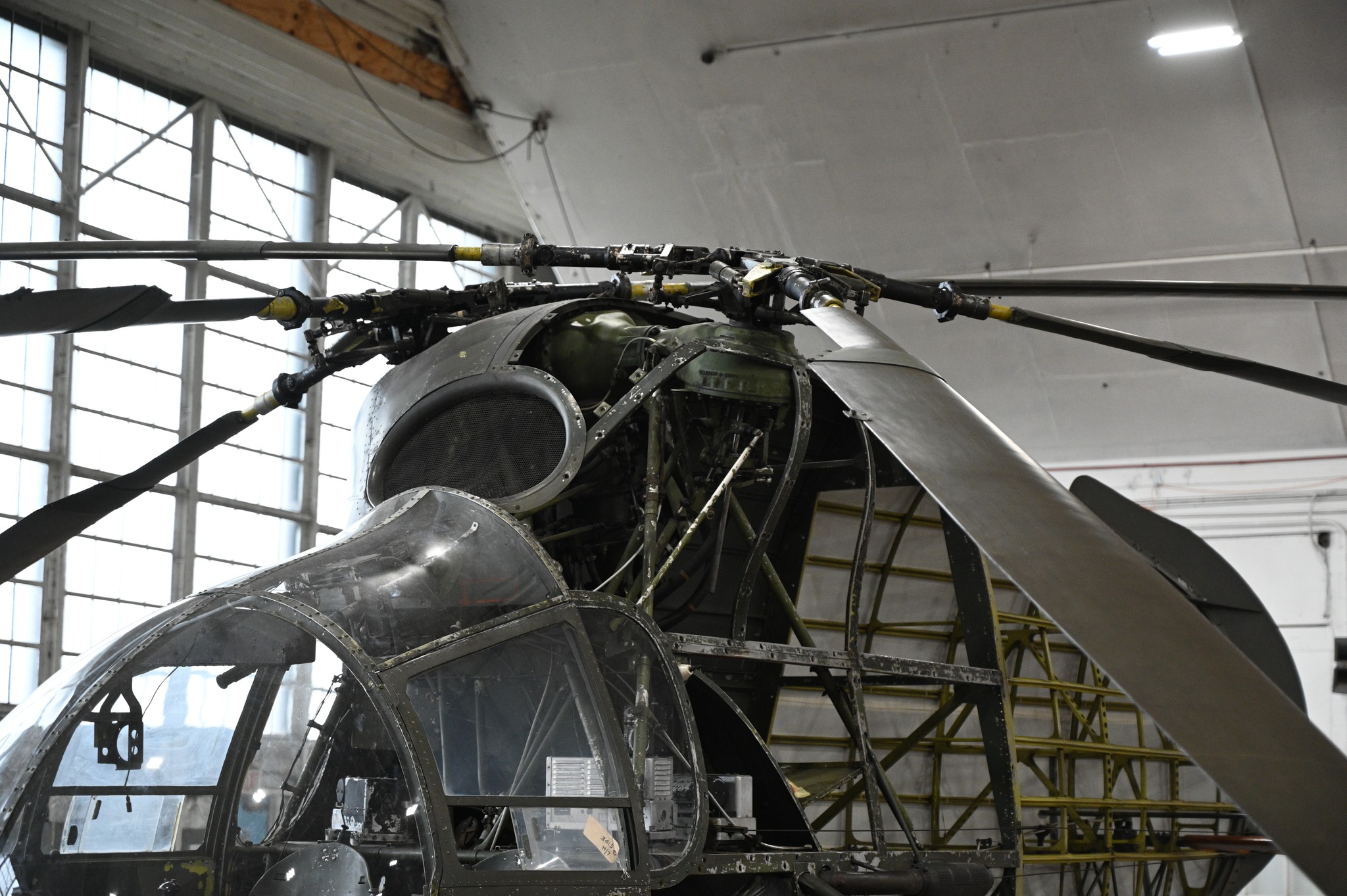
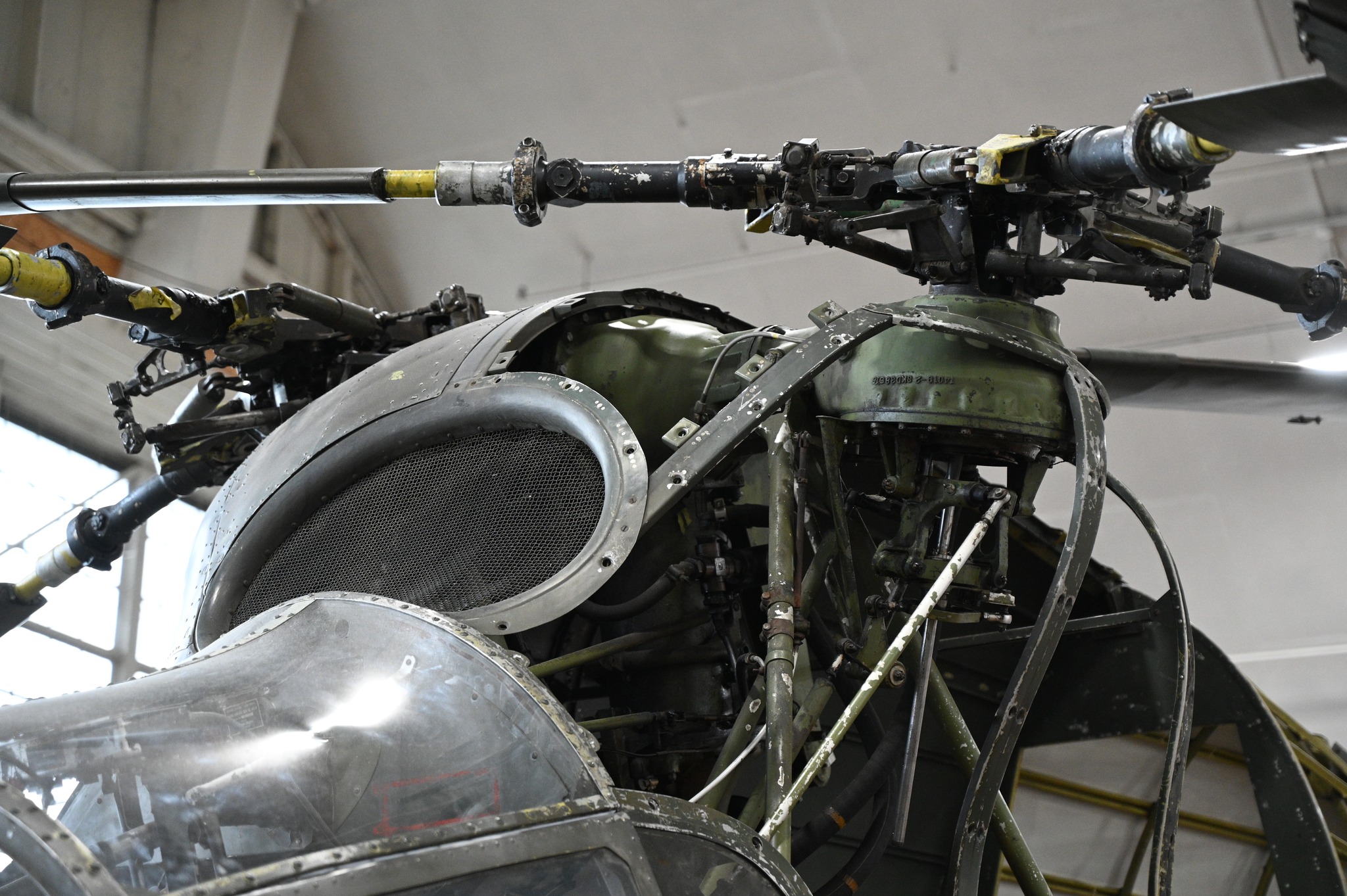
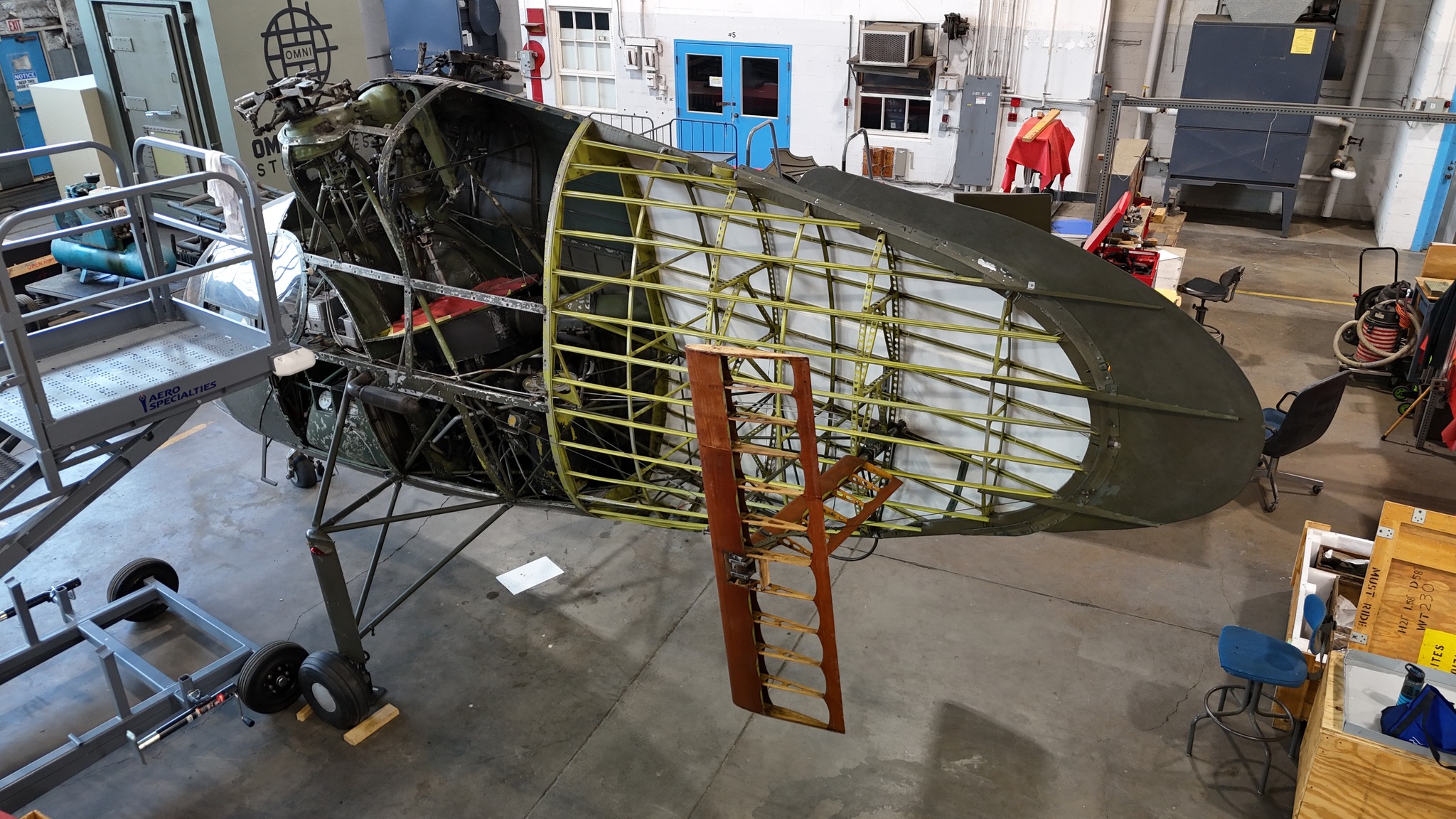
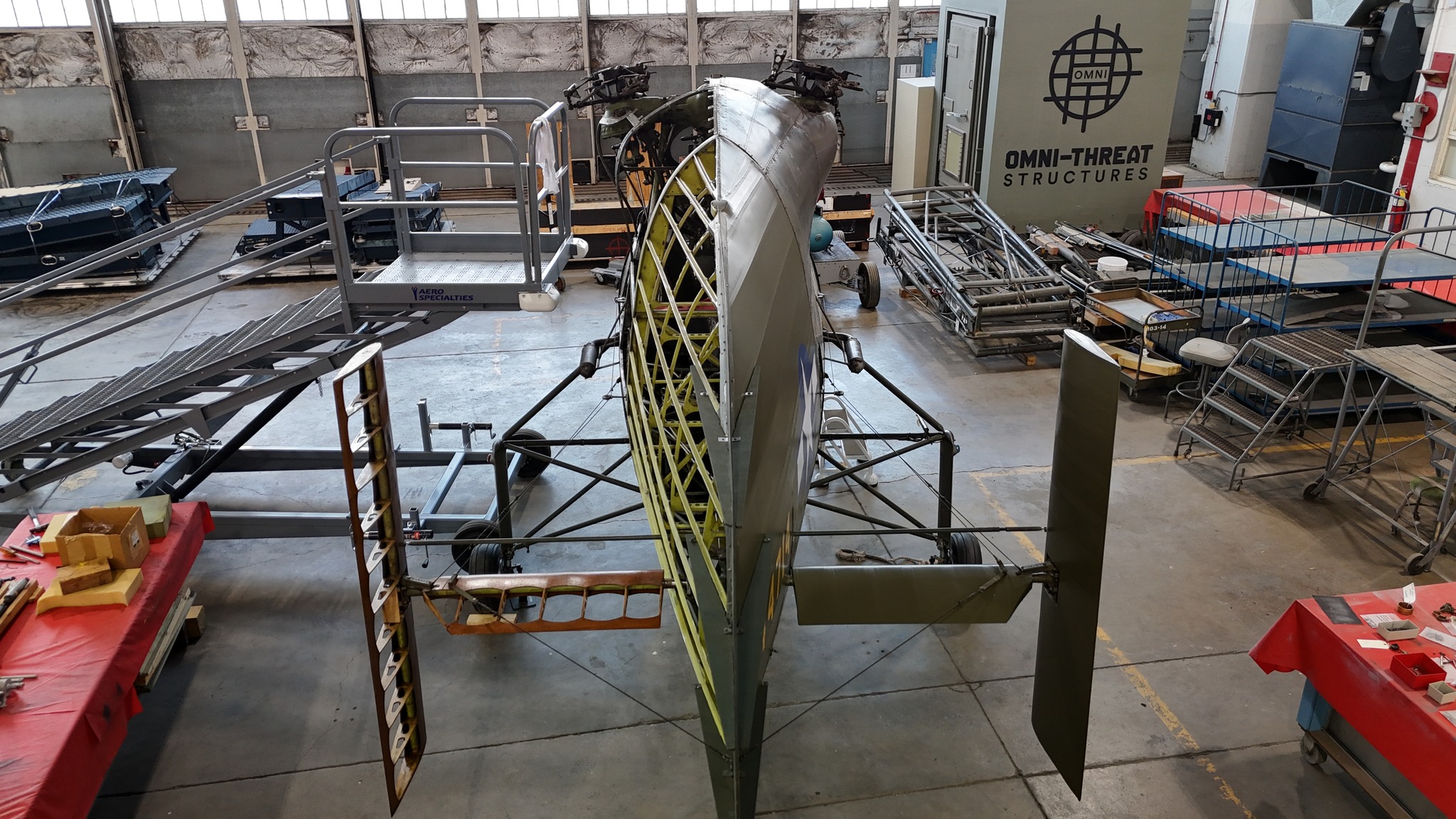
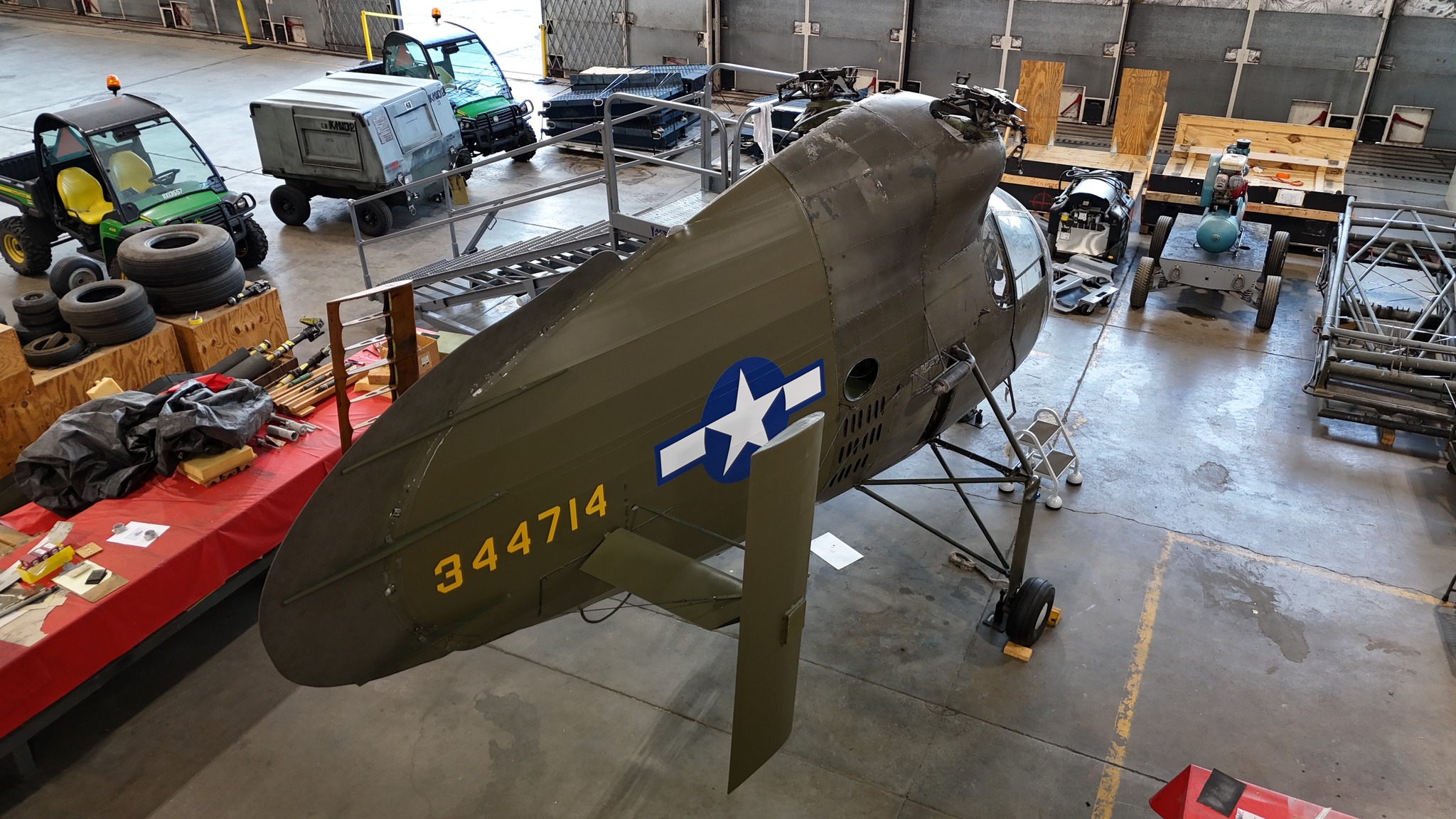
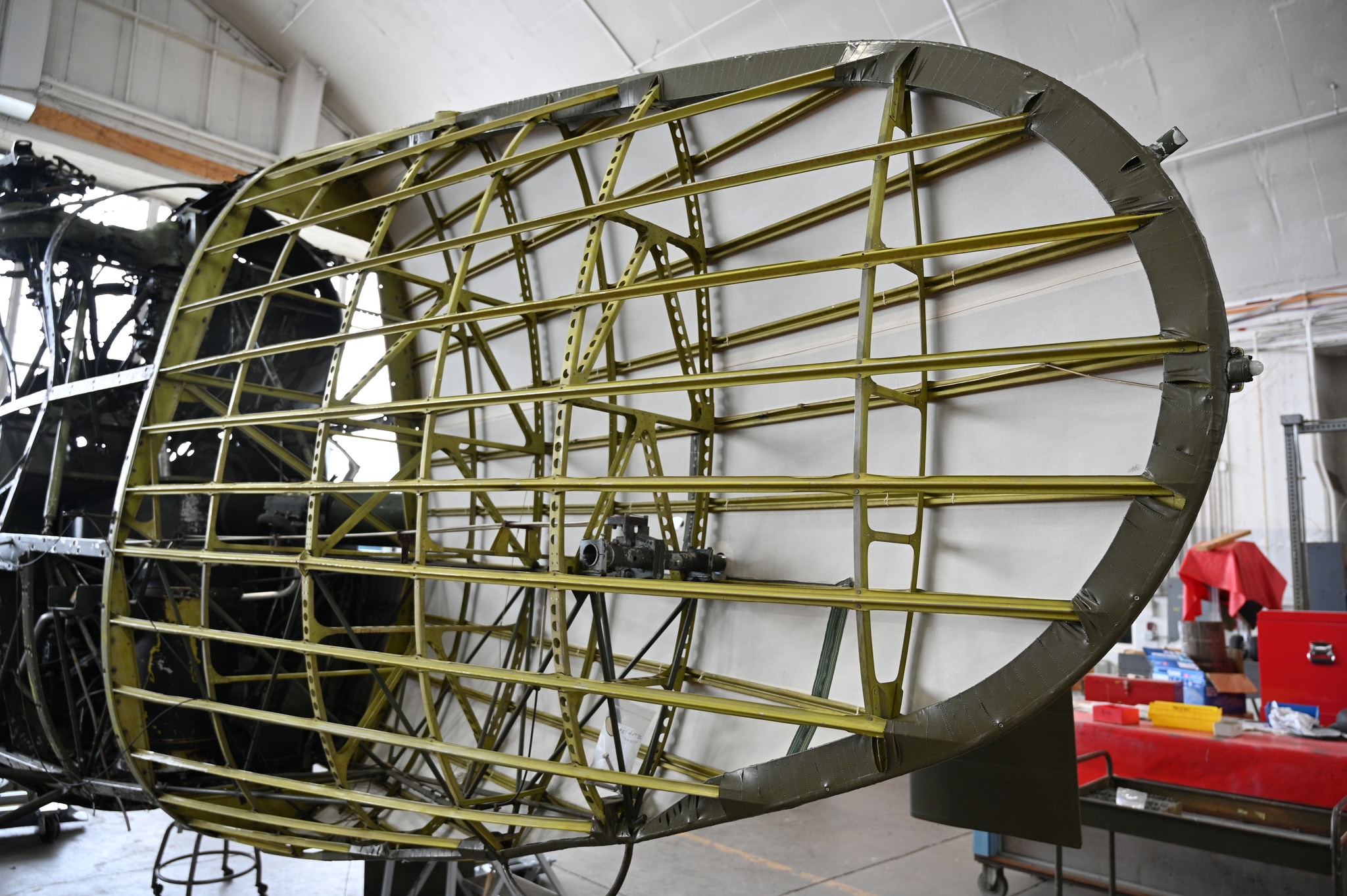
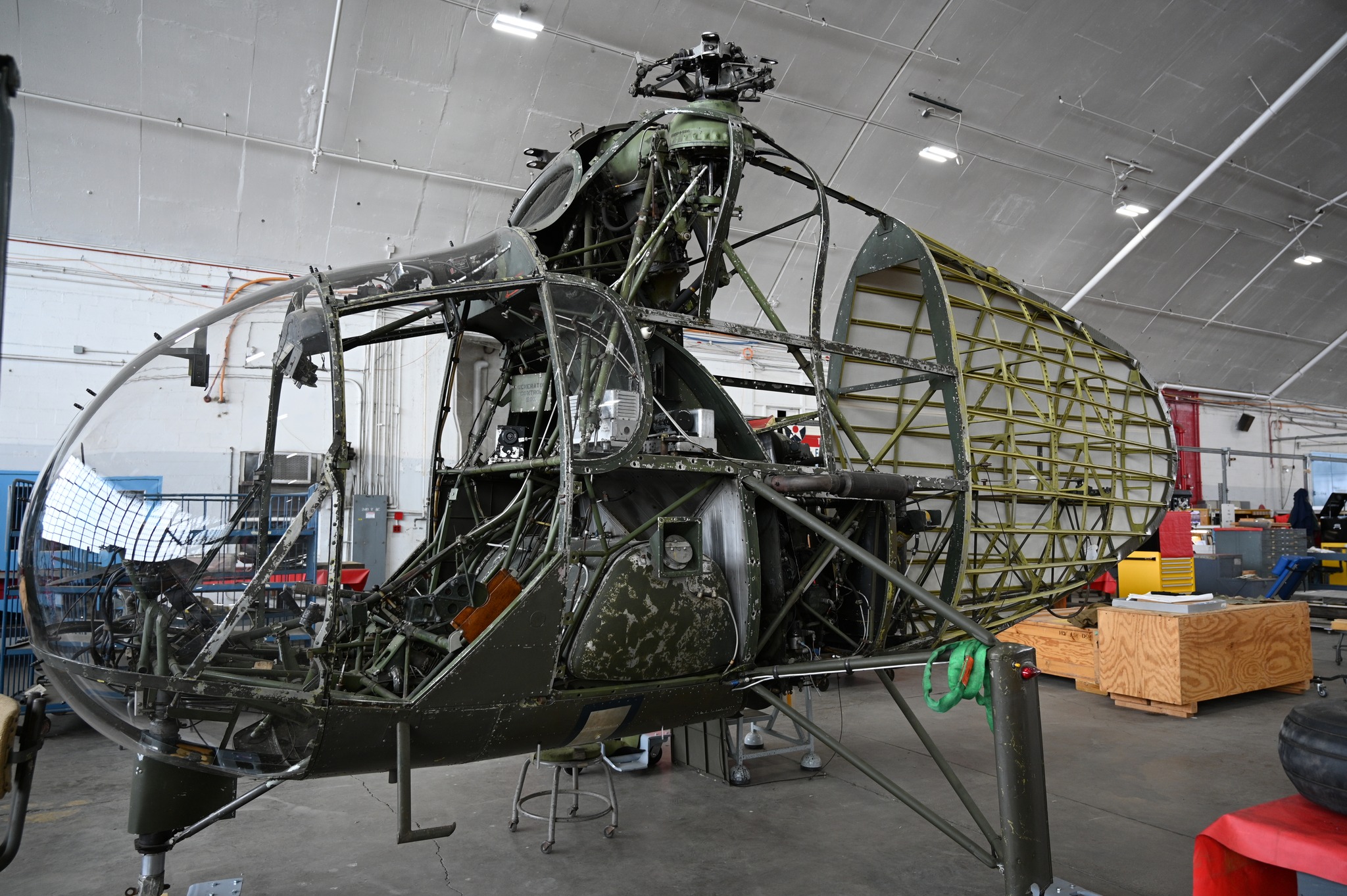
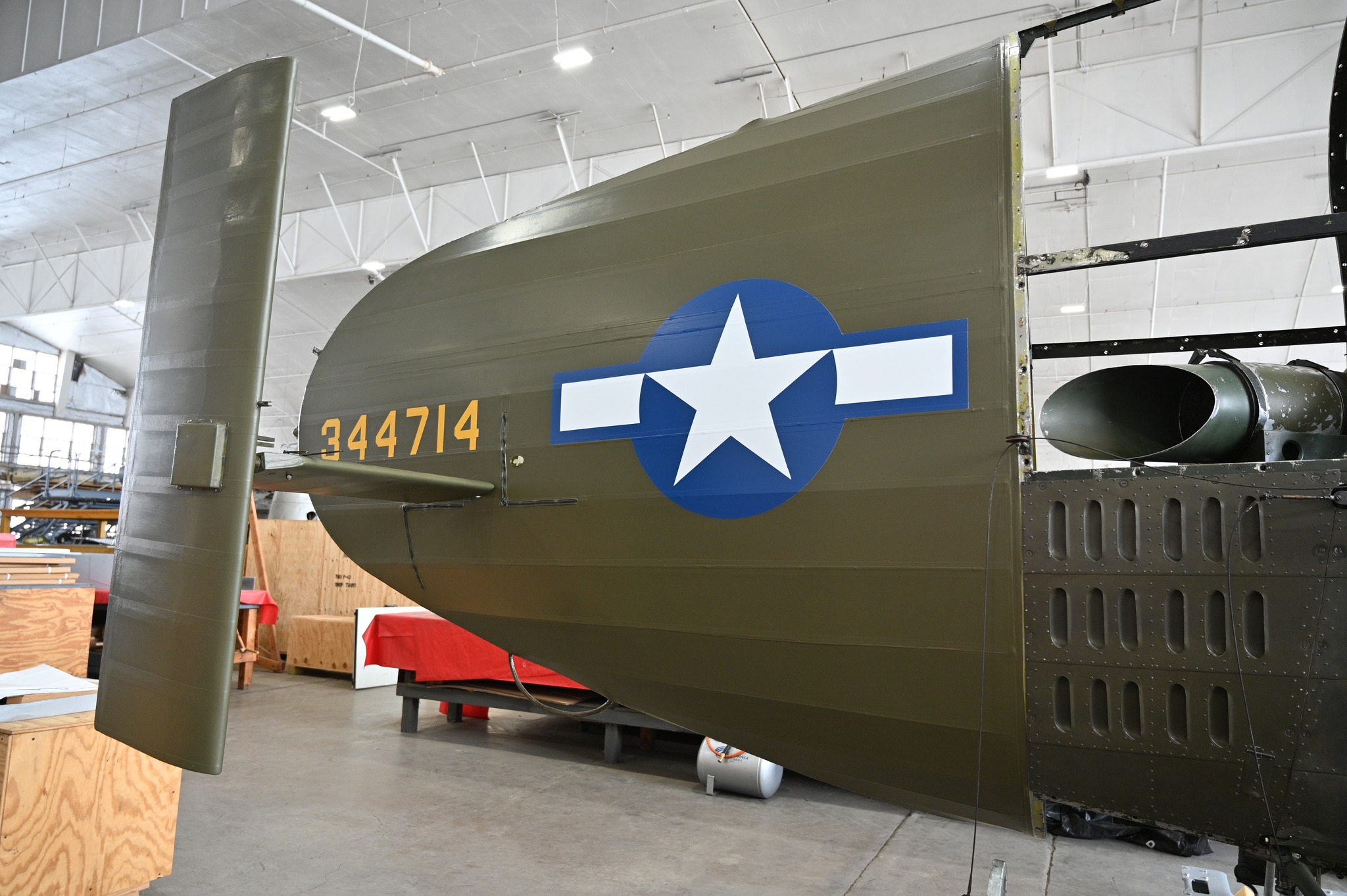
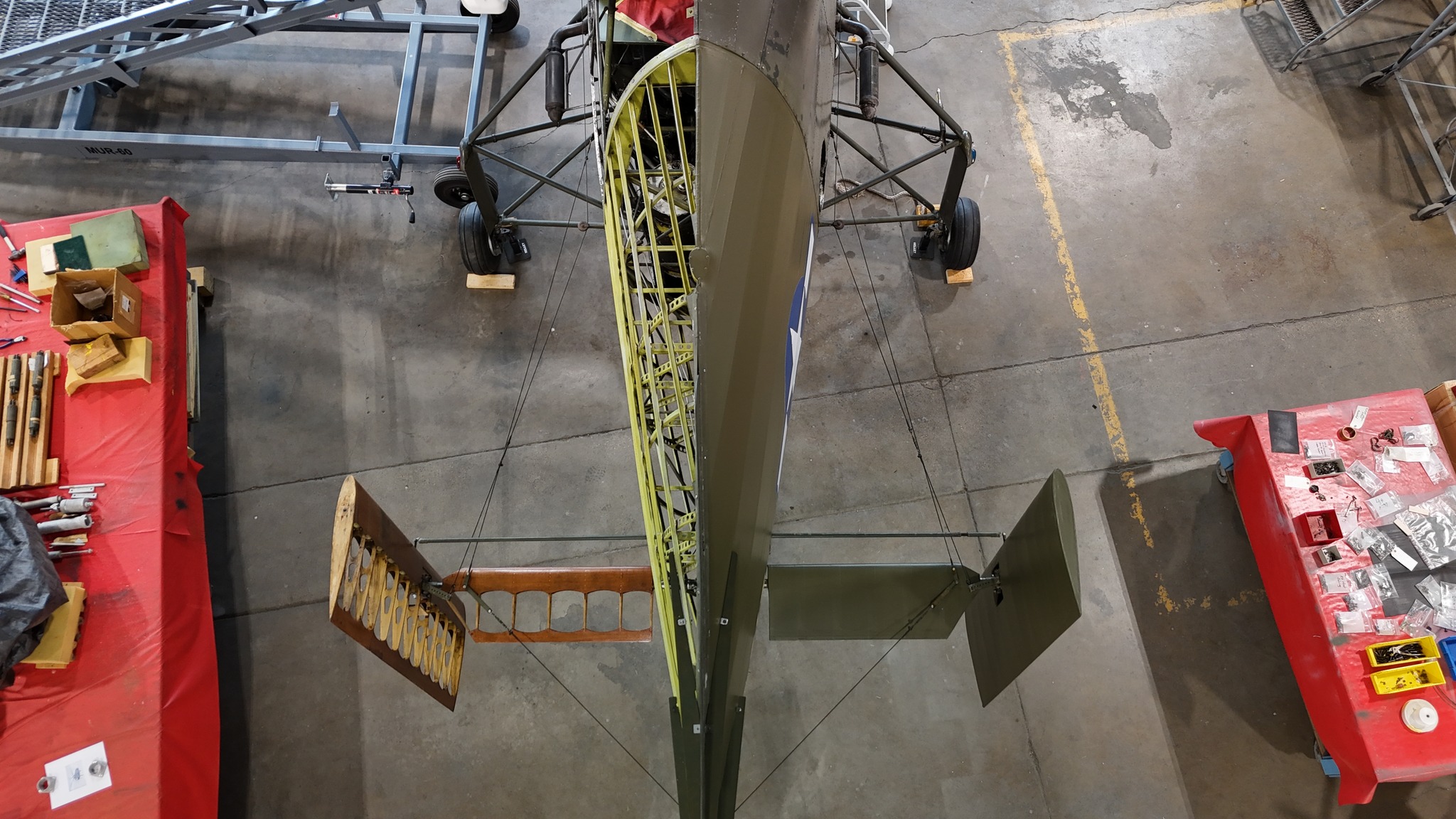
The National Museum of the USAF has yet to officially announce when the Kellett XR-8 will be rolled out for display, but according to Ken LaRock, Social Media Manager and photographer/videographer for the NMUSAF, the XR-8 is to be displayed in the museum’s Research and Development (R&D) Gallery, placed alongside the Avro Canada VZ-9A Avrocar. However, the museum will first have to move some of the aircraft in the R&D Gallery to make room for the Kellett.
Regardless of when the aircraft will be placed on display, it will represent a unique look at the development of American helicopters during the Second World War and at the construction techniques used in the creation of this unique aircraft in particular. It will also be exciting for aviation enthusiasts to finally get a chance to see the Kellett XR-8 in public for the first time, and we will be keeping an eye out for the XR-8’s placement on display at one of the nation’s premier aviation museums. For more information, visit the National Museum of the United States Air Force’s website HERE.












Great article, but its Dale Burnside not Dan. Thanks
Thank you! The article was corrected
Excellent article! One correction that the volunteer you quoted is Dale Burnside, not Dan Burnside.
Thank you! The article was corrected.