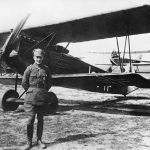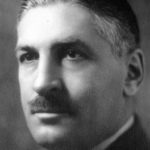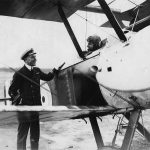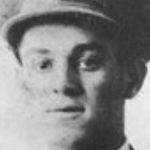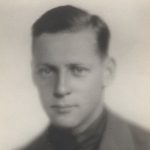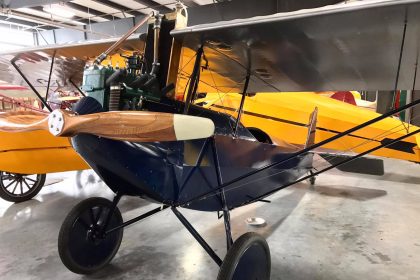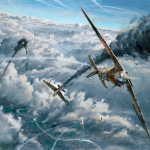
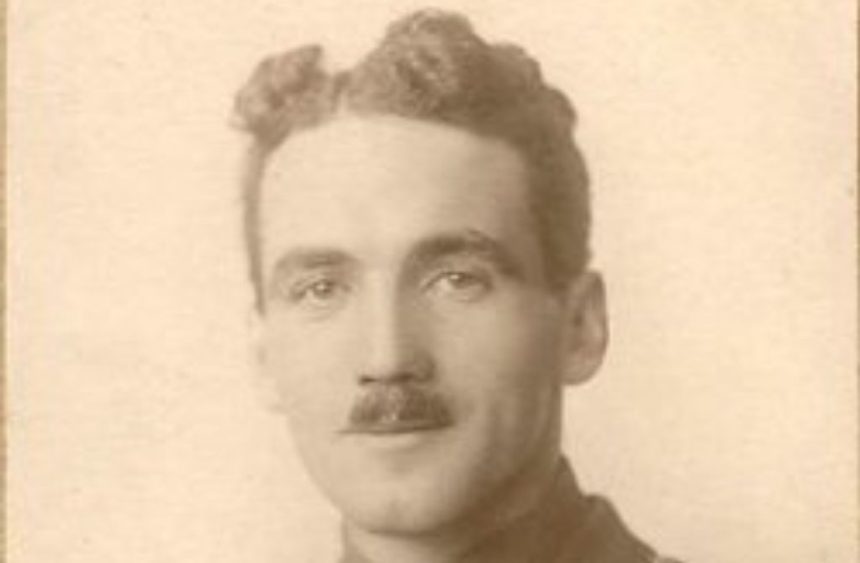

In WWI, approximately 6,000 Irish pilots joined the Royal Flying Corps and the Royal Naval Air Service. One of them was George McElroy. Born on May 14, 1893, in Dublin, he joined the military as soon as WWI began and initially spent time in the trenches until a gas attack badly wounded him. In 1917, he joined the Royal Flying Corps and, after training, joined the No. 40 Squadron in August. George McElroy flew S.E.5a aircraft in this squadron and claimed his first victory on December 28, 1917, his sole victory of the year. He scored three victories in January 1918, and on February 2, he shot down a C-type aircraft to officially become an ace. In February, after scoring six more victories, George McElroy was transferred to No. 24 Squadron, in which he claimed two more victories in the same month, bringing his score to 13.
Ace Journey of George McElroy
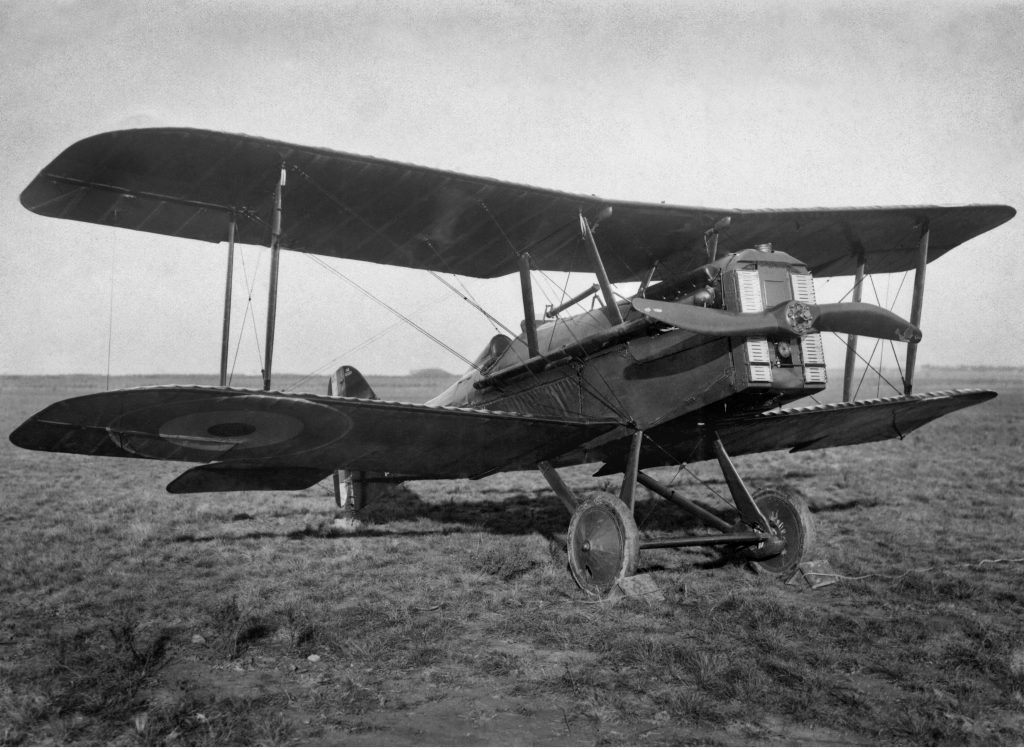
George McElroy added eight more victories to his tally in March and was awarded the Military Cross. He scored six victories in April to bring his score to 27 and was awarded the Military Cross First Bar, with a citation, “When on an offensive patrol, observing a hostile scout diving on one of our aeroplanes, he opened fire, and sent down the enemy machine in an irregular spin out of control, when it finally crashed completely. Later in the same day, he sent down another enemy machine in flames. On another occasion, when on offensive patrol, he singled one out of four enemy machines and sent it down crashing to earth. On the same day, he attacked another enemy machine, and, after firing 200 rounds, it burst into flames. On a later occasion, he opened fire on an enemy scout at 400 yards range and finally sent it down in a slow spin out of control. In addition, this officer has brought down two other enemy machines completely out of control, his skill and determination being most praiseworthy.” In April, George McElroy was injured in a battle and had to spend some time away from the war. He returned in June and rejoined No. 40 Squadron. He scored three victories in June, followed by 17 in July, bringing his score to 47.
Legacy and Death
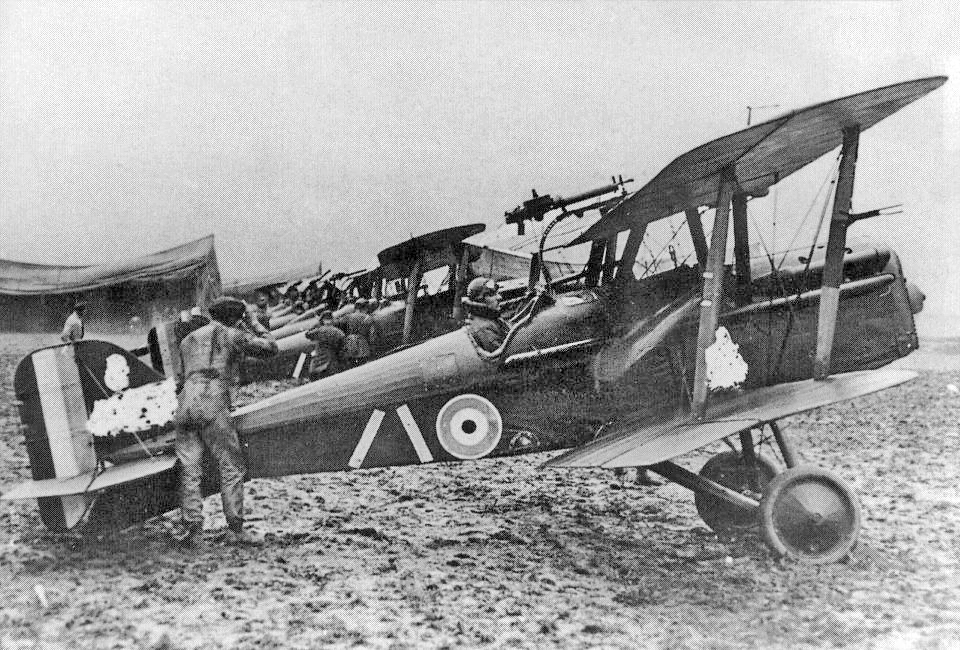
George McElroy was awarded the Military Cross Second Bar on July 26, citing, “For conspicuous gallantry and devotion to duty. While flying at a height of 2,000 feet, he observed a patrol of five enemy aircraft patrolling behind the lines. After climbing into the clouds, he dived to the attack, shot down and crashed one of them. Later, observing a two-seater, he engaged and shot it down out of control. On another occasion, he shot down an enemy scout which was attacking our positions with machine-gun fire. He has carried out most enterprising work in attacking enemy troops and transport, and in the course of a month has shot down six enemy aircraft, which were seen to crash, and five others out of control.” On July 31, anti-aircraft fire shot down George McElroy’s S.E.5a over Laventie. Initially, he was reported missing; later, it was confirmed that ground fire killed McElroy when he was just 25 years old. With a score of 47, George McElroy was Ireland’s highest-scoring ace. He was also awarded the Distinguished Flying Cross and Distinguished Flying Cross Bar after his death. His Bar citation read, “In the recent battles on various army fronts, this officer has carried out numerous patrols, and flying at low altitudes, has inflicted heavy casualties on massed enemy troops, transport, artillery teams, etc., both with machine-gun fire and bombs. He has destroyed three enemy kite balloons and forty-three machines, accounting for eight of the latter in eight consecutive days. His brilliant achievements, keenness, and dash have at all times set a fine example and inspired all who came in contact with him.” In the Aces series, George McElroy was a brave Irish ace who achieved great things in a little time. Read stories about other aces HERE.