






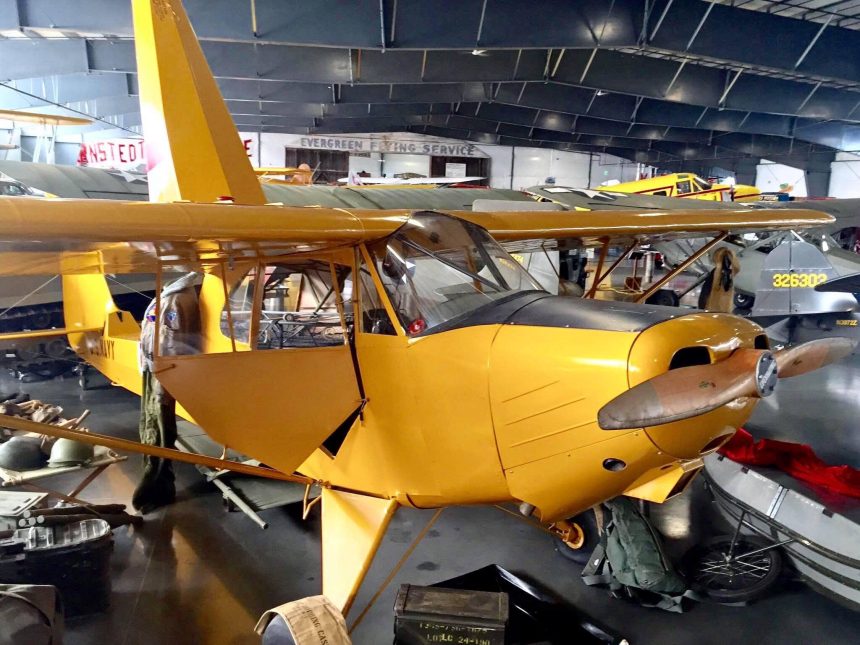

By Randy Malmstrom
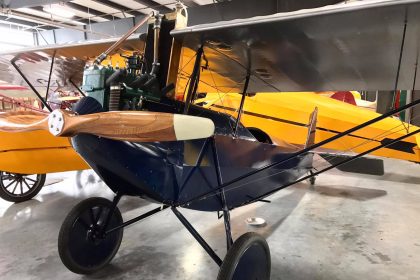
Piper HE-1 (AE-1), BuNo 30262, Constr. No. (s/n) 5-1465, N63557. This particular airworthy aircraft was built in 1941, but I do not have its particular service history, although Navy AE-1 aircraft generally served at small, remote Naval Auxiliary Air Stations (NAASs) Brown Field and Holtsville, California; Chase Field, Texas; Martha’s Vineyard, Massachusetts; Oceana, Virginia; Vero Beach, Florida, etc. that were located some distance from major medical facilities, and by August of 1943, the U.S. Marine Corps accepted their first of these and were operating seven aircraft assigned to the Base Air Detachments (BADs) at Marine Corps Air Stations (MCASs) Cherry Point, North Carolina (2); El Centro (1), El Toro (1) and Mojave (1), California; Quantico, Virginia (1); and Parris Island, South Carolina (1).
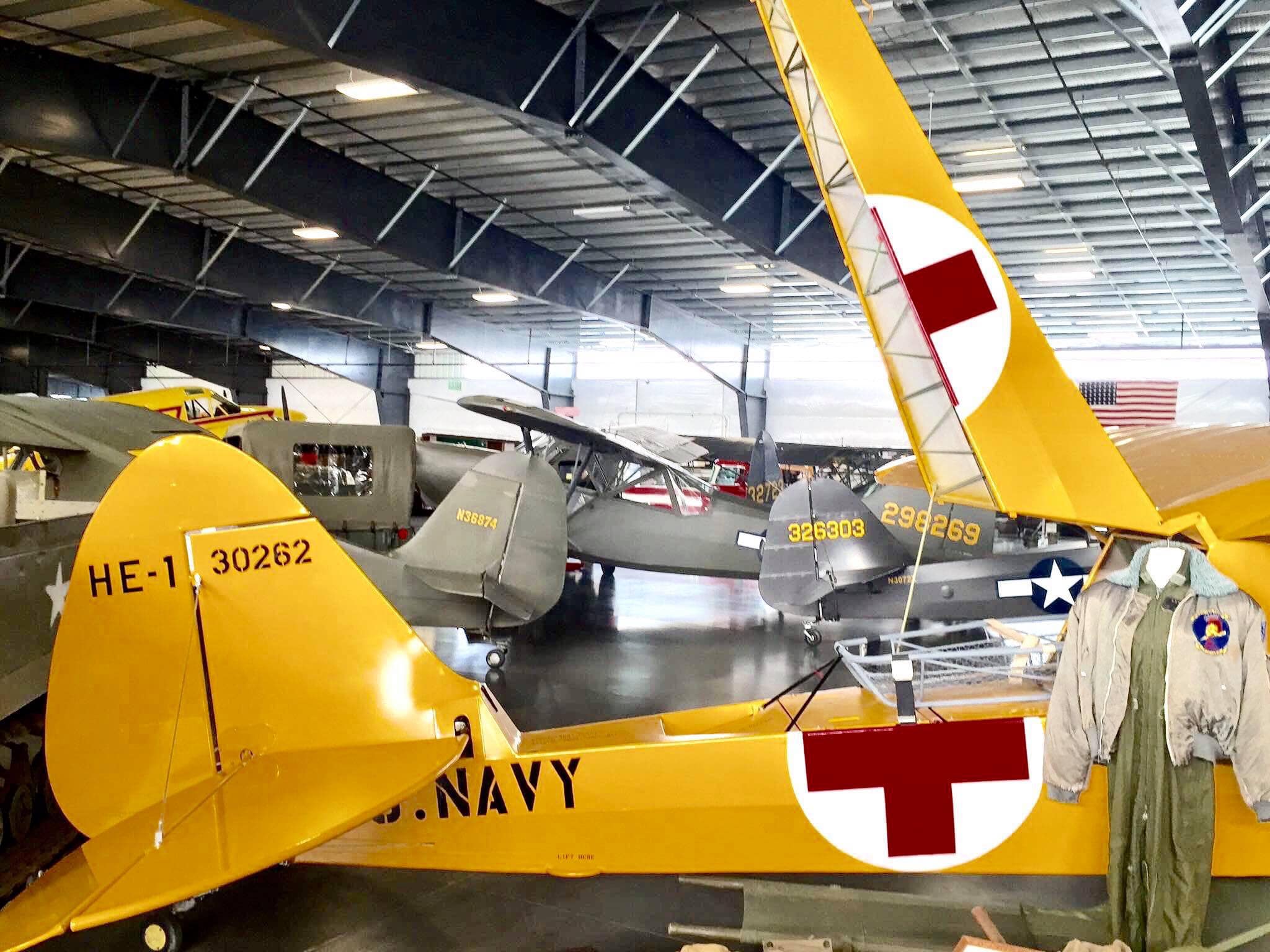
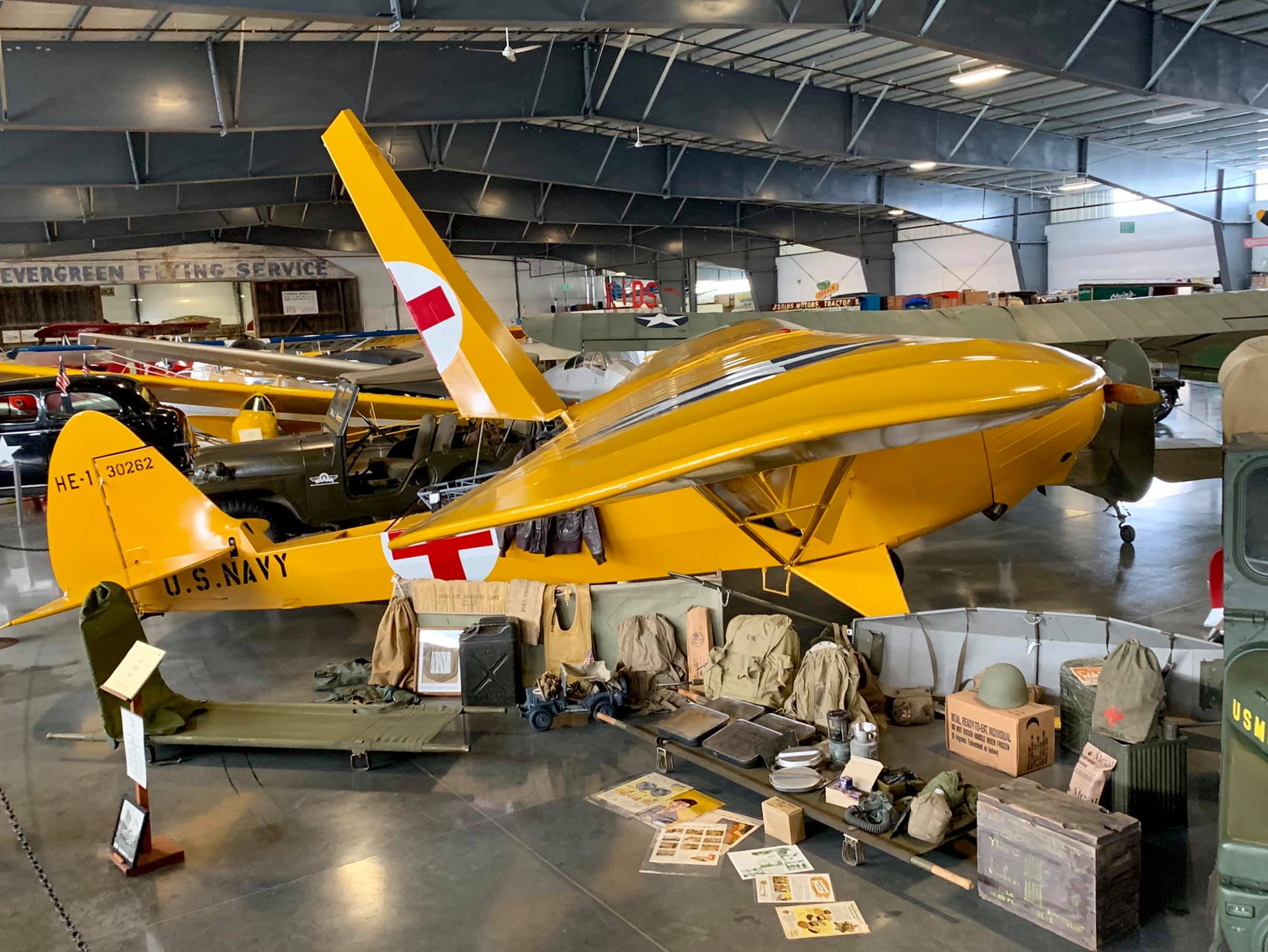
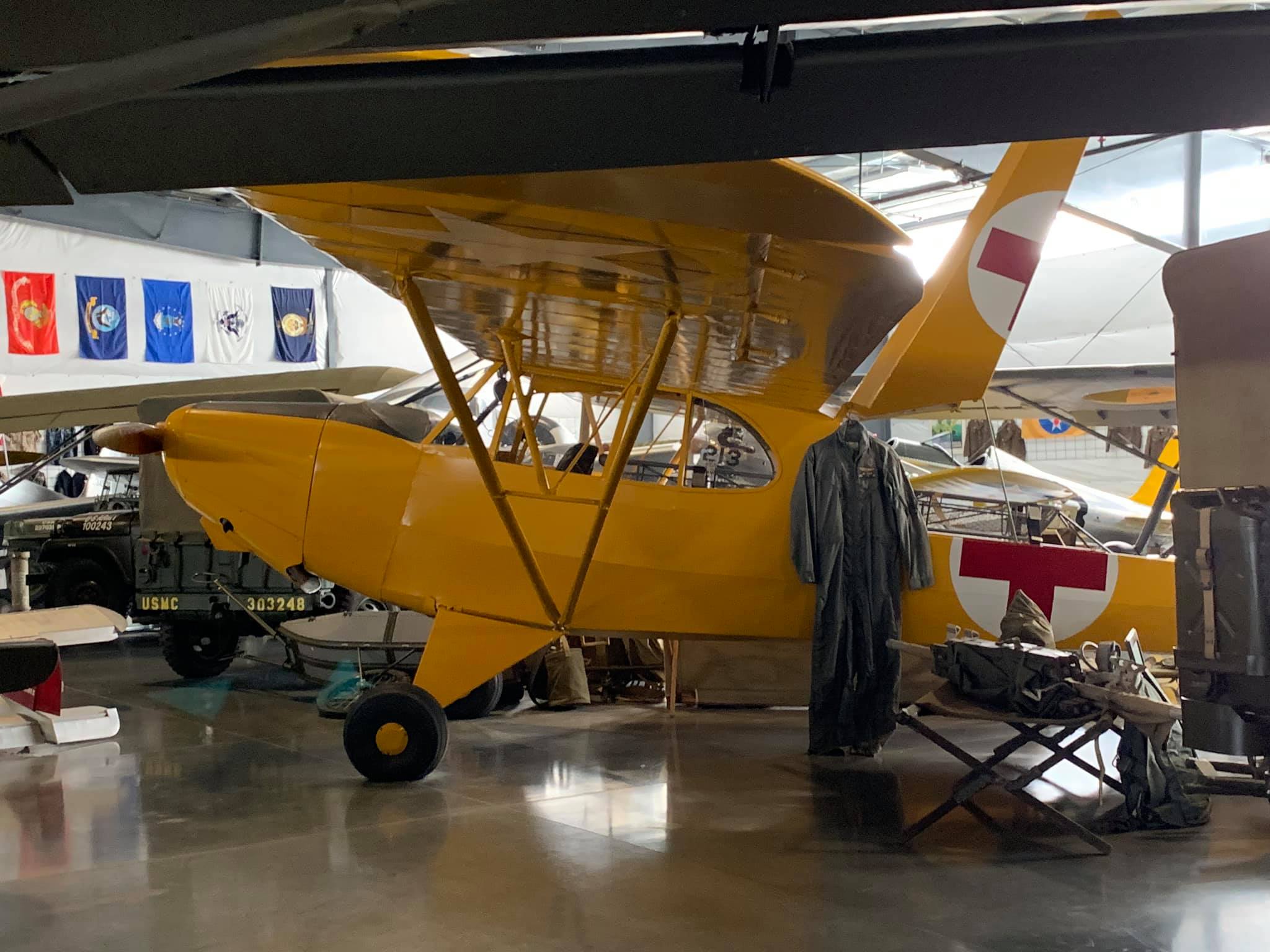
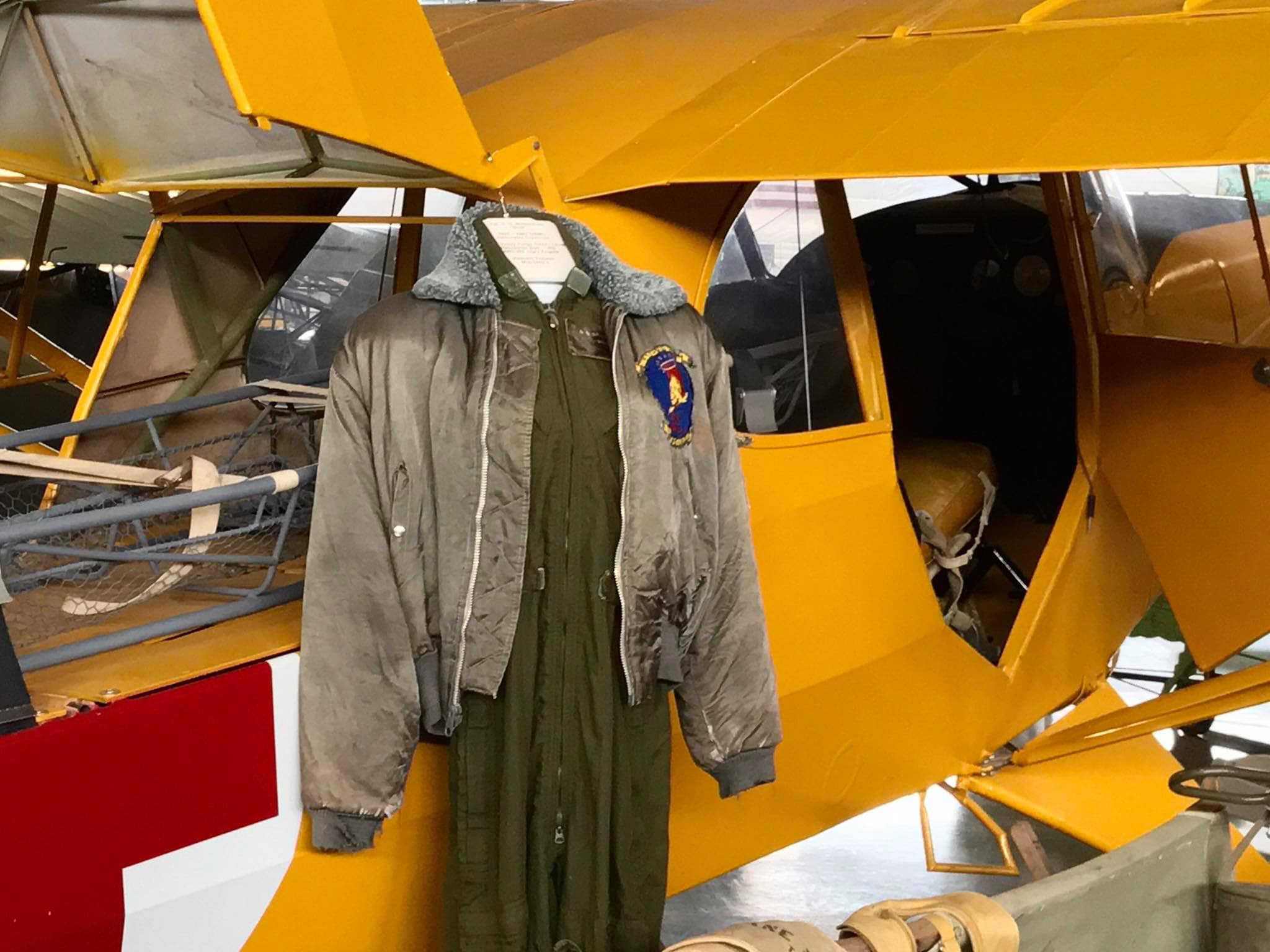
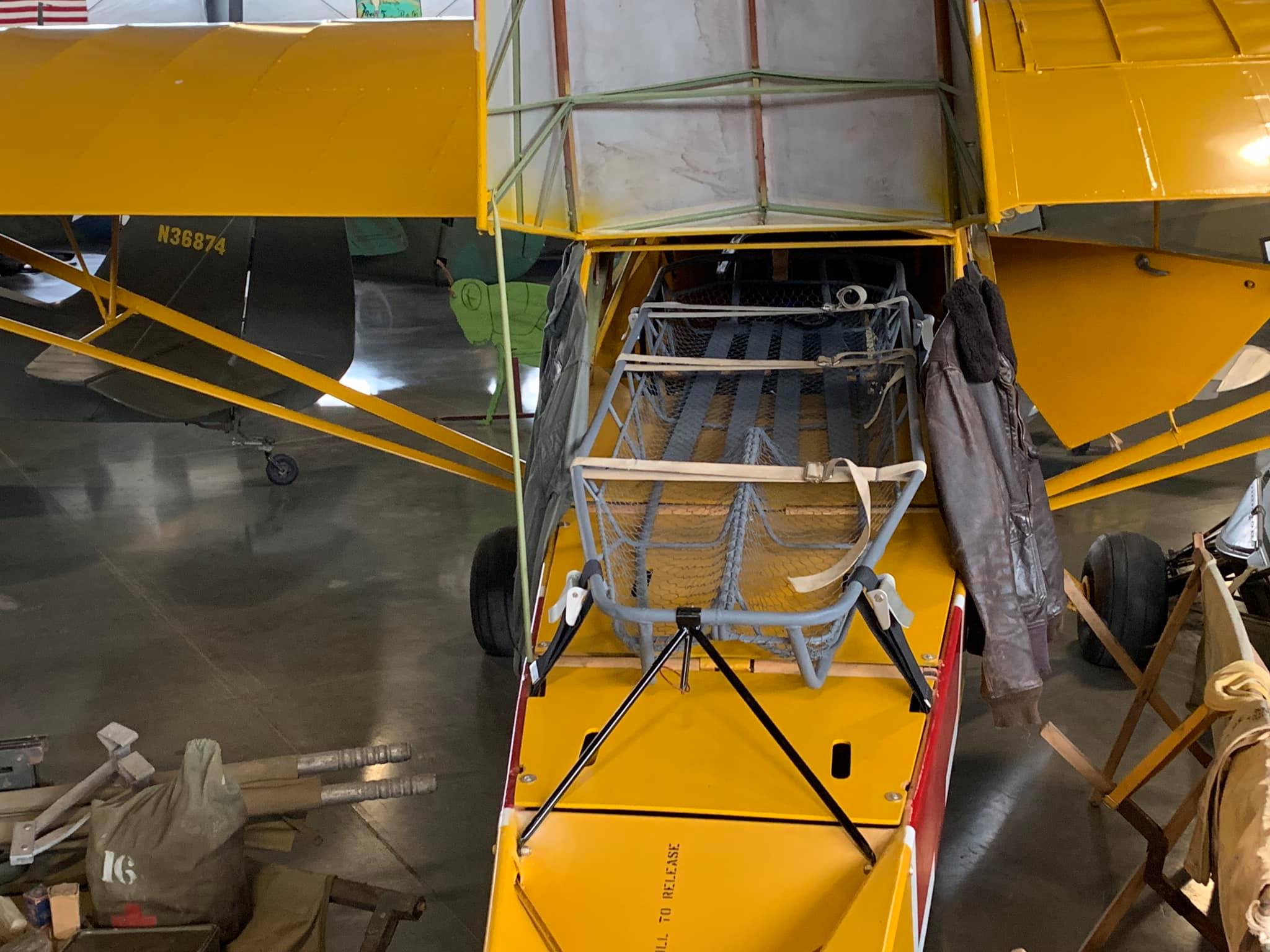
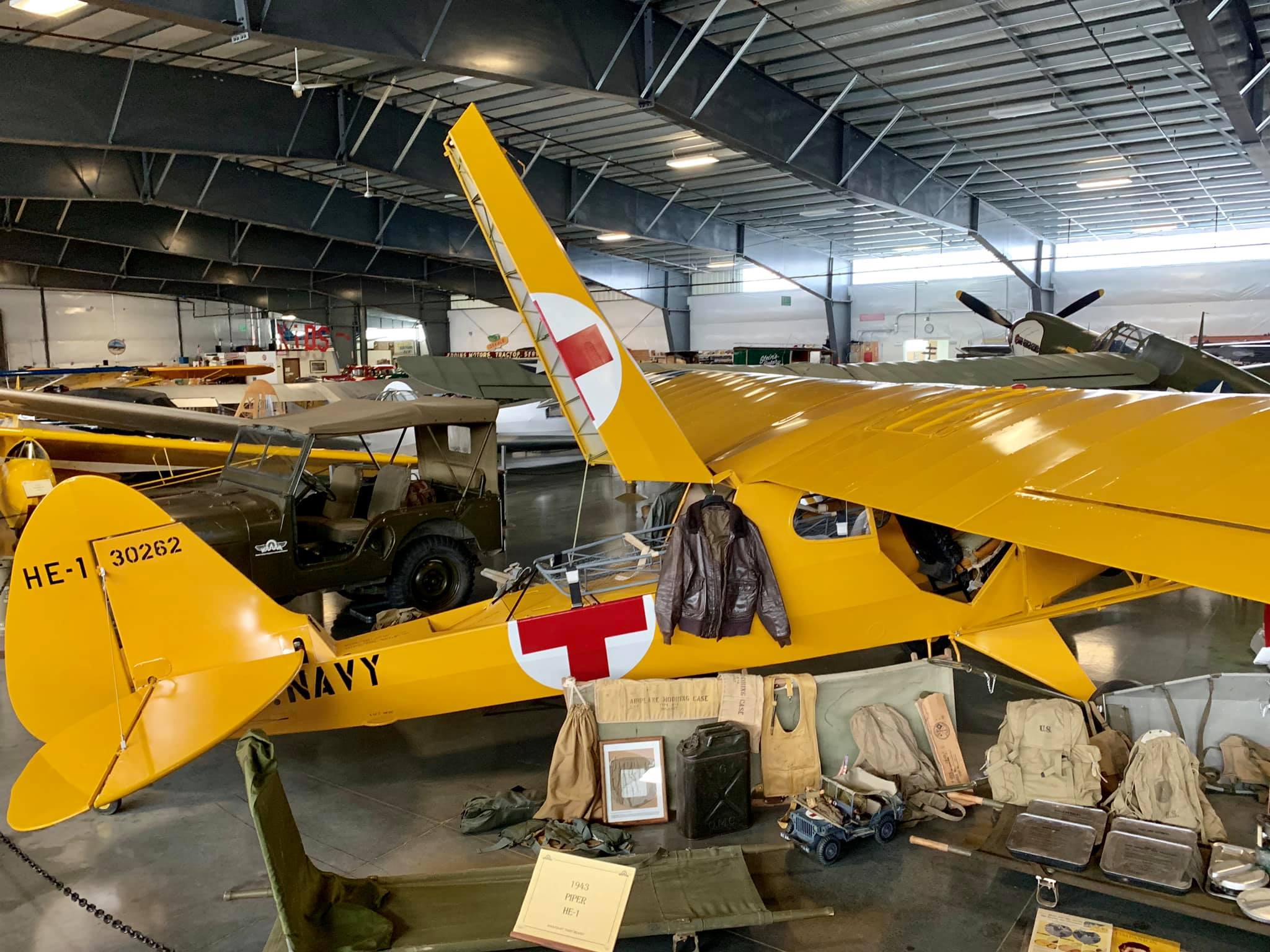
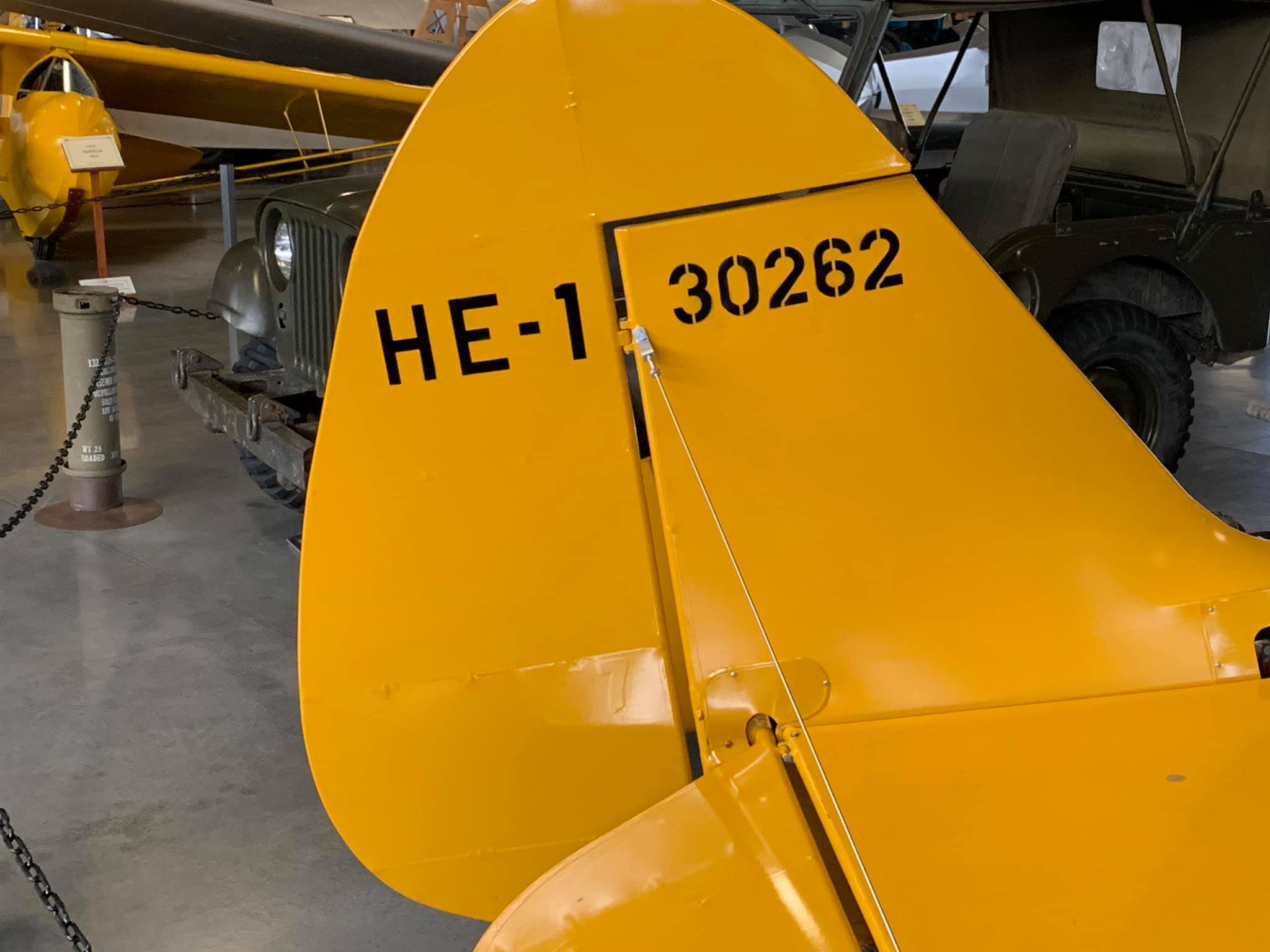
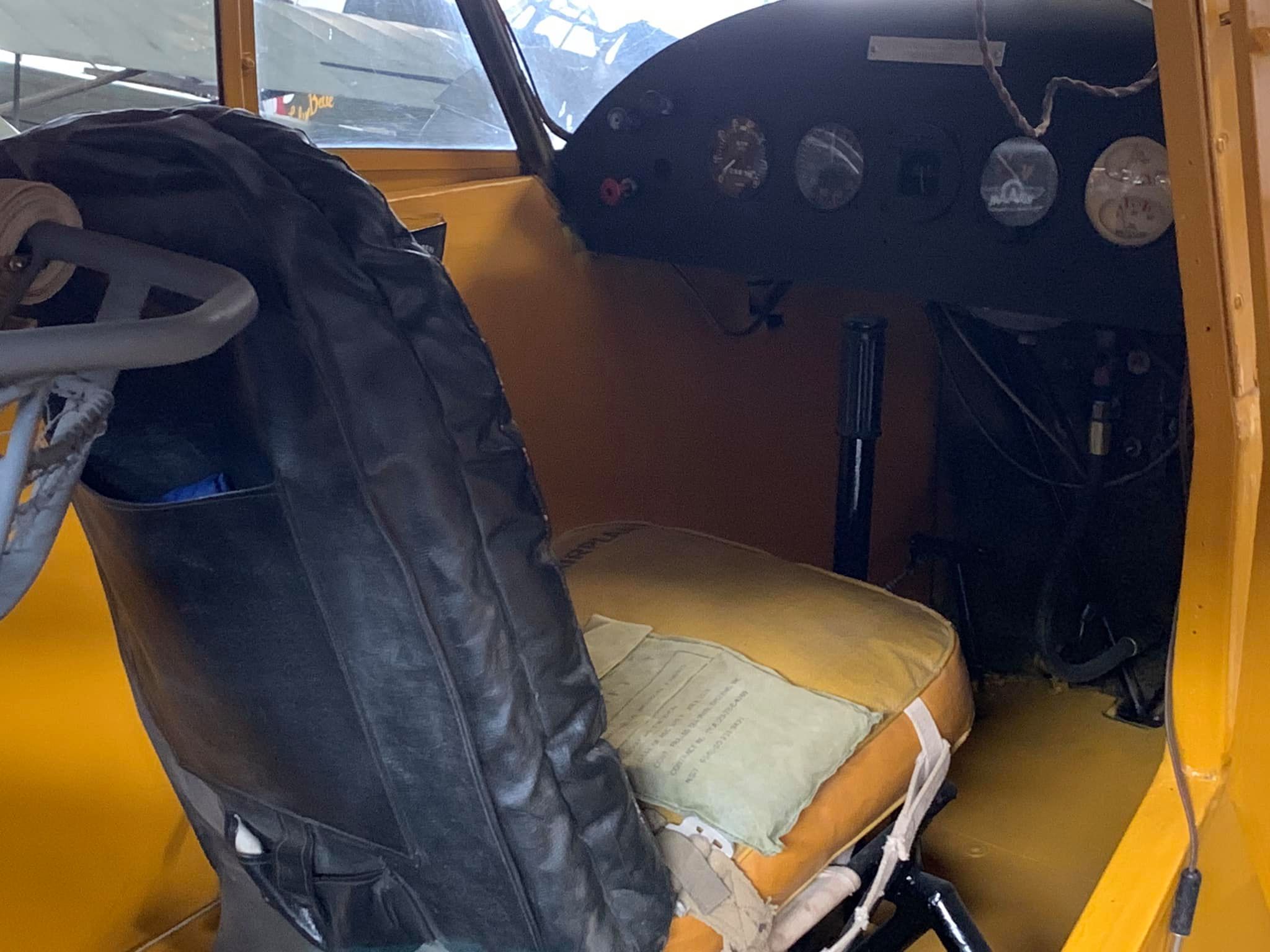
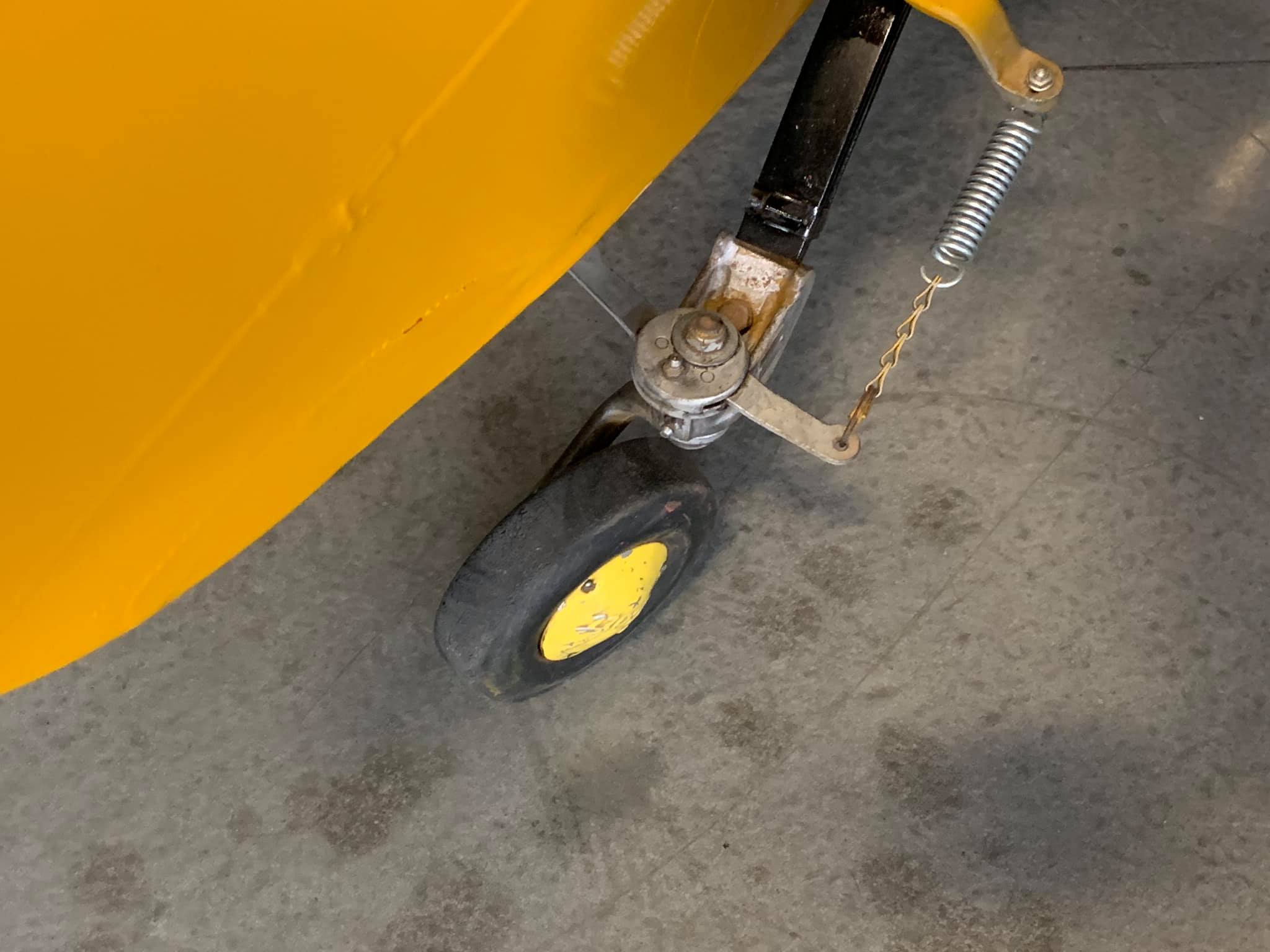
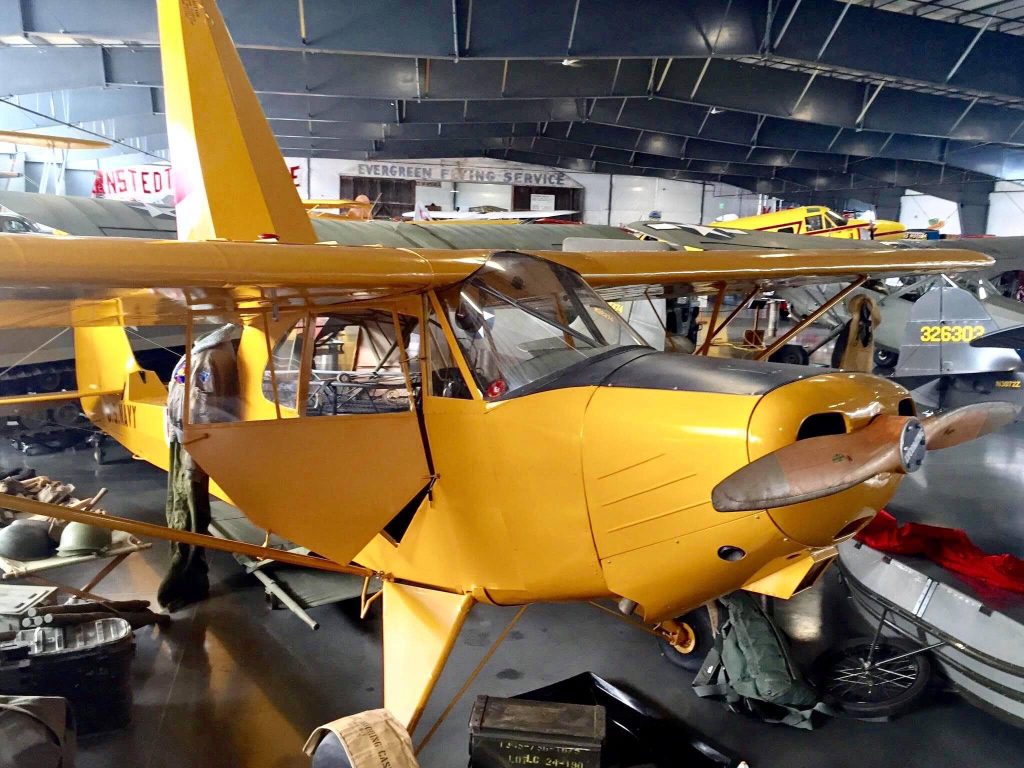
In 1961, Tom Murphy, Director of Restorations for Western Antique Aeroplane and Automobile Museum in Hood River, Oregon (WAAAM), recovered it in California for “Bud” Smith (unless I find out otherwise, I believe this was Preston “Bud” Smith of Wilmington, North Carolina who, among other things, was commissioned as an officer in the U.S. Navy. After flying seaplanes, patrolling the coast of Vietnam, he was assigned to fly the admiral, commander of Middle East Forces; flew with the Naval Reserve, and a variety of aircraft for the U.S. Customs and Border Protection at the California/Mexico border and was often told he looked like Clint Eastwood! Terry Brandt, the founder and president of WAAAM, acquired it in the mid-1980’s, registered it with the FAA on September 27, 1991, and had it completely restored in one month in 2007, and is still the current registered owner. It is one of a handful of airworthy survivors. Powerplant: Lycoming O-235-C 112 hp engine. My photos at WAAAM.
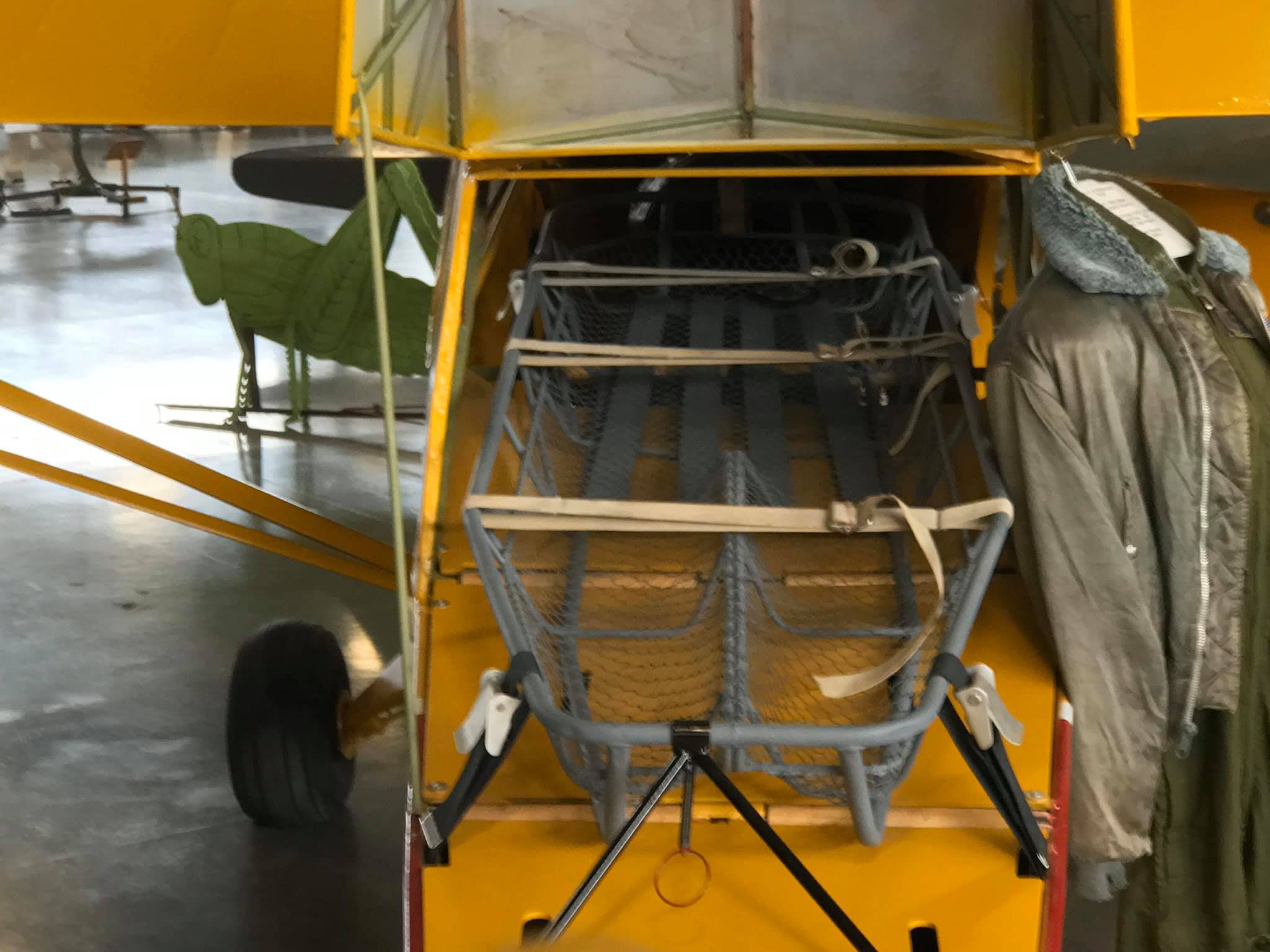
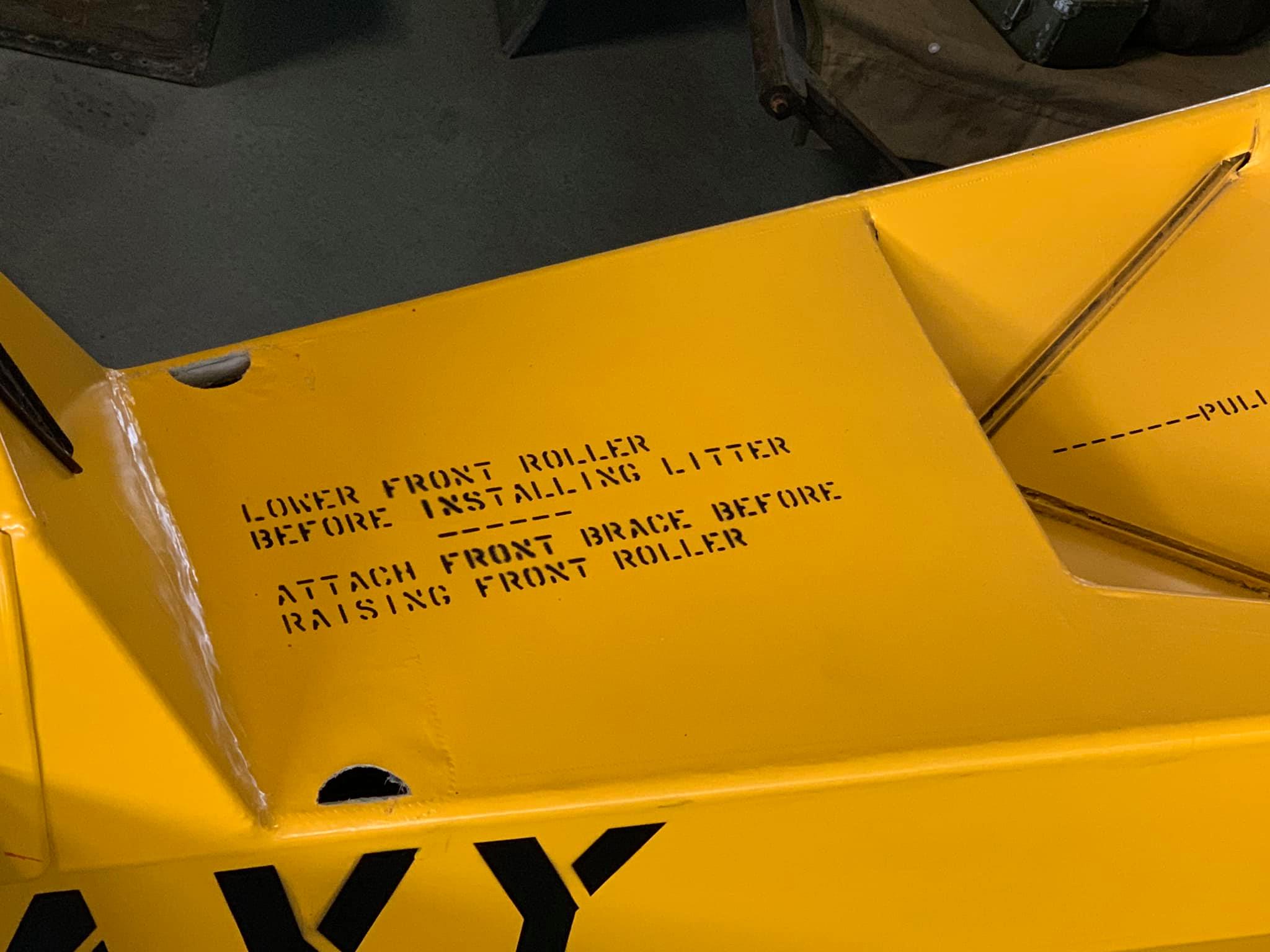
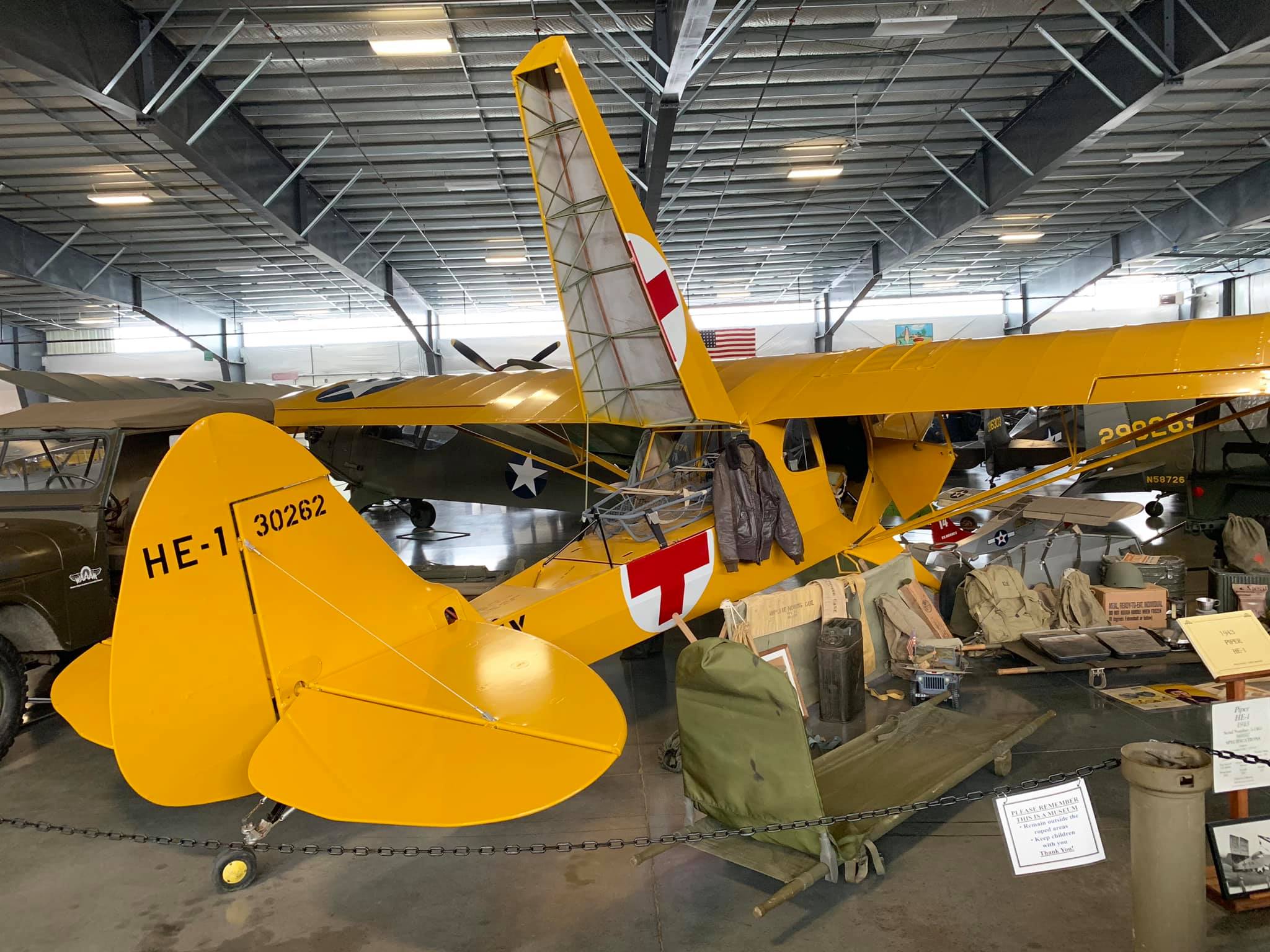
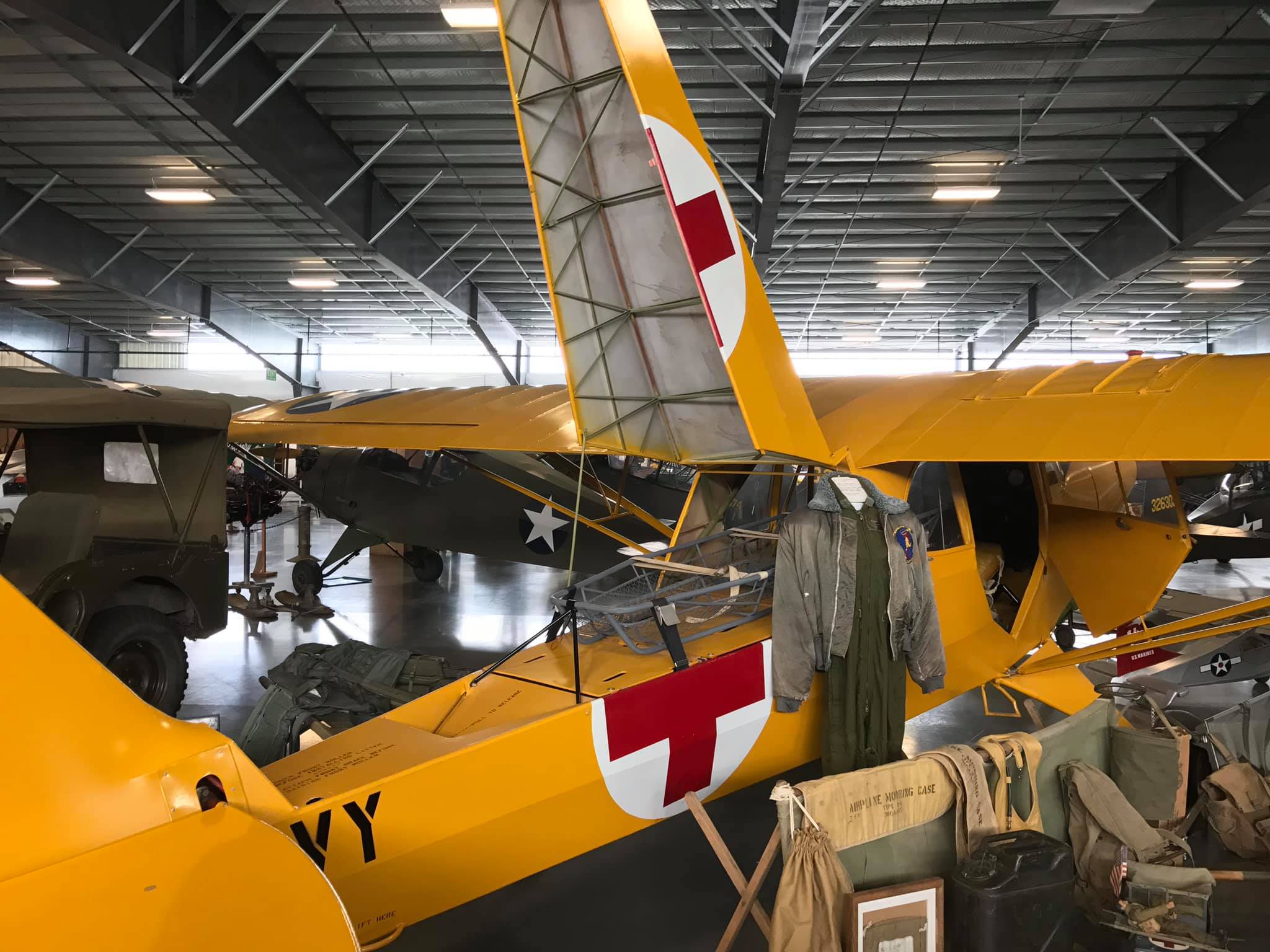
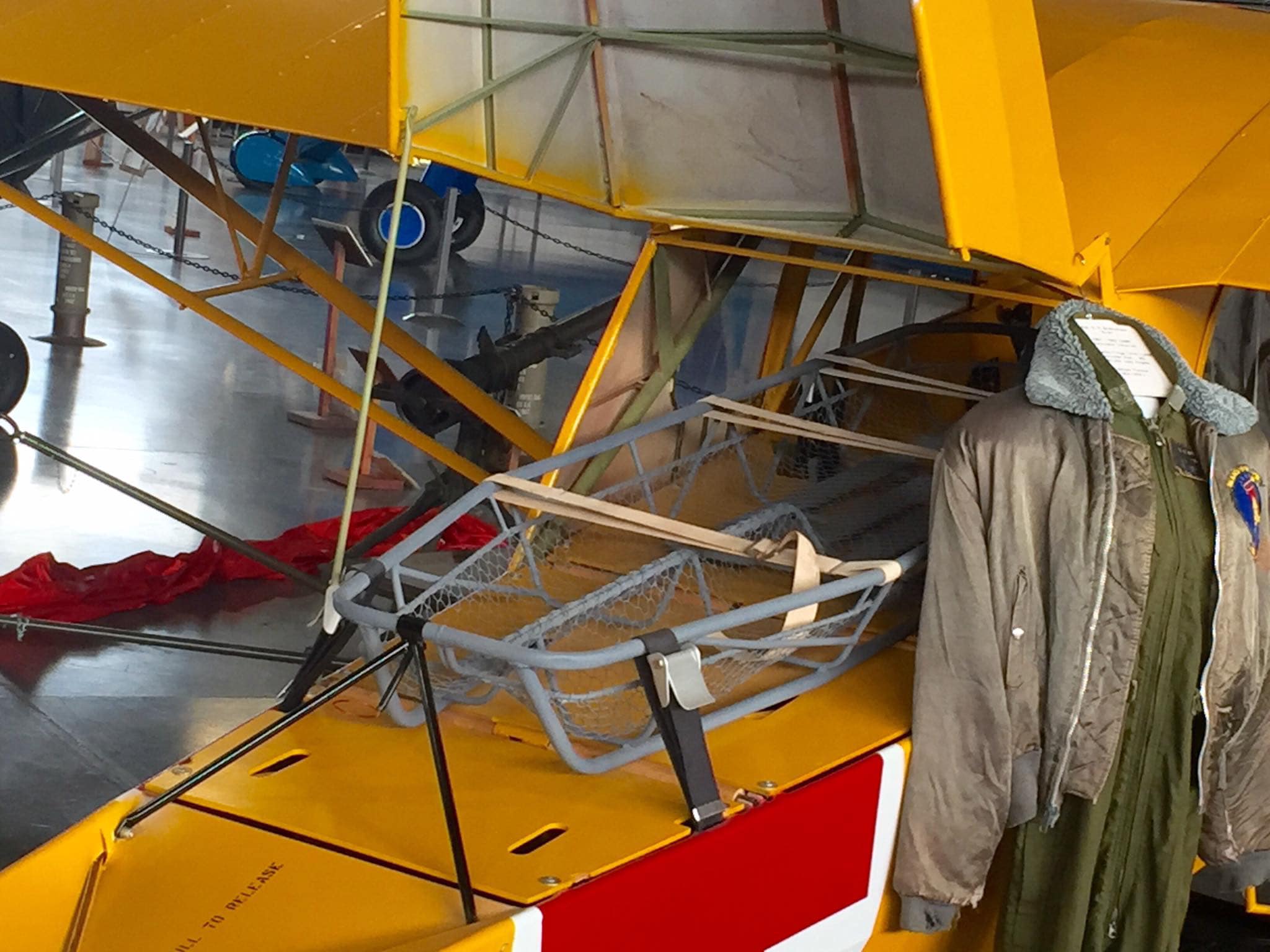
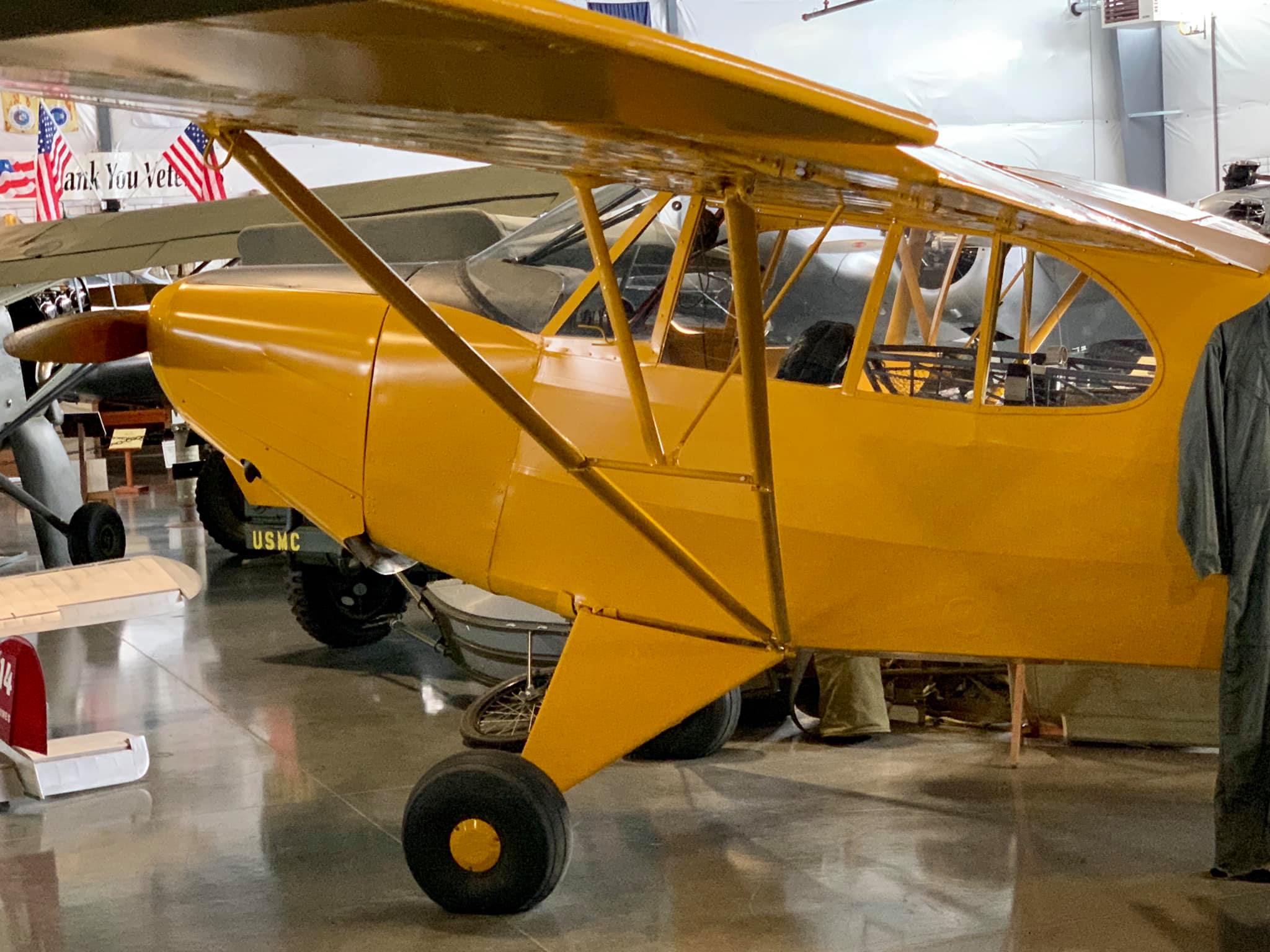
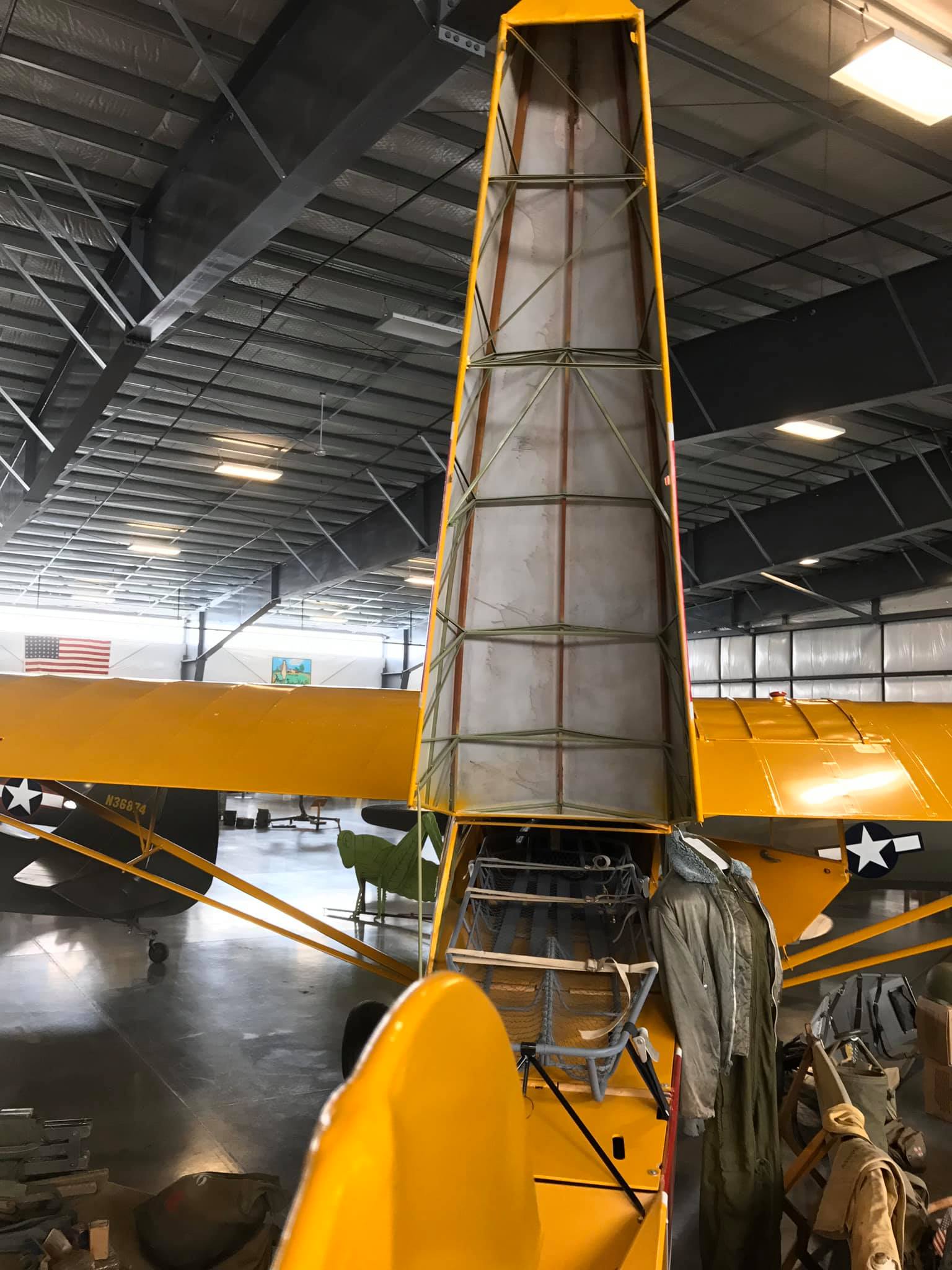
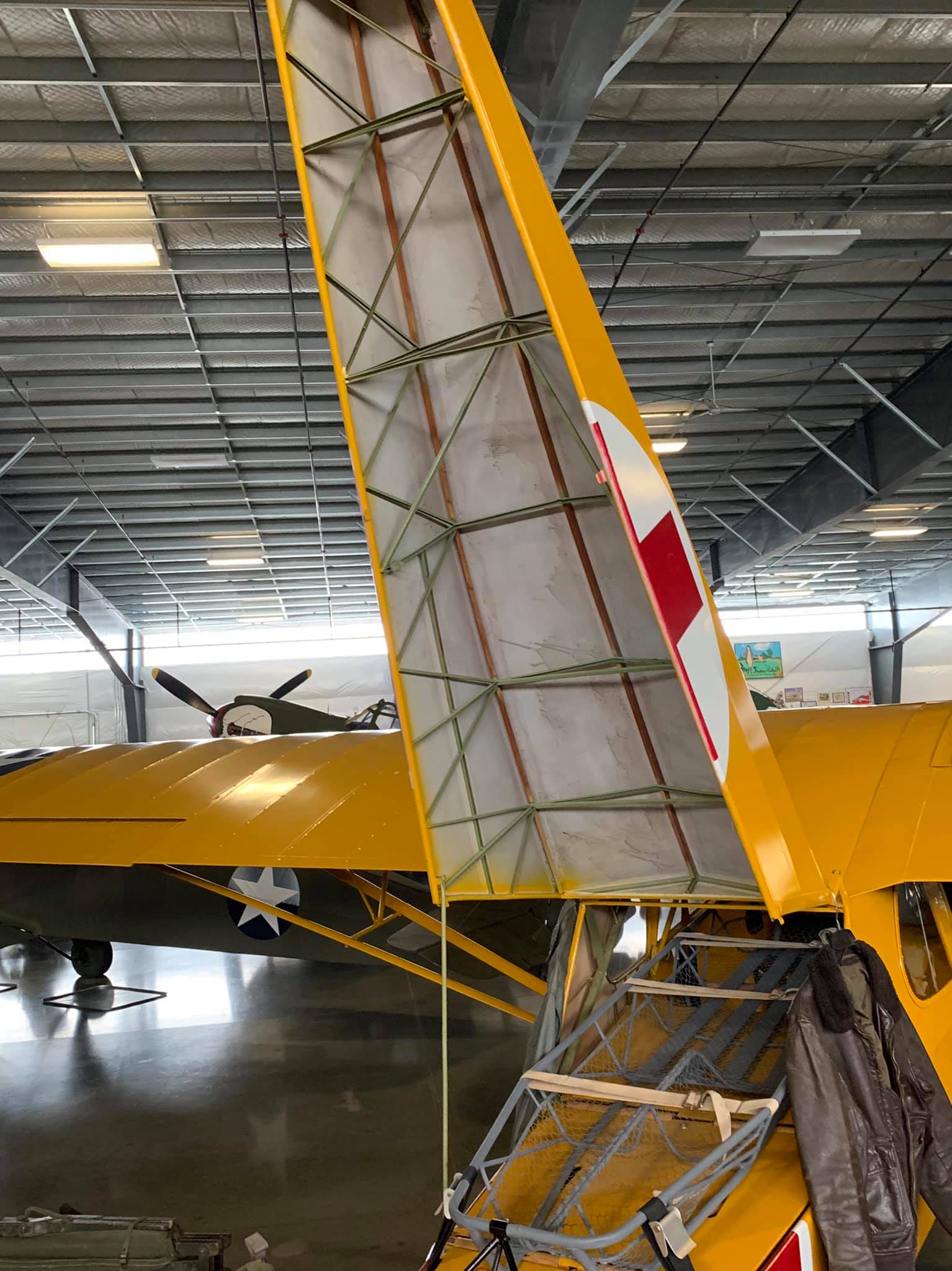
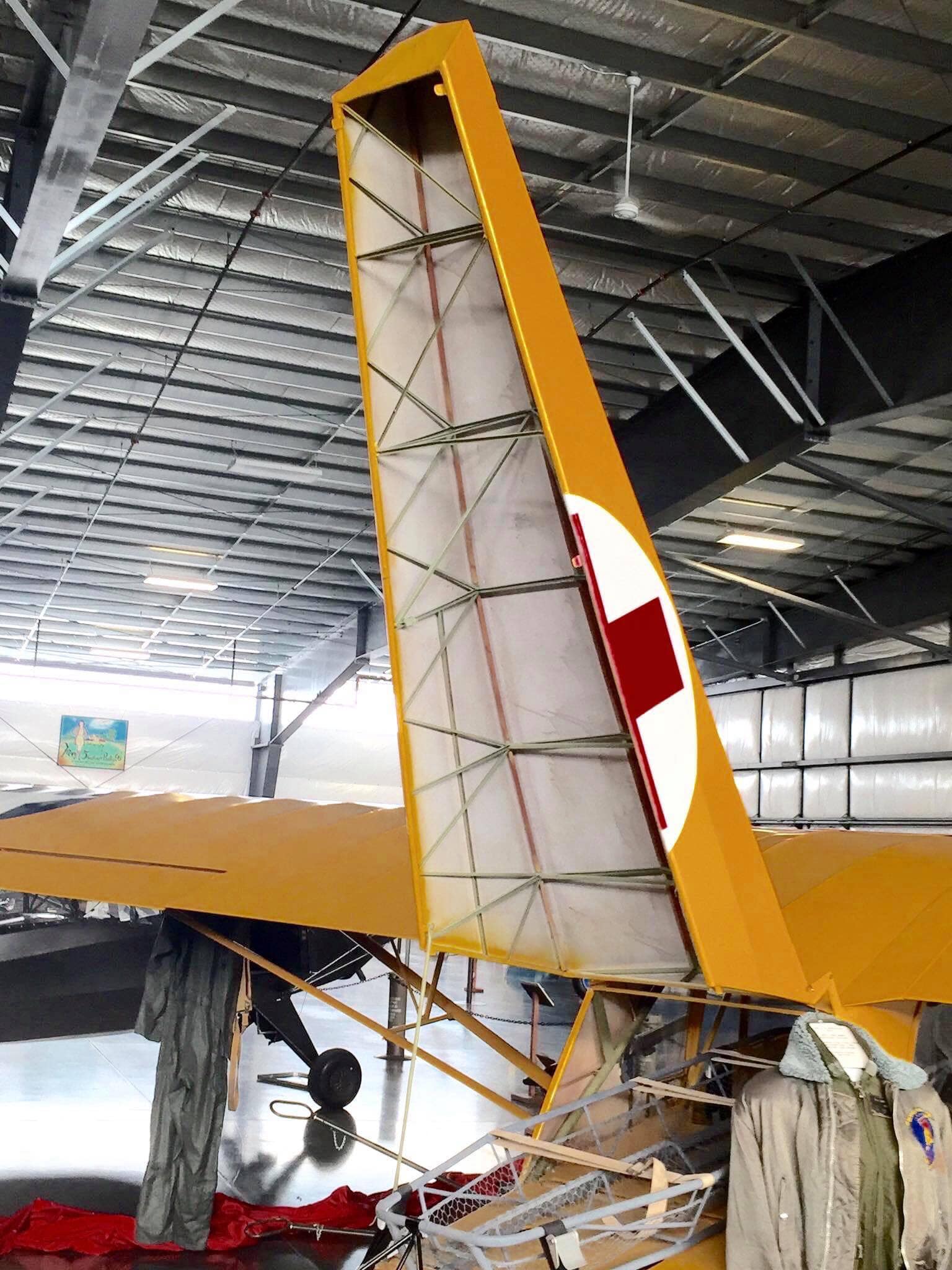
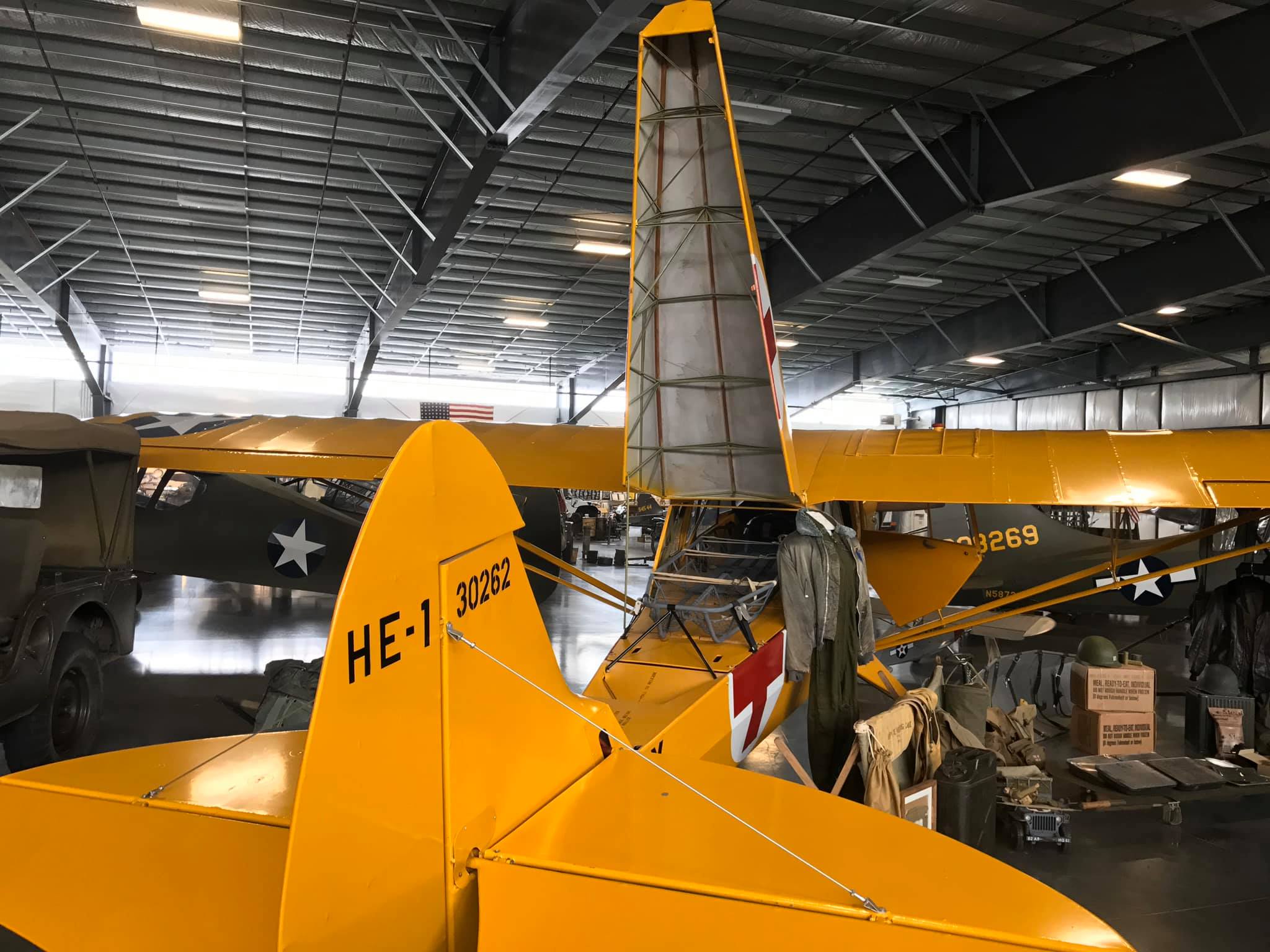
The HE-1, “H” being the U.S. Navy Bureau of Aeronautics (BuAer) designation for “Hospital” at the time, and the “E” being the BOA manufacturer code for Piper Aircraft Corporation (which, at the time, was location at Vero Beach Municipal Airport in Vero Beach, Florida), was a modification of the Piper J-5C Cub Cruiser, which in itself was a single-engine high-wing monoplane with fixed landing gear that had been developed from the J3 Cub (U.S. Navy designation “NE”) and the J-5 shared the same wing, tail surfaces and controls; however, the the fuselage was widened to provide for two passengers in the rear seat. But the J-5 was designed with a metal cowling and a longeron that ran from front to rear; the balance of the aircraft was of welded steel-tube, spruce and aluminum-alloy framing, and all covered with cotton fabric. The J-5A was the first model and was introduced in January of 1940 and was fitted with a 75-hp (55.9 kW) Continental A-75-8 engine. This was later replaced by the 80-hp (59.7 kW) Continental A-80 engine.
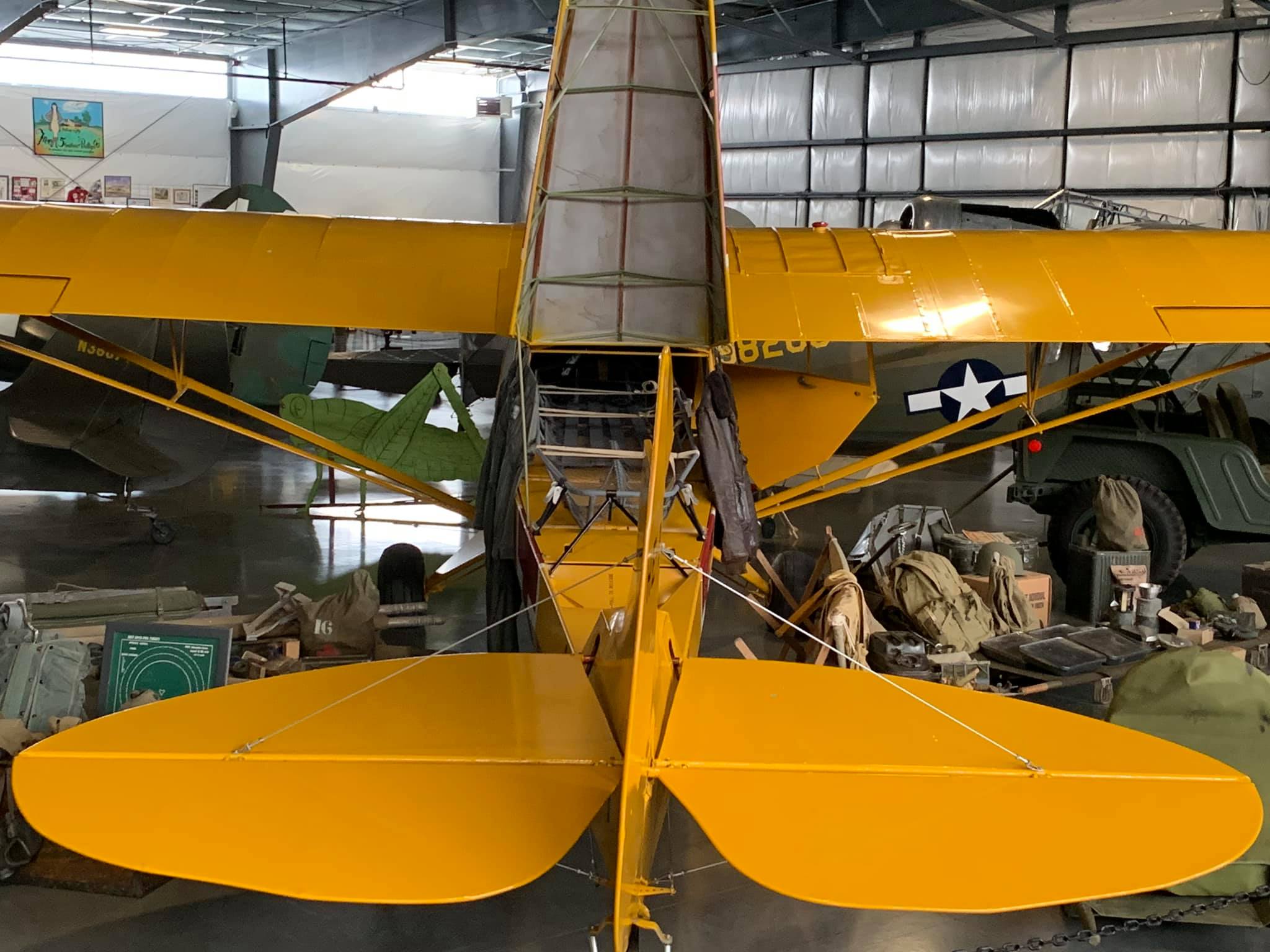
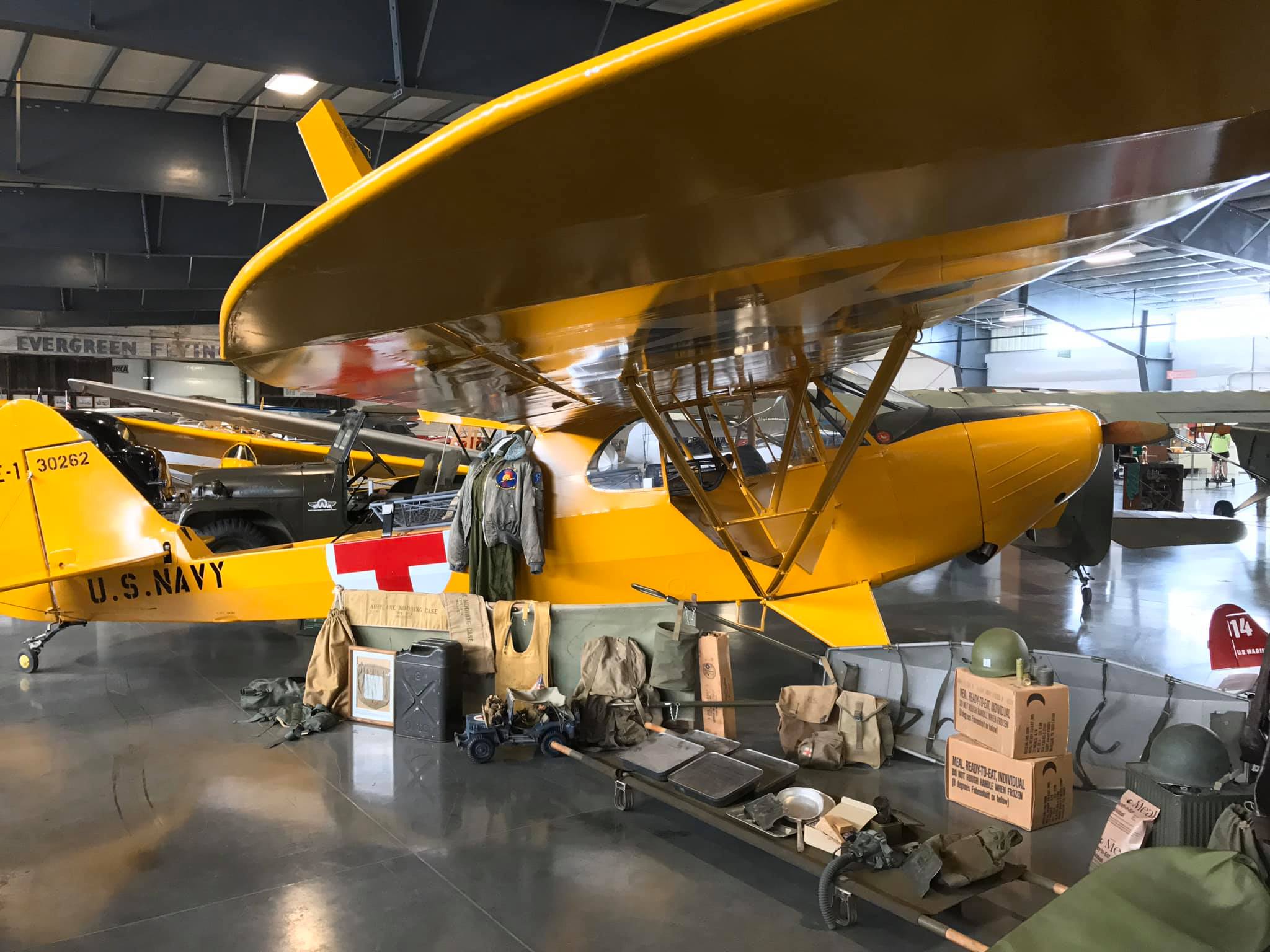
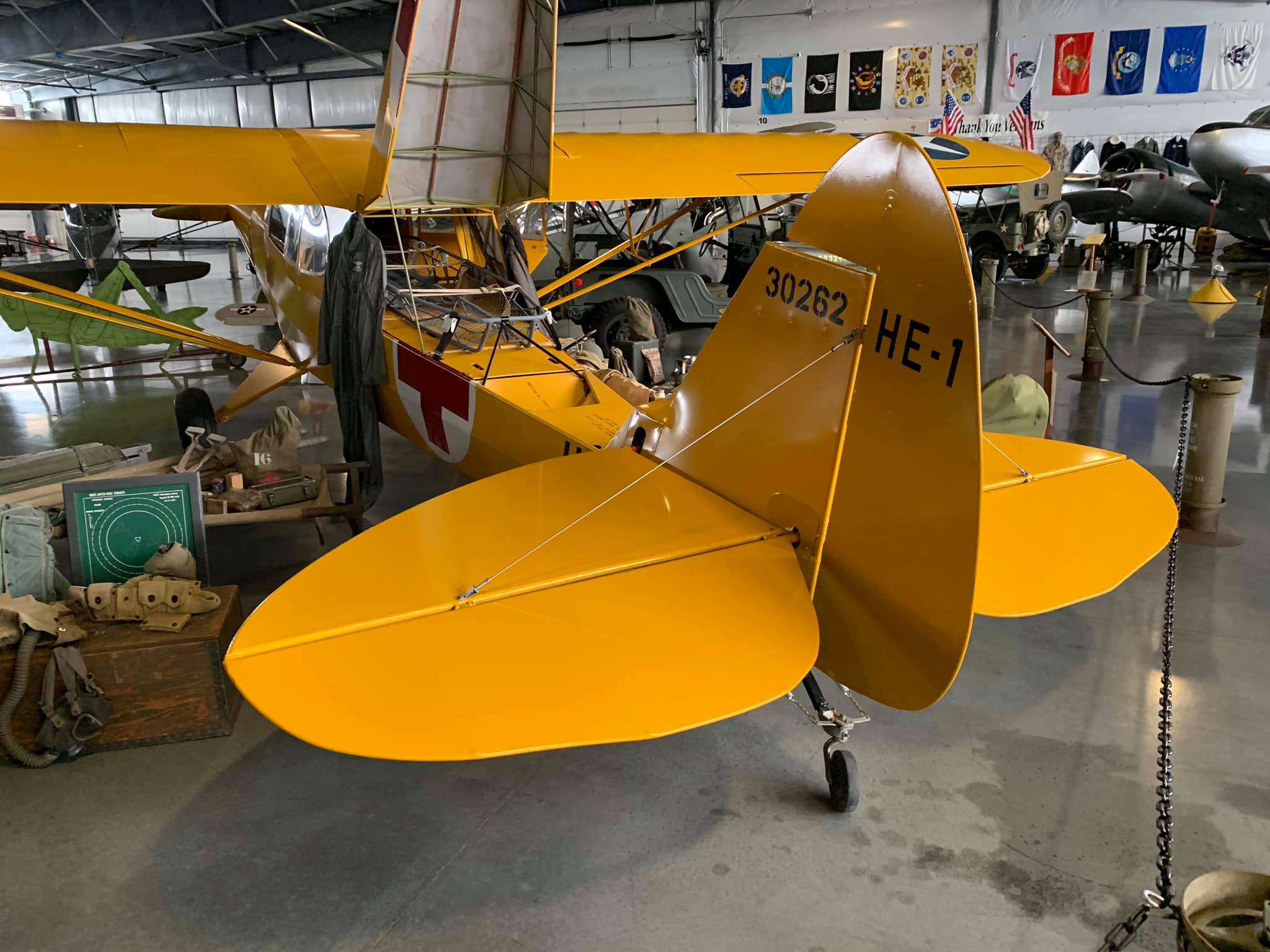
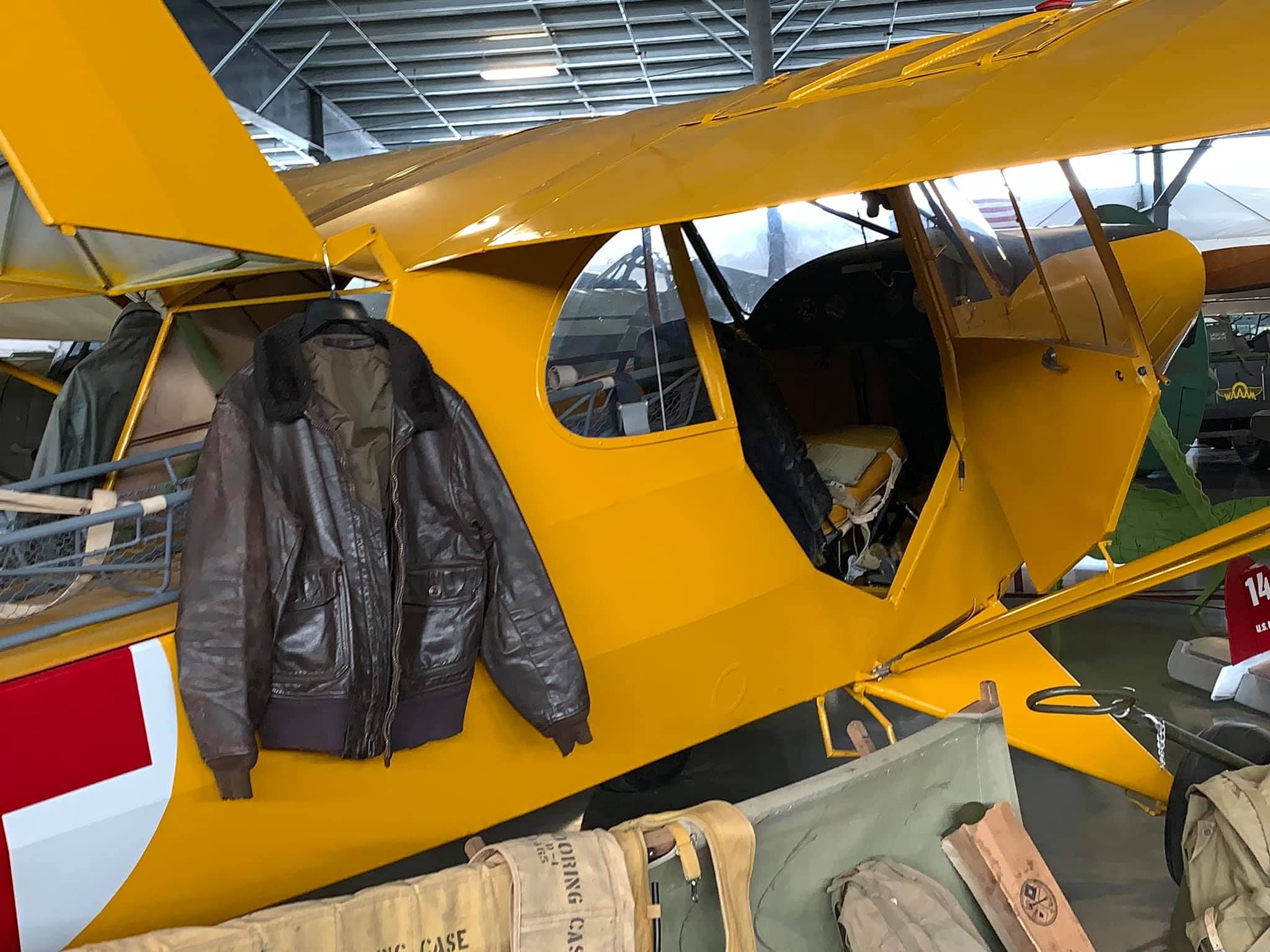
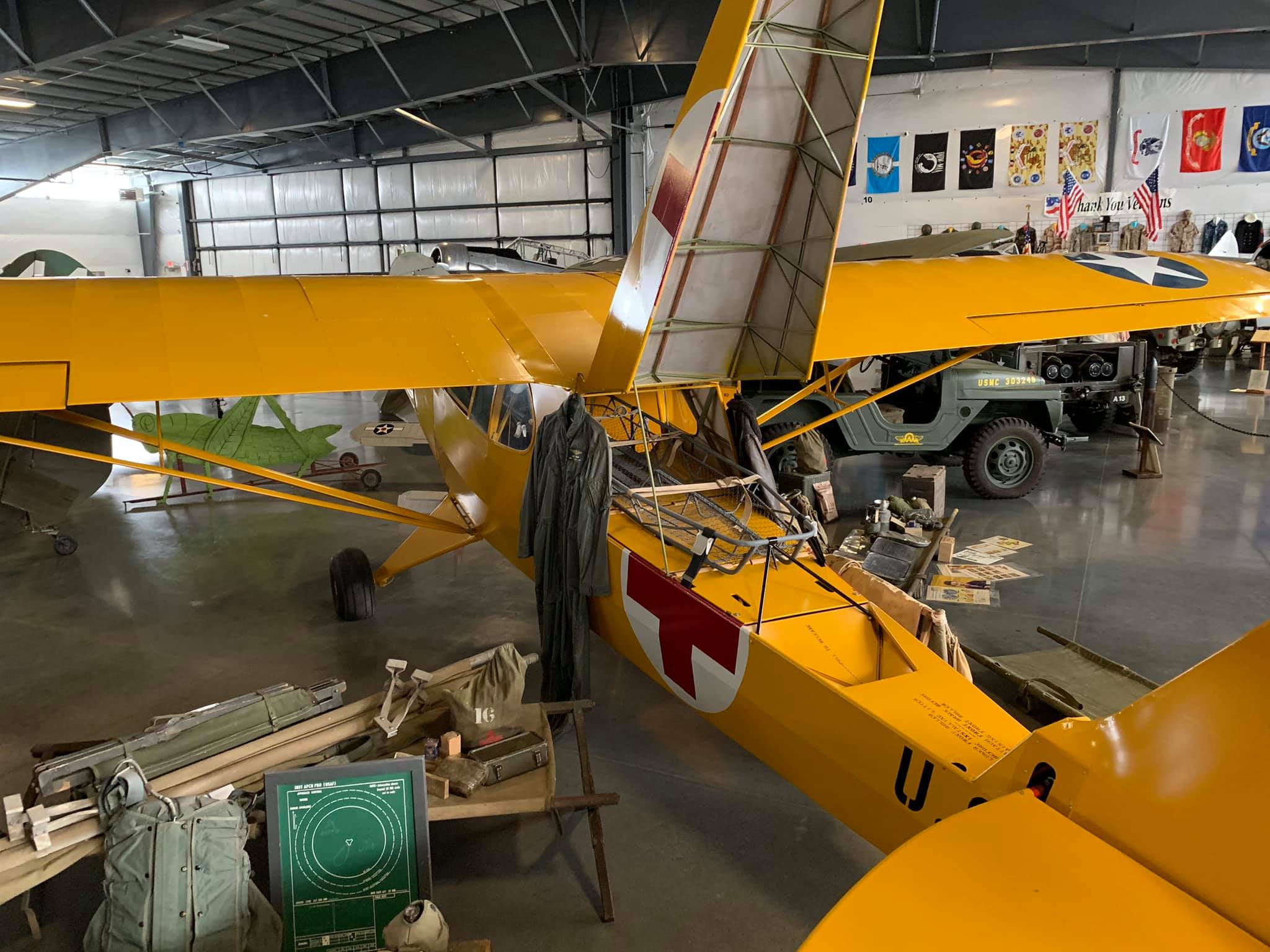
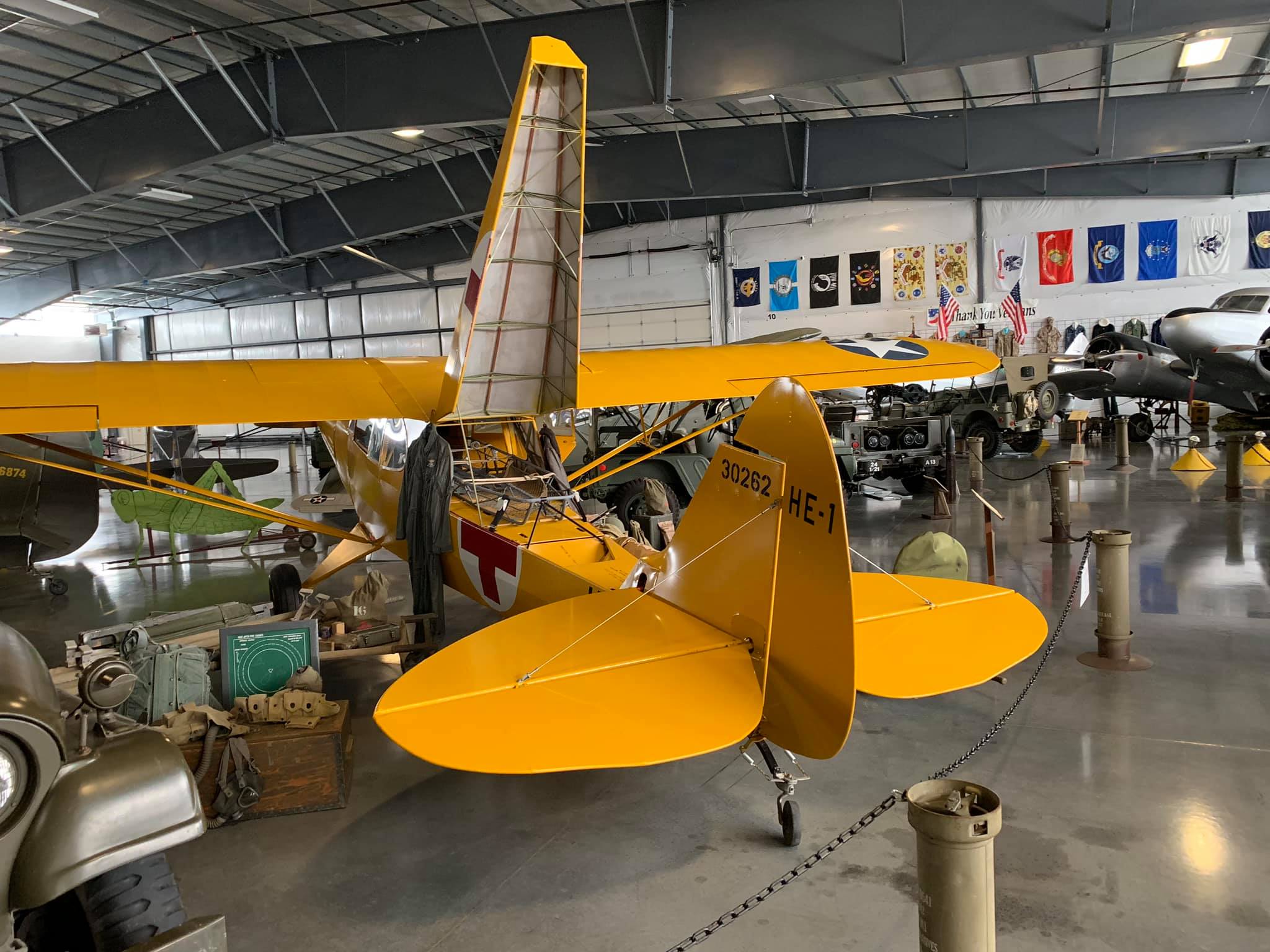
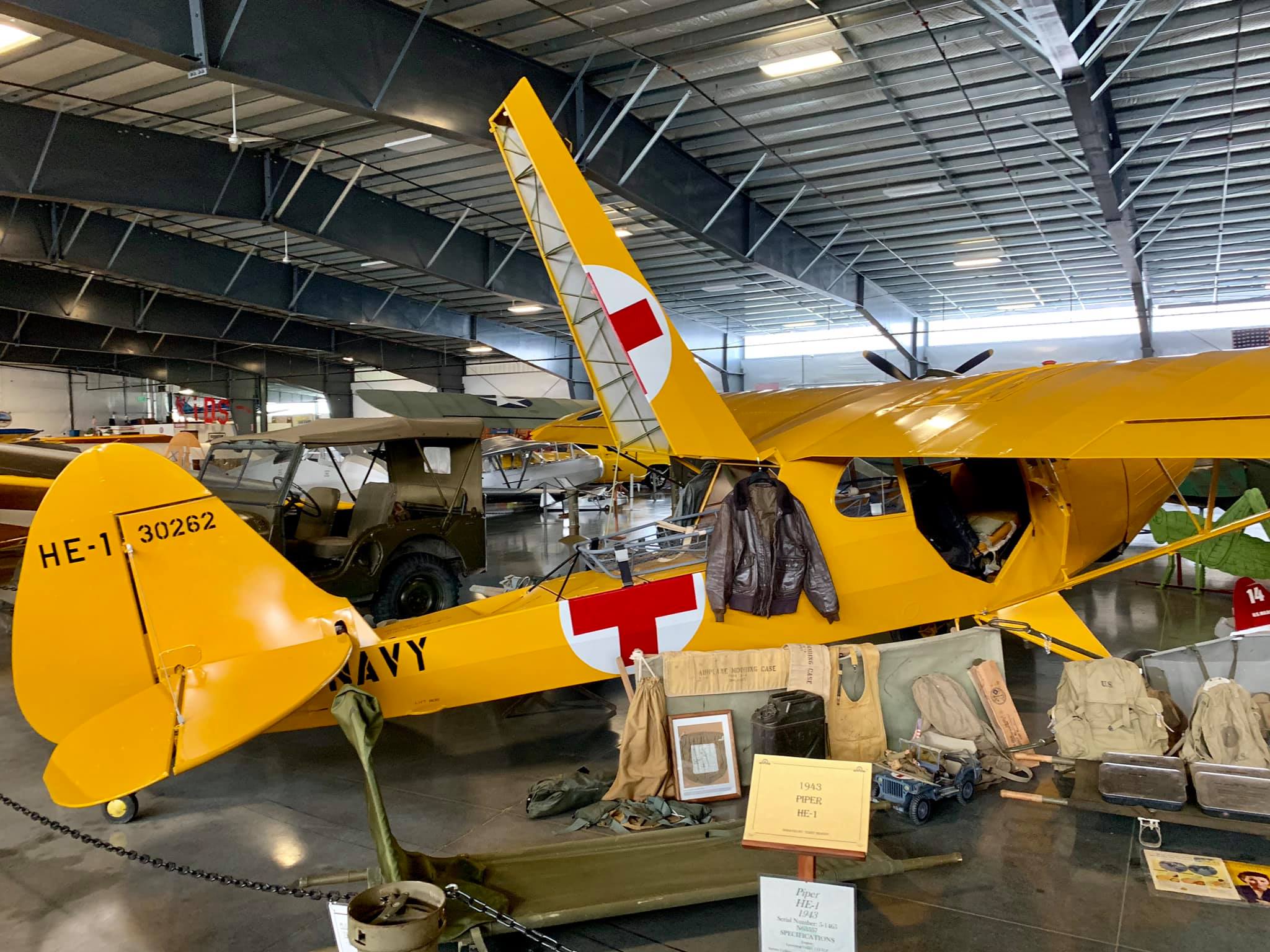
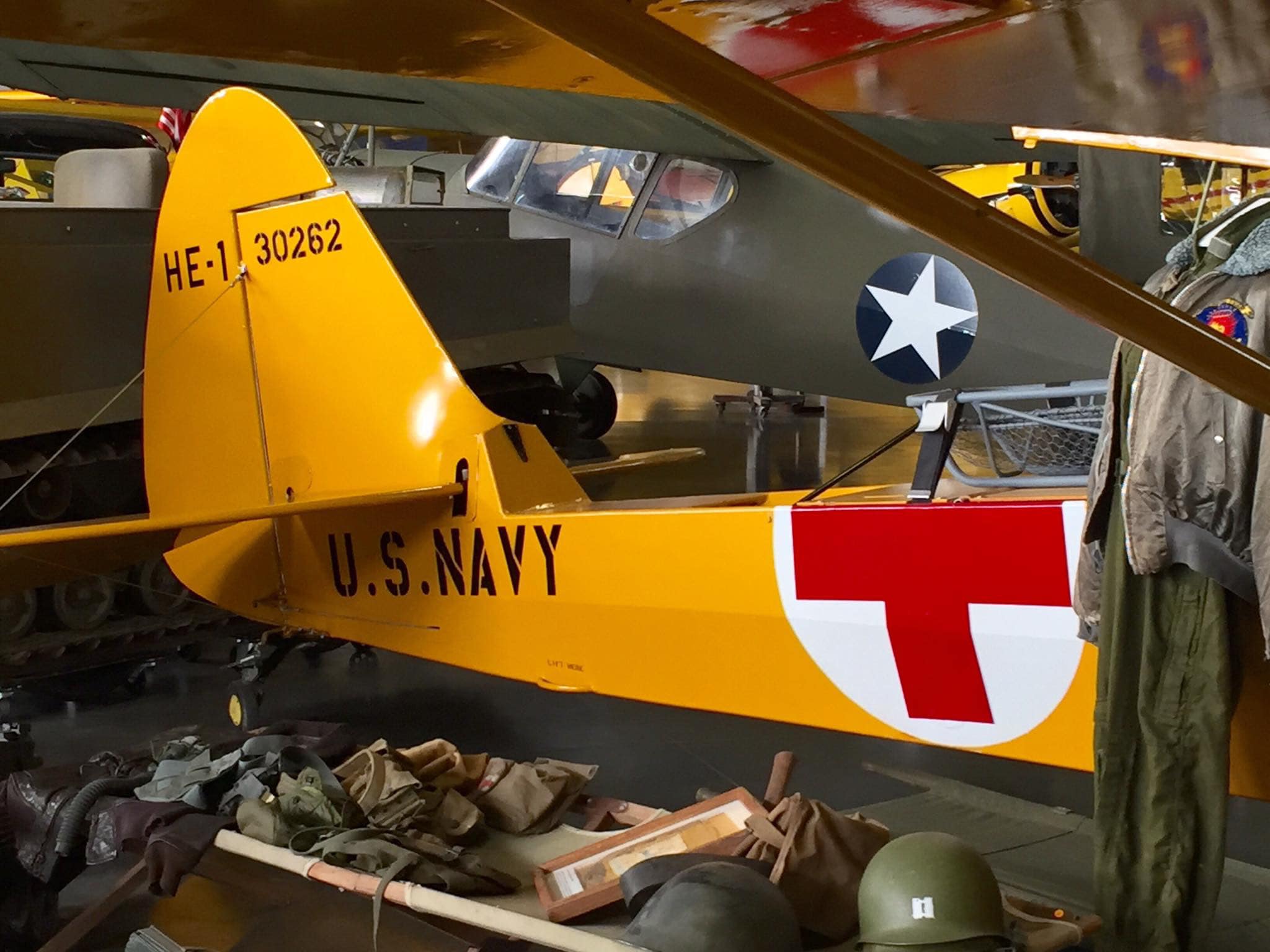
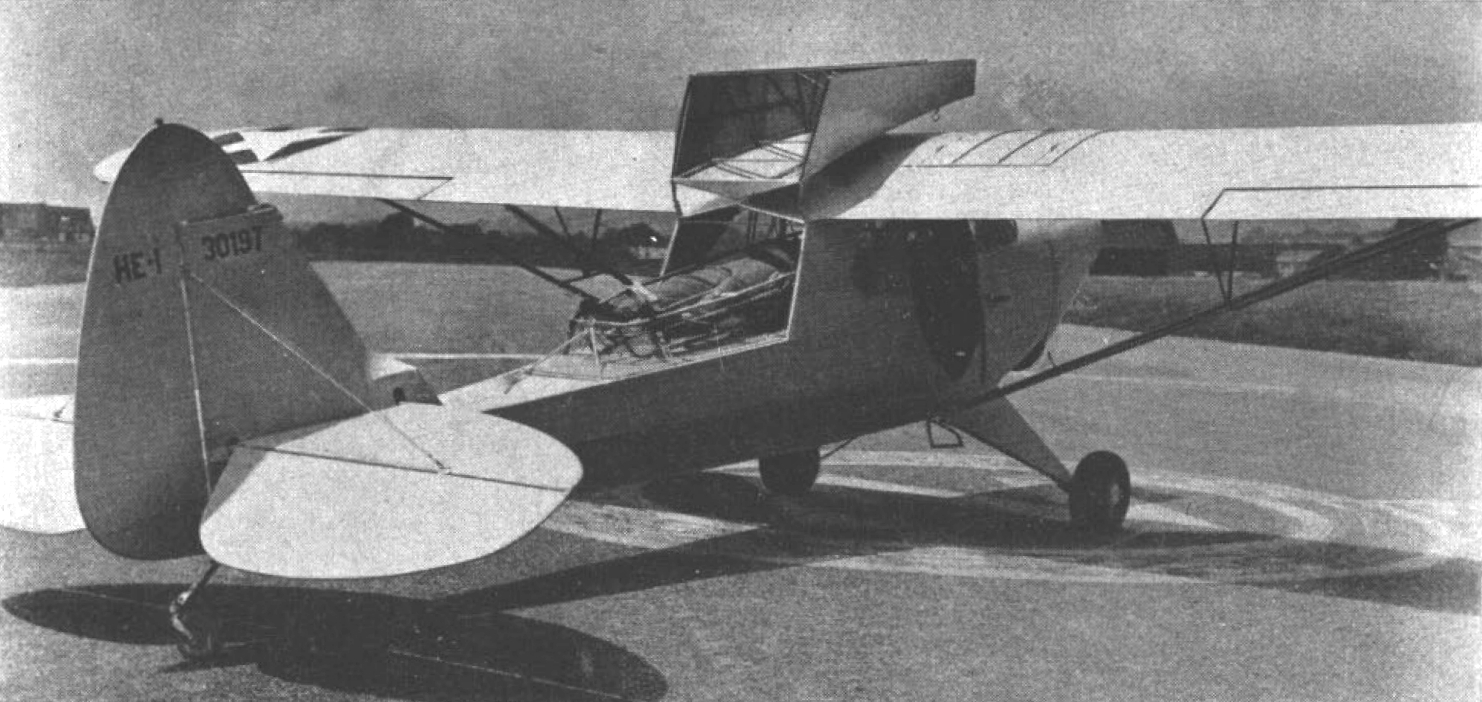
The J-5B was also introduced in 1940, and it was equipped with a 75-hp (55.9 kW) Lycoming engine. The J-5C was the last model before civilian production ended and was introduced in early 1942, and it was powered by a 100-hp (74.6 kW) Lycoming O-235 engine. For this version, it was designed with aluminum spars in place of spruce spars. The J-5C was modified to have an opening turtle deck, a rear-hinged fuselage capable of accommodating one standard Stokes Basket (a litter named for Rear Admiral and future U.S. Surgeon General Charles Francis Stokes); without the basket, it could carry two passengers behind the pilot. It was fitted with a Lycoming O-235-C 112-hp engine with a top speed of 110 mph and a cruise speed of 100 mph.
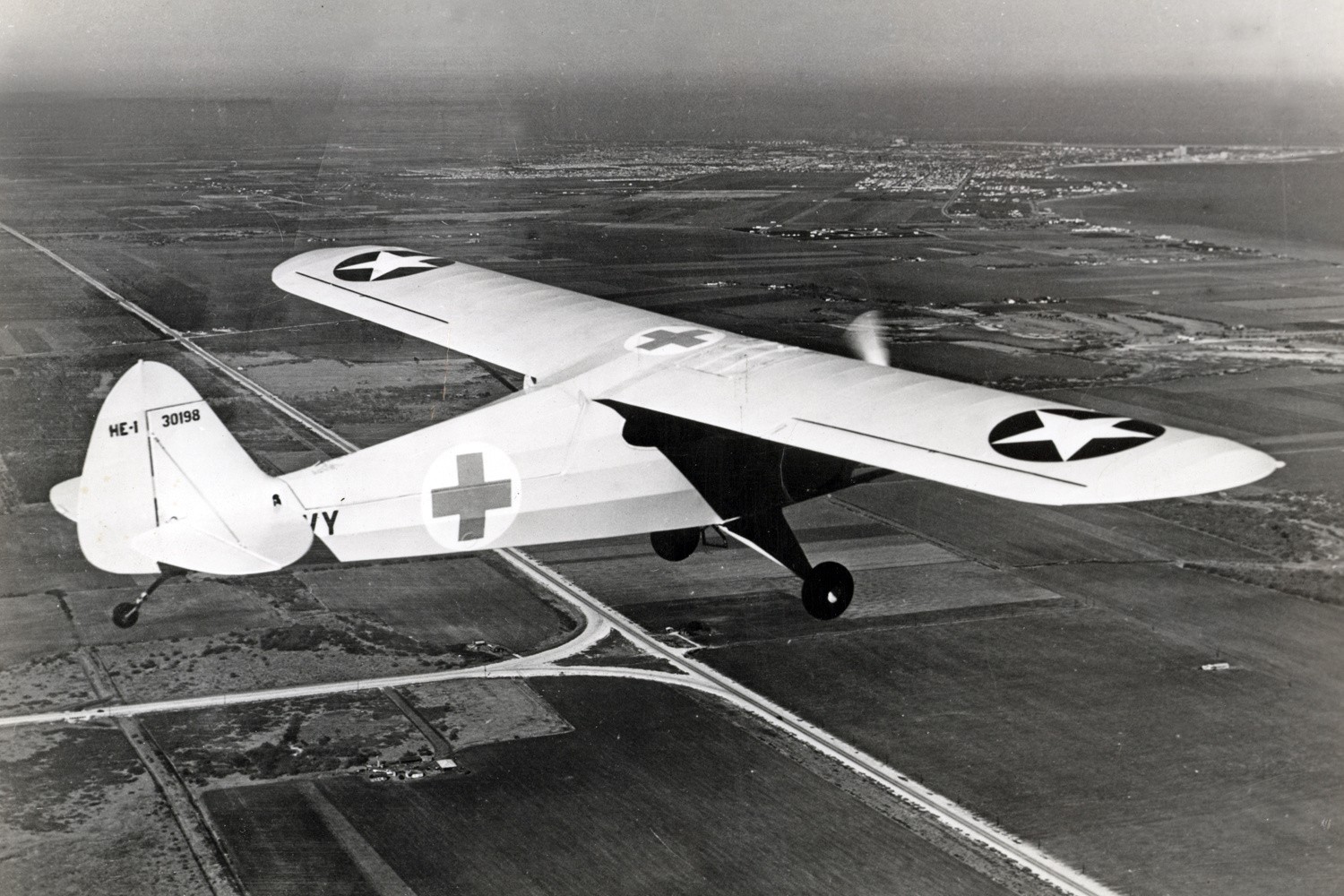
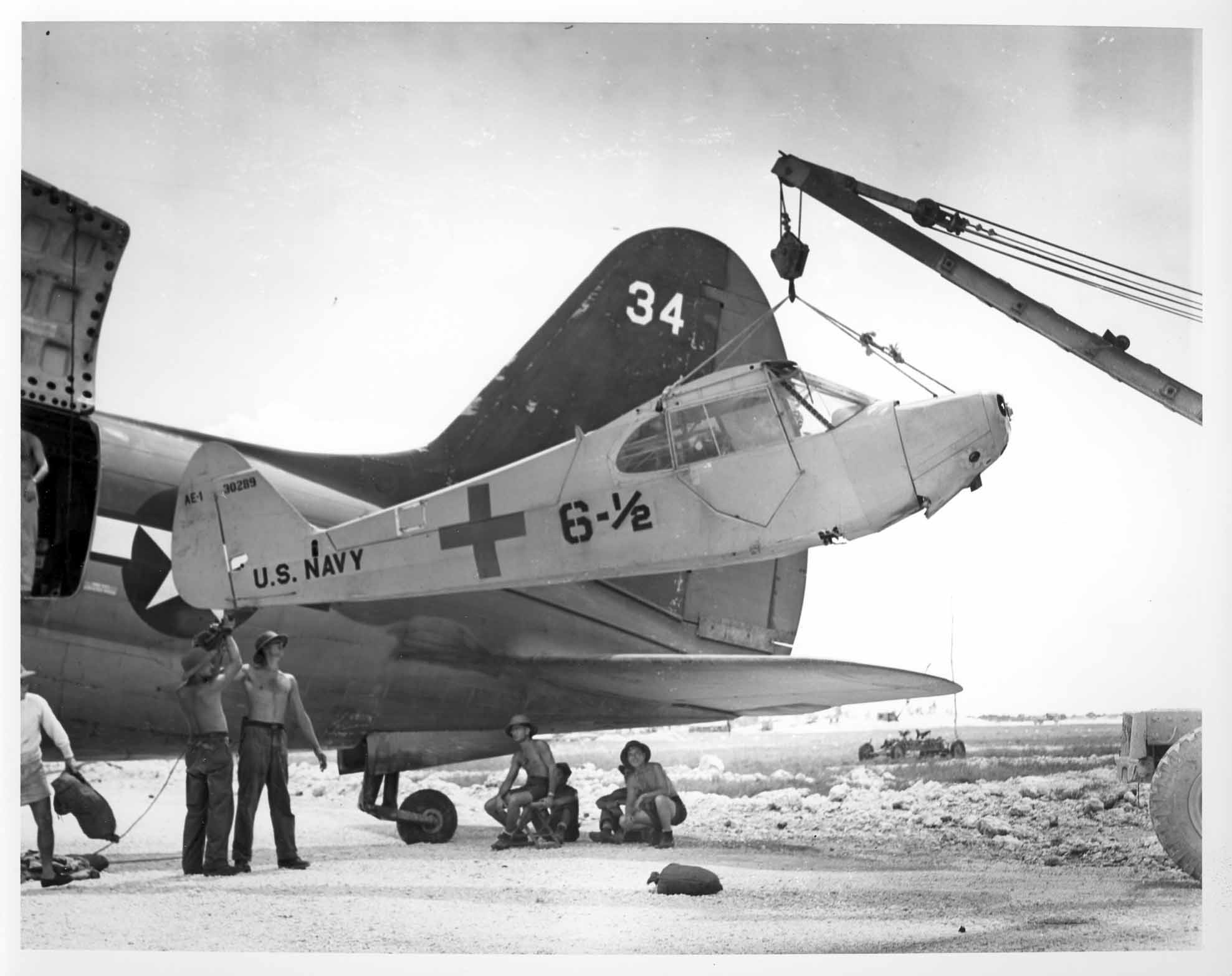
Unlike its predecessor, the landing gear was fitted with an internal bungee cord suspension system (“bungee” or “bungie” thought to be early 20-century British slang for rubber produced in India). The U.S. Navy ordered over 100 of the modified aircraft, designated HE-1, as an air ambulance, and deliveries began in 1942. By 1943, it was designated the AE-1 (Ambulance) when the BuAer reassigned “H” to helicopters. By August of 1943, the U.S. Marine Corps began operating the HE-1 at Base Air Detachments (BAD’s) at Marine Corps Air Stations. The U.S. Navy aircraft were generally assigned to Naval Auxiliary Air Stations in more rural areas away from major medical facilities. In all, approximately 100 aircraft were built. By the time helicopters came into widespread use, these aircraft were rendered superfluous.
About the author 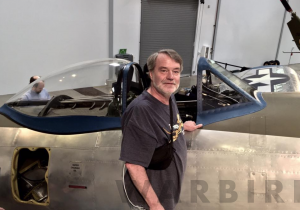
Randy Malmstrom grew up in a family steeped in aviation culture. His father, Bob, was still a cadet in training with the USAAF at the end of WWII but did serve in Germany during the U.S. occupation in the immediate post-war period, where he had the opportunity to fly in a wide variety of types that flew in WWII. After returning to the States, Bob became a multi-engine aircraft sales manager and, as such, flew a wide variety of aircraft; Randy frequently accompanied him on these flights. Furthermore, Randy’s cousin, Einar Axel Malmstrom, flew P-47 Thunderbolts with the 356th FG from RAF Martlesham Heath. He was commanding this unit at the time he was shot down over France on April 24th, 1944, and spent the rest of the war as a prisoner of war. Following his repatriation at war’s end, Einar continued his military service, attaining the rank of Colonel. He was serving as Deputy Wing Commander of the 407th Strategic Fighter Wing at Great Falls AFB, MT, at the time of his death in a T-33 training accident on August 21, 1954. The base was renamed in his honor in October 1955 and continues to serve in the present USAF as home to the 341st Missile Wing. Randy’s innate interest in history in general, and aviation history in particular, plus his educational background and passion for WWII warbirds, led him down his current path of capturing detailed aircraft walk-around photos and in-depth airframe histories, recording a precise description of a particular aircraft in all aspects.





Randy stated that the HE-1 aircraft were built at the Piper Aircraft facility at Vero Beach Municipal Airport in Vero Beach, Florida. Piper didn’t build a manufacturing plant in Vero Beach until 1960, taking occupancy in 1961. I believe the HE-1 aircraft were built in Lock Haven, Pennsylvania, where Piper Aircraft was based at the time.