






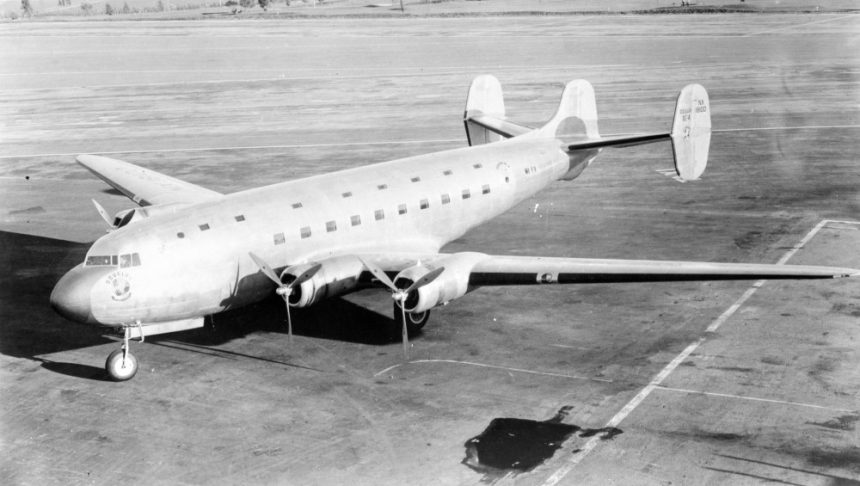

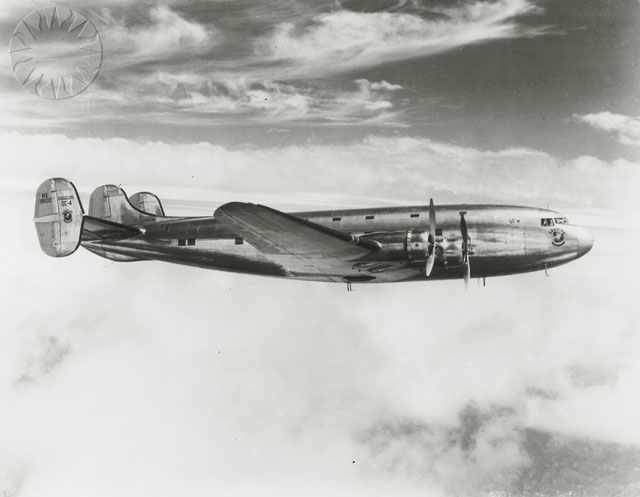
On this day in aviation history, 88 years ago (June 7, 1938), the Douglas DC-4E took flight for the first time. This experimental airliner was a pre-WWII development whose design began in 1935, after the issuance of a specification from United Air Lines. United sought a larger and more advanced aircraft to replace the highly successful Douglas DC-3. Equally interested in a new airliner were American Eastern, Pan American, and TWA; each contributed $100,000 towards the development of the next-gen people-mover. The DC-4E was planned to have capacity for 42 passengers in a 13-row arrangement. Alternatively, a sleeper arrangement for 30 passengers was an option. This seating capacity was double that of the DC-3. The DC-4E had tricycle landing gear, which was a departure from the airline “norm” of tailwheeled aircraft at the time. Douglas’ new airliner prototype delivered on the promise of a more sophisticated commercial plane. The DC-4E had auxiliary power units (APUs), power-boosted flight controls, air conditioning and cabin pressurization (planned for production models).
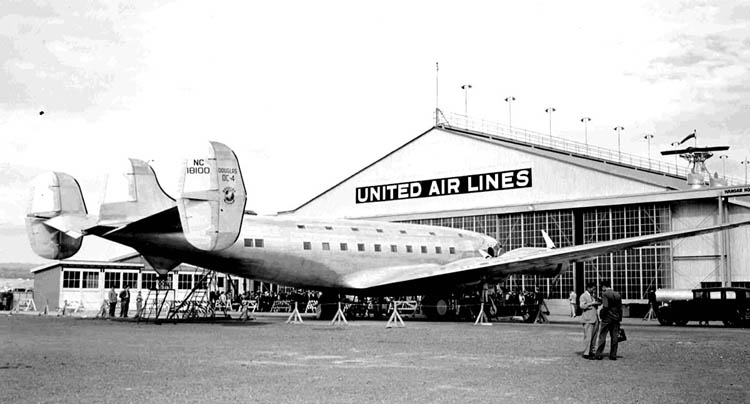
Four 1,450-hp Pratt & Whitney R-2180-S1A1-G Twin Hornet 14-cylinder radial engines powered the DC-4E, which could cruise at 200 mph and attain a maximum airspeed of 245 mph. The DC-4E had a range of 1,900 nmi and a service ceiling of 22,900 ft. Climb rate for the DC-4E was 1,175 fpm. The first flight of the sole prototype built, NX18100 (s/n 1601), took place at Clover Field in Santa Monica, California. Carl Cover.was at the controls for the flight. Issues encountered in flight testing caused a delay in the Type Certificate’s approval, which was finally issued in May of 1939. From here, United evaluated the DC-4E, and found it to be favorable in flight characteristics, overall. Performance was below expectations, and the complex systems of the airliner were projected to be expensive to maintain.
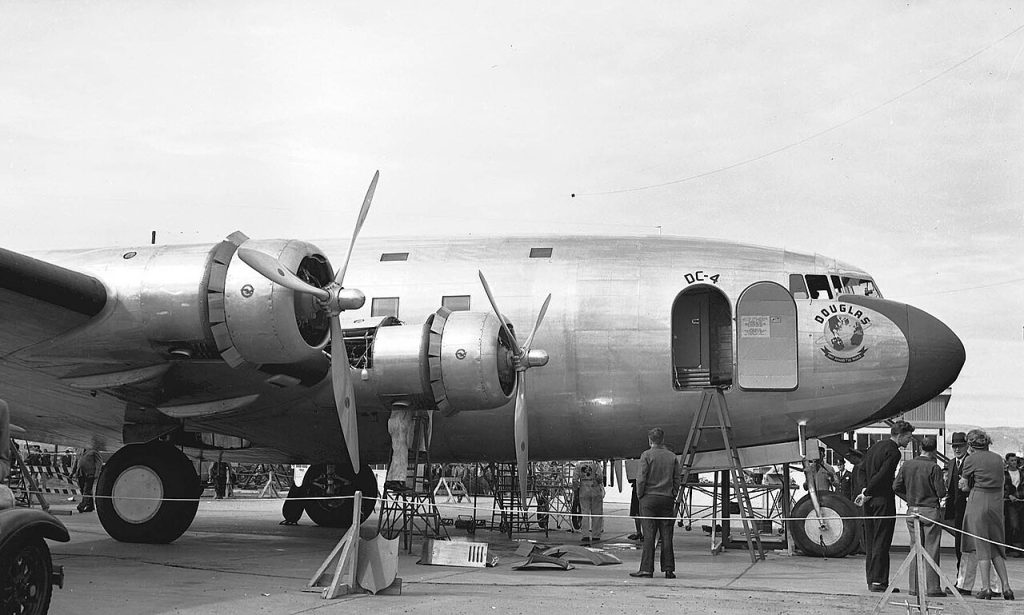
The DC-4E was ultimately rejected in favor of a smaller design, also from Douglas, the DC-4 (“E” for “Experimental” was dropped). While the DC-4 would go on to have a successful airline career, the DC-4E still had value. The sole prototype was sold to Imperial Japanese Airways. It was a trend at the time for Japanese firms to buy American planes for evaluation. The Imperial Japanese Navy requested that the aircraft be transferred to the Nakajima Aircraft Company. From here, the DC-4E was reverse-engineered, serving as the foundation of the G5N Shinzan heavy bomber. To hide their secret bomber’s development and quell any suspicions, the Japanese claimed that the DC-4E had crashed into Tokyo Bay.








Do we ever learn? Why does the Chinese J 35 lok identical to the F-35? It doesn’t surprise me that the Japanese reversed engineed the DC4. Yet , we are still far too free with access to our technologies, be it commercial or military.