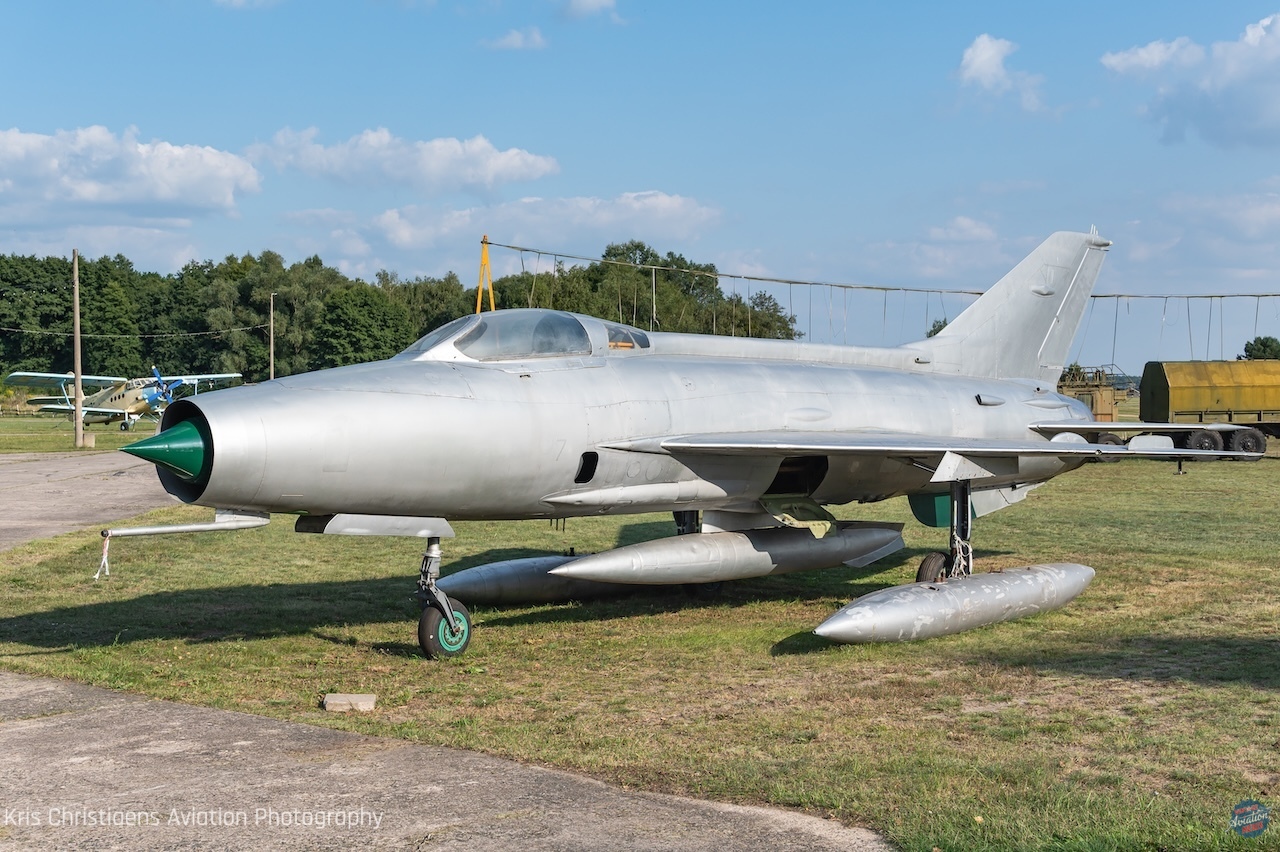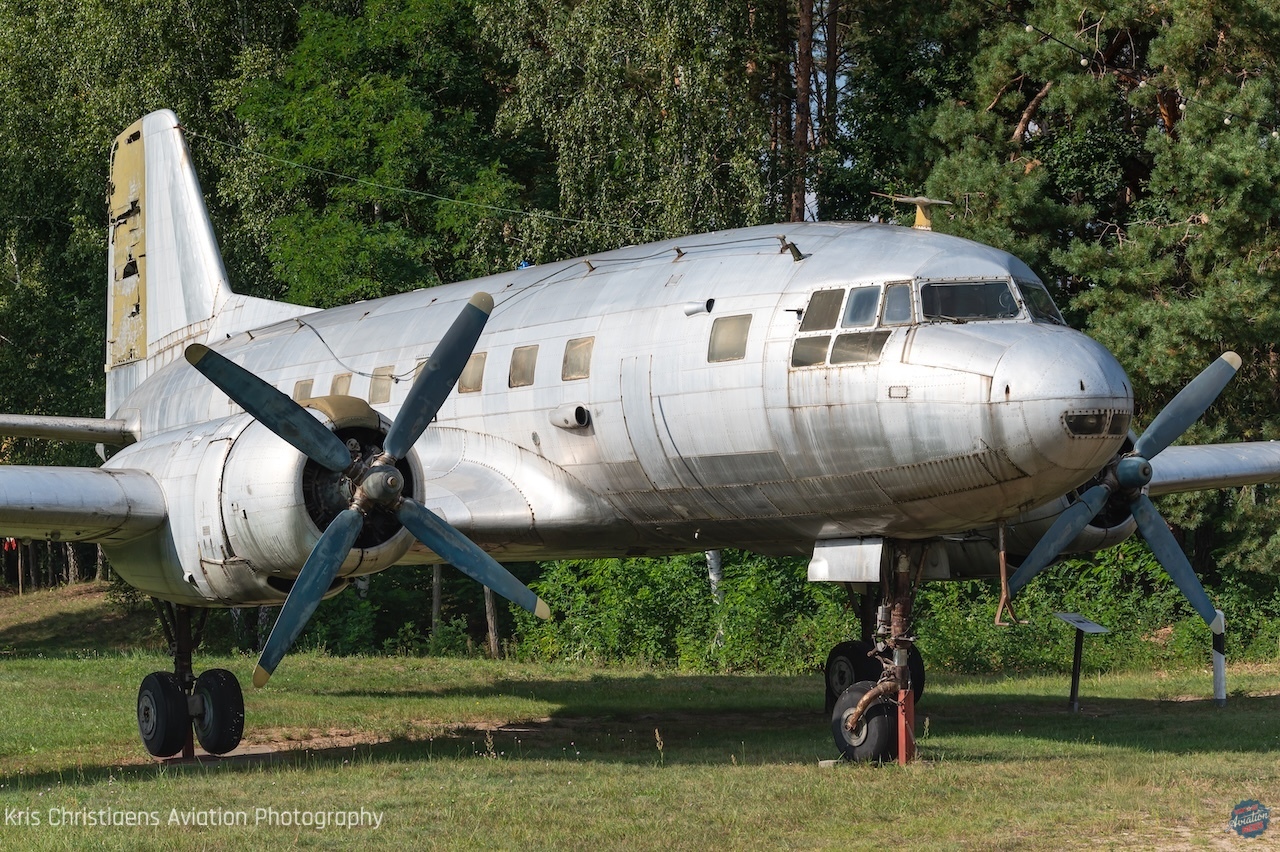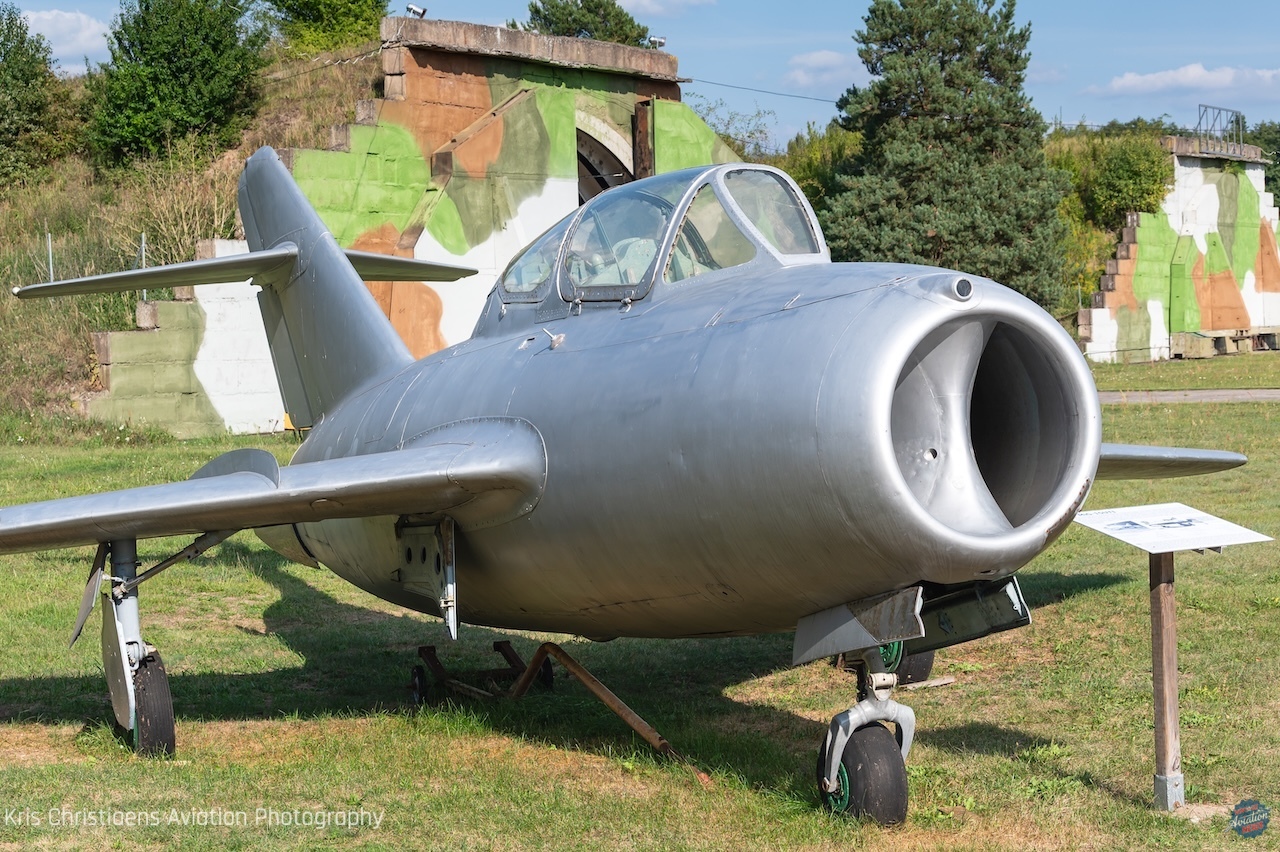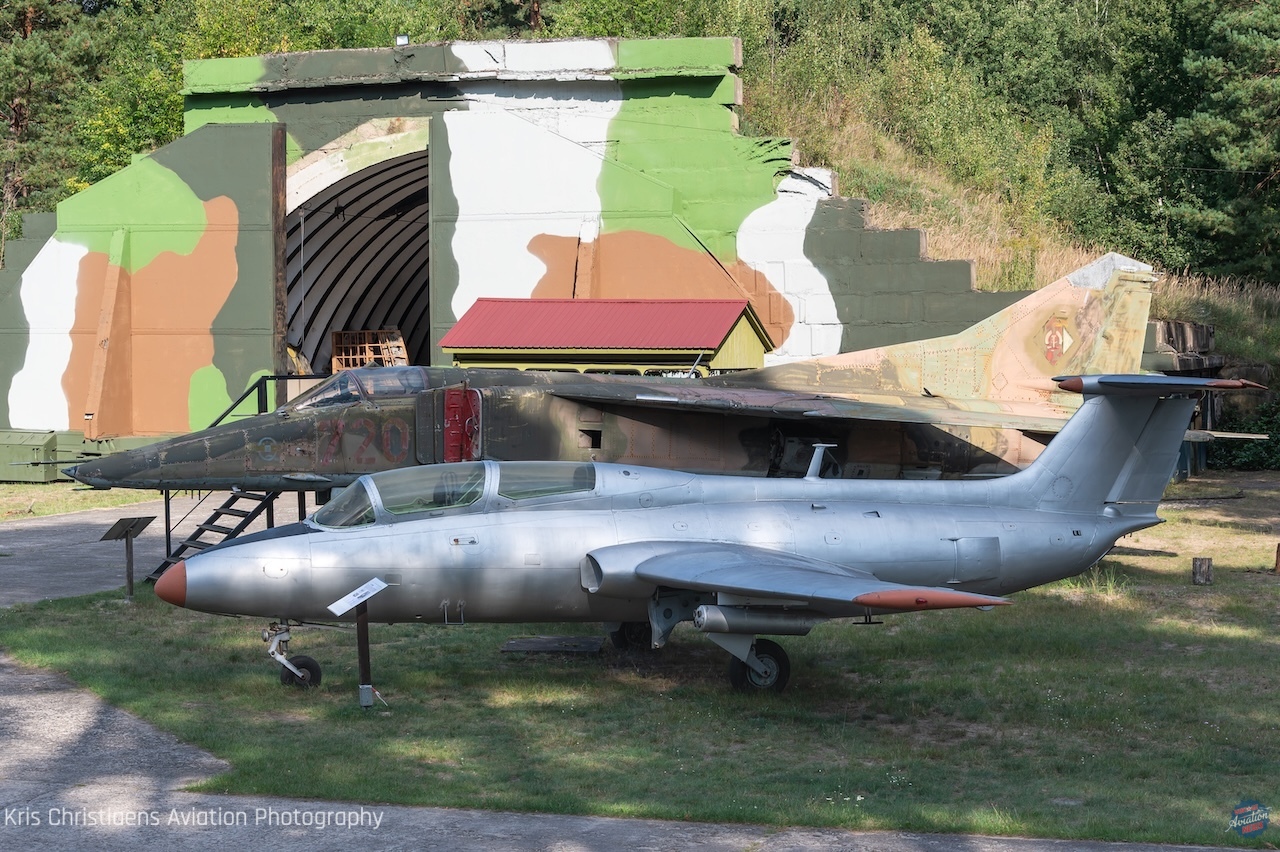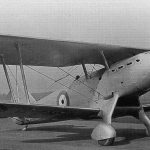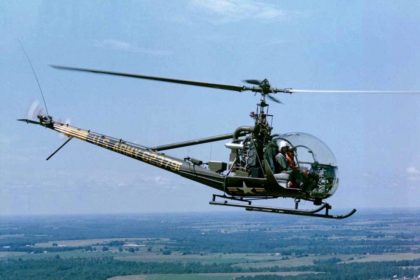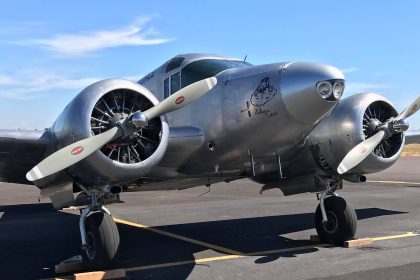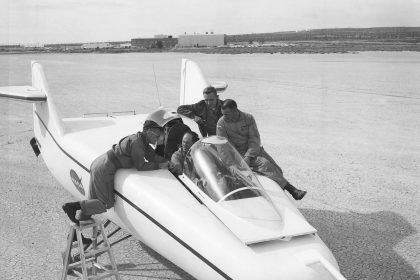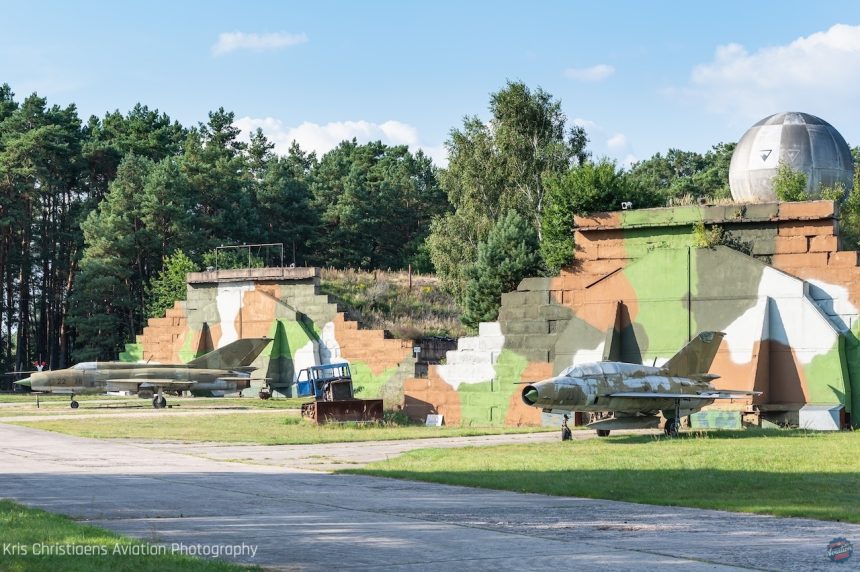

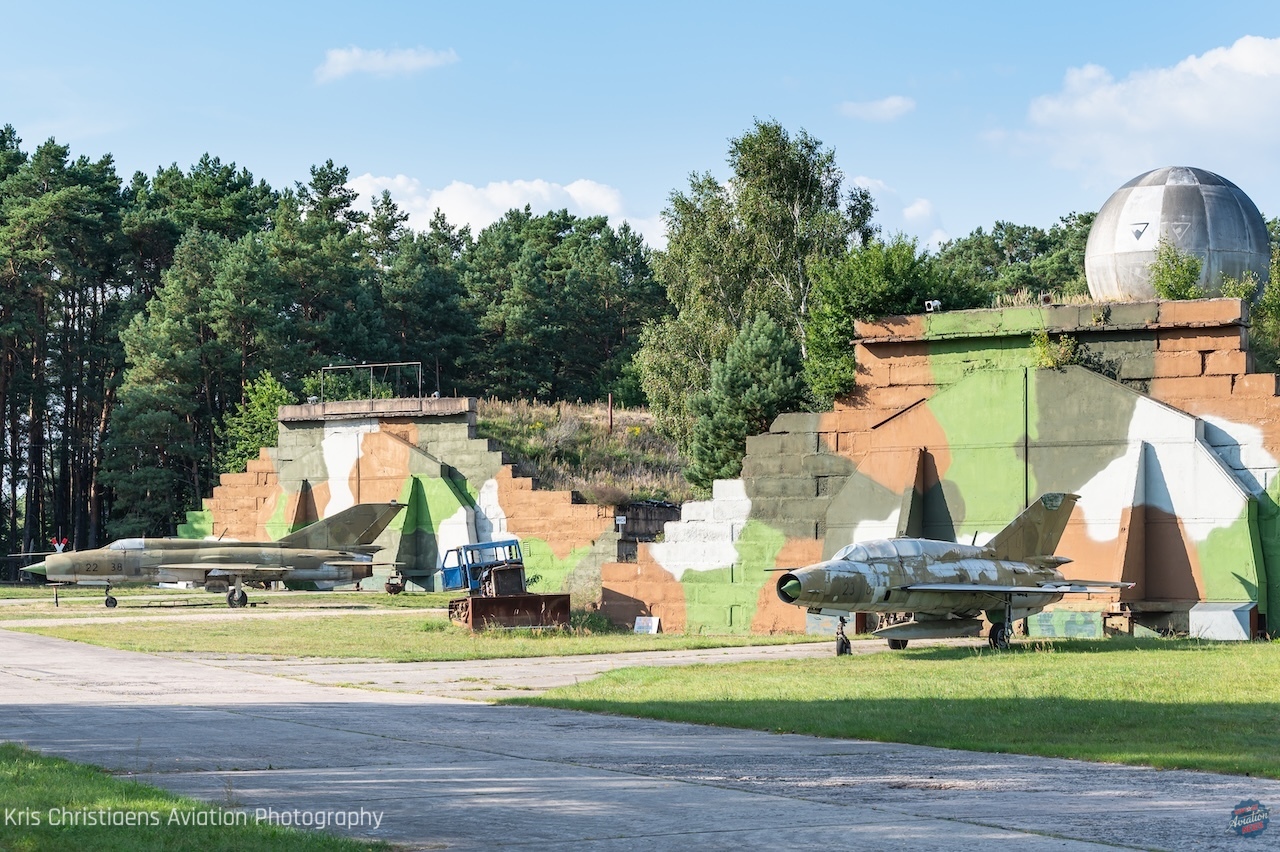
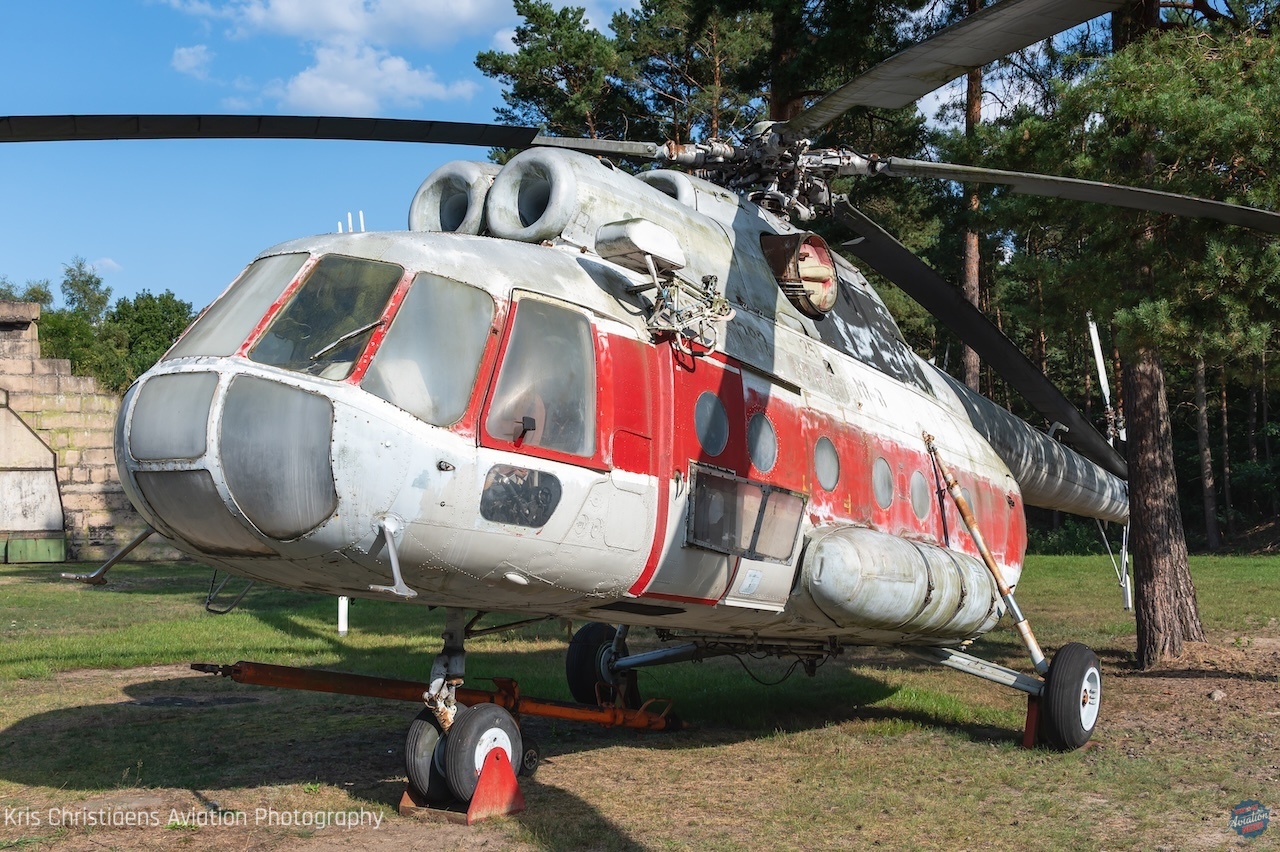
Set among pine woods just north of Berlin, the Luftfahrtmuseum Finowfurt, Brandenburg, Germany, feels less like a polished museum and more like a place where history has been gathered and left to breathe. It’s a sprawling, open-air collection of Cold War aircraft, machinery, and stories (part archive, part graveyard) where the past hasn’t been tidied up for display. If you’re drawn to the scent of aging mechanics, the clean lines of swept wings, or the distinctive character of Soviet-era jets, you’ll find plenty here to hold your attention, along with the occasional misstep into soft moss near old concrete shelters. The museum occupies a section of the original Finow airfield, once used by both the Luftwaffe and later Soviet forces, and that layered history is impossible to miss. Anyone expecting pristine restorations might be caught off guard, but for many visitors, that’s exactly the appeal. Finowfurt embraces a “field museum” approach rather than a carefully staged gallery. Aircraft are left outdoors on historic hardstands, surrounded by weathered structures, their surfaces marked by years of use: dulled paint, worn camouflage, and small signs of nature creeping in. Its rough, unrefined condition is exactly what defines the place. Rather than feeling carefully staged, it comes across as a piece of history left largely as it stood, giving a direct sense of East German and Soviet aviation in its own time. Covering around 20 to 23 hectares, the grounds invite slow exploration instead of a quick pass-through, with space to wander freely. About 25 aircraft and helicopters are on display, and since opening in 1992, the site has drawn more than 1.2 million visitors.
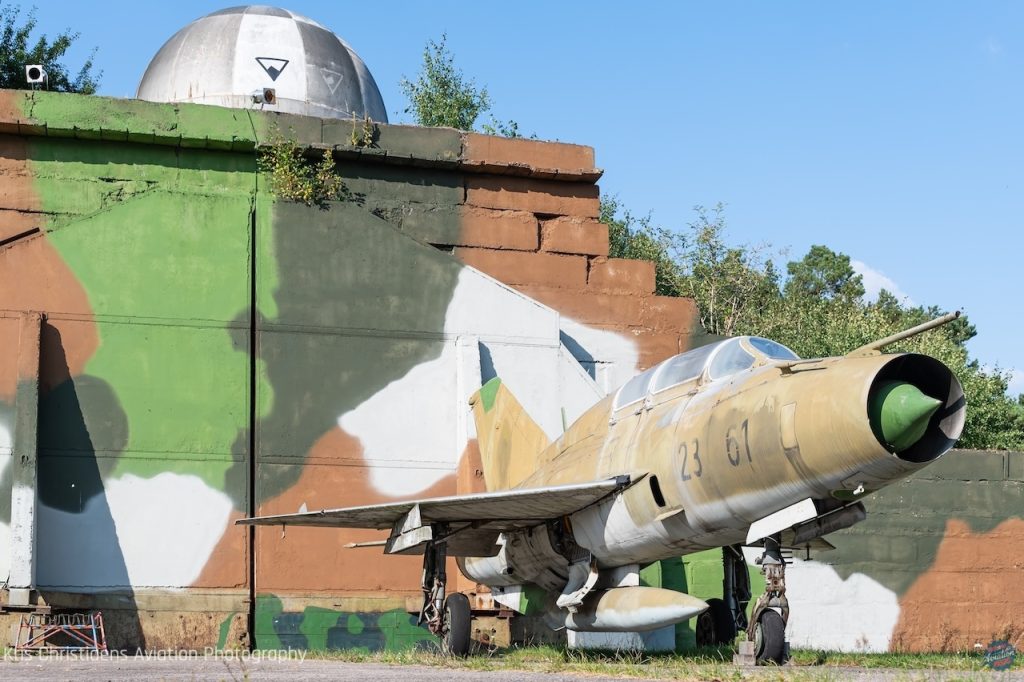
(Image credit: Kris Christiaens Aviation Photography)
MiG Paradise
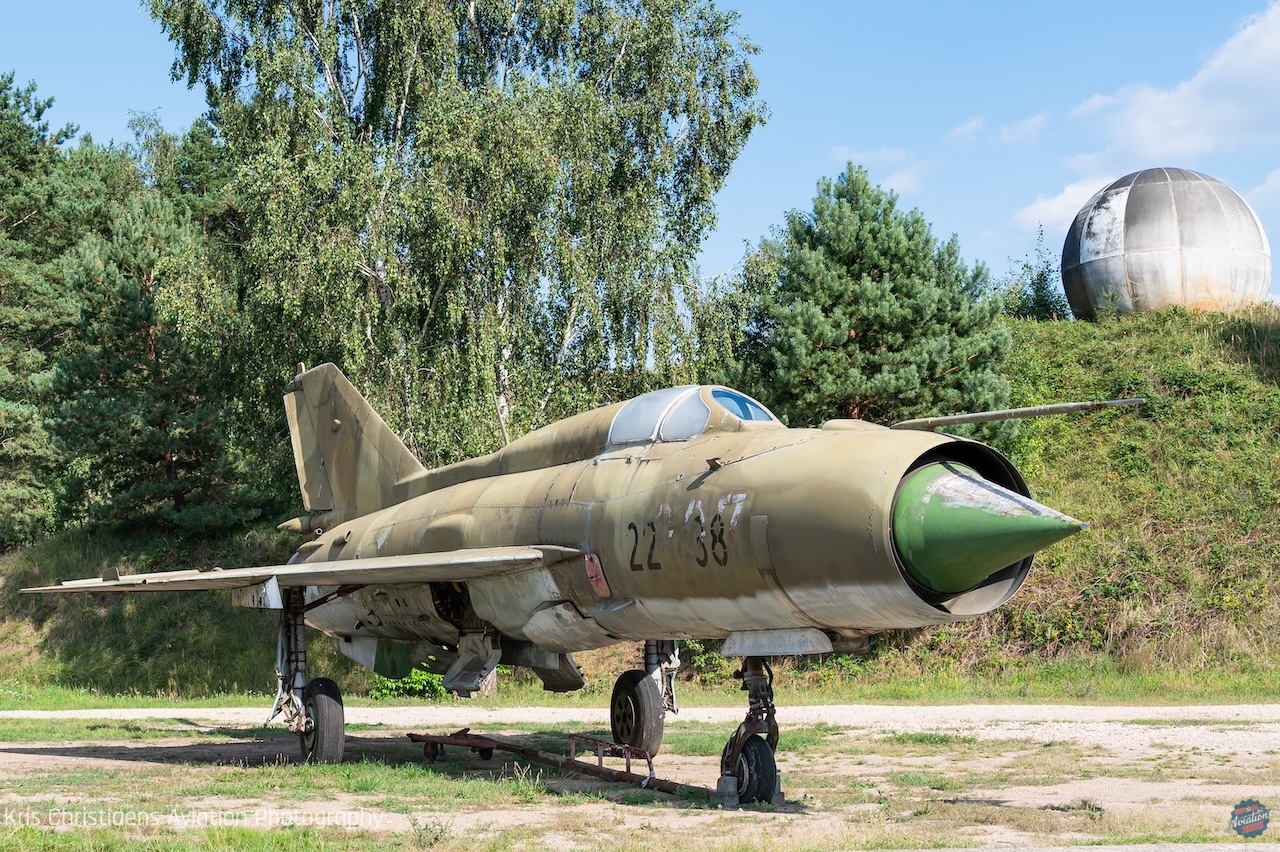
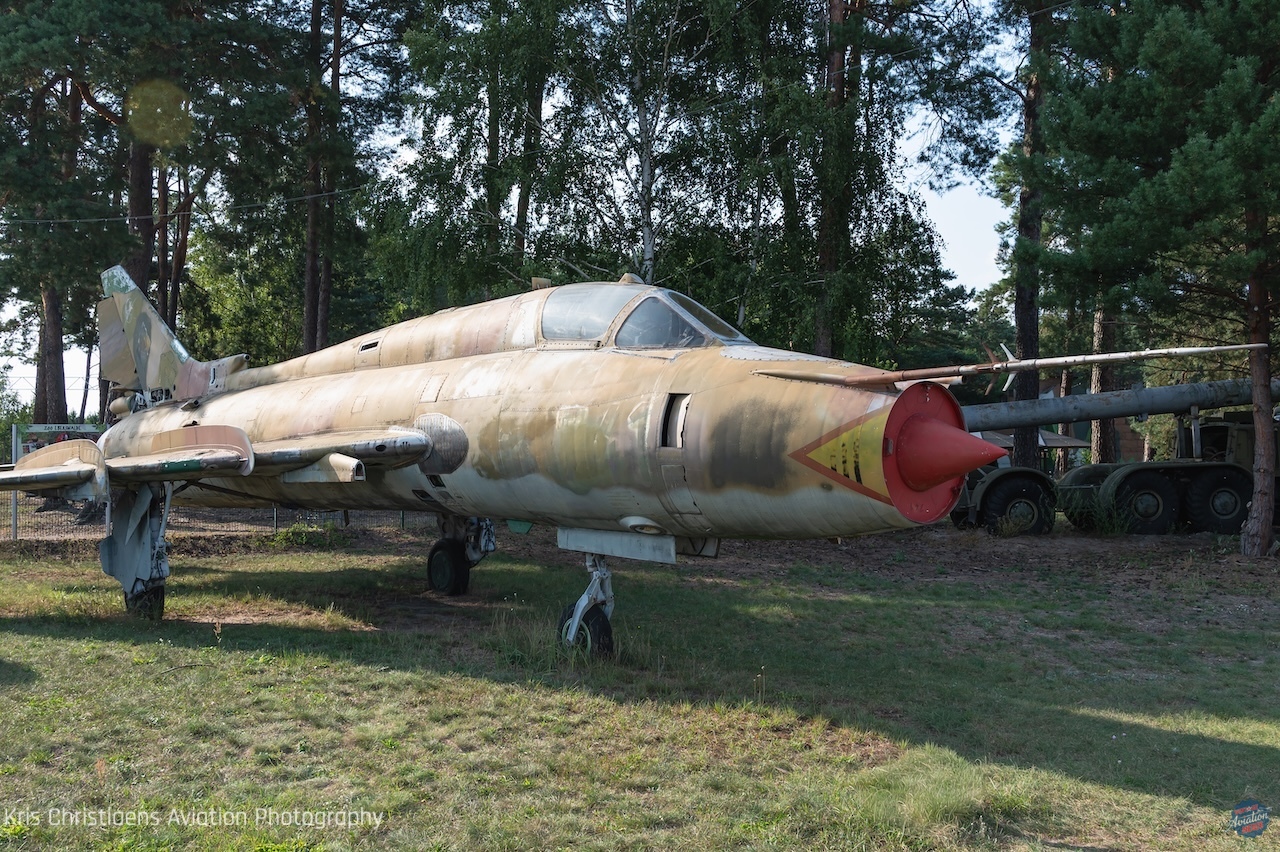
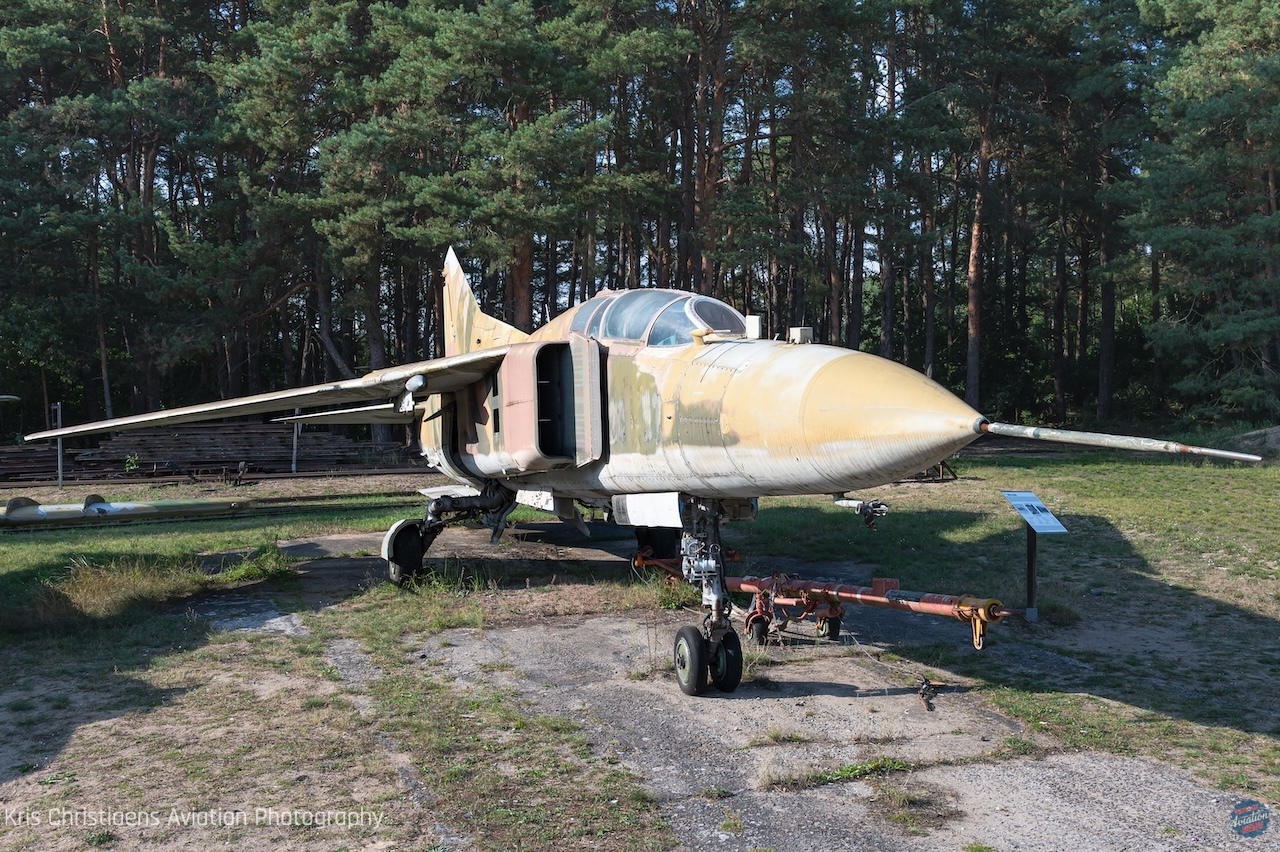
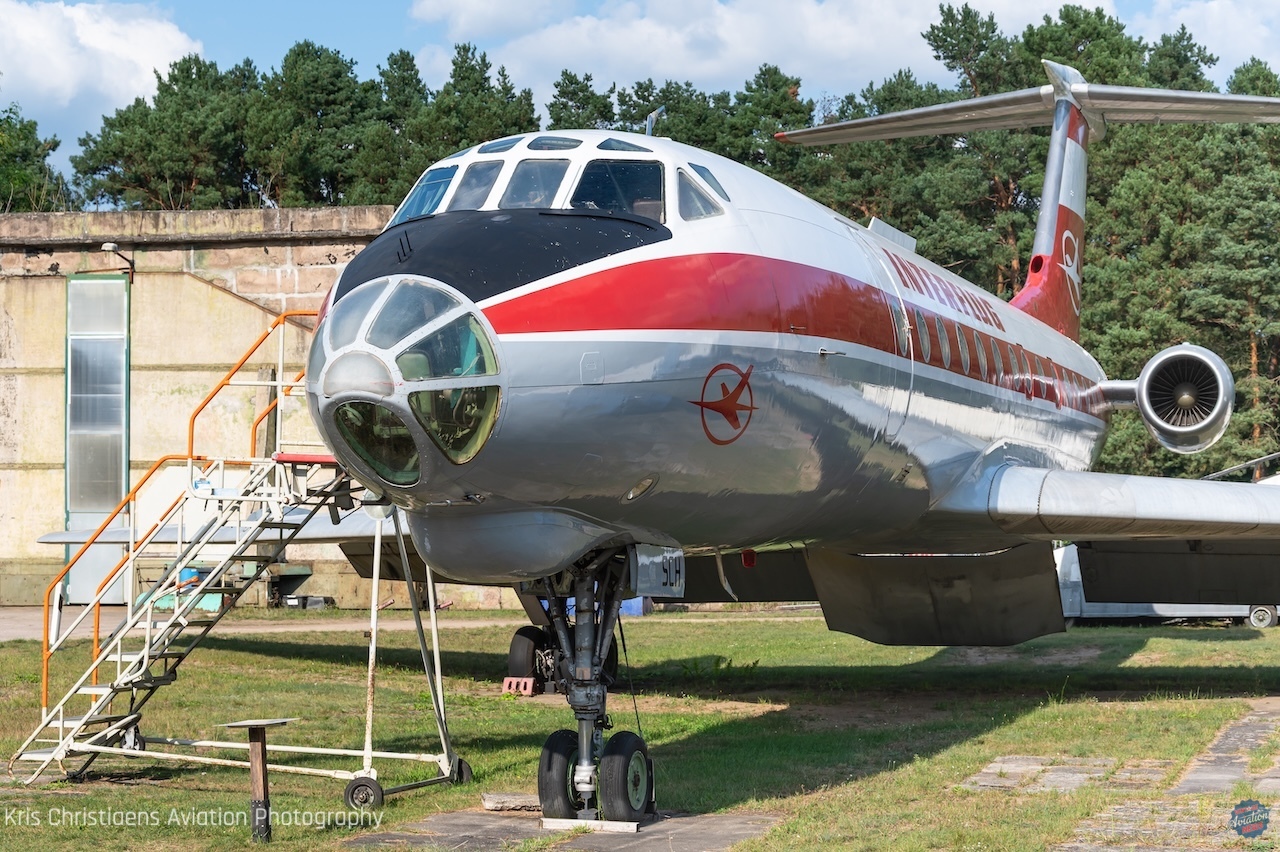
If you’re here for MiGs, you won’t be disappointed. The collection includes several variants, like the MiG-15, MiG-17, MiG-21, and multiple versions of the MiG-23, positioned in and around the concrete shelters that once housed operational squadrons. Walking past them, you can trace the evolution of Soviet fighter design, from the rounded nose and canopy of the MiG-15 to the sharp profile of the MiG-21 and the swing-wing configuration of the MiG-23. This museum isn’t limited to fighters. It also features larger aircraft, including Soviet-era passenger planes like the Tupolev Tu-134 in Interflug livery, along with transport types such as the Antonov An-2 biplane and the Ilyushin Il-14. What makes it interesting is that it’s not all about fighters. The presence of transport and passenger planes gives a more rounded picture, showing that flying in the Eastern Bloc wasn’t just about military missions; it was also about moving people and goods. Seeing them side by side really brings out that contrast. There are also training aircraft like the Aero L-29 and L-39, along with a few from PZL and Let. These are the kinds of planes pilots actually learned in, so they give you a feel for what early training might have been like, from the layout of the cockpit to the basics of flying itself.
Why Visiting this Museum?
A visit to Finowfurt feels refreshingly hands-on rather than “look but don’t touch.” Information boards, mostly in German, cover the technical side, and there are often volunteers around who are happy to chat, whether it’s about restoration work, where parts came from, or the backstory of a specific aircraft. If you like digging into the details, like serial numbers, design differences, and how systems compare across models, you’ll get a lot out of spending time here. The old concrete shelters and dispersal areas add more than just atmosphere. They give you the chance to look closely at things like radar domes, air intakes, or what’s tucked behind those distinctive panels in a way you rarely can in a polished indoor museum. Seeing rows of aircraft lined up together also makes it easy to compare them side by side, almost like a live reference guide. People who visit often mention this part as a highlight, and it’s easy to see why. If you’re more interested in authenticity than presentation, Finowfurt really delivers. It’s not a place to rush; it’s better to take your time, wander through the shelters, snap photos of small details, and follow the stories each aircraft has to tell. Whether you’re into model building, aviation history, or just curious about Soviet-era design, there’s plenty here to keep you engaged.
Practical Tips
The museum is usually open through the main season, from spring to autumn, with more limited access in winter, so it’s worth checking the website or local listings before you go. The grounds are fairly natural, with grassy, uneven paths, and some of the best viewpoints are alongside tracks that can get a bit muddy after rain. If you’re into photography, it helps to come prepared. A wide lens is useful for capturing full aircraft inside tight shelters, while a medium zoom works well for details like cockpits, markings, and panels. If you arrive early, the morning light can look especially good on the weathered paint. Most of the information boards are in German, so having a translation app can come in handy, especially if you’re interested in the technical details. That said, volunteers are often around and usually happy to help, and fellow visitors tend to be just as willing to share what they know. For more information and to support the Luftfahrtmuseum Finowfurt, click on this link: luftfahrtmuseum-finowfurt.de.