






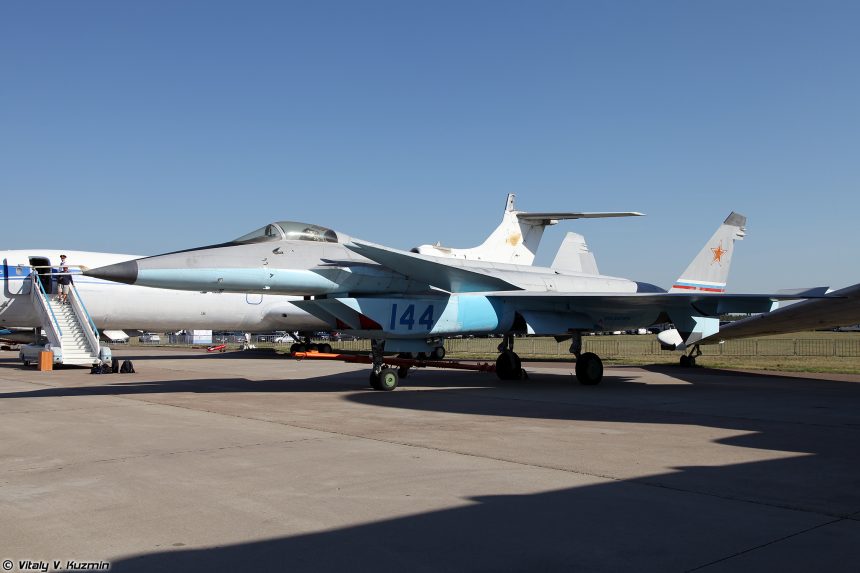


In the early 1980s, when the US Air Force initiated the Advanced Tactical Fighter (ATF) project, which later resulted in the development of the famous stealth jet, the F-22 Raptor, the Soviets also tasked its design bureaus with the development of a similar stealth jet to replace the Sukhoi Su-27. In 1983, the research project was launched, and the Mikoyan Design Bureau, commonly known as MiG, became the main contractor for the program. In 1987, the project was approved, and in 1989, a preliminary design for a multirole aircraft, called the Mikoyan MiG-1.44, was developed. At the time, Mikoyan said that the MiG-1.44’s combination of design and weaponry made it better than any other fighter, including the F-22. Construction of the Mikoyan MiG-1.44 was halfway complete when the collapse of the Soviet Union halted further funding. It indefinitely delayed the planned first flight of the nearly finished aircraft. However, full-scale models and parts were built for static tests, while factories prepared to build prototypes. In early 1994, the unfinished aircraft was moved to Zhukovsky Airfield for flight tests. Ground tests began later that year, leading to the first high-speed runs with Mikoyan’s Chief Test Pilot, Roman Taskayev, at the controls.
Design of Mikoyan MiG-1.44
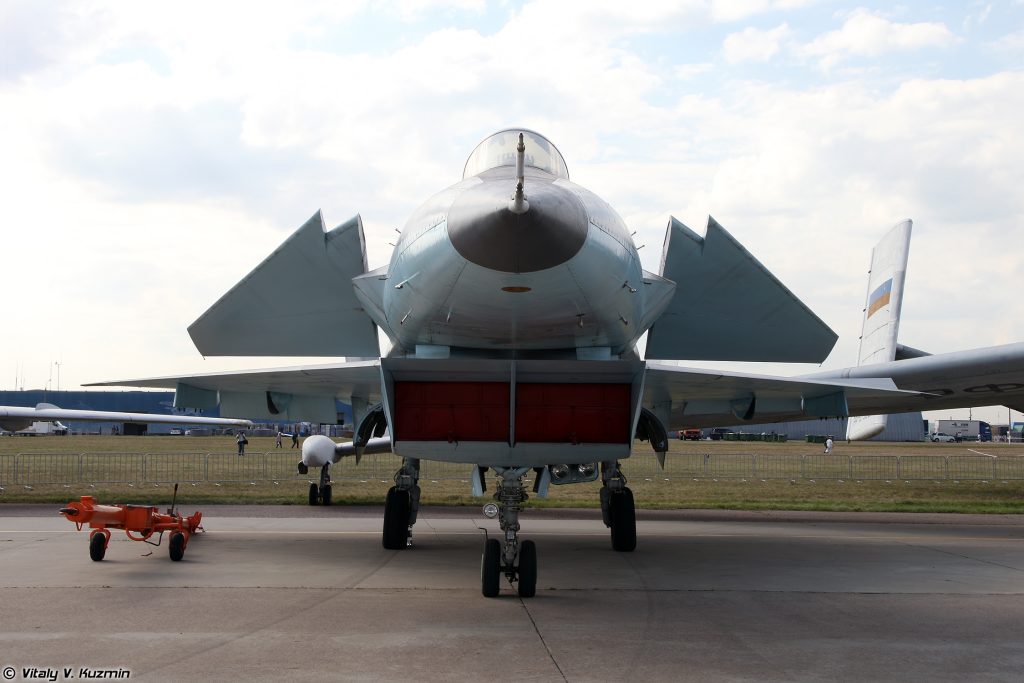
As the test program picked up speed, the project faced delays because the design bureau lacked the funds to buy the remaining missing parts for the prototype. This lack of funding was a major reason the program was indefinitely postponed for the next few years. In 1997, the Russian government canceled production due to the high unit cost. Mikoyan struggled financially, leading to management changes before 2000 and opening new funding sources. In late 1998, after years of secrecy, the Russian government announced the Mikoyan MiG-1.44 project. In 1999, the team made final preparations for the first flight. The aircraft was completed and underwent ground tests, including high-speed taxi runs during which it was lifted off the ground. On January 12, 1999, the Mikoyan MiG-1.44 was officially unveiled to high-ranking Russian military officials, government representatives, international journalists, and other guests. The single-seat aircraft was 71.2 feet long, 14.9 feet high, with a wingspan of 55.9 feet. Its empty weight was 39,683 pounds, the gross weight was 63,052 pounds, and the maximum takeoff weight was 81,571 pounds. The fifth-generation Mikoyan MiG-1.44 was equipped with a delta wing and two tails, and it had technologies to enhance its stealth. The Mikoyan MiG-1.44 was powered by two Lyulka AL-41F afterburning turbofan engines, each producing 40,000 pounds of thrust with afterburner. A fuel capacity of 29,000 pounds provided the aircraft with a range of 2,500 miles.
The Cancellation
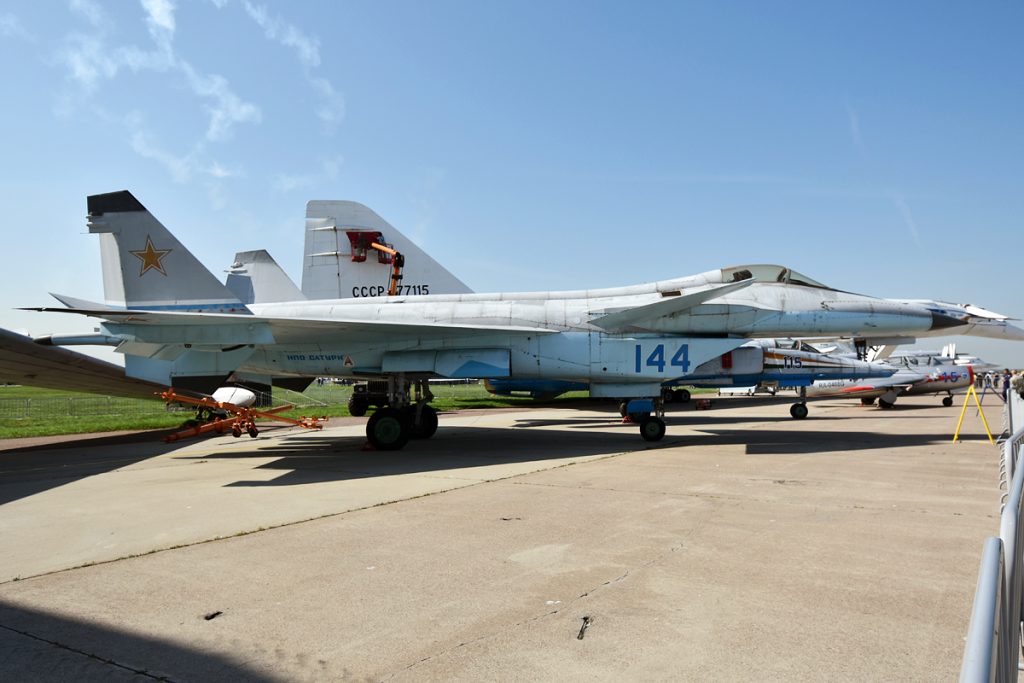
The aircraft was envisioned to reach Mach 2.5, with a service ceiling of 56,000 feet. The aircraft was armed with a 30 mm Gryazev-Shipunov GSh-30-1 autocannon with 250 rounds and various options for missiles. On February 29, 2000, the Mikoyan MiG-1.44 had its first flight, piloted by Vladimir Gorbunov. The flight lasted 18 minutes, during which the aircraft reached a height of 3,300 feet and a speed of 370 mph, and Gorbunov praised its handling characteristics. After a second flight on April 27 that lasted 22 minutes, engineers likely found issues, as no further flights were reported. The program was later canceled, and the only prototype is now at the Gromov Flight Research Institute. It was restored and displayed at the MAKS Airshow 2015. After the Mikoyan MiG-1.44 program was canceled, Russia started the PAK FA program to create a new advanced fifth-generation fighter jet to replace it. In 2001, India and Russia agreed to work together on this program as a joint venture. Both Mikoyan and Sukhoi presented their designs to the Defense Ministry for the PAK FA. Mikoyan updated its design based on the MiG-1.44 proposal; however, the Russian Defense Ministry chose the Sukhoi Design Bureau to lead development of the PAK FA fighter, which later became the Su-57. In the Grounded Dreams series, the Mikoyan MiG-1.44 could have been Russia’s answer to the F-22 Raptor, but several economic constraints canceled the program. Read more Grounded Dreams stories HERE.
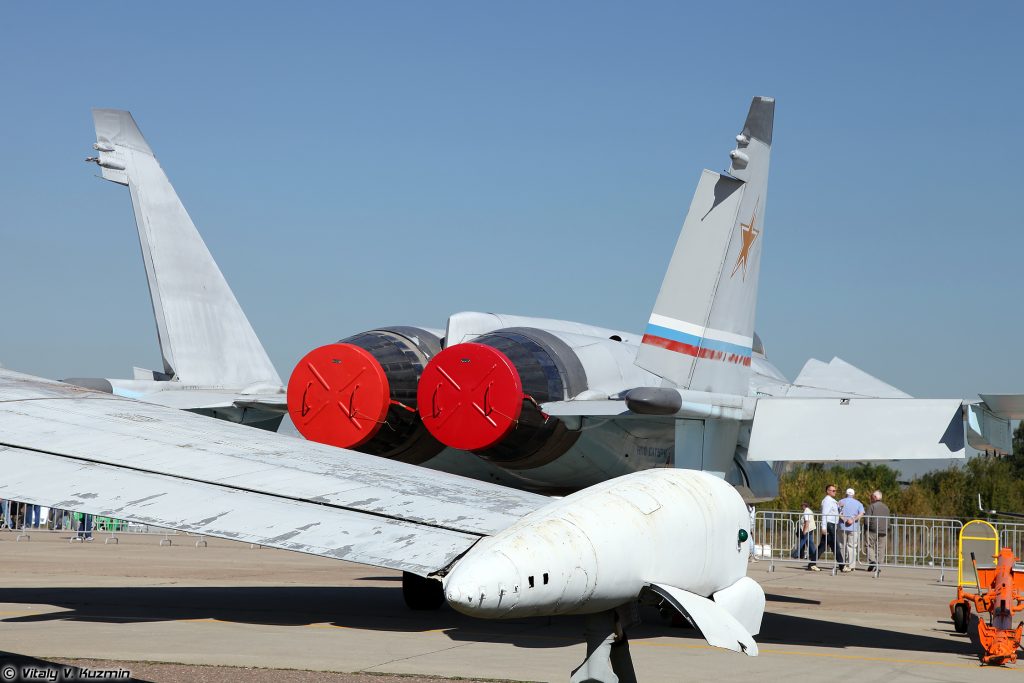












Both this aircraft, and the SU-57 ARE NOT STEALTH FIGHTERS, and neither is China’s own J-20, instead, the MIG-1.44 wound up being nothing more than a Fifth Generation Technology Test Bed, and the SUKHOI SU-57 is a Gen 4.75 fighter, with limited stealthy features applied.