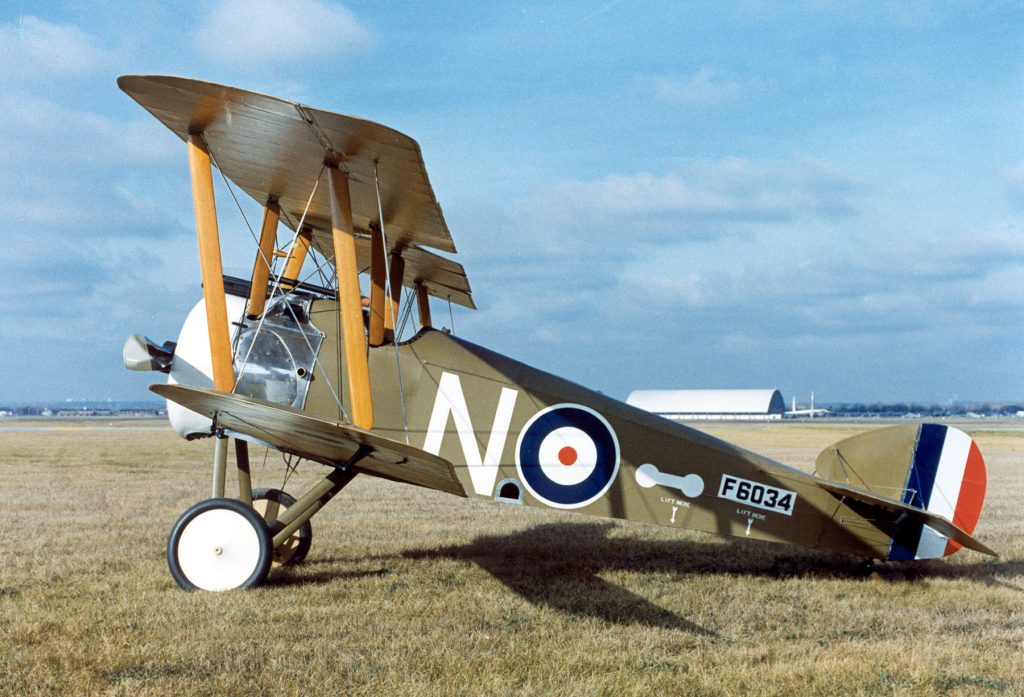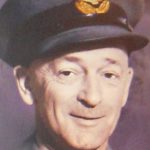
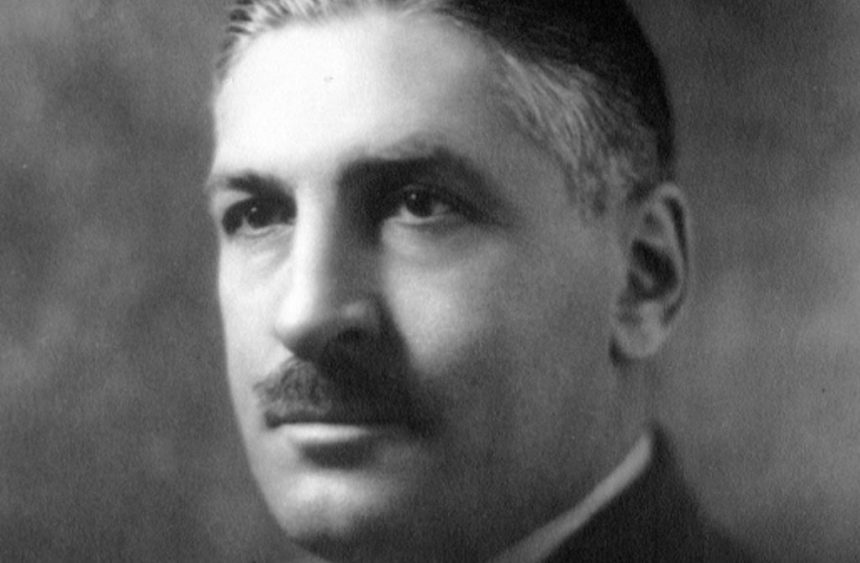

Many Canadian aces participated in WWI. But a few of them also served as senior commanders in WWII, and one of them was Clifford McEwen. Born on July 2, 1896, in Griswold, Manitoba, McEwen joined the Canadian Expeditionary Force in 1916. He was transferred to the Royal Flying Corps in 1917. Clifford McEwen started his training in the summer of 1917 and completed 3 hours and 45 minutes of training with an instructor before flying solo for the first time. After accumulating 3 hours of solo flight time in a Maurice Farman Shorthorn, he moved on to more advanced training with different early war planes, like the B.E.2 and Avro 504. After flying nearly 29 hours in total, Clifford joined 80 Squadron and began flying the Sopwith Camel. At the end of October 1917, he was sent to No. 28 Squadron, located in France. However, soon after, the squadron was sent to the Italian front. Although Clifford McEwen stayed with this squadron for the rest of the war, he did not go on his first offensive patrol until November 29.
Ace Journey of Clifford McEwen
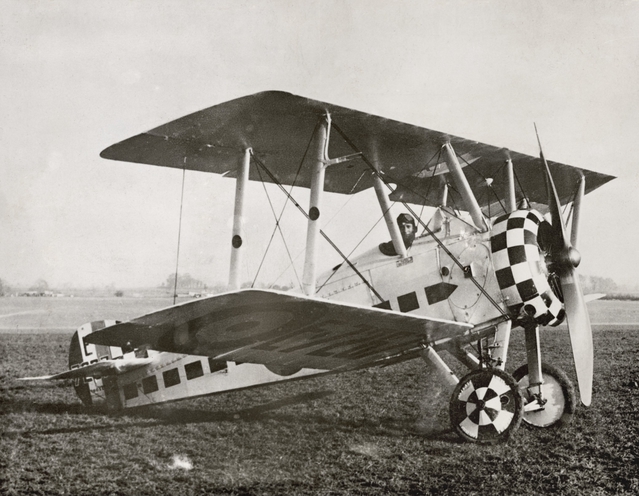
Clifford McEwen’s first victory came on December 30, 1917, which was his sole victory in that year. He scored two more victories on February 2, followed by a victory on February 18. He further shot down two German Albatros D.Vs on February 27 to officially become an ace. After some time off, by the end of April 1918, Clifford returned to Italy and stayed there until the Armistice on November 11. He scored six victories in May, eight in June, four in July, and one each in August, September, and October, to end the WWI at a personal score of 27. Among his victories, 16 were Albatros aircraft, six were C-type aircraft, four were Berg D.I, and one was Hansa-Brandenburg C. Clifford McEwen was also awarded the Military Cross, the Distinguished Flying Cross, and the Distinguished Flying Cross Bar for his skills during WWI. The Distinguished Flying Cross Bar citation read, “A brilliant and courageous pilot who has personally destroyed twenty enemy machines. Exhibiting entire disregard of personal danger, he never hesitates to engage the enemy, however superior in numbers, and never fails to inflict serious casualties. His fine fighting spirit and skillful leadership inspired all who served with him.”
Interwar Period
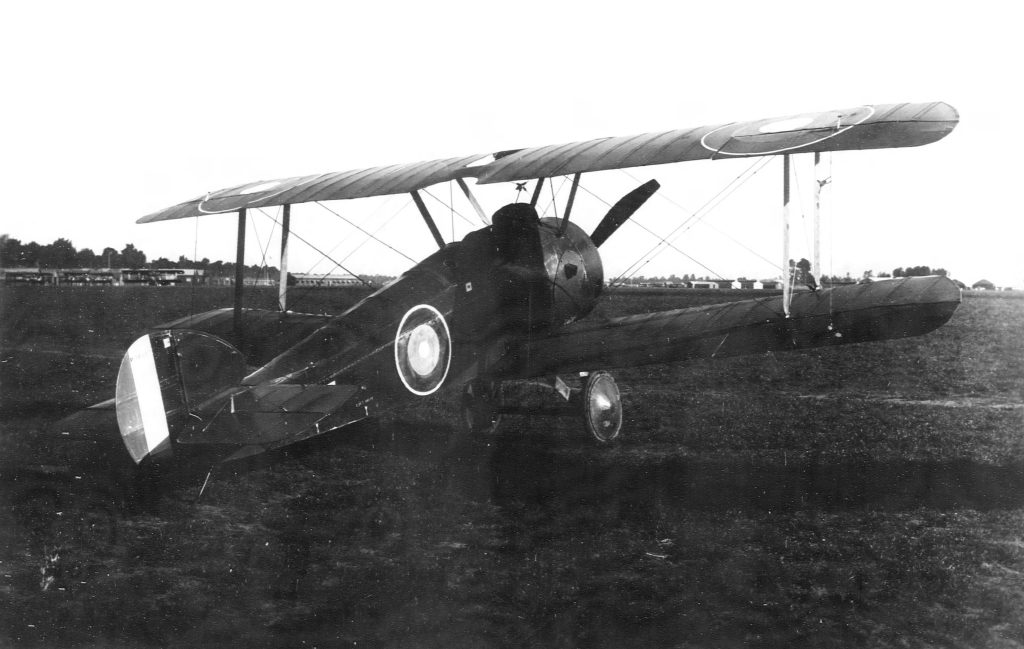
After the Armistice, Clifford McEwen stayed in Italy and led the British Mission in Rome’s air unit. As the Royal Air Force prepared to leave, he sold its supplies to the Italian government, helped send diplomatic documents, and worked with the secret service. He then returned to England as part of the new Canadian Air Force. In both roles, he had the chance to fly several German and Austrian aircraft, often the same types he had confronted during the war. In September 1919, McEwen returned to Canada and shortly studied Arts at the university before becoming a pilot for the Air Board of Canada. For the next few years, Clifford McEwen flew for the Canadian government on civil operations. His work included taking photos and making sketches for experimental forest surveys and ensuring fire protection. He also tested new aircraft and equipment for both civilian and military use. His job often required him to travel from the East Coast to as far west as Manitoba. In the summer of 1920, McEwen traveled west to the Pacific to explore a flying route across Canada. Clifford McEwen followed a path through the Rockies, mainly along the railway. He chose locations every 100 miles or so where trees could be cleared for emergency landings.
Clifford McEwen in WWII
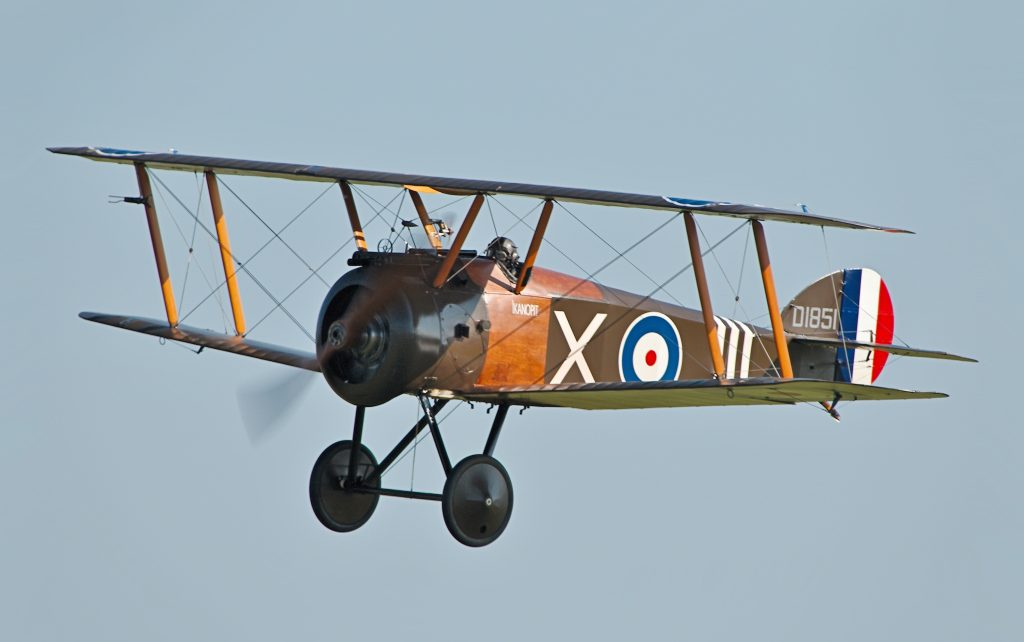
Although Clifford McEwen wanted to make the flight himself, he returned to Ontario instead. There, he flew an HS2L plane on forestry and photography patrols near Muskoka, mainly between North Bay and Haileybury. The following spring, McEwen was sent further north to the Air Board’s mobile unit in Northern Ontario, based in Sioux Lookout. Again, flying HS2Ls, McEwen and other Air Board pilots photographed and sketched the Kenora District area. From 1932 to 1941, he led air training operations at Camp Borden, Ontario, and then at Trenton, Toronto, Montreal, and Halifax, Nova Scotia. During World War II, he commanded two bomber bases. In 1944, he took charge of the 6th Bomber Group in England. Under his leadership, the Royal Canadian Air Force’s performance improved greatly, making it the most successful Allied bombing force in many ways. By late 1944, the RCAF had the highest survival rate and the best accuracy of any bombing force. Clifford McEwen achieved the rank of Air Vice-Marshal and retired in 1946, but he continued to work as a consultant for various aircraft manufacturers. In the Aces series, Clifford McEwen stands among the elite aces who served in both world wars and achieved many great things. Read stories about more aces HERE.