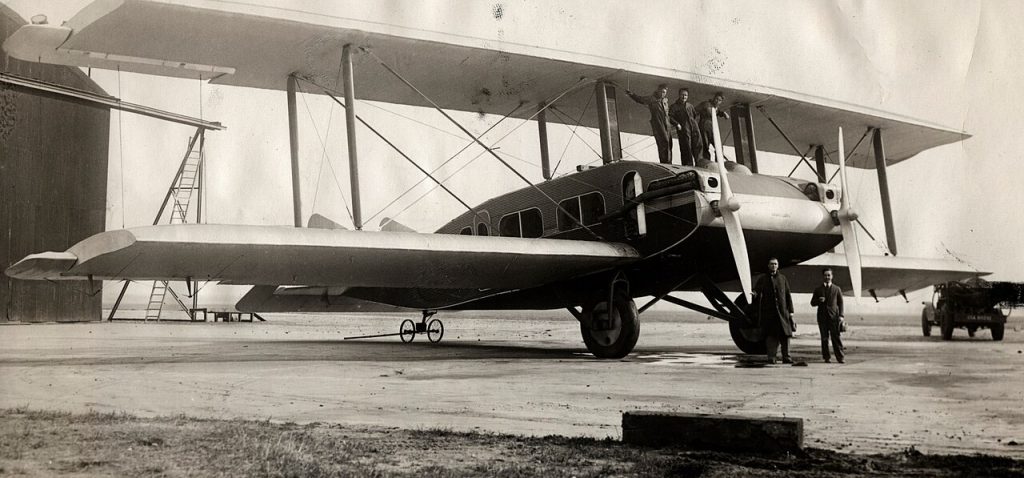
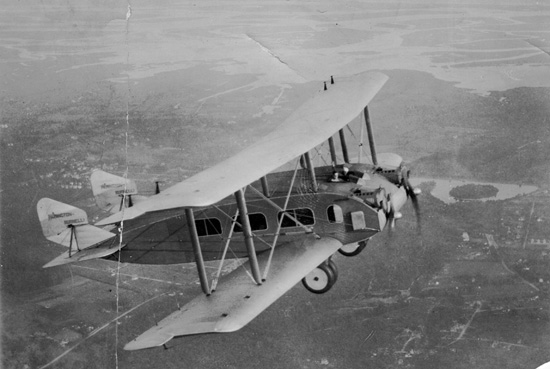


On this day in aviation history, 105 years ago (June 21, 1921), the first flight of the Burnelli RB-1 took place. A highly unique design, the RB-1 was a prototype airliner whose fuselage acted as a lifting body. The RB-1 is frequently referred to as the Remington-Burnelli Airliner. It was a twin-engined biplane design, utilizing two 400-hp Liberty XII V-12 liquid-cooled powerplants for thrust. Vincent Burnelli designed the RB-1, incorporating his self-developed lifting-body design, a concept that arose after WWI. It was found that a fuselage that acted as a lift-body could generate up to 50% more lift than traditionally designed aircraft. This improved performance also meant reduced wing area and, as a result, lower fuel consumption. Around 27% of the RB-1’s lift was due to the fuselage. The fuselage itself was built using plywood framing, which was covered with corrugated duralumin.
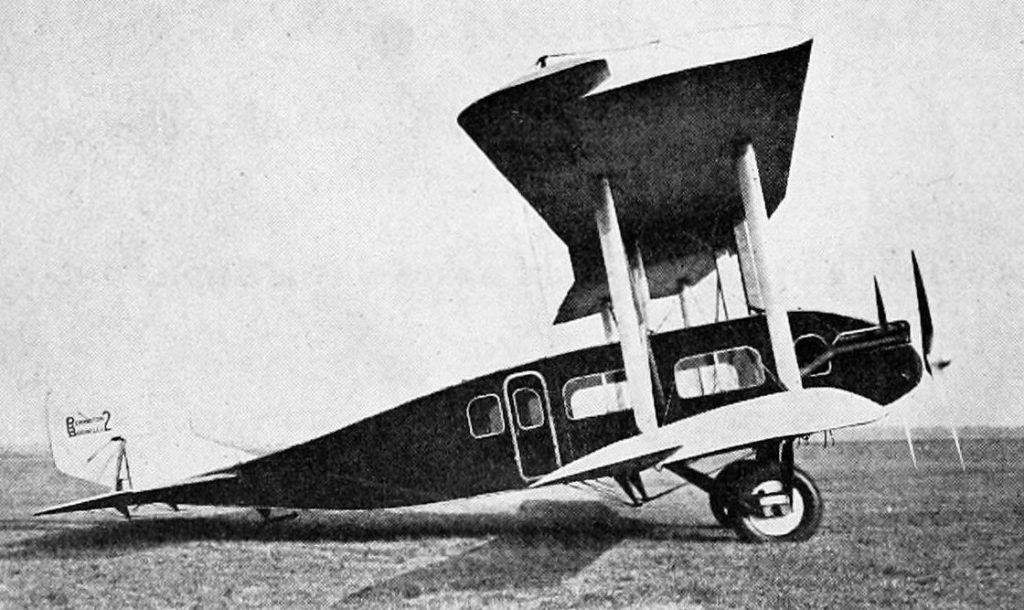
Pilots of the RB-1 sat in open cockpits, with mechanics seated next to them during the flight testing process. The RB-1’s first flight on 6/21/21 took place at Curtiss Field, on Long Island. Bert Acosta and William P. Sullivan were the pilots for the premier journey aloft. Performance of the lifting-body airliner was found to be acceptable, but unfortunately, the RB-1 was destroyed by a storm while parked. Another RB-1 was not built. The Burnelli RB-1 had capacity for 30 passengers, had a wingspan of 74 ft, and was just over 41 ft long. In cruise, the RB-1 would move along at 96 mph, but the aircraft could attain a maximum airspeed of 110 mph. The RB-1 had an endurance of 8 hours, and a service ceiling of 14,000 ft. The rate of climb for this prototype lifting-body airliner was 900 feet per minute.