






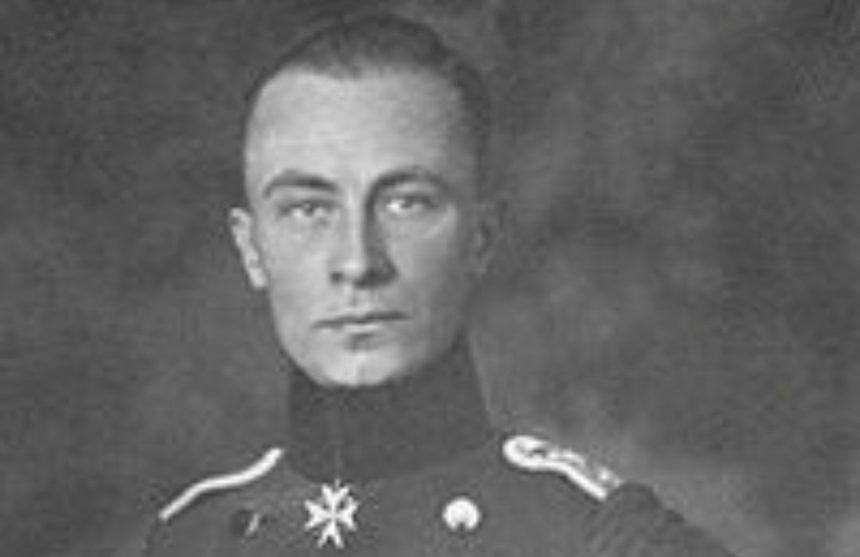

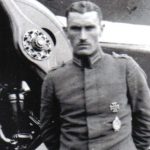
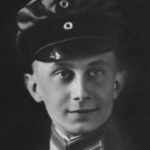
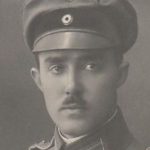
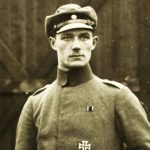
Many German aces in WWI became leaders in WWII. Oskar Freiherr Von Boenigk, born on August 25, 1893, was one among them. He was the son of an army officer and joined the König Friedrich III Grenadier Regiment on March 22, 1912. In October 1914, during the Battle of Longwy, he was seriously injured in the chest. After recovering, he returned to his unit in spring 1915 and received the Iron Cross (Second Class). Later that year, he transferred to the air service and started observer school in December 1915. In March 1916, Oskar Freiherr Von Boenigk was assigned to Kampfstaffel 19, and after four months, he moved to Kampfstaffel 32. Then Boenigk requested to join fighter pilot training in January 1917, and after graduating, he was assigned to Jasta 4 on June 24, 1917.
Ace Journey of Oskar Freiherr Von Boenigk
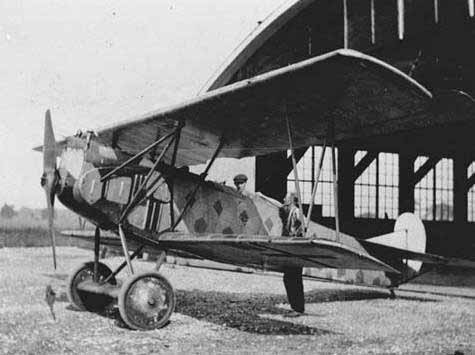
His first victory came on July 20, 1917, when Oskar Freiherr Von Boenigk shot down a Sopwith aircraft, followed by another one in July. He scored another victory in August. On September 3, he shot down a Sopwith Camel and officially became an ace on September 9, after which he was awarded the Iron Cross, first class. On October 21, 1917, he was transferred to Jasta 21. In this unit, his first victory came in November, which was also his last of 1917. Until August 1918, he scored 15 more aerial victories, bringing his personal score to 21. On August 31, 1918, he was promoted to senior lieutenant and took command of Jagdgeschwader II. Based at the St. Mihiel Front in September, Oskar Freiherr Von Boenigk scored five more victories, bringing his total to 26. In October, he was awarded several awards, including the Albert Order (Second Class), the Saxe-Ernestine House Order (Second Class), the Order of St. John, and the Blue Max.
WWII and Death
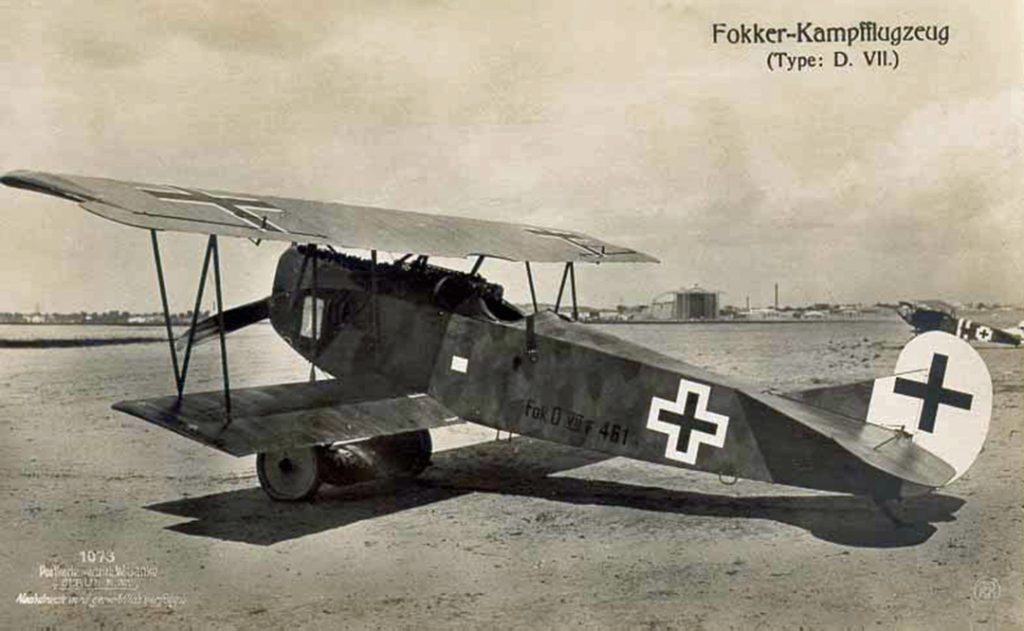
After the war, Oskar Freiherr Von Boenigk took command of the 418th Volunteer Flying Battalion on December 28, 1918. He operated in Border Protection East until September 17, 1919. He had a brief assignment to lead the 202nd Fighter Wing, but this lasted only twelve days. After that, he returned to his original unit, the 11th Grenadiers, and was retired on March 31, 1920. Just before his discharge, Oskar Freiherr Von Boenigk was promoted to Hauptmann (captain). From July 1, 1924, to November 30, 1933, he worked in the German Front-Line Soldiers Union. After that, he had a brief job as director of the Voluntary Working Service, which ended on June 30, 1934. On July 1, 1934, he returned to aviation duty as a Major in the Luftwaffe. His first job was Commander of the German Transport Flying School in Cottbus. It was the first of several jobs at flying schools that continued until December 29, 1939. Oskar Freiherr Von Boenigk served with honor in the postwar revolution and rose to the rank of Major General in the Luftwaffe during WWII. He retired from the Luftwaffe on May 31, 1943. In May 1945, he was captured by Russian forces and was imprisoned until he died in captivity on January 30, 1946. In the Aces series, Oskar Freiherr Von Boenigk was a good pilot with exceptional leadership skills. Read stories about more Aces HERE.
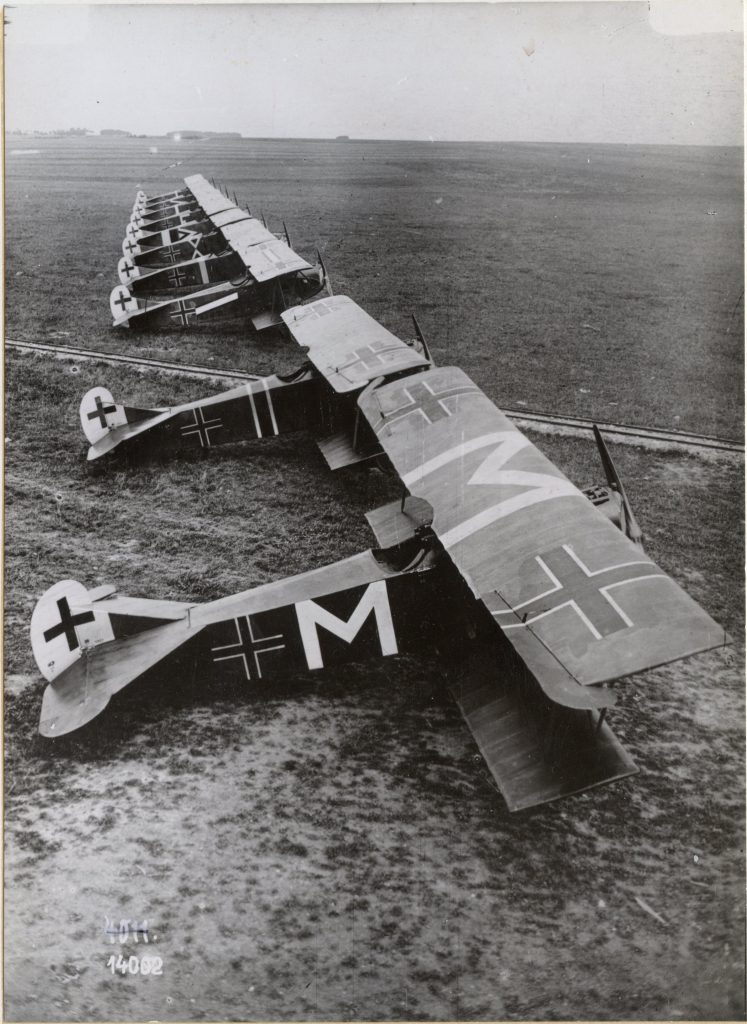
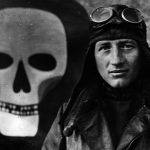
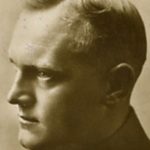






That photo is Eduard Ritter von Schleich though
Kapil Kajal.
Thank you so much for your contribution to history