






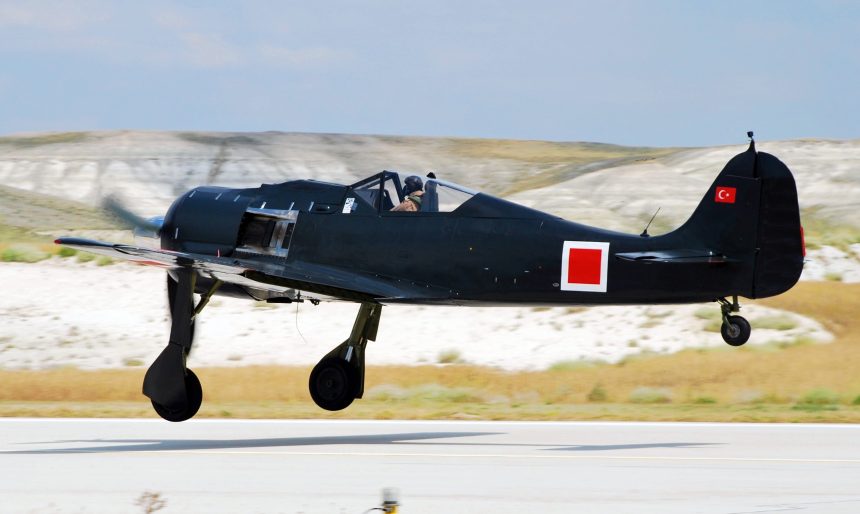

On July 3, 2026, the MSÖ Air & Space Museum in Sivrihisar, Turkey, reached a major milestone when its Flug Werk Fw 190A-8/N flew for the first time in more than ten years. With Klaus Plasa at the controls, the aircraft completed a successful 15-minute flight that included basic maneuvers such as takeoff, climb, left turns, descent, and landing, marking the culmination of months of restoration work. Carrying construction number 1134, the aircraft was purchased in January 2025 by museum founder and veteran aviator Ali İsmet Öztürk from California-based warbird owner Dan Kirkland. Following a nearly two-month journey from the United States, the Fw 190 arrived at the museum’s restoration hangar at the Sivrihisar Aviation Center, where work immediately began to prepare it for flight.
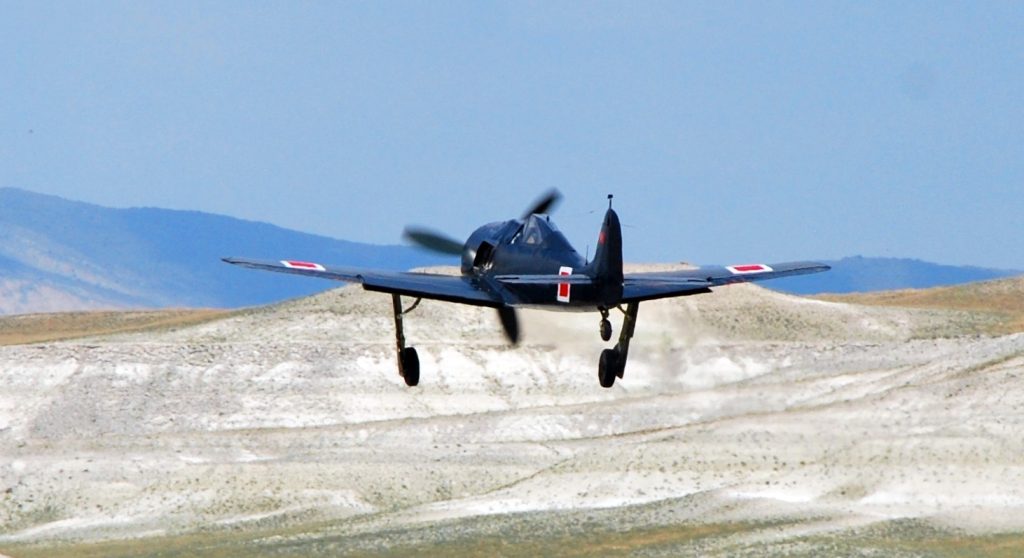
(Image credit: MSÖ Air & Space Museum)
The story of this particular Fw 190A-8/N traces back to the remains of a wartime Focke-Wulf Fw 190A-5 that crashed in France during the Second World War. Dan Kirkland acquired the wreckage and began the lengthy process of returning the legendary fighter to the air. Working with Flug Werk, the German company that produced a limited number of reproduction Fw 190s, and restoration specialists GossHawk Unlimited of Casa Grande, Arizona, the aircraft was rebuilt using a combination of original wartime components and newly manufactured parts.

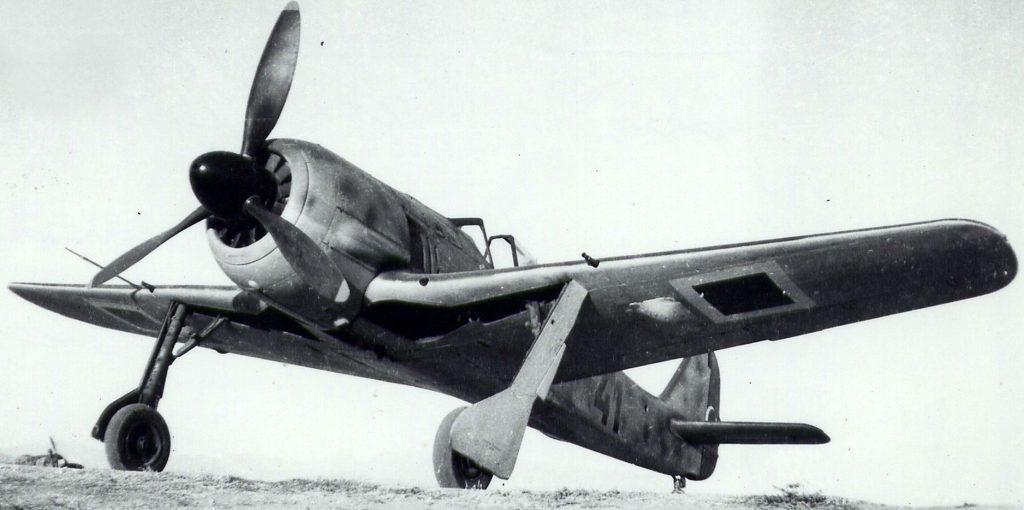
The aircraft’s arrival at the MSÖ Air & Space Museum was especially significant given Turkey’s unique connection to the Focke-Wulf fighter. While several European air forces operated small numbers of surplus Fw 190s after the Second World War, Turkey was the only nation to operate factory-built German aircraft delivered under wartime contracts in full squadron service after the conflict. Between July 1942 and March 1943, Turkey acquired 72 Focke-Wulf Fw 190A-3a fighters from Germany in exchange for chromium and high-grade iron. Although largely identical to Luftwaffe aircraft, the Turkish machines incorporated several modifications before entering service with the 5th Fighter Regiment at Eskişehir Air Base. Turkish pilots praised the fighter’s performance, and the aircraft remained in frontline service until 1949. As the postwar Turkish Air Force transitioned to British and American aircraft, the Fw 190 fleet was retired. A long-standing aviation legend suggests that some of these aircraft were buried at Kayseri Air Base rather than scrapped, although no evidence has ever confirmed the story.
The museum’s restoration effort reached several important milestones throughout the spring and early summer. After approximately eight months of work, the wings and fuselage were reunited, followed by the installation of the propeller and a series of successful engine runs throughout June. Those achievements paved the way for the aircraft’s long-awaited return to the air.
With its successful first flight, the Focke-Wulf Fw 190A-8/N joins the museum’s impressive collection of flying historic aircraft, which also includes a North American P-51D Mustang, a Supermarine Spitfire Mk.IX, and the Douglas DC-3 Turkish Delight. The achievement represents another remarkable accomplishment for Ali İsmet Öztürk and the dedicated restoration team at the MSÖ Air & Space Museum, further strengthening the museum’s position as one of the world’s premier centers for preserving and flying historic aircraft. For more information about the MSÖ Air & Space Museum, visit www.msomuseum.com.
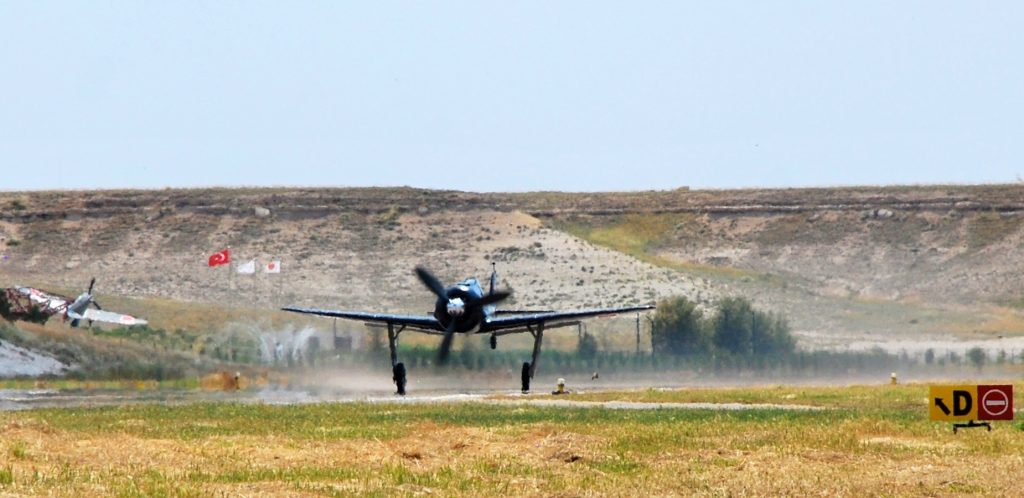
(Image credit: MSÖ Air & Space Museum)











Amazing article. Thank you very much
Outstanding. I never knew Turkiye airforce had the FW190.
Well done Mr. ALI ISMET OZTURK, and the team that rebuilt this legendary aircraft.