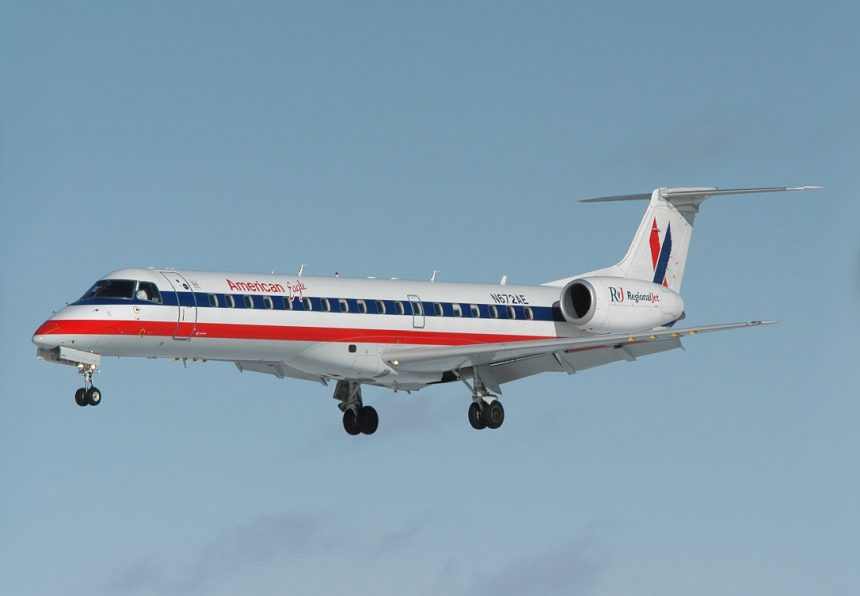


(Image credit: VAN)
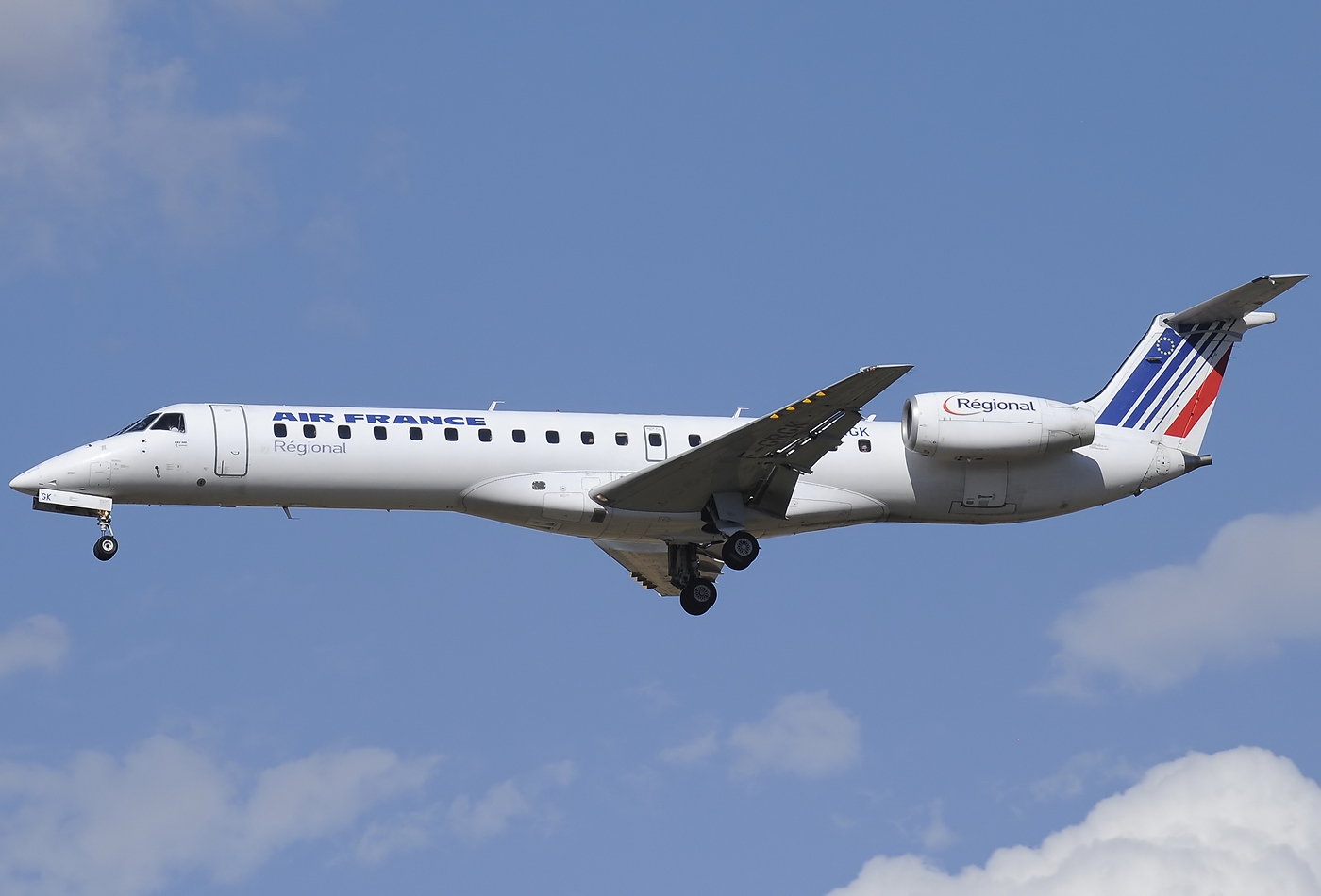
On this day in aviation history, 30 years ago (August 11, 1995), the Embraer ERJ-145 took to the skies for the first time—marking the start of a new era in regional air travel. The ERJ-145, short for Embraer Regional Jet 145, was designed to connect smaller feeder airports with major airline hubs. Classified as a regional jet—traditionally defined as seating fewer than 100 passengers—the ERJ family ranges from 37 seats in the ERJ-135 to 50 seats in the ERJ-145. Built in Brazil, the ERJ series joined Embraer’s successful lineup, which also includes the EMB-120 Brasilia turboprop.
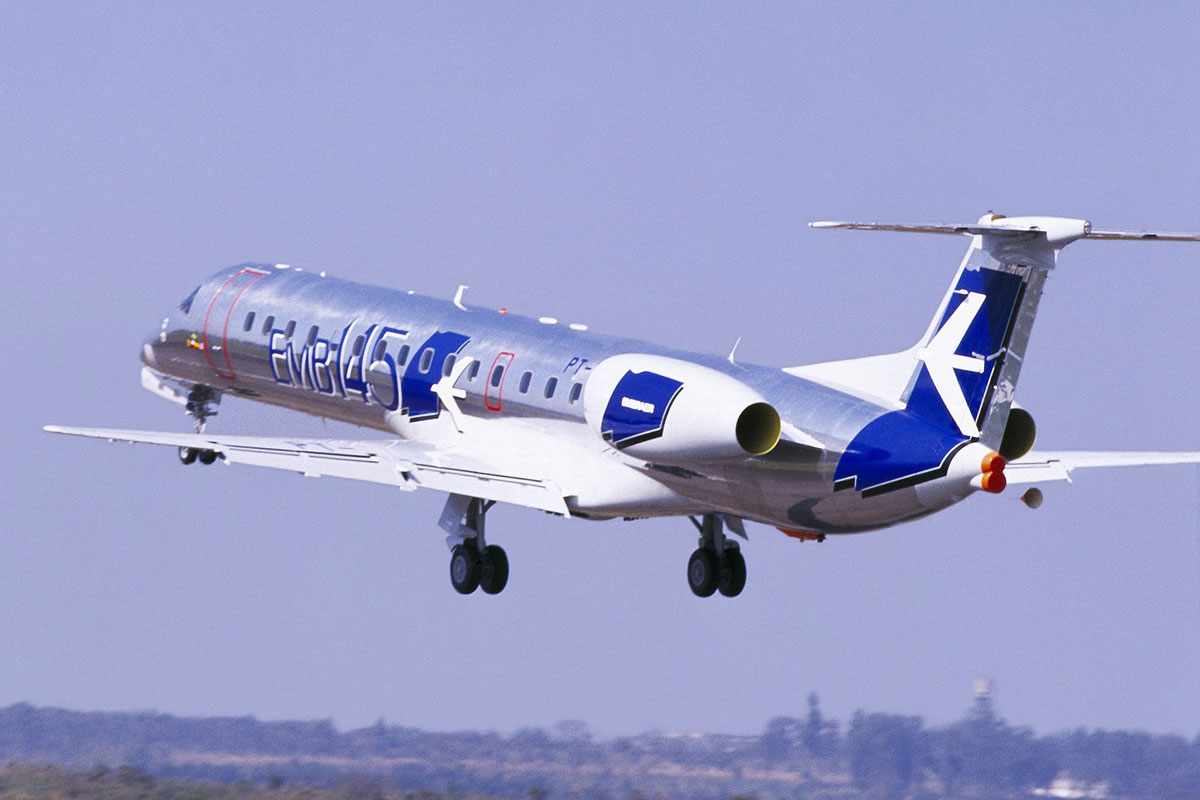
The ERJ-145 officially entered passenger service on April 6, 1997. Since its introduction, a total of 1,240 ERJ-series aircraft have been produced. Today, the type serves numerous U.S. regional carriers, including Piedmont, CommuteAir, JSX, Airlink, and Contour Airlines. The family includes three main variants—the ERJ-135LR, ERJ-140LR, and ERJ-145XR—along with the military C-99A transport, flown by the Brazilian Air Force.
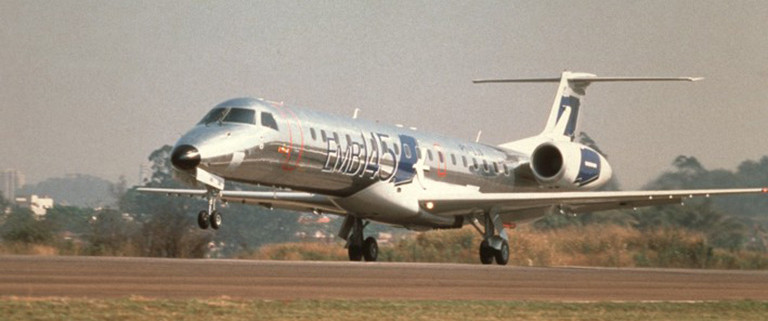
The ERJ-145XR is powered by two tail-mounted Rolls-Royce AE 3007-A1E turbofan engines, each producing 8,917 pounds of thrust at takeoff. It can carry up to 50 passengers, cruise at Mach 0.8 (531 mph), and fly up to 2,000 nautical miles. Its service ceiling is 37,000 feet, with a maximum payload of 13,027 pounds and a maximum fuel capacity of 13,168 pounds. While the ERJ-145 may not be the largest or most luxurious aircraft in the skies, it has earned a strong reputation as a dependable workhorse for short-haul travel. For countless passengers, it has served as a vital link between smaller communities and major destinations—quietly fulfilling its mission as one of the most reliable regional jets of its era.