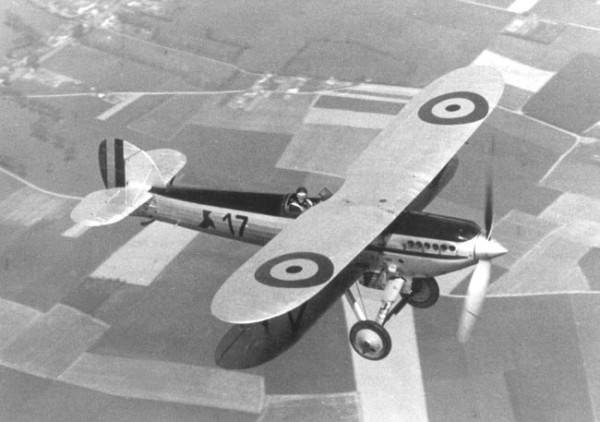

(Image credit: VAN)
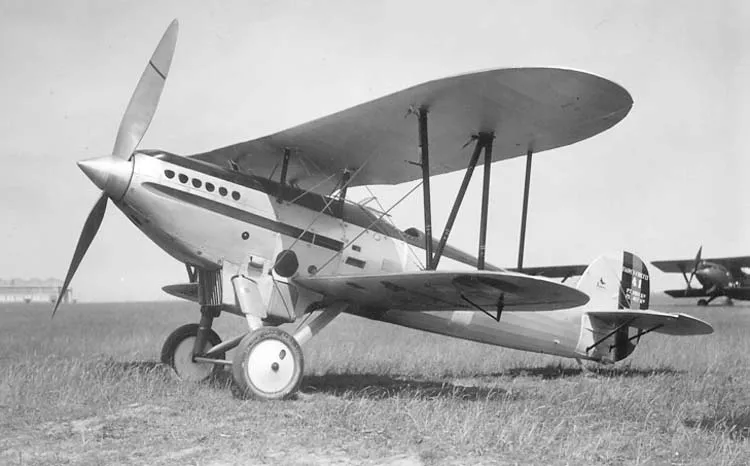
On this day in aviation history, 97 years ago (February 5, 1929), the Fairey Firefly II took flight for the first time. Fairey had a history of using the name Firefly — the Firefly I fighter being developed in the early 1920s and the carrier-based recon-fighter Firefly of World War II. As a British aviation company, Fairey was a creature of habit, and their naming was no different. The Firefly II was a single-seat, single-engine biplane fighter. The aircraft was of all-metal construction, and it primarily served with the Belgian Air Force through the 1930s and into World War II. Fairey developed the Firefly II as a furtherance of the Firefly I, which had been rejected due to the American Curtiss engine and wooden construction. British Specification F.20/27 called for a single-seat interceptor, spurring Fairey to up the ante with their original fighter biplane design. The Firefly II was in competition for an RAF contract with the Hawker Fury. Fairey’s fighter proved to have greater speed but heavier controls. The original prototype was made of mostly wood, another “knock” against the Firefly II. Fairey went back to the drawing board and rebuilt the original wooden prototype with metal, renaming the aircraft as the Firefly IIM (“M” denoting “Metal”).
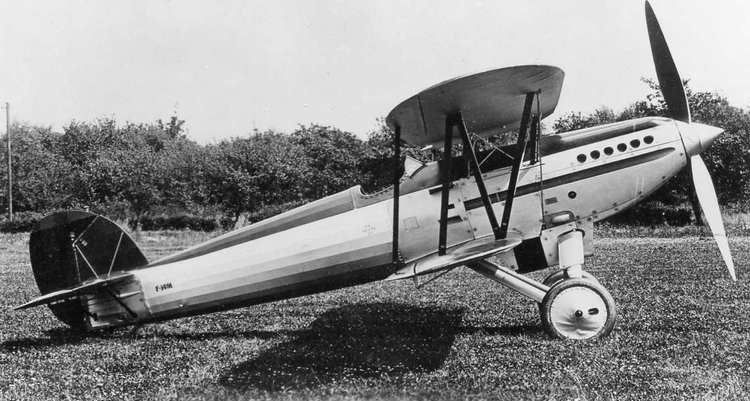
Further variants of the Firefly were built by Fairey, including the carrier-based longer-winged Firefly III and land-based IIIM. The RAF did not order any production aircraft, but some IIIM variants were fitted with floats to train the RAF’s High Speed Flight for competition in the 1931 Schneider Trophy race. A contract for 25 IIM variants was won for Belgium’s Aviation Militaire, and a contract for 62 more followed, built by Avions Fairey, Fairey’s Belgian subsidiary. From May to June 1940, these Fairey IIs would serve in the Second World War in Belgium. The Soviet Union received one Firefly II. The Fairey Firefly IIM was powered by a 480-horsepower Rolls-Royce F.XIS V-12 engine. Firefly IIs could attain a maximum airspeed of 175 mph, a range of 210 nautical miles, and a service ceiling of 30,800 feet. A total of 10 minutes and 55 seconds was required to climb the Firefly II to 20,000 feet. Armament came in the form of two 7.7 millimeter Vickers machine guns. Fairey built 91 Firefly IIs in total, but unfortunately, none are known to survive today.