

(Image credit: VAN)
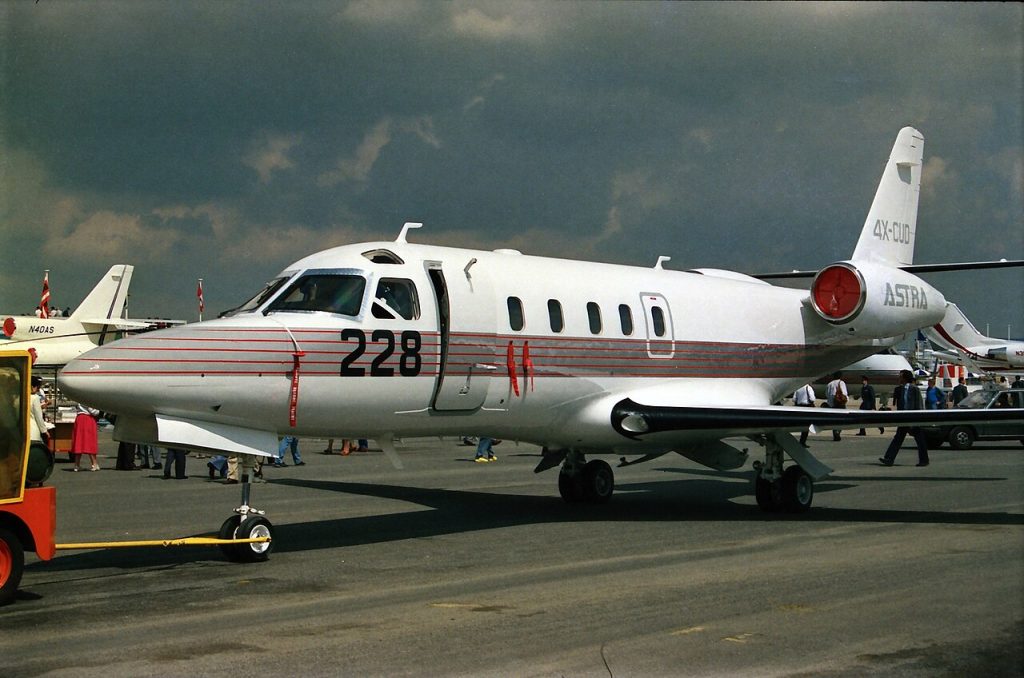
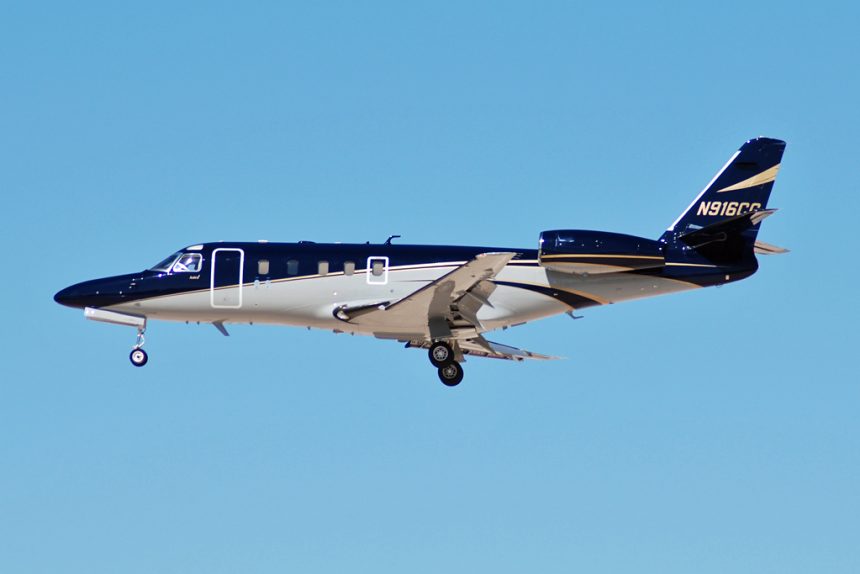
On this day in aviation history, 42 years ago (March 19, 1984), the IAI Astra flew for the first time. Now known as the Gulfstream G100, the Astra is a twin-engine business jet originally manufactured by Israel Aerospace Industries (IAI). In addition to serving as a popular executive aircraft, the G100 is employed by the United States Navy as the C-38A Courier, which was also flown by the US Air Force until 2015. In military service, the C-38A serves with the VX-20 test and evaluation squadron as a chase plane, radar test target, and pilot proficiency aircraft.
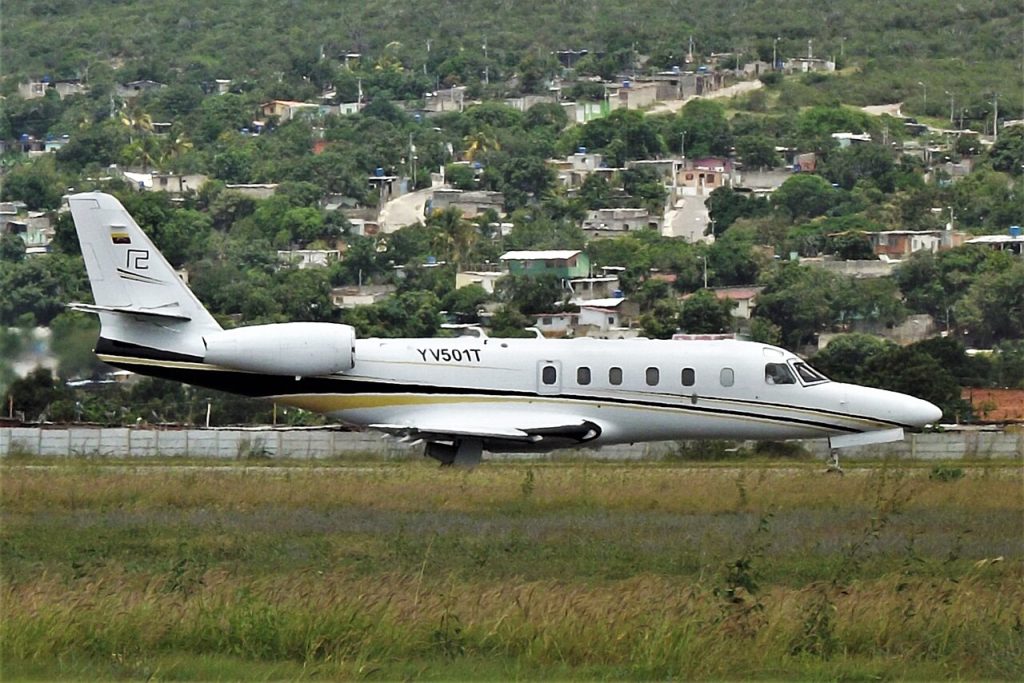
Development of the Astra began in the late 1970s, when IAI sought to further develop its Model 1124 Westwind business jet. The first production Astra jet flew a year and a day after the prototype first flew on March 20, 1985. FAA certification was granted to the new IAI executive aircraft on August 29, 1985, and deliveries began in 1986. The original variant of the Astra was the SP model, soon followed by the Astra SPX in August 1994. In May 2001, Gulfstream acquired Galaxy Aerospace, the holder of the Astra type certificate, and the SPX was renamed the G100 in September 2002.
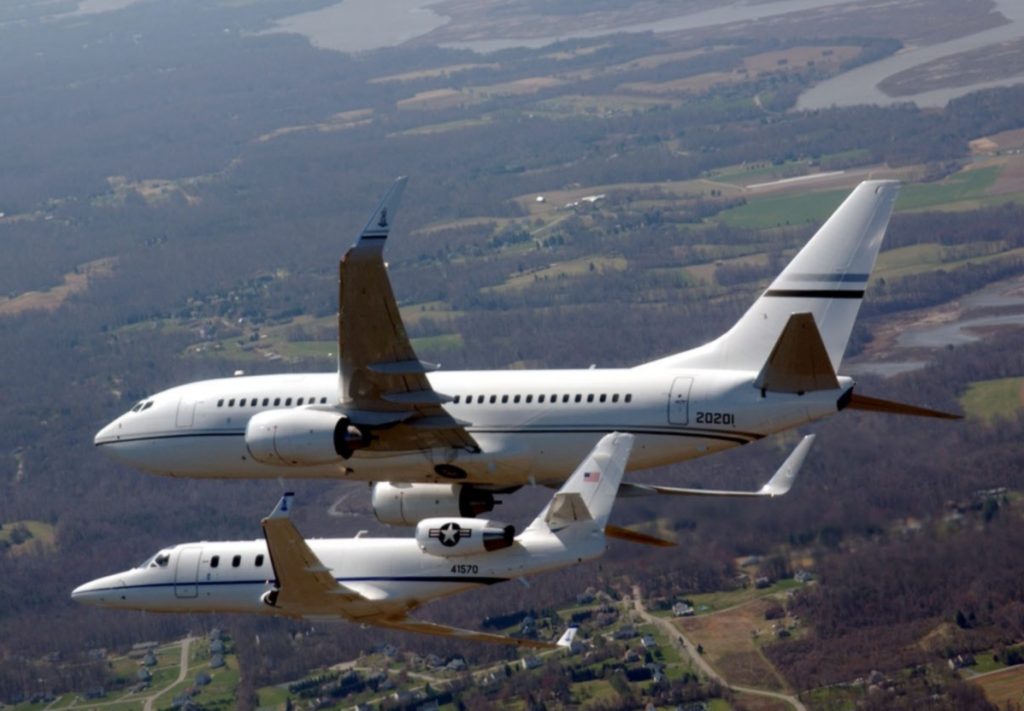
An improved version of the G100 was developed, named the G150. First flying in May of 2005, this aircraft featured a longer and wider fuselage, upgraded avionics, and a higher maximum takeoff weight (MTOW). Production continued until 2017, when demand was no longer fruitful. Between 1985 and 2017, a total of 145 Astra/G100s and 120 G150s were manufactured. The Gulfstream G100/IAI Astra has a crew of 2 and a capacity for 6 to 9 passengers. The aircraft is powered by two Honeywell TFE731-40-R-200G turbofan engines, each with 4,250 pounds of thrust. The G100 can cruise at 557 mph, and attain a maximum airspeed of Mach 0.85 (652 mph). With maximum fuel and 4 passengers, the G100 has a range of 2,949 nautical miles. Gulfstream’s G100 has a service ceiling of 45,000 feet, a 3,805 feet per minute rate of climb, and burns 1750 pounds of fuel per hour.