

(Image credit: VAN)
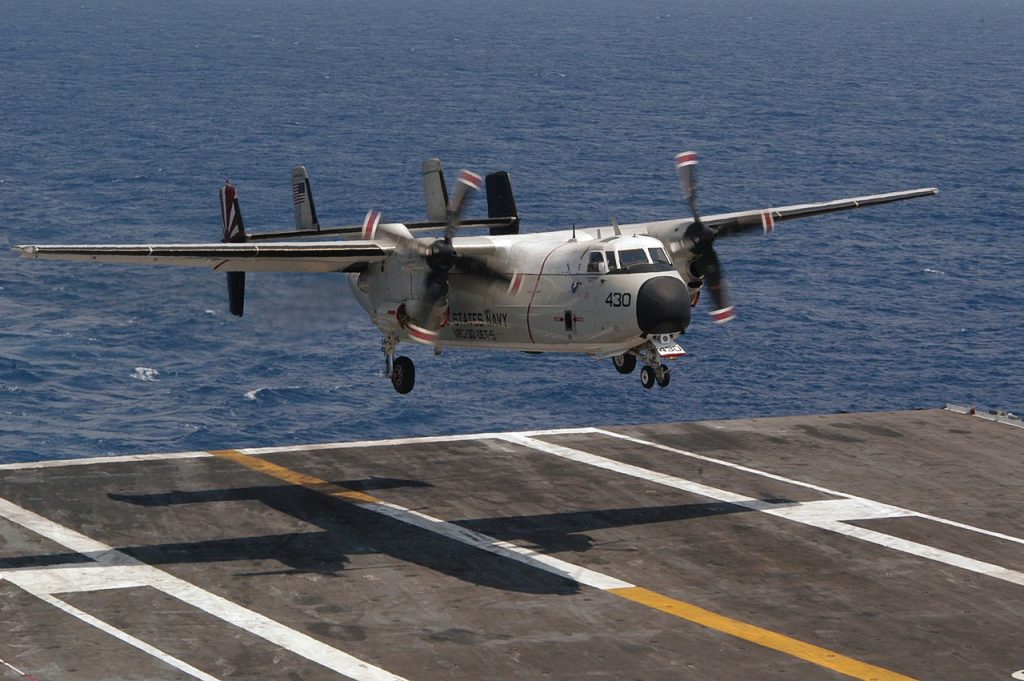
On this day in aviation history, 61 years ago (November 18, 1964), the Grumman C-2 “Greyhound” flew for the first time. The C-2 is a carrier-capable twin-engine cargo aircraft flown by the United States Navy. Greyhounds have the primary mission of carrier onboard delivery (COD) – transporting supplies, mail, and passengers between aircraft carriers in the US Naval fleet, as well as coastal bases. High-priority items, such as aircraft parts and special stores, would not be delivered on target, on time, without the C-2’s help.
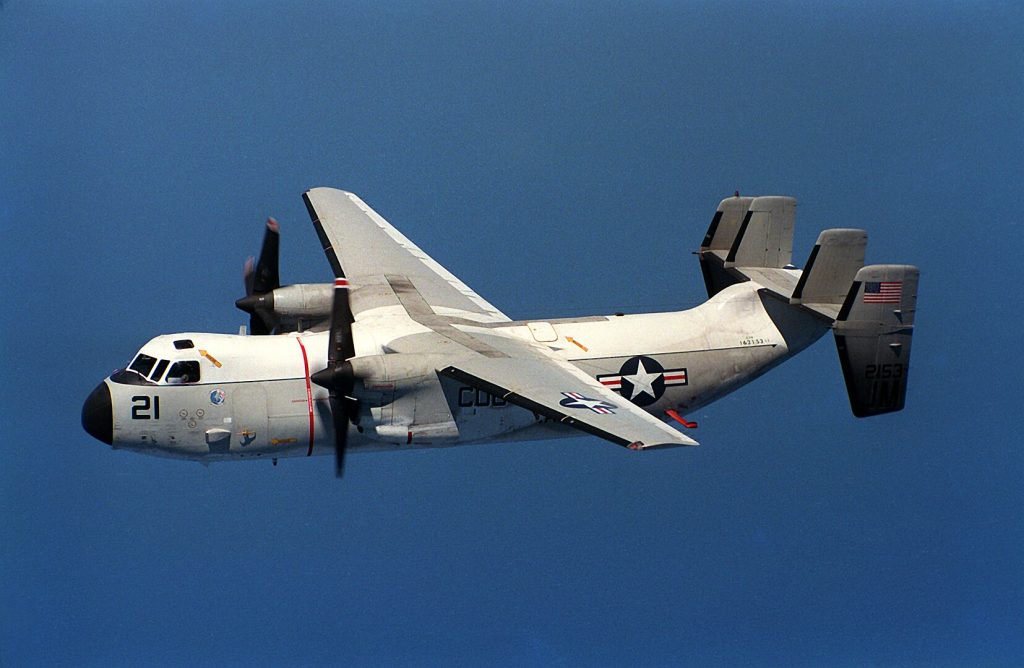
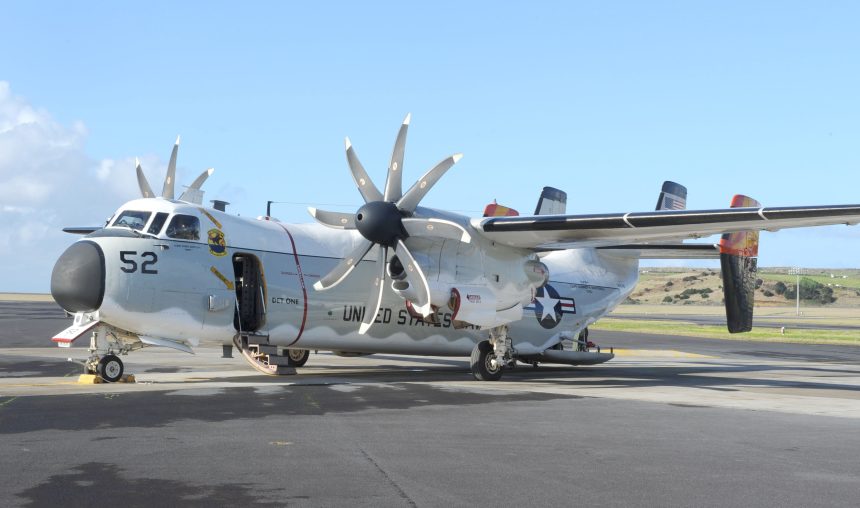
Production of the C-2 began in 1965, a year after the prototype’s first flight. The Greyhound is a derivative of the Northrop Grumman E-2 “Hawkeye” — a carrier-based tactical airborne early warning (AEW) aircraft. The C-2 shares the same folding “Sto-Wings” and engines as the E-2, but has a wider fuselage, which features a loading ramp. Introduced into service in 1966, the C-2 replaced the Grumman C-1 “Trader” in the COD role. Various lifetime extension programs have kept the Greyhound in service with the Navy since the aircraft’s inception. The C-2A models were retired, but the C-2A(R) variants remain flying today. The C-2A(R) features upgraded eight-blade propellers and a glass cockpit.
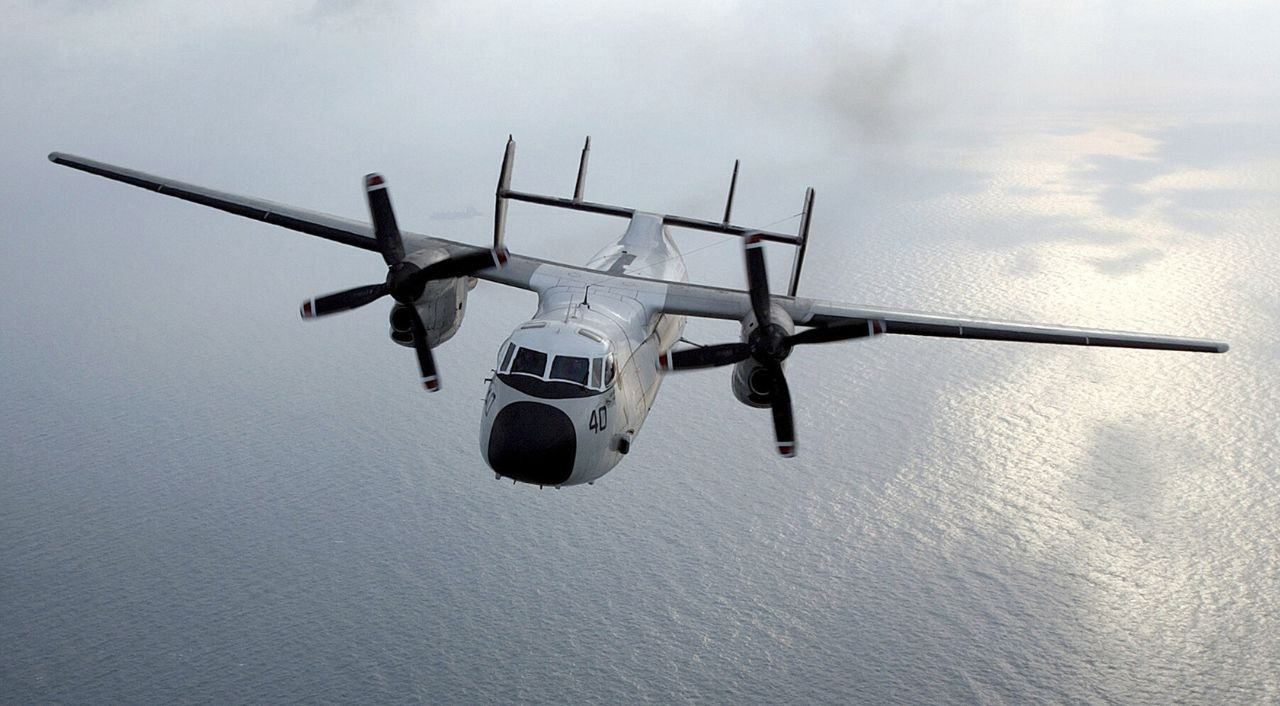
Grumman’s C-2 saw service during Operations Desert Shield and Desert Storm within the Gulf War. Greyhounds also flew in support of Operation Enduring Freedom during the war in Afghanistan. The C-2A(R) is crewed by two flight personnel and two loadmasters and has a capacity for either 26 passengers, 12 litter patients, or 10,000 pounds of payload. Two Allison T56-A-425 turboprop engines, each with 4,600 shaft horsepower, power the Greyhound to a maximum speed of 395 mph. The C-2A(R) will typically cruise at 289 mph and can fly within a range of 1,300 nautical miles with full payload. The Greyhound has a service ceiling of 33,500 feet.
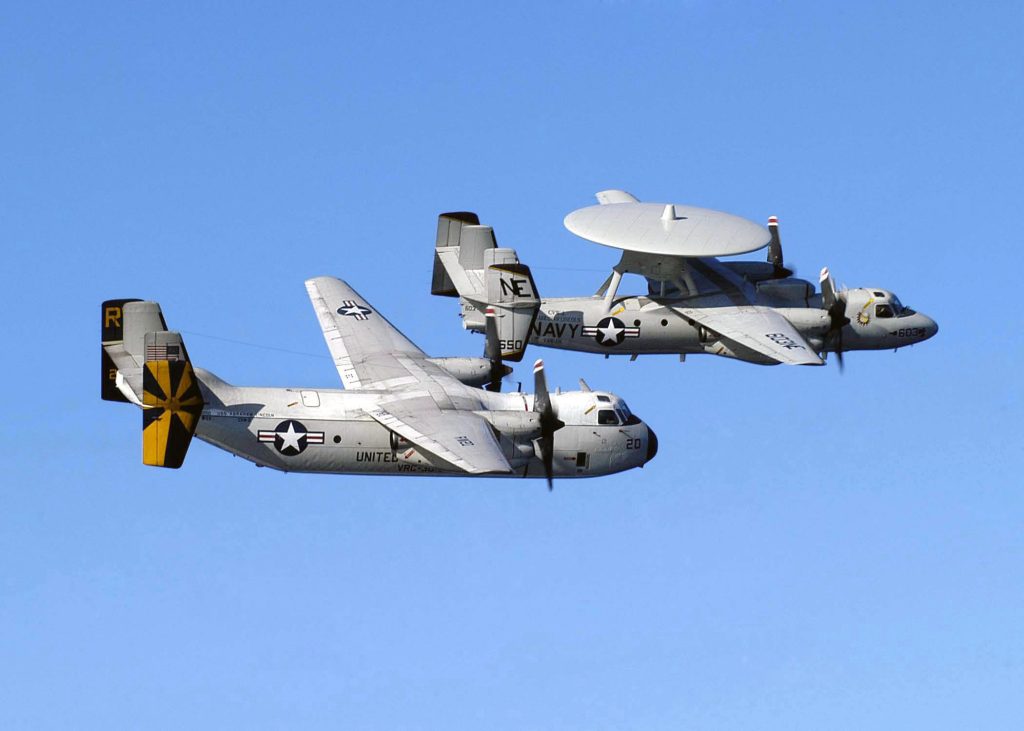
Grumman built a total of 17 C-2As and 39 C-2A(R)s between 1965 and 1989. The C-2 Greyhound continues to serve admirably in its role of carrier onboard delivery. The US Navy is currently planning to replace the entire C-2 fleet with V-22 Ospreys by 2028. Until then, the Greyhound can continue to do what it does best.