

(Image credit: VAN)
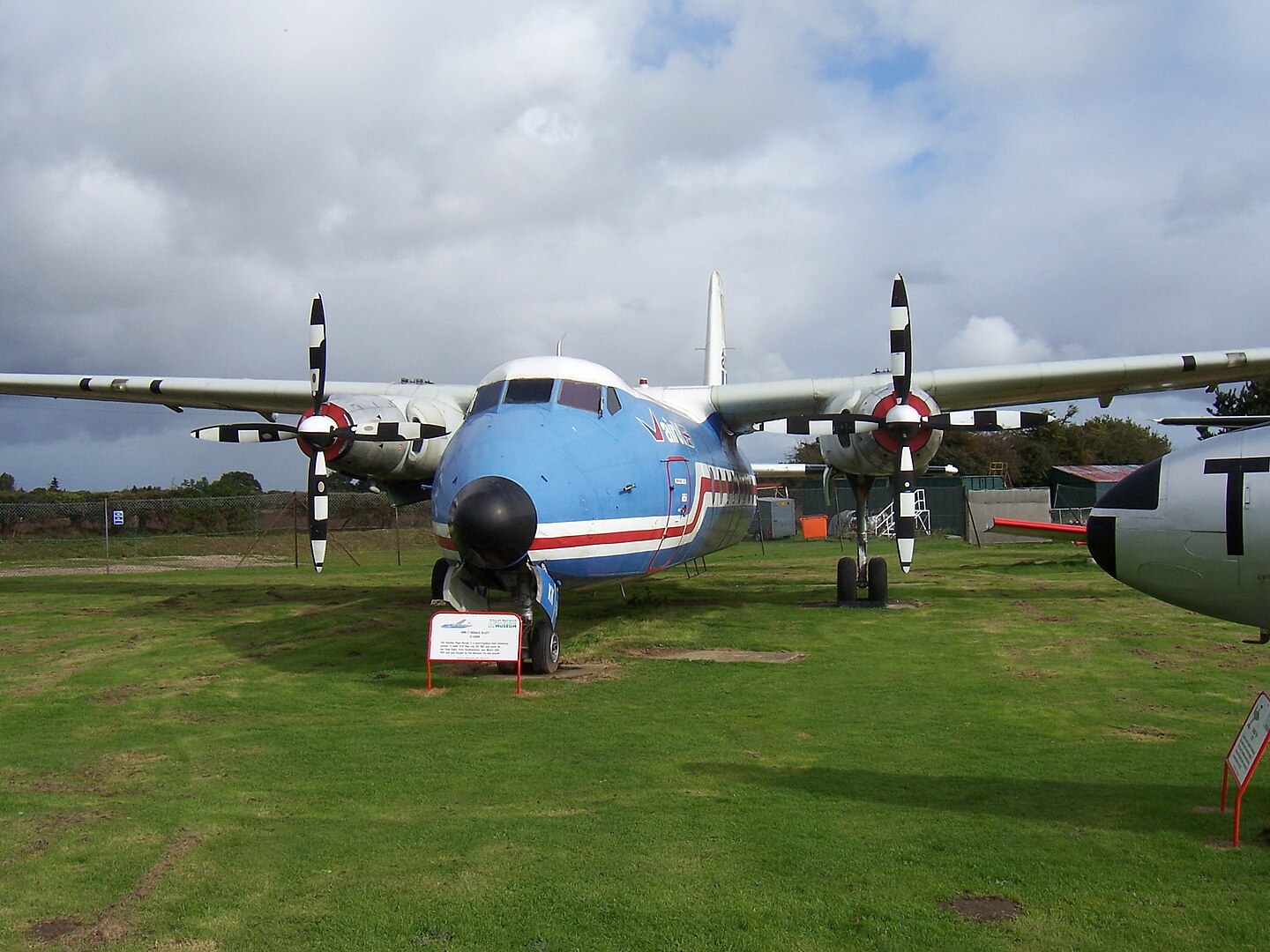
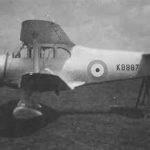
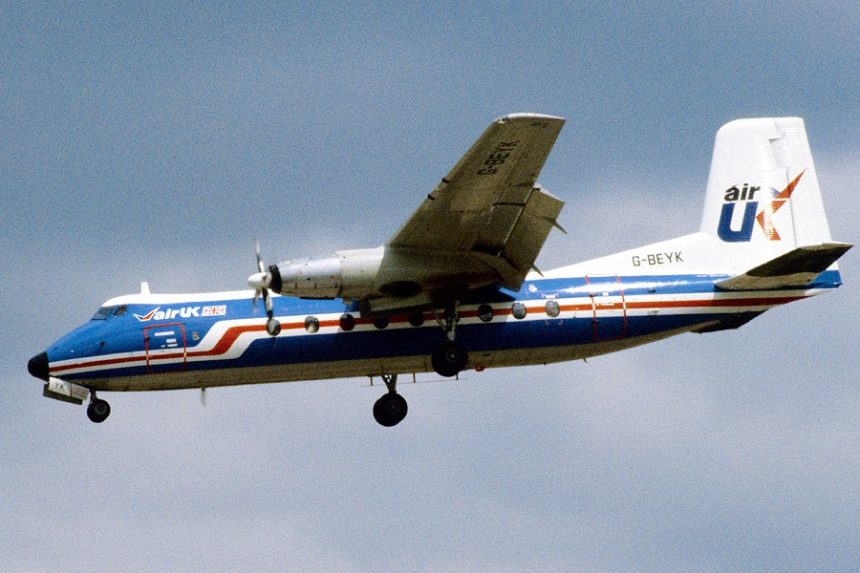
On this day in aviation history, 70 years ago (August 25, 1955), the Handley Page HPR.7 Dart Herald made its first flight. This British-designed passenger aircraft, powered by twin Rolls-Royce Dart turboprop engines, was developed as a modern replacement for the Douglas DC-3 in airline service. However, it soon found itself in tough competition with the Fokker F27 Friendship and the Avro/Hawker Siddeley HS748. Handley Page originally conceived the aircraft as the HPR.3 Herald, powered by radial piston engines, a proven configuration made famous by the DC-3. The early model generated interest and even pre-orders from airlines. However, as the aviation market rapidly shifted toward turboprops, Handley Page made the critical decision to re-engine the design with Rolls-Royce Dart engines. With significant redesign work, the HPR.3 evolved into the HPR.7 Dart Herald.
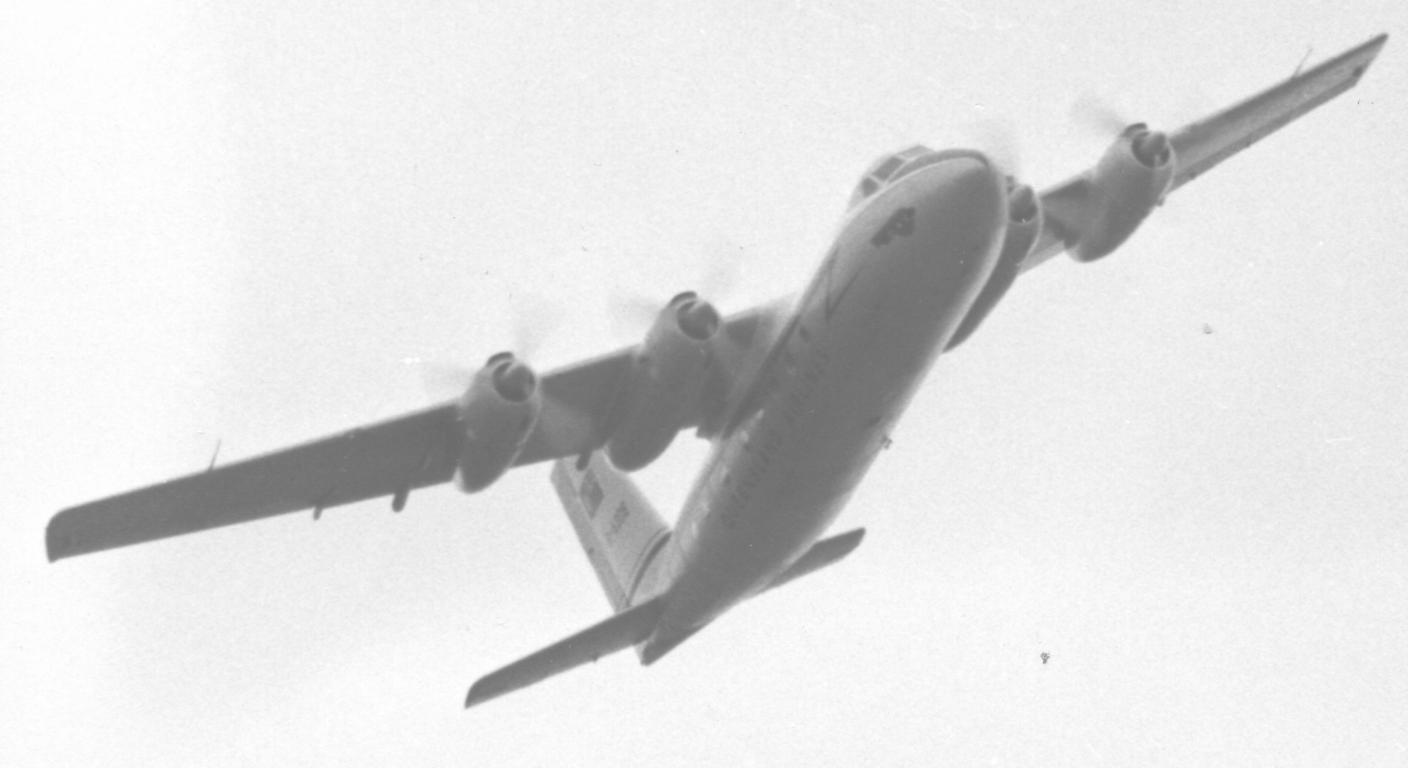
The Dart Herald was powered by two Rolls-Royce RDa.7 Dart Mk.527 turboprop engines, each producing 2,105 shaft horsepower. Operated by a crew of two, it could carry between 50 and 56 passengers—or a payload of 11,700 pounds. Performance figures included a cruising speed of 275 mph, a service ceiling of 27,900 feet, and a range of 608 nautical miles. The aircraft also demonstrated excellent short-field performance and handling qualities, making it well-suited to regional routes. Despite its strengths, sales were limited. From 1959 to 1968, only 50 Dart Heralds were built. Handley Page’s weak marketing and difficulties engaging with potential operators cost the aircraft valuable opportunities, allowing rivals like the Fokker F27 and Avro HS748 to dominate the market instead.
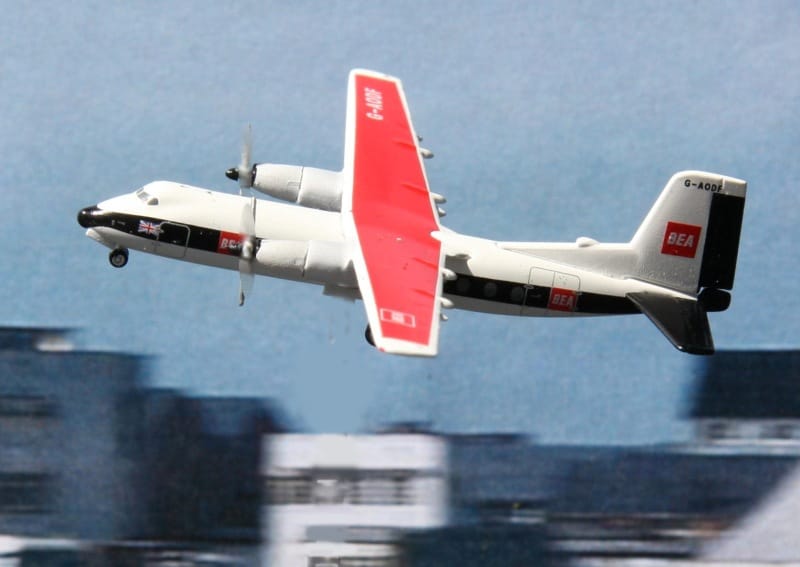
Even so, the Dart Herald went on to serve a variety of airlines and air forces around the world. Operators included Eastern Provincial Airways (Canada), Transbrasil (Brazil), British Air Ferries (UK), and Globe Air (Switzerland). Military operators included the Royal Jordanian Air Force and the Royal Malaysian Air Force. Today, only three Handley Page HPR.7 Dart Heralds are known to survive, all preserved on display in the United Kingdom—reminders of a promising but ultimately overshadowed regional airliner.