
(Image credit: VAN)
On this day in aviation history, 90 years ago (September 12, 1935), the Hawker Hind made its first flight. Designed as a light bomber, the Hind was developed by Hawker Aircraft as an evolution of the earlier Hawker Hart, which had filled the same role. RAF Specification G.7/34 called for such an aircraft, providing an interim solution while the monoplane Fairey Battle bomber was still in development.
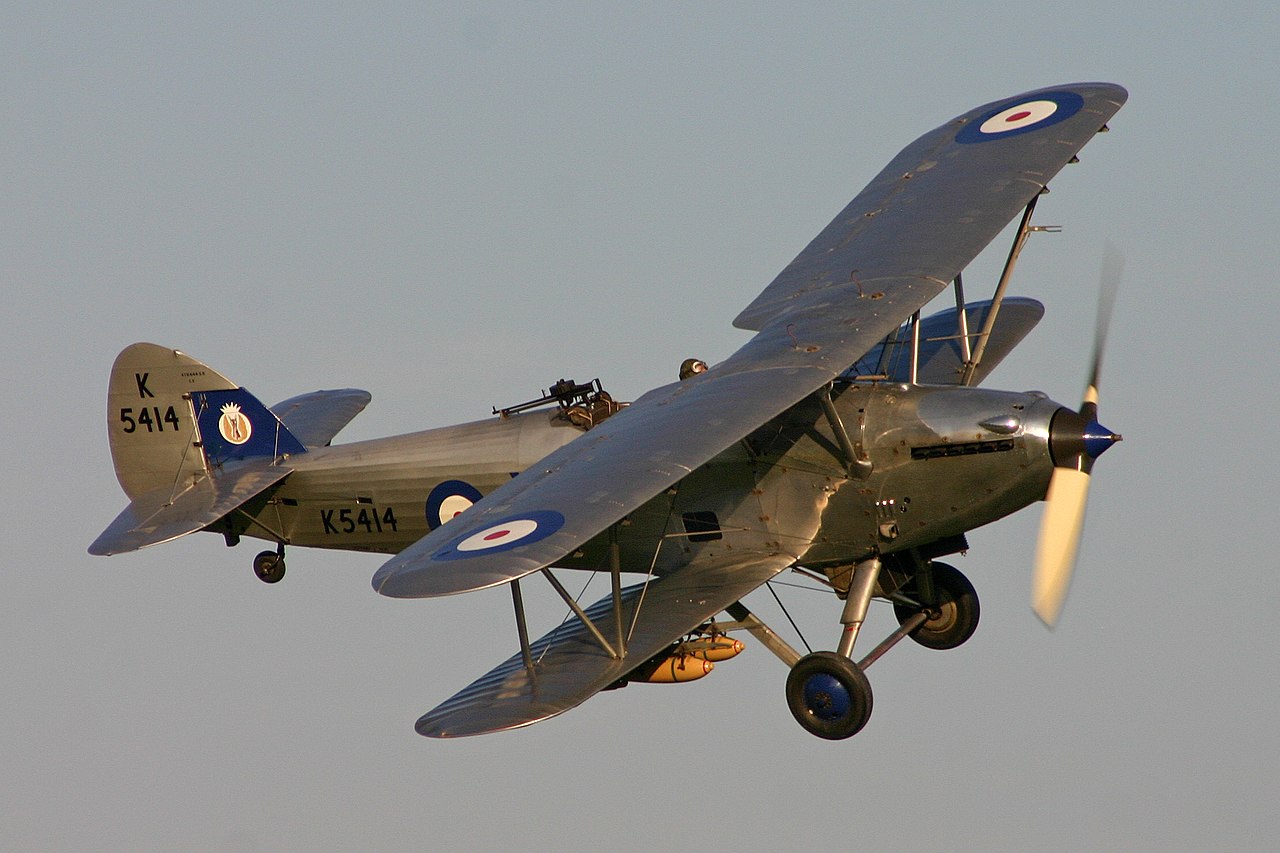
The Hind entered Royal Air Force service in November 1935, with 20 bomber squadrons eventually equipped. It also found success abroad, with examples sold to operators including Afghanistan, Ireland, Latvia, and Switzerland. However, by 1937 the Hind began to be phased out of front-line service as more advanced aircraft such as the Fairey Battle and Bristol Blenheim entered the RAF inventory. In 1938, the type transitioned to a new role as a trainer, bridging the gap between the de Havilland Tiger Moth and more advanced combat aircraft. Despite being largely obsolete by the outbreak of World War II, the Hind did see limited combat. South African Hinds were employed against Italian forces in Kenya during the East African Campaign, while Yugoslav aircraft took part in the fighting against German and Italian forces in 1941.
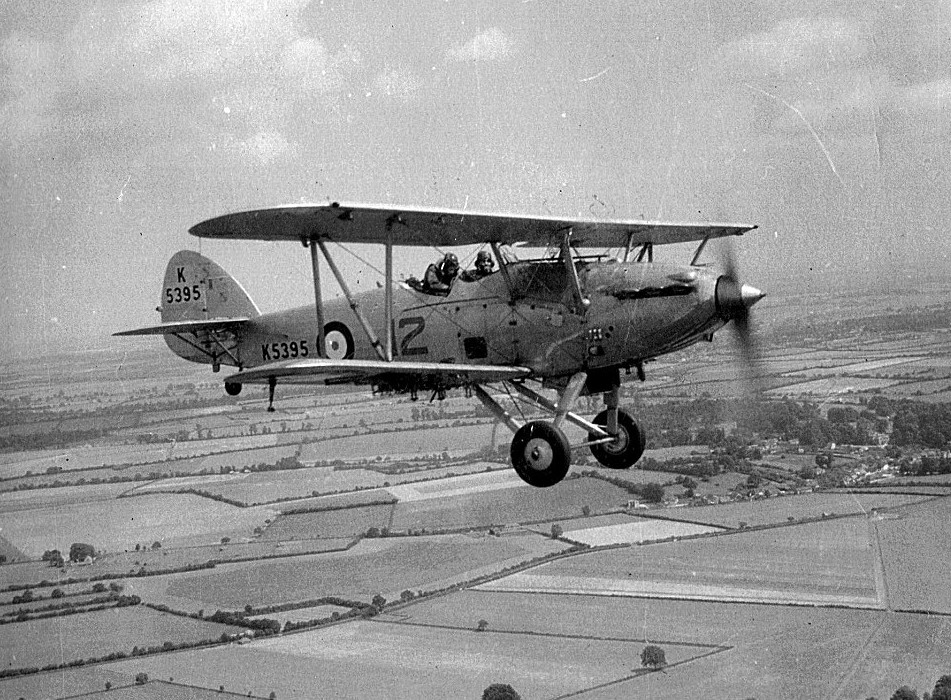
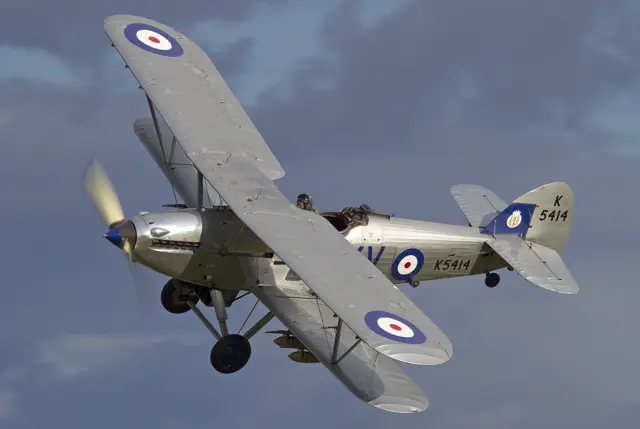
The two-seat Hind was powered by a 640-horsepower Rolls-Royce Kestrel V V-12 engine, giving it a maximum speed of 185 mph and a range of 400 nautical miles. Armament consisted of a forward-firing .303-inch Vickers machine gun, a .303-inch Lewis gun in the rear cockpit, and up to 510 pounds of bombs carried under the wings. Between 1935 and 1938, Hawker built 528 Hinds. Today, only seven examples are known to survive. One of the most notable is c/n 41.H.8.1902, which remains airworthy with the Shuttleworth Collection at Old Warden, Bedfordshire, flying in the colors of RAF Hind K5414.