
(Image credit: VAN)
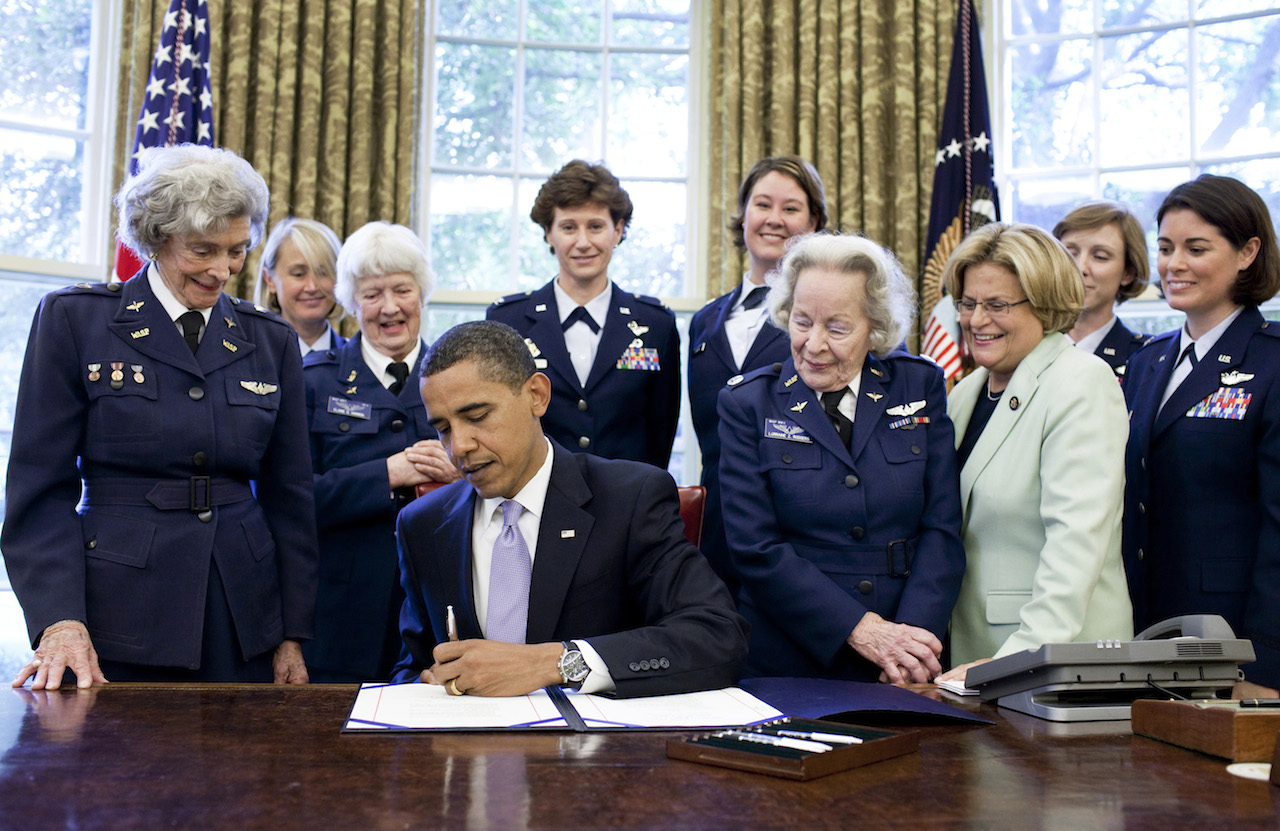
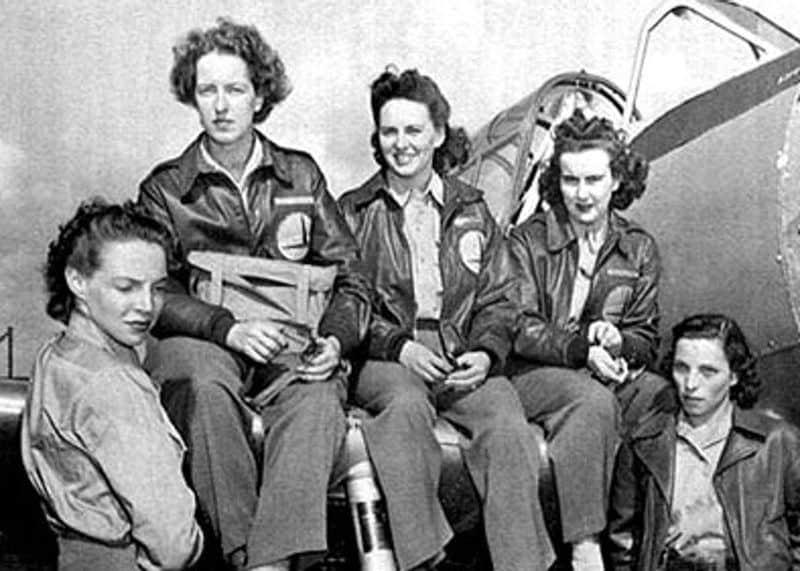
On this day in aviation history, 83 years ago (September 10, 1942), the U.S. Army Air Forces Air Transport Command created the Women’s Auxiliary Ferrying Squadron (WAFS). At a time when women were barred from serving in direct combat roles, the WAFS provided an opportunity for skilled female aviators to contribute to the war effort by ferrying aircraft from factories to operational bases. Nancy Harkness Love was appointed as the first commander of the WAFS. A pioneering aviator herself, Love recruited some of the most experienced women pilots in the United States to join the unit.
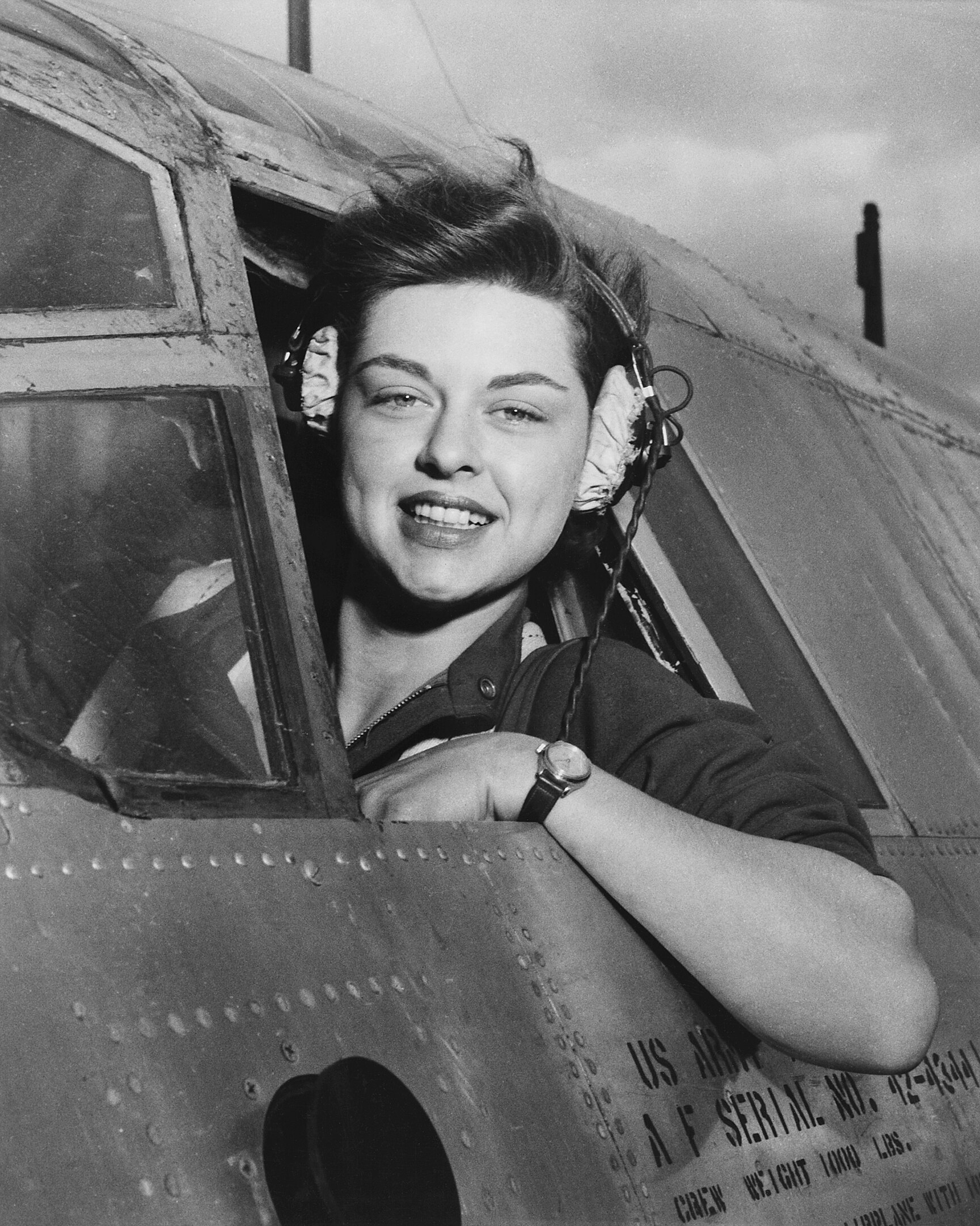
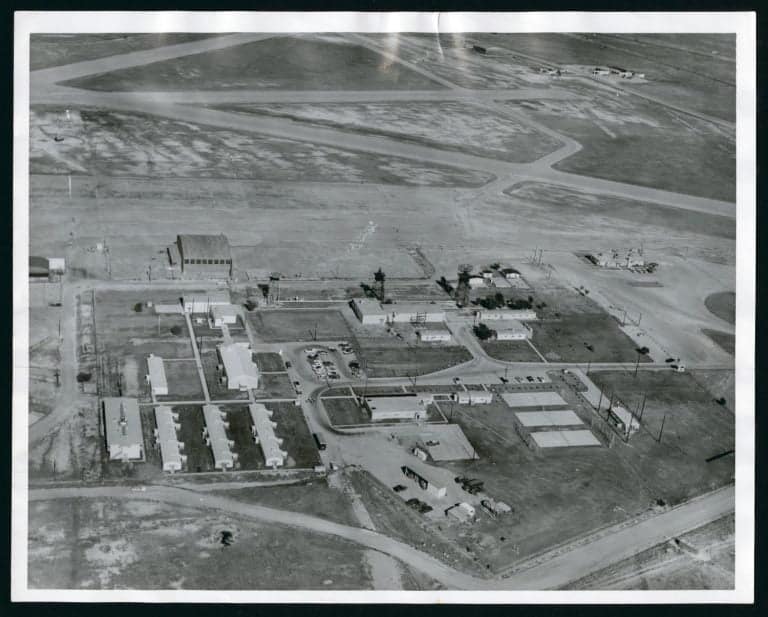
Shortly afterward, celebrated aviator Jacqueline Cochran was appointed Director of Women’s Flying Training. Cochran established a training school at Avenger Field in Sweetwater, Texas, where 232 women earned their wings between 1942 and 1944. In total, more than 1,000 women completed flight training and served as ferry pilots, proving invaluable to the Army Air Forces.
As the number of women pilots grew, so did their responsibilities. In 1943, the WAFS were merged into the Women Airforce Service Pilots (WASP) program, which expanded their missions beyond ferrying. WASP aviators flew target-towing operations for aerial gunnery practice, served as test pilots for repaired or modified aircraft, and operated advanced bombers such as the B-17 Flying Fortress and B-26 Marauder—tasks that many male pilots declined.
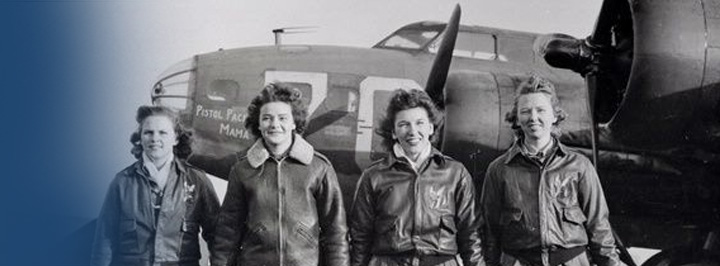
Despite their contributions, the program was disbanded on December 20, 1944, after resistance from Army leadership and the end of wartime demand. By then, 1,102 WASPs had flown 77 different types of aircraft, logging more than 60 million miles. Their service broke barriers, challenged stereotypes, and proved that women could fly—and fight—just as capably as men, even if recognition came only decades later.