
(Image credit: VAN)
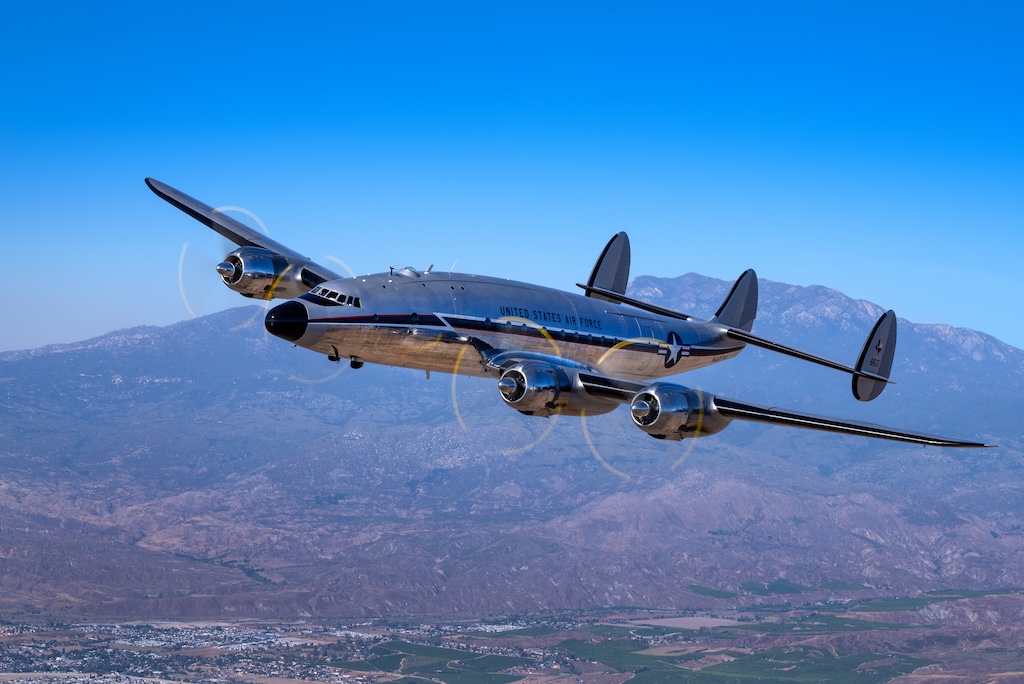
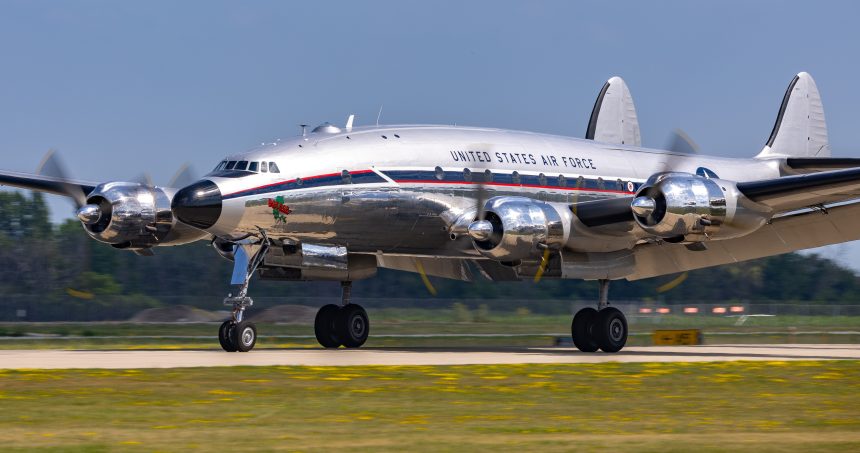
On this day in aviation history, 83 years ago (January 9, 1943), the Lockheed L-049 Constellation flew for the first time. Nicknamed the Connie, the Constellation was a four-engined, prop-driven airliner designed and built by the Lockheed Corporation. The Connie is noted as being the first civilian airliner with a pressurized cabin to enter service. This pressurization system allowed the Constellation to fly above bad weather, improving the safety of the flight and reducing delays in waiting for weather systems to pass.
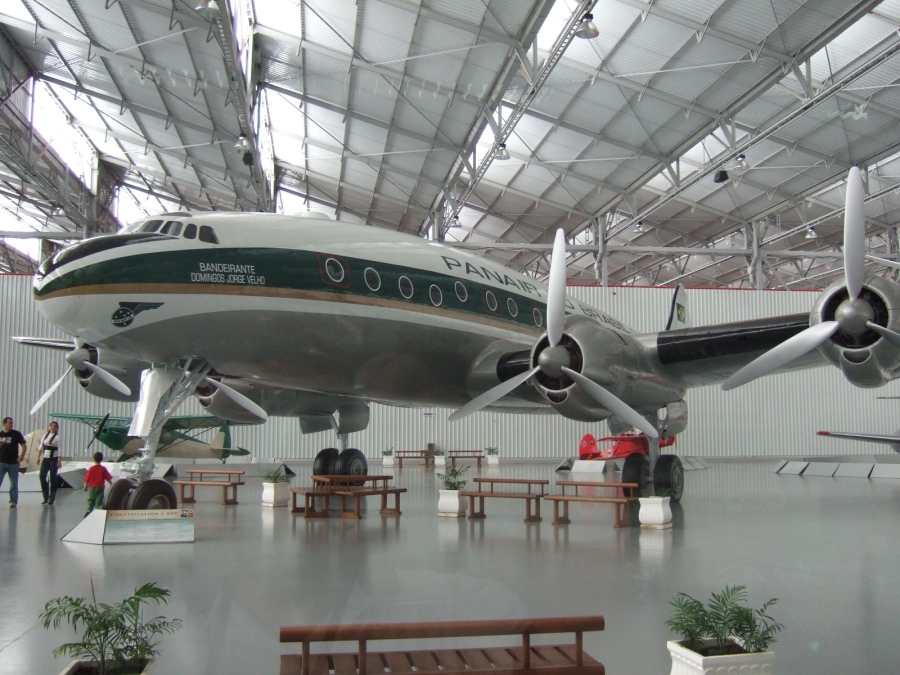
The Lockheed Constellation is known for its signature appearance, which includes a triple tail and dolphin-shaped fuselage. The Connie is an elegant aircraft from which many later variants were developed, due to the success of the design. Between 1943 and 1958, Lockheed’s factory in Burbank, California, produced 856 L-049 Constellations. Of these 856 airframes, there were both civilian and military variants, known as the C-69. In military service, the C-69 flew in support of the Berlin and the Biafran airlifts. President Dwight D. Eisenhower used a fleet of three Connies as his personal transports while serving in office.
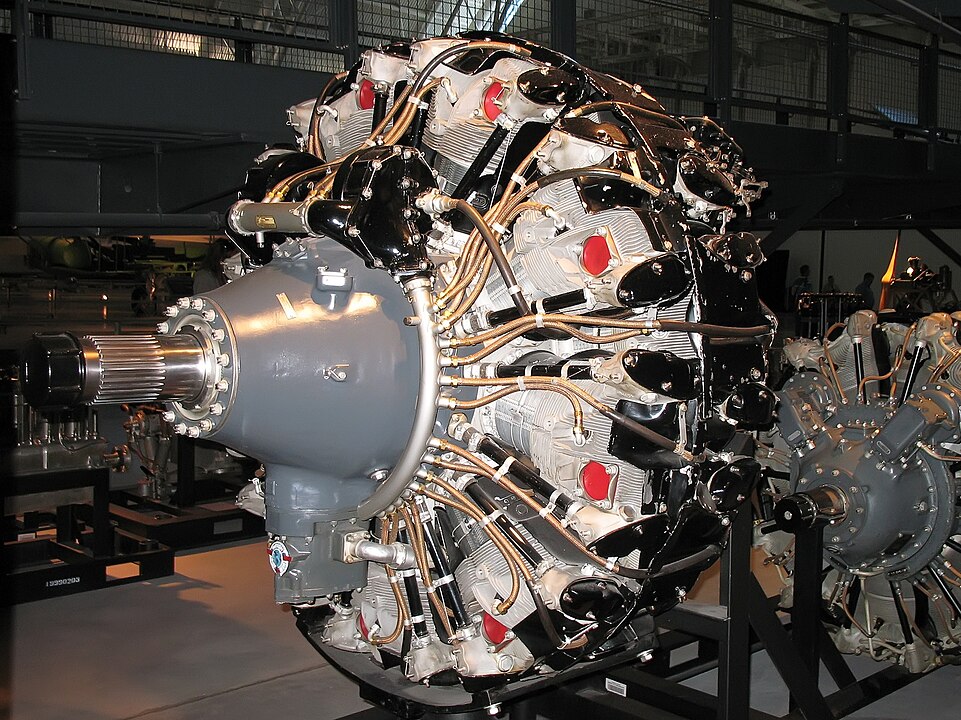
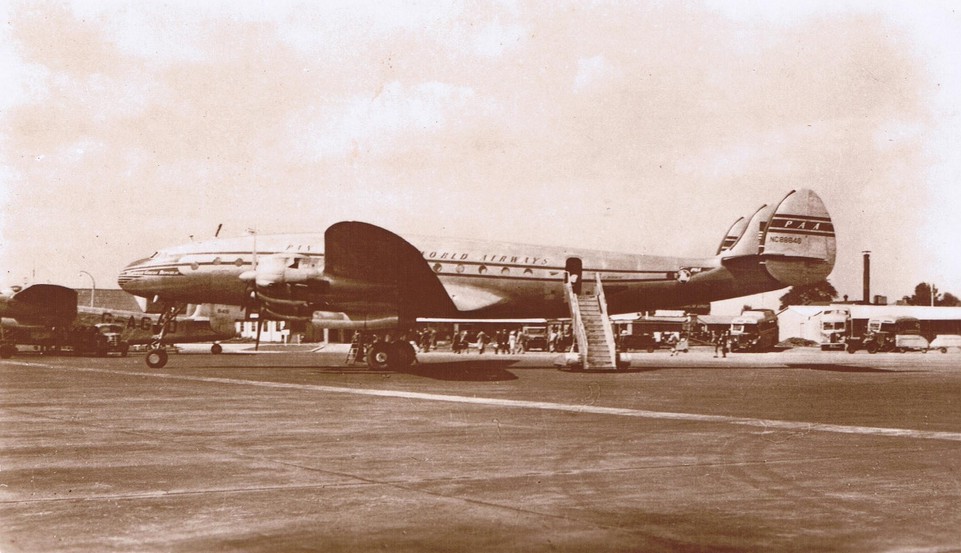
In commercial service, the Constellation flew for many of the world’s most prestigious airlines. Trans World Airlines (TWA) served as the aircraft’s launch operator, and from there, the Connie would soar in popularity. Delta, American Airlines, Pan Am, Lufthansa, Air France, and Qantas are just a handful of the commercial operators that flew the L-049. This trend would continue as more advanced variants were developed, including the L-649, L-749, and L-1049 Super Constellation.
Lockheed’s L-1049G Super Constellation was flown by a crew of 5 flight crew, plus cabin crew. The aircraft had a capacity for between 62 to 95 passengers, depending on configuration. In military service, the C-69 could carry up to 18,300 pounds of payload. Four 3,250-horsepower Wright R-3350-DA3 Duplex-Cyclone 18-cylinder radial engines powered the Super Connie to a maximum airspeed of 377 mph (340 in cruise). A range of 4,700 nautical miles and a service ceiling of 24,000 feet gave the Connie a great envelope to operate within as an airliner. A handful of Lockheed Constellations survive today, including C-121A Constellation “Bataan” of the Lewis Air Legends’ collection. This Connie flew as General Douglas MacArthur’s personal transport during his service.