
(Image credit: VAN)
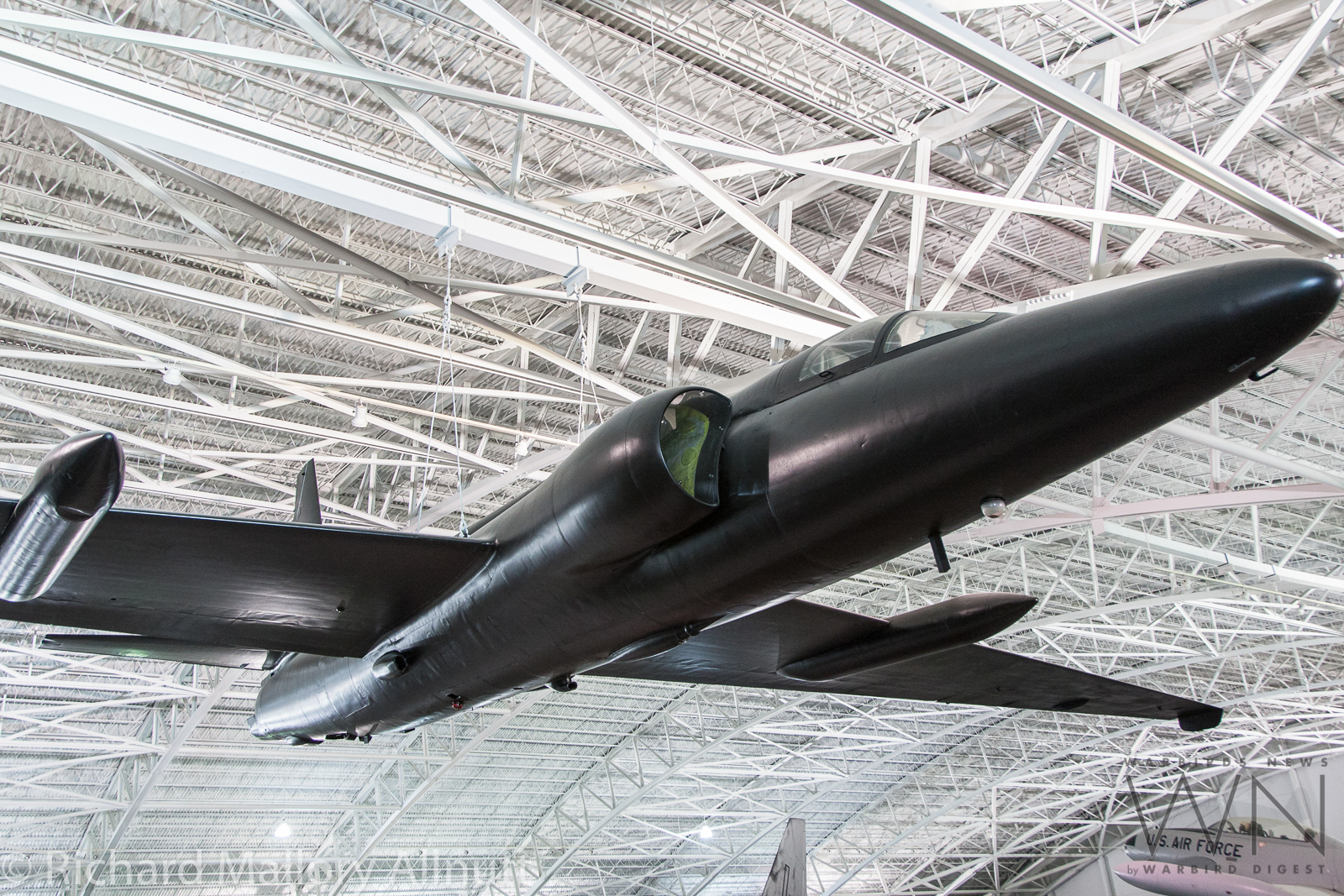
On this day in aviation history, 70 years ago (August 1, 1955), the Lockheed U-2 took to the skies for the very first time. Test pilot Anthony W. LeVier was at the controls when the aircraft—later nicknamed the Dragon Lady—unexpectedly became airborne during what was meant to be a high-speed taxi test at Groom Lake, Nevada.
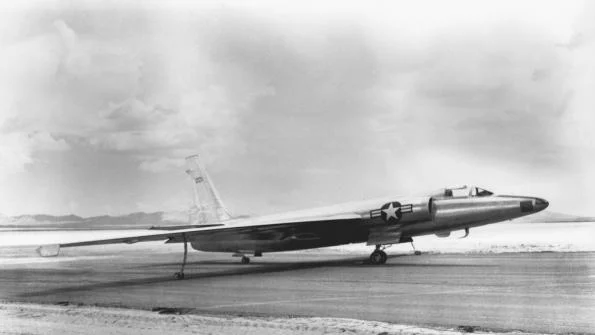
LeVier accelerated to 70 knots, only to find the lightweight U-2 lifting off sooner than anticipated. “I had no intentions whatsoever of flying,” he later recalled. “I immediately started back toward the ground, but had difficulty determining my height because the lakebed had no markings to judge distance or height. I made contact with the ground in a left bank of approximately 10 degrees.” The wing-low landing damaged the strut, tire, and brakes—but the first flight of the U-2 was officially in the books.
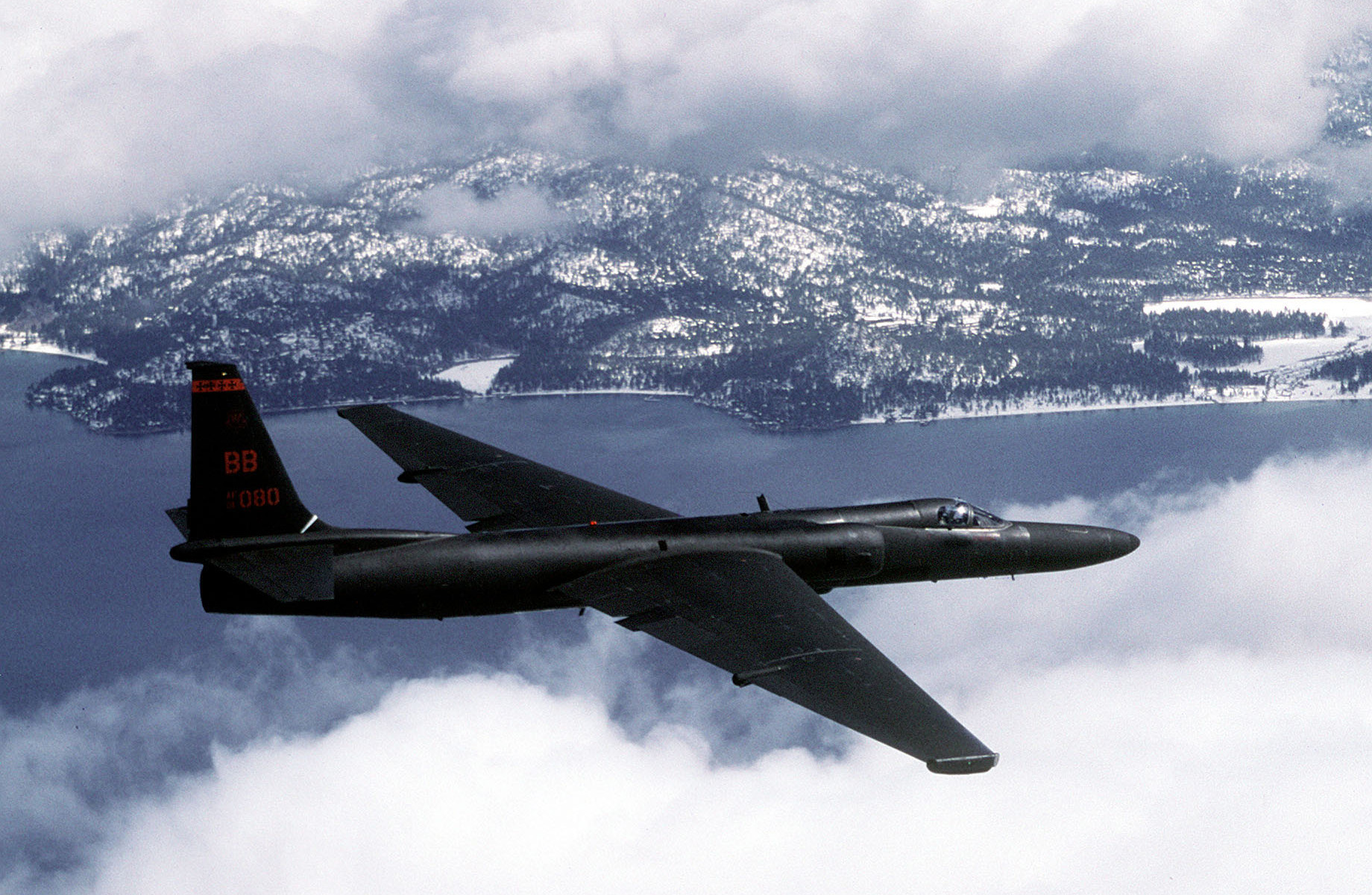
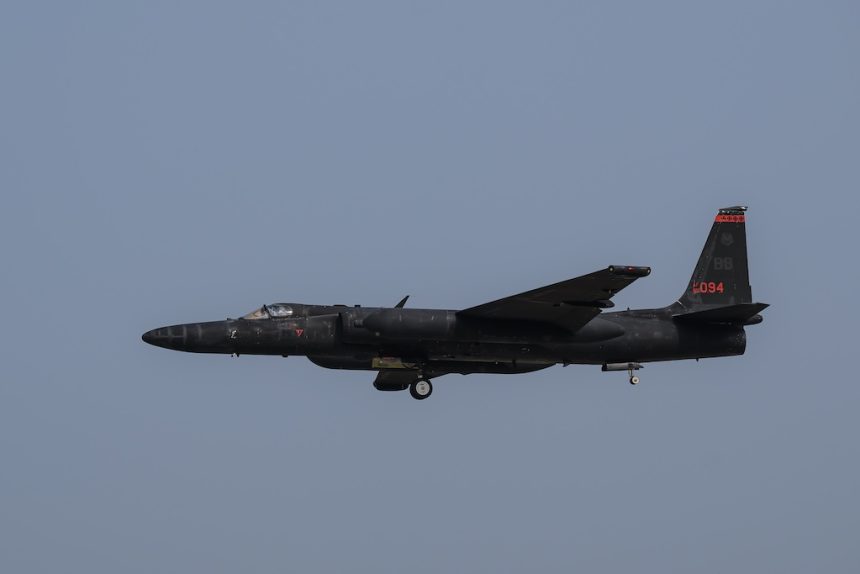
Designed as a high-altitude reconnaissance aircraft, the unarmed, single-seat U-2 served as a critical intelligence asset for the U.S. Air Force and the CIA throughout the Cold War. Capable of flying at 80,000 feet, with a top speed of Mach 0.71 (470 mph), a 6,090-nautical-mile range, and 12-hour endurance, the Dragon Lady could gather intelligence while staying well above enemy defenses.
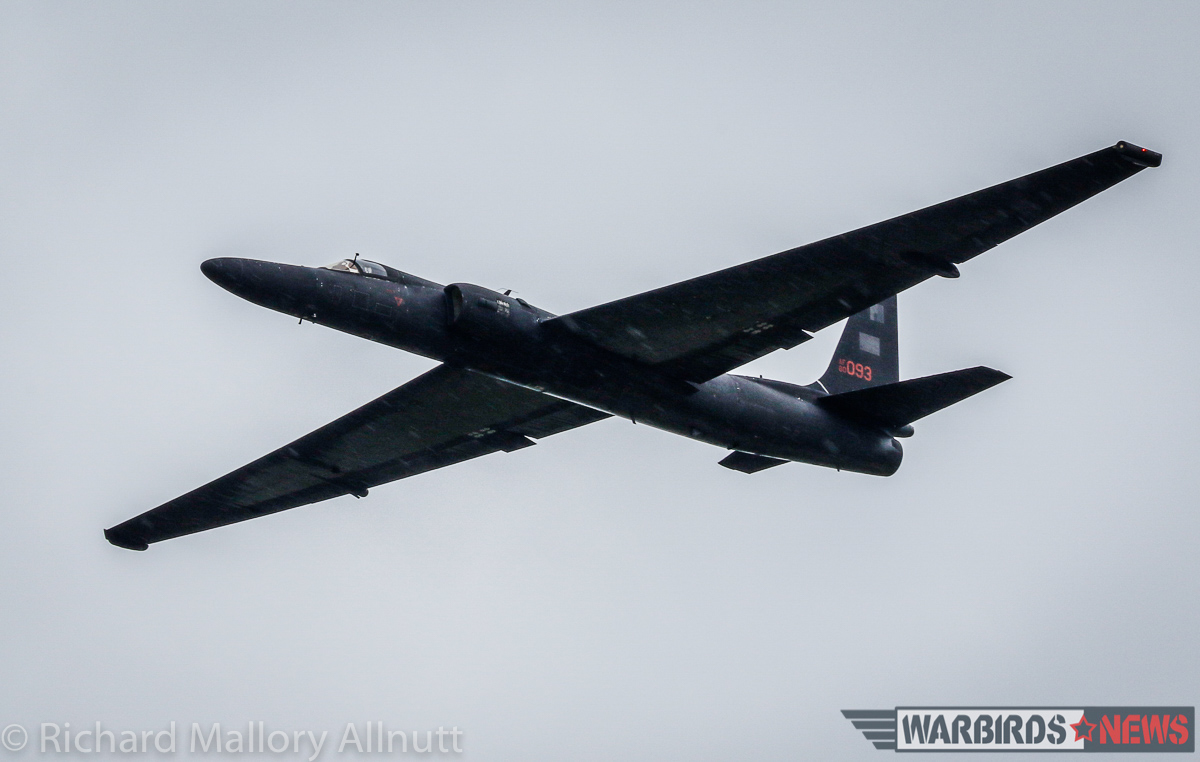
Between 1955 and 1989, 104 U-2s were built. Remarkably, the aircraft remains in service today with the USAF for reconnaissance missions and with NASA for high-altitude research. The U-2 has been a cornerstone of U.S. aerial intelligence for seven decades, its work often shrouded in secrecy and its contributions to national security incalculable.