

(Image credit: VAN)
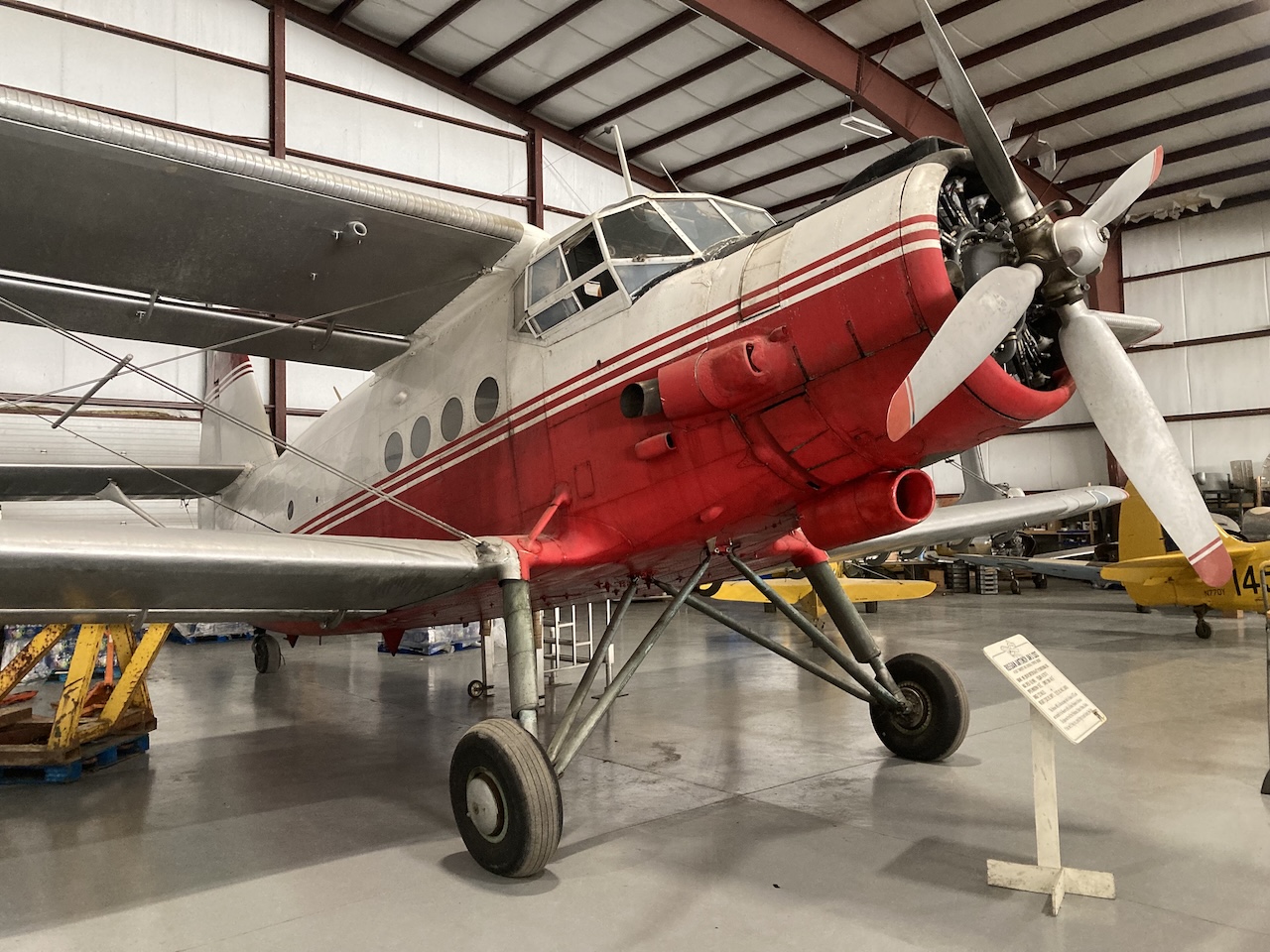
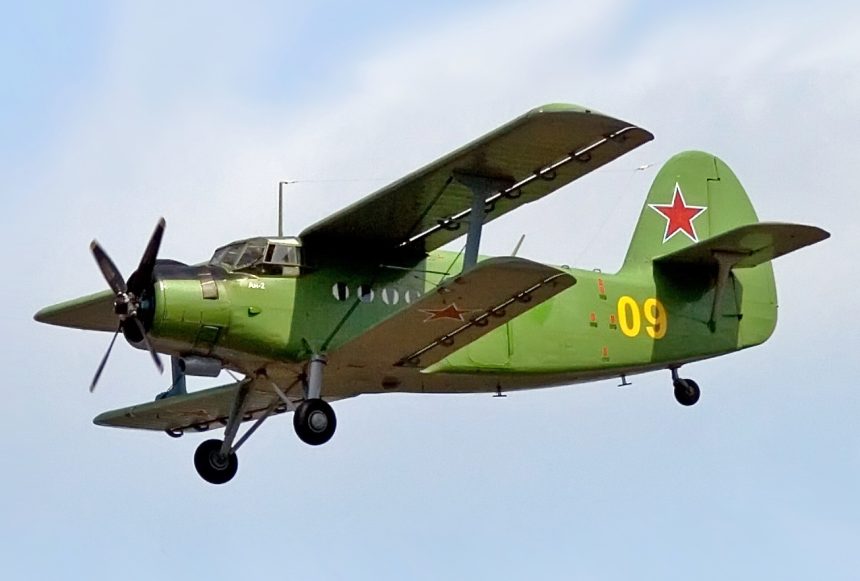
On this day in aviation history, 78 years ago (August 31, 1947), the Antonov An-2 took to the skies for the first time. Known by its NATO reporting name “Colt,” the An-2 is a Soviet-built single-engine biplane designed by the Antonov Design Bureau. Its development began in 1947 in response to a Soviet Ministry of Forestry requirement for an aircraft to replace the Polikarpov Po-2, then widely used for agricultural work. On August 31, 1947, the Antonov SKh-1 prototype successfully completed its maiden flight, marking the beginning of a long and storied career.
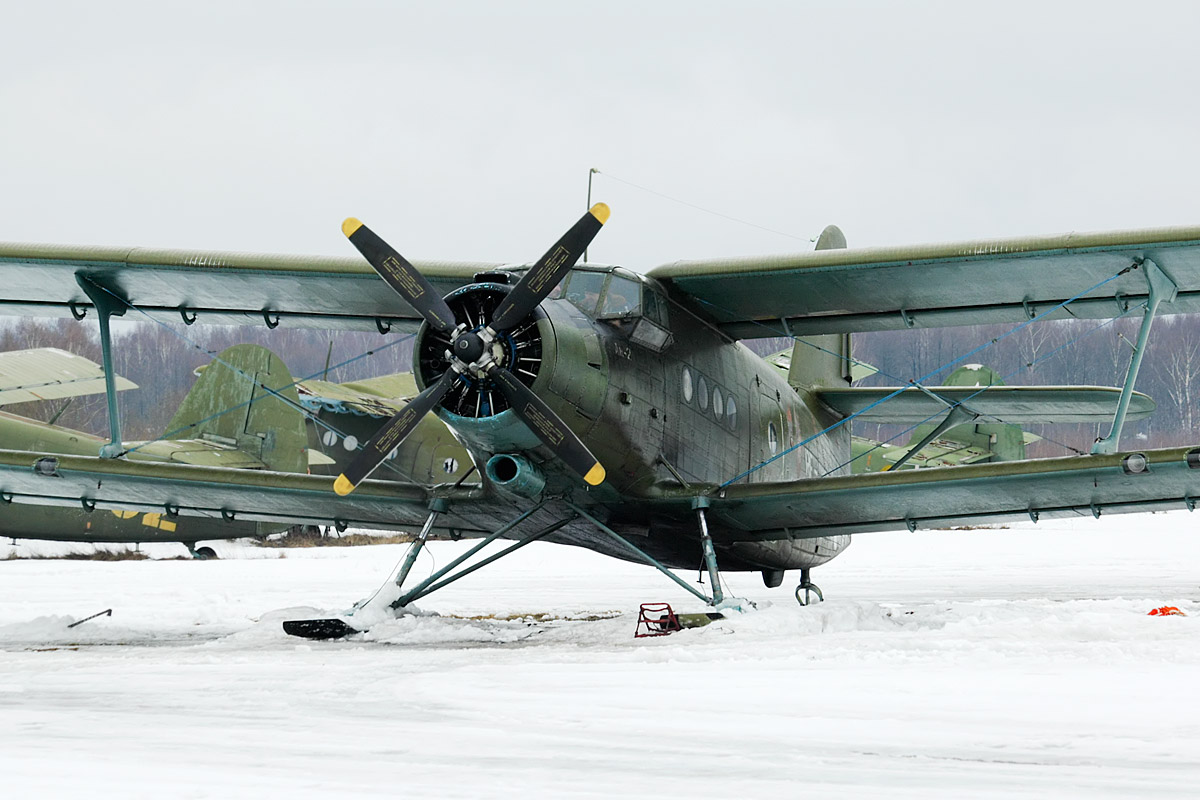
Much larger than a typical biplane, the An-2 has an upper wingspan of 59 feet 9 inches, a length of 40 feet 8 inches, and stands 13 feet 5 inches tall. Constructed of metal with fabric-covered wings, it was designed for ruggedness and versatility. The aircraft typically carries a crew of two and up to 12 passengers. Power comes from a 9-cylinder Shvetsov ASh-62 radial engine producing 1,010 horsepower. The ASh-62 was itself a development of the American Wright R-1820 Cyclone, originally built under license in the Soviet Union as the Shvetsov M-25.
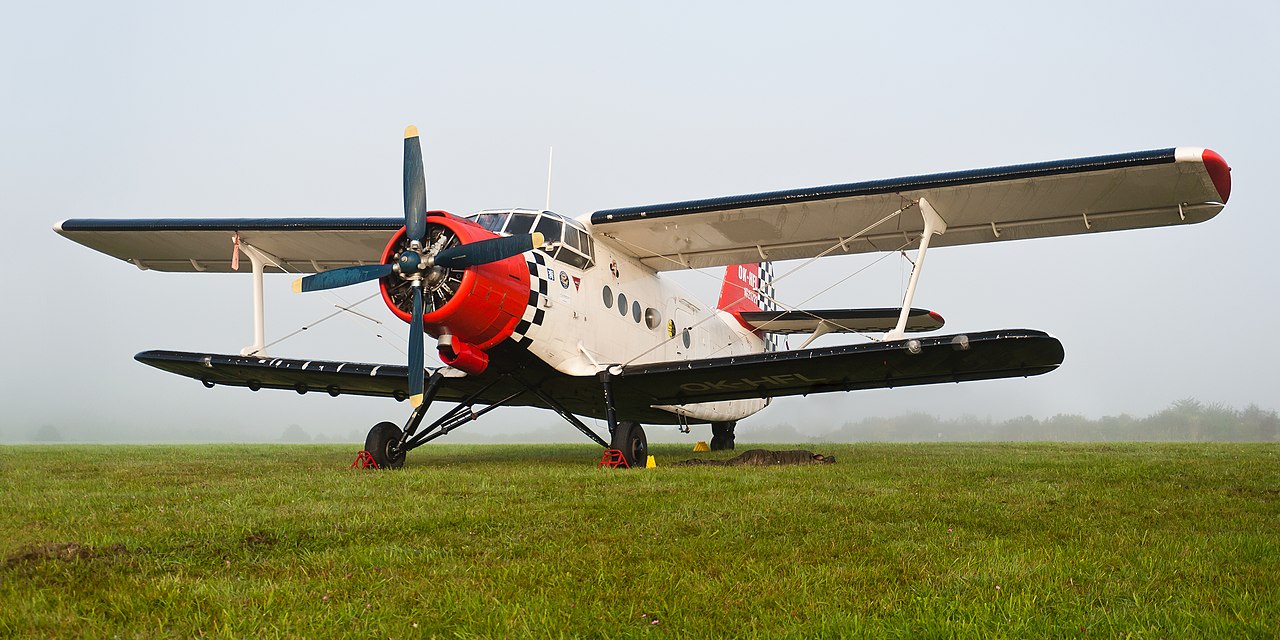
Although its top speed is only 160 miles per hour, the An-2 was designed for utility rather than speed. With a stall speed of just 31 miles per hour and automatic leading-edge slats, the Colt offers remarkable short takeoff and landing (STOL) performance, allowing it to operate from rough or even improvised airstrips. This capability made it highly effective for agricultural use and other roles in remote regions.
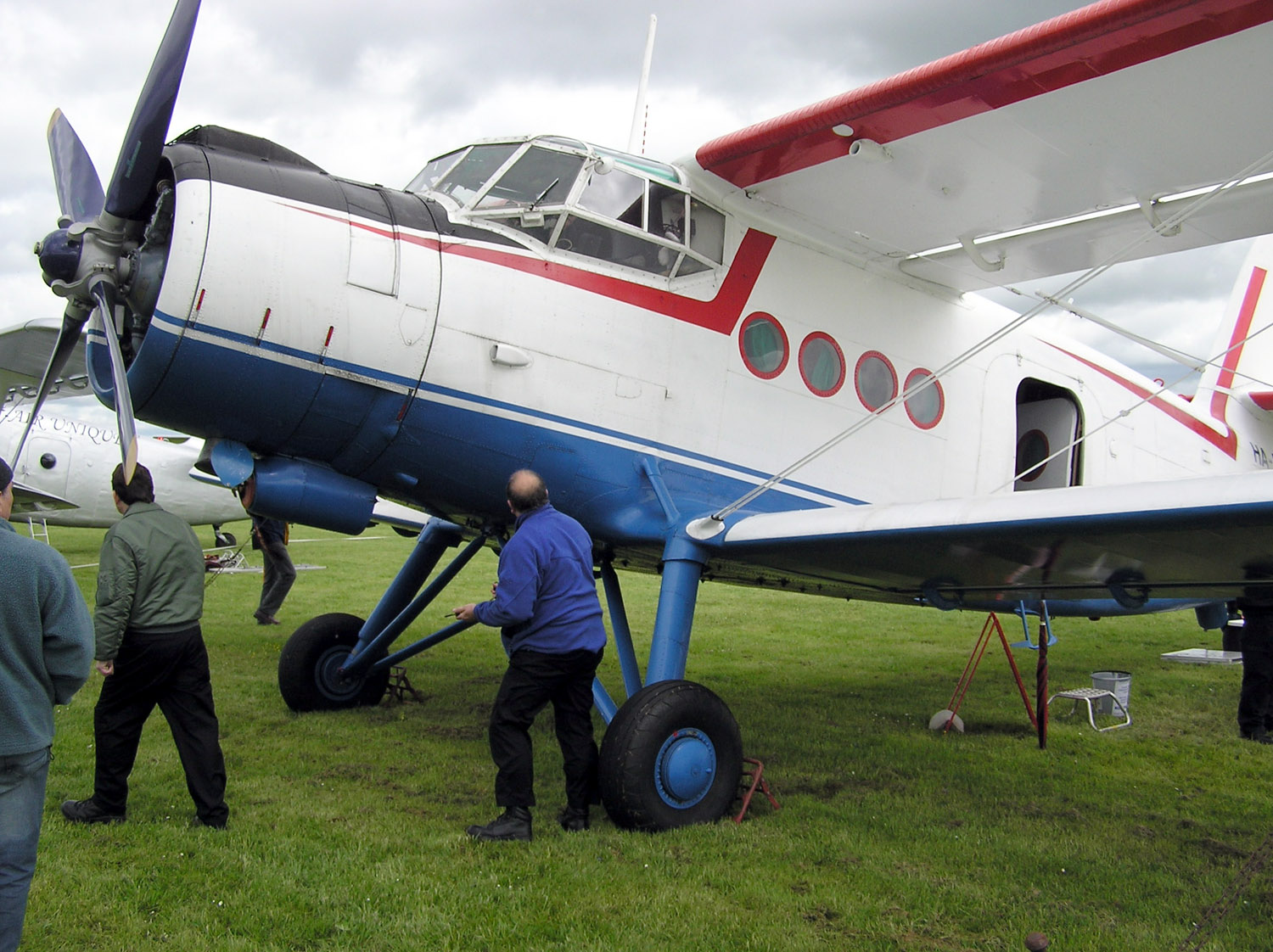
The An-2 also proved valuable in military service. The Soviet Air Force was the first to adopt the type, followed by other Warsaw Pact nations. It saw its first combat during the Korean War and was later used by the Vietnam People’s Air Force during the Vietnam War, where it was occasionally employed in attack missions. Since its introduction, the Antonov An-2 has earned a reputation as one of the most versatile and durable utility aircraft ever built. More than 18,000 examples were produced in various versions, serving around the world in both civilian and military roles. Many have been adapted with skis, floats, or even turbine engines to expand their capabilities.
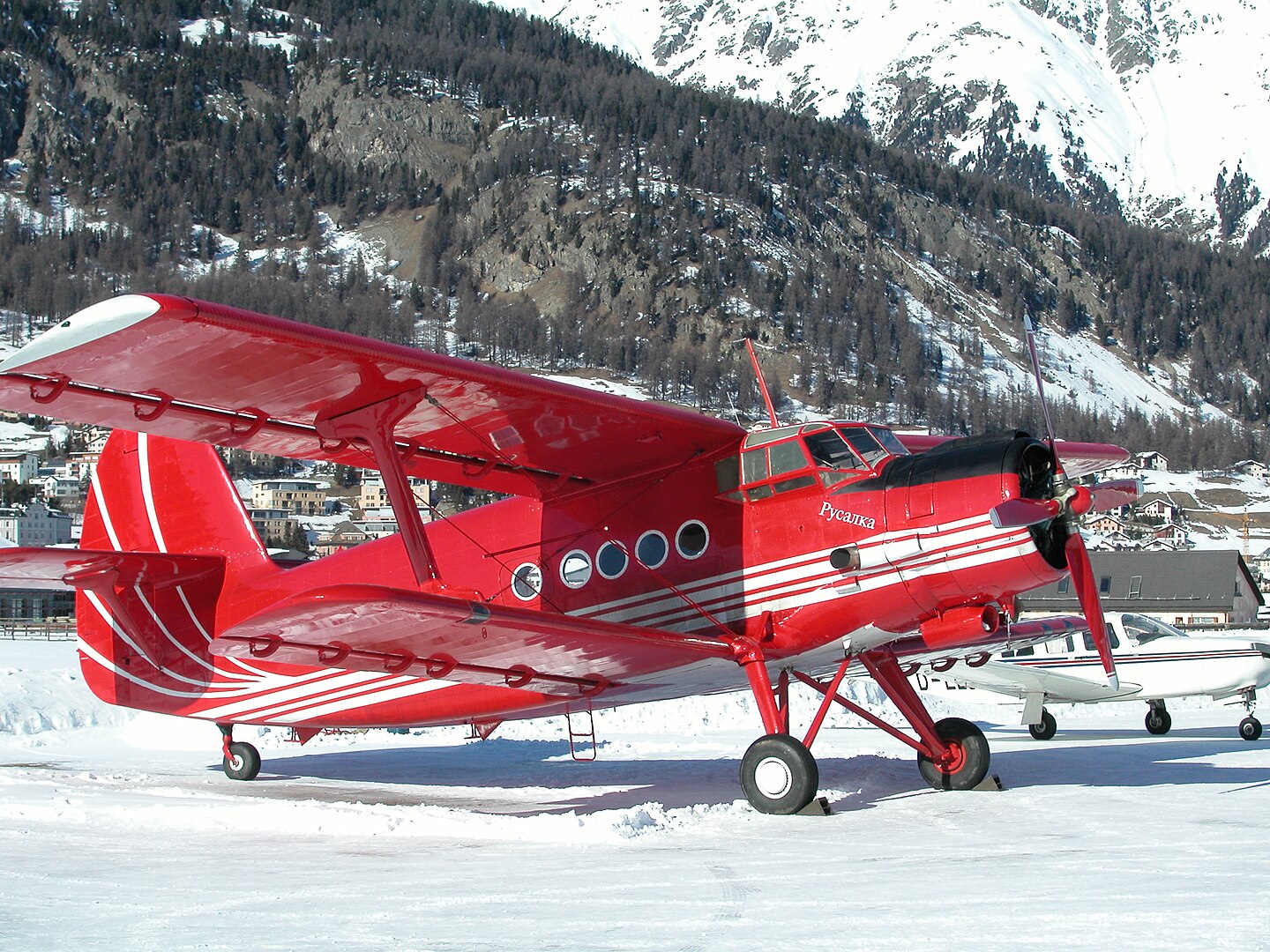
Today, An-2s can still be found operating in numerous countries, including examples in the United States owned by private collectors and museums. With its distinctive size, biplane design, and unmistakably rugged Soviet appearance, the Antonov An-2 remains a crowd favorite at aviation events and continues to symbolize practical reliability more than seven decades after its first flight.