


(Image credit: VAN)
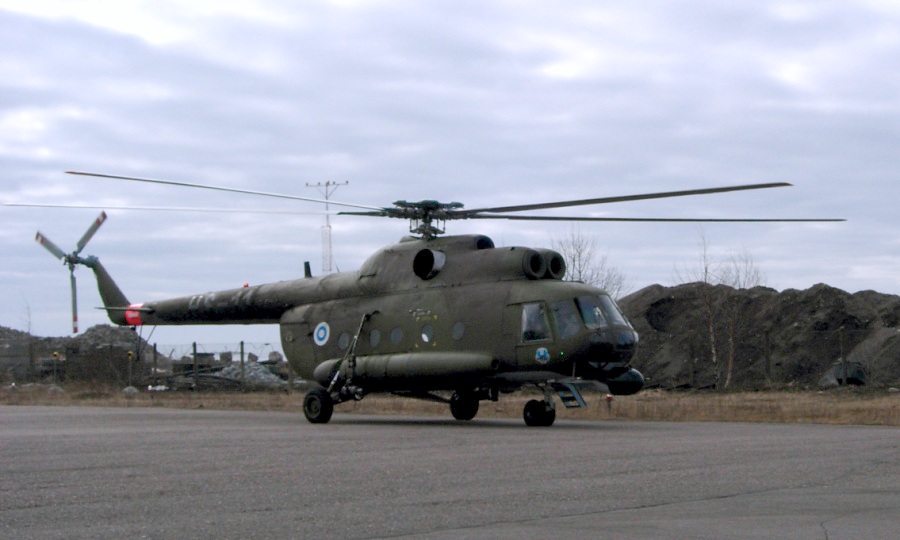
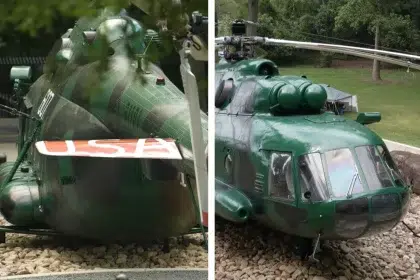
On this day in aviation history, 64 years ago—July 7, 1961—the Mil Mi-8 made its first flight. Designated “Hip” by NATO, the Mi-8 is a medium twin-turbine helicopter developed in the Soviet Union during the height of the Cold War. Designed by the Mil Design Bureau under the direction of Mikhail Mil, the helicopter was officially introduced into Soviet Air Force service in 1968. Remarkably, the Mi-8 remains in production as of 2024, a testament to its versatility, reliability, and enduring utility. Primarily used as a transport helicopter, the Mi-8 can also be armed for combat operations.
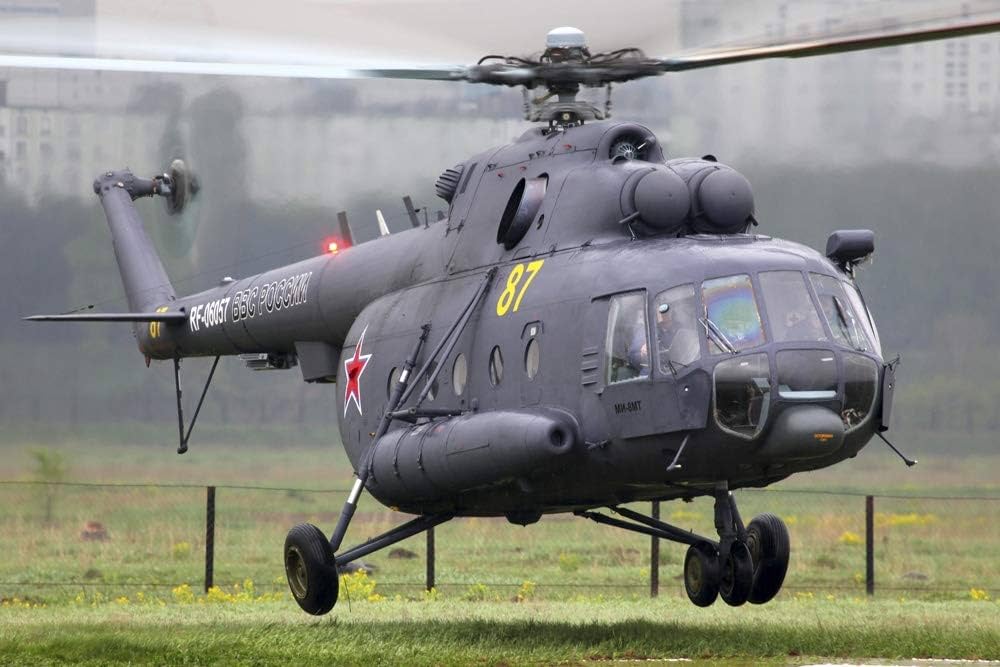
Mikhail Mil first pitched the concept for the Mi-8 in 1959, seeking to improve upon his earlier and successful Mi-4 design. Recognizing the need for the Soviet Union to keep pace with Western rotorcraft advancements, Mil envisioned the Mi-8 as an upgraded platform featuring new turbine engines. Initially met with resistance from the Soviet Air Force—who viewed it as too similar to the Mi-4—Mil emphasized the improvements the new design would bring. Eventually, a series of prototypes and test flights led to the Mi-8’s acceptance and its formal entry into service nearly a decade later.
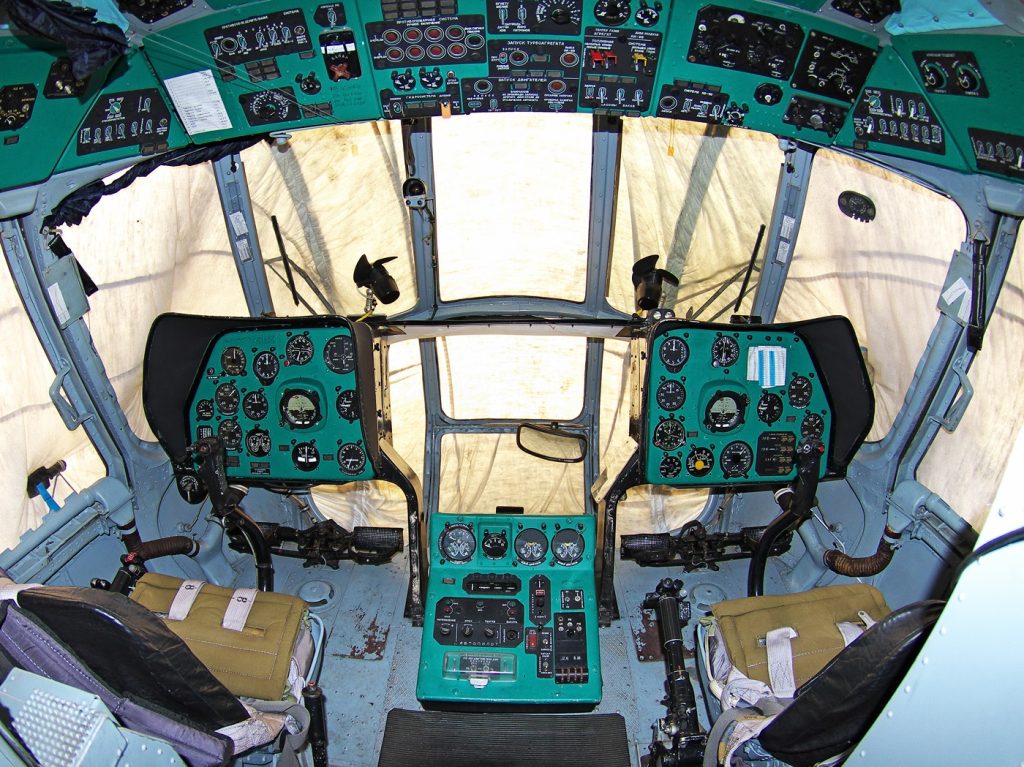
The Mi-8MT variant is powered by two Klimov TV3-117MT turboshaft engines, each producing 1,950 horsepower. The standard crew consists of a pilot, co-pilot, and flight engineer. The helicopter is capable of transporting up to 24 passengers or 12 stretchers with a medical attendant. With a top speed of 160 mph, a range of 267 nautical miles, and a service ceiling of 16,000 feet, the Mi-8MT is well-suited for a variety of missions. It can also be armed with up to 8,818 pounds of munitions across six external hardpoints, carrying weapons such as 57 mm S-5 rockets, bombs, 9M17 Phalanga anti-tank missiles, and one or two side-mounted PK machine guns.
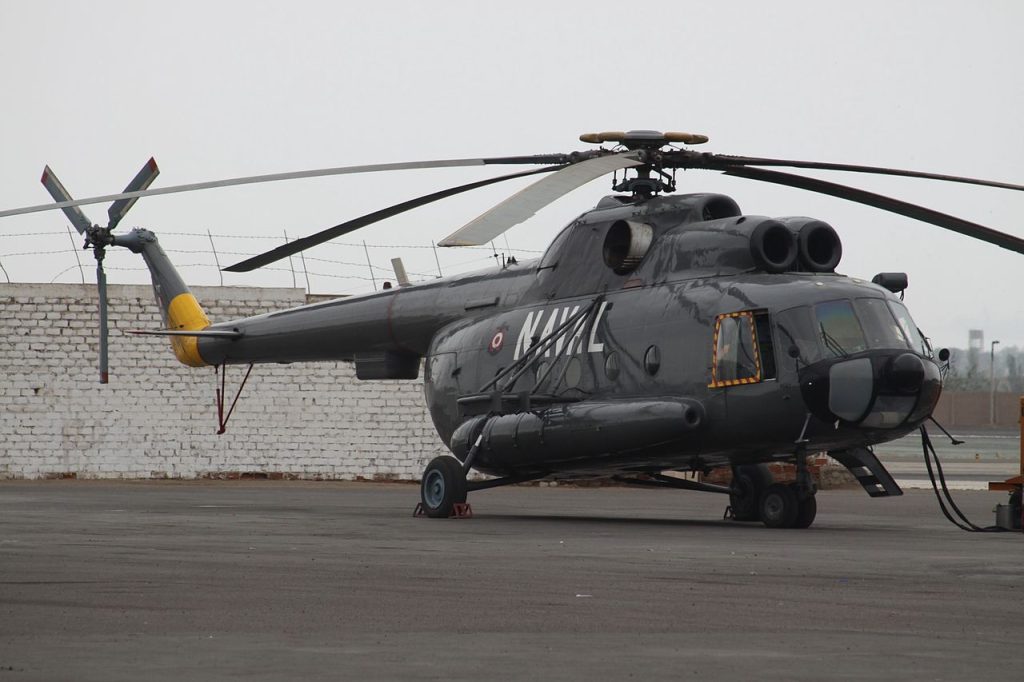
The Mil Mi-8 has served in more than 80 countries, including Finland, Georgia, Iraq, South Sudan, Ukraine, and even the United States, where it has been employed by the CIA and Special Forces for clandestine operations. With over 17,000 units built since the 1960s, the Mi-8 has become one of the most produced helicopters in history. For more than six decades, it has served as the backbone of military aviation across the globe—its ruggedness and adaptability ensuring its place in both history and the skies for years to come.