







(Image credit: VAN)
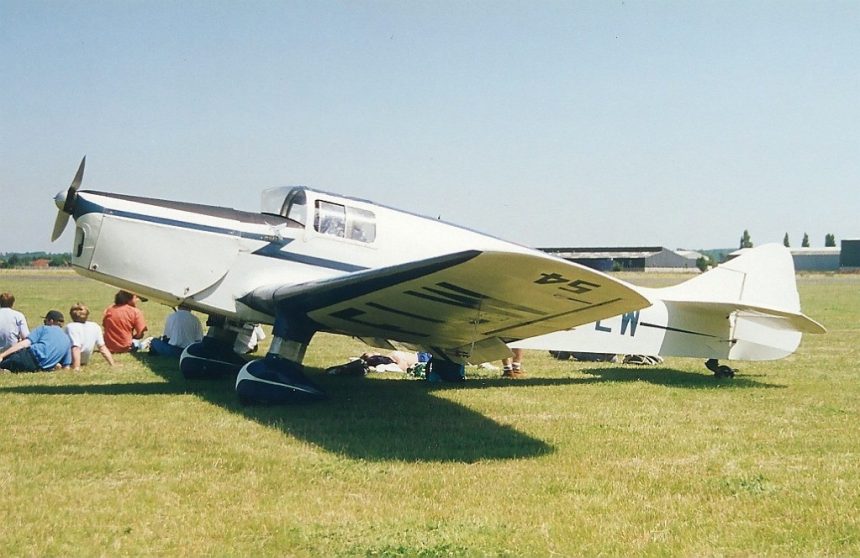
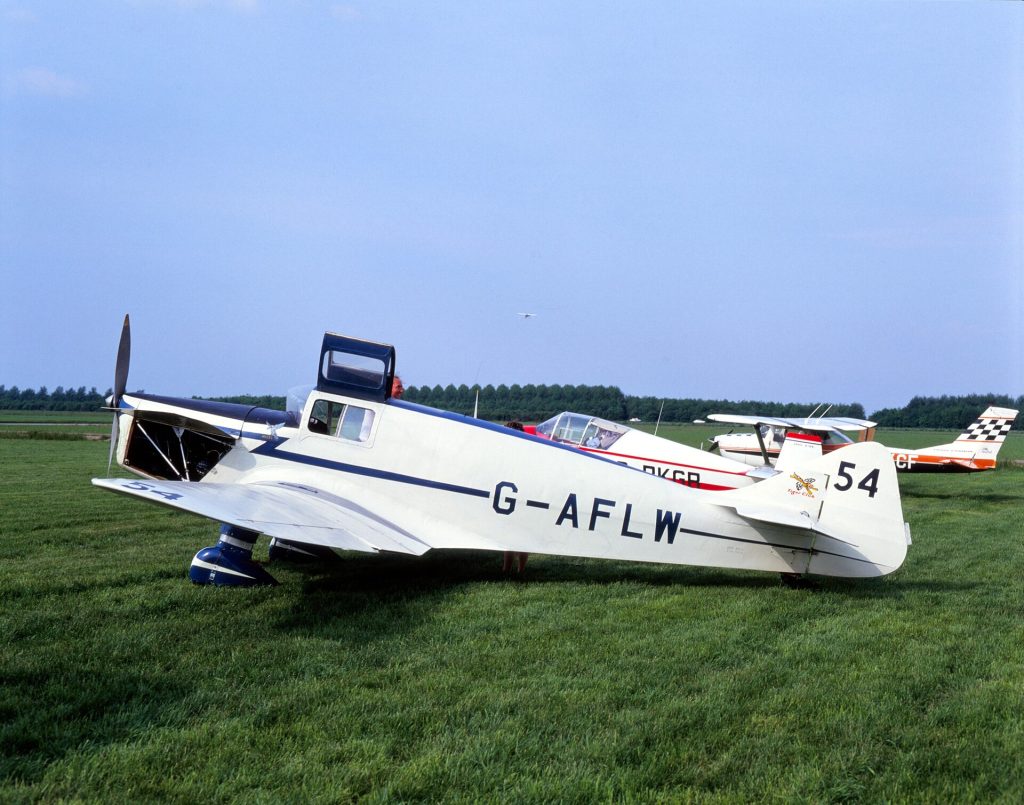
On this day in aviation history, 88 years ago (February 21, 1938), the first flight of the Miles M.17 Monarch took place. The M.17 was a light touring airplane, designed by British aviation manufacturer Miles Aircraft Limited. Manufactured between 1938 and 1939, the Monarch was not built en masse; only eleven airframes were created by Miles. The M.17 was the last aircraft that Miles (at the time named Phillips and Powls) manufactured before the start of World War II.
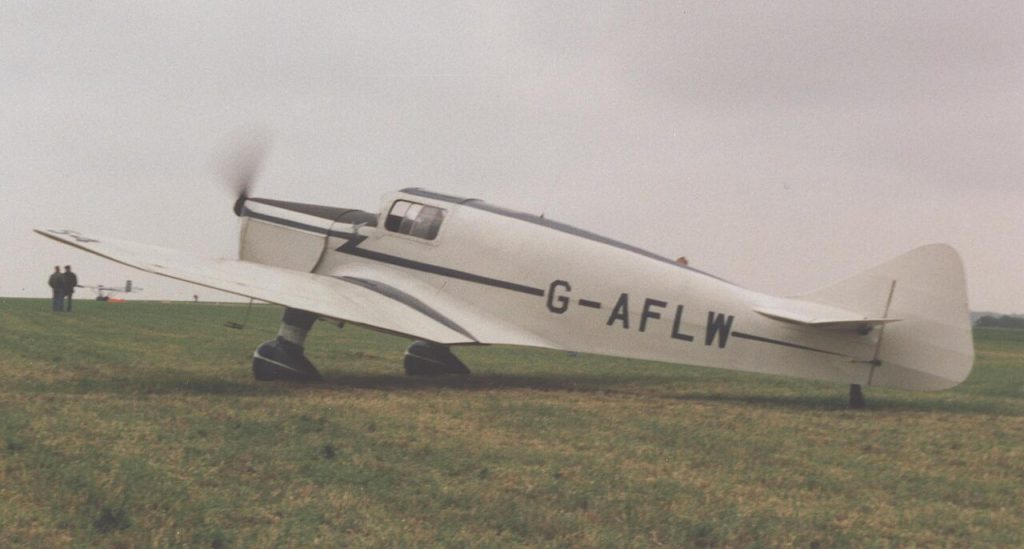
Miles developed the Monarch as a furtherance of their M.11 Whitney Straight two-seat monoplane. Like the M.11, the M.17 featured an enclosed cabin, only this time capable of holding three occupants. The M.17 also retained the conventional landing gear format with fixed gear and a tailwheel. Miles built the Monarch with a larger fuselage than the Whitney Straight, which not only allowed for an extra seat but also created space for more luggage. Of the eleven M.17s built, six were sold to British customers. The rest of the airframes were sold as exports. The Miles M.17 was powered by a 130-horsepower De Havilland Gipsy Major I 4-cylinder inverted inline engine. The aircraft could attain a maximum airspeed of 140 mph, but would more typically cruise around 125 mph. With standard fuel tanks, the Monarch had a range of 540 nautical miles. However, if long-range tanks were equipped, the aircraft could extend that range to 791 nautical miles. M.17s had a service ceiling of 17,400 feet and could attain an 850-foot-per-minute rate of climb. The Monarch did not need much room to take off, only 435 feet.
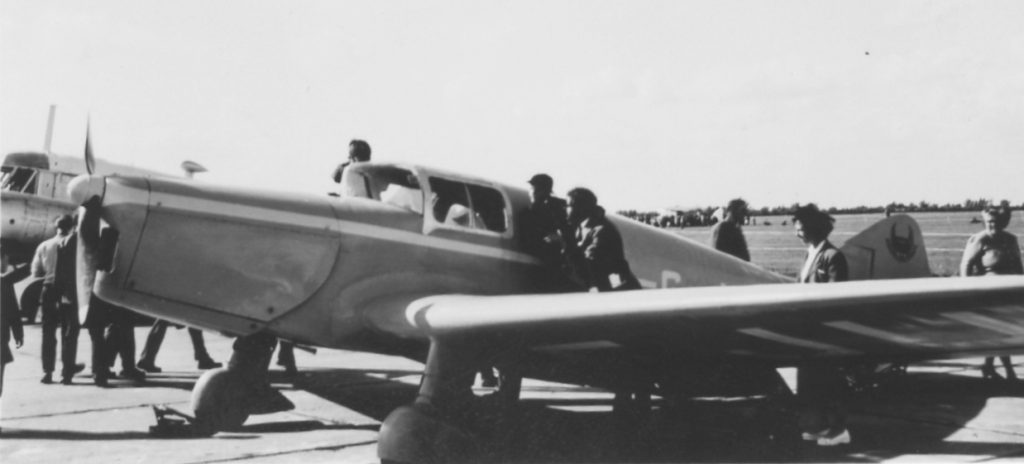
When the Second World War broke out, five of the British-owned M.17s were pressed into service by the Air Ministry. Each of these aircraft survived the war, with the exception of a Dutch-registered M.17 (PH-ATP). This Monarch was destroyed by the Luftwaffe raid at Schiphol on May 10, 1940. During the 1950s, one of the surviving Monarch’s G-AIDE, owned by W.P. Bowles, found success as an air racer. Despite being built in small numbers, one Miles M.17 still survives today. Monarch G-AFJU is on display at the National Museum of Flight, located at RAF East Fortune near East Linton, Scotland.









G-afju left East Fortune about 20 years ago as part of a major removal of aircraft and displays to enable Concorde to be put under cover