






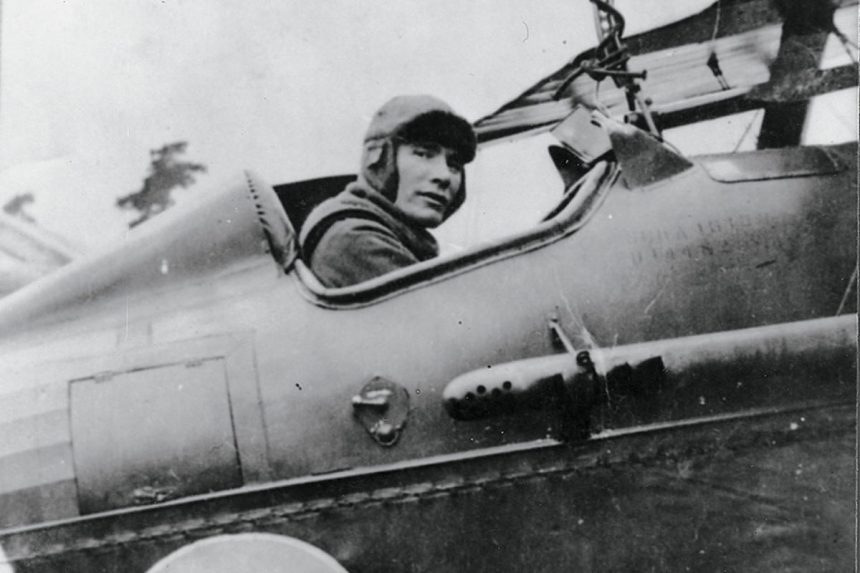

Major Edward Corringham “Mick” Mannock was not meant to be a fighter ace. He did not arrive in the Royal Flying Corps young and confident. He came late, older than most, carrying poor health, political opinions that set him apart, and memories of imprisonment and disease. Yet by the summer of 1918, he had become one of the most effective fighter pilots of World War I, with 61 confirmed victories, and was recognized as one of the most highly decorated British fighter pilots of the war. Mannock’s legacy rests not only on numbers but on how he fought, how he taught others to fight, and how seriously he regarded survival in a war.
Early life of Major Mick Mannock
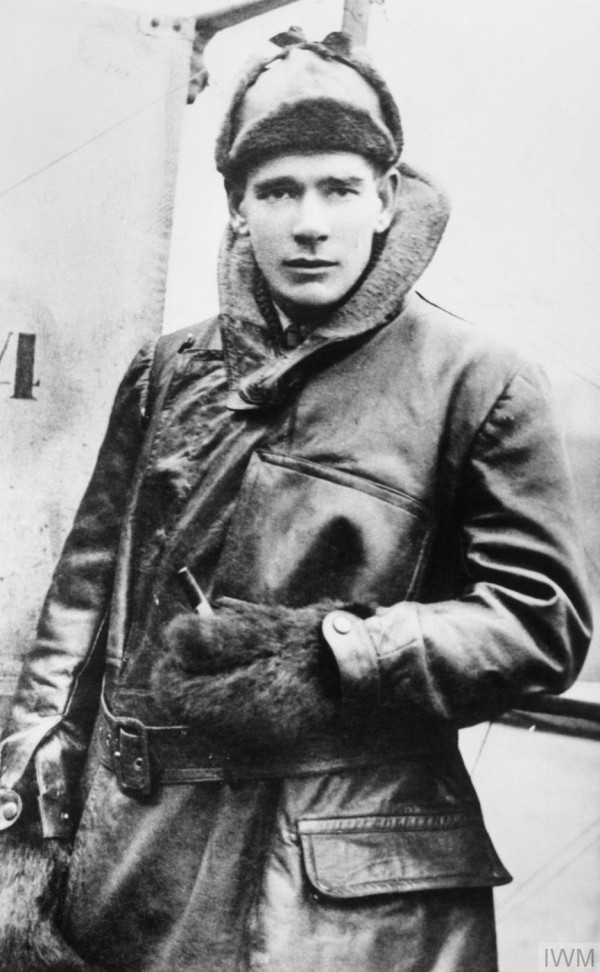
Mannock was born on May 24, 1887. When he was a child, his father re-enlisted in the British Army, and the family moved to India, where Mannock contracted malaria and nearly died. The illness weakened him permanently, and when the family later returned to Britain, his father abandoned them. Mannock was still at school and took on menial work to help support his mother and sisters. After leaving school, he joined the National Telephone Company, where he developed health problems due to poor ventilation in the office. In 1911, he joined the Territorial Army in Wellingborough and served in the Royal Army Medical Corps (RAMC). He held strong political views, supporting the British Empire while sympathizing with Irish Home Rule and socialist ideas, positions that later isolated him socially in the officer class. In February 1914, he sailed to Turkey, where he began work as a telephone engineer in Constantinople, modern-day Istanbul, until he was jailed when the Turks allied themselves with Germany, making Mannock an enemy subject. In prison, his health deteriorated even further until he escaped and eventually arrived back in Britain, but not before contracting malaria again.
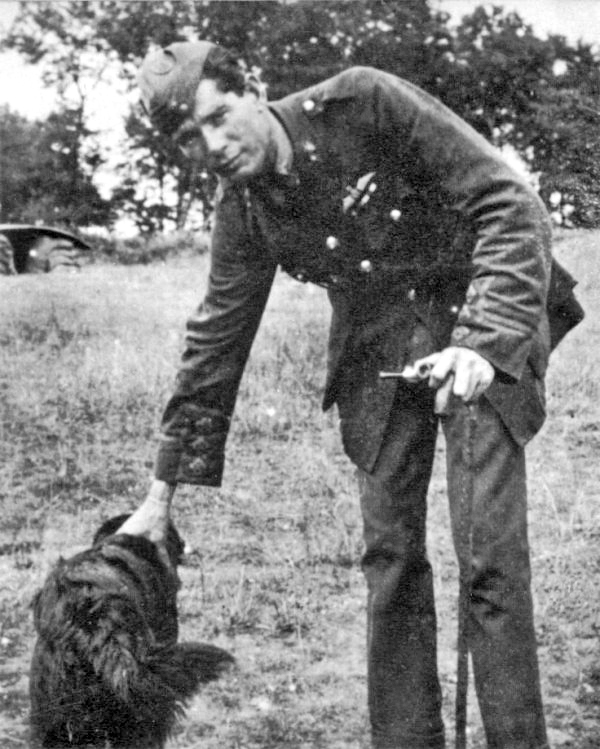
On May 22, 1915, Mannock joined the Royal Army Medical Corps and served as an ambulance driver in France, which he hated. Treating wounded German prisoners while British troops died in battle made him unhappy. He requested a transfer and was moved into the Royal Engineers in March 1916. But he wanted to be a commissioned officer and knew that repeated transfers could jeopardize his record. Inspired by pilots such as Albert Ball, Mannock applied for the Royal Flying Corps and was accepted in mid-1916. He began training in August 1916, and for the next seven months, he studied and tested the aircraft, gunnery, and air combat carefully, not only how to fly and fight in the air but also how to survive. After becoming confident in his skills, in March 1917, he was posted to France with No. 40 Squadron. However, Mannock’s arrival did not go smoothly as he was initially unimpressive in combat. Anti-aircraft fire unnerved him, and he mishandled early patrols and was shunned in the mess. Some pilots thought him arrogant, others thought him reckless. He worked through it alone and rose again.
First Target and Becoming an Ace
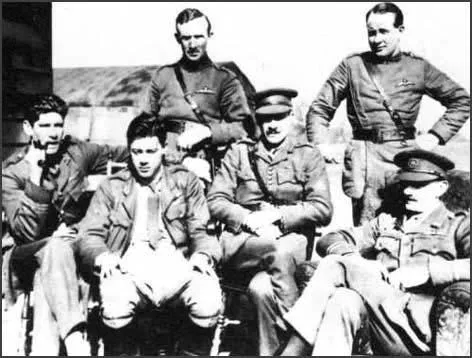
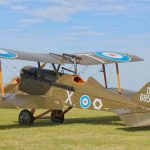
After initial struggles with nerves and a lack of results, Mannock changed his approach from firing at long ranges to closing in close, attacking from above, and firing only when a kill was certain, which changed everything. On May 7, 1917, he destroyed his first target, an observation balloon. More victories followed, and his score grew rapidly through the summer of 1917, despite many uncredited claims. By August, during the fighting at Ypres, he crossed five confirmed victories and officially became an ace. By the end of September 1917, flying Nieuports, his tally stood at fifteen, including German aircraft such as Albatros D.III, Albatros D.V, DFW C.V, and Rumpler C. For his heroics, he was awarded the Military Cross, followed by a bar. In early October 1917, Mannock returned to England on leave until early 1918. In February 1918, Mannock returned to operations not just as a pilot, but as a flight commander and was posted to No. 74 Squadron. The unit was transitioning to the S.E.5a, a fast aircraft that suited Mannock’s style. Assigned to train young pilots, Mannock created his own rules, such as always flying above, rarely on the same level, but never below. He often led newcomers to score their first victories for morale improvement, while his own tally continued to climb.
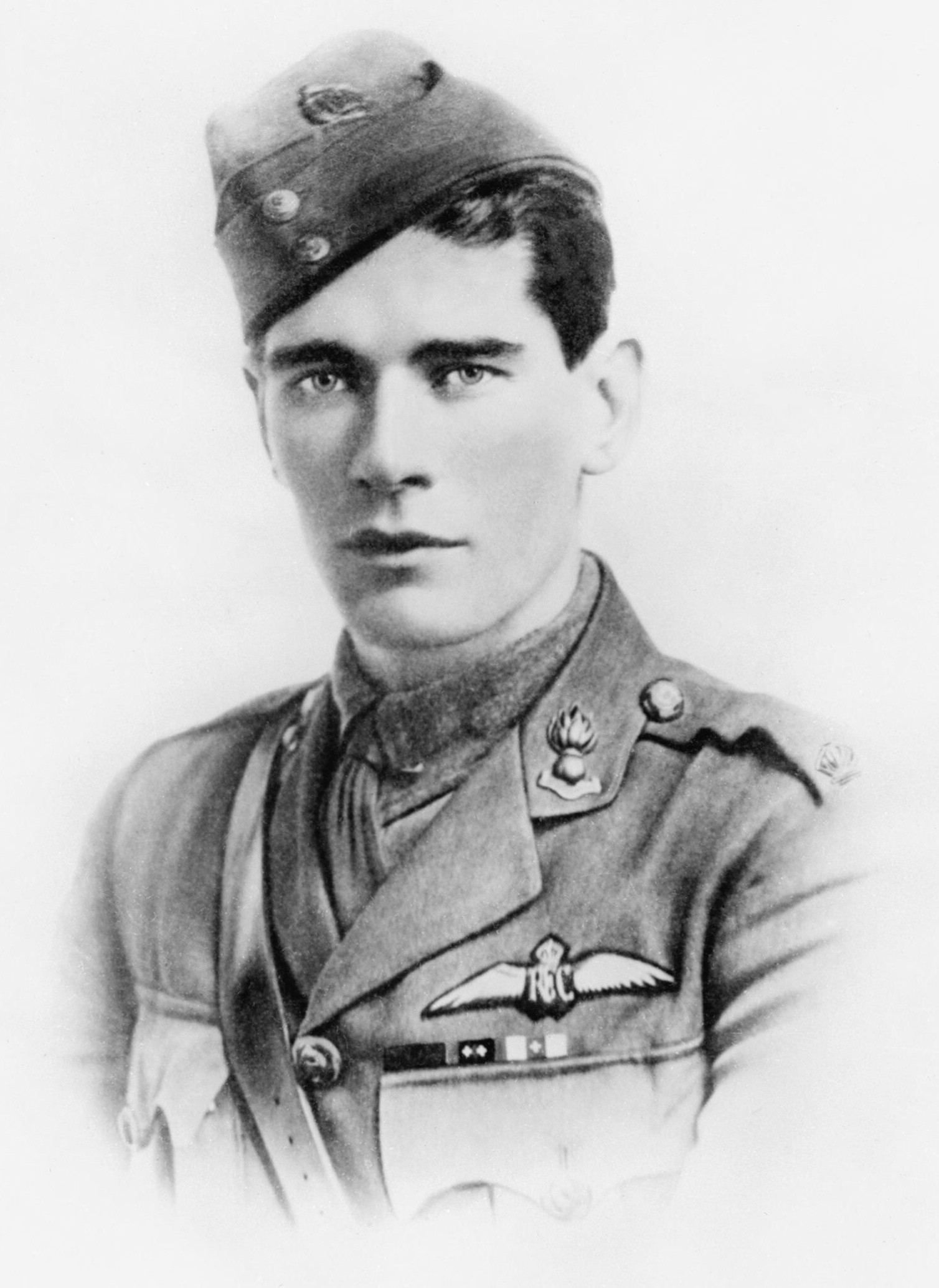
During the spring of 1918, as German forces launched their final offensives, Mannock fought almost continuously. Between April and June, he added dozens of victories to his total, flying daily patrols over Flanders. He was awarded the Distinguished Service Order, followed by two bars. By mid-June, his official score had passed fifty. Despite his success, Mannock was not carefree. Years of illness, imprisonment, and combat had worn him down. He developed a deep fear of being shot down in flames. Friends later recalled that he spoke often about fire. There were rumours that he carried a pistol in the cockpit to avoid being burned to death if brought down. In July 1918, Mannock was given command of No. 85 Squadron. The unit had capable pilots but uneven leadership. Like earlier, Mannock led by example and flew at the front to boost the pilots’ morale and continued to score. Within weeks, he had added several more victories, including against Fokker D.VIIs, the most capable German fighter then in service. On July 20, Mannock warned fellow fighter pilot George McElroy, who was an ace himself, about the dangers of following enemy aircraft too low over the lines. Ground fire, he said, killed more pilots than enemy fighters. It was advice drawn from long experience.
Ignored His Own Rule
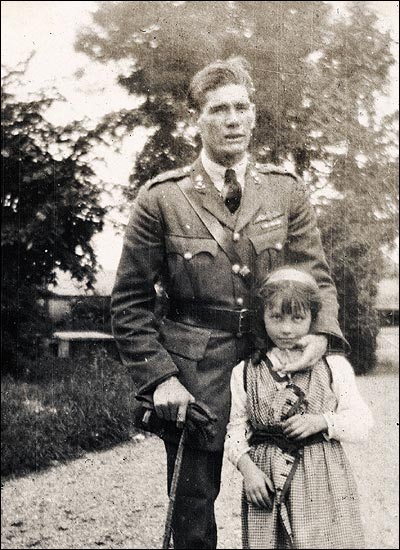
Mannock was always an advisor of flying above, but six days later, he ignored it. Between July 14 and 26, he was on a killing spree to take revenge for his friend, James McCudden, who had been killed in a flying accident on July 10. He shot down six German aircraft, but in this period, he started to take risks and also ignored his own rules. On the morning of July 26, 1918, Mannock took off with a new pilot, Lieutenant Donald Inglis, intending to help him gain his first victory. After shooting down a German two-seater behind enemy lines, Mannock descended to examine the wreckage. As he crossed the trenches at low altitude, intense ground fire struck his aircraft, flames spread rapidly, and witnesses saw his S.E.5a enter a slow turn and crash in fire. Mannock was thirty-one years old at the time. A body was reportedly found near the wreckage, but its identity was never conclusively proven. Mannock officially has no known grave. His name is commemorated on the Royal Flying Corps Memorial to the Missing at Arras.
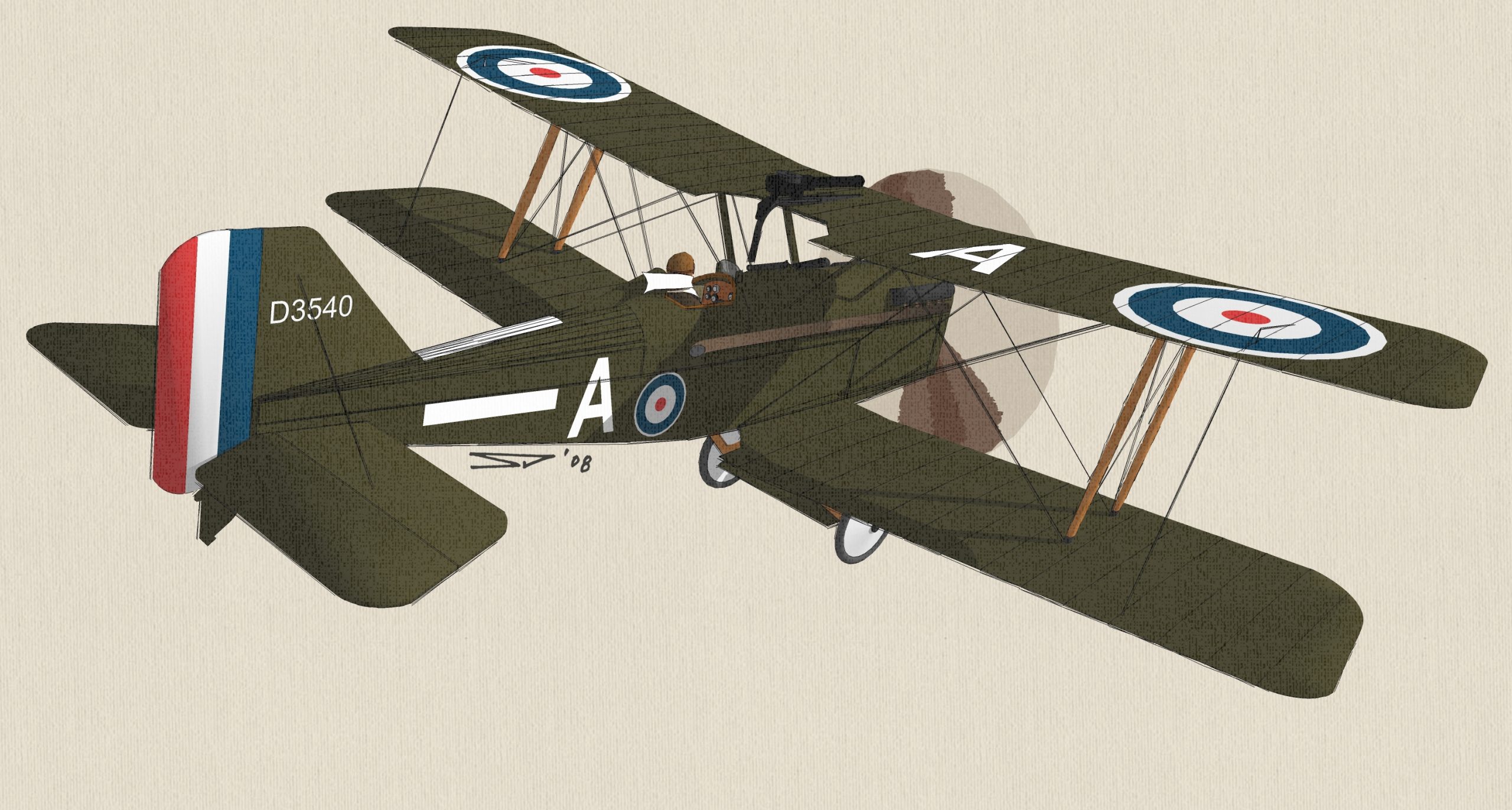
At the time of his death, Mannock had been credited with 61 victories, making him one of the highest-scoring British pilots of the war. More importantly, he had reshaped how British fighter squadrons fought. A year after his death, following sustained efforts by those who had served with him, Mannock was awarded the Victoria Cross. The citation described a man of fearless courage, remarkable skill, and devotion to duty. An extract from the “London Gazette”, dated July 18, 1919, honored Mannock by quoting him as a “highly distinguished officer during the whole of his career in the Royal Air Force, who was an outstanding example of fearless courage, remarkable skill, devotion to duty, and self-sacrifice, which has never been surpassed.” Like other fighter pilots in the Aces series, Mick Mannock showed courage, proper tactics, proper understanding of aircraft, and compassion for his colleagues while in the air.
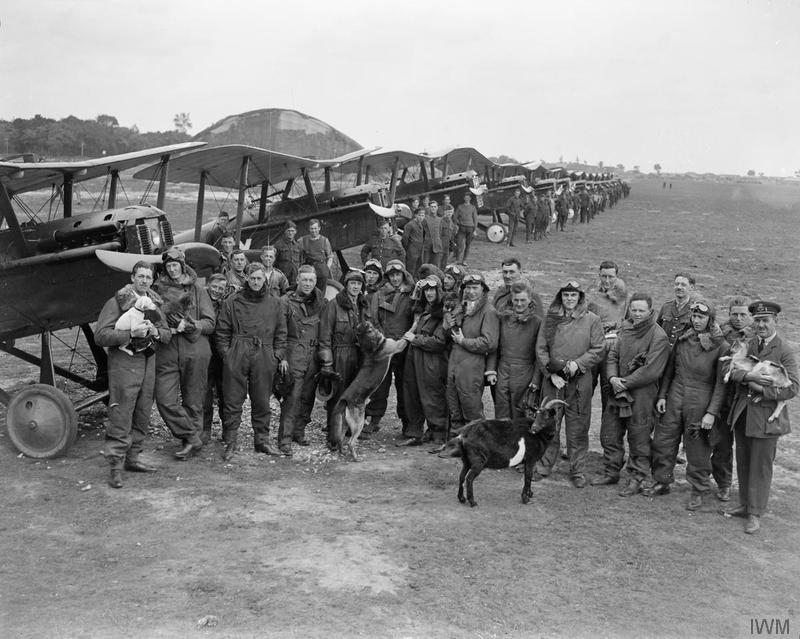











If you are an historian you would know how many of Mannocks claims have been vacated due to faulty reporting and outright lying by his biographer who was also here s best friend